Surveys · Ontario
Designated Substance Survey Report
In Ontario, a Designated Substance Survey (DSS) is required before construction, demolition, or renovation work. Our Designated Substance Survey Report tells owners and contractors which designated substances are present, where they are, and what to do about them.
Why it matters
Know what’s in the building before work begins
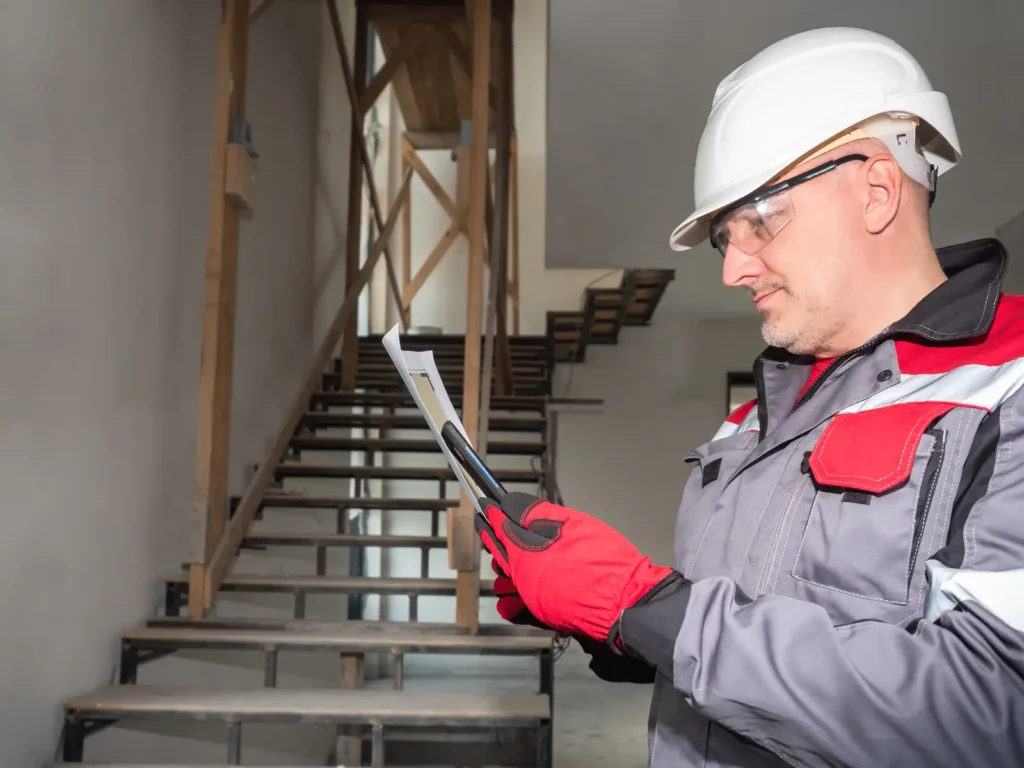
Ontario’s Occupational Health and Safety Act requires the owner of a project to determine whether designated substances are present at the project site before tendering, and to share that list with the contractors bidding on the work.
A Designated Substance Survey Report identifies those substances, so the project can be planned, priced and carried out safely and in compliance with Ontario regulations. Many of these materials were common in older buildings, and you can’t tell by looking whether a material contains them: sampling and laboratory analysis are the only way to know.
Designated substances (O. Reg. 490/09)
- Acrylonitrile
- Arsenic
- Asbestos
- Benzene
- Coke oven emissions
- Ethylene oxide
- Isocyanates
- Lead
- Mercury
- Silica
- Vinyl chloride
Inside the report
What’s in a Designated Substance Survey Report
A clear, easy-to-read document that owners, project managers and contractors can plan from.
Scope of the survey
The building and the areas included in the survey, so everyone knows exactly what was looked at.
Materials sampled
The suspect materials that were sampled and where each sample was taken.
Laboratory results
Results from accredited laboratories for each sample collected.
Substances and locations
Which designated substances were identified, and where they are in the building.
Interpretation
The results reviewed and interpreted, so you understand the risks and the compliance requirements.
Recommendations
Practical next steps: safe management, removal before the work starts, or ongoing monitoring.
When you need one
Projects that call for a Designated Substance Survey Report
If the work will disturb the structure or the building materials, the designated substances in them need to be known first.
- Renovations that open up walls, ceilings or floors
- Demolition, full or partial, structural or interior
- Construction projects and additions to existing buildings
- Tendering a project: the list goes to the contractors bidding on the work
Planning demolition? See demolition. Asbestos found? See abatement and asbestos air quality testing.
How it works
Four steps to your report
- Tell us about the project. The building, the type of work and the areas affected.
- Site survey and sampling. We inspect the areas in scope and collect samples of suspect materials.
- Laboratory analysis. Samples are sent to accredited laboratories.
- Your Designated Substance Survey Report. Findings, locations and recommendations in one document you can share with your contractors.
What is a Designated Substance Survey Report?
A report that identifies the designated substances (such as asbestos, lead, mercury and silica) present in a building or project area, where they are, and what should be done about them before the work begins.
When do I need a DSS?
In Ontario, before construction, demolition, or renovation work.
Who is responsible for getting one?
The owner of the project is responsible for determining whether designated substances are present before the project is tendered. Contractors rely on the report to plan and price the work.
Who sees the report?
The list of designated substances goes to the contractors bidding on the project, and from them to their subcontractors, so everyone working on site knows what is there.
What substances does it cover?
The designated substances listed in Ontario Regulation 490/09: acrylonitrile, arsenic, asbestos, benzene, coke oven emissions, ethylene oxide, isocyanates, lead, mercury, silica and vinyl chloride.
What if asbestos is found?
Asbestos work in Ontario is covered by O. Reg. 278/05. We can help with air testing and a contractor referral and estimate for abatement.
How much does it cost?
Every property and project is different. Contact us to discuss your project and request a quote.
Our process
From a clear intention to practical recommendations
Every project with EnviroGuard Consulting and Testing follows the same six steps.
01
Intention
Every project begins with a clear intention: identifying the purpose of the assessment, whether it’s for asbestos, mould, or indoor air quality concerns.
02
Methodology
A structured methodology is followed, including careful on-site sampling, air monitoring, and material collection according to recognized industry standards.
03
Laboratories
Samples are sent to accredited laboratories for analysis.
04
Results
Laboratory analysis produces accurate and reliable results.
05
Interpretation
Results are thoroughly reviewed and interpreted to understand potential risks and compliance requirements.
06
Recommendations
Practical, actionable steps for remediation, safe management, or ongoing monitoring to ensure a healthy and compliant environment.
Why EnviroGuard
Experience, integrity and regulatory conformity
Regulations
- O. Reg. 278/05 Asbestos on construction projects and in buildings and repair operationsOccupational Health and Safety Act
- O. Reg. 490/09 Designated substancesOccupational Health and Safety Act
- O. Reg. 347/90 General waste management, including asbestos wasteEnvironmental Protection Act
Under the Occupational Health and Safety Act (OHSA), the ministry is responsible for regulating occupational health and safety in workplaces, which includes schools, hospitals, and any place where people work.
Experience
With over 30 years of experience in solid waste management across Ontario and 20 years in environmental science, EnviroGuard Consulting and Testing provides expert asbestos, mould, and environmental testing services.
Hands-on knowledge of hazardous material assessment and indoor air quality ensures every project is handled safely, efficiently, and in full compliance with Ontario’s environmental and occupational health regulations.
Integrity
Built on high integrity and regulatory conformity, EnviroGuard delivers precise testing, reliable reporting, and practical abatement and remediation recommendations.
Clients can trust EnviroGuard to protect their buildings, occupants, and projects while maintaining the highest standards of safety and compliance.
Our services
Environmental testing and consulting
At EnviroGuard, we offer a comprehensive range of environmental testing and consulting services for homes and businesses.
Asbestos testing
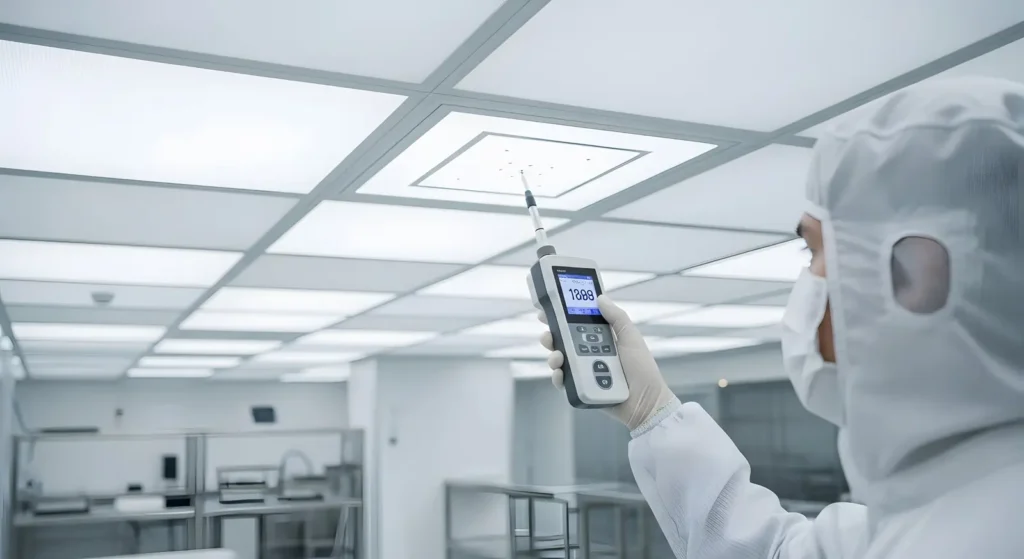
Asbestos Air Quality Testing
Air samples show whether asbestos fibres are present and at what concentration. Required for Type 3 work under O. Reg. 278/05.
Learn more
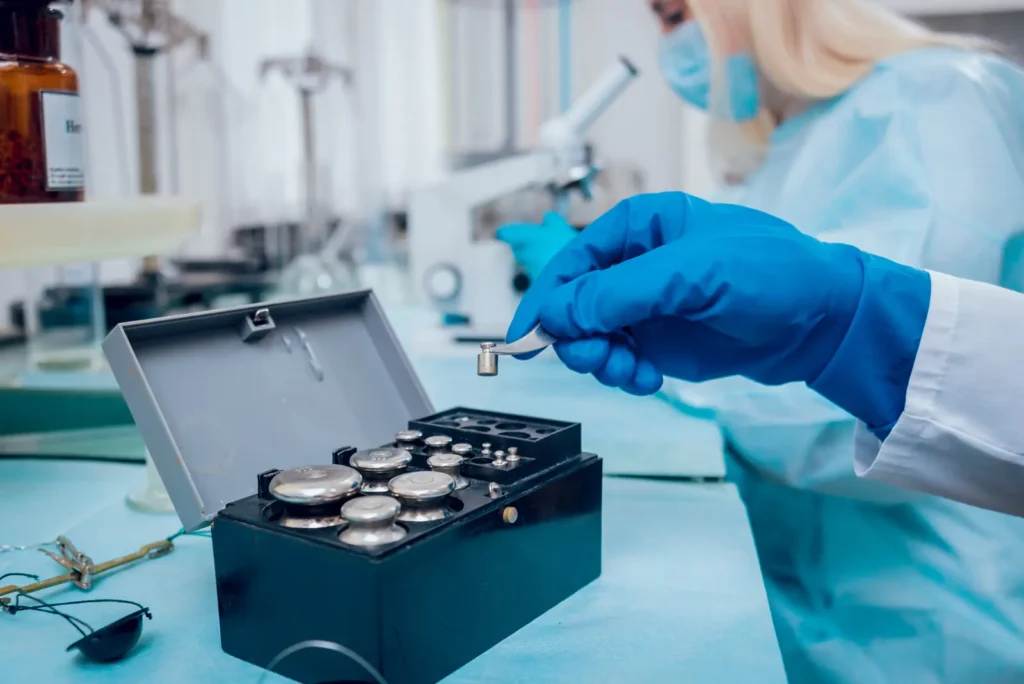
Asbestos Bulk Testing
Samples of drywall compound, insulation, flooring, ceiling tiles, plaster and more, before renovation or demolition.
Learn more

Asbestos Summary Reports
All asbestos findings, both air and bulk, compiled into one easy-to-read document.
Learn more
Mould testing
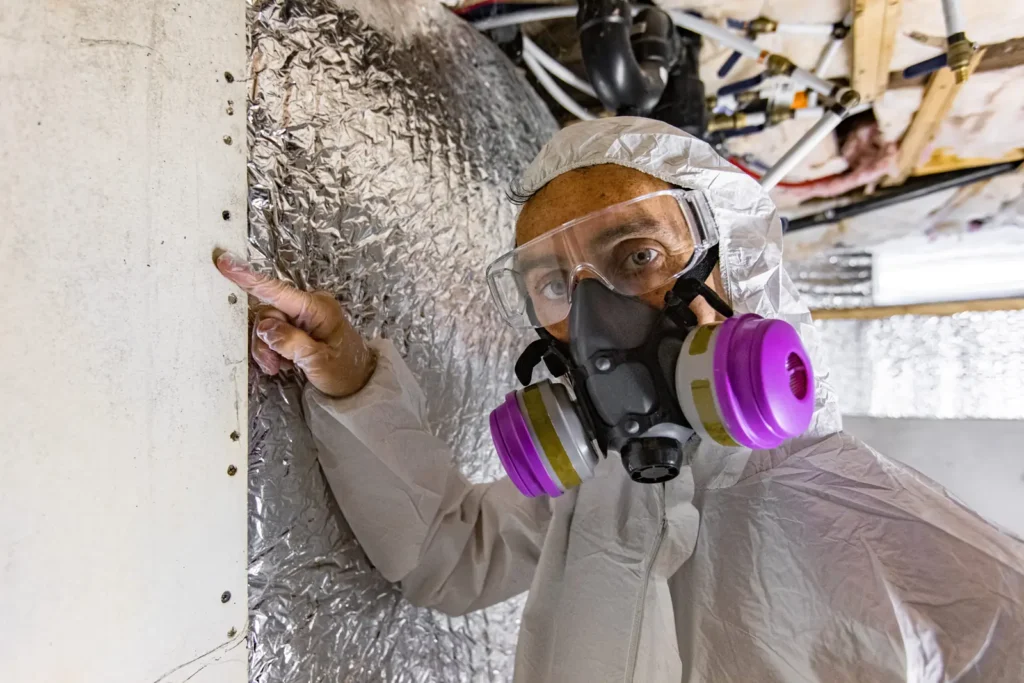
Mould Air Quality Testing
Indoor mould spore readings compared to outdoor baseline levels. A good background if mould is suspected.
Learn more
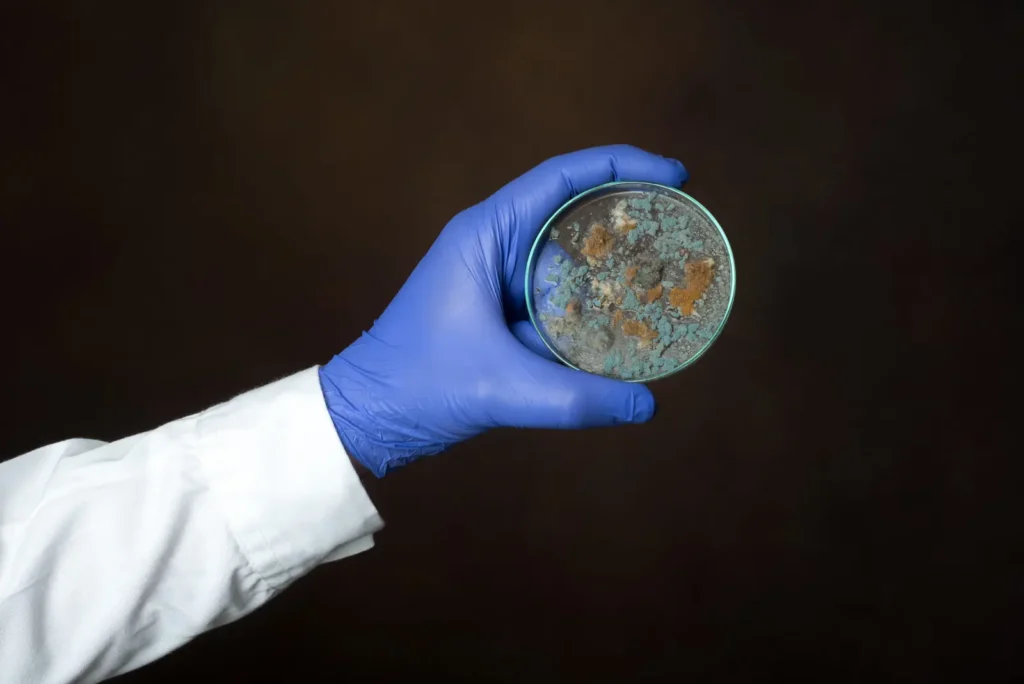
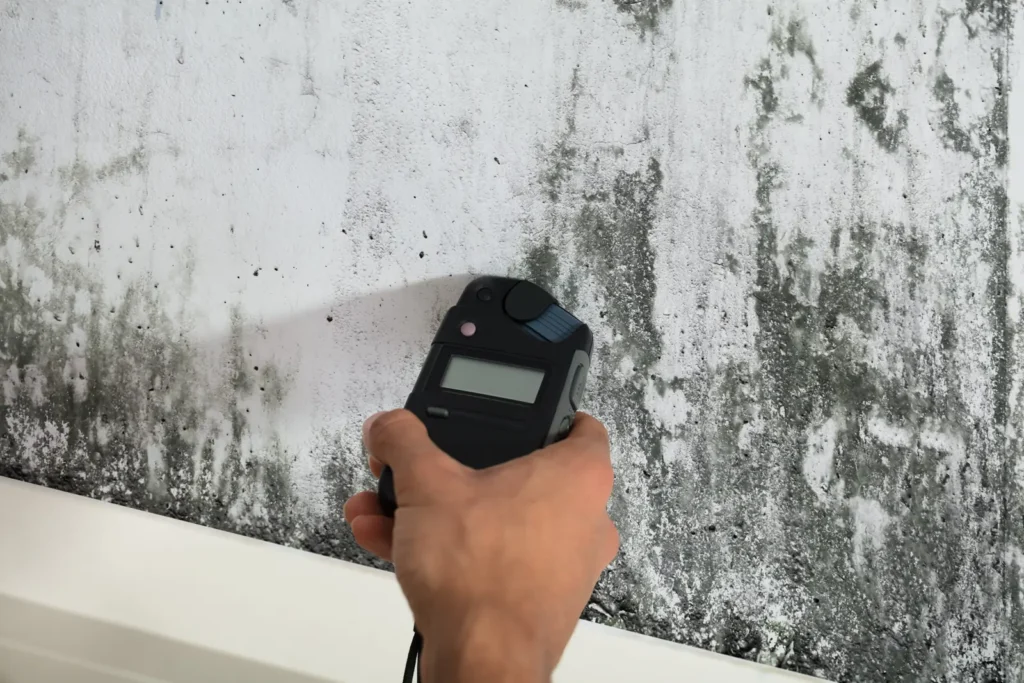
Mould Assessments
Visual inspection, moisture readings, air and/or surface sampling, source identification and recommendations.
Learn more
Surveys, removal and demolition
Designated Substance Survey
In Ontario, a DSS report is required before construction, demolition or renovation work.
Learn more
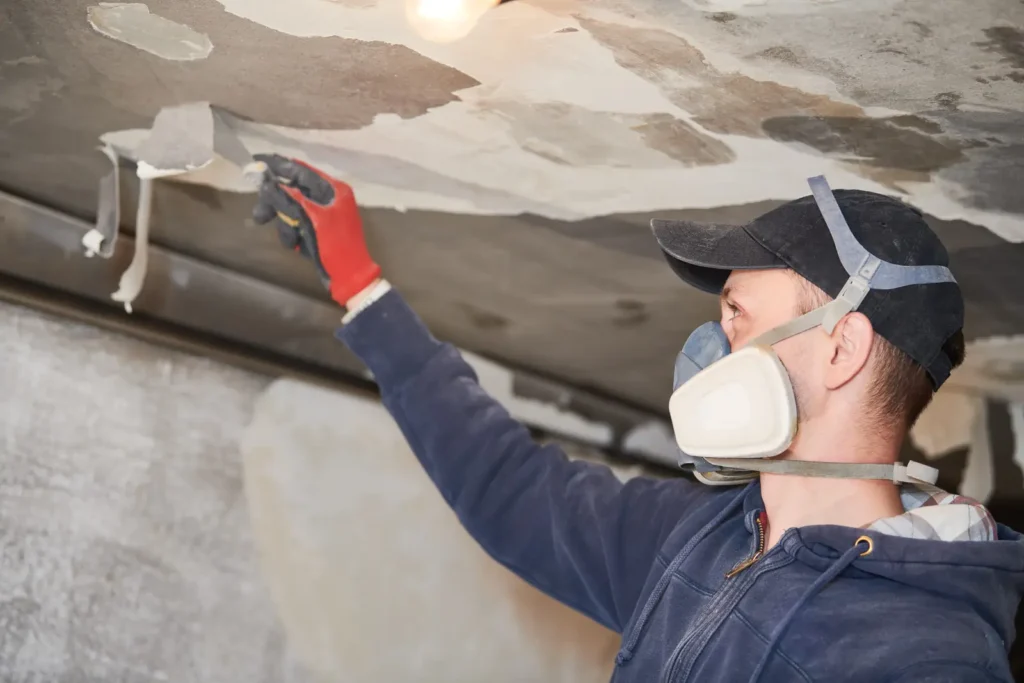
Abatement
Asbestos removal as a Type 1, 2 or 3 procedure: we can help with a contractor referral and estimate.
Learn more
Remediation
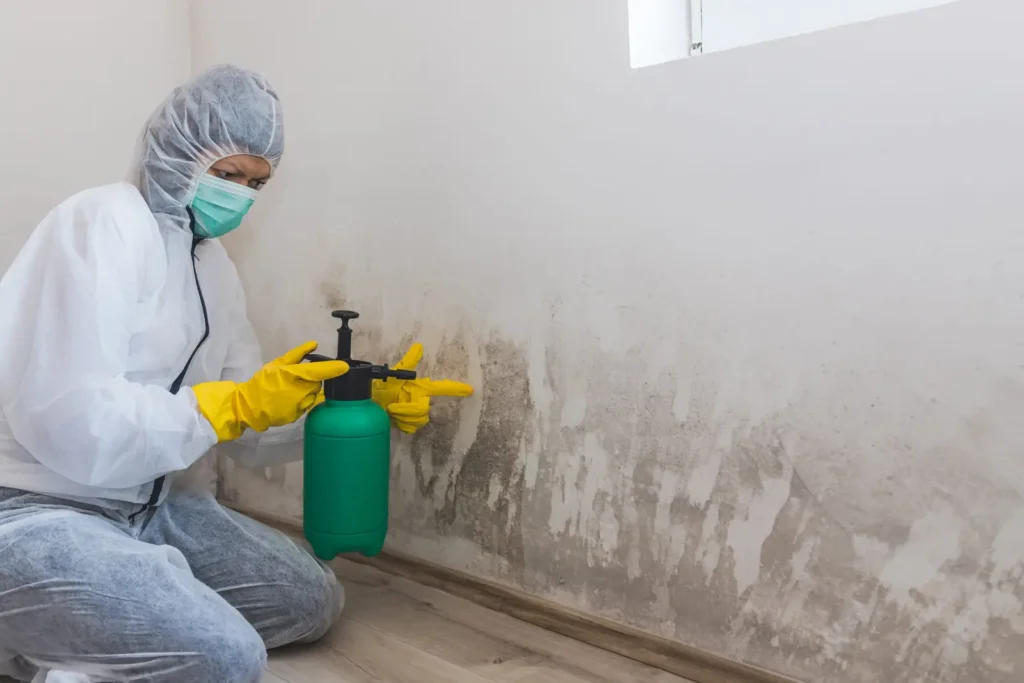
Removal of mould-impacted materials as a Level 1, 2 or 3 procedure: contractor referral and estimate.
Learn more
Demolition
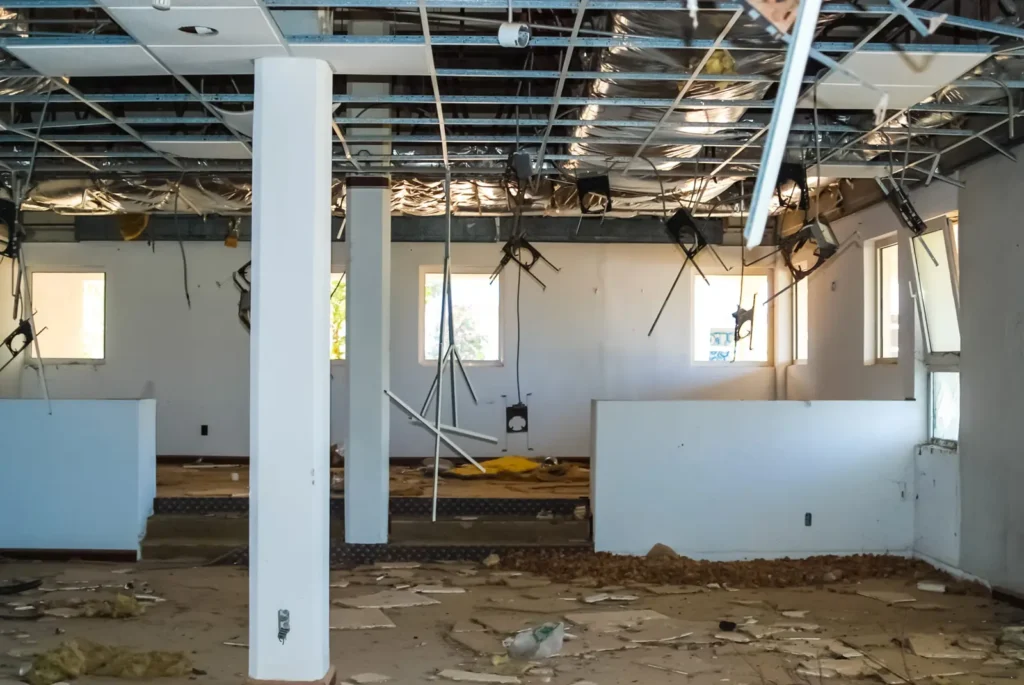
Structural or interior demolition: we guide you through the process, with a contractor referral and estimate.
Learn more