
Asbestos & mould testing · Burlington & GTA
Protecting your health and property with expert environmental services.
Based in Burlington, Ontario, EnviroGuard Consulting and Testing is your trusted partner in ensuring a safe, healthy living and working environment. We specialize in professional asbestos and mould testing, providing accurate lab results and expert interpretations to help you make informed decisions for remediation.
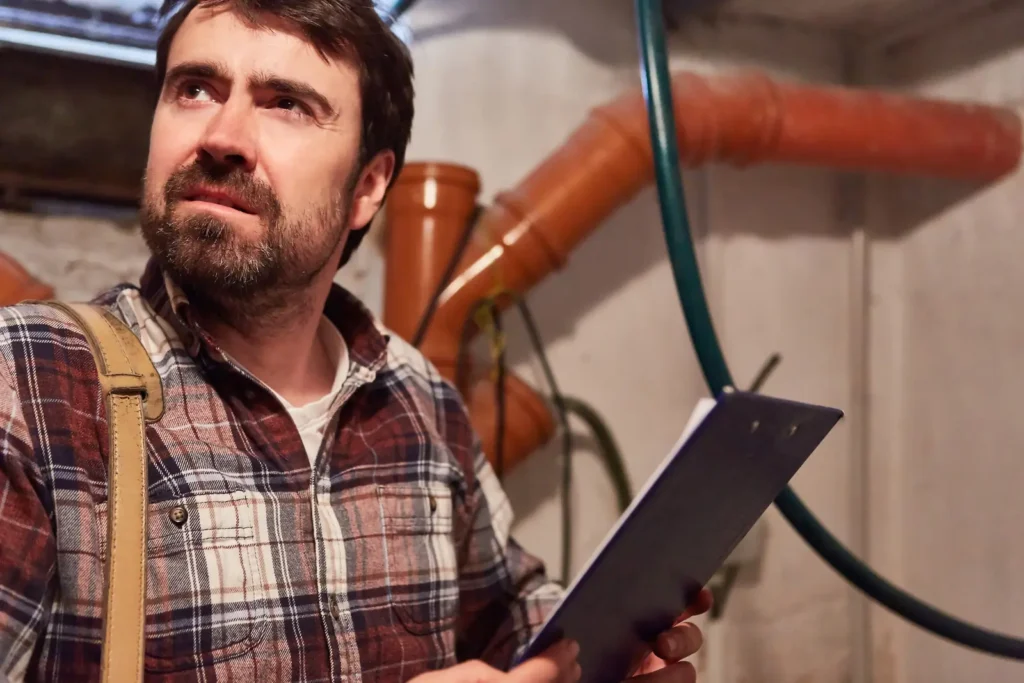
Asbestos Testing 1960s House Burlington
Asbestos testing in 1960s houses in Burlington is not something most homeowners think about until they open a wall, schedule renovations, or notice their home is settling in unexpected ways. You live in a solid mid-century neighborhood, the kind where character and value come from solid construction-but that construction era also means asbestos was likely built into your walls, insulation, floor tiles, and roofing materials. EnviroGuard Consulting and Testing provides certified asbestos testing and identification for residential and commercial properties across the Greater Toronto Area, including Burlington, Oakville, Hamilton, and the wider Halton Region, helping families understand what is actually in their homes before health or renovation decisions are made.
1. Asbestos Was a Standard Building Material in 1960s Burlington Homes
In the 1960s, asbestos was considered a miracle material. It was cheap, fireproof, durable, and easy to install-which meant it went into nearly every building system. In a typical 1960s Burlington home, you might find asbestos in pipe insulation, furnace wrapping, floor tile adhesive, roofing shingles, siding, ceiling tiles, and joint compound used in drywall finishing. Builders did not know, or did not disclose, that the mineral was carcinogenic when fibers became airborne and were inhaled over time.
The material itself is not dangerous if it remains undisturbed and sealed. The hazard emerges when asbestos-containing materials (ACM) are damaged, drilled, sanded, or demolished. A renovation project, water damage, or normal aging can release fibers into your indoor air. This is why identifying the presence of asbestos before you renovate or repair is essential for protecting your family.
2. Visual Inspection Alone Cannot Confirm Asbestos Presence
Asbestos cannot be identified by sight. A material that looks identical to safe insulation or drywall compound might contain asbestos, or it might not. Only laboratory analysis can tell you for certain. EnviroGuard's certified inspector approach involves collecting samples from suspect materials in your Burlington home and submitting them to an accredited laboratory for polarized light microscopy (PLM) analysis, which definitively identifies whether asbestos fibers are present and in what percentage.
Many homeowners delay testing because they assume older materials must be asbestos, or conversely, that their home looks too well-maintained to contain hazardous materials. Both assumptions can be costly mistakes. Testing is affordable and straightforward; guessing is not. A certified professional can advise you on which materials are most likely to contain asbestos in a 1960s home and which samples are worth collecting.
3. Asbestos Testing in a 1960s House in Burlington Includes Multiple Material Types
A thorough assessment of asbestos risk in Burlington homes from that era requires testing different material categories because they pose different exposure pathways. Here are the primary areas EnviroGuard evaluates:
- Insulation materials - pipe wrap, boiler insulation, and loose-fill attic insulation are common culprits and are friable (easily crumbled), meaning they release fibers more readily.
- Floor and ceiling tiles - vinyl or acoustical tiles installed in basements, kitchens, and bathrooms often contained asbestos as a binder.
- Adhesives and joint compound - the mastic under floor tiles and the putty used around window frames and pipe penetrations can harbor asbestos.
- Roofing and siding materials - exterior shingles and cement-based siding common in 1960s construction frequently contained the mineral.
- Ductwork and furnace components - insulation on heating ducts and around furnaces was a widespread asbestos application.
Each material type requires its own sample collection and analysis. A comprehensive indoor air quality assessment also measures whether fibers are currently suspended in your home's air-important information if you are planning work or concerned about ongoing exposure.
4. Testing Before Renovation Protects Your Contractor and Your Family
If you own a 1960s home in Burlington and you are planning any renovation-whether that is replacing flooring, removing walls, upgrading insulation, or refinishing the basement-asbestos testing must happen first. Contractors are legally required to work with asbestos-containing materials only if they are licensed for that work, and improper disturbance of ACM can contaminate your home and create liability for everyone involved.
Testing before renovation prevents the accidental spread of asbestos fibers through your home and protects both your family and your contractor from serious health consequences and legal exposure.
EnviroGuard provides the testing documentation your contractor needs to either proceed safely with licensed abatement or to implement proper containment protocols. This also gives you clarity on whether the work you are planning can proceed without special precautions or whether asbestos removal must be part of the scope.
5. Health Risks Depend on Fiber Type, Exposure Duration, and Air Quality
Not all asbestos is equally dangerous, though all forms are regulated as carcinogens. Chrysotile (white asbestos) was the most common type used in building materials, but amphibole forms like crocidolite (blue asbestos) and amosite (brown asbestos) are considered more hazardous because their needle-like fibers lodge deeper in lung tissue. The risk to your family depends on the type of asbestos present, how easily it becomes airborne, how often exposure occurs, and whether anyone in your home has respiratory sensitivities or compromised immunity.
Sealed, undisturbed asbestos in walls or under flooring poses minimal risk. Damaged insulation around pipes, deteriorating ceiling tiles in a damp basement, or friable material in an attic where air circulation is high poses a greater hazard. This is where indoor air quality assessment becomes valuable. EnviroGuard can measure whether asbestos fibers are currently present in your home's air, giving you a clear picture of actual risk rather than theoretical concern.
6. Certified Inspection Meets Ontario Regulatory Standards
Asbestos identification and management in Ontario is governed by the Ministry of Labour, Training and Skills Development (MLTSD) and the Health and Safety Act. EnviroGuard Consulting and Testing operates as a certified environmental services provider, meaning the inspector and testing approach meet the province's standards for sample collection, chain of custody, and laboratory analysis. This certification matters when you are dealing with insurance claims, real estate transactions, or contractor liability.
If you are a commercial property owner in Burlington, Oakville, or Hamilton required to maintain an asbestos register, or if you are a residential buyer conducting due diligence, certified testing ensures your documentation will be accepted by insurers, government bodies, and future buyers. Non-certified testing may not be recognized for compliance purposes.
7. Getting Tested is the First Step; Remediation Recommendations Follow
Once asbestos has been identified in your Burlington home, you have options. Leaving it undisturbed is often safe if the material is in good condition and unlikely to be damaged during normal use. Encapsulation-sealing the material to prevent fiber release-is sometimes appropriate. Licensed removal is necessary if asbestos is deteriorating, or if your renovation plans require it. EnviroGuard's expert interpretation of your test results includes actionable recommendations tailored to your specific situation, your family's health profile, and your renovation timeline.
This means you are not handed a lab report and left to interpret it. You receive guidance on what the findings mean for your home and what steps make sense for your circumstances. For families with children, elderly members, or anyone with respiratory sensitivities, this expert context is invaluable.
If you own a 1960s home in Burlington or elsewhere in the Greater Toronto Area and want to know whether asbestos is present in your walls, insulation, or building materials, EnviroGuard Consulting and Testing can help you get answers. Testing is straightforward, results are reliable, and the information you gain protects your family's health and your home's value. Contact EnviroGuard to discuss your property and arrange an inspection.
Frequently Asked Questions
How much does asbestos testing cost in Burlington?
Testing costs vary based on the number of samples collected and whether you need laboratory analysis alone or a full inspection and air quality assessment. EnviroGuard can discuss your property's specific needs and provide a clear scope of work before testing begins.
What should I do if I find asbestos in my 1960s house?
Do not disturb the material. Contact EnviroGuard for certified testing and interpretation of your findings. Depending on the asbestos type, condition, and your renovation plans, options include leaving it sealed, encapsulating it, or arranging licensed removal.
Is asbestos testing required before selling a house in Burlington?
It is not legally required in Ontario, but many buyers request it as part of due diligence, and some lenders or insurers may require disclosure if asbestos is present. Testing protects both you and potential buyers by providing clear documentation of what is in the home.
Can asbestos in my home's air make my family sick right now?
Sealed asbestos poses minimal risk, but damaged materials or active renovation can release fibers. Indoor air quality testing measures whether asbestos fibers are currently present in your home's air, giving you clear information about actual exposure risk.
How long does asbestos testing take?
Sample collection typically takes one to three hours depending on how many materials are being tested. Laboratory analysis takes one to two weeks. EnviroGuard will give you a timeline when you schedule your inspection.
Why EnviroGuard
Experience, integrity and regulatory conformity
Regulations
- O. Reg. 278/05 Asbestos on construction projects and in buildings and repair operationsOccupational Health and Safety Act
- O. Reg. 490/09 Designated substancesOccupational Health and Safety Act
- O. Reg. 347/90 General waste management, including asbestos wasteEnvironmental Protection Act
Under the Occupational Health and Safety Act (OHSA), the ministry is responsible for regulating occupational health and safety in workplaces, which includes schools, hospitals, and any place where people work.
Experience
With over 30 years of experience in solid waste management across Ontario and 20 years in environmental science, EnviroGuard Consulting and Testing provides expert asbestos, mould, and environmental testing services.
Hands-on knowledge of hazardous material assessment and indoor air quality ensures every project is handled safely, efficiently, and in full compliance with Ontario’s environmental and occupational health regulations.
Integrity
Built on high integrity and regulatory conformity, EnviroGuard delivers precise testing, reliable reporting, and practical abatement and remediation recommendations.
Clients can trust EnviroGuard to protect their buildings, occupants, and projects while maintaining the highest standards of safety and compliance.
Our services
Environmental testing and consulting
At EnviroGuard, we offer a comprehensive range of environmental testing and consulting services for homes and businesses.
Asbestos testing
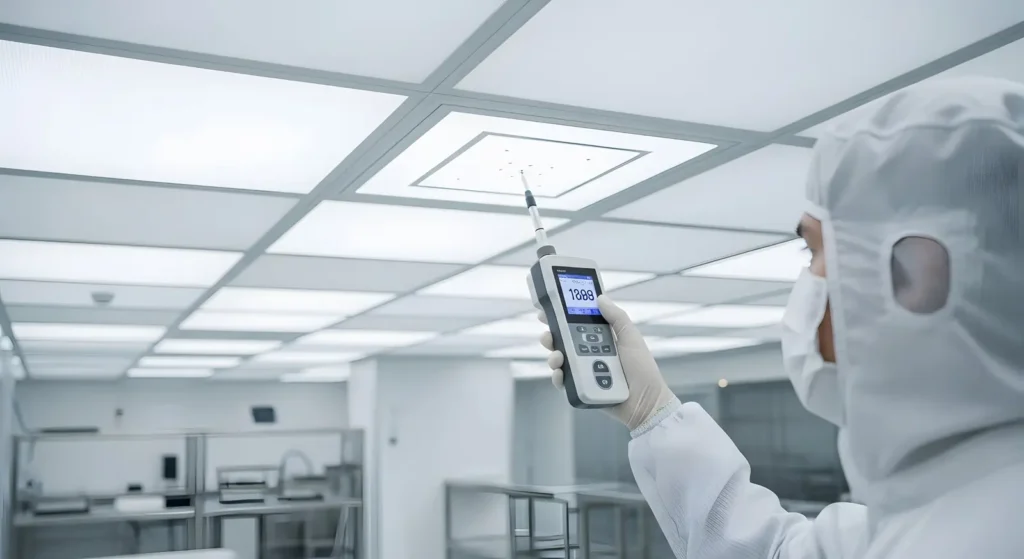
Asbestos Air Quality Testing
Air samples show whether asbestos fibres are present and at what concentration. Required for Type 3 work under O. Reg. 278/05.
Learn more
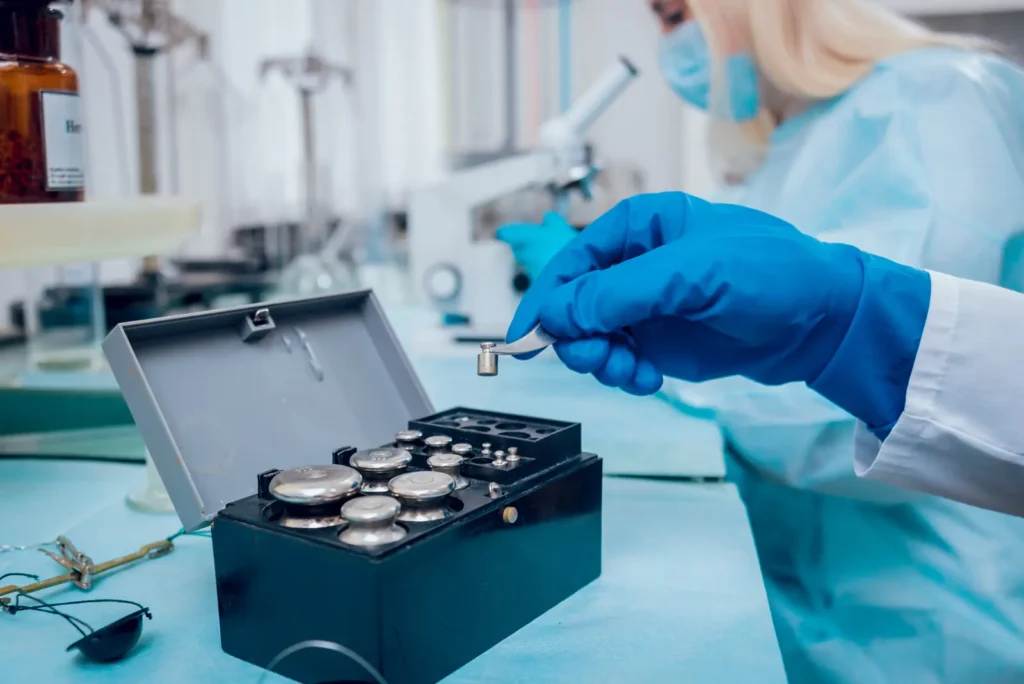
Asbestos Bulk Testing
Samples of drywall compound, insulation, flooring, ceiling tiles, plaster and more, before renovation or demolition.
Learn more

Asbestos Summary Reports
All asbestos findings, both air and bulk, compiled into one easy-to-read document.
Learn more
Mould testing
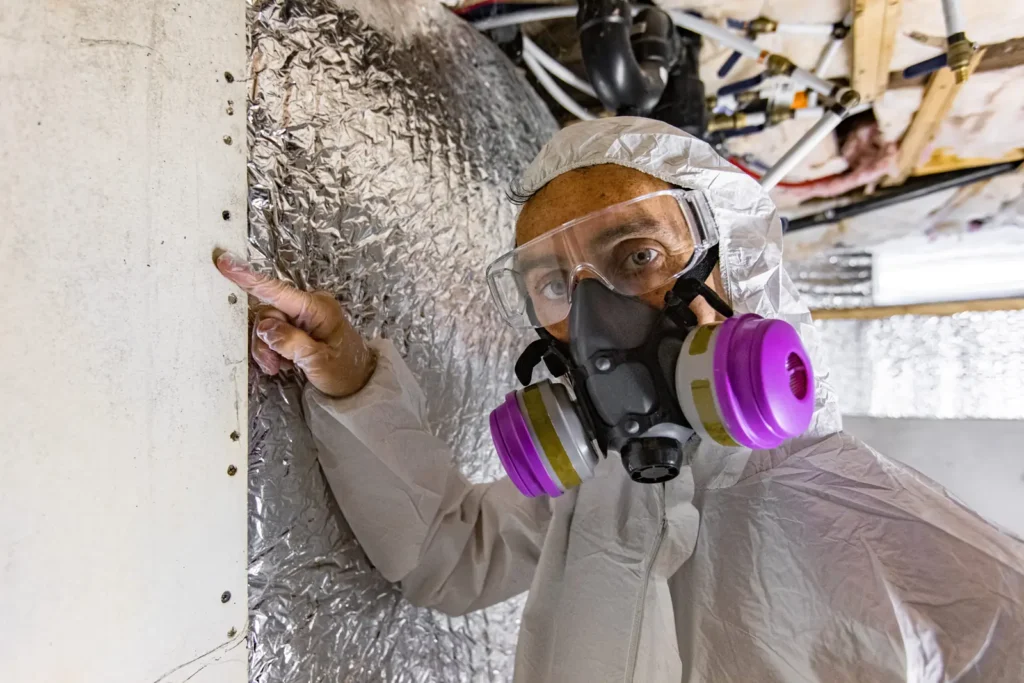
Mould Air Quality Testing
Indoor mould spore readings compared to outdoor baseline levels. A good background if mould is suspected.
Learn more
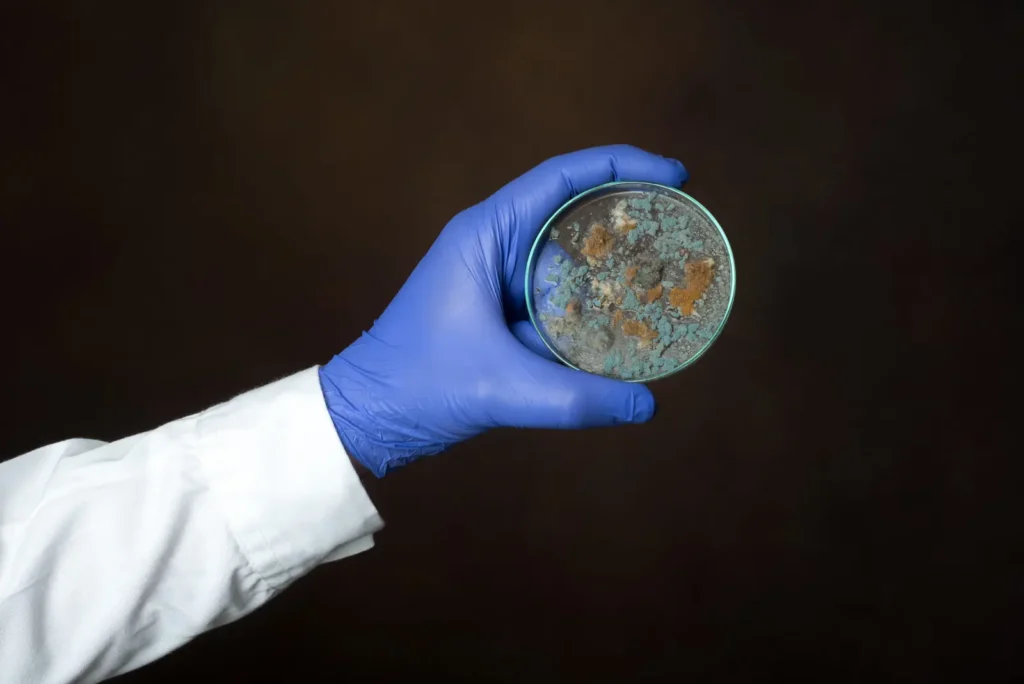
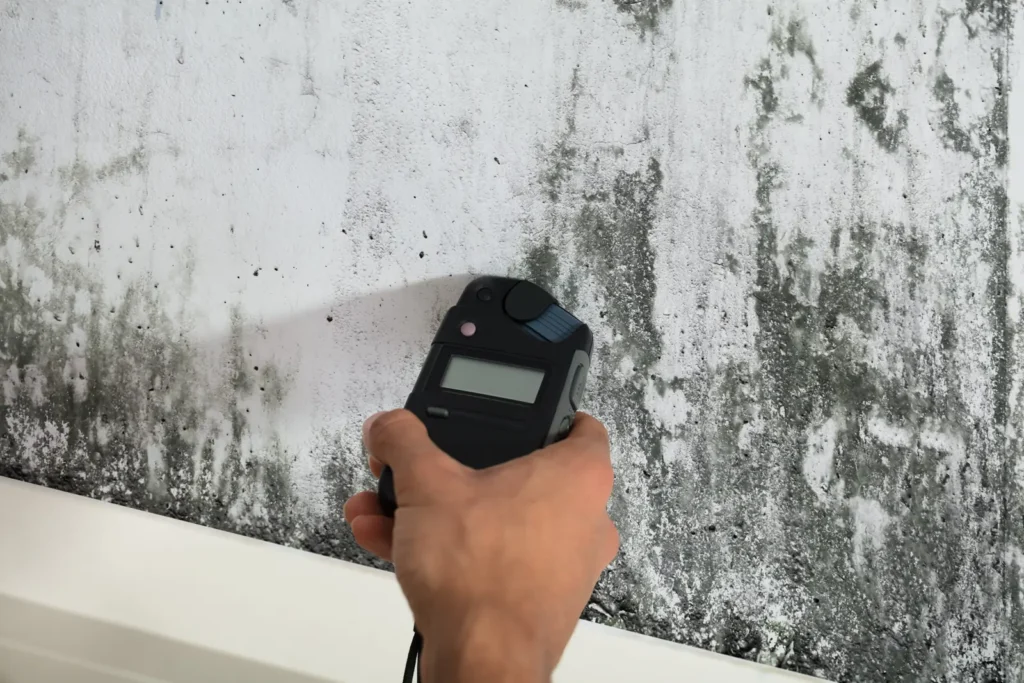
Mould Assessments
Visual inspection, moisture readings, air and/or surface sampling, source identification and recommendations.
Learn more
Surveys, removal and demolition
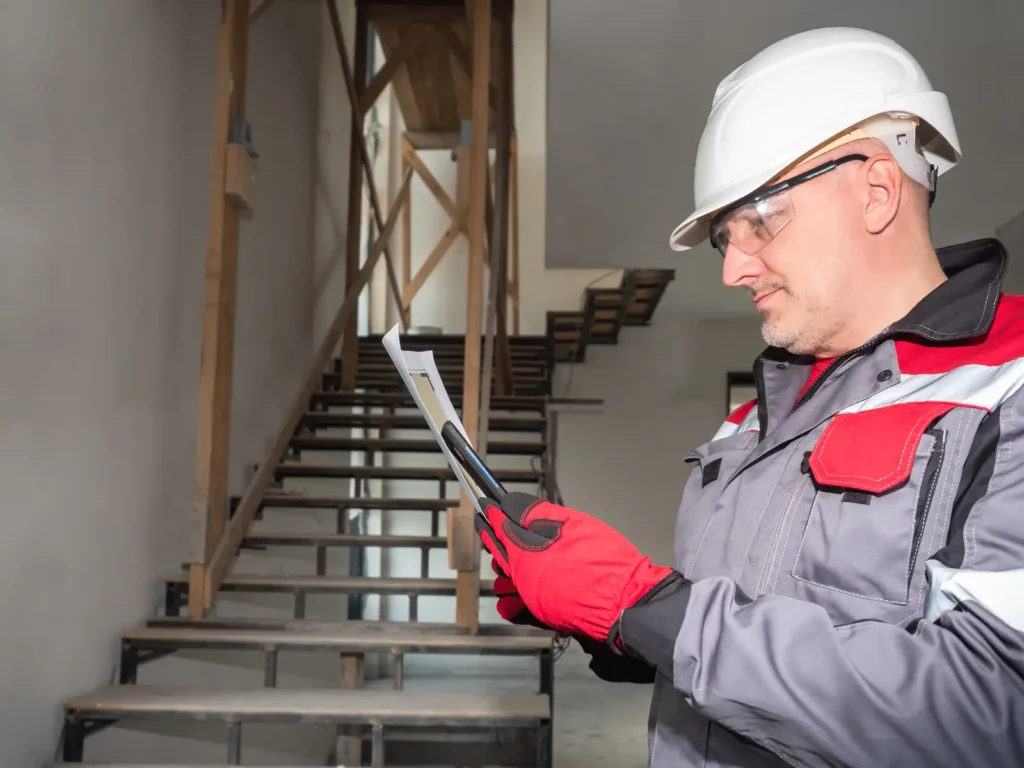
Designated Substance Survey
In Ontario, a DSS report is required before construction, demolition or renovation work.
Learn more
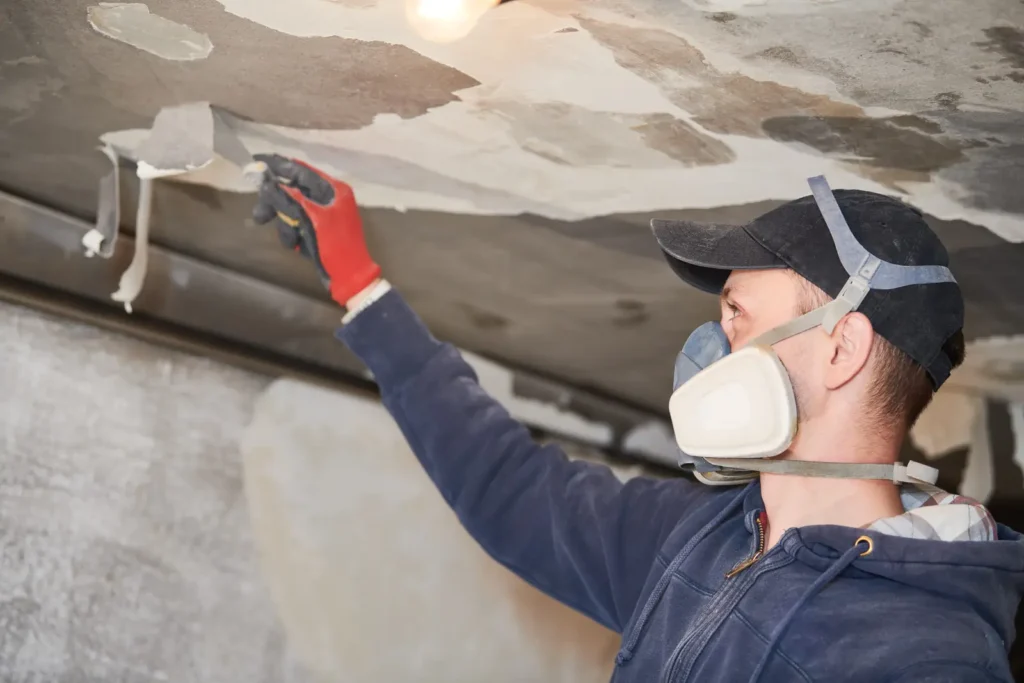
Abatement
Asbestos removal as a Type 1, 2 or 3 procedure: we can help with a contractor referral and estimate.
Learn more
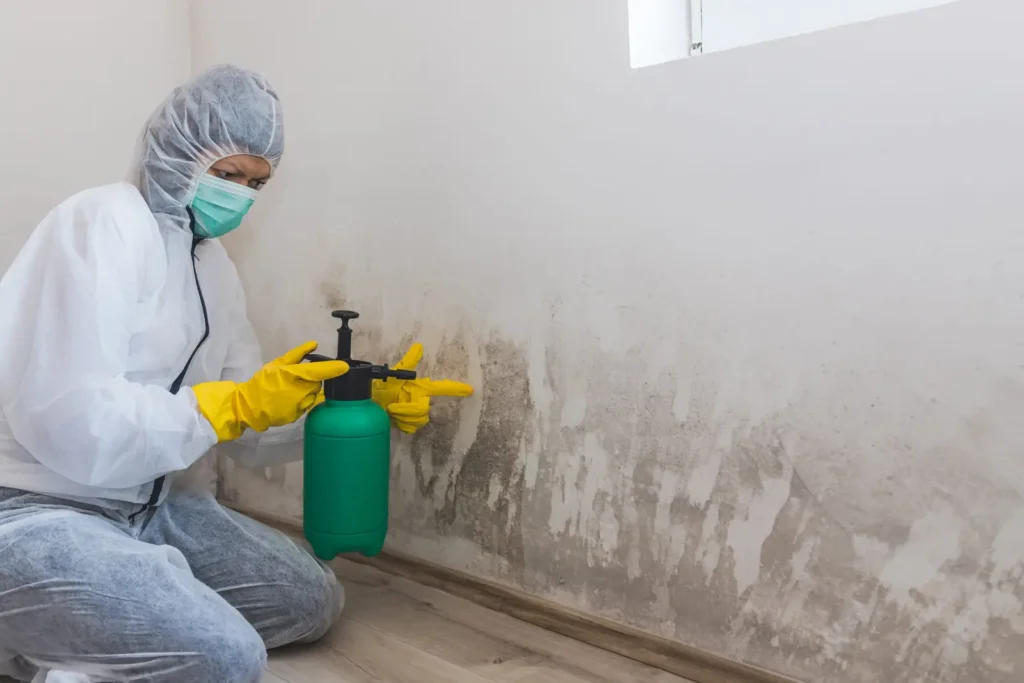
Remediation
Removal of mould-impacted materials as a Level 1, 2 or 3 procedure: contractor referral and estimate.
Learn more
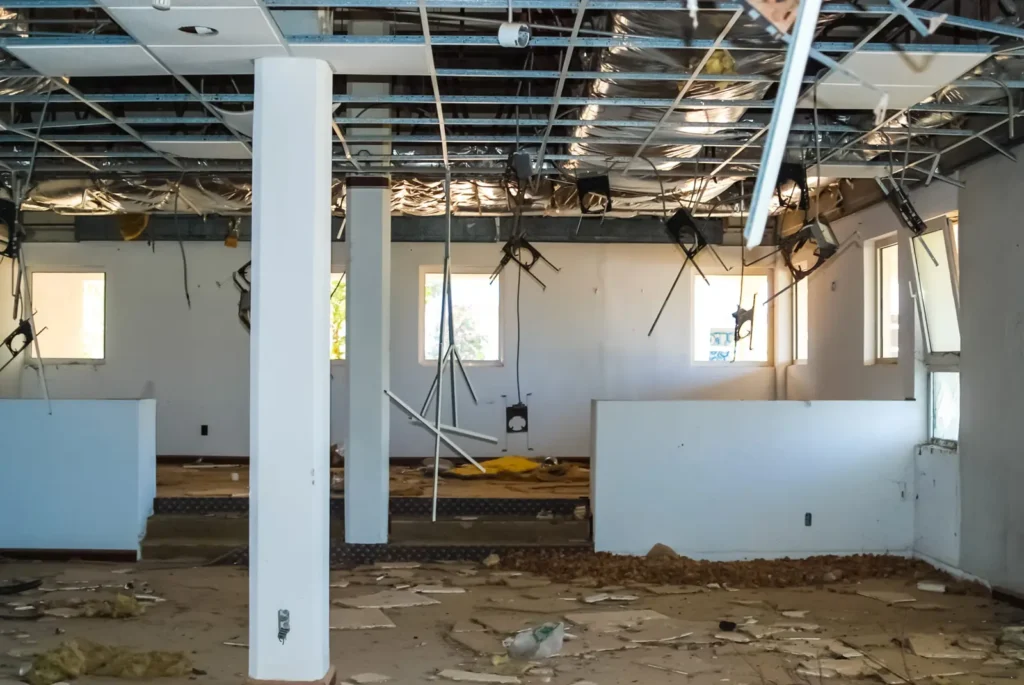
Demolition
Structural or interior demolition: we guide you through the process, with a contractor referral and estimate.
Learn more