
Asbestos & mould testing · Burlington & GTA
Protecting your health and property with expert environmental services.
Based in Burlington, Ontario, EnviroGuard Consulting and Testing is your trusted partner in ensuring a safe, healthy living and working environment. We specialize in professional asbestos and mould testing, providing accurate lab results and expert interpretations to help you make informed decisions for remediation.
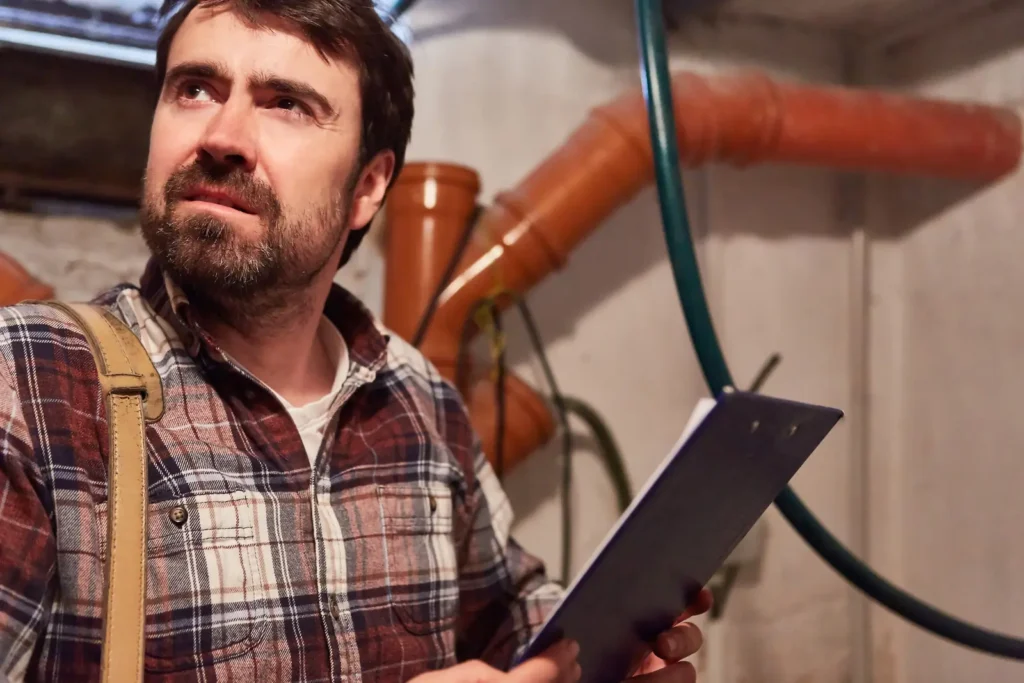
Asbestos Testing Before Bathroom Renovation Burlington
Asbestos testing before bathroom renovation in Burlington is an essential safety step that protects your family and ensures compliance with environmental regulations. Bathrooms in older homes often contain asbestos in insulation, floor tiles, adhesives, and pipe wrapping. Before you begin any renovation work, identifying the presence of asbestos allows you to plan safe removal procedures and avoid releasing hazardous fibres into your home.
EnviroGuard Consulting and Testing provides certified asbestos identification and testing for residential properties throughout the Greater Toronto Area, including Burlington and surrounding communities in Halton Region. Our approach combines laboratory analysis with expert interpretation, giving you the technical certainty and actionable guidance you need to move forward confidently.
Step 1: Assess Your Bathroom for Potential Asbestos-Containing Materials
Begin by visually inspecting your bathroom for materials that commonly contain asbestos. Look at floor tiles (especially vinyl or ceramic tiles laid before 1980), the adhesive underneath them, pipe insulation, drywall joint compound, and any loose insulation around pipes or under the sink. Take photographs of suspect areas, noting their location and condition. Do not disturb, sand, or remove any material you suspect contains asbestos, as this releases fibres into the air.
Bathrooms in Burlington homes built between the 1930s and 1980s carry the highest likelihood of asbestos-containing materials. Even if your home is newer, renovation work may have used reclaimed materials or older fixtures. Document the age of your home and the last time the bathroom was renovated, as this information helps guide your testing strategy.
Step 2: Collect Representative Samples According to Laboratory Standards
Proper sample collection is critical for accurate results. EnviroGuard Consulting and Testing follows strict protocols to ensure samples represent the material in question without contaminating the surrounding environment. Samples must be collected by someone trained in safe handling procedures, typically using sealed containers and documented chain-of-custody protocols.
For each suspected asbestos-containing material, collect a separate sample from an inconspicuous area if possible. This might mean taking a small section of floor tile from inside a cabinet or behind a toilet, rather than from a visible location. Label each sample clearly with the material type, location in the bathroom, date collected, and property address. Proper labelling ensures the laboratory can accurately report results and link them to specific materials in your renovation scope.
Step 3: Submit Samples to a Certified Laboratory for Analysis
EnviroGuard sends all samples to an accredited laboratory that uses polarized light microscopy (PLM) or transmission electron microscopy (TEM) to identify asbestos fibres at magnification levels between 400x and 40,000x, depending on the suspected fibre type and material. The laboratory analyzes the mineral composition and fibre structure to confirm whether asbestos is present and, if so, what type and approximate percentage.
Turnaround time for laboratory results typically ranges from 5 to 10 business days. During this period, avoid any renovation work on the areas you have sampled. Once results arrive, EnviroGuard Consulting and Testing interprets the findings in the context of your specific bathroom, explaining what the results mean for your renovation plans and what remediation or removal steps may be necessary.
Step 4: Evaluate Laboratory Results and Remediation Options
A positive asbestos result means the material contains asbestos fibres and requires careful handling during renovation. The percentage of asbestos and the friability of the material (whether fibres release easily when disturbed) determine the urgency and method of removal. Asbestos in floor tile adhesive, for example, poses lower risk if left undisturbed than asbestos in pipe insulation, which can crumble and release fibres during routine vibration.
EnviroGuard provides expert interpretation of your results, explaining the health implications specific to the material identified and your renovation scope. If asbestos is present, you have three general options: encapsulation (sealing the material to prevent fibre release), professional removal by a licensed asbestos contractor, or leaving the material undisturbed if your renovation plan does not involve that area. Your choice depends on the material type, its condition, and your renovation timeline.
Step 5: Plan Your Renovation Strategy Based on Test Results
Once you understand your asbestos testing results, work with your bathroom contractor and EnviroGuard to develop a renovation plan that keeps your family safe. If asbestos removal is necessary, hire a licensed asbestos abatement contractor who carries proper insurance and follows Ontario regulatory standards. If you choose encapsulation, ensure the sealant product is appropriate for bathroom moisture and humidity levels.
Communicate your asbestos test results to your contractor before work begins. This ensures they understand which areas contain asbestos and can implement appropriate handling protocols. In Burlington and throughout Halton Region, environmental compliance is not optional during renovation-it is a legal and health responsibility. EnviroGuard Consulting and Testing remains available to answer questions throughout your renovation process and to conduct post-remediation testing if needed to confirm that asbestos fibres have been safely removed or contained.
Frequently Asked Questions
How long does asbestos testing take before I can start my bathroom renovation?
Sample collection typically takes one to two hours, depending on how many materials you need tested. Laboratory analysis takes 5 to 10 business days. You should receive final results and interpretation within two to three weeks of submitting samples, allowing you to make informed decisions before hiring contractors.
What is the cost of asbestos testing before a bathroom renovation in Burlington?
Testing costs vary based on the number of samples and the materials being analyzed. Contact EnviroGuard Consulting and Testing directly with details about your bathroom and suspected asbestos-containing materials for an accurate quote. The cost of testing is typically far lower than the cost of dealing with asbestos problems discovered mid-renovation.
Can I test for asbestos myself, or do I need a professional?
You should not attempt to collect asbestos samples yourself. Disturbing suspected asbestos materials without proper technique and protective equipment releases hazardous fibres into your home. EnviroGuard Consulting and Testing collects samples safely using certified procedures and ensures proper labelling and chain-of-custody documentation required by laboratories.
What materials in a Burlington bathroom are most likely to contain asbestos?
Vinyl floor tiles, floor tile adhesive, pipe insulation, drywall joint compound, and bathroom fixtures installed before 1980 commonly contain asbestos. Asbestos was also used in some caulking and sealants. Any material in a bathroom older than 40 years should be considered suspect until tested.
Do I need asbestos testing if my bathroom has already been partially renovated?
Yes. Even if part of your bathroom has been updated, original materials may remain in walls, under flooring, or around pipes. Testing ensures you identify all asbestos-containing materials before your renovation begins, preventing accidental exposure during work.
Why EnviroGuard
Experience, integrity and regulatory conformity
Regulations
- O. Reg. 278/05 Asbestos on construction projects and in buildings and repair operationsOccupational Health and Safety Act
- O. Reg. 490/09 Designated substancesOccupational Health and Safety Act
- O. Reg. 347/90 General waste management, including asbestos wasteEnvironmental Protection Act
Under the Occupational Health and Safety Act (OHSA), the ministry is responsible for regulating occupational health and safety in workplaces, which includes schools, hospitals, and any place where people work.
Experience
With over 30 years of experience in solid waste management across Ontario and 20 years in environmental science, EnviroGuard Consulting and Testing provides expert asbestos, mould, and environmental testing services.
Hands-on knowledge of hazardous material assessment and indoor air quality ensures every project is handled safely, efficiently, and in full compliance with Ontario’s environmental and occupational health regulations.
Integrity
Built on high integrity and regulatory conformity, EnviroGuard delivers precise testing, reliable reporting, and practical abatement and remediation recommendations.
Clients can trust EnviroGuard to protect their buildings, occupants, and projects while maintaining the highest standards of safety and compliance.
Our services
Environmental testing and consulting
At EnviroGuard, we offer a comprehensive range of environmental testing and consulting services for homes and businesses.
Asbestos testing
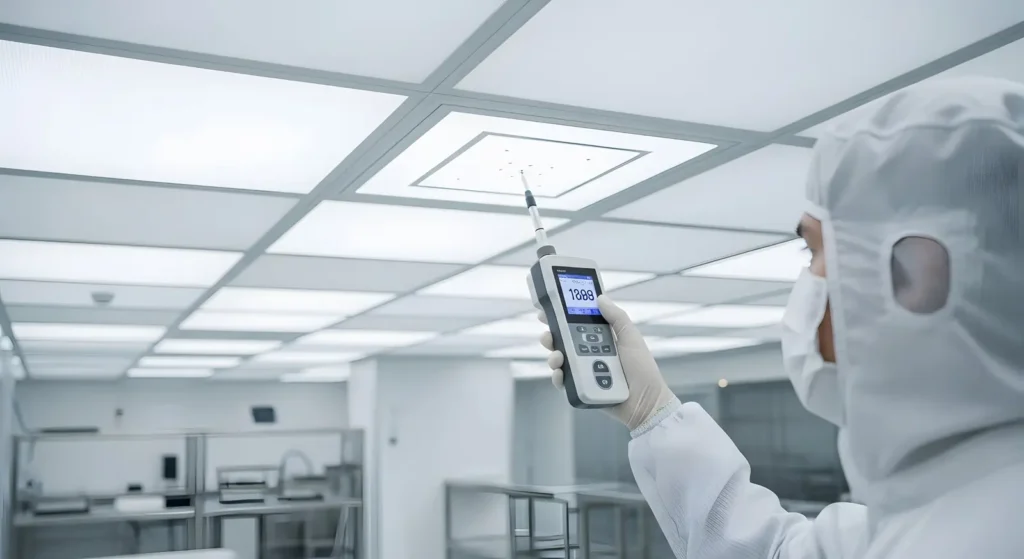
Asbestos Air Quality Testing
Air samples show whether asbestos fibres are present and at what concentration. Required for Type 3 work under O. Reg. 278/05.
Learn more
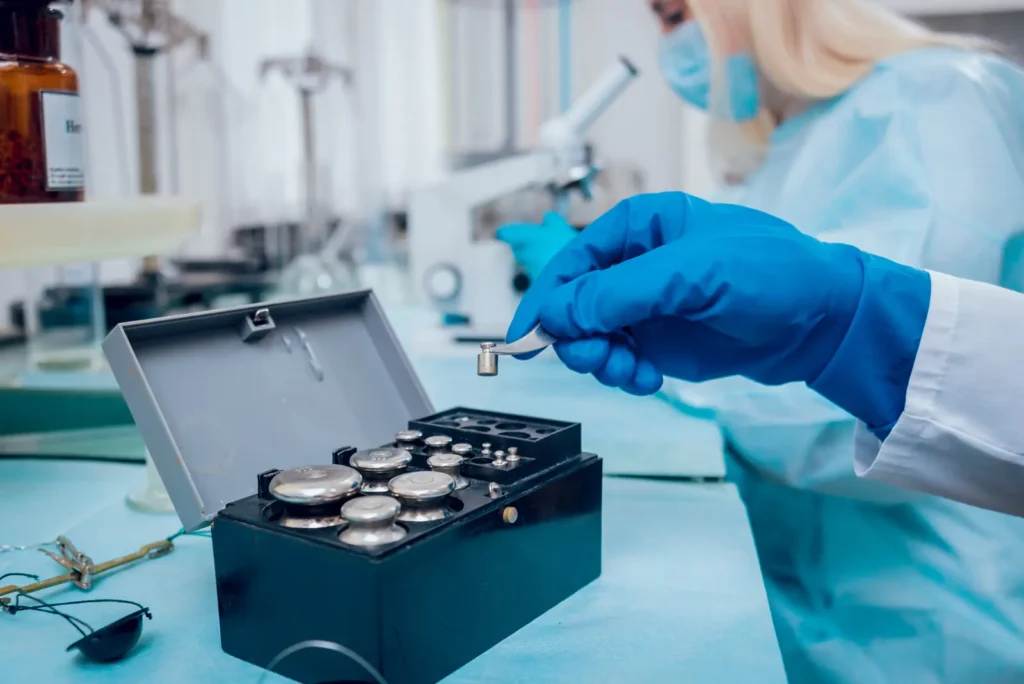
Asbestos Bulk Testing
Samples of drywall compound, insulation, flooring, ceiling tiles, plaster and more, before renovation or demolition.
Learn more
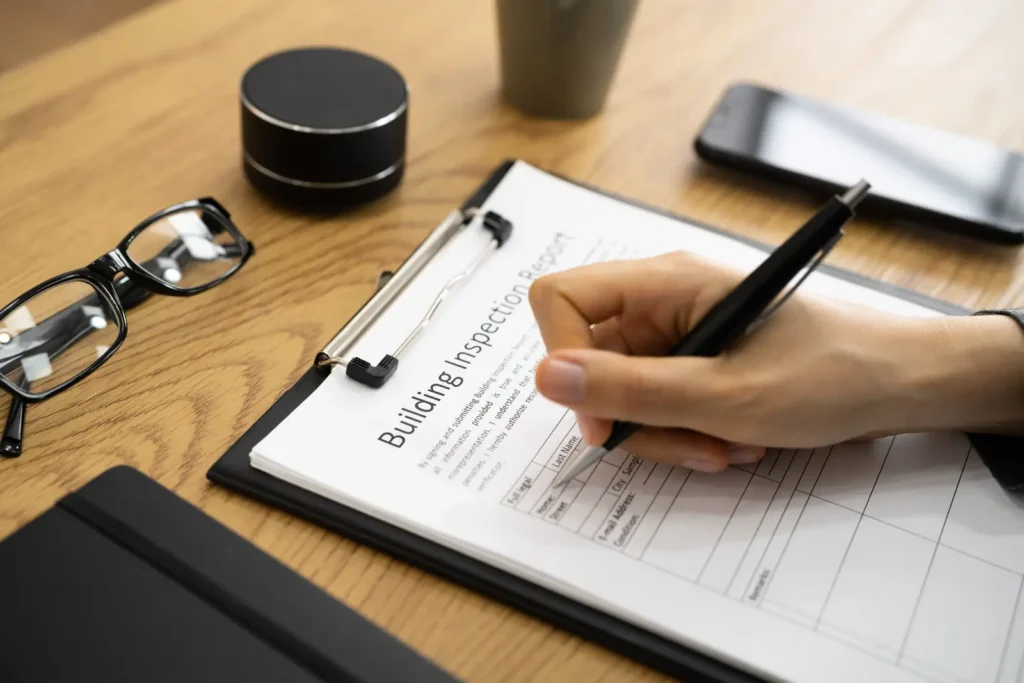
Asbestos Summary Reports
All asbestos findings, both air and bulk, compiled into one easy-to-read document.
Learn more
Mould testing
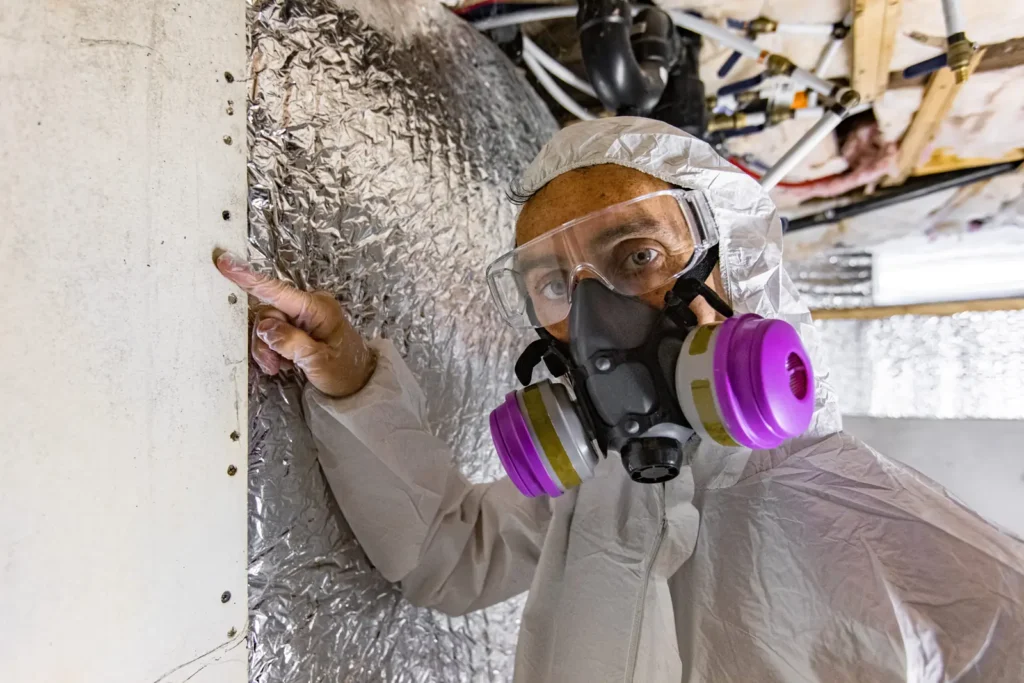
Mould Air Quality Testing
Indoor mould spore readings compared to outdoor baseline levels. A good background if mould is suspected.
Learn more
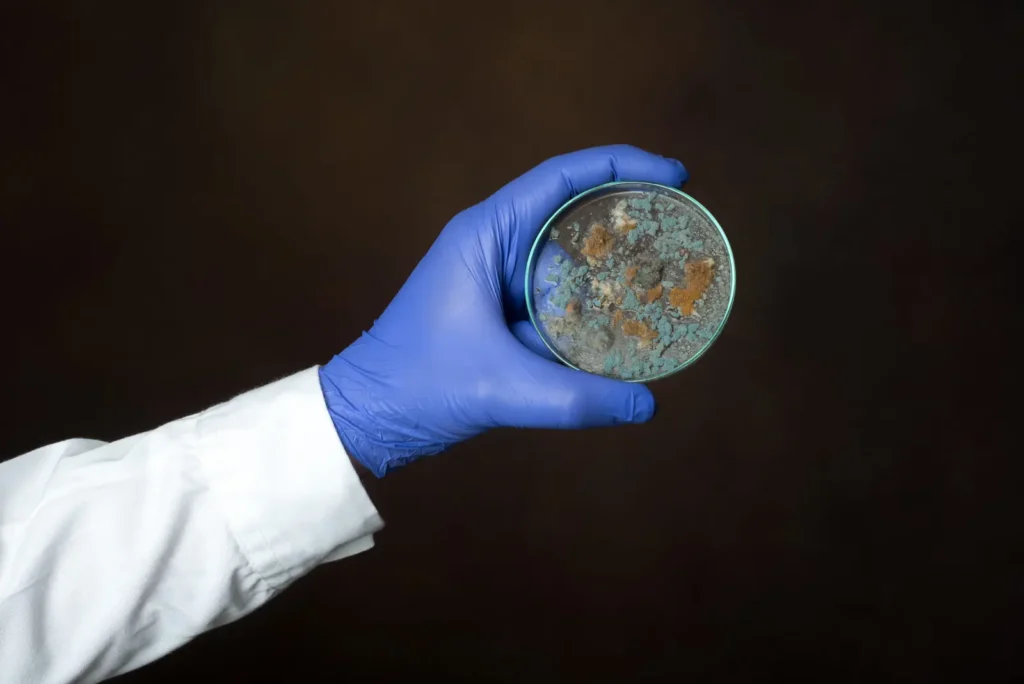
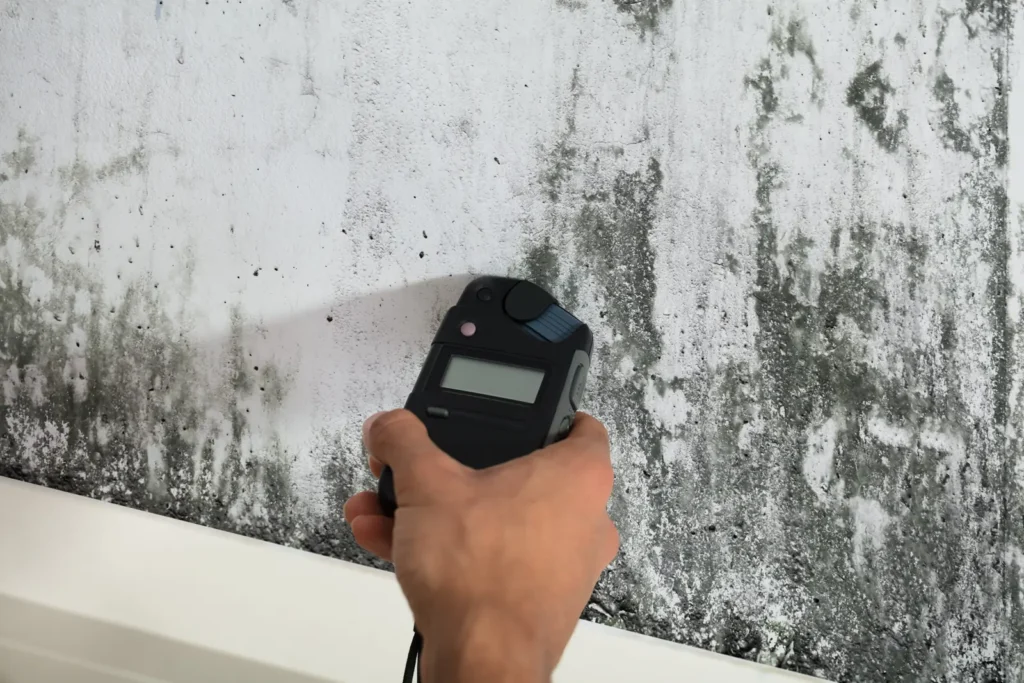
Mould Assessments
Visual inspection, moisture readings, air and/or surface sampling, source identification and recommendations.
Learn more
Surveys, removal and demolition
Designated Substance Survey
In Ontario, a DSS report is required before construction, demolition or renovation work.
Learn more
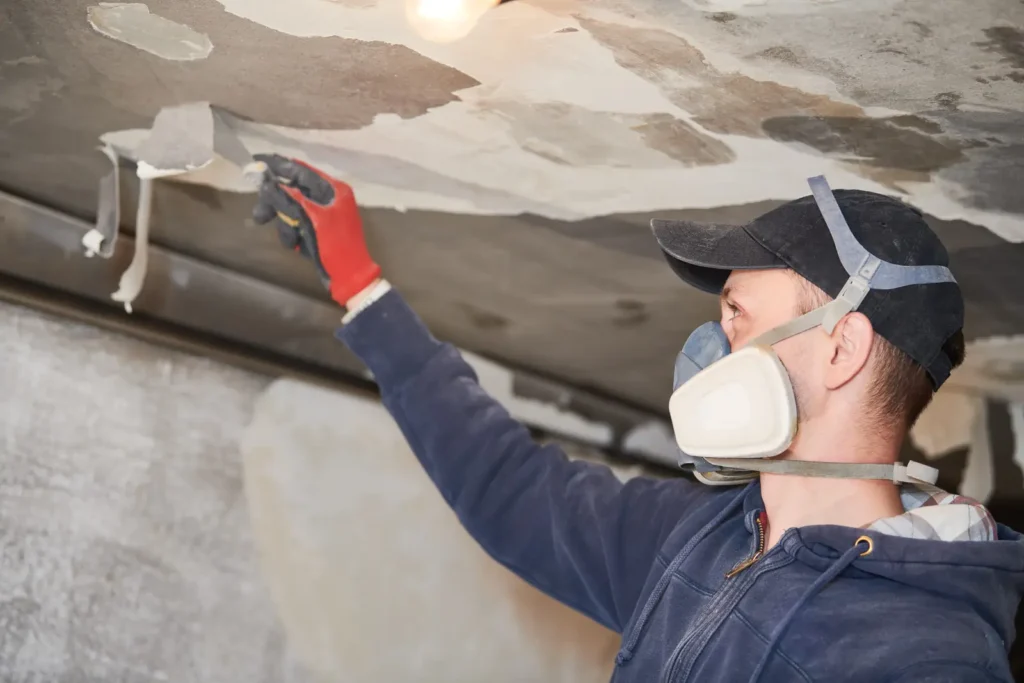
Abatement
Asbestos removal as a Type 1, 2 or 3 procedure: we can help with a contractor referral and estimate.
Learn more
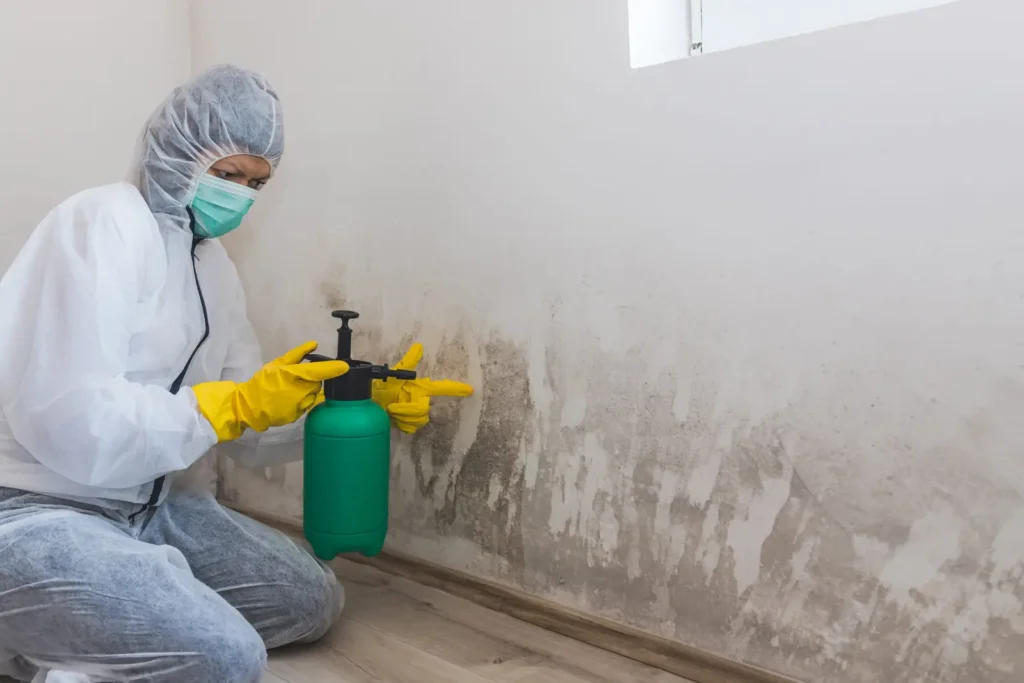
Remediation
Removal of mould-impacted materials as a Level 1, 2 or 3 procedure: contractor referral and estimate.
Learn more
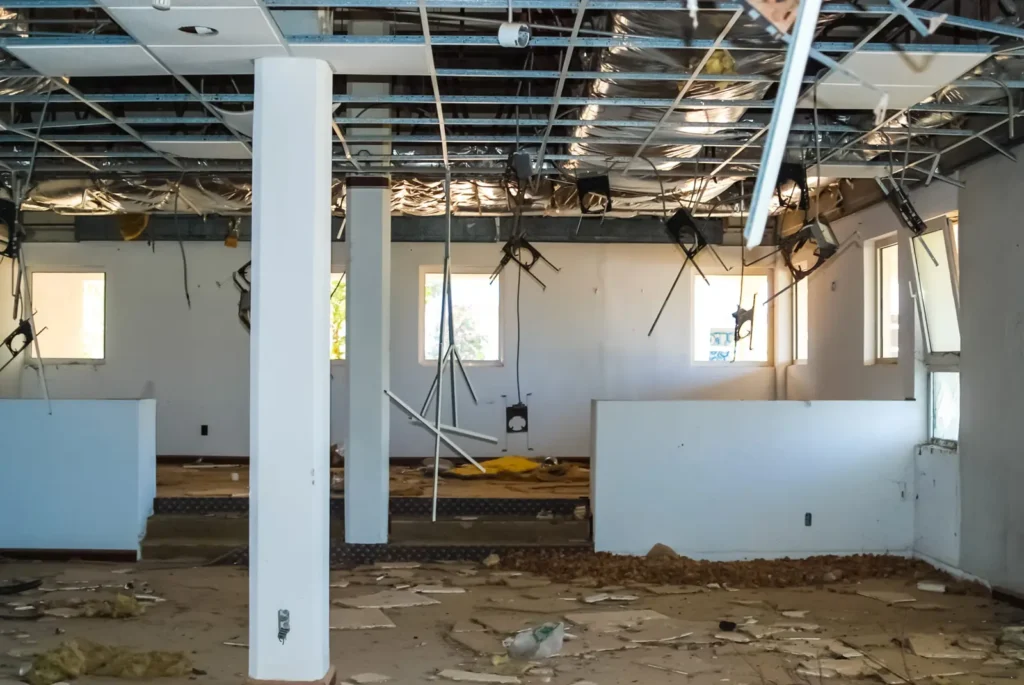
Demolition
Structural or interior demolition: we guide you through the process, with a contractor referral and estimate.
Learn more