
Asbestos & mould testing · Burlington & GTA
Protecting your health and property with expert environmental services.
Based in Burlington, Ontario, EnviroGuard Consulting and Testing is your trusted partner in ensuring a safe, healthy living and working environment. We specialize in professional asbestos and mould testing, providing accurate lab results and expert interpretations to help you make informed decisions for remediation.
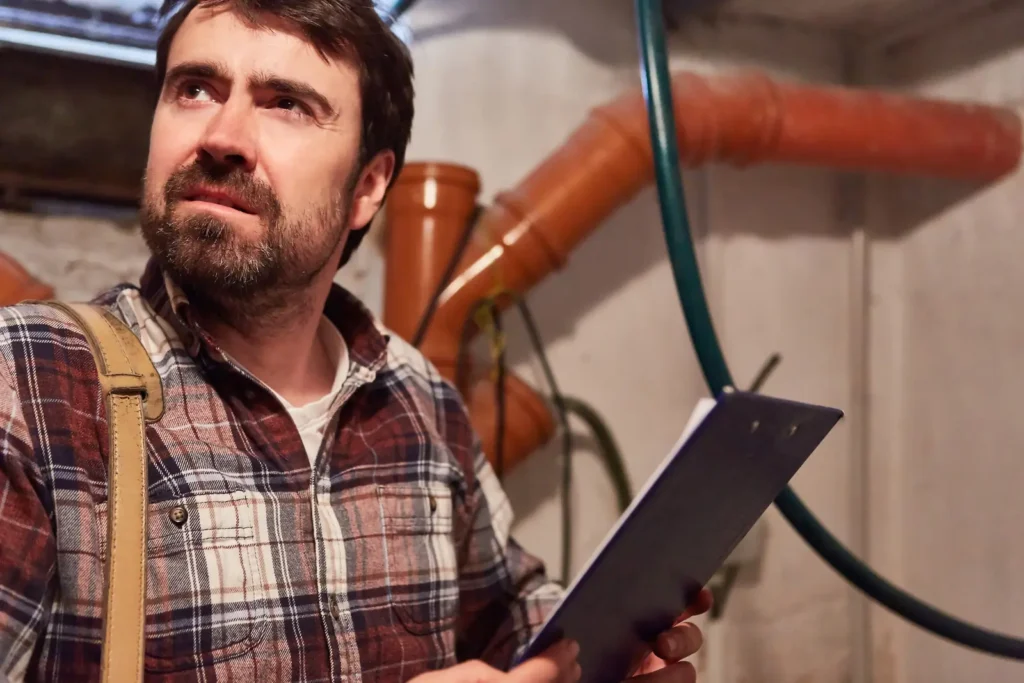
Asbestos Testing Furnace Insulation Burlington
Testing furnace insulation for asbestos in Burlington homes and commercial buildings is a critical safety step that protects occupants from exposure to one of the most dangerous environmental contaminants. If your property was built or renovated before the 1980s, your furnace insulation may contain asbestos fibres, which can become airborne and inhaled when the material deteriorates or is disturbed. EnviroGuard Consulting and Testing provides certified asbestos identification and testing throughout Burlington and the surrounding Greater Toronto Area, delivering laboratory-verified results and professional guidance on safe remediation.
This guide walks you through the process of testing furnace insulation for asbestos, from determining whether testing is necessary through interpreting your results and planning next steps. By the end, you will understand what to expect, how samples are collected safely, and how to read your certified laboratory report.
Step 1: Assess Your Property and Determine If Testing Is Necessary
Begin by establishing the age and history of your furnace system. Asbestos was widely used in furnace insulation, pipe wrap, and boiler jackets installed in properties constructed or upgraded between the 1930s and 1970s, though some products remained in use into the early 1980s. If your Burlington home or commercial building falls within this timeframe, or if previous inspections or renovation work have raised concerns, testing is strongly recommended. Do not assume that because your property looks well-maintained that asbestos is absent; visual inspection alone cannot identify asbestos fibres, which are microscopic and invisible to the naked eye.
Check your property documentation for any previous environmental assessments, renovation reports, or building permits that may reference insulation materials. If the furnace has been partially disturbed-by repairs, renovations, or water damage-the risk of fibre release increases. In these cases, professional assessment becomes urgent rather than precautionary. EnviroGuard Consulting and Testing conducts detailed pre-testing consultations to help Burlington property owners understand their specific risk profile and whether sampling is warranted.
Step 2: Collect and Submit Samples Using Certified Protocols
Asbestos sampling must follow strict protocols to avoid contaminating the sample, spreading fibres into the indoor environment, or exposing the person taking the sample. The certified inspector will identify accessible areas of furnace insulation and extract small, representative samples using wet sampling techniques. Wet sampling-misting the material with water before collection-minimizes fibre disturbance and is the industry standard for safe sample handling. Samples are placed in sealed, labelled containers with complete chain-of-custody documentation to ensure integrity throughout laboratory analysis.
Multiple samples may be collected if the furnace insulation appears visibly different in colour, texture, or condition across sections, since asbestos content can vary within a single system or building. EnviroGuard's certified inspectors ensure that sampling locations are documented photographically and recorded in writing, so that any samples showing positive results can be precisely located for future remediation. The entire sampling process typically takes 30 to 60 minutes for a single furnace system, though commercial properties with larger or more complex HVAC installations may require longer.
Step 3: Review Your Laboratory Results and Understand What They Mean
Laboratory analysis uses polarized light microscopy (PLM), the standard method for identifying asbestos minerals and quantifying their concentration in samples. Your certified report will state whether asbestos is present, which type or types (chrysotile, amosite, crocidolite, or other regulated forms), and the percentage by weight or volume. A result of "not detected" or "less than 1 percent" typically indicates the material is safe to leave in place and undisturbed. However, any positive result-especially in materials that are friable (easily crumbled) or in poor condition-requires professional guidance on remediation options.
EnviroGuard Consulting and Testing provides interpretation of your laboratory report alongside clear, actionable recommendations. If asbestos is found in good condition and not likely to be disturbed, encapsulation or monitoring may be appropriate. If the material is deteriorating, friable, or at risk of disturbance due to planned renovations, professional abatement by a licensed contractor is the safest path. The certified inspector will explain your options in context of Burlington building codes, provincial regulations, and your property's specific circumstances, empowering you to make informed decisions with confidence.
Once you have your results and recommendations in hand, you are equipped to move forward with confidence. If asbestos is confirmed and removal is necessary, professional remediation protects your family, employees, or tenants while ensuring compliance with environmental standards. If testing shows no asbestos present, you have the peace of mind that comes from verified, laboratory-backed results. Contact EnviroGuard Consulting and Testing to discuss your furnace insulation concerns in Burlington or the surrounding Halton Region. The team is ready to schedule a site assessment, explain the testing process, and answer any questions you have about protecting your property and the people within it.
Frequently Asked Questions
How do I know if my furnace insulation in Burlington contains asbestos?
Visual inspection alone cannot identify asbestos-it requires laboratory analysis. If your property was built before the 1980s, professional testing is the only reliable way to confirm presence or absence. EnviroGuard Consulting and Testing offers certified sampling and lab analysis to give you a definitive answer.
Is asbestos testing for furnace insulation expensive in Burlington?
Testing costs depend on the number of samples needed and the complexity of your furnace system. Contact EnviroGuard Consulting and Testing for a site-specific estimate. Testing is far less costly than emergency remediation or health complications from undetected exposure.
What happens if asbestos is found in my furnace insulation?
If asbestos is detected, you have several options depending on the condition of the material. EnviroGuard will recommend encapsulation, professional abatement, or managed monitoring based on risk factors. Do not attempt removal yourself-licensed professionals handle asbestos safely and legally.
Can I disturb my furnace if asbestos testing shows it is negative?
Yes. A negative laboratory result means asbestos is not present, and you can proceed with maintenance, repairs, or renovations without special precautions. Keep your certified report on file for future reference and property records.
How long does asbestos testing for furnace insulation take in Burlington?
Sample collection typically takes 30 to 60 minutes. Laboratory analysis takes 5 to 10 business days. You will receive a certified report with complete results and professional interpretation from EnviroGuard Consulting and Testing.
Do I need asbestos testing before selling my property in Burlington?
Many real estate transactions benefit from environmental testing to identify and disclose potential hazards. Buyers appreciate verified asbestos reports, and testing protects you from future liability. EnviroGuard provides certified documentation suitable for real estate due diligence and regulatory compliance.
Why EnviroGuard
Experience, integrity and regulatory conformity
Regulations
- O. Reg. 278/05 Asbestos on construction projects and in buildings and repair operationsOccupational Health and Safety Act
- O. Reg. 490/09 Designated substancesOccupational Health and Safety Act
- O. Reg. 347/90 General waste management, including asbestos wasteEnvironmental Protection Act
Under the Occupational Health and Safety Act (OHSA), the ministry is responsible for regulating occupational health and safety in workplaces, which includes schools, hospitals, and any place where people work.
Experience
With over 30 years of experience in solid waste management across Ontario and 20 years in environmental science, EnviroGuard Consulting and Testing provides expert asbestos, mould, and environmental testing services.
Hands-on knowledge of hazardous material assessment and indoor air quality ensures every project is handled safely, efficiently, and in full compliance with Ontario’s environmental and occupational health regulations.
Integrity
Built on high integrity and regulatory conformity, EnviroGuard delivers precise testing, reliable reporting, and practical abatement and remediation recommendations.
Clients can trust EnviroGuard to protect their buildings, occupants, and projects while maintaining the highest standards of safety and compliance.
Our services
Environmental testing and consulting
At EnviroGuard, we offer a comprehensive range of environmental testing and consulting services for homes and businesses.
Asbestos testing
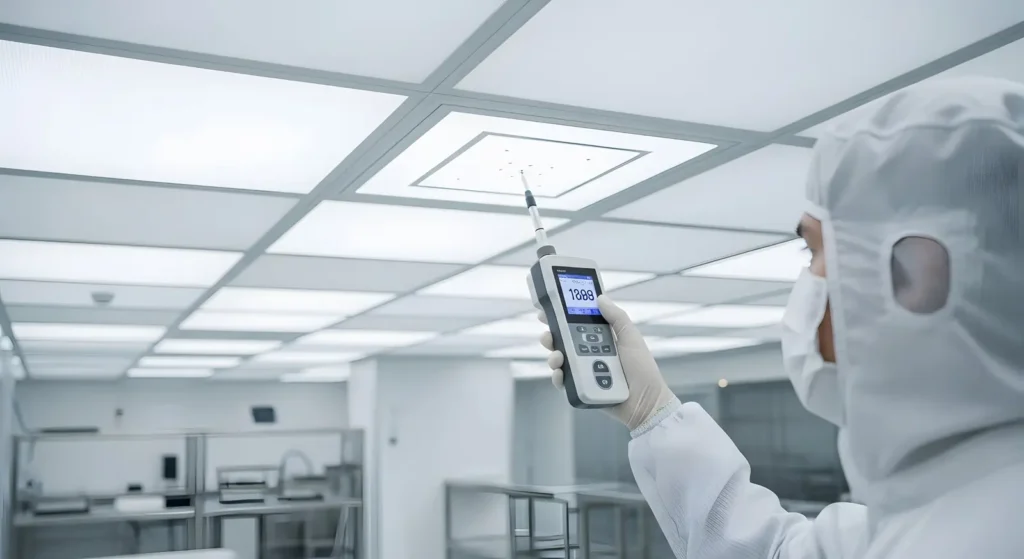
Asbestos Air Quality Testing
Air samples show whether asbestos fibres are present and at what concentration. Required for Type 3 work under O. Reg. 278/05.
Learn more
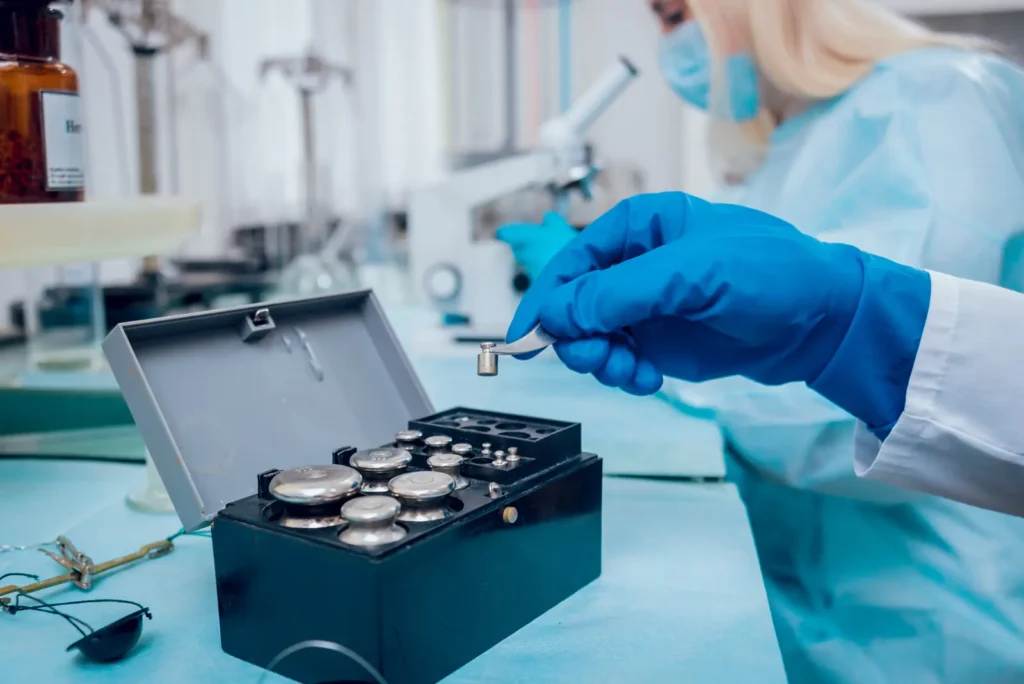
Asbestos Bulk Testing
Samples of drywall compound, insulation, flooring, ceiling tiles, plaster and more, before renovation or demolition.
Learn more

Asbestos Summary Reports
All asbestos findings, both air and bulk, compiled into one easy-to-read document.
Learn more
Mould testing
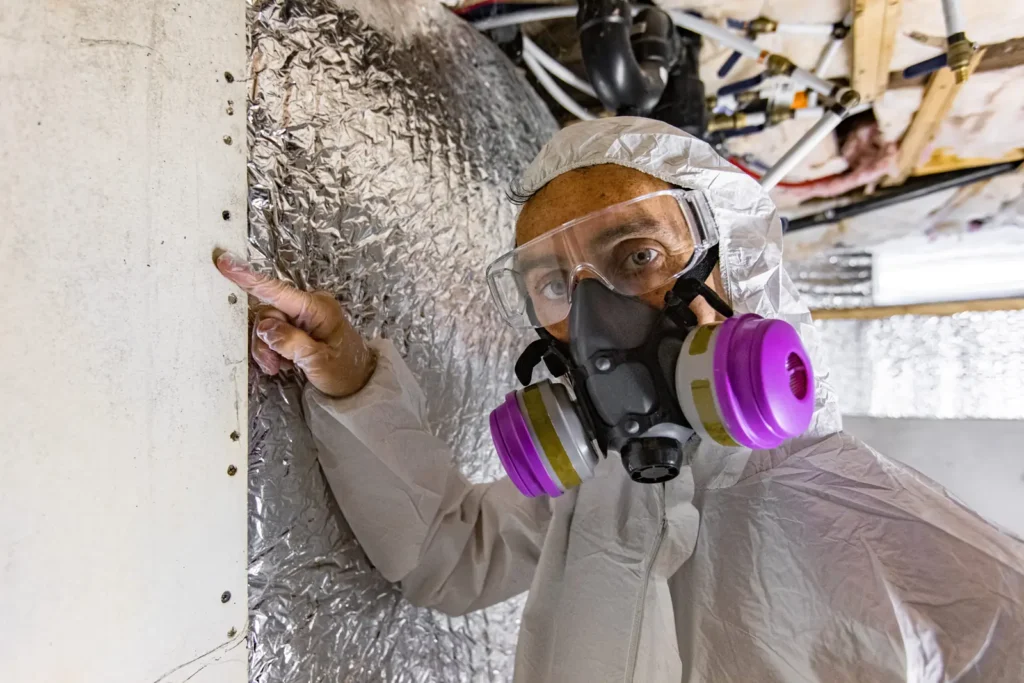
Mould Air Quality Testing
Indoor mould spore readings compared to outdoor baseline levels. A good background if mould is suspected.
Learn more
Mould Assessments
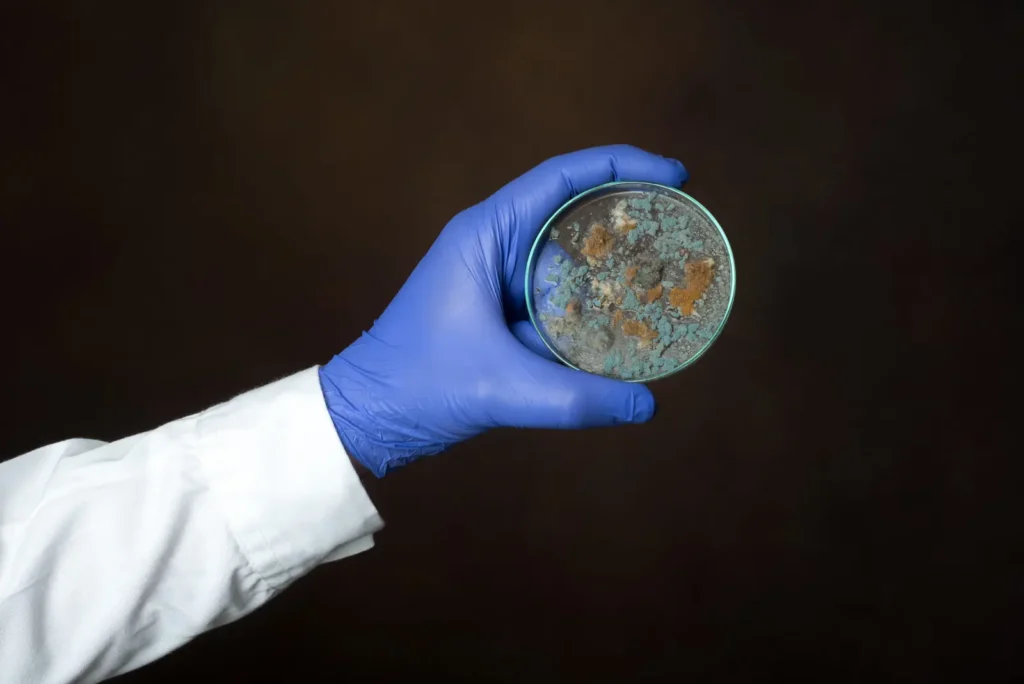
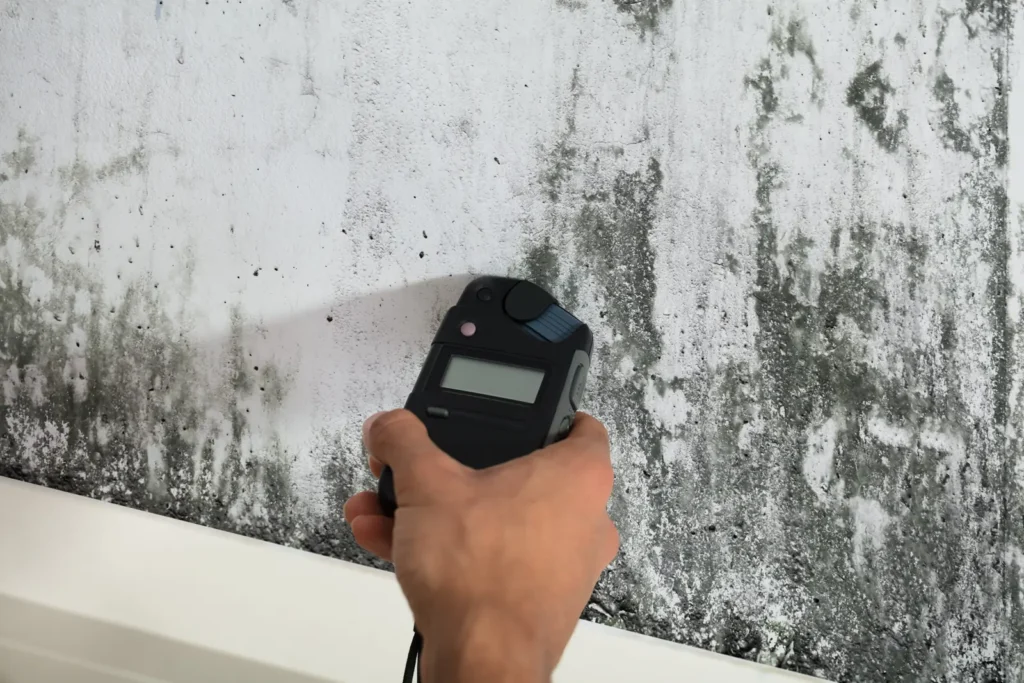
Visual inspection, moisture readings, air and/or surface sampling, source identification and recommendations.
Learn more
Surveys, removal and demolition
Designated Substance Survey
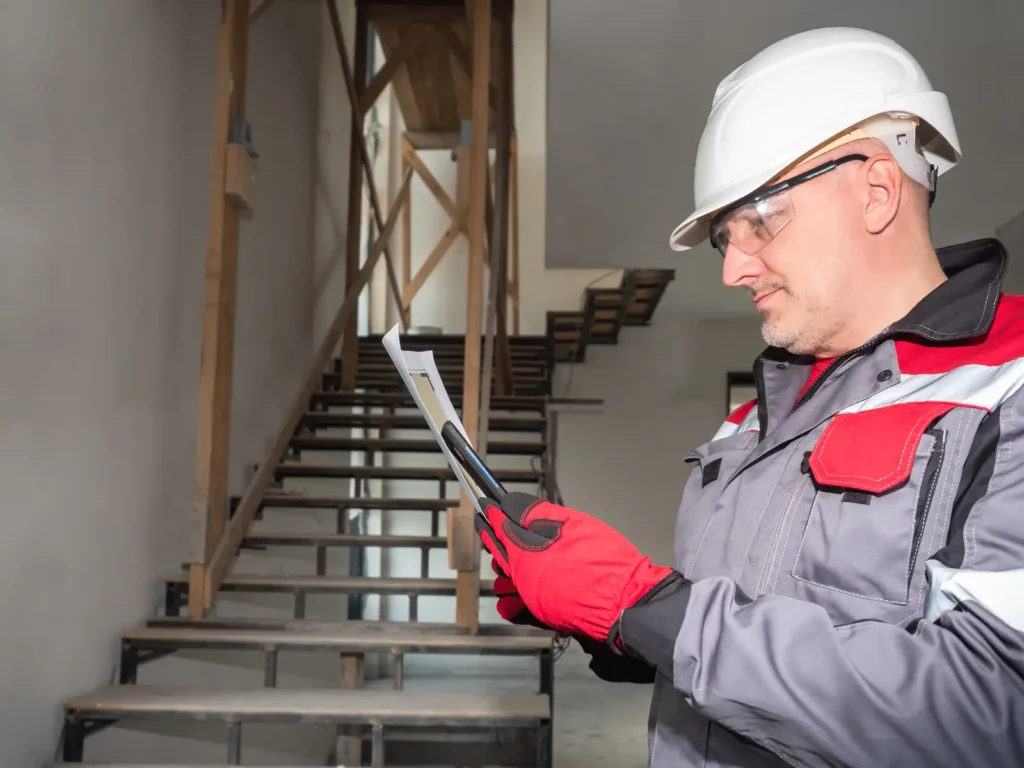
In Ontario, a DSS report is required before construction, demolition or renovation work.
Learn more
Abatement
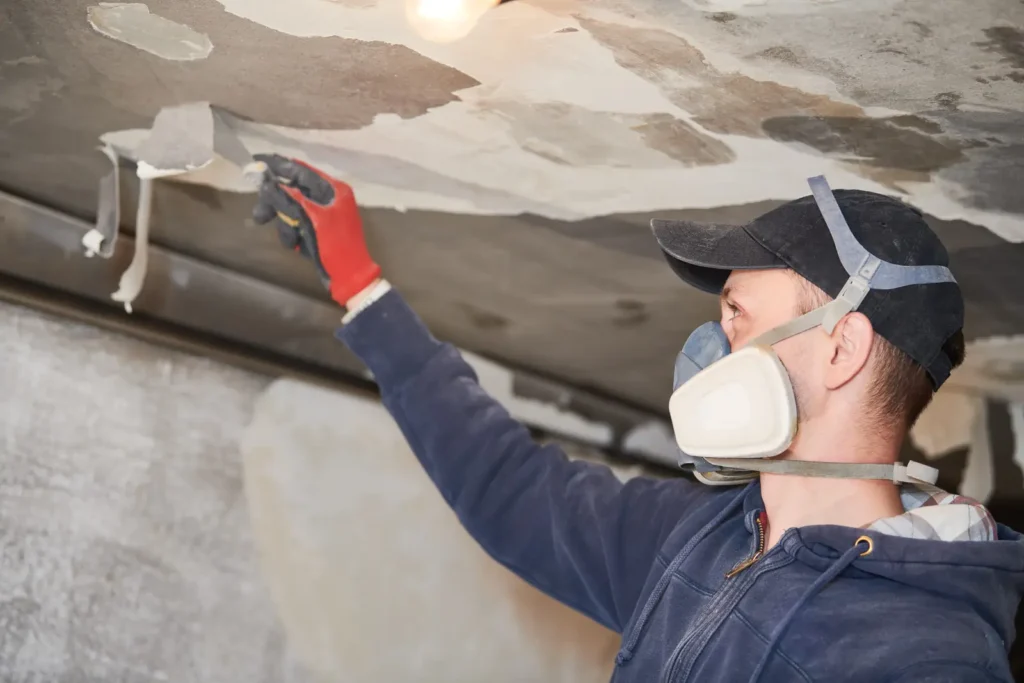
Asbestos removal as a Type 1, 2 or 3 procedure: we can help with a contractor referral and estimate.
Learn more
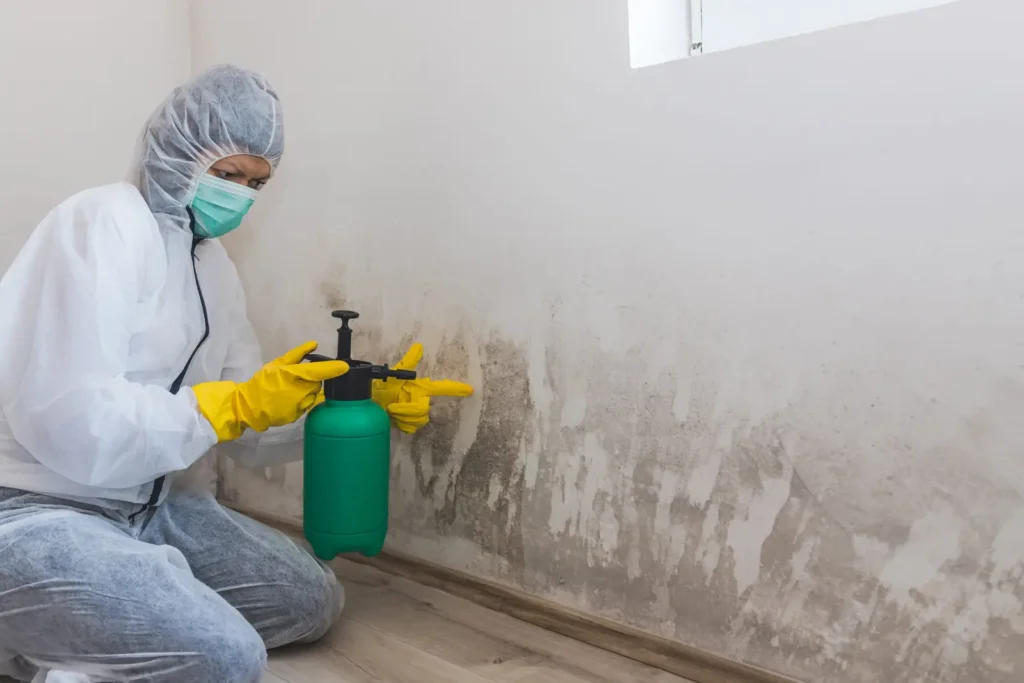
Remediation
Removal of mould-impacted materials as a Level 1, 2 or 3 procedure: contractor referral and estimate.
Learn more
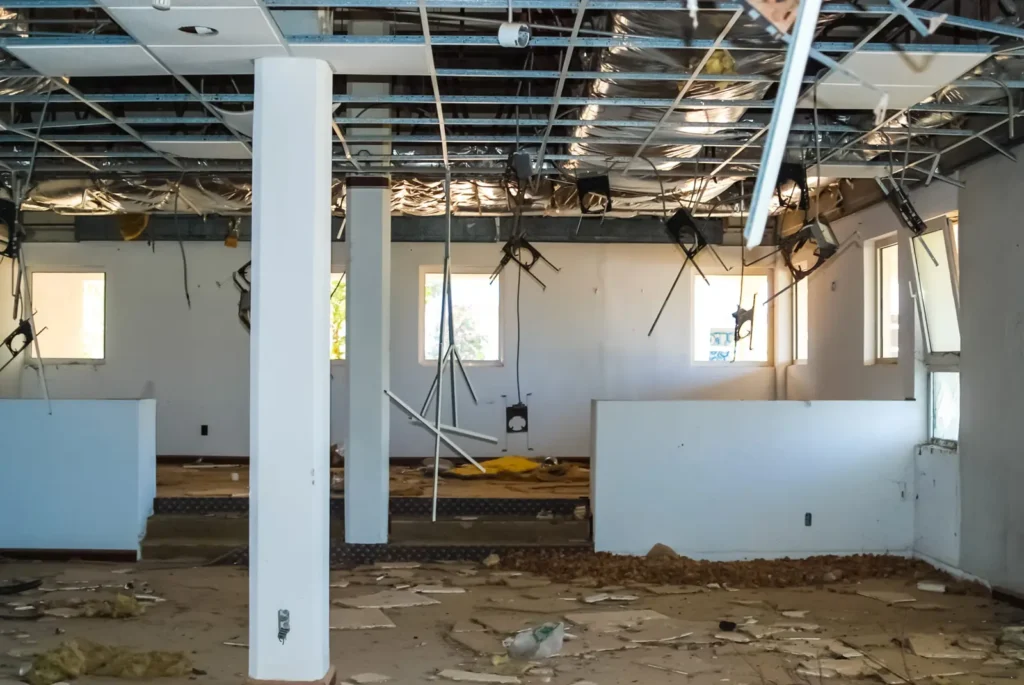
Demolition
Structural or interior demolition: we guide you through the process, with a contractor referral and estimate.
Learn more