
Asbestos & mould testing · Burlington & GTA
Protecting your health and property with expert environmental services.
Based in Burlington, Ontario, EnviroGuard Consulting and Testing is your trusted partner in ensuring a safe, healthy living and working environment. We specialize in professional asbestos and mould testing, providing accurate lab results and expert interpretations to help you make informed decisions for remediation.
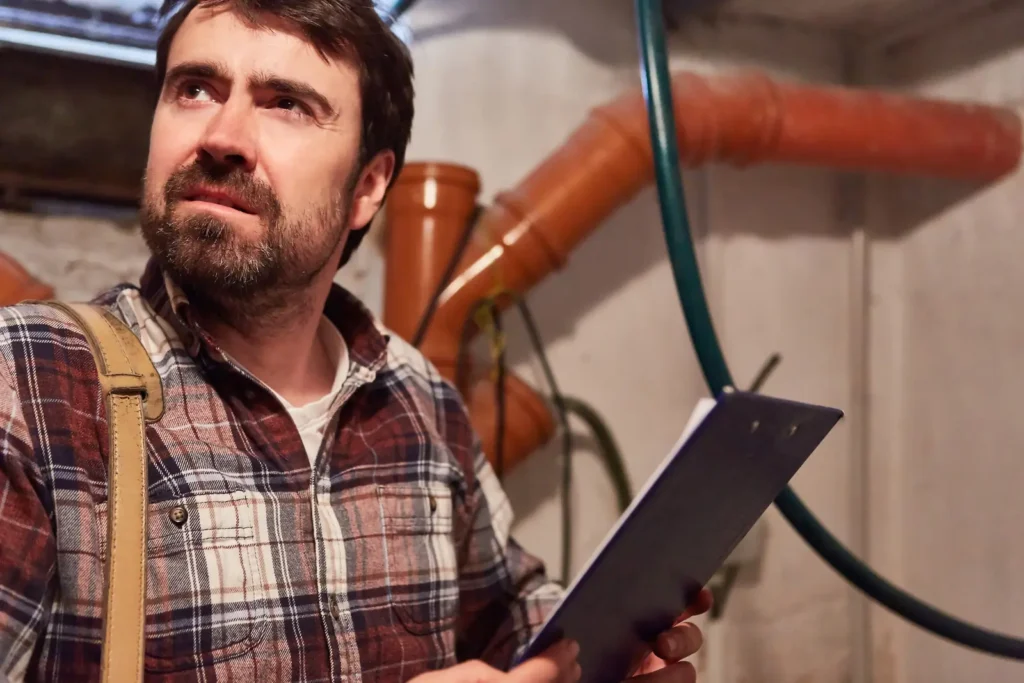
Asbestos Testing Older Home Burlington
Testing for asbestos in an older home in Burlington involves identifying suspect materials, collecting samples following strict safety protocols, and submitting them to a certified laboratory for analysis. Older homes built before the 1980s in the Burlington area often contain asbestos in insulation, floor tiles, pipe wrap, roofing materials, and wall compounds. EnviroGuard Consulting and Testing guides homeowners through this process with certified inspection and laboratory analysis to determine whether materials contain asbestos and what remediation steps may be necessary.
By following this guide, you will understand when testing is warranted, how to safely identify potential asbestos sources, and what to expect from the laboratory results. This knowledge protects your family and informs any decisions about remediation or renovation in your Burlington property.
Step 1: Identify Materials That May Contain Asbestos
Begin by conducting a visual walk-through of your home. Asbestos was used extensively in building materials from the 1930s through the 1970s and into the early 1980s. In older Burlington homes, common sources include pipe insulation in basements (often white, grey, or blue wrapping around heating pipes), floor tiles and mastic underneath them, acoustic ceiling tiles, roofing materials, siding shingles, and joint compound on drywall seams. Vinyl sheet flooring installed before 1980 may also contain asbestos, as can some brands of talc-based patching compounds.
Document the location and condition of each suspect material with photographs. Pay particular attention to any materials that are friable-crumbly, powdery, or deteriorating-as these pose a higher exposure risk if disturbed. Create a simple list noting the room, material type, approximate age if known, and whether it appears damaged. This inventory will be essential when you contact EnviroGuard Consulting and Testing for professional assessment.
Step 2: Safely Collect and Label Samples for Laboratory Testing
Do not attempt to remove or scrape asbestos-containing materials yourself. Instead, collect small bulk samples using proper technique. For non-friable materials like floor tiles or drywall joint compound, wear disposable gloves and use a putty knife or small chisel to collect a sample roughly the size of a marble or pea from an inconspicuous area. Place the sample in a labeled, sealed plastic bag. Include multiple samples if different material types or colors are present, as they may have different compositions.
Label each sample clearly with the date, location within the home, material type, and a brief description of its condition. If any material is friable or heavily deteriorated, do not collect a sample yourself-instead, note its location and condition and let EnviroGuard Consulting and Testing collect samples during the professional inspection. Friable asbestos poses significant inhalation risk and requires trained handling. Keep all samples sealed and separate from living areas until submission to the laboratory.
Step 3: Submit Samples and Interpret Laboratory Results
Contact EnviroGuard Consulting and Testing to arrange sample submission or to schedule a full inspection if you prefer professional collection. The laboratory will analyze each sample using polarized light microscopy (PLM) or other approved analytical methods to determine asbestos content by type and percentage. Results are typically available within 5 to 10 business days and will identify whether asbestos is present, the type (chrysotile, amosite, crocidolite, or other), and the approximate percentage by mass.
Once you receive results, EnviroGuard Consulting and Testing provides expert interpretation and actionable recommendations. A positive result does not automatically require immediate removal-the key factors are the material's condition, its friability, and the likelihood of disturbance. Non-friable materials in good condition that remain undisturbed pose minimal risk. However, if you plan renovations, repairs, or if materials are deteriorating, professional remediation by a licensed contractor following Ontario regulations will be necessary. EnviroGuard can guide you through next steps and help you understand your options.
Asbestos-containing materials that are sealed, stable, and left undisturbed are generally safer than attempting removal yourself. Professional assessment determines whether encapsulation, repair, or full abatement is the right choice for your Burlington property.
If you are purchasing an older home in Burlington or currently own one with suspected asbestos, having professional testing completed provides clear answers and protects your investment. EnviroGuard Consulting and Testing also offers indoor air quality assessment alongside asbestos inspection, so you can evaluate multiple environmental health factors in a single comprehensive review. Reach out to discuss your home's age, location, and any visible signs of damaged materials. The team will help you determine the scope of testing needed and schedule a time that works for you.
Frequently Asked Questions
What asbestos-containing materials are most common in older homes near Burlington?
Pipe insulation, vinyl floor tiles with asbestos mastic, acoustic ceiling tiles, roofing shingles, and joint compound on drywall seams are the most frequently encountered materials in older Burlington-area homes. Asbestos was also used in some siding products, plaster, and insulation batts. Age of the home is the best initial indicator-materials installed before 1980 carry higher likelihood of asbestos content.
Is asbestos testing required when selling a home in Burlington?
Ontario does not mandate asbestos testing as part of a home sale, but many buyers request it as part of their due diligence, particularly for homes built before 1980. A Phase I Environmental Site Assessment or property condition report may recommend asbestos screening. Testing protects both buyer and seller by establishing a clear record of what materials are present.
Can I test for asbestos myself, or do I need a professional?
You can collect samples from non-friable, undisturbed materials using basic precautions, but professional inspection is safer and more reliable. EnviroGuard Consulting and Testing handles collection of friable or deteriorated materials, which pose inhalation risk if not handled correctly. A certified inspector can also identify materials you might miss and ensure samples are properly documented and submitted.
How long does asbestos testing take in Burlington?
Sample collection can be completed during a single inspection visit. Laboratory analysis typically takes 5 to 10 business days. EnviroGuard Consulting and Testing provides you with a written report detailing test results, material locations, and recommendations for next steps based on the findings.
What should I do if asbestos is found in my Burlington home?
The first step is to leave the material undisturbed and avoid renovation or demolition in that area until you have a remediation plan. If the material is in good condition and will not be disturbed, it may be safest to leave it sealed. If you plan renovations or the material is deteriorating, you will need a licensed asbestos abatement contractor. EnviroGuard Consulting and Testing can explain your options and help you understand regulatory requirements.
Is mould testing different from asbestos testing for older homes in Burlington?
Yes-asbestos and mould are separate environmental hazards requiring different testing methods. Mould testing uses air and surface sampling to identify spores and fungal growth, while asbestos testing identifies mineral fibres in solid materials. Both are common concerns in older homes. EnviroGuard Consulting and Testing offers mould inspection alongside asbestos assessment, so you can evaluate both risks in a single comprehensive evaluation.
Why EnviroGuard
Experience, integrity and regulatory conformity
Regulations
- O. Reg. 278/05 Asbestos on construction projects and in buildings and repair operationsOccupational Health and Safety Act
- O. Reg. 490/09 Designated substancesOccupational Health and Safety Act
- O. Reg. 347/90 General waste management, including asbestos wasteEnvironmental Protection Act
Under the Occupational Health and Safety Act (OHSA), the ministry is responsible for regulating occupational health and safety in workplaces, which includes schools, hospitals, and any place where people work.
Experience
With over 30 years of experience in solid waste management across Ontario and 20 years in environmental science, EnviroGuard Consulting and Testing provides expert asbestos, mould, and environmental testing services.
Hands-on knowledge of hazardous material assessment and indoor air quality ensures every project is handled safely, efficiently, and in full compliance with Ontario’s environmental and occupational health regulations.
Integrity
Built on high integrity and regulatory conformity, EnviroGuard delivers precise testing, reliable reporting, and practical abatement and remediation recommendations.
Clients can trust EnviroGuard to protect their buildings, occupants, and projects while maintaining the highest standards of safety and compliance.
Our services
Environmental testing and consulting
At EnviroGuard, we offer a comprehensive range of environmental testing and consulting services for homes and businesses.
Asbestos testing
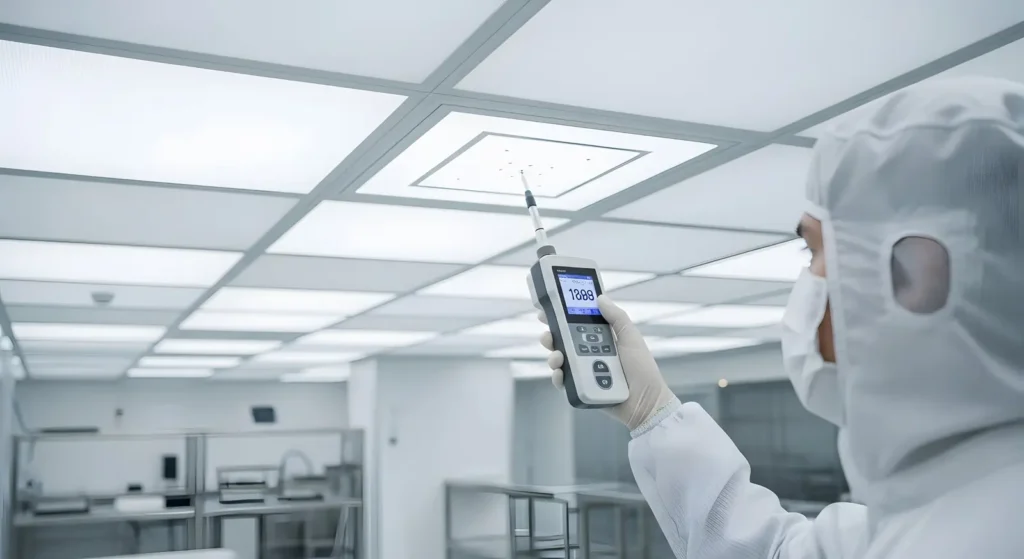
Asbestos Air Quality Testing
Air samples show whether asbestos fibres are present and at what concentration. Required for Type 3 work under O. Reg. 278/05.
Learn more
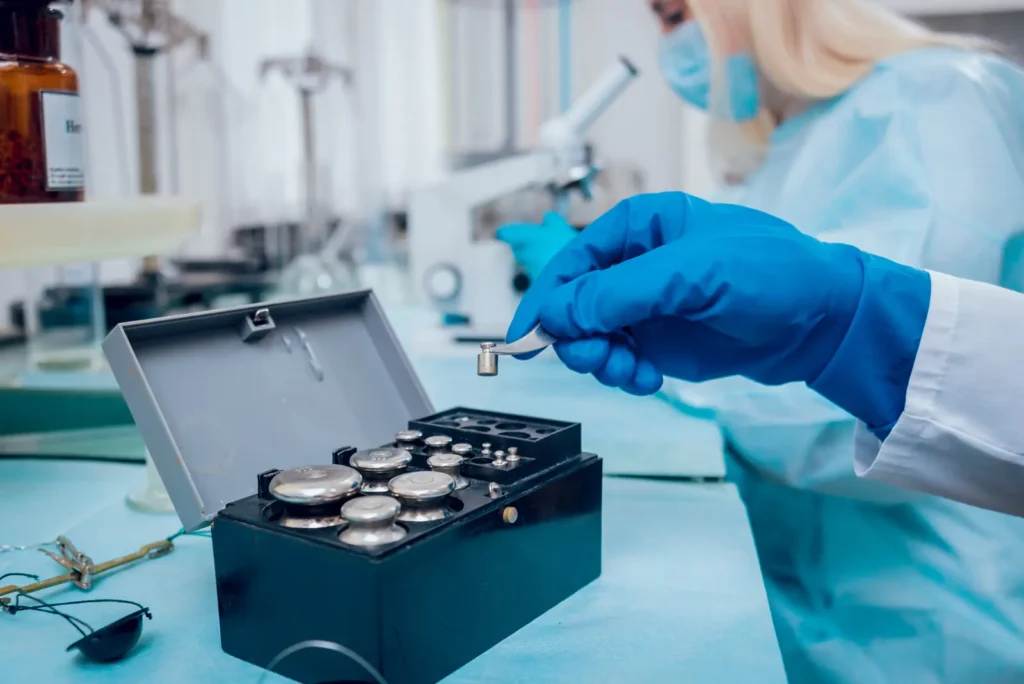
Asbestos Bulk Testing
Samples of drywall compound, insulation, flooring, ceiling tiles, plaster and more, before renovation or demolition.
Learn more

Asbestos Summary Reports
All asbestos findings, both air and bulk, compiled into one easy-to-read document.
Learn more
Mould testing
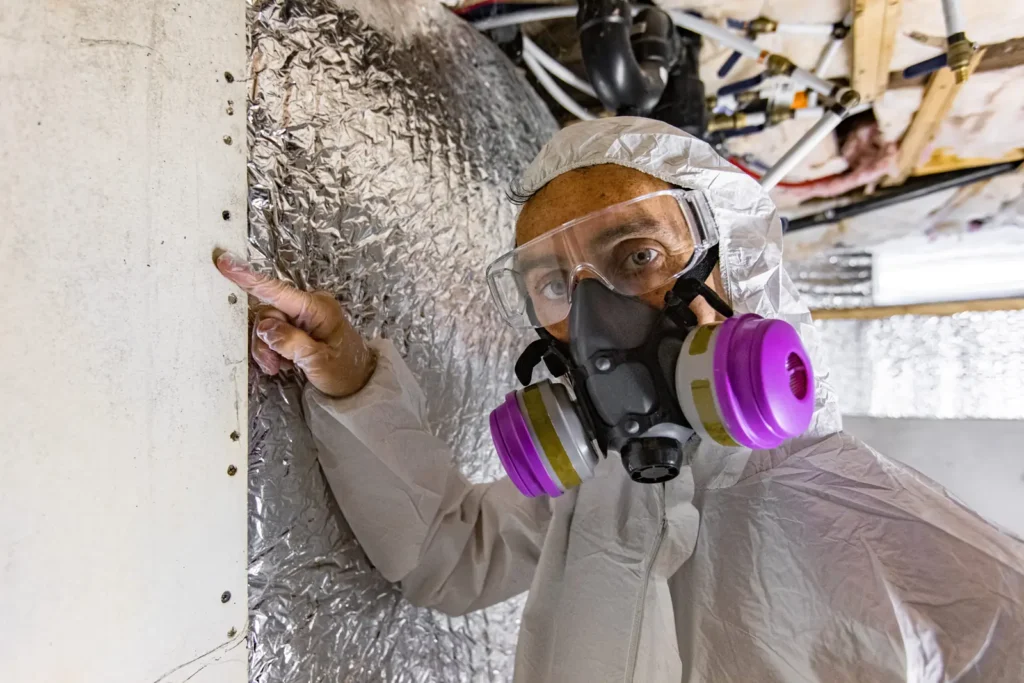
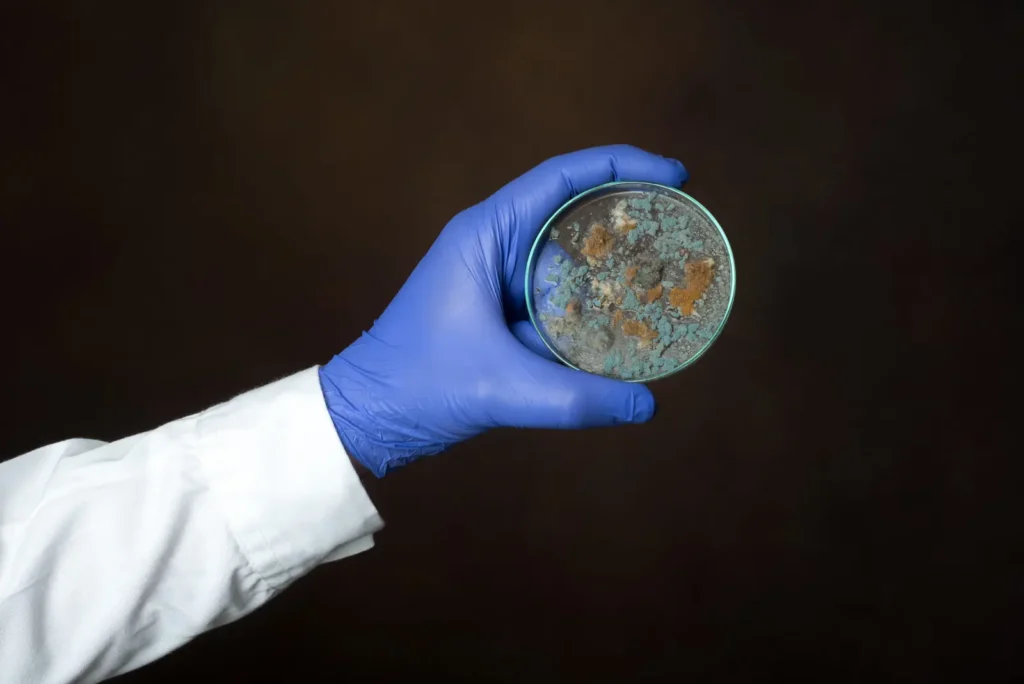
Mould Air Quality Testing
Indoor mould spore readings compared to outdoor baseline levels. A good background if mould is suspected.
Learn more
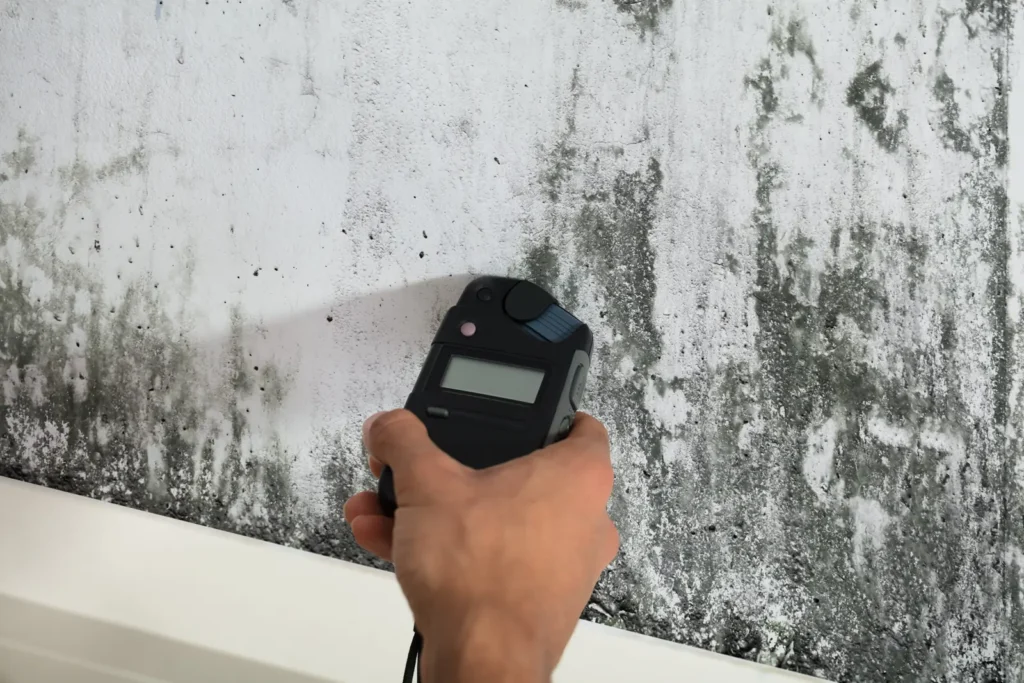
Mould Assessments
Visual inspection, moisture readings, air and/or surface sampling, source identification and recommendations.
Learn more
Surveys, removal and demolition
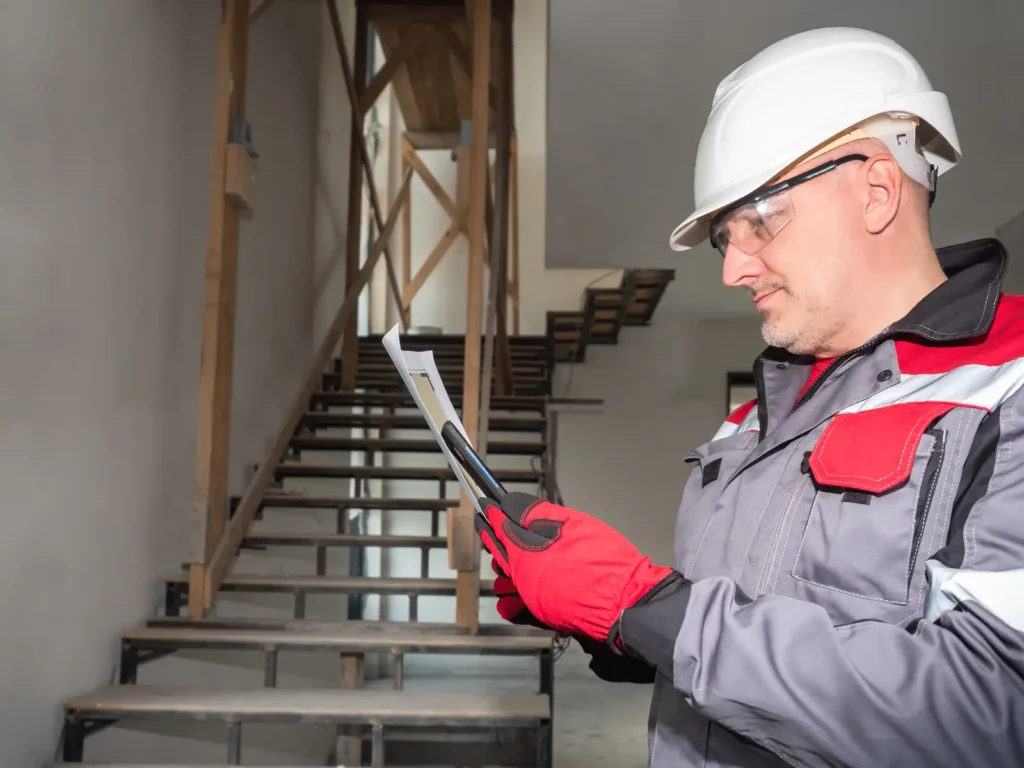
Designated Substance Survey
In Ontario, a DSS report is required before construction, demolition or renovation work.
Learn more
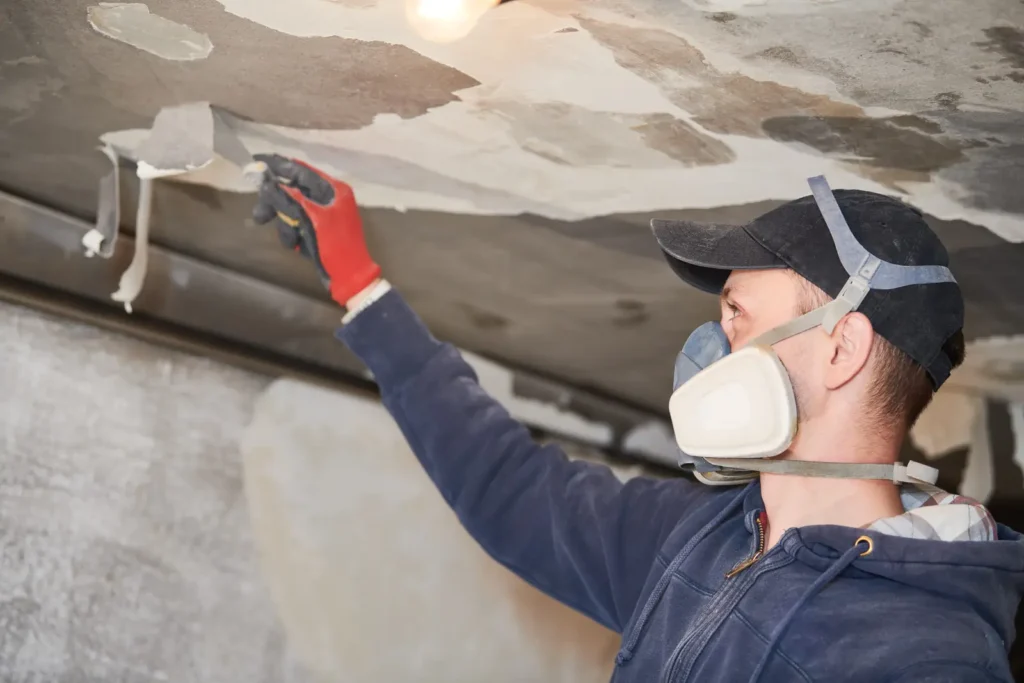
Abatement
Asbestos removal as a Type 1, 2 or 3 procedure: we can help with a contractor referral and estimate.
Learn more
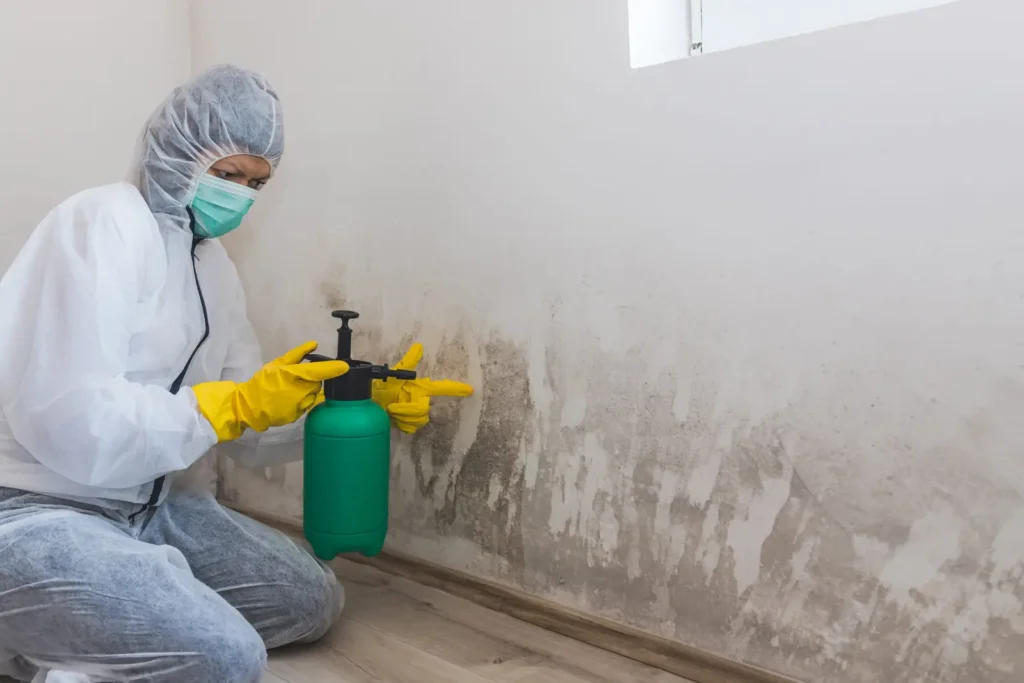
Remediation
Removal of mould-impacted materials as a Level 1, 2 or 3 procedure: contractor referral and estimate.
Learn more
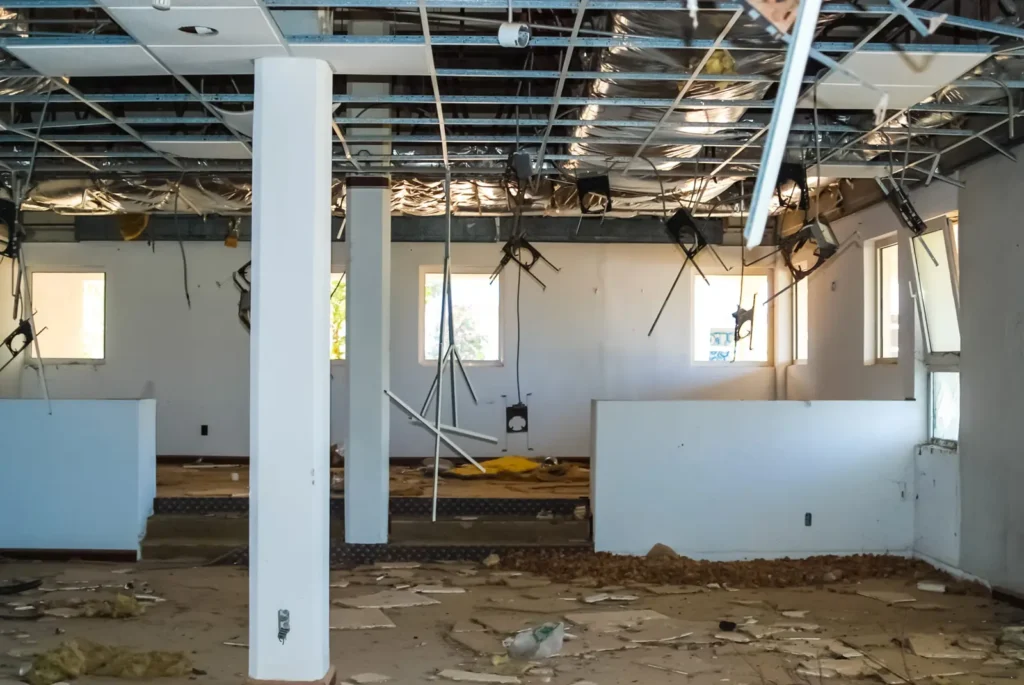
Demolition
Structural or interior demolition: we guide you through the process, with a contractor referral and estimate.
Learn more