
Asbestos & mould testing · Burlington & GTA
Protecting your health and property with expert environmental services.
Based in Burlington, Ontario, EnviroGuard Consulting and Testing is your trusted partner in ensuring a safe, healthy living and working environment. We specialize in professional asbestos and mould testing, providing accurate lab results and expert interpretations to help you make informed decisions for remediation.
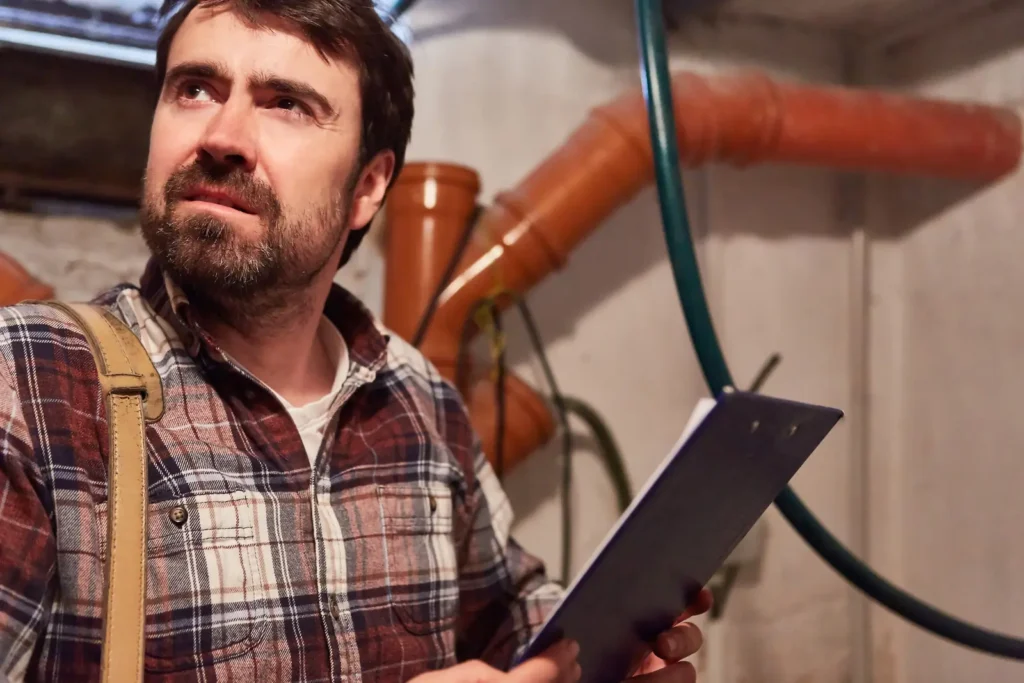
Asbestos Wrap Test Burlington
Testing for asbestos in pipe insulation and equipment wraps is a critical step in protecting the safety of occupants and workers in homes and buildings throughout Burlington. EnviroGuard Consulting and Testing provides certified asbestos wrap testing to identify whether insulation materials, boiler wraps, and ductwork contain asbestos fibres that pose inhalation hazards.
Burlington residents and property managers face a particular concern with older buildings constructed before asbestos regulations tightened in the 1980s. Many homes and commercial properties in the area contain pipe wrap, boiler insulation, and HVAC duct wrapping that may contain asbestos. Without proper testing, these materials remain an unknown hazard. When disturbed-whether during renovation, maintenance, or natural degradation-asbestos-containing wrap releases microscopic fibres into the air. Inhalation of these fibres can lead to serious respiratory diseases including mesothelioma, asbestosis, and lung cancer, often with latency periods of 20 to 50 years.
The Problem: Identifying Hidden Asbestos in Pipe Insulation and Wraps
Many buildings in Burlington contain insulation materials that are visually indistinguishable from safe, non-asbestos products. Homeowners and contractors cannot determine whether a pipe wrap contains asbestos by appearance alone. A property owner might discover old wrapping during a basement renovation or when a plumber flags deteriorating insulation around a boiler. At that moment, the question becomes urgent: does this material contain asbestos?
Delaying the answer creates risk. If asbestos-containing wrap is disturbed during work without proper containment and handling procedures, fibres disperse into the building. If it is left untouched without confirmation of its contents, uncertainty persists. Contractors may refuse to work on a property, or they may proceed under the assumption that asbestos is present and charge premium rates for safe removal-even if testing would show the material is safe.
The stakes are particularly high in commercial properties. Facility managers and landlords in Burlington face potential liability if tenants or workers develop asbestos-related illness linked to exposure in the building. Property buyers conducting due diligence also need definitive answers before closing a transaction, especially when old HVAC systems, boiler rooms, or basement infrastructure are part of the purchase.
EnviroGuard's Approach: Certified Sampling and Laboratory Analysis
EnviroGuard Consulting and Testing follows a rigorous, systematic process for asbestos wrap testing in Burlington. The methodology combines visual assessment, careful sample collection, and independent laboratory analysis to deliver reliable, defensible results.
The first step is a site inspection. Henry Kwasniak, the certified environmental inspector who leads EnviroGuard, examines the suspected material in place. He documents the condition, location, extent, and accessibility of the wrap or insulation. This visual assessment informs the sampling strategy and helps identify all areas that may require testing. Photographs and detailed notes become part of the inspection record, creating a complete chain of custody for regulatory and legal purposes.
Next, EnviroGuard collects physical samples from the suspect material using standardized techniques. The sampling is performed with care to minimize disturbance and fibre release. Samples are sealed, labeled, and transported to an accredited independent laboratory for polarized light microscopy (PLM) and transmission electron microscopy (TEM) analysis. These analytical methods can identify asbestos fibres and determine the percentage composition of asbestos in the sample, which is essential for deciding whether removal, encapsulation, or continued monitoring is appropriate.
The laboratory report specifies:
- The presence or absence of asbestos
- The type of asbestos (chrysotile, amosite, crocidolite, or other varieties)
- The percentage composition when asbestos is detected
- The analytical method used and its detection limits
EnviroGuard interprets these findings for the property owner, contractor, or manager in plain language, then provides actionable recommendations. If asbestos is present, the report includes guidance on whether the material is friable (easily crumbled and a higher fibre-release risk) or non-friable (denser and lower risk), and outlines options for safe removal, encapsulation, or ongoing management under a Building Occupant Protection Plan.
This evidence-based approach eliminates guesswork and allows property owners to make informed decisions backed by certified testing and expert interpretation.
The Outcome: Clarity, Compliance, and Safe Decision-Making
A homeowner in Burlington discovered deteriorating insulation around basement pipes while planning a renovation. Rather than assume asbestos was present and pay premium removal costs, the owner contacted EnviroGuard. Within days, samples were collected and analyzed. The laboratory report confirmed that the wrap did not contain asbestos. Armed with this result, the owner could proceed with the renovation using standard safety protocols, saving thousands of dollars and avoiding unnecessary containment procedures.
In another scenario, a property manager at a commercial office building in Burlington received a tenant complaint about visible deterioration of ductwork insulation. The manager faced a choice: remove it preventatively at substantial cost, or determine whether the risk was real. EnviroGuard's asbestos wrap testing revealed asbestos at 15% composition in the material. Because the percentage was documented and the condition was known, the manager could develop a prioritized removal schedule, obtain accurate contractor quotes, and plan remediation work without the urgent panic that uncertainty creates. The tenant was kept informed, the risk was quantified, and the property remained compliant.
For real estate transactions in Burlington, asbestos wrap testing often becomes a condition of closing. Buyers and their inspectors identify old insulation in the home inspection. Rather than walking away or renegotiating price based on fear, testing provides certainty. If asbestos is absent, the transaction proceeds smoothly. If asbestos is present, the buyer knows the true cost of remediation before committing to the purchase.
The long-term benefit of certified testing extends beyond individual properties. When homeowners, contractors, and facility managers in Burlington make decisions based on laboratory data rather than assumption, the community benefits from reduced unnecessary abatement costs and reduced unwarranted exposures. More importantly, genuine hazards are identified and managed properly, protecting occupants.
EnviroGuard Consulting and Testing brings certified expertise and methodological rigor to every asbestos wrap test. If you have identified suspect insulation, deteriorating pipe wrapping, or old boiler covering in your Burlington home or building, or if you need testing as part of a property transaction or renovation plan, get in touch. EnviroGuard will assess your specific situation, explain your options, and deliver the certified results you need to proceed with confidence.
Frequently Asked Questions
What is the difference between asbestos wrap testing and general asbestos inspection?
General asbestos inspection surveys an entire building to identify all potential asbestos-containing materials, including flooring, roofing, insulation, and more. Asbestos wrap testing focuses specifically on sampling and laboratory analysis of pipe insulation, boiler wraps, ductwork covers, and similar insulation materials. Wrap testing provides a definitive yes-or-no result for a specific material through lab analysis, while a broader inspection may document suspected materials without lab confirmation.
How long does asbestos wrap testing take in Burlington?
The on-site inspection and sample collection typically takes one to three hours depending on the extent and accessibility of the materials. Samples are then sent to an accredited laboratory for analysis, which generally takes five to ten business days. You receive a detailed report with findings and recommendations once the lab analysis is complete.
Is asbestos wrap testing required before renovations in Burlington?
Ontario's Environmental Protection Act and Health and Safety Act require that asbestos be identified before any work that may disturb it. If your home or building contains or may contain asbestos-insulated pipes or equipment, testing or professional assessment is legally necessary before renovation or maintenance work proceeds. Contractors often require test results before agreeing to work on older properties.
What should I do if asbestos is found in my pipe wrap?
The appropriate action depends on the material's condition and composition. Non-friable (dense) asbestos wrap that is intact and undisturbed can often be left in place and monitored. If the material is deteriorating, friable, or will be disturbed, professional removal by a licensed abatement contractor is necessary. EnviroGuard's report will clarify your options and guide your next steps.
How much does asbestos wrap testing cost in Burlington?
Testing costs vary based on the number of samples needed, the location and accessibility of materials, and the complexity of the site. Contact EnviroGuard Consulting and Testing for a consultation; the team will assess your property and provide a transparent estimate once they understand the scope of work required.
Why EnviroGuard
Experience, integrity and regulatory conformity
Regulations
- O. Reg. 278/05 Asbestos on construction projects and in buildings and repair operationsOccupational Health and Safety Act
- O. Reg. 490/09 Designated substancesOccupational Health and Safety Act
- O. Reg. 347/90 General waste management, including asbestos wasteEnvironmental Protection Act
Under the Occupational Health and Safety Act (OHSA), the ministry is responsible for regulating occupational health and safety in workplaces, which includes schools, hospitals, and any place where people work.
Experience
With over 30 years of experience in solid waste management across Ontario and 20 years in environmental science, EnviroGuard Consulting and Testing provides expert asbestos, mould, and environmental testing services.
Hands-on knowledge of hazardous material assessment and indoor air quality ensures every project is handled safely, efficiently, and in full compliance with Ontario’s environmental and occupational health regulations.
Integrity
Built on high integrity and regulatory conformity, EnviroGuard delivers precise testing, reliable reporting, and practical abatement and remediation recommendations.
Clients can trust EnviroGuard to protect their buildings, occupants, and projects while maintaining the highest standards of safety and compliance.
Our services
Environmental testing and consulting
At EnviroGuard, we offer a comprehensive range of environmental testing and consulting services for homes and businesses.
Asbestos testing
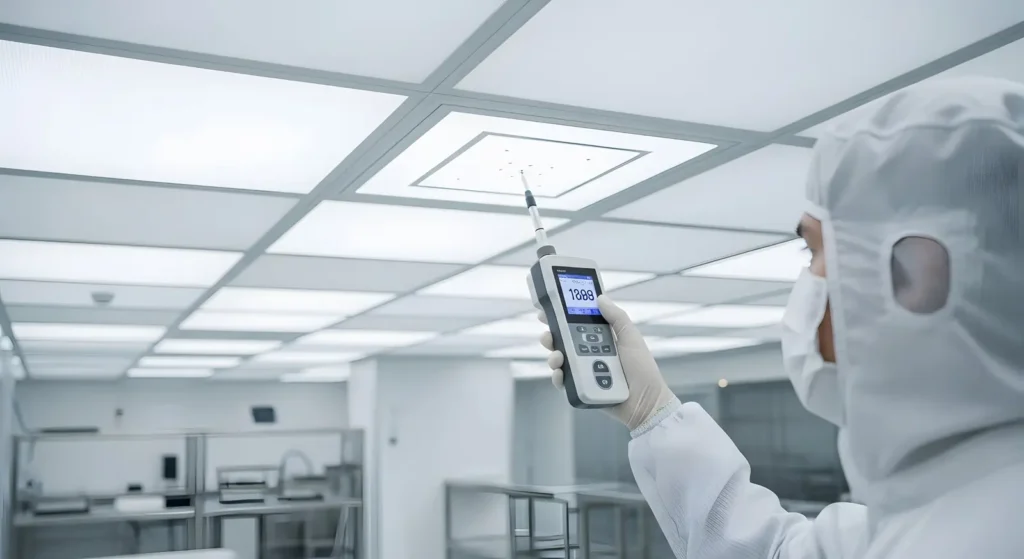
Asbestos Air Quality Testing
Air samples show whether asbestos fibres are present and at what concentration. Required for Type 3 work under O. Reg. 278/05.
Learn more
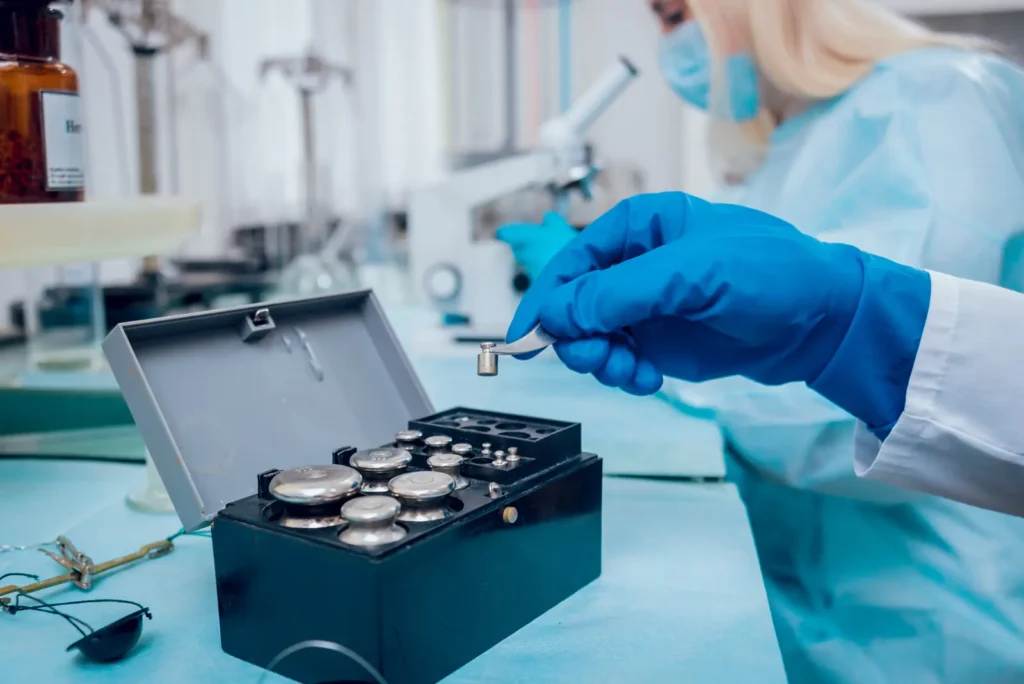
Asbestos Bulk Testing
Samples of drywall compound, insulation, flooring, ceiling tiles, plaster and more, before renovation or demolition.
Learn more

Asbestos Summary Reports
All asbestos findings, both air and bulk, compiled into one easy-to-read document.
Learn more
Mould testing
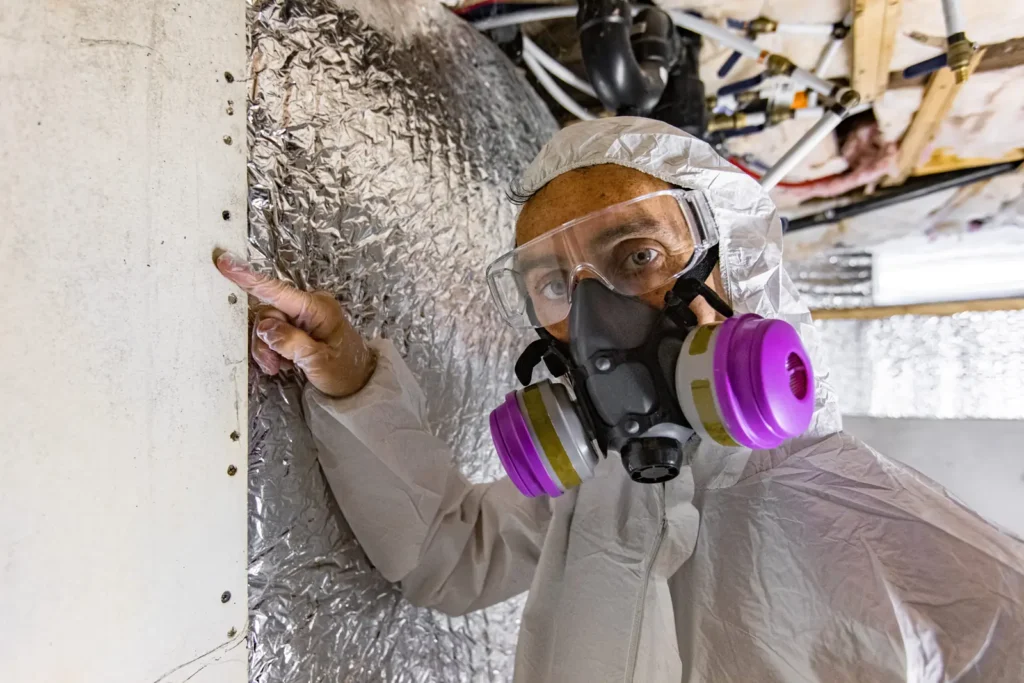
Mould Air Quality Testing
Indoor mould spore readings compared to outdoor baseline levels. A good background if mould is suspected.
Learn more
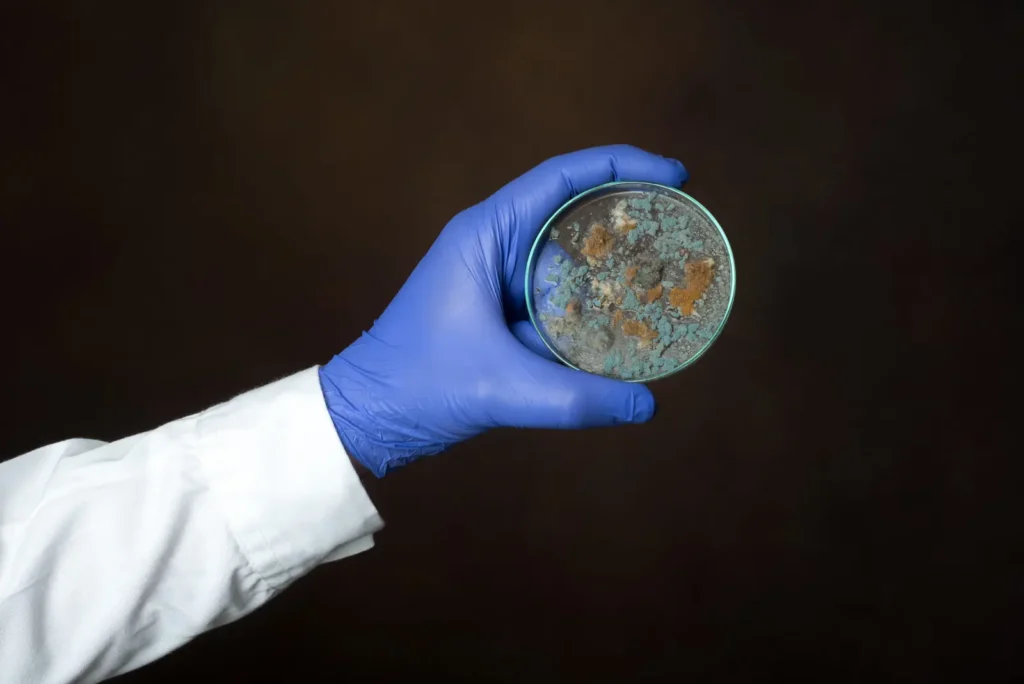
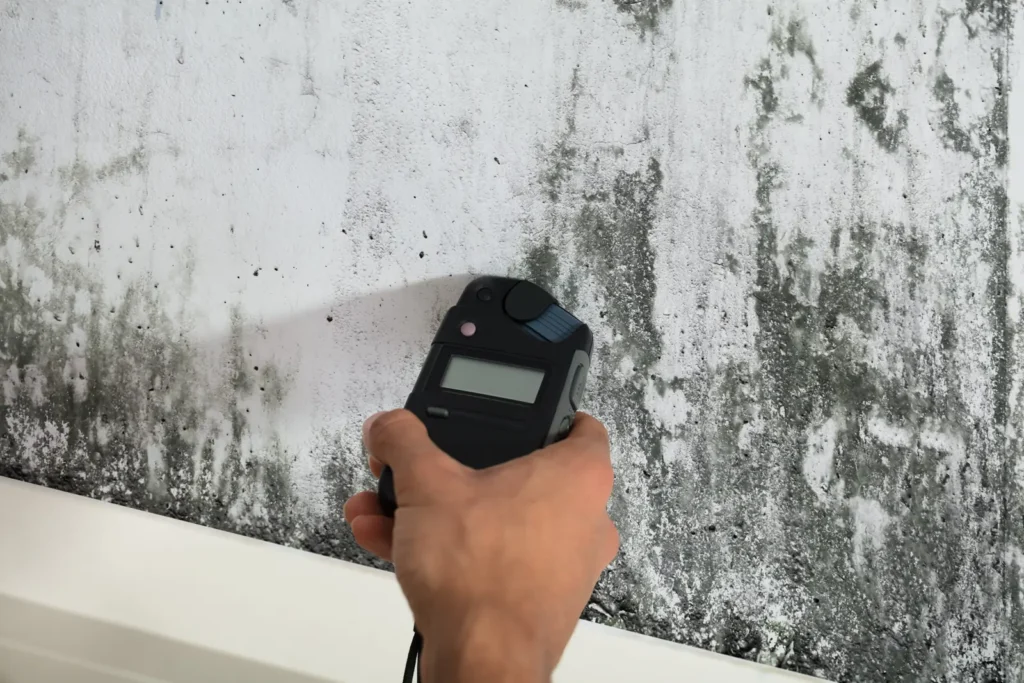
Mould Assessments
Visual inspection, moisture readings, air and/or surface sampling, source identification and recommendations.
Learn more
Surveys, removal and demolition
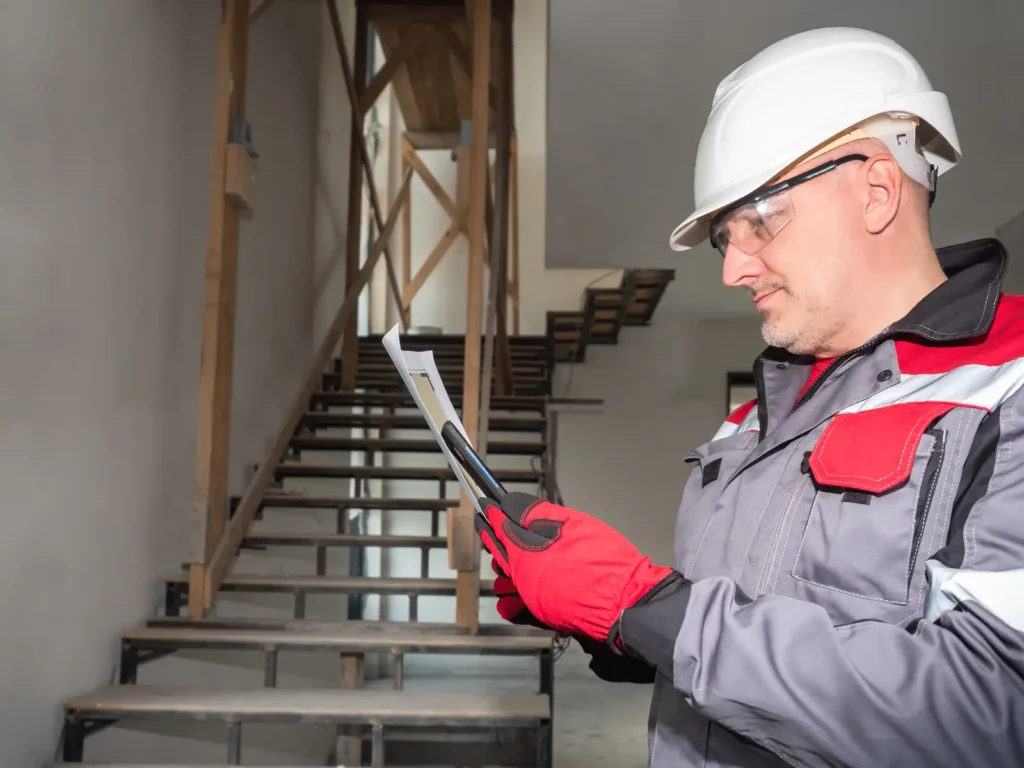
Designated Substance Survey
In Ontario, a DSS report is required before construction, demolition or renovation work.
Learn more
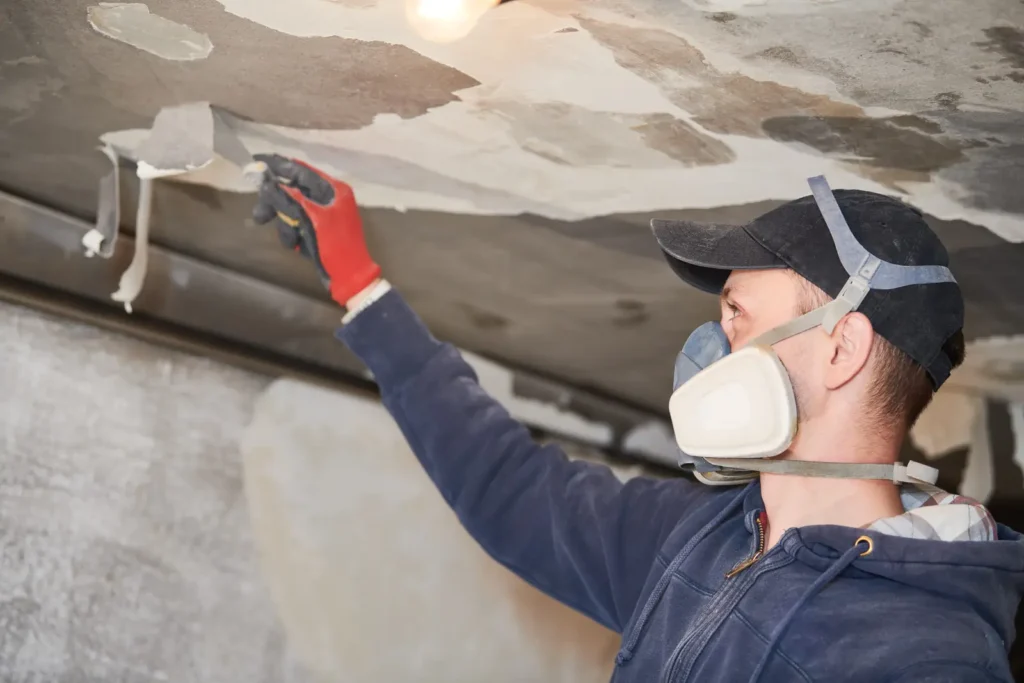
Abatement
Asbestos removal as a Type 1, 2 or 3 procedure: we can help with a contractor referral and estimate.
Learn more
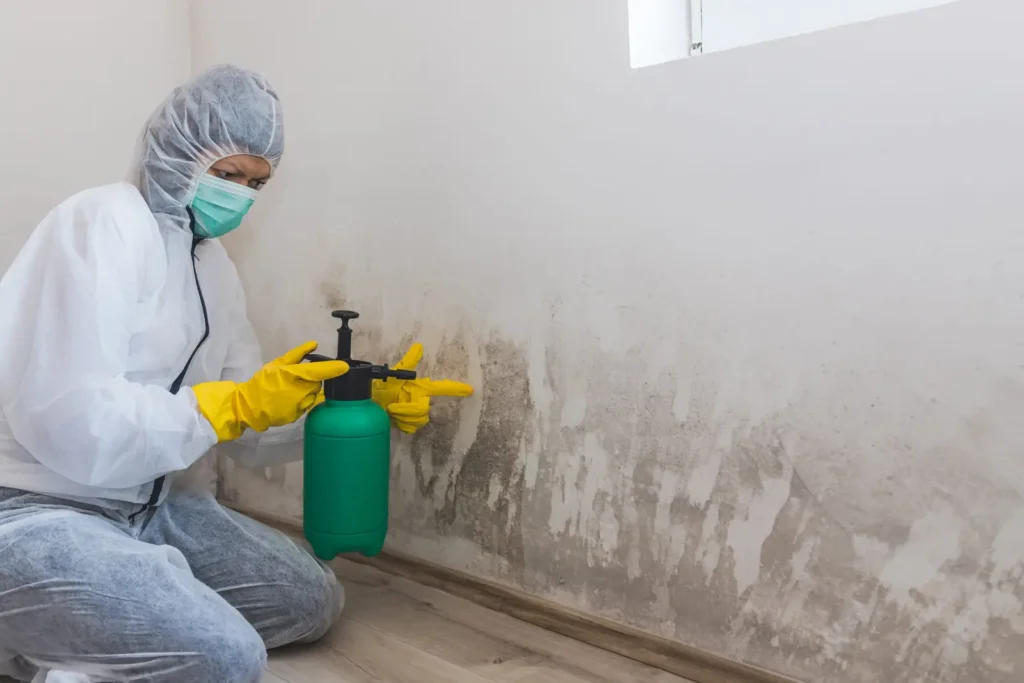
Remediation
Removal of mould-impacted materials as a Level 1, 2 or 3 procedure: contractor referral and estimate.
Learn more
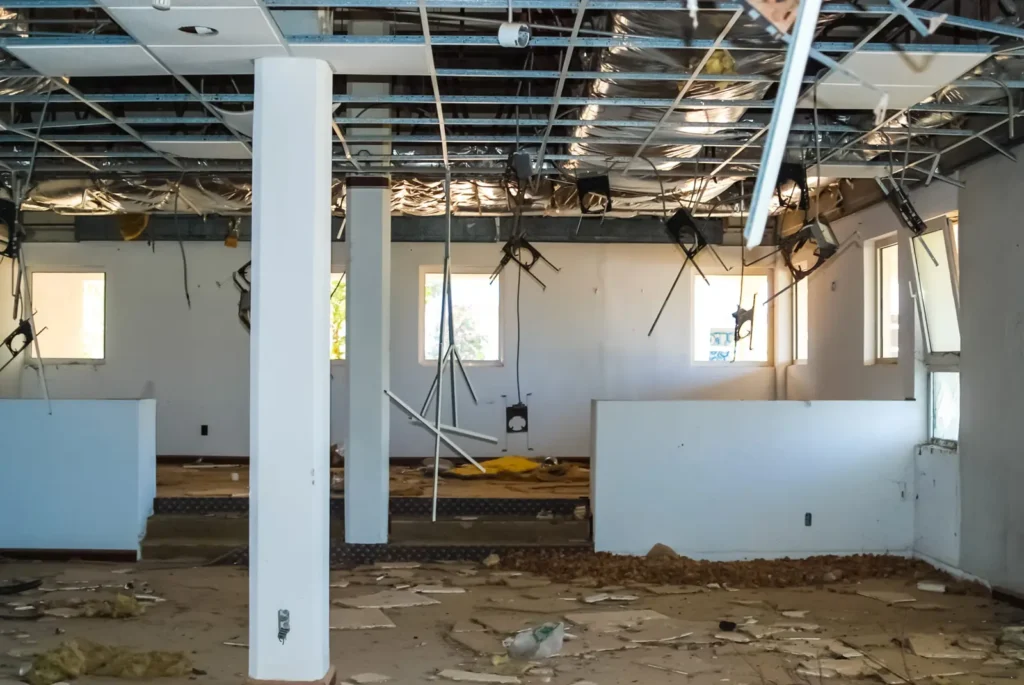
Demolition
Structural or interior demolition: we guide you through the process, with a contractor referral and estimate.
Learn more