
Asbestos & mould testing · Burlington & GTA
Protecting your health and property with expert environmental services.
Based in Burlington, Ontario, EnviroGuard Consulting and Testing is your trusted partner in ensuring a safe, healthy living and working environment. We specialize in professional asbestos and mould testing, providing accurate lab results and expert interpretations to help you make informed decisions for remediation.
Basement Mould Testing Hamilton
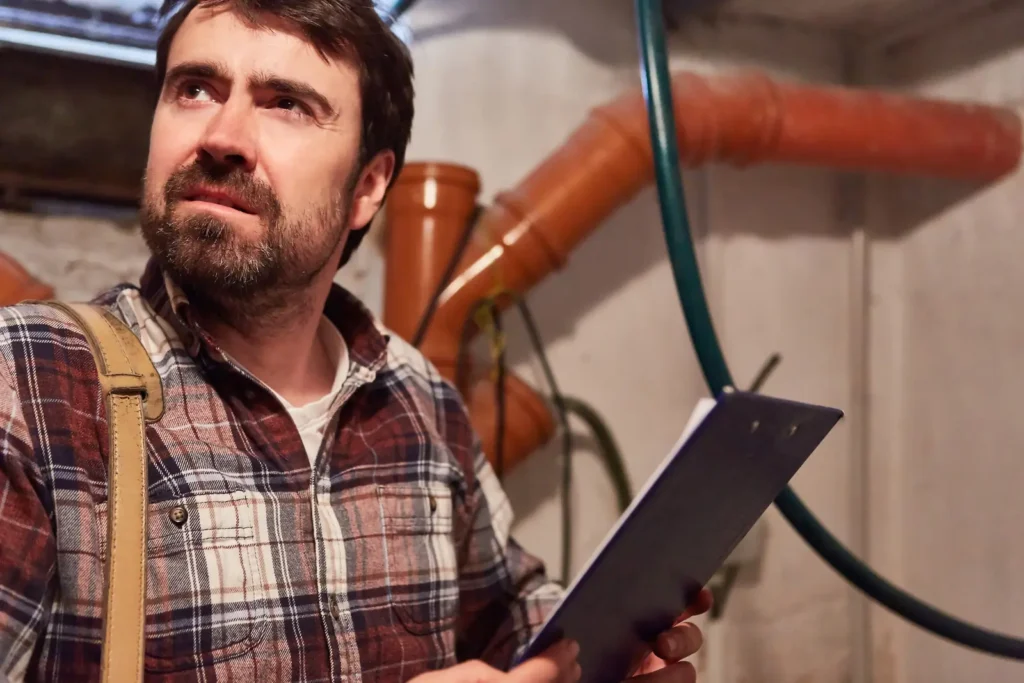
Basement mould testing in Hamilton is the process of identifying and measuring mould growth in your home's foundation or below-grade spaces, with laboratory confirmation of the species and concentration affecting your indoor air quality. If you've noticed musty odours, visible dark patches on walls, or you're concerned about moisture in your Hamilton home, understanding how this testing works helps you take the right next step.
EnviroGuard Consulting and Testing, founded and operated by certified inspector Henry Kwasniak, provides expert mould inspection and testing for homeowners and property managers throughout the Greater Toronto Area, including Hamilton. We help you understand what's growing in your basement, whether it poses a health risk, and what remediation looks like.
1. Moisture is Almost Always the Root Cause
Mould needs moisture to grow, and basements in Hamilton are especially vulnerable because they sit below grade and collect water from soil, foundation cracks, and poor drainage. If you have mould, you have a moisture problem. This is why EnviroGuard's testing process includes careful assessment of humidity levels, water intrusion patterns, and drainage around your foundation.
Addressing mould without fixing moisture is like bailing water from a boat with a hole in it. A certified inspector will identify where water is coming from so you understand both the mould issue and the structural concern underneath.
2. Visual Inspection and air sampling Tell Different Stories
When EnviroGuard assesses your basement, we perform two distinct but complementary evaluations. Visual inspection identifies visible growth, discolouration, and conditions that favour mould-but it cannot tell you the species or whether spores have spread through the air. Air sampling draws air into a collection device and sends it to a laboratory to count and identify mould spores present in your breathing space.
Both matter. A basement might show no visible mould but harbour elevated spore levels in the air. Conversely, a small visible patch might shed few spores. Together, they give you a complete picture of your home's actual condition rather than assumptions.
3. Lab Results Tell You What You're Breathing
After samples are collected, EnviroGuard sends them to an accredited laboratory that identifies the mould species and measures spore concentration. The report shows you exactly what was found and at what level. Some species are more allergenic or toxic than others, and concentration matters-higher counts increase your risk of respiratory symptoms or allergic reaction, especially for children, elderly family members, or anyone with asthma or mould sensitivity.
You receive not just raw data but expert interpretation. Henry Kwasniak reviews the results with you, explains what the findings mean for your health, and recommends whether remediation is urgent or can be managed through moisture control alone.
4. Testing Works Best Before You Buy or After Water Damage
There are three common reasons Hamilton homeowners and buyers call for mould testing: during a home purchase inspection to catch hidden basement problems before you commit; after a flood, burst pipe, or foundation leak to confirm whether mould has begun to colonize; and when household members develop respiratory symptoms or allergies that worsen indoors. If you're considering a property in Hamilton, a certified mould inspection protects your investment. If you've had water intrusion, testing is your baseline for knowing whether remediation is needed.
EnviroGuard works with real estate agents, property inspectors, contractors, and insurance adjusters throughout the region, so whether you're buying, selling, or recovering from damage, we can integrate testing into your timeline.
5. Remediation Recommendations Are Specific to Your Basement
Generic mould advice-"run a dehumidifier" or "paint over it"-doesn't work because every Hamilton basement is different. Your moisture problem might stem from missing gutters, poor grading, a cracked foundation, high water table, or insufficient sump pump capacity. EnviroGuard's testing report includes actionable, site-specific recommendations tailored to your home's condition and the mould species found.
You'll know whether you need professional remediation, DIY cleanup with proper containment, structural repair, or simply better ventilation and dehumidification. This clarity saves you time and money by eliminating guesswork.
6. Commercial Property Owners Also Need This Protection
Basement mould testing isn't only for homes. Office buildings, retail spaces, warehouses, and multi-unit residential buildings in Hamilton can develop mould in below-grade areas, mechanical rooms, or crawl spaces. Tenants, employees, and visitors expect safe indoor air, and property managers are responsible for identifying and controlling environmental hazards. EnviroGuard provides certified testing and documentation that meets building codes, lease requirements, and insurance standards.
Whether you manage a single commercial property or a portfolio, professional mould assessment demonstrates due diligence and protects your reputation and liability.
7. Timing Matters-Test When Conditions Are Realistic
The best time to test is when your basement reflects actual living conditions. Testing in winter or summer can skew results if you're heating or cooling artificially at that moment. EnviroGuard schedules sampling during normal building operation so results reflect what occupants truly experience. If you've recently had windows open or run industrial fans, let us know-context helps us interpret the data accurately.
There's no need to wait for visible mould to call. If you smell mustiness, notice condensation, or have had water issues, a baseline test now answers your questions without alarm.
Basement mould in Hamilton is common but not inevitable. Understanding the science behind testing, knowing what results mean, and acting on professional recommendations protects your family's health and your home's integrity. EnviroGuard Consulting and Testing is ready to help you get clarity. Reach out to discuss your basement concerns and learn how certified testing works for your property.
Frequently Asked Questions
How long does it take to get mould test results from a Hamilton laboratory?
Most accredited labs return results within 7 to 10 business days after samples are received. EnviroGuard will collect samples from your property and submit them immediately; you'll receive a detailed report with Henry Kwasniak's professional interpretation once testing is complete.
Should I move out of my Hamilton home while waiting for mould testing results?
Not necessarily. If mould is visible and affects only a small area, normal ventilation and avoiding direct contact is generally safe while you await results. However, if you notice respiratory symptoms, significant visible growth, or water flooding, consult with EnviroGuard about whether temporary relocation is advisable-your health circumstances matter.
Is basement mould testing required by law in Hamilton before selling a home?
Ontario law does not mandate mould testing before sale, but real estate due diligence typically includes it. A buyer's home inspection often flags moisture concerns, and a certified mould inspection confirms the scope. Disclosure protects both seller and buyer and prevents disputes after closing.
Can I do basement mould testing myself, or do I need a certified inspector in Hamilton?
Visual inspection you can do, but accurate air sampling and lab analysis require certified equipment, proper collection technique, and laboratory accreditation. EnviroGuard's certified inspection ensures samples are collected correctly, results are reliable, and recommendations are based on professional analysis rather than guesswork.
Why EnviroGuard
Experience, integrity and regulatory conformity
Regulations
- O. Reg. 278/05 Asbestos on construction projects and in buildings and repair operationsOccupational Health and Safety Act
- O. Reg. 490/09 Designated substancesOccupational Health and Safety Act
- O. Reg. 347/90 General waste management, including asbestos wasteEnvironmental Protection Act
Under the Occupational Health and Safety Act (OHSA), the ministry is responsible for regulating occupational health and safety in workplaces, which includes schools, hospitals, and any place where people work.
Experience
With over 30 years of experience in solid waste management across Ontario and 20 years in environmental science, EnviroGuard Consulting and Testing provides expert asbestos, mould, and environmental testing services.
Hands-on knowledge of hazardous material assessment and indoor air quality ensures every project is handled safely, efficiently, and in full compliance with Ontario’s environmental and occupational health regulations.
Integrity
Built on high integrity and regulatory conformity, EnviroGuard delivers precise testing, reliable reporting, and practical abatement and remediation recommendations.
Clients can trust EnviroGuard to protect their buildings, occupants, and projects while maintaining the highest standards of safety and compliance.
Our services
Environmental testing and consulting
At EnviroGuard, we offer a comprehensive range of environmental testing and consulting services for homes and businesses.
Asbestos testing
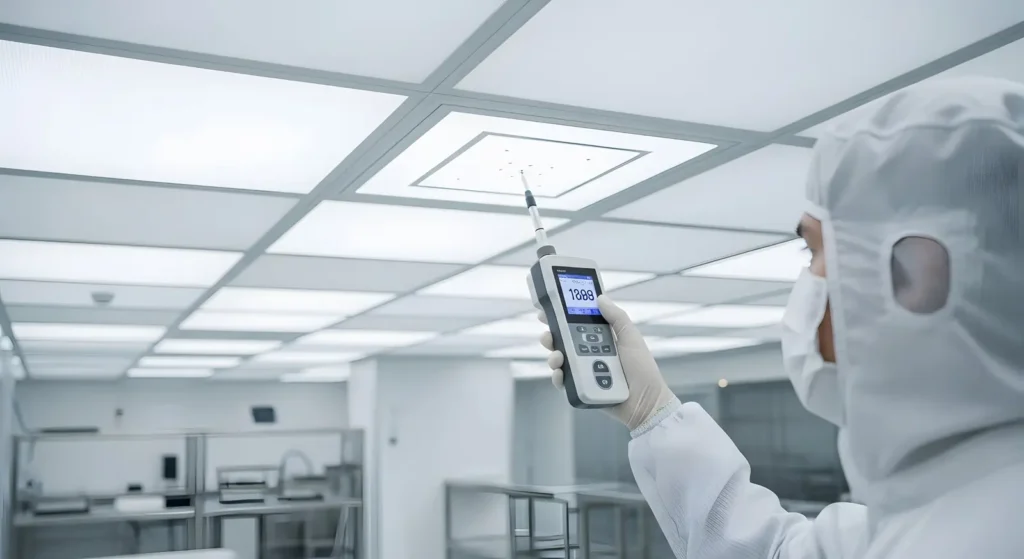
Asbestos Air Quality Testing
Air samples show whether asbestos fibres are present and at what concentration. Required for Type 3 work under O. Reg. 278/05.
Learn more
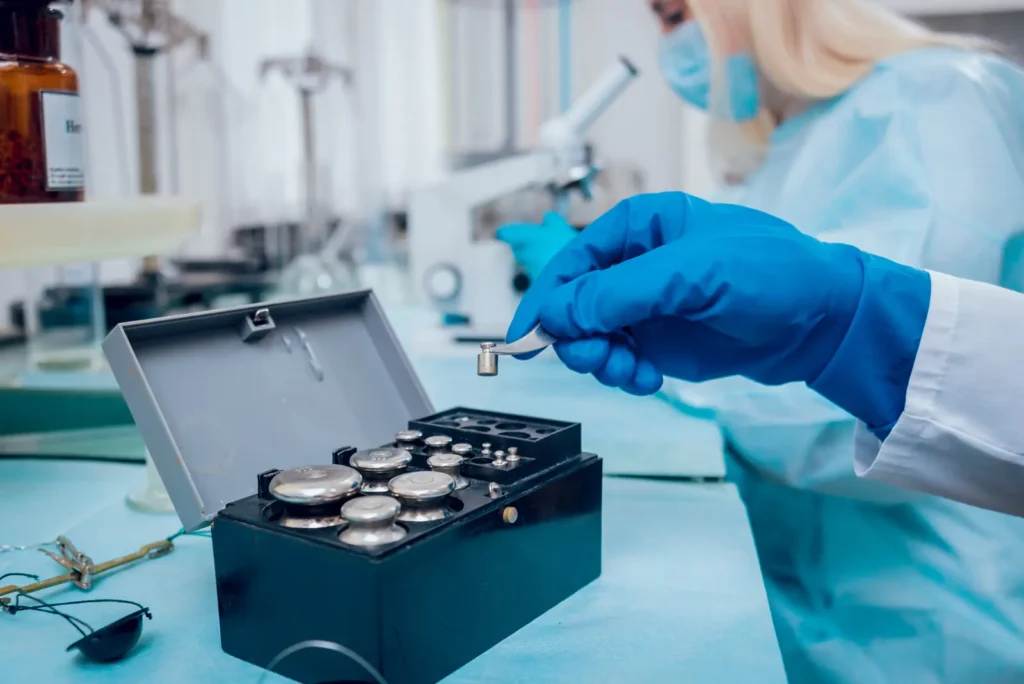
Asbestos Bulk Testing
Samples of drywall compound, insulation, flooring, ceiling tiles, plaster and more, before renovation or demolition.
Learn more

Asbestos Summary Reports
All asbestos findings, both air and bulk, compiled into one easy-to-read document.
Learn more
Mould testing
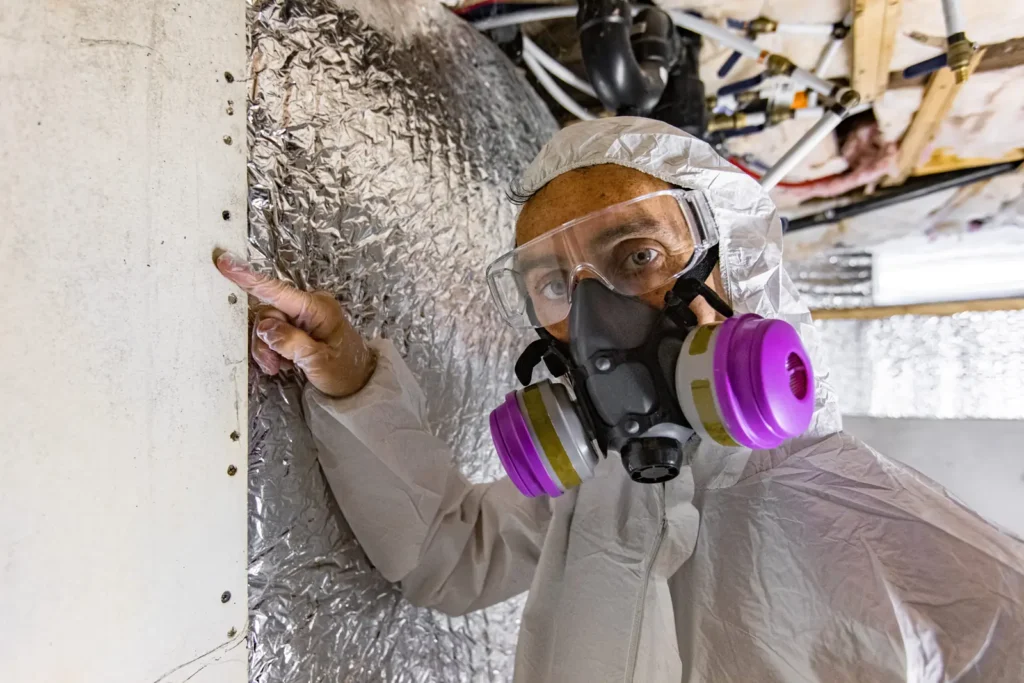
Mould Air Quality Testing
Indoor mould spore readings compared to outdoor baseline levels. A good background if mould is suspected.
Learn more
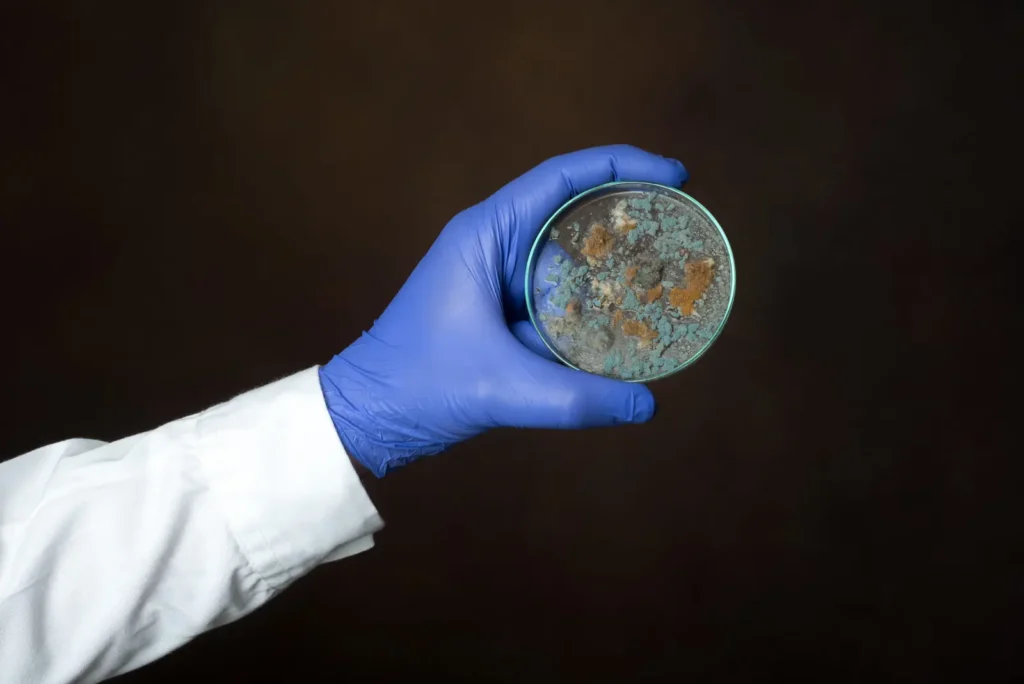
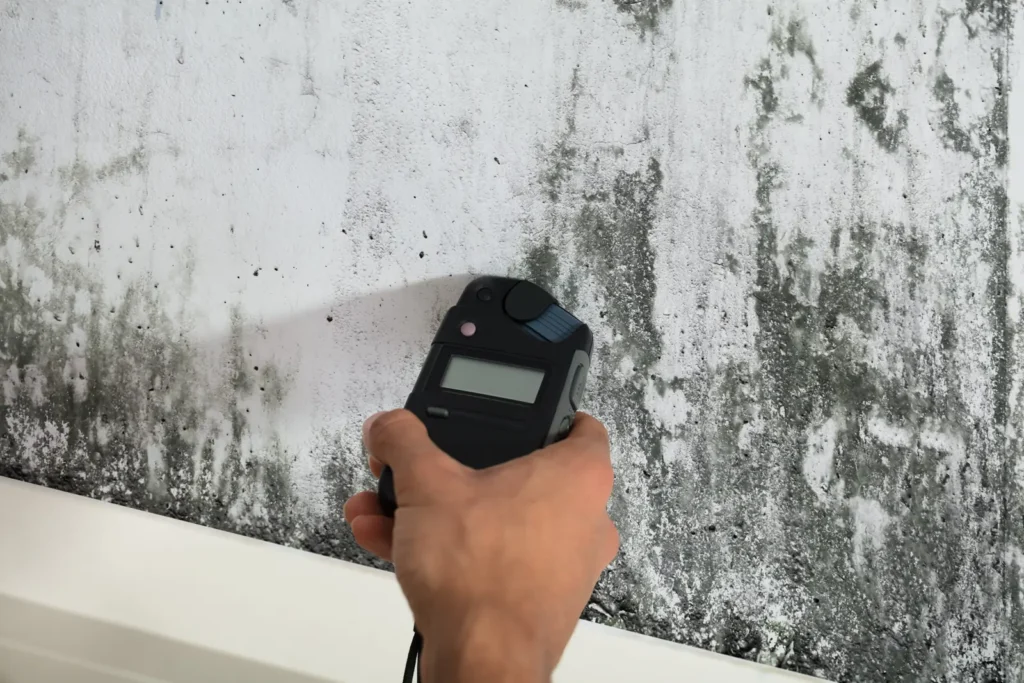
Mould Assessments
Visual inspection, moisture readings, air and/or surface sampling, source identification and recommendations.
Learn more
Surveys, removal and demolition
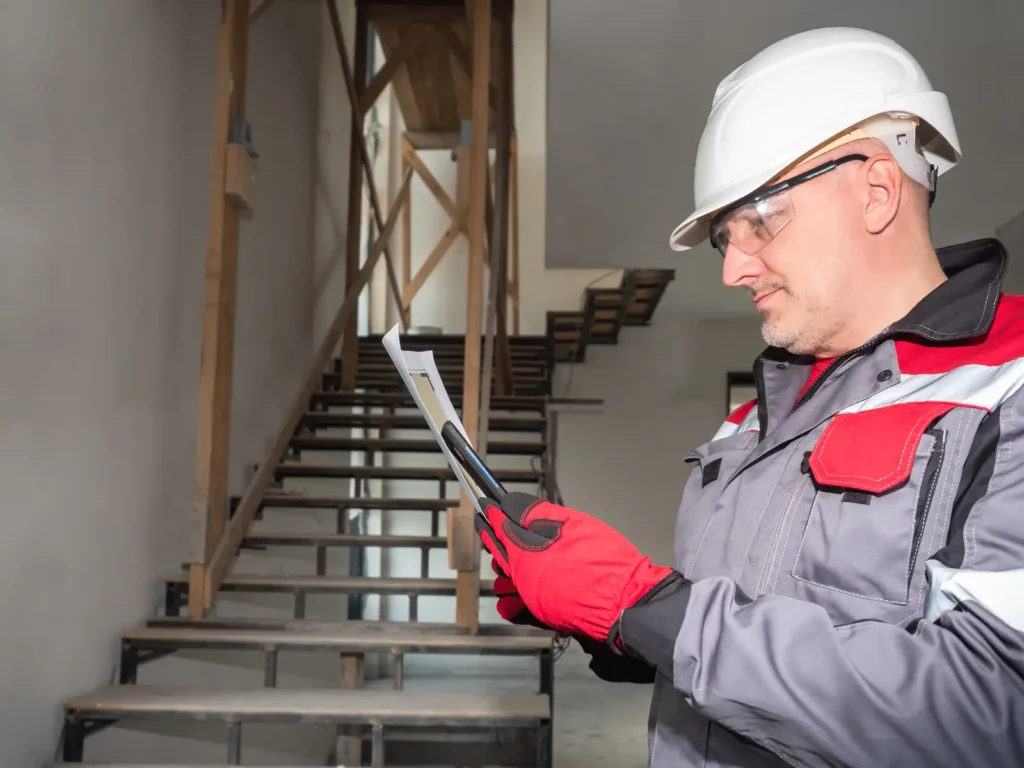
Designated Substance Survey
In Ontario, a DSS report is required before construction, demolition or renovation work.
Learn more
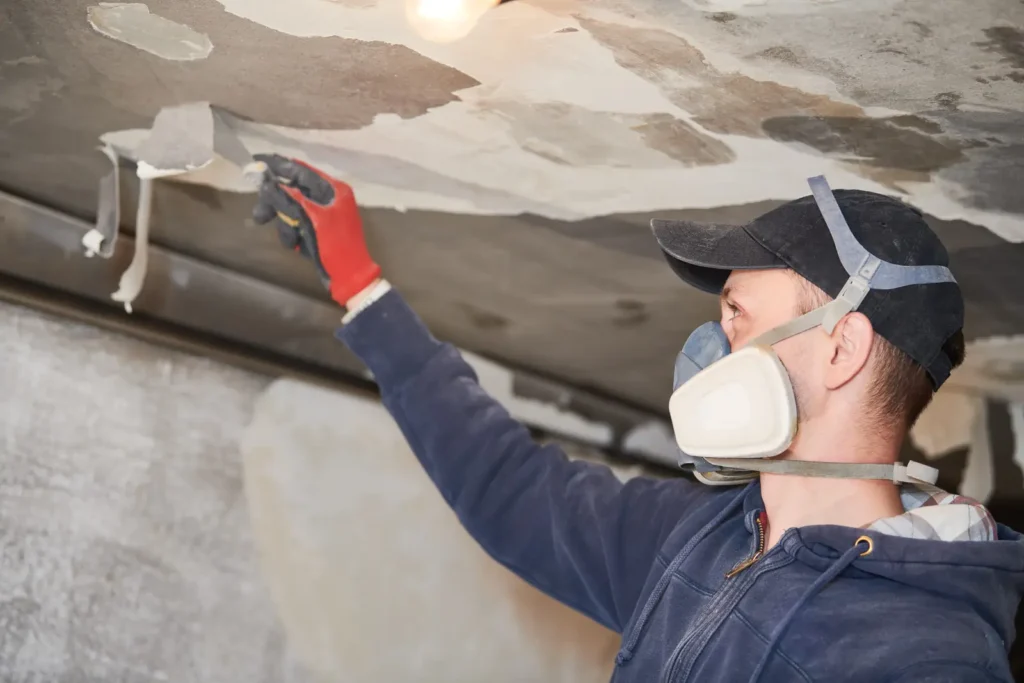
Abatement
Asbestos removal as a Type 1, 2 or 3 procedure: we can help with a contractor referral and estimate.
Learn more
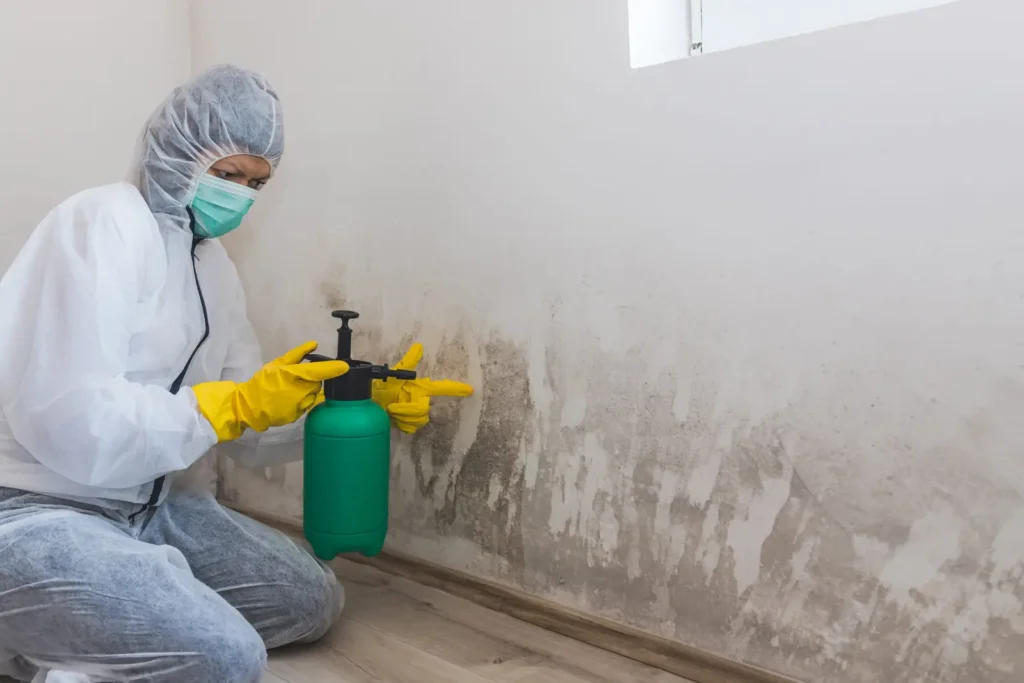
Remediation
Removal of mould-impacted materials as a Level 1, 2 or 3 procedure: contractor referral and estimate.
Learn more
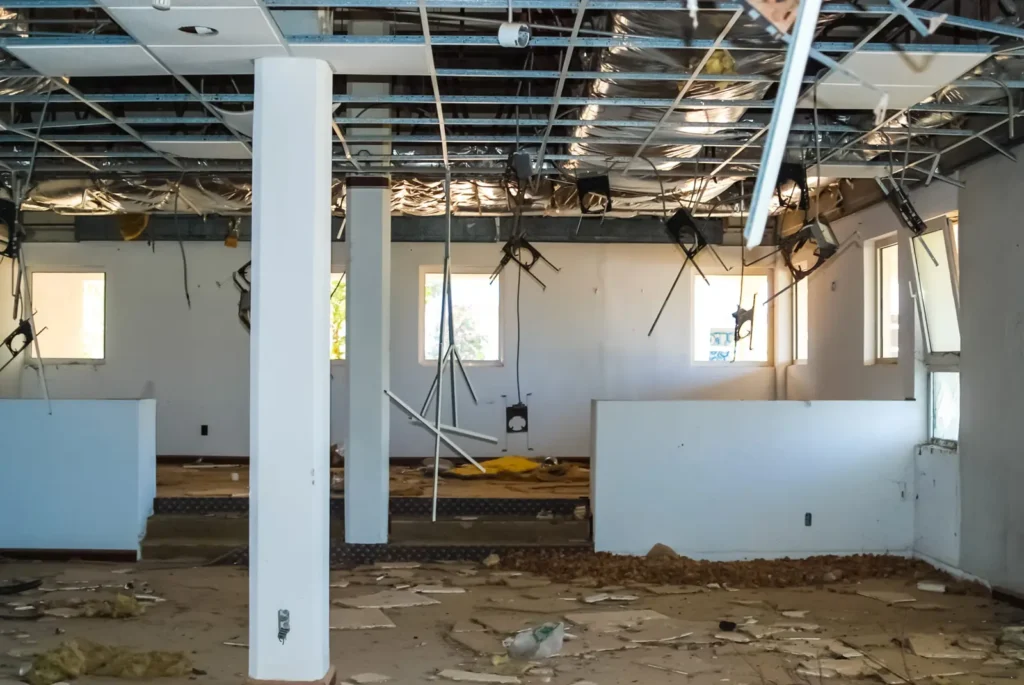
Demolition
Structural or interior demolition: we guide you through the process, with a contractor referral and estimate.
Learn more