
Asbestos & mould testing · Burlington & GTA
Protecting your health and property with expert environmental services.
Based in Burlington, Ontario, EnviroGuard Consulting and Testing is your trusted partner in ensuring a safe, healthy living and working environment. We specialize in professional asbestos and mould testing, providing accurate lab results and expert interpretations to help you make informed decisions for remediation.
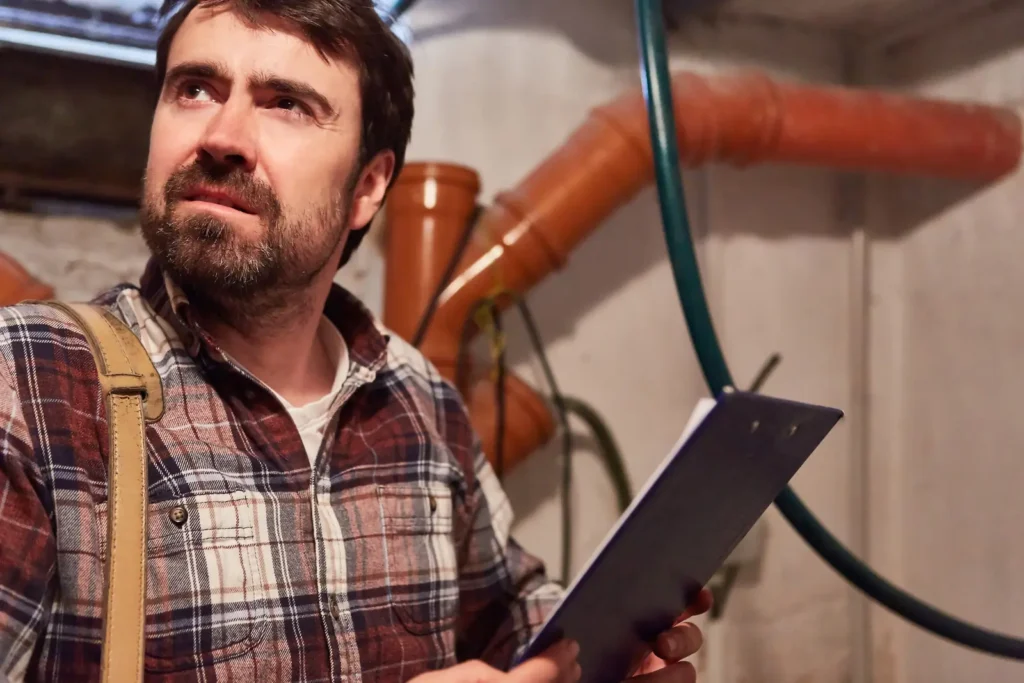
Formaldehyde Testing Burlington
Formaldehyde testing in Burlington is the process of measuring indoor formaldehyde concentrations to identify potential health risks in residential and commercial properties. EnviroGuard Consulting and Testing provides certified formaldehyde assessment and air quality testing across Burlington, Oakville, Hamilton, and the wider Halton Region, helping property owners understand whether this colorless gas is present at harmful levels in their buildings.
1. Formaldehyde Comes from Common Building Materials and Furnishings
Formaldehyde is widely used in the manufacture of wood products, insulation, adhesives, and textiles. Plywood, particleboard, medium-density fiberboard (MDF), fiberglass insulation, and foam-based products all release formaldehyde gas into indoor air over time. New furniture, carpeting, and cabinetry are common sources because off-gassing is most intense when materials are new or recently installed. Older homes in Burlington and surrounding areas often contain legacy materials-such as urea-formaldehyde foam insulation (UFFI)-that continue to release gas decades after installation.
Because formaldehyde off-gassing decreases with age and environmental conditions like temperature and humidity influence its release rate, testing is the only reliable way to know whether concentrations in your home exceed safe levels. EnviroGuard uses laboratory-based air sampling methods to measure actual formaldehyde presence rather than relying on guesswork about which materials might be problematic.
2. Health Effects Depend on Concentration and Exposure Duration
The US Environmental Protection Agency (EPA) establishes a reference concentration of 0.1 parts per million (ppm) for formaldehyde, below which health effects are unlikely even with long-term exposure. Concentrations between 0.1 and 1.0 ppm may cause eye, nose, and throat irritation, especially in people with asthma or chemical sensitivities. Above 1.0 ppm, symptoms typically worsen and include respiratory irritation, coughing, and wheezing. At very high levels, formaldehyde exposure is linked to nasal and throat cancers, though this risk applies chiefly to occupational settings with chronic, heavy exposure.
Children, elderly people, and those with existing respiratory conditions face greater risk from formaldehyde at any given concentration. If your family has unexplained respiratory symptoms, frequent headaches, or skin irritation that worsens indoors, testing becomes an important diagnostic tool. EnviroGuard interprets results in context of EPA guidance and your specific household composition, helping you weigh whether remediation is necessary.
3. Testing Methods Vary in Accuracy and Cost Trade-offs
Several approaches exist for detecting formaldehyde. Passive samplers-devices that absorb formaldehyde over days or weeks without requiring electricity-are affordable but less precise and sensitive to environmental variables. Active sampling, in which air is drawn through a collection medium at a controlled rate, offers higher accuracy and is the industry standard for certification and legal compliance. Laboratory analysis of collected samples provides definitive results rather than field estimates.
EnviroGuard employs certified laboratory testing to ensure accuracy and defensibility of results, particularly important when decisions about property remediation, real estate transactions, or insurance claims depend on the findings. Passive methods may suffice for a preliminary screening in Burlington homes, but active laboratory-based testing is the appropriate choice when health concerns are acute or when results will be used for legal or commercial purposes.
4. Remediation Options Range from Ventilation to Source Removal
If testing reveals elevated formaldehyde, the first step is identifying and removing or sealing the source material whenever practical. Replacing particleboard cabinetry, removing foam insulation, or discarding new furniture with high off-gassing can reduce indoor concentrations significantly. When source removal is not feasible-such as in cases of UFFI embedded in walls-increased ventilation and air exchange help dilute indoor formaldehyde to acceptable levels. Some homeowners use activated charcoal filtration or HEPA systems, though their effectiveness is modest unless combined with source control.
The most cost-effective remedy depends on which materials are responsible for elevated levels. EnviroGuard provides testing that pinpoints problem areas and offers actionable recommendations, helping Burlington and Halton Region property owners prioritize remediation steps and avoid unnecessary expenses. A professional assessment clarifies whether you need aggressive action or whether simple ventilation improvements will suffice.
5. Testing is Essential Before Buying, Renting, or Renovating
Real estate buyers in Burlington, Oakville, and Hamilton increasingly request formaldehyde testing as part of due diligence, especially for homes with recent renovations, new cabinetry, or known UFFI insulation. Landlords and property managers may test to document air quality for liability protection. Homeowners planning significant renovations benefit from baseline testing before work begins and follow-up testing after new materials are installed, allowing them to identify whether the renovation itself introduced new formaldehyde sources.
Testing at these critical moments provides objective evidence of indoor air quality and gives buyers, occupants, and owners the information needed to make sound decisions. Whether you are evaluating a potential home purchase, preparing a rental property for occupants, or ensuring your recently renovated Burlington residence meets healthy indoor air standards, EnviroGuard Consulting and Testing delivers certified results and expert interpretation to guide your next steps.
If you are concerned about formaldehyde in your home or commercial property in the Greater Toronto Area, EnviroGuard is ready to help. Contact them to discuss your indoor air quality questions and arrange a professional assessment tailored to your situation.
Frequently Asked Questions
What formaldehyde levels are considered safe in Burlington homes?
The EPA reference concentration is 0.1 ppm, below which long-term health effects are unlikely. Concentrations between 0.1 and 1.0 ppm may cause irritation, especially in sensitive individuals. Above 1.0 ppm, respiratory symptoms typically worsen. EnviroGuard testing compares your home's levels to these standards and provides guidance specific to your household.
How long does formaldehyde testing in Burlington take?
The on-site sampling typically takes one to two hours for a residential property. Laboratory analysis of collected samples usually requires three to five business days. EnviroGuard will explain the timeline when you book, and results are delivered with a full written interpretation.
Does UFFI insulation in older Burlington homes still off-gas formaldehyde?
Yes, urea-formaldehyde foam insulation installed decades ago can continue releasing formaldehyde, though typically at lower rates than when newly installed. Testing is the only way to determine whether UFFI in your home is producing concentrations above safe levels and whether remediation is necessary.
Can I test formaldehyde myself, or do I need a professional in Burlington?
DIY test kits exist but are often unreliable and cannot be used for legal, insurance, or real estate purposes. EnviroGuard provides certified laboratory analysis that stands up to professional scrutiny, ensures accuracy, and produces defensible results if your findings inform property decisions or health claims.
Why EnviroGuard
Experience, integrity and regulatory conformity
Regulations
- O. Reg. 278/05 Asbestos on construction projects and in buildings and repair operationsOccupational Health and Safety Act
- O. Reg. 490/09 Designated substancesOccupational Health and Safety Act
- O. Reg. 347/90 General waste management, including asbestos wasteEnvironmental Protection Act
Under the Occupational Health and Safety Act (OHSA), the ministry is responsible for regulating occupational health and safety in workplaces, which includes schools, hospitals, and any place where people work.
Experience
With over 30 years of experience in solid waste management across Ontario and 20 years in environmental science, EnviroGuard Consulting and Testing provides expert asbestos, mould, and environmental testing services.
Hands-on knowledge of hazardous material assessment and indoor air quality ensures every project is handled safely, efficiently, and in full compliance with Ontario’s environmental and occupational health regulations.
Integrity
Built on high integrity and regulatory conformity, EnviroGuard delivers precise testing, reliable reporting, and practical abatement and remediation recommendations.
Clients can trust EnviroGuard to protect their buildings, occupants, and projects while maintaining the highest standards of safety and compliance.
Our services
Environmental testing and consulting
At EnviroGuard, we offer a comprehensive range of environmental testing and consulting services for homes and businesses.
Asbestos testing
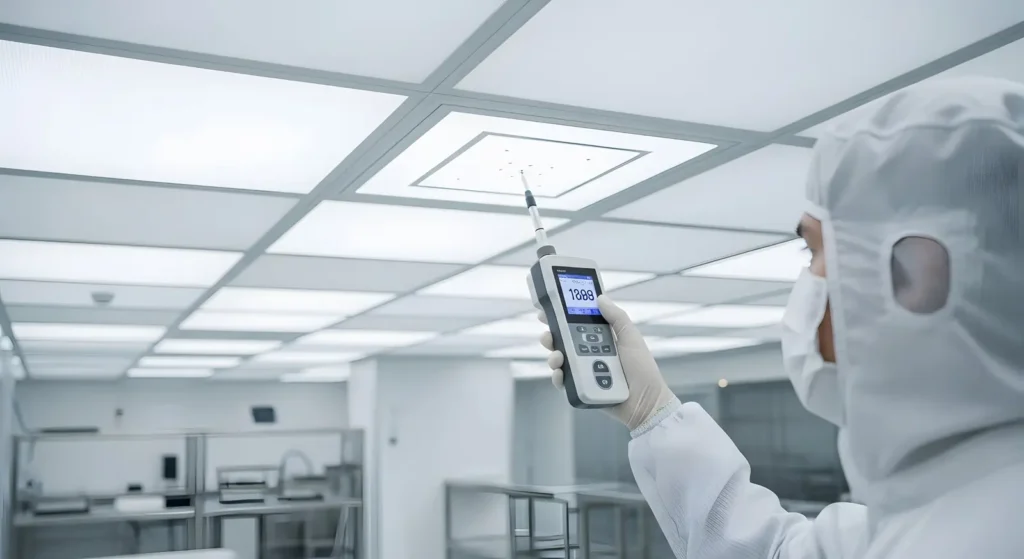
Asbestos Air Quality Testing
Air samples show whether asbestos fibres are present and at what concentration. Required for Type 3 work under O. Reg. 278/05.
Learn more
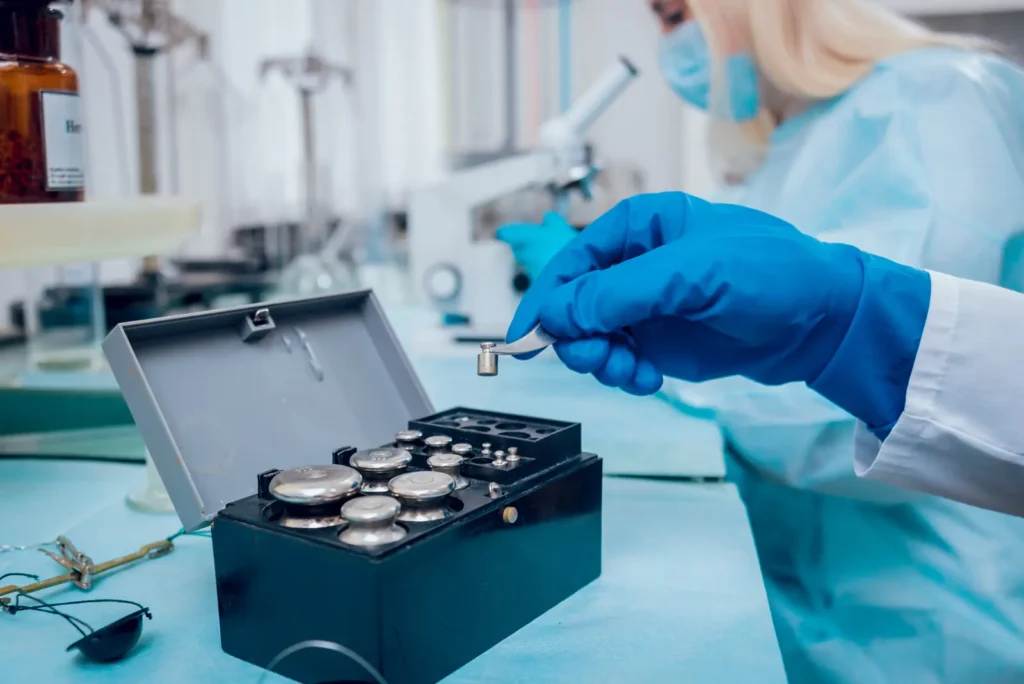
Asbestos Bulk Testing
Samples of drywall compound, insulation, flooring, ceiling tiles, plaster and more, before renovation or demolition.
Learn more

Asbestos Summary Reports
All asbestos findings, both air and bulk, compiled into one easy-to-read document.
Learn more
Mould testing
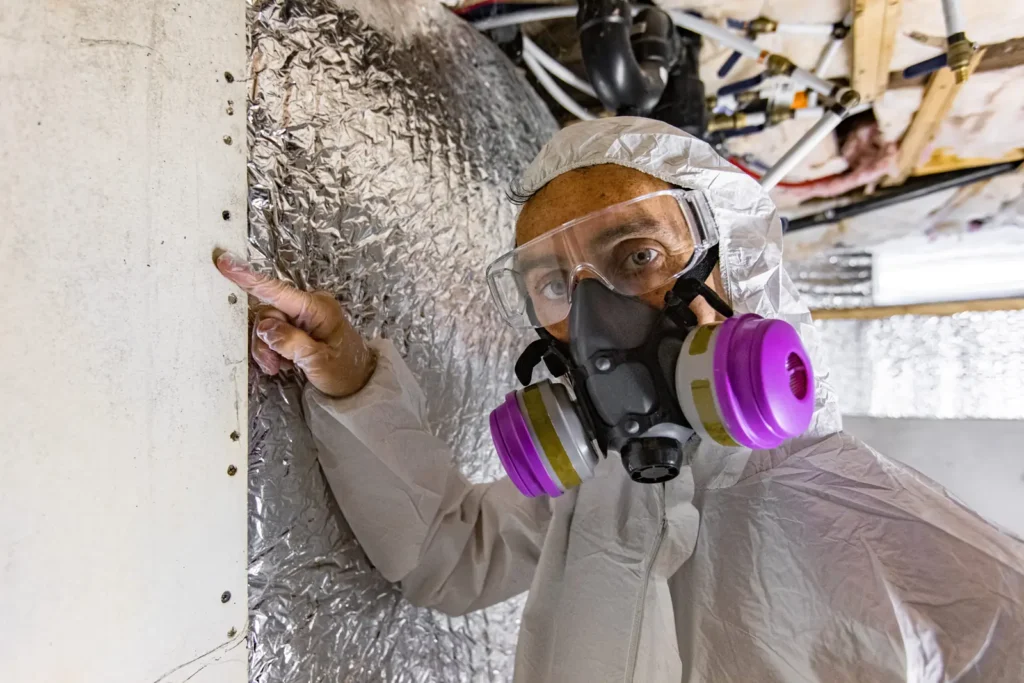
Mould Air Quality Testing
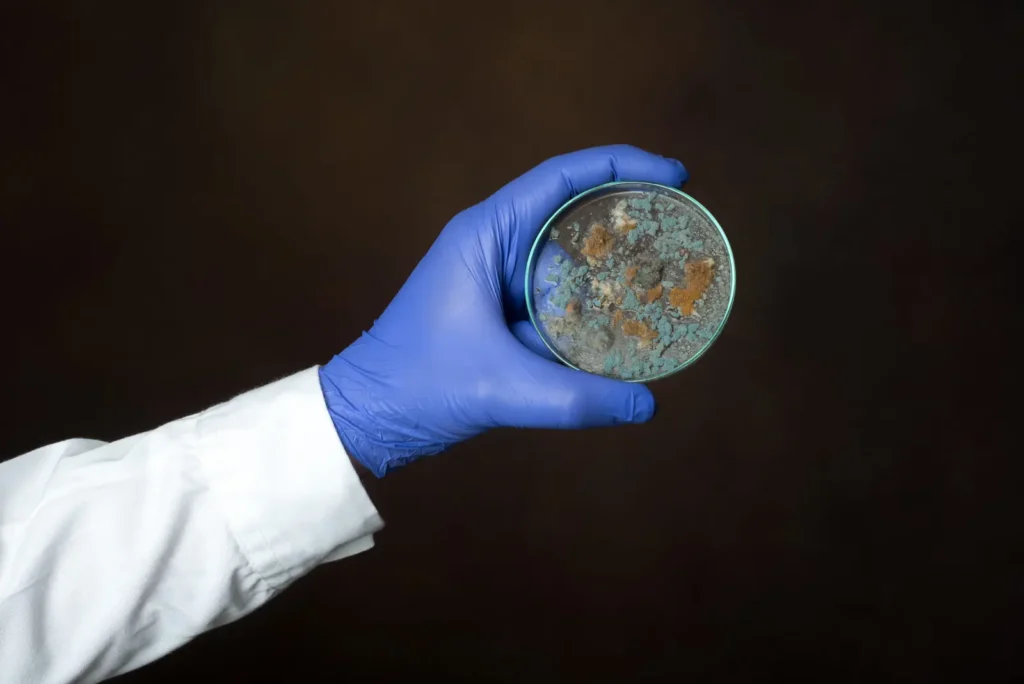
Indoor mould spore readings compared to outdoor baseline levels. A good background if mould is suspected.
Learn more
Mould Assessments
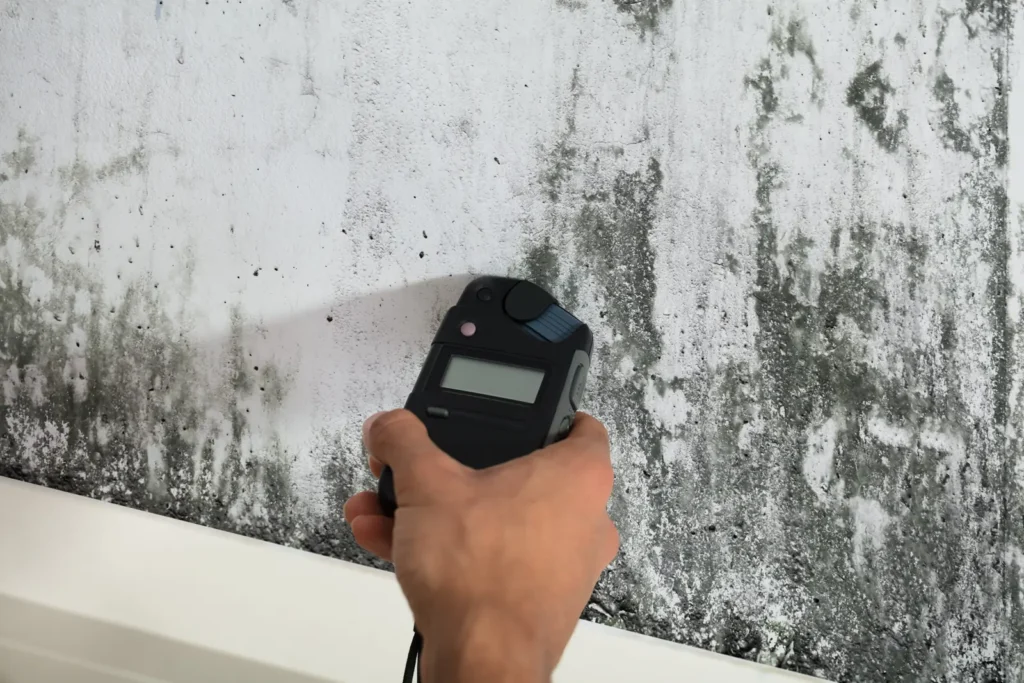
Visual inspection, moisture readings, air and/or surface sampling, source identification and recommendations.
Learn more
Surveys, removal and demolition
Designated Substance Survey
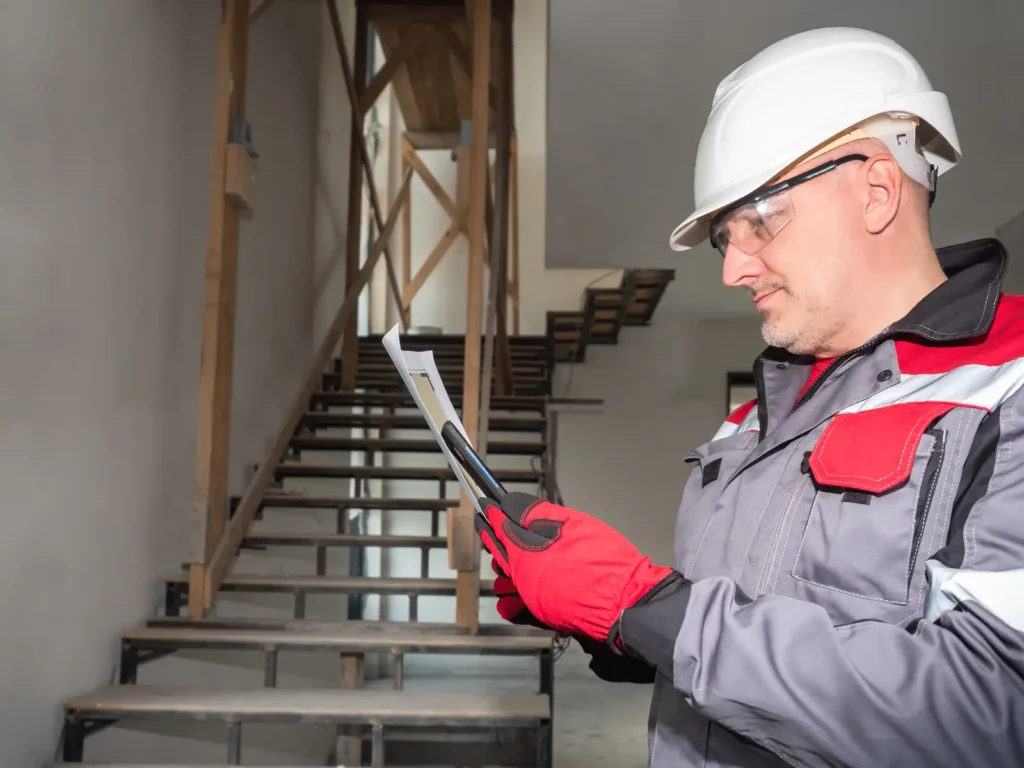
In Ontario, a DSS report is required before construction, demolition or renovation work.
Learn more
Abatement
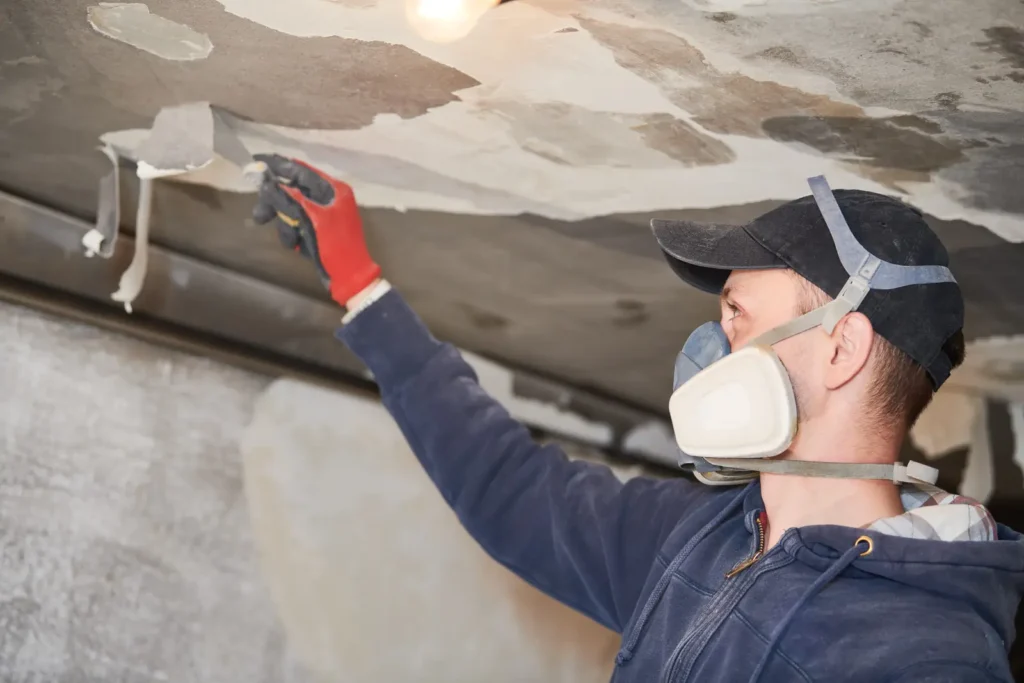
Asbestos removal as a Type 1, 2 or 3 procedure: we can help with a contractor referral and estimate.
Learn more
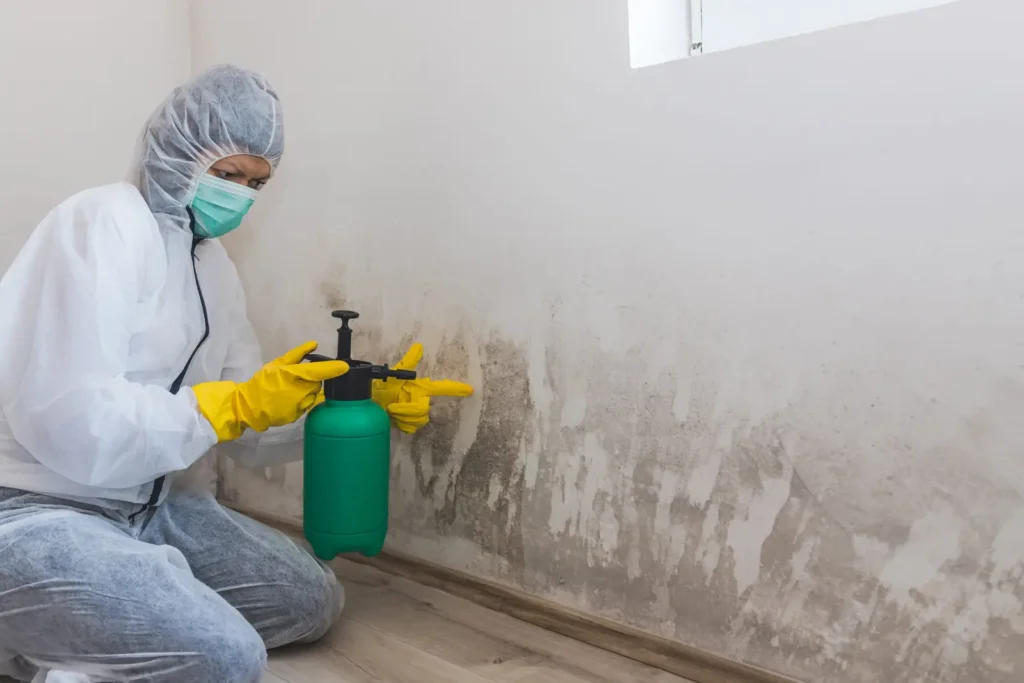
Remediation
Removal of mould-impacted materials as a Level 1, 2 or 3 procedure: contractor referral and estimate.
Learn more
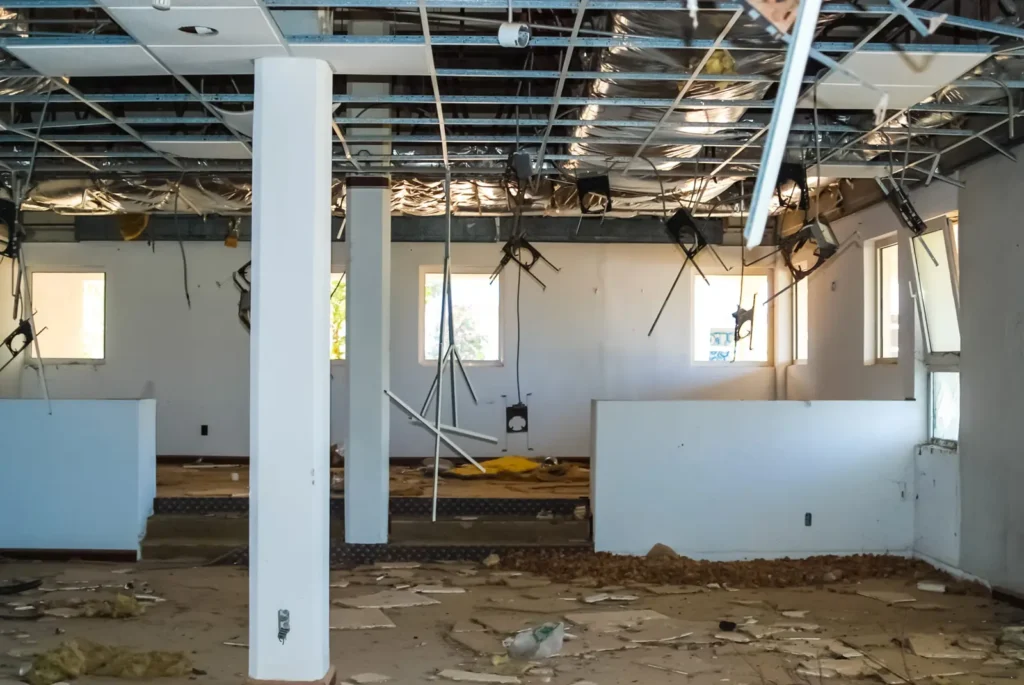
Demolition
Structural or interior demolition: we guide you through the process, with a contractor referral and estimate.
Learn more