
Asbestos & mould testing · Burlington & GTA
Protecting your health and property with expert environmental services.
Based in Burlington, Ontario, EnviroGuard Consulting and Testing is your trusted partner in ensuring a safe, healthy living and working environment. We specialize in professional asbestos and mould testing, providing accurate lab results and expert interpretations to help you make informed decisions for remediation.
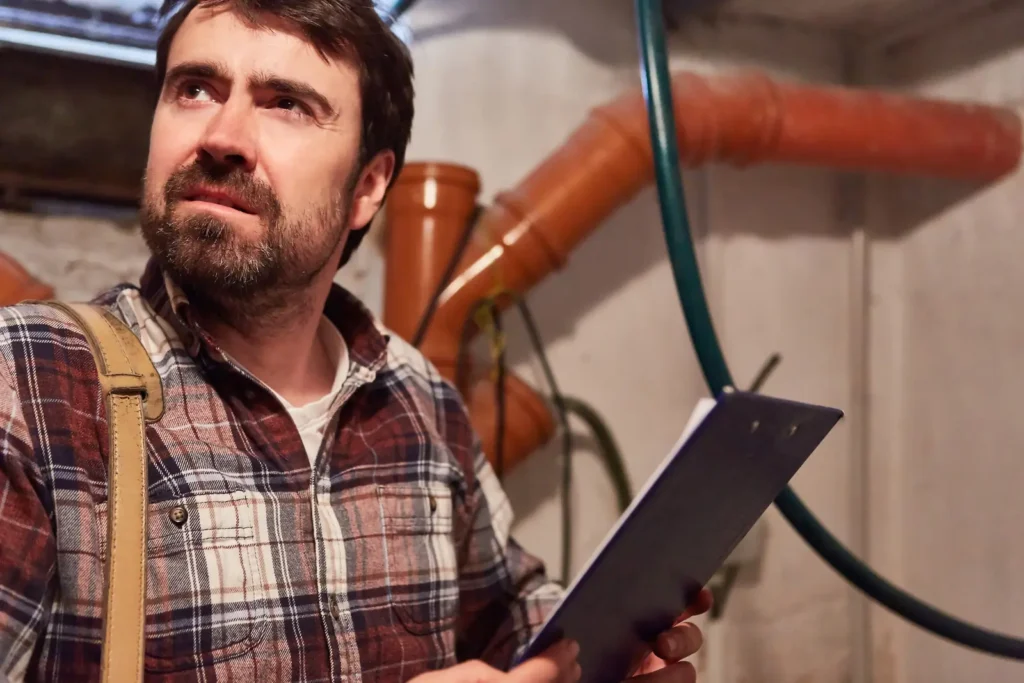
Formaldehyde Testing Hamilton
Formaldehyde testing in Hamilton helps homeowners and business owners identify off-gassing from building materials, furniture, and finishes that can affect indoor air quality and occupant health. EnviroGuard Consulting and Testing provides certified formaldehyde assessment and analysis across Hamilton and the Greater Toronto Area, delivering laboratory-verified results and professional remediation guidance. This guide walks you through what to expect when you arrange testing, how samples are collected, and how results are interpreted.
Step 1: Identify Potential Formaldehyde Sources in Your Space
Before scheduling formaldehyde testing in your Hamilton property, walk through the space and note potential emission sources. Formaldehyde is commonly found in pressed wood products (plywood, particle board, medium-density fiberboard), adhesives used in cabinets and furniture, insulation materials, and some carpet and upholstery backing. It is also present in new paint, varnish, and laminated surfaces. Make a list of renovations, furnishings, or construction materials installed within the past few years, as newer materials typically off-gas at higher concentrations.
Pay attention to areas where you or your family spend the most time: bedrooms, living rooms, home offices, and commercial workspaces. If occupants report unexplained respiratory irritation, watery eyes, or headaches that improve when they leave the building, formaldehyde exposure is worth investigating. Document the age and condition of HVAC systems and ventilation, as inadequate air exchange can allow formaldehyde to accumulate.
Step 2: Arrange Professional Assessment and Sampling
Contact EnviroGuard Consulting and Testing to schedule a formaldehyde assessment. When you call, describe the property type (residential or commercial), the size of the area to be tested, suspected sources, and any health concerns. A certified inspector will arrange a site visit to evaluate ventilation, occupant exposure patterns, and the specific locations where samples should be collected. This pre-sampling consultation is critical because formaldehyde concentration varies significantly by room, humidity, temperature, and air circulation.
EnviroGuard uses two primary sampling methods depending on your needs. Active sampling involves drawing air through a collection cartridge using a battery-operated pump at a measured flow rate, typically for 4 to 24 hours. Passive sampling uses a small badge or cartridge that absorbs formaldehyde over a set period without requiring equipment. Both methods are laboratory-validated and meet environmental testing standards. The inspector will explain which approach is appropriate for your Hamilton property, the duration of sampling, and what you need to do to maintain normal conditions during collection.
Step 3: Maintain Normal Building Conditions During Sampling
Once sampling equipment is in place, keep the property at typical occupancy and usage levels. Do not open all windows to artificially lower readings, and do not seal the space completely. Formaldehyde testing measures real-world conditions, so windows and doors should operate as they normally would. Temperature and humidity should remain in their typical ranges; if you are testing a commercial space in Hamilton, maintain regular business hours. Document the indoor temperature, humidity, ventilation settings, and any unusual conditions during the sampling period, as these factors affect results.
Sampling cartridges and badges must be protected from physical damage and kept out of direct sunlight. If the sampler is in an active work area, ask the inspector to place it in a secure location that represents occupant breathing zone height, typically 3 to 6 feet above the floor. Avoid placing samplers near doorways, windows, or vents where they would measure localized air rather than the general indoor environment. Once the sampling period is complete, the inspector will collect the equipment, seal it properly for chain-of-custody documentation, and send it to an accredited laboratory.
Step 4: Review Laboratory Results and Interpretation
Laboratory analysis of formaldehyde samples returns quantitative results measured in parts per million (ppm) or micrograms per cubic meter (μg/m³). Results typically arrive within 5 to 10 business days. Health Canada and the United States Environmental Protection Agency recommend indoor formaldehyde levels remain below 0.1 ppm; most jurisdictions consider levels above 0.1 ppm as elevated and warranting investigation or remediation. EnviroGuard interprets your results in context of your specific property, occupancy patterns, and health concerns.
If formaldehyde concentrations are low or non-detectable, the report will confirm that measured levels are acceptable and further action may not be needed. If levels are elevated, EnviroGuard provides a detailed remediation recommendation report that identifies likely sources and outlines practical solutions. These may include improving ventilation through HVAC adjustment or added exhaust, removing or replacing off-gassing materials, applying formaldehyde-blocking sealants, or activating air filtration systems. For commercial properties, the report includes documentation suitable for compliance records and stakeholder communication. For residential properties, recommendations prioritize the safest and most practical approach to restoring indoor air quality in your Hamilton home.
- Results are provided in writing with full laboratory documentation
- Technical interpretation explains what the numbers mean for your property
- Remediation steps are prioritized by effectiveness and feasibility
- Follow-up testing can confirm improvement after remediation work is completed
If you are concerned about formaldehyde in your home or business in Hamilton, reach out to EnviroGuard Consulting and Testing. Our certified inspectors are experienced in identifying formaldehyde sources and testing accurately, and we work with property owners to develop practical, evidence-based solutions that restore healthy indoor air quality.
Frequently Asked Questions
How long does formaldehyde testing take in Hamilton?
The sampling period typically lasts 4 to 24 hours depending on the method used and suspected concentration levels. After samples are collected and sent to the laboratory, results are usually available within 5 to 10 business days. The initial site assessment and consultation takes 30 to 60 minutes.
What is the normal formaldehyde level in a Hamilton home?
Health Canada and the EPA recommend that indoor formaldehyde remain below 0.1 ppm (parts per million). Most well-maintained homes test below this threshold. Levels above 0.1 ppm suggest active off-gassing from building materials or furnishings and typically warrant remediation.
Can I do formaldehyde testing myself, or do I need a certified professional?
While inexpensive test kits exist, they are often unreliable and do not meet laboratory standards. EnviroGuard Consulting and Testing uses certified sampling methods and accredited laboratory analysis, which produces defensible results for health decisions, real estate transactions, and insurance documentation.
Why EnviroGuard
Experience, integrity and regulatory conformity
Regulations
- O. Reg. 278/05 Asbestos on construction projects and in buildings and repair operationsOccupational Health and Safety Act
- O. Reg. 490/09 Designated substancesOccupational Health and Safety Act
- O. Reg. 347/90 General waste management, including asbestos wasteEnvironmental Protection Act
Under the Occupational Health and Safety Act (OHSA), the ministry is responsible for regulating occupational health and safety in workplaces, which includes schools, hospitals, and any place where people work.
Experience
With over 30 years of experience in solid waste management across Ontario and 20 years in environmental science, EnviroGuard Consulting and Testing provides expert asbestos, mould, and environmental testing services.
Hands-on knowledge of hazardous material assessment and indoor air quality ensures every project is handled safely, efficiently, and in full compliance with Ontario’s environmental and occupational health regulations.
Integrity
Built on high integrity and regulatory conformity, EnviroGuard delivers precise testing, reliable reporting, and practical abatement and remediation recommendations.
Clients can trust EnviroGuard to protect their buildings, occupants, and projects while maintaining the highest standards of safety and compliance.
Our services
Environmental testing and consulting
At EnviroGuard, we offer a comprehensive range of environmental testing and consulting services for homes and businesses.
Asbestos testing
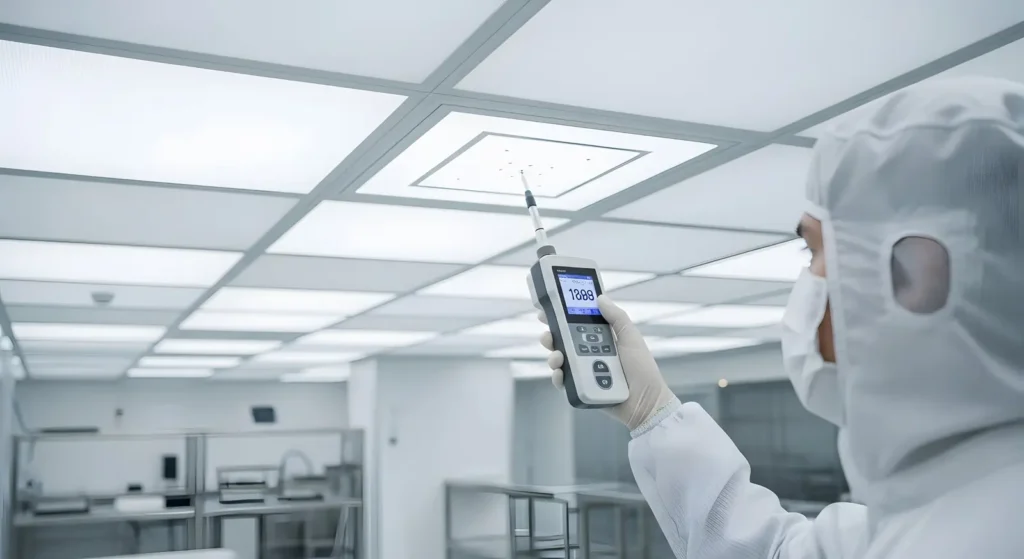
Asbestos Air Quality Testing
Air samples show whether asbestos fibres are present and at what concentration. Required for Type 3 work under O. Reg. 278/05.
Learn more
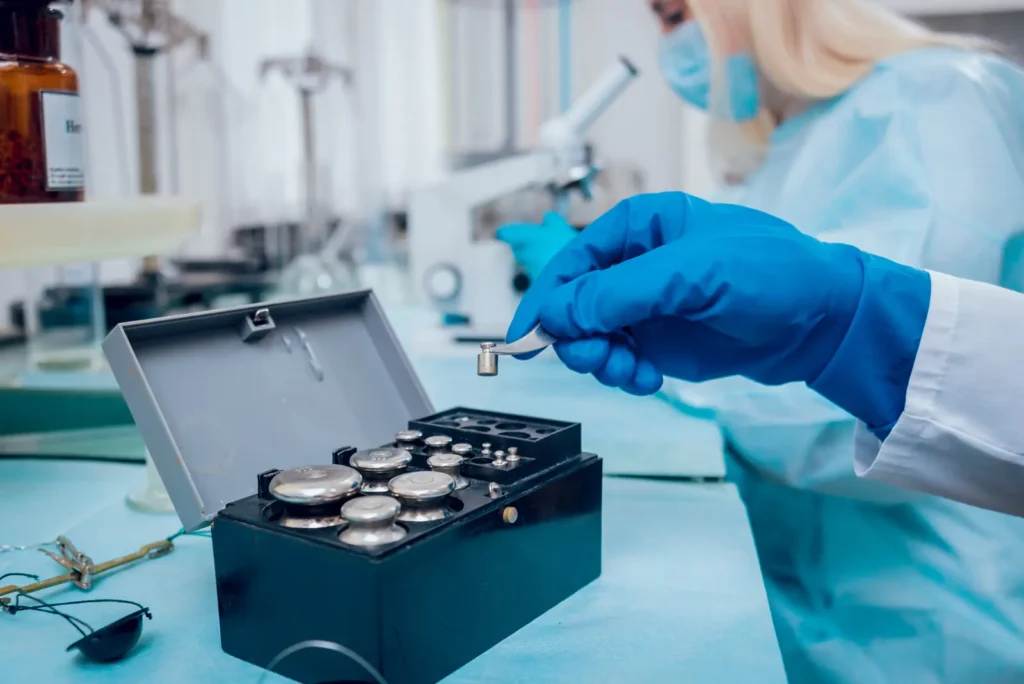
Asbestos Bulk Testing
Samples of drywall compound, insulation, flooring, ceiling tiles, plaster and more, before renovation or demolition.
Learn more

Asbestos Summary Reports
All asbestos findings, both air and bulk, compiled into one easy-to-read document.
Learn more
Mould testing
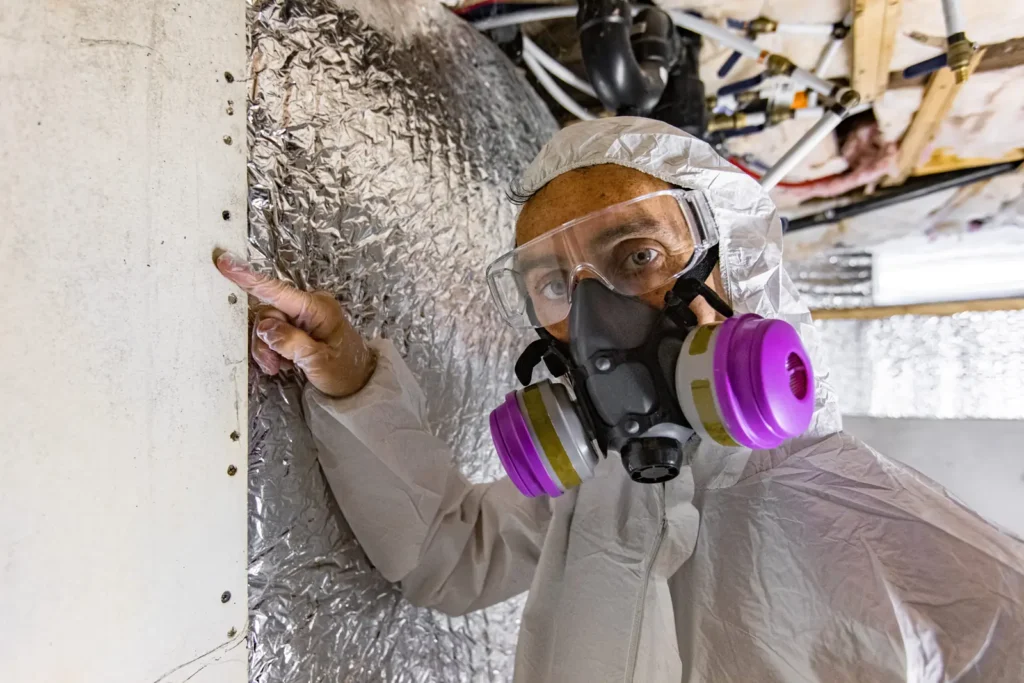
Mould Air Quality Testing
Indoor mould spore readings compared to outdoor baseline levels. A good background if mould is suspected.
Learn more
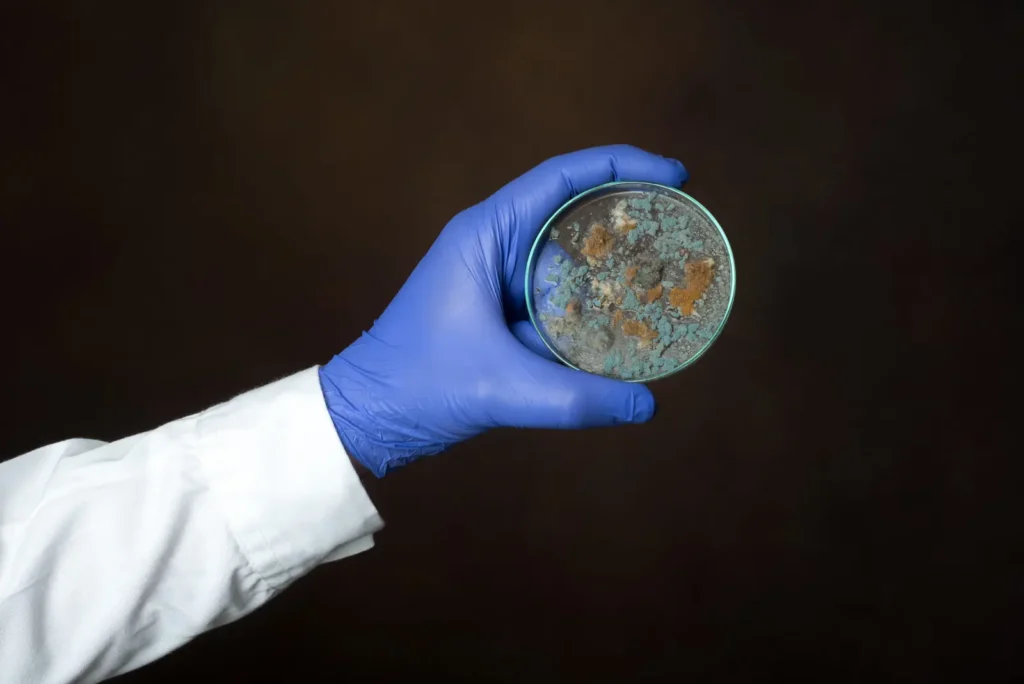
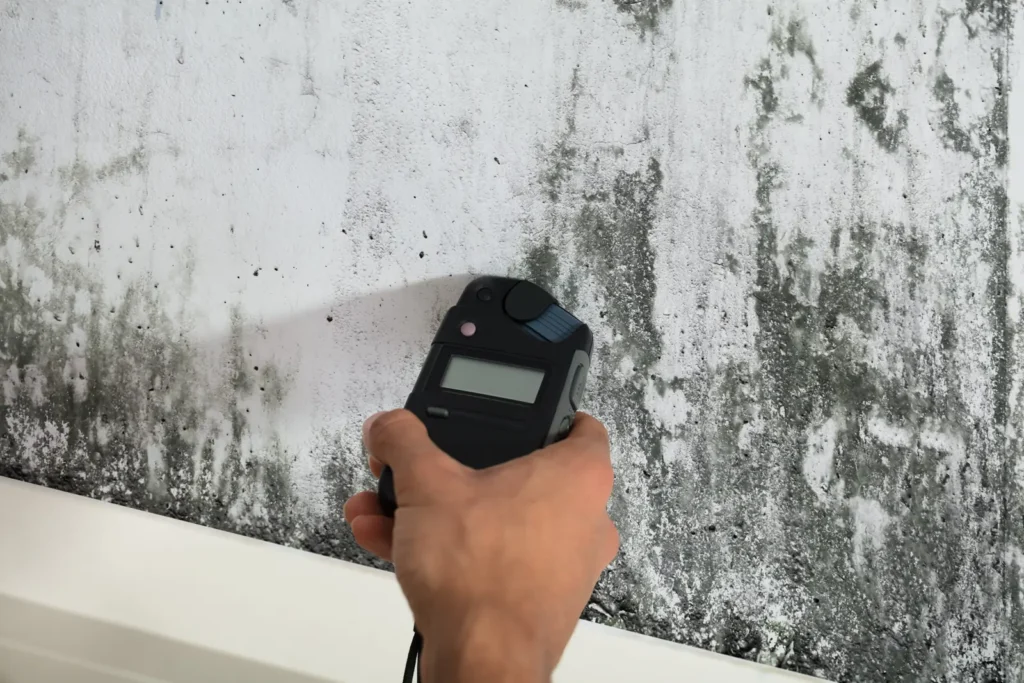
Mould Assessments
Visual inspection, moisture readings, air and/or surface sampling, source identification and recommendations.
Learn more
Surveys, removal and demolition
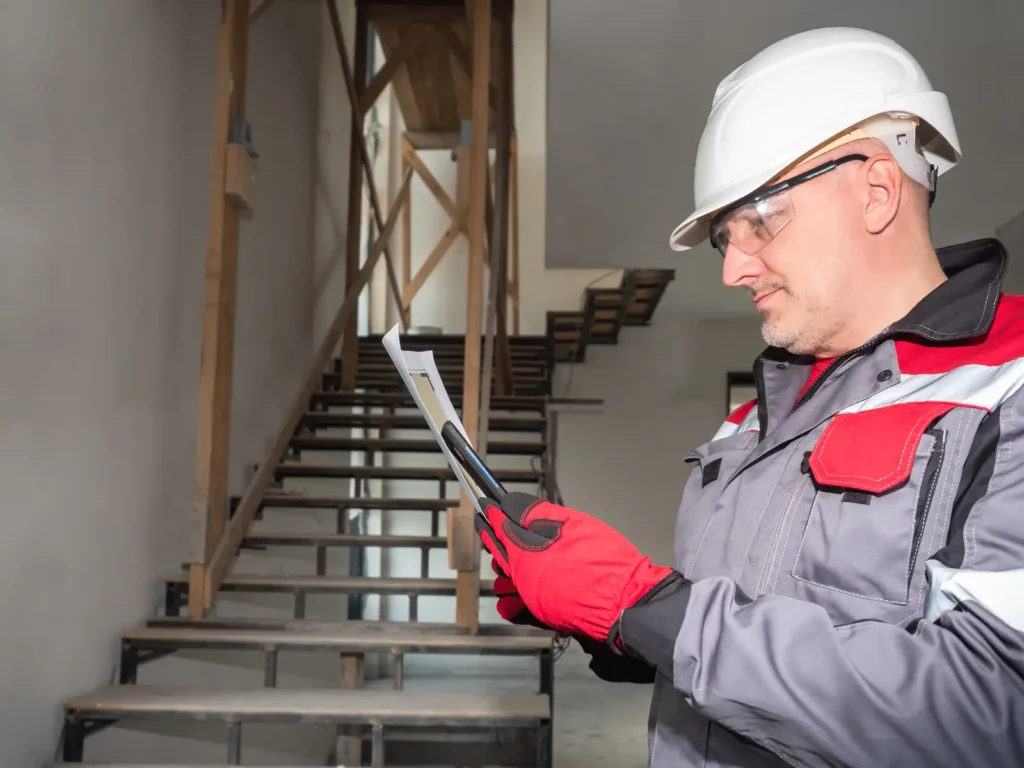
Designated Substance Survey
In Ontario, a DSS report is required before construction, demolition or renovation work.
Learn more
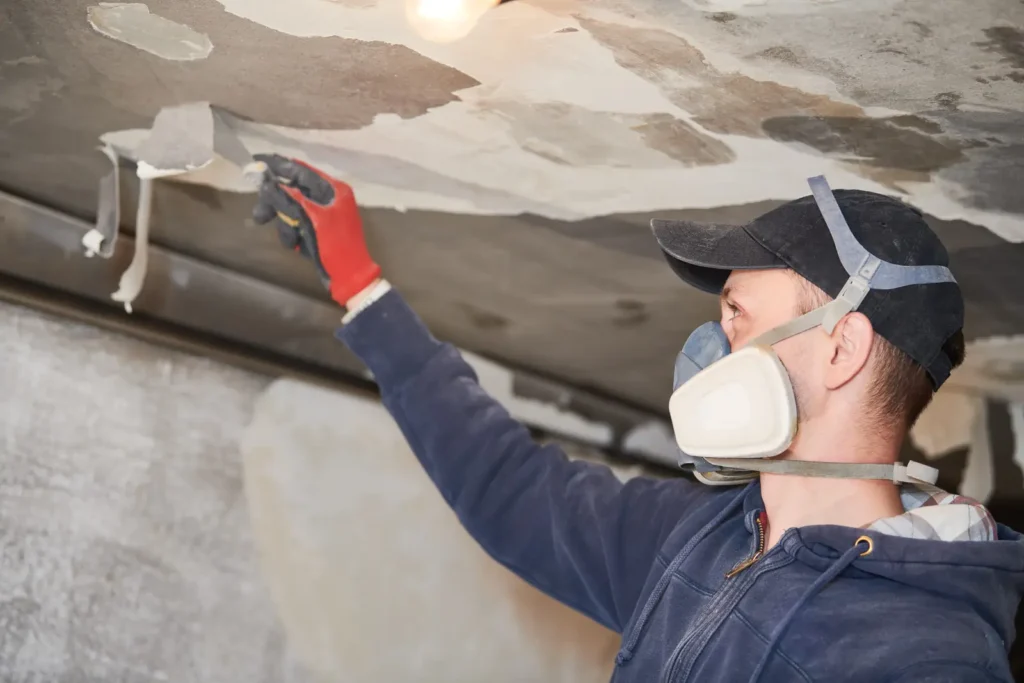
Abatement
Asbestos removal as a Type 1, 2 or 3 procedure: we can help with a contractor referral and estimate.
Learn more
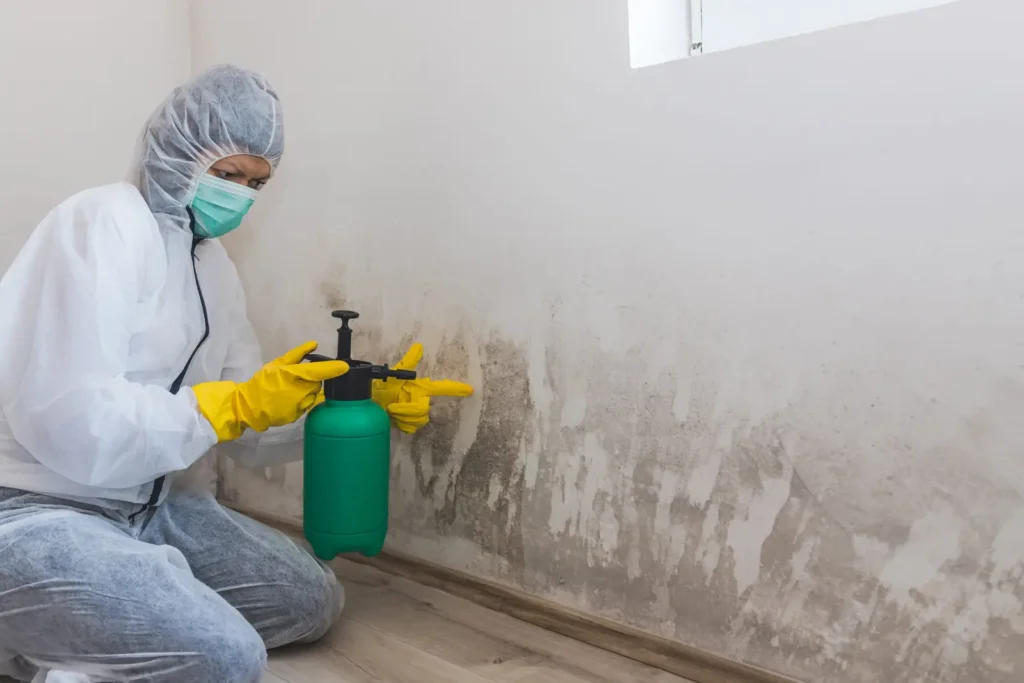
Remediation
Removal of mould-impacted materials as a Level 1, 2 or 3 procedure: contractor referral and estimate.
Learn more
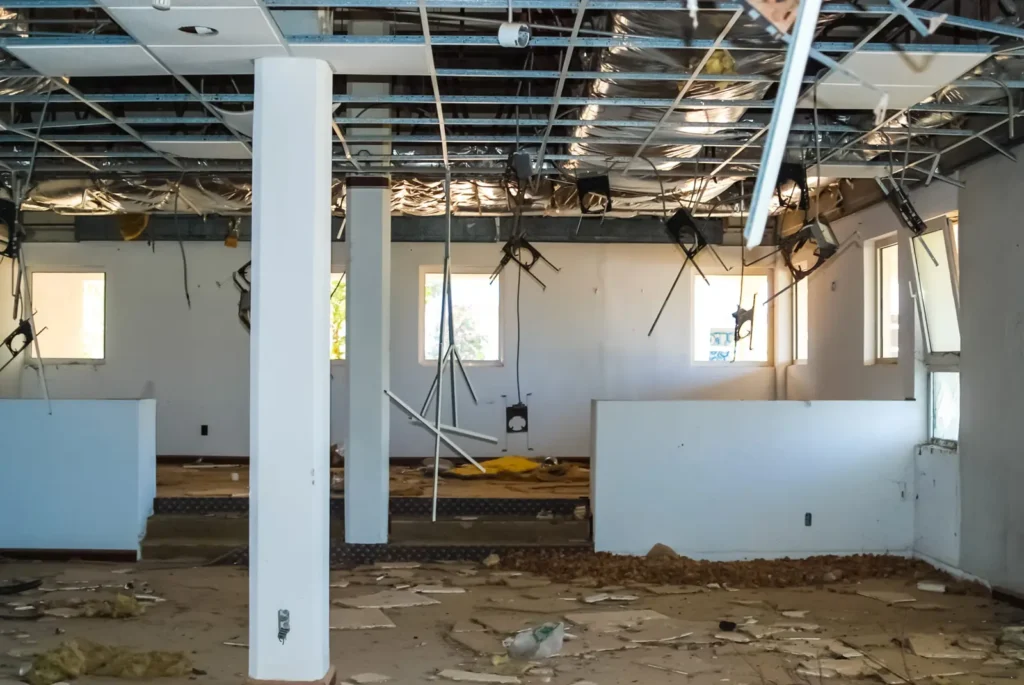
Demolition
Structural or interior demolition: we guide you through the process, with a contractor referral and estimate.
Learn more