
Asbestos & mould testing · Burlington & GTA
Protecting your health and property with expert environmental services.
Based in Burlington, Ontario, EnviroGuard Consulting and Testing is your trusted partner in ensuring a safe, healthy living and working environment. We specialize in professional asbestos and mould testing, providing accurate lab results and expert interpretations to help you make informed decisions for remediation.
Home Environmental Testing Hamilton
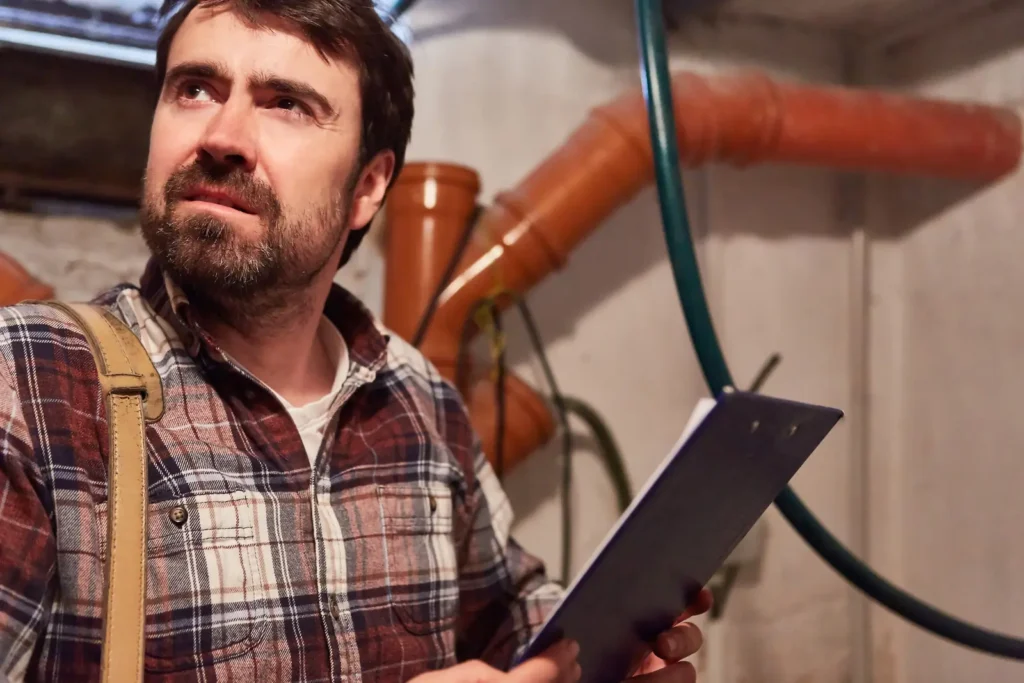
Home environmental testing in Hamilton is the process of identifying and quantifying indoor air quality hazards-primarily mould and asbestos-through certified inspection, sampling, and laboratory analysis. For homeowners, buyers, and property managers in Hamilton and the surrounding Halton Region, understanding what this testing involves and why it matters can mean the difference between a safe living environment and undetected health risks.
EnviroGuard Consulting and Testing, founded and operated by certified inspector Henry Kwasniak, provides comprehensive mould testing, asbestos identification, and indoor air quality assessment across Hamilton, Burlington, Oakville, and the wider Greater Toronto Area. The following seven points break down the essentials of what you need to know before, during, and after testing.
1. Mould Testing in Hamilton Requires Both Visual Inspection and Air Sampling
Mould is not always visible, and visual inspection alone cannot confirm whether spore levels are elevated or pose a health risk. A complete assessment combines a thorough physical inspection of the property-looking for water damage, condensation sources, and visible growth-with air sampling that measures mould spore concentration indoors against outdoor baseline levels. EnviroGuard uses both surface and air sampling protocols to establish whether spore counts exceed normal ranges, a critical distinction because low spore counts may indicate minor surface issues, while elevated counts suggest systemic moisture problems or active growth.
The sampling process is non-invasive: air samples are collected using calibrated equipment that draws a measured volume of air through a collection cassette, which is then analyzed in an accredited laboratory. Results typically include spore type identification and counts, allowing your inspector to determine whether remediation is needed and how urgently. This dual approach-visual and analytical-is the industry standard for accurate assessment.
2. Asbestos Testing Must Be Performed by a Certified Professional
Asbestos cannot be identified by appearance alone. Materials that look identical-vinyl floor tiles, insulation, roofing felt, pipe wrapping, joint compound-may or may not contain asbestos. In Hamilton and throughout Ontario, only a certified asbestos inspector can legally collect samples from suspected materials and submit them for laboratory analysis using polarized light microscopy (PLM) or transmission electron microscopy (TEM). Do-it-yourself sampling is unsafe and often produces invalid results.
When asbestos-containing materials are found in your home, the key decision is not always immediate removal: asbestos poses no risk when undisturbed and properly maintained. A certified professional will assess whether materials are friable (easily crumbled, releasing fibres) or non-friable, their condition, and the likelihood of disturbance. This assessment determines whether encapsulation, repair, or removal is the appropriate remediation path. EnviroGuard provides this analysis as part of comprehensive testing, ensuring you understand both the presence and the actual risk level in your property.
3. Indoor Air Quality Testing Extends Beyond Mould and Asbestos
While mould and asbestos are the primary concerns for most Hamilton homeowners, comprehensive indoor air quality assessment can evaluate radon gas, carbon monoxide, volatile organic compounds (VOCs), and particulate matter. Radon, a naturally occurring radioactive gas that enters homes through soil and foundation cracks, is particularly relevant in Ontario. Testing for these additional contaminants is especially important if household members experience respiratory symptoms, allergies, or sensitivities that cannot be attributed to obvious sources.
EnviroGuard's indoor air quality assessments are tailored to your specific concerns and property characteristics. A home with a finished basement and young children, for example, may warrant radon testing alongside mould assessment. An older commercial property in Burlington or Oakville might require VOC testing if renovation is planned. Your inspector will recommend testing scope based on the property's age, condition, occupant health history, and visible environmental indicators.
4. Laboratory Results Must Be Interpreted by a Qualified Professional
Raw laboratory data-a report showing mould spore counts in spores per cubic metre, or an asbestos sample marked "detected" or "not detected"-means little without expert interpretation. A mould count of 500 spores per cubic metre may be normal in one context and concerning in another, depending on outdoor baseline levels, spore types, and property conditions. Similarly, a positive asbestos result requires professional assessment of material condition, location, accessibility, and disturbance risk before any remediation decision can be made.
This is where certified inspection expertise becomes invaluable. EnviroGuard delivers not just laboratory results but actionable interpretation: what the numbers mean for your property, whether action is needed, and what remediation options are appropriate. Written reports include recommendations prioritized by health risk and cost-effectiveness, enabling you to make informed decisions rather than face confusing data without context.
5. Timing and Conditions Affect Testing Accuracy
Environmental testing in Hamilton should account for seasonal variations and current property conditions. Mould air samples should be collected during normal occupancy patterns-not immediately after windows have been open for extended periods, which can skew results downward. Similarly, humidity levels and recent moisture events influence mould presence, so testing timing relative to these factors matters. Asbestos sampling, by contrast, is less time-sensitive because asbestos-containing materials do not change; however, testing should occur before renovation or disturbance of suspected materials.
Your inspector will explain how current conditions may affect results and whether retesting is warranted under different circumstances. For example, if mould testing shows borderline or unexpected results, re-sampling after addressing obvious moisture sources may provide clearer data about baseline mould conditions. EnviroGuard ensures you understand not just the results but the conditions under which they were obtained.
6. Comparison of Testing Approaches for Mould in Hamilton Properties
| Approach | Method | Typical Cost Range | Best For |
|---|---|---|---|
| Visual Inspection Only | Physical examination of property; no sampling | Low | Identifying visible growth; not suitable for confirming air quality |
| Air Sampling | Spore count via air cassette collection and laboratory analysis | Moderate | Quantifying spore levels; establishing baseline or post-remediation verification |
| Surface Sampling | Swab or tape sample from visible or suspected growth areas | Moderate | Identifying spore type in localized areas; assessing remediation effectiveness |
| Combined Inspection and Sampling | Visual inspection plus air and surface samples | Higher | Comprehensive assessment; homes with moisture concerns or health sensitivities |
Most Hamilton homeowners benefit from combined inspection and air sampling because it provides both visual evidence of moisture problems and quantitative data about spore levels. EnviroGuard recommends the approach best suited to your property's condition and your specific concerns.
7. Testing Results Guide Remediation Planning and Budget Decisions
A certified assessment report becomes the foundation for remediation planning. If mould is found, the report identifies the moisture source-poor ventilation, roof leak, foundation seepage, or condensation-allowing you to address the root cause, not just treat symptoms. If asbestos is identified, the report clarifies whether removal is necessary or whether encapsulation and monitoring are safer and more cost-effective. This clarity prevents both unnecessary expensive removal and dangerous neglect.
EnviroGuard's reports include detailed remediation recommendations prioritized by urgency and health risk. For properties in Hamilton, Burlington, Oakville, or anywhere in the Halton Region, having a professional assessment in hand also supports insurance claims, real estate transactions, and contractor communication. Contractors cannot safely plan remediation without knowing what they are dealing with; testing eliminates guesswork and ensures compliance with Ontario environmental standards.
If you are concerned about mould, asbestos, or indoor air quality in your Hamilton home or commercial property, EnviroGuard Consulting and Testing is ready to help. Contact them to discuss your specific concerns and arrange a certified assessment that delivers clarity, accuracy, and actionable recommendations for protecting your family or business.
Frequently Asked Questions
How long does home environmental testing in Hamilton typically take?
Visual inspection and air sampling typically take 1-2 hours depending on property size and complexity. Laboratory analysis takes 5-10 business days after samples are submitted. You receive a comprehensive written report with findings and recommendations within 2-3 weeks of the on-site visit.
What should I do if mould is detected in my Hamilton home?
Do not attempt removal yourself. EnviroGuard's assessment report identifies the moisture source and recommends remediation priority. Minor surface growth may require only cleaning and ventilation improvement; extensive growth requires professional remediation contractors. Address the underlying moisture problem to prevent recurrence.
Is asbestos dangerous if it is found but not disturbed?
Asbestos poses minimal risk when in good condition and undisturbed. Friable (crumbly) asbestos and damaged non-friable materials release fibres and require professional remediation. Intact, non-friable asbestos can often be safely left in place with monitoring and maintenance, which a certified inspector will clarify in the report.
Do I need environmental testing before buying a home in Hamilton?
Yes, especially for homes built before 1980 when asbestos and lead were common, or any property showing signs of moisture damage or water entry. Pre-purchase testing protects you from inheriting unknown hazards and strengthens your negotiating position if issues are found.
Can I do mould or asbestos testing myself?
DIY asbestos sampling is illegal in Ontario and produces invalid results; only certified inspectors may collect samples. Mould air sampling requires calibrated equipment and proper field protocols; amateur collection yields unreliable data. Certified testing ensures accurate, defensible results.
What is the cost of environmental testing for a typical Hamilton property?
Testing cost varies based on property size, number of samples, and scope (mould only, asbestos, combined assessment). Contact EnviroGuard Consulting and Testing directly with details about your property to receive an accurate quote for your specific situation.
Why EnviroGuard
Experience, integrity and regulatory conformity
Regulations
- O. Reg. 278/05 Asbestos on construction projects and in buildings and repair operationsOccupational Health and Safety Act
- O. Reg. 490/09 Designated substancesOccupational Health and Safety Act
- O. Reg. 347/90 General waste management, including asbestos wasteEnvironmental Protection Act
Under the Occupational Health and Safety Act (OHSA), the ministry is responsible for regulating occupational health and safety in workplaces, which includes schools, hospitals, and any place where people work.
Experience
With over 30 years of experience in solid waste management across Ontario and 20 years in environmental science, EnviroGuard Consulting and Testing provides expert asbestos, mould, and environmental testing services.
Hands-on knowledge of hazardous material assessment and indoor air quality ensures every project is handled safely, efficiently, and in full compliance with Ontario’s environmental and occupational health regulations.
Integrity
Built on high integrity and regulatory conformity, EnviroGuard delivers precise testing, reliable reporting, and practical abatement and remediation recommendations.
Clients can trust EnviroGuard to protect their buildings, occupants, and projects while maintaining the highest standards of safety and compliance.
Our services
Environmental testing and consulting
At EnviroGuard, we offer a comprehensive range of environmental testing and consulting services for homes and businesses.
Asbestos testing
Asbestos Air Quality Testing
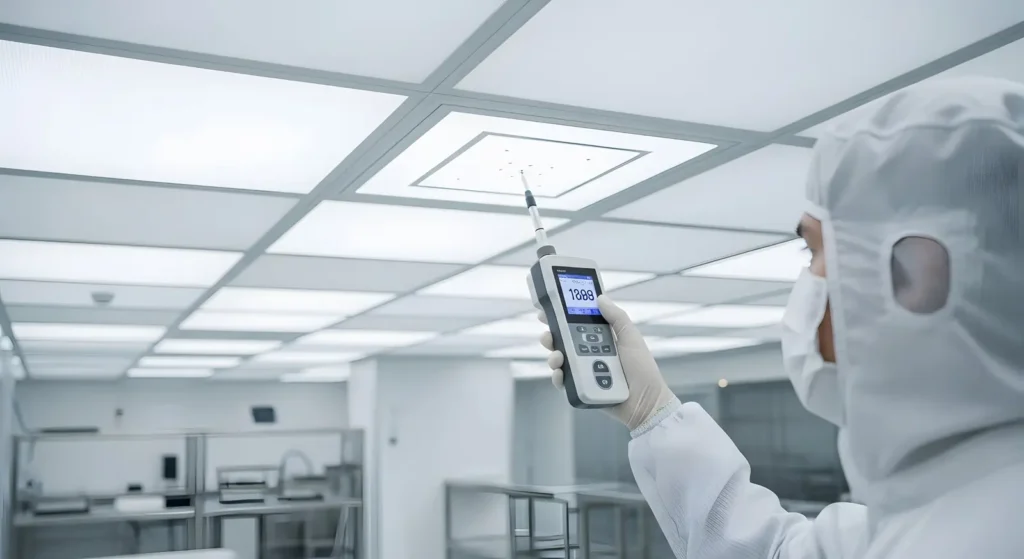
Air samples show whether asbestos fibres are present and at what concentration. Required for Type 3 work under O. Reg. 278/05.
Learn more
Asbestos Bulk Testing
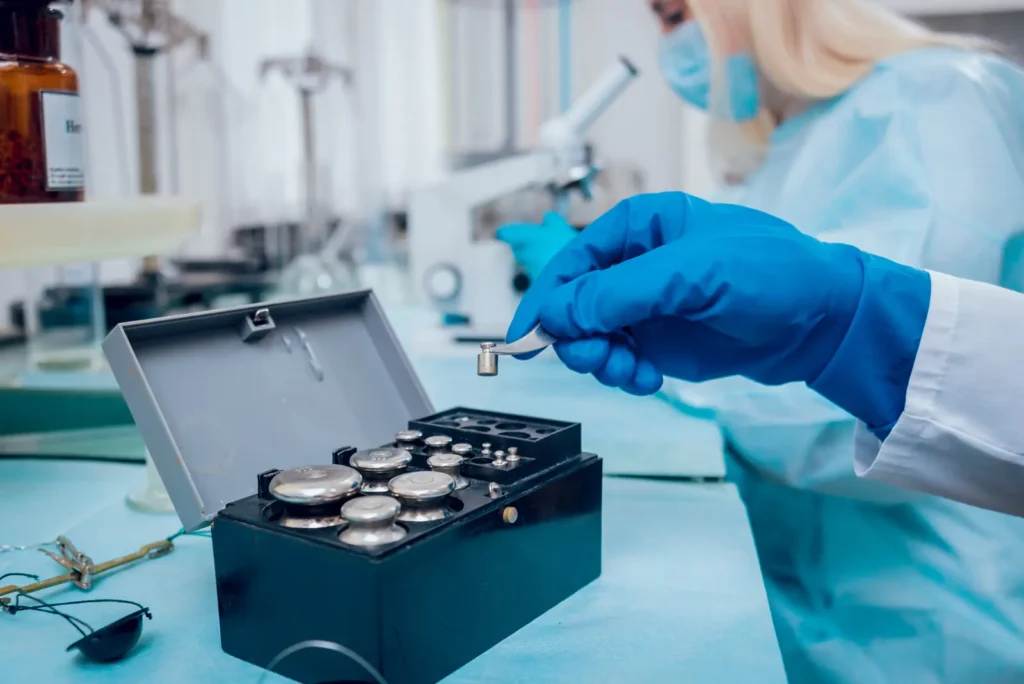
Samples of drywall compound, insulation, flooring, ceiling tiles, plaster and more, before renovation or demolition.
Learn more

Asbestos Summary Reports
All asbestos findings, both air and bulk, compiled into one easy-to-read document.
Learn more
Mould testing
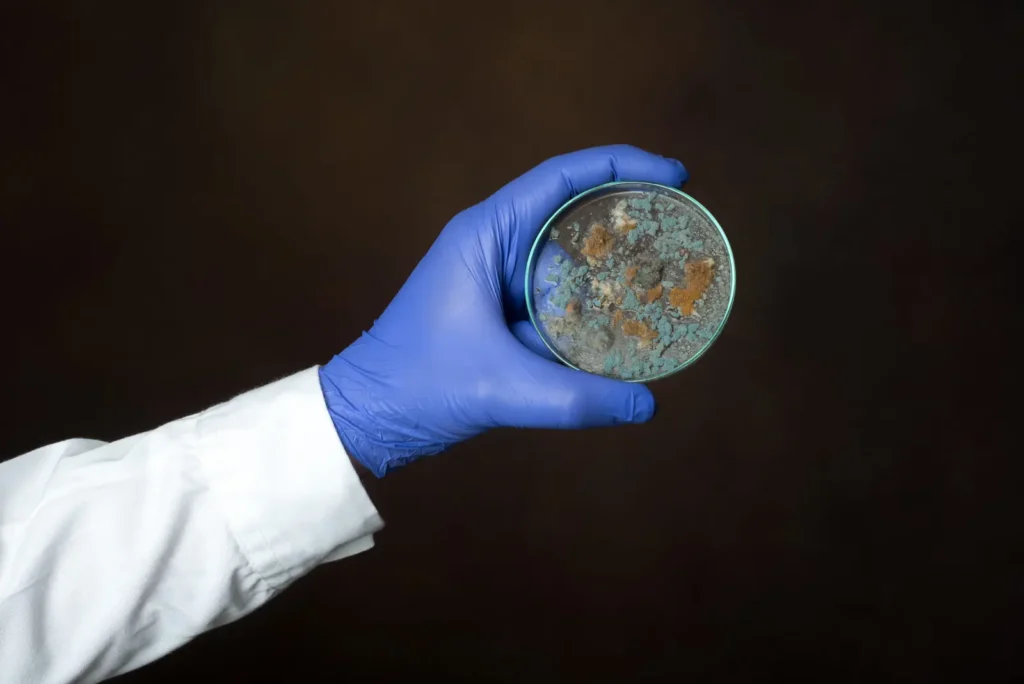
Mould Air Quality Testing
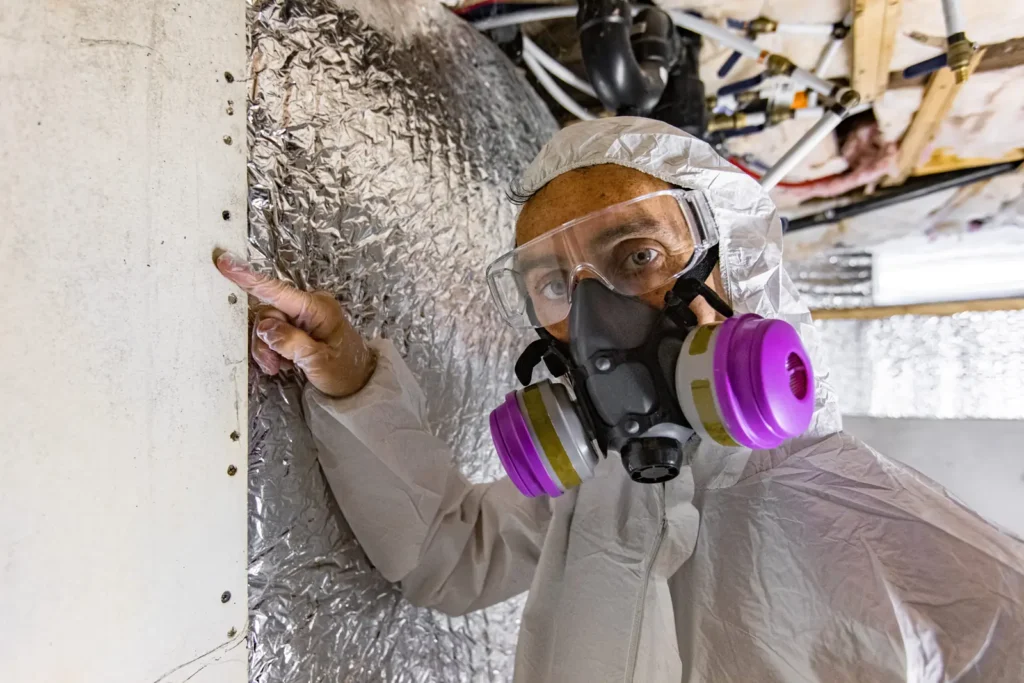
Indoor mould spore readings compared to outdoor baseline levels. A good background if mould is suspected.
Learn more
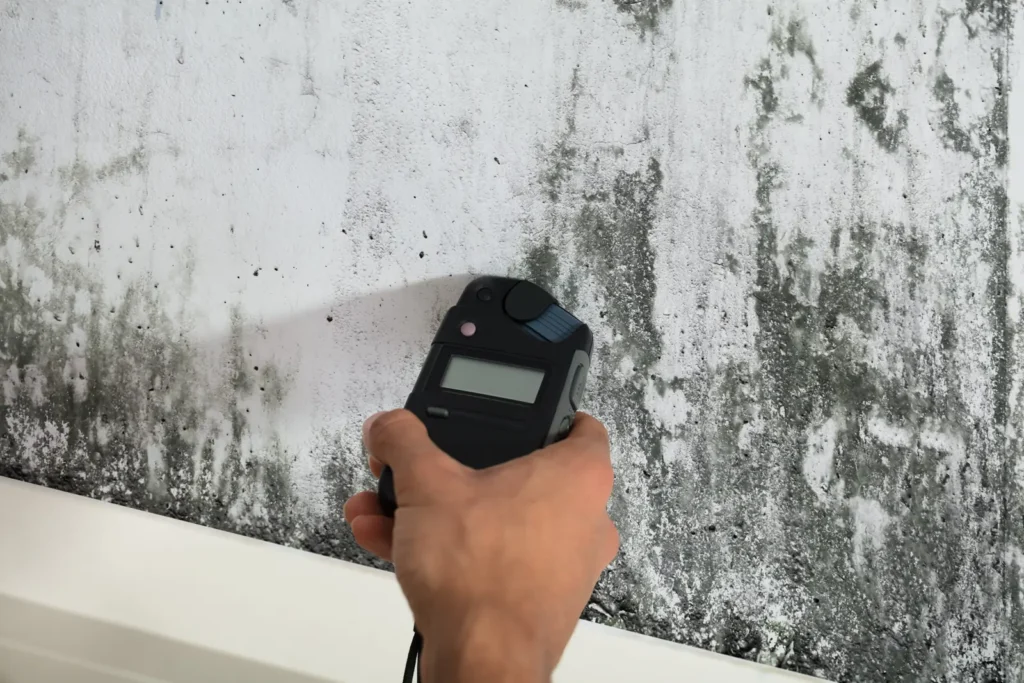
Mould Assessments
Visual inspection, moisture readings, air and/or surface sampling, source identification and recommendations.
Learn more
Surveys, removal and demolition
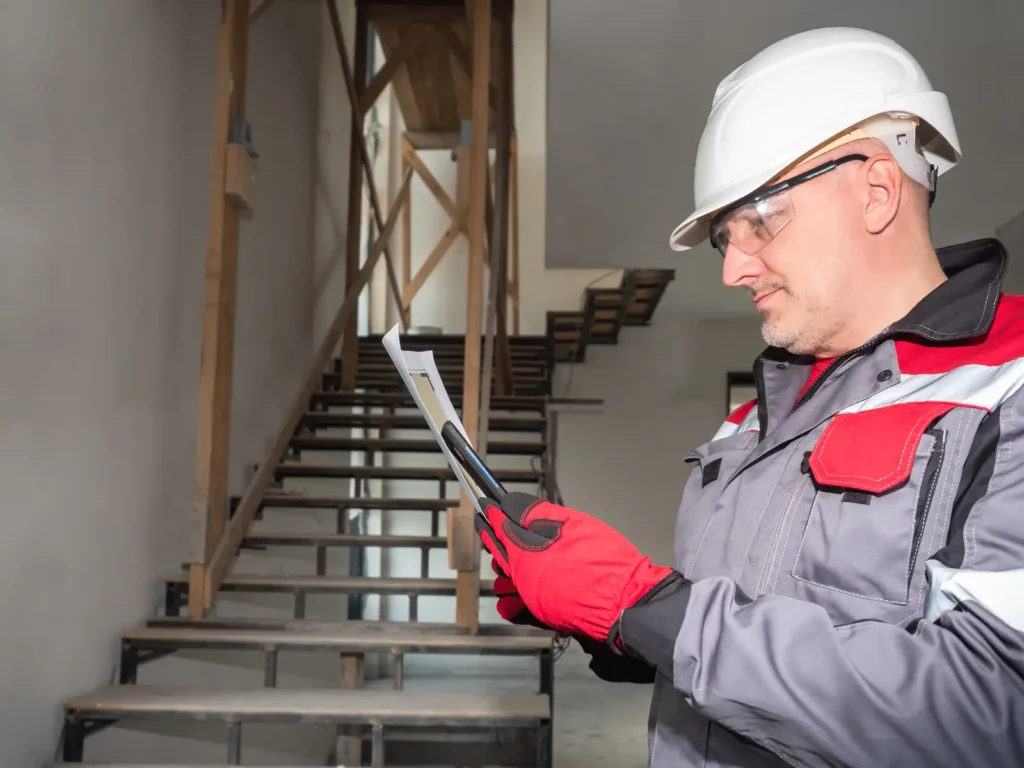
Designated Substance Survey
In Ontario, a DSS report is required before construction, demolition or renovation work.
Learn more
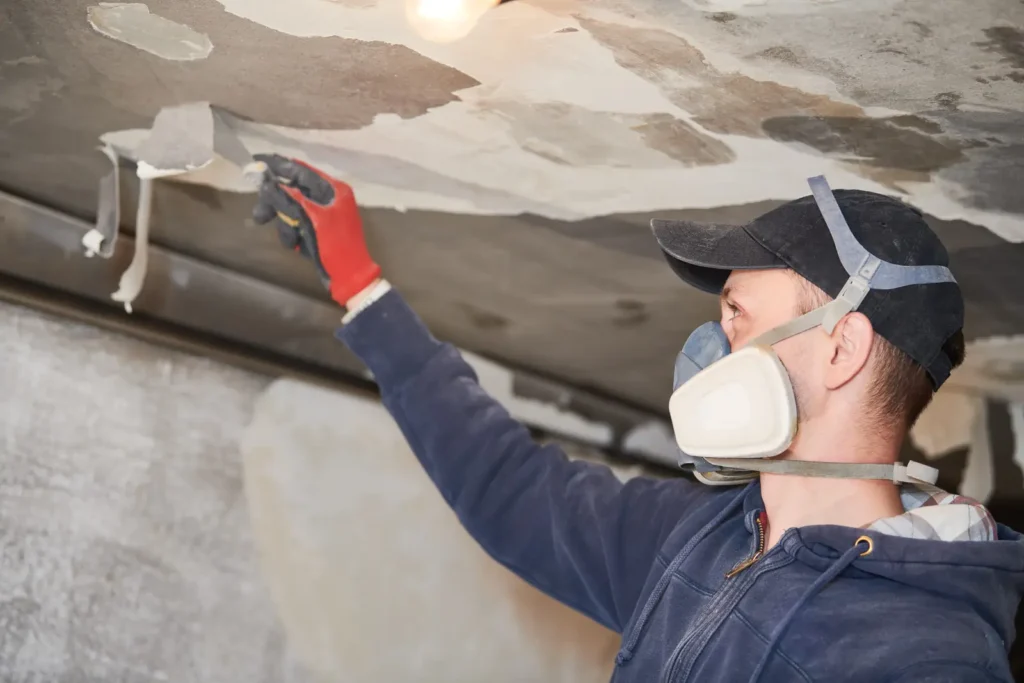
Abatement
Asbestos removal as a Type 1, 2 or 3 procedure: we can help with a contractor referral and estimate.
Learn more
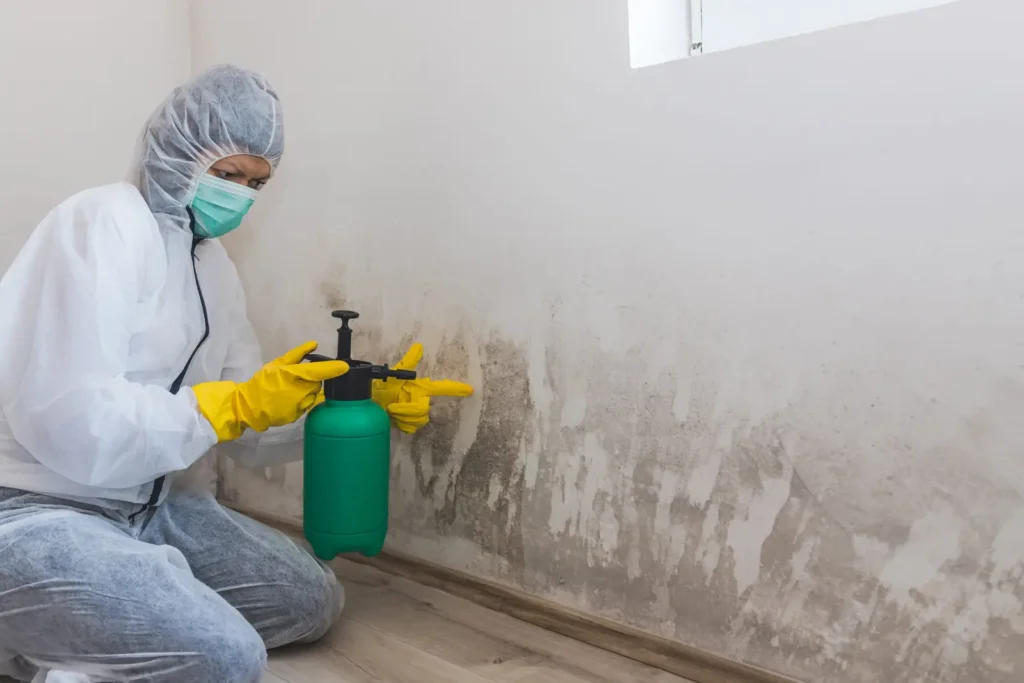
Remediation
Removal of mould-impacted materials as a Level 1, 2 or 3 procedure: contractor referral and estimate.
Learn more
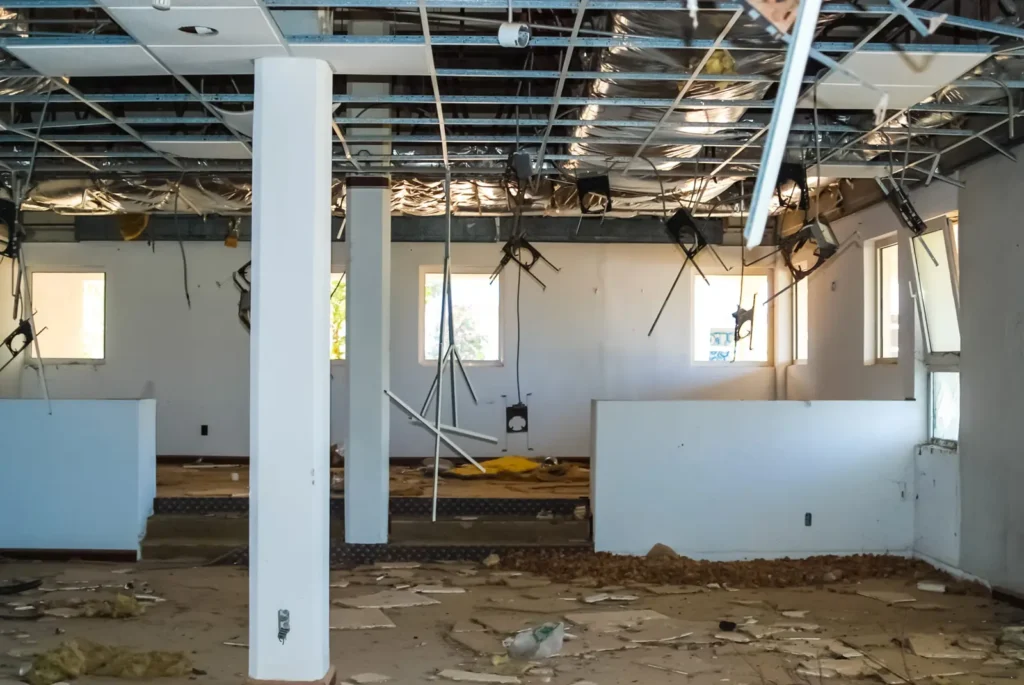
Demolition
Structural or interior demolition: we guide you through the process, with a contractor referral and estimate.
Learn more