
Asbestos & mould testing · Burlington & GTA
Protecting your health and property with expert environmental services.
Based in Burlington, Ontario, EnviroGuard Consulting and Testing is your trusted partner in ensuring a safe, healthy living and working environment. We specialize in professional asbestos and mould testing, providing accurate lab results and expert interpretations to help you make informed decisions for remediation.
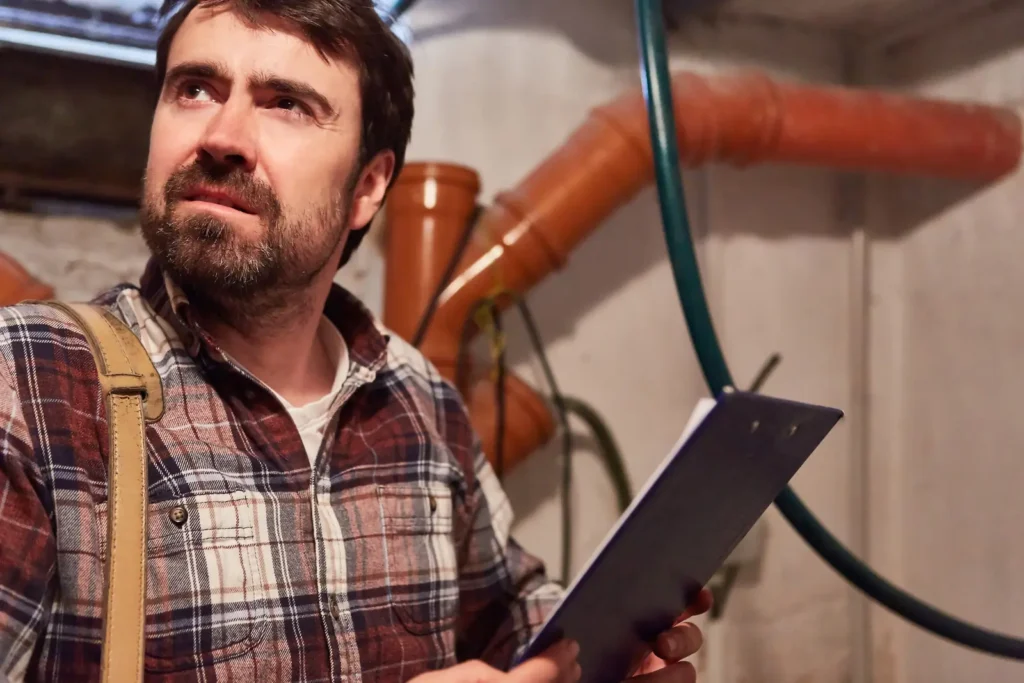
Home Mould Testing Burlington
Home mould testing in Burlington protects your family's health by identifying mould contamination before it becomes a serious indoor air quality problem. EnviroGuard Consulting and Testing delivers certified mould inspection, air sampling, and laboratory analysis for Burlington homeowners who want accurate answers about potential mould growth in their homes.
Mould thrives in moist environments and can spread rapidly through walls, crawl spaces, basements, and HVAC systems. Many homeowners in Burlington don't realize mould is present until respiratory symptoms, allergic reactions, or visible growth appears. By that time, contamination may be extensive. Professional testing identifies mould at early stages, gives you definitive laboratory confirmation rather than guesswork, and provides a clear action plan for remediation.
Why Mould Testing Matters in Burlington Homes
Burlington's proximity to Lake Ontario and the Halton Region's humid summers create ideal conditions for mould colonization. Properties with basements, older plumbing, roof leaks, or poor ventilation face elevated risk. Testing is essential before visible signs appear, because mould colonies can exist behind walls, under flooring, or in air ducts for months without detection.
EnviroGuard's certified inspectors follow a methodical protocol: they assess moisture levels with calibrated instruments, identify visible mould growth, collect air samples from multiple zones in your home, and send samples to an accredited laboratory for species identification and spore count analysis. Results tell you whether mould concentrations exceed normal baseline levels and which species are present, helping you understand the severity and appropriate response.
Laboratory testing is the only way to distinguish harmless environmental mould from species that pose genuine health risks. Surface visual inspection alone cannot confirm whether active colonization is occurring or whether remediation has been successful. The combination of air sampling and laboratory analysis removes doubt and protects your confidence in decisions about your home.
The Testing Process and What to Expect
EnviroGuard's home mould testing follows a standardized methodology designed to capture an accurate snapshot of indoor air quality. The process begins with a site assessment where the inspector documents moisture sources, visible growth, water damage history, and ventilation patterns throughout the home. This contextual information is essential because elevated spore counts in one room may indicate active growth, while uniform low counts suggest no current problem.
Air sampling uses calibrated equipment to draw a measured volume of indoor air through a collection device. The inspector collects samples from multiple locations-typically the main living area, bedrooms, basement, and any problem zones you've identified. Outdoor samples are also collected as a baseline control, because mould spores naturally exist outside and some indoor presence is normal. Elevated indoor counts relative to outdoor baseline indicate a problem.
Samples are sealed, labeled, and sent to an accredited laboratory where technicians culture the collected spores and identify species under microscopy. Results report total spore concentration, specific mould types detected, and whether levels fall within normal ranges for the region. Reports from EnviroGuard include the inspector's professional interpretation of what the results mean for your specific home and recommendations for any necessary action.
Turnaround time for laboratory analysis is typically 5-7 business days after sampling. During this period, you receive a preliminary report with visual observations and photos from the inspection. Once lab results return, you receive a comprehensive final report with detailed findings, remediation guidance, and contractor recommendations if needed.
When to Schedule Testing in Burlington
Homeowners should arrange testing if they notice musty odors, see visible mould growth, have experienced water damage or flooding, or if household members report unexplained respiratory symptoms like persistent coughing, wheezing, or increased asthma attacks. Testing is also prudent before purchasing a property in Burlington, as part of your due diligence inspection, to understand any existing mould liability.
Seasonal timing matters. Late spring and early summer, when humidity peaks, are ideal for testing because mould colonization is most active. Testing during dry winter months may underestimate a problem that develops later in the year. If you suspect mould growth, don't delay-early detection prevents extensive remediation costs and health exposure.
Commercial property owners in Burlington and surrounding areas should test annually or after any water intrusion event. Schools, offices, and retail spaces with high occupancy benefit from baseline air quality testing to establish normal conditions and detect problems early. EnviroGuard serves both residential and commercial clients across Burlington, Oakville, Hamilton, and the wider Halton Region.
Next Steps After Testing
Once you have laboratory results, the inspection report provides clear remediation guidance. Small visible mould areas (typically under 10 square feet) can often be cleaned with appropriate disinfectants and moisture control. Larger contamination, growth inside wall cavities, or widespread HVAC colonization requires professional remediation by qualified contractors. EnviroGuard can recommend qualified remediation specialists and advise on the scope of work needed.
Moisture control is the foundation of any lasting solution. Fixing plumbing leaks, improving ventilation, managing basement humidity with dehumidifiers, and ensuring roof and wall integrity all prevent mould recurrence. After remediation, follow-up air testing confirms that treatment was effective and spore levels have returned to acceptable ranges.
If you're concerned about mould in your Burlington home, EnviroGuard Consulting and Testing is ready to provide professional testing, laboratory analysis, and expert guidance. Contact the team to discuss your situation and schedule an inspection. They'll answer your questions, explain what testing will reveal, and help you move forward with confidence.
Frequently Asked Questions
How long does home mould testing in Burlington take?
The inspection itself typically takes 1-2 hours, depending on home size and complexity. Laboratory analysis takes an additional 5-7 business days after samples are collected. You'll receive preliminary findings on inspection day and a comprehensive report once lab results return.
What's the difference between visible mould inspection and air sampling?
Visible inspection identifies mould colonies you can see on surfaces. Air sampling measures mould spore concentration in the air and detects colonies hidden inside walls or ducts that aren't visible. Together, they provide a complete picture of your indoor air quality and mould contamination.
Why is mould testing important before buying a home in Burlington?
Pre-purchase testing reveals existing mould problems before you commit financially. Finding contamination before closing gives you leverage to negotiate repairs, budget for remediation, or walk away if the cost is prohibitive. It protects your health and prevents inheriting a moisture problem in your new home.
What happens if mould testing shows high spore levels?
High spore levels indicate active mould growth or colonization in your home. Your inspector will recommend next steps, which may range from moisture control and cleaning for small problems to professional remediation for extensive contamination. Follow-up testing after remediation confirms the problem has been resolved.
Does EnviroGuard Consulting and Testing serve other areas besides Burlington?
Yes, EnviroGuard serves Burlington, Oakville, Hamilton, and the broader Halton Region with certified mould testing, asbestos inspection, and indoor air quality assessment for residential and commercial properties.
Why EnviroGuard
Experience, integrity and regulatory conformity
Regulations
- O. Reg. 278/05 Asbestos on construction projects and in buildings and repair operationsOccupational Health and Safety Act
- O. Reg. 490/09 Designated substancesOccupational Health and Safety Act
- O. Reg. 347/90 General waste management, including asbestos wasteEnvironmental Protection Act
Under the Occupational Health and Safety Act (OHSA), the ministry is responsible for regulating occupational health and safety in workplaces, which includes schools, hospitals, and any place where people work.
Experience
With over 30 years of experience in solid waste management across Ontario and 20 years in environmental science, EnviroGuard Consulting and Testing provides expert asbestos, mould, and environmental testing services.
Hands-on knowledge of hazardous material assessment and indoor air quality ensures every project is handled safely, efficiently, and in full compliance with Ontario’s environmental and occupational health regulations.
Integrity
Built on high integrity and regulatory conformity, EnviroGuard delivers precise testing, reliable reporting, and practical abatement and remediation recommendations.
Clients can trust EnviroGuard to protect their buildings, occupants, and projects while maintaining the highest standards of safety and compliance.
Our services
Environmental testing and consulting
At EnviroGuard, we offer a comprehensive range of environmental testing and consulting services for homes and businesses.
Asbestos testing
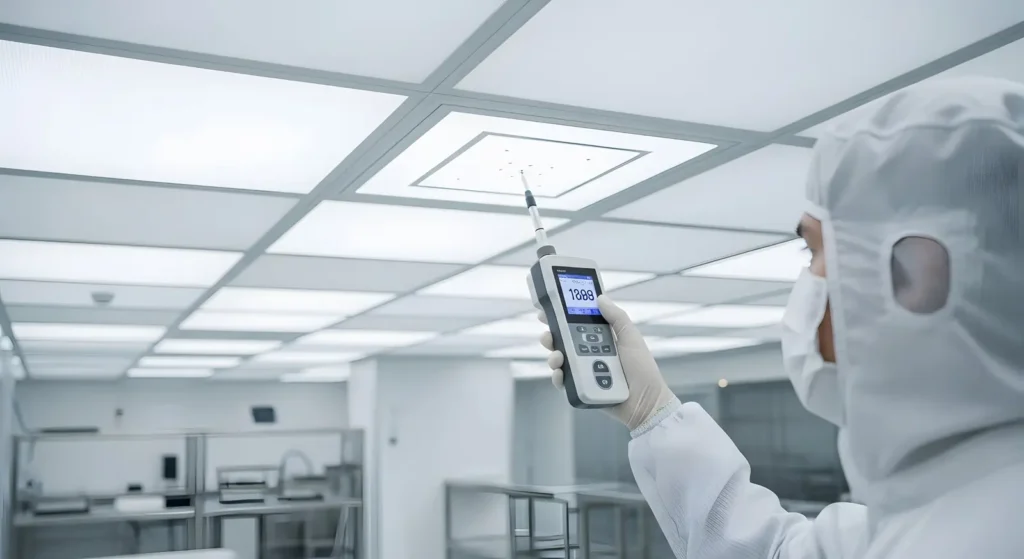
Asbestos Air Quality Testing
Air samples show whether asbestos fibres are present and at what concentration. Required for Type 3 work under O. Reg. 278/05.
Learn more
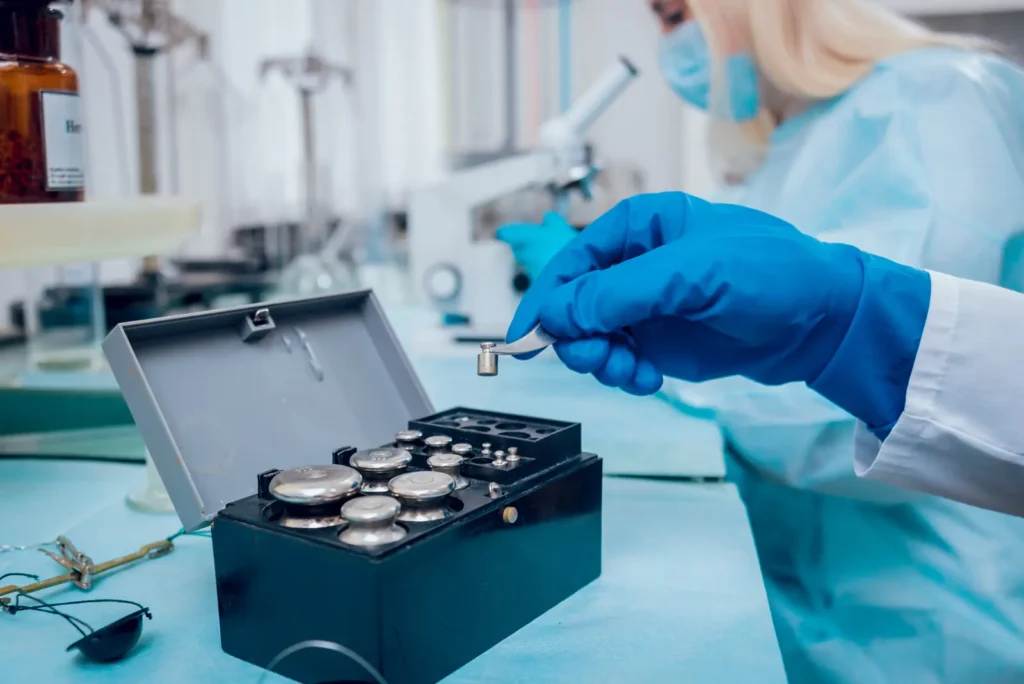
Asbestos Bulk Testing
Samples of drywall compound, insulation, flooring, ceiling tiles, plaster and more, before renovation or demolition.
Learn more

Asbestos Summary Reports
All asbestos findings, both air and bulk, compiled into one easy-to-read document.
Learn more
Mould testing
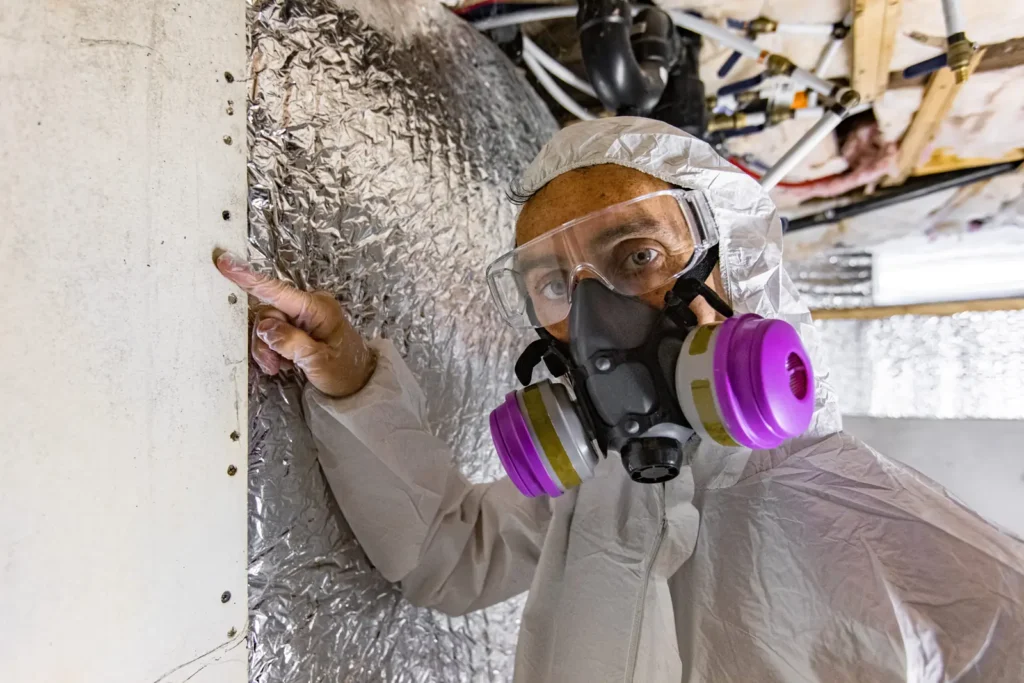
Mould Air Quality Testing
Indoor mould spore readings compared to outdoor baseline levels. A good background if mould is suspected.
Learn more
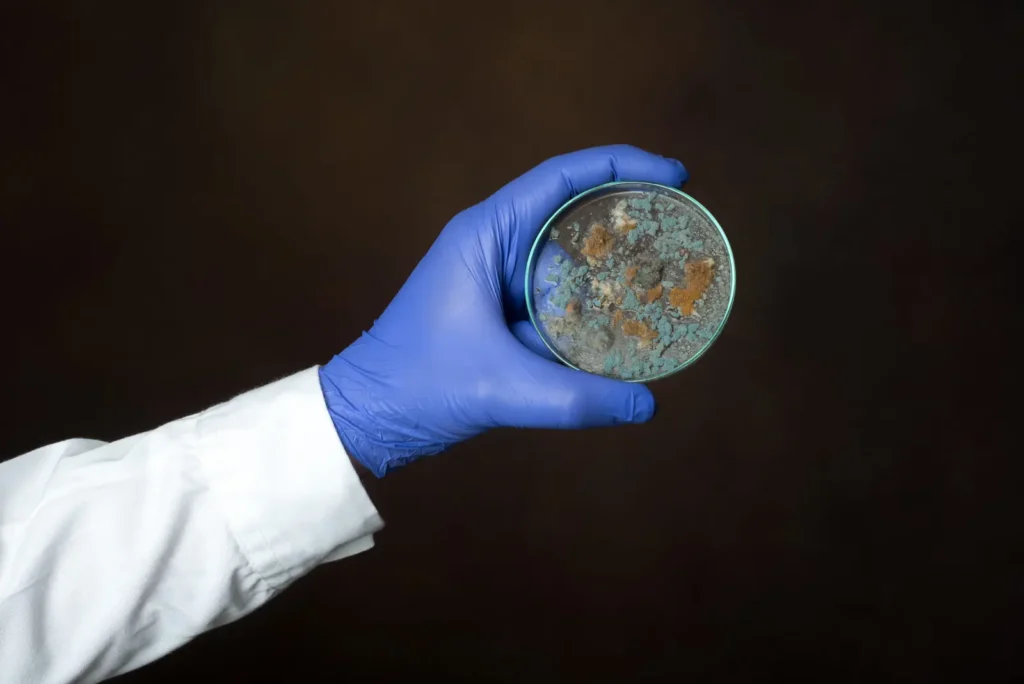
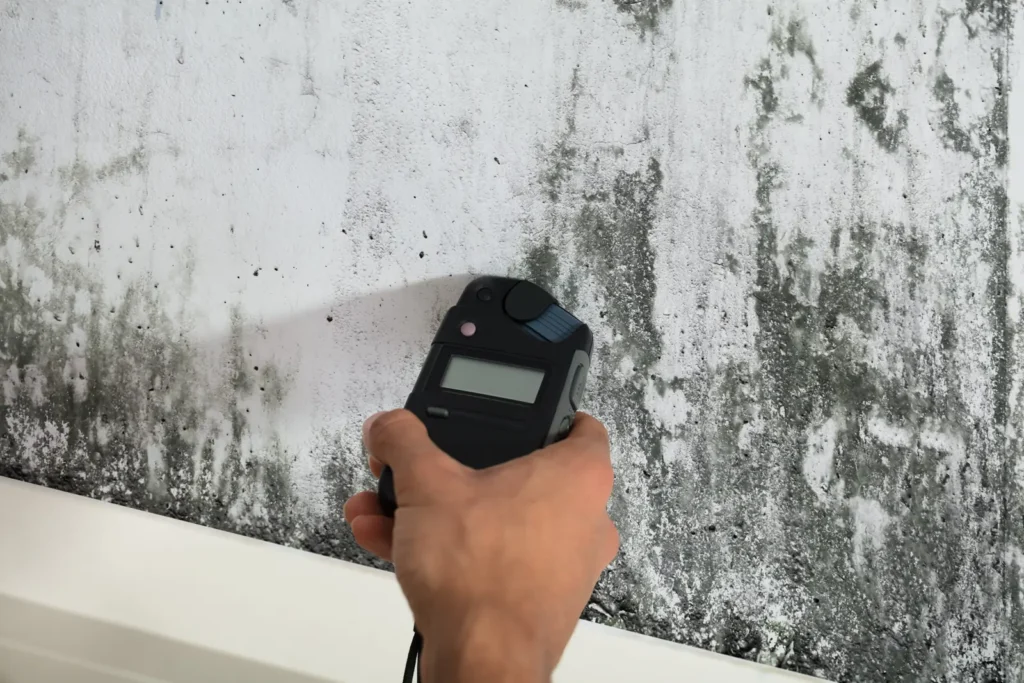
Mould Assessments
Visual inspection, moisture readings, air and/or surface sampling, source identification and recommendations.
Learn more
Surveys, removal and demolition
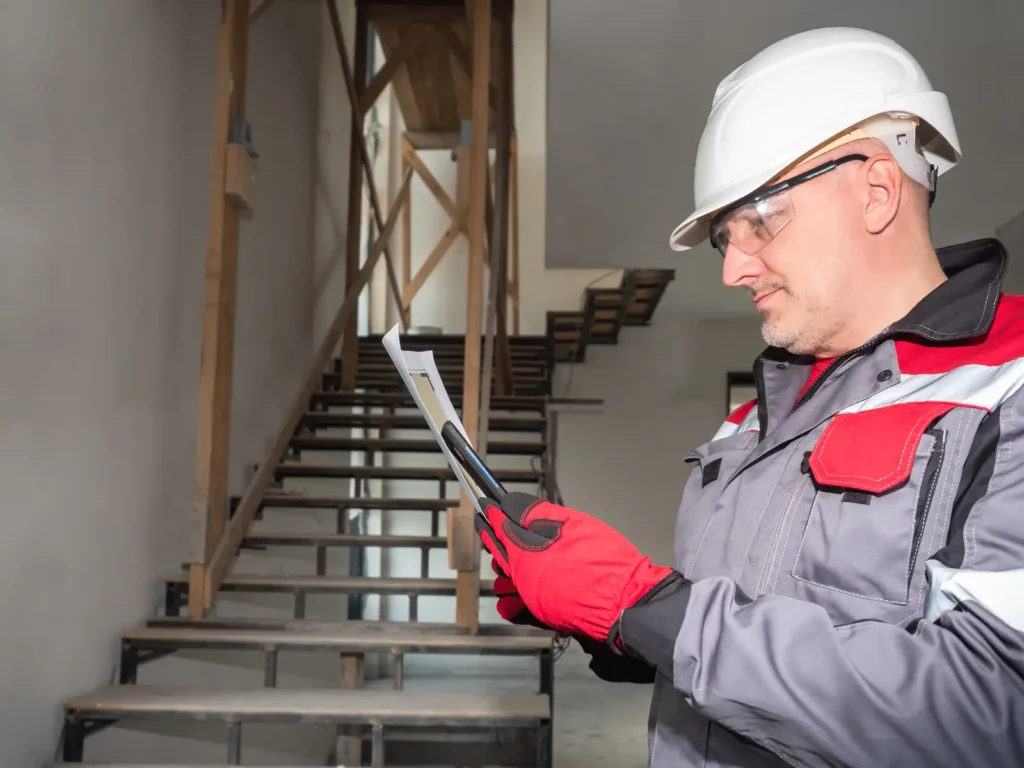
Designated Substance Survey
In Ontario, a DSS report is required before construction, demolition or renovation work.
Learn more
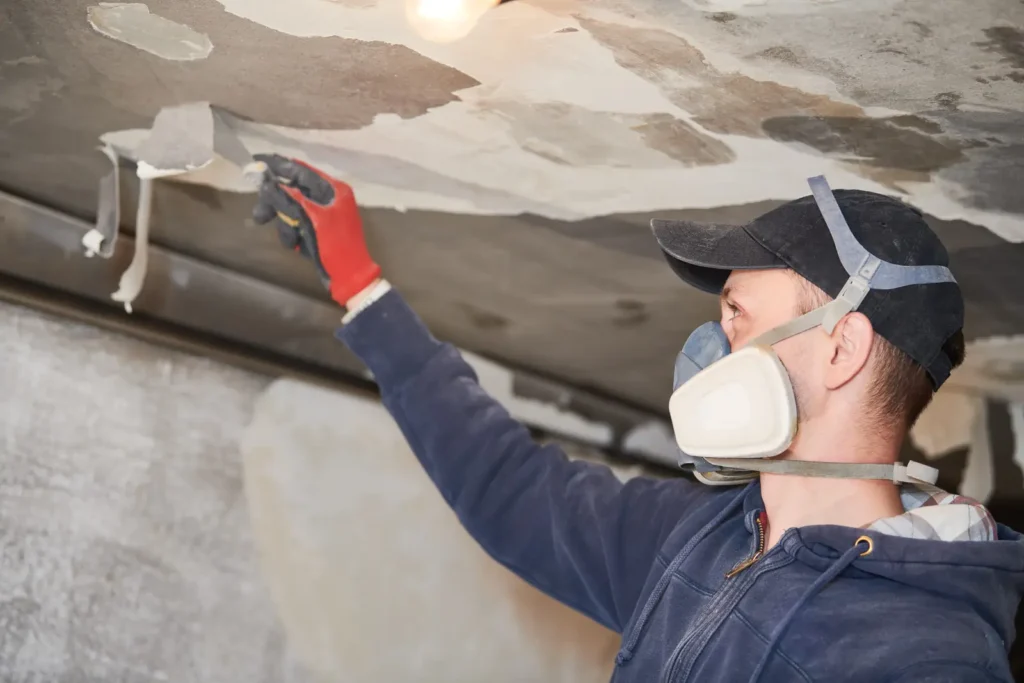
Abatement
Asbestos removal as a Type 1, 2 or 3 procedure: we can help with a contractor referral and estimate.
Learn more
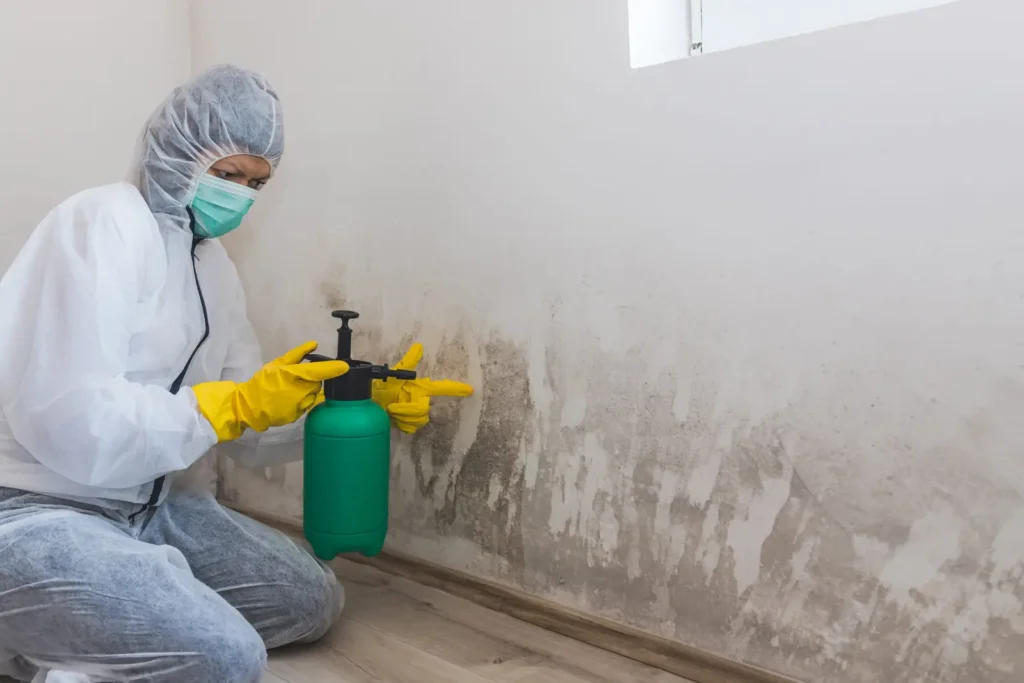
Remediation
Removal of mould-impacted materials as a Level 1, 2 or 3 procedure: contractor referral and estimate.
Learn more
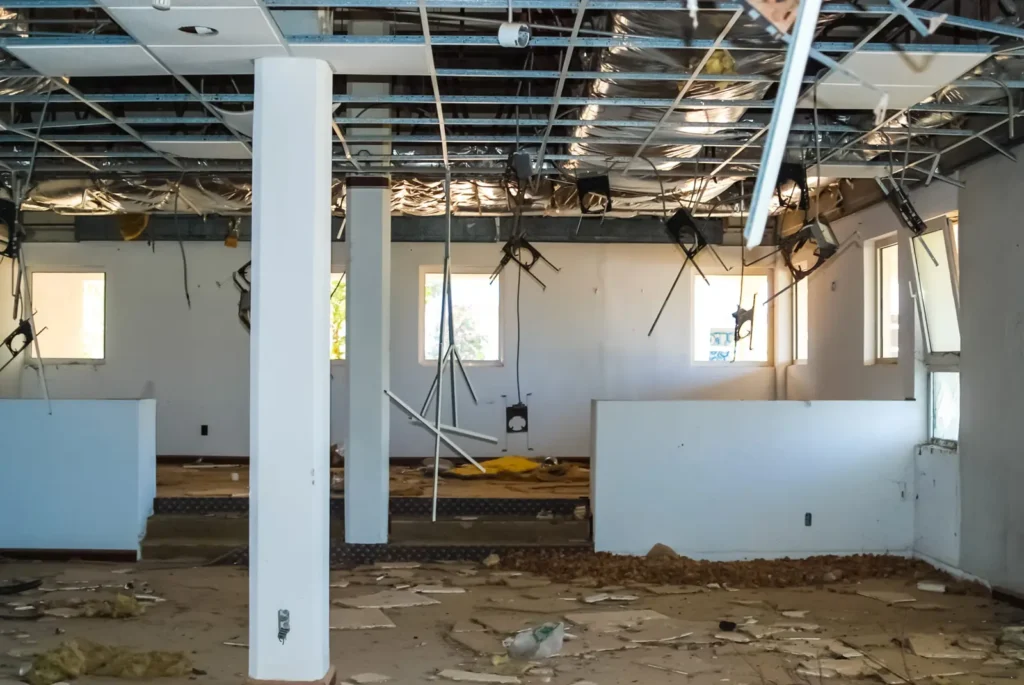
Demolition
Structural or interior demolition: we guide you through the process, with a contractor referral and estimate.
Learn more