
Asbestos & mould testing · Burlington & GTA
Protecting your health and property with expert environmental services.
Based in Burlington, Ontario, EnviroGuard Consulting and Testing is your trusted partner in ensuring a safe, healthy living and working environment. We specialize in professional asbestos and mould testing, providing accurate lab results and expert interpretations to help you make informed decisions for remediation.
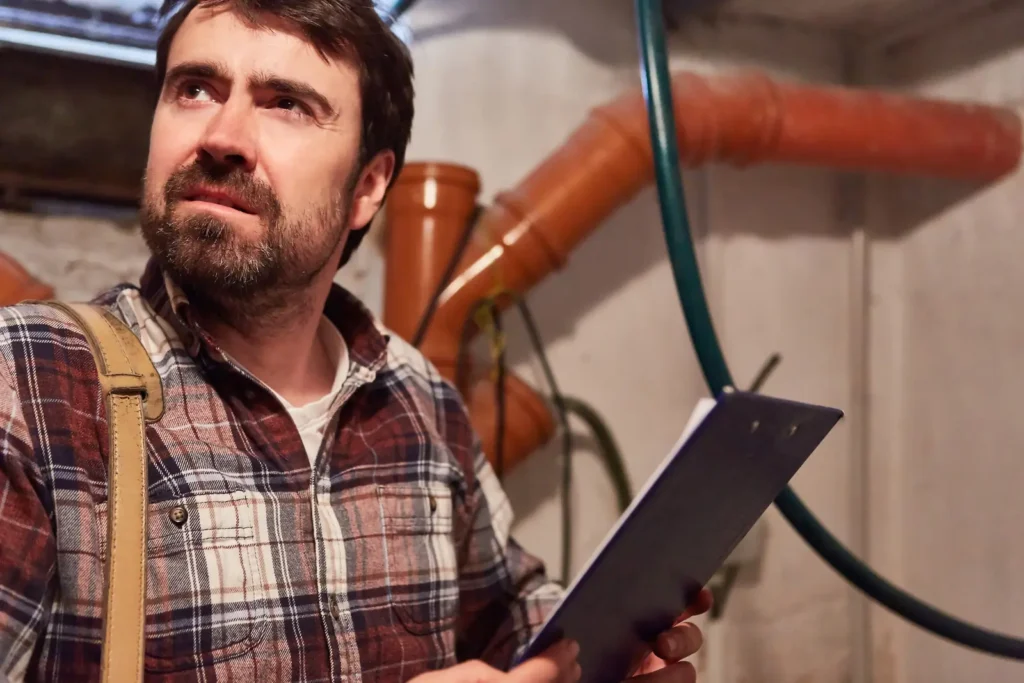
Lab Tested Mould Sample Burlington
Mould testing in Burlington requires more than a visual inspection-it demands certified sampling, laboratory analysis, and expert interpretation to protect your property and health. EnviroGuard Consulting and Testing provides lab tested mould sample analysis for residential and commercial properties across Burlington, Oakville, Hamilton, and the Halton Region, delivering the technical accuracy and clear recommendations property owners need to make informed decisions.
What Makes Laboratory Analysis Different From Visual Inspection?
Visual mould identification alone cannot tell you what species of mould is present, whether spore levels are elevated, or which areas pose genuine health risk. Laboratory analysis provides objective, quantifiable data. When EnviroGuard collects mould samples from your Burlington property, they follow strict chain-of-custody protocols and send specimens to an accredited laboratory for microscopic identification and spore concentration measurement.
The laboratory report specifies the mould genus and species present-whether common environmental moulds like Cladosporium and Penicillium, or species of concern like Stachybotrys or Aspergillus. Spore counts are reported as spores per cubic meter of air or colony-forming units per surface sample, depending on the sampling method. Because these measurements are standardized, the results can be compared to baseline outdoor air quality and to published health guidance, revealing whether indoor levels warrant remediation action.
How Does EnviroGuard Collect Mould Samples in Burlington?
EnviroGuard uses two primary sampling methods, each suited to different investigative goals. Air sampling captures spores suspended in the indoor environment using a calibrated cassette pump that draws a known volume of air through a collection device. This method is essential for assessing whether mould spore levels inside your Burlington home or workplace exceed outdoor baseline levels-a key indicator of indoor mould growth.
Surface sampling involves direct collection from visible or suspect mould growth, dust accumulation, or building materials. Samples are lifted onto sterile swabs or tape lifts and sent for laboratory analysis. This approach identifies the specific organisms colonizing a surface and confirms whether visible discoloration is actually mould or a benign stain.
Laboratory confirmation prevents costly, unnecessary remediation of non-mould contamination and identifies actual health risks that visual assessment alone might miss.
Because Burlington's climate and building construction create predictable moisture patterns-basements prone to seasonal seepage, crawl spaces with poor ventilation, and older homes with aging envelope integrity-EnviroGuard has developed a targeted sampling strategy. The certified inspector evaluates your property's history, construction details, and reported health symptoms to determine where sampling will yield actionable information.
What Information Does the Laboratory Report Provide?
An accredited laboratory report from EnviroGuard's testing process includes the mould taxa identified, spore concentration levels, and often a comparative analysis against outdoor air samples collected simultaneously. This context is critical: if your indoor air contains 500 spores per cubic meter of Penicillium while outdoor air contains 400, the indoor elevation is modest. If indoor levels are 2000 spores per cubic meter and outdoor levels are 200, the indoor source is significant.
The report also notes any moulds of particular concern-species associated with allergenic, toxigenic, or pathogenic potential. While not all moulds are harmful, certain species warrant faster remediation timelines, particularly in homes with occupants who have asthma, allergies, or immunocompromised status.
EnviroGuard interprets these technical results in plain language and provides actionable next steps. If mould is confirmed, the report explains the probable moisture source, recommends whether professional remediation is necessary, and outlines preventive measures to avoid recurrence.
Why Choose Certified Testing Over DIY Mould Kits?
Over-the-counter mould test kits sold online do not provide meaningful results. These kits typically expose a petri dish to indoor air for 24 or 48 hours, then ask the homeowner to mail it for culture analysis. The process lacks standardization: no calibrated sampling rate, no control for contamination during collection or shipping, and no comparison to outdoor baseline. A Burlington homeowner may receive a result showing mould growth in the petri dish but have no way to know whether the spore level in their actual home is high, low, or typical.
EnviroGuard's certified approach follows EPA and AIHA (American Industrial Hygiene Association) sampling protocols. The inspector uses calibrated equipment, documents exact sampling locations and duration, and maintains chain-of-custody documentation. The laboratory performs quality assurance checks and provides results that meet standards for remediation decisions, insurance claims, and health assessment.
When Should Burlington Property Owners Request Mould Testing?
Mould testing is warranted in several scenarios. If you notice visible mould growth, discolored patches, or water damage, EnviroGuard can confirm the extent and identity of contamination. If occupants experience respiratory symptoms, allergic reactions, or persistent health issues that worsen indoors, an air quality assessment including mould analysis may identify environmental triggers. Real estate buyers in Burlington conducting due diligence on older homes often request testing before closing; the lab results provide objective evidence to support repair negotiations or informed acceptance of the property condition.
Property managers overseeing rental units or commercial buildings may use periodic air quality testing to verify that moisture management and cleaning protocols are effective. Insurance companies sometimes require certified testing before approving mould damage claims.
If you suspect mould in your Burlington or Halton Region property, or if occupant health concerns point to indoor air quality issues, contact EnviroGuard Consulting and Testing to discuss your situation. The certified inspector will assess your property, recommend appropriate sampling, and deliver laboratory-confirmed results with clear, professional guidance on next steps.
Frequently Asked Questions
How long does it take to get lab tested mould sample results from EnviroGuard in Burlington?
Typically, laboratory analysis takes 5 to 10 business days after samples are submitted. EnviroGuard coordinates pickup and delivery to ensure prompt processing. You will receive a detailed written report with certified findings and interpretation.
What should I do if a lab tested mould sample shows elevated spore levels in my Burlington home?
EnviroGuard's report will identify the probable moisture source and recommend whether professional remediation is needed. Most elevated mould results stem from bathroom humidity, basement moisture, or roof leaks-issues that can be addressed through moisture control and targeted cleaning or professional removal.
Is mould testing in Burlington covered by homeowners insurance?
Standard homeowners policies do not cover mould testing or remediation as routine maintenance. However, if mould results from a covered peril-such as water damage from a burst pipe-your insurer may cover testing and remediation. EnviroGuard's certified reports are widely accepted by insurance adjusters for damage claim documentation.
Can I get a lab tested mould sample collected at my commercial property in Hamilton or Oakville?
Yes, EnviroGuard serves commercial properties across the Halton Region, including Hamilton and Oakville. Mould testing for offices, warehouses, retail spaces, and other commercial buildings follows the same accredited protocol as residential testing, with reports suitable for occupant health assessment and regulatory compliance.
Why EnviroGuard
Experience, integrity and regulatory conformity
Regulations
- O. Reg. 278/05 Asbestos on construction projects and in buildings and repair operationsOccupational Health and Safety Act
- O. Reg. 490/09 Designated substancesOccupational Health and Safety Act
- O. Reg. 347/90 General waste management, including asbestos wasteEnvironmental Protection Act
Under the Occupational Health and Safety Act (OHSA), the ministry is responsible for regulating occupational health and safety in workplaces, which includes schools, hospitals, and any place where people work.
Experience
With over 30 years of experience in solid waste management across Ontario and 20 years in environmental science, EnviroGuard Consulting and Testing provides expert asbestos, mould, and environmental testing services.
Hands-on knowledge of hazardous material assessment and indoor air quality ensures every project is handled safely, efficiently, and in full compliance with Ontario’s environmental and occupational health regulations.
Integrity
Built on high integrity and regulatory conformity, EnviroGuard delivers precise testing, reliable reporting, and practical abatement and remediation recommendations.
Clients can trust EnviroGuard to protect their buildings, occupants, and projects while maintaining the highest standards of safety and compliance.
Our services
Environmental testing and consulting
At EnviroGuard, we offer a comprehensive range of environmental testing and consulting services for homes and businesses.
Asbestos testing
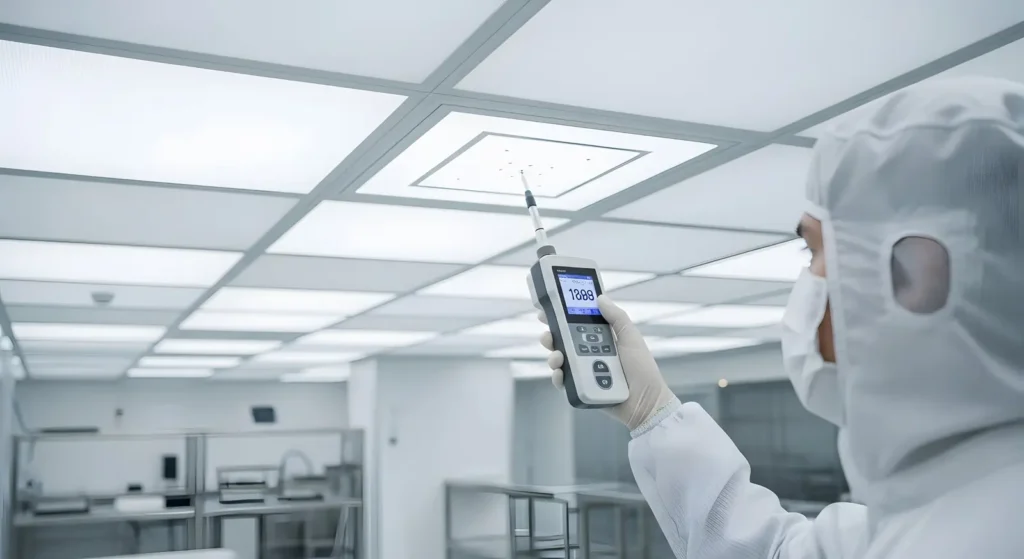
Asbestos Air Quality Testing
Air samples show whether asbestos fibres are present and at what concentration. Required for Type 3 work under O. Reg. 278/05.
Learn more
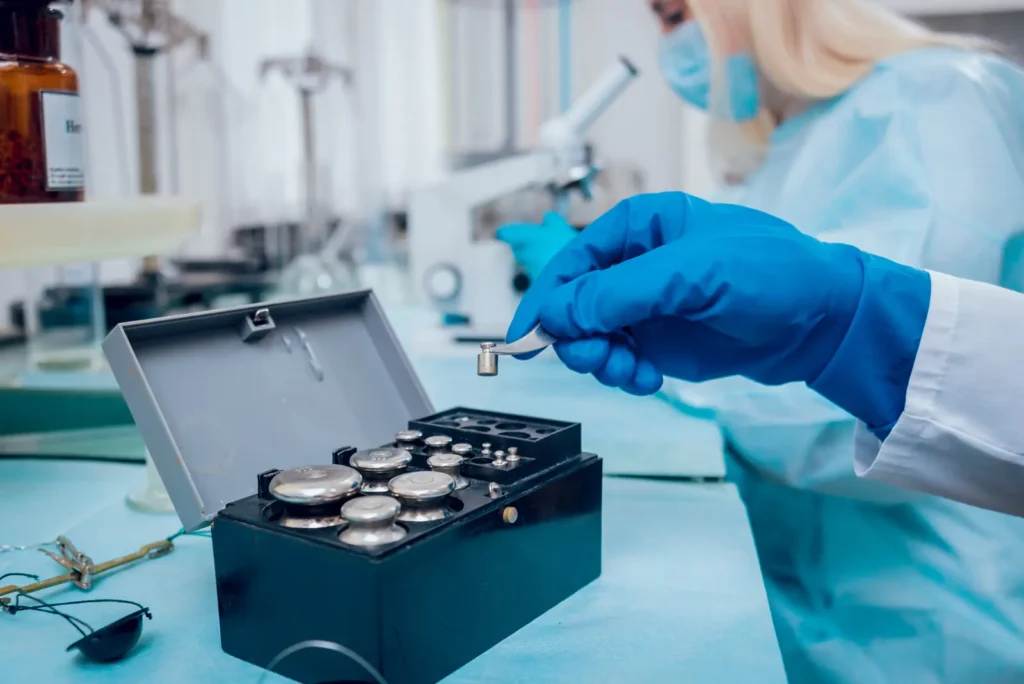
Asbestos Bulk Testing
Samples of drywall compound, insulation, flooring, ceiling tiles, plaster and more, before renovation or demolition.
Learn more

Asbestos Summary Reports
All asbestos findings, both air and bulk, compiled into one easy-to-read document.
Learn more
Mould testing
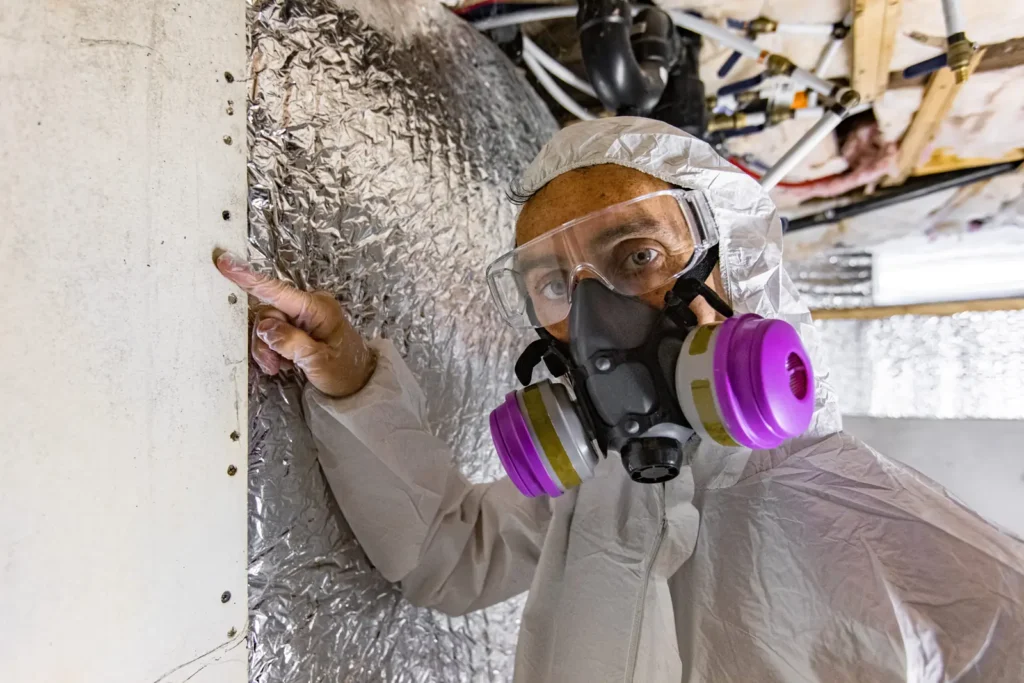
Mould Air Quality Testing
Indoor mould spore readings compared to outdoor baseline levels. A good background if mould is suspected.
Learn more
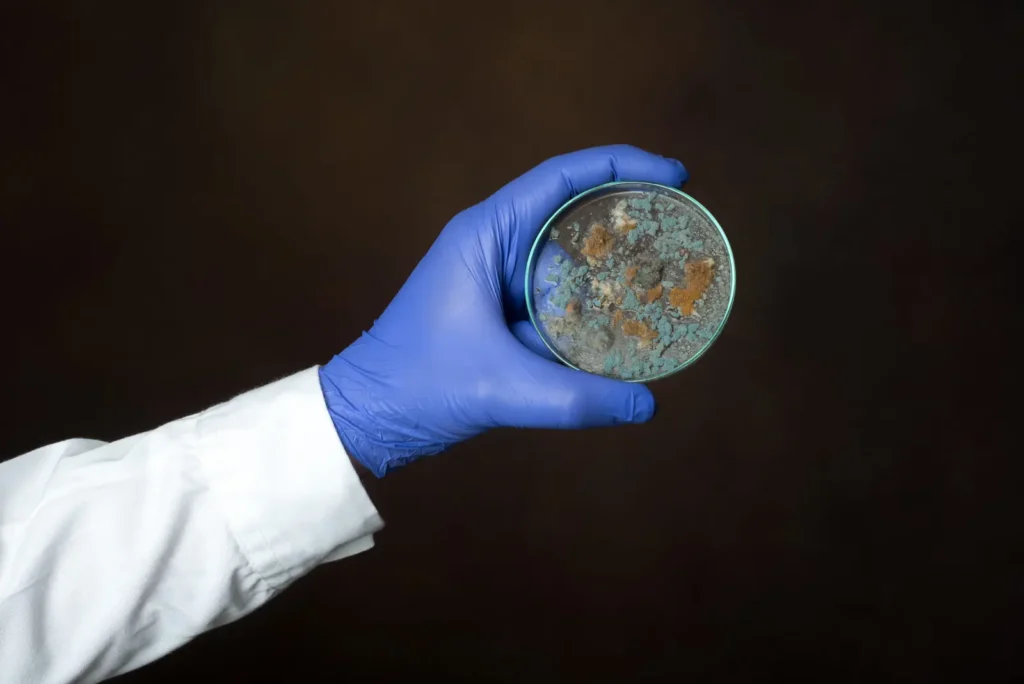
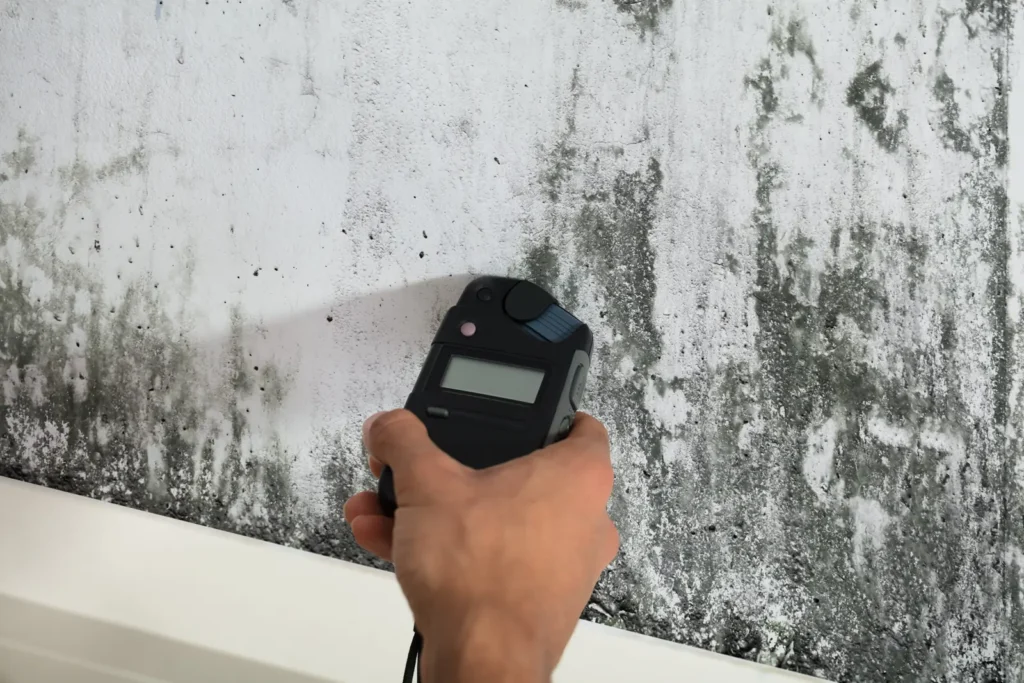
Mould Assessments
Visual inspection, moisture readings, air and/or surface sampling, source identification and recommendations.
Learn more
Surveys, removal and demolition
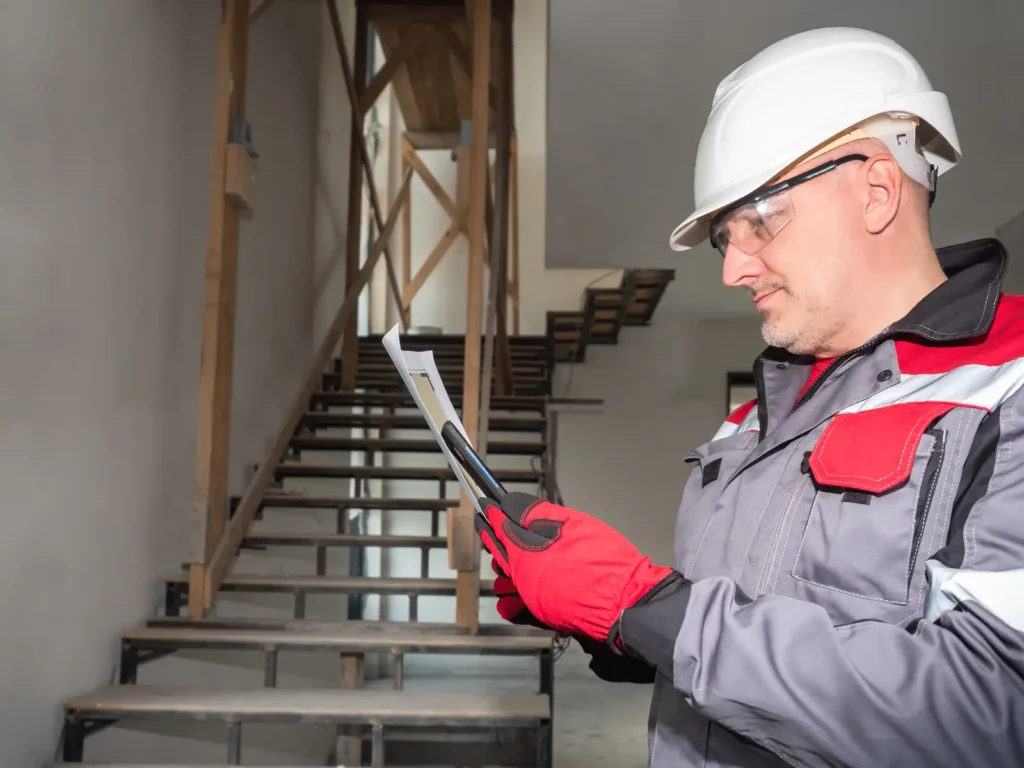
Designated Substance Survey
In Ontario, a DSS report is required before construction, demolition or renovation work.
Learn more
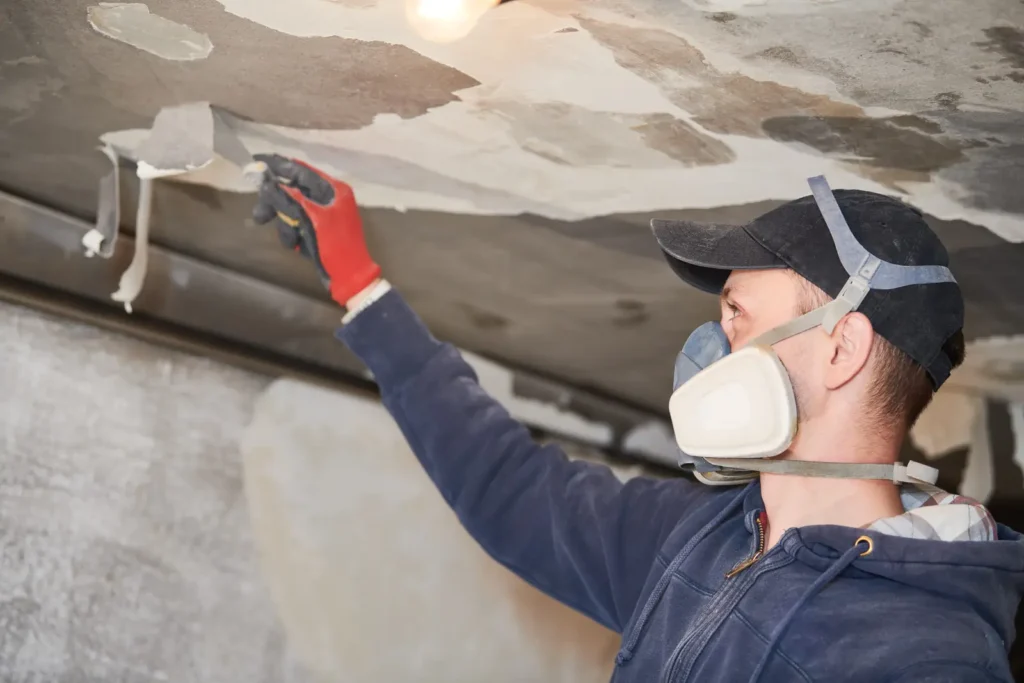
Abatement
Asbestos removal as a Type 1, 2 or 3 procedure: we can help with a contractor referral and estimate.
Learn more
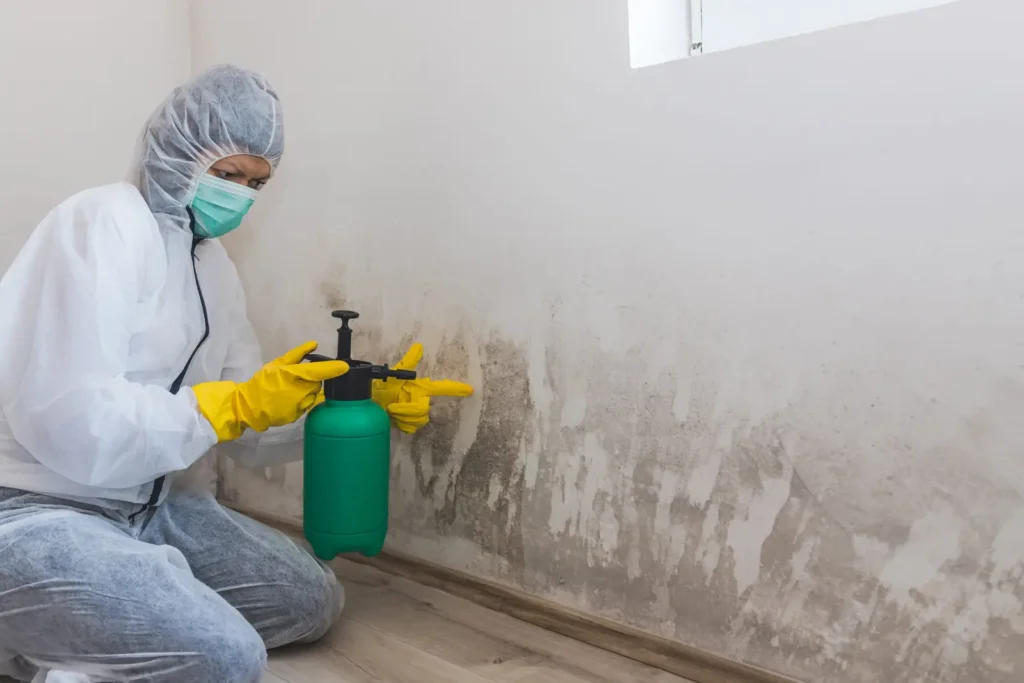
Remediation
Removal of mould-impacted materials as a Level 1, 2 or 3 procedure: contractor referral and estimate.
Learn more
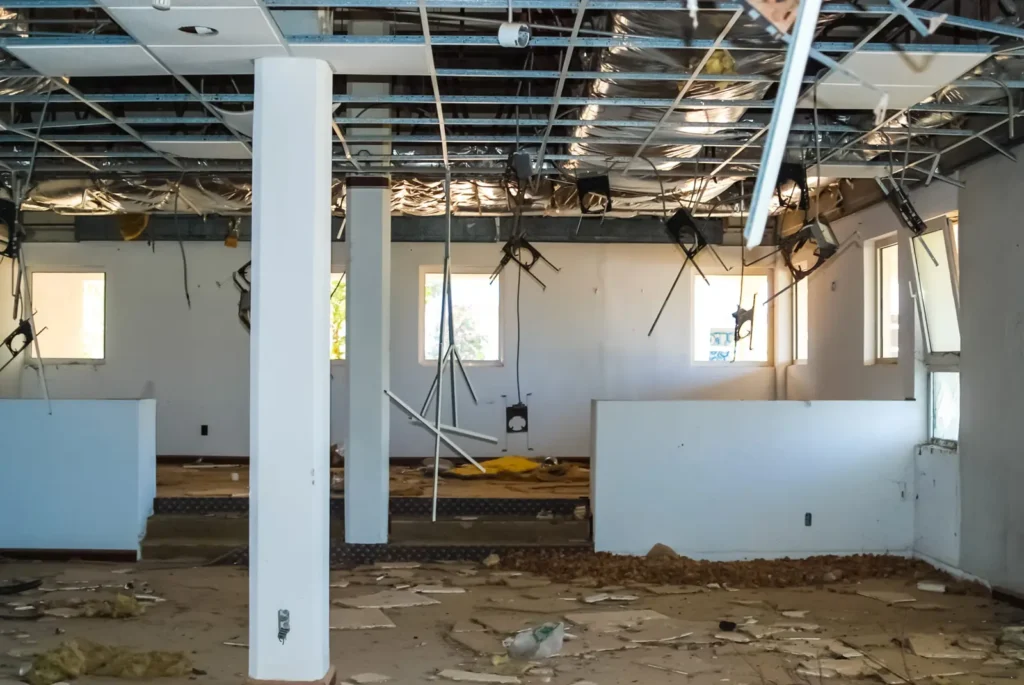
Demolition
Structural or interior demolition: we guide you through the process, with a contractor referral and estimate.
Learn more