
Asbestos & mould testing · Burlington & GTA
Protecting your health and property with expert environmental services.
Based in Burlington, Ontario, EnviroGuard Consulting and Testing is your trusted partner in ensuring a safe, healthy living and working environment. We specialize in professional asbestos and mould testing, providing accurate lab results and expert interpretations to help you make informed decisions for remediation.
Mold Inspection Burlington
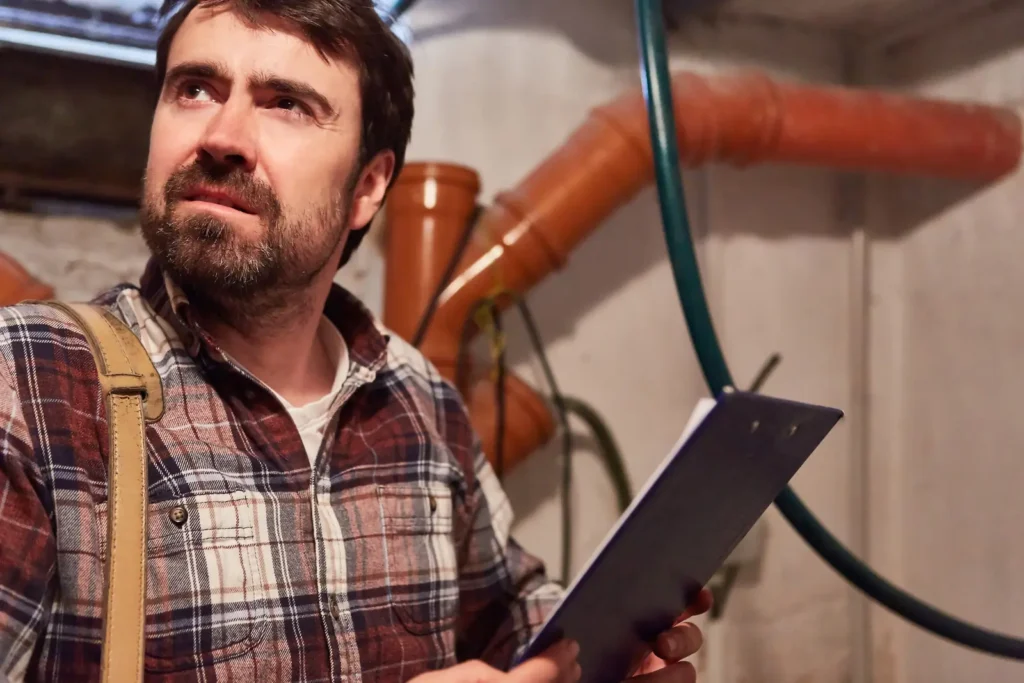
Mold inspection in Burlington is the process of identifying, sampling, and analyzing mold growth in residential or commercial properties to assess indoor air quality and health risk. If you suspect mold in your Burlington home or business, understanding the inspection process helps you know what to expect and why each step matters for your family's or tenants' safety.
This guide walks you through how a professional mold inspection works, from the initial assessment through laboratory analysis and recommendations. By the end, you will understand what certified inspectors look for, how samples are collected, and what the results mean for your property.
Step 1: Schedule a Visual Assessment and History Review
Contact a certified environmental testing provider to arrange an on-site visit. Before the inspector arrives, gather information about your property: when it was built, any past water damage, visible discoloration on walls or ceilings, and whether anyone in your household has experienced respiratory issues or allergies. This history helps the inspector prioritize which areas to examine first.
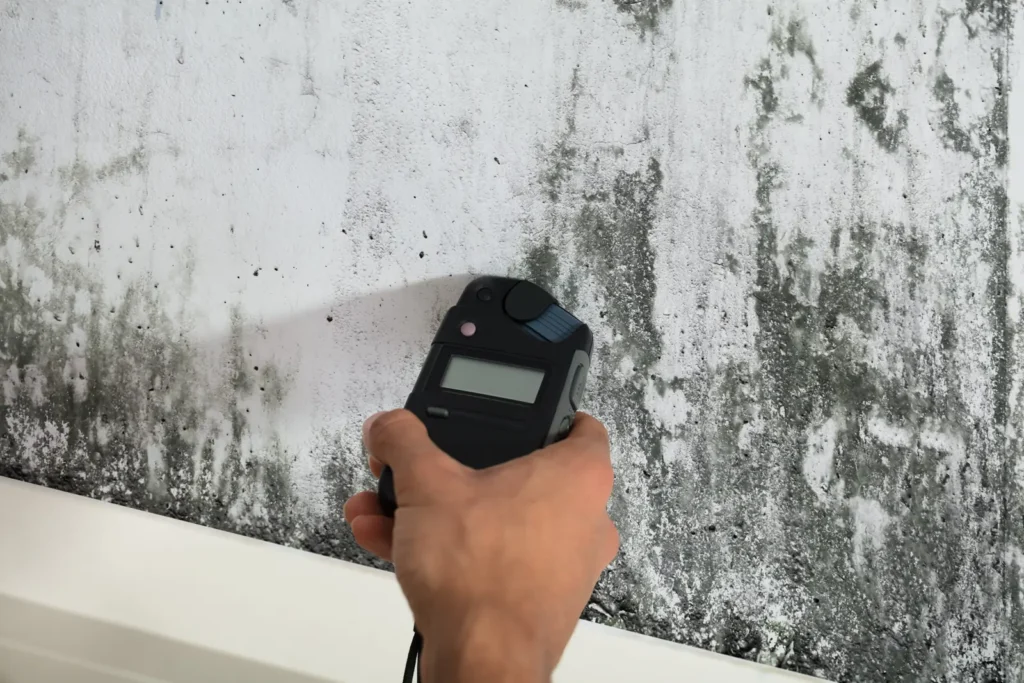
During the initial visit, the inspector will walk through your Burlington property and document moisture sources, ventilation patterns, and areas where mold growth is visible or suspected. They will check bathrooms, basements, crawl spaces, HVAC systems, and any rooms with a history of leaks or high humidity. This visual phase typically takes 30 to 60 minutes and requires no equipment beyond a flashlight and moisture meter.
Step 2: Identify Sampling Locations and Collection Methods
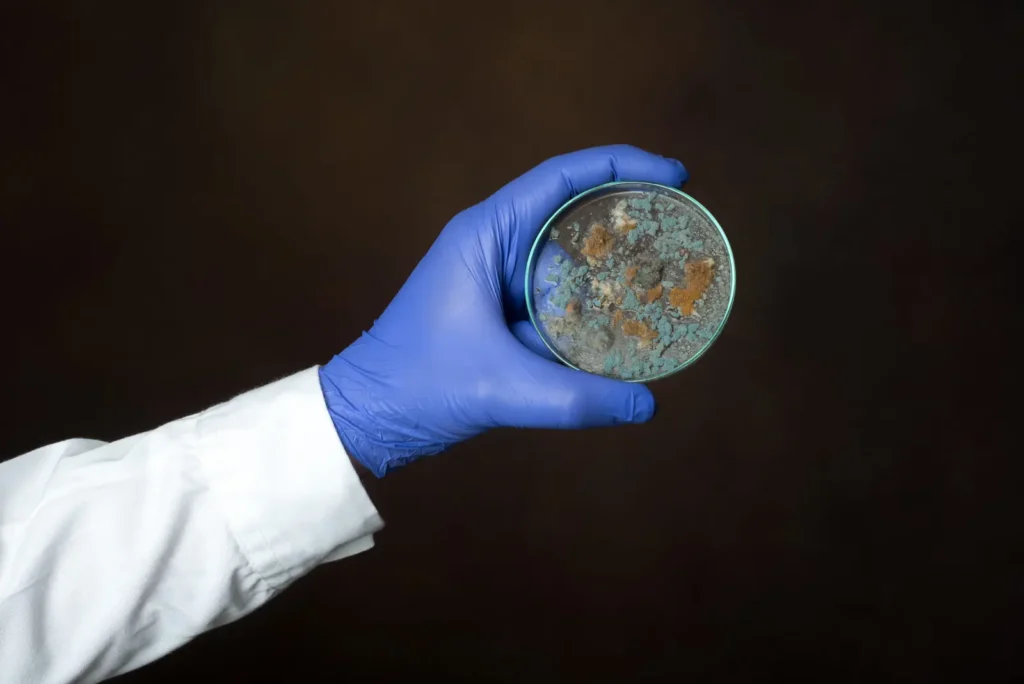
Not all mold is visible to the naked eye. After the visual walk-through, the certified inspector determines which areas need laboratory analysis. Samples may be collected using three primary methods: air samples, surface samples, or tape lifts. air sampling draws mold spores from the indoor environment and compares them to outdoor levels, revealing whether indoor air quality has been compromised. Surface sampling involves collecting material directly from suspected mold growth. Tape lifts capture spores from surfaces like window sills or ductwork without disturbing the area.
The inspector will explain which sampling method is appropriate for each location and why. For example, if you report musty odors but no visible growth, air sampling may be recommended to detect mold spores circulating through your home. If discoloration is visible on drywall, a surface sample provides direct evidence of the mold species present. EnviroGuard Consulting and Testing uses industry-standard collection protocols to ensure samples are representative and defensible.
Step 3: Collect and Prepare Samples for Laboratory Analysis
The inspector uses sterile equipment to collect samples according to established protocols. For air samples, a pump draws a measured volume of air through a collection cassette over a set time period. Surface samples are scraped or swabbed into sterile containers. All samples are labeled with the location, date, time, and environmental conditions, then sealed in containers that prevent contamination during transport.
Chain of custody documentation is maintained from collection through delivery to the laboratory. This record ensures the integrity of the samples and is critical if results are needed for insurance claims, real estate transactions, or legal purposes. Samples are typically delivered to an accredited laboratory within 24 hours of collection.
Step 4: Analyze Results and Interpret Findings
Laboratory analysis identifies the mold species present and, in the case of air samples, quantifies the concentration of spores. Results are compared to outdoor baseline levels and to industry guidelines for acceptable indoor levels. A concentration significantly higher indoors than outdoors suggests active mold growth or poor ventilation. Certain mold species, such as Stachybotrys or Aspergillus, may warrant more immediate attention due to potential health effects, particularly for individuals with compromised immune systems or respiratory conditions.
EnviroGuard Consulting and Testing provides a written report that explains what the laboratory found, what it means for your property, and whether remediation is recommended. The report is written for non-technical readers and includes clear guidance on next steps. If mold is confirmed, the report may recommend moisture control, ventilation improvements, or professional remediation depending on the extent and location of growth.
Step 5: Develop an Action Plan and Monitor Remediation
Once results are in hand, you have several options. If mold levels are low and isolated to a small area, you may be able to clean and monitor the space yourself. If contamination is extensive or involves species of concern, professional remediation is typically necessary. The certified inspector can recommend qualified contractors and outline what remediation should address: removing contaminated materials, treating surfaces, and correcting the moisture source to prevent recurrence.
After remediation is complete, a follow-up inspection and air sample can confirm that mold levels have returned to acceptable ranges. This verification step is particularly important for commercial properties, insurance claims, or real estate sales, and it provides peace of mind that the problem has been fully resolved.
Why Professional Mold Inspection in Burlington Matters
Attempting to assess mold on your own carries risks. Visual inspection alone misses mold hidden behind walls, in ductwork, or in other inaccessible areas. Laboratory analysis requires proper training and equipment, and results must be interpreted in context of building history and environmental conditions. A certified inspector brings expertise that saves time and ensures accurate findings.
Residents and business owners throughout Burlington, Oakville, Hamilton, and the Halton Region benefit from professional assessment because it removes guesswork and provides documentation that holds up in real estate transactions, insurance claims, and health-related decisions. EnviroGuard Consulting and Testing delivers laboratory-backed results and expert interpretation, so you can act with confidence.
If you have noticed signs of mold, experienced water damage, or want baseline indoor air quality testing for your Burlington property, EnviroGuard Consulting and Testing is ready to help. Contact them to schedule your inspection and receive a detailed report with actionable recommendations tailored to your home or business.
Frequently Asked Questions
How long does a mold inspection in Burlington take?
A typical visual assessment and sampling takes 30 to 60 minutes on-site. Laboratory analysis of samples takes 3 to 7 business days, depending on the number of samples and the lab's schedule. You will receive a written report with findings and recommendations once analysis is complete.
What should I do if mold is found during the inspection?
The certified inspector will provide a written report explaining the mold species, concentration levels, and whether remediation is recommended. For isolated or low-level contamination, careful cleaning and moisture control may be sufficient. Extensive contamination or species of concern typically requires professional remediation to remove affected materials and correct the moisture source.
Is mold inspection covered by homeowners insurance in Burlington?
Coverage varies by policy and insurer. Some policies cover mold testing if it results from a covered loss, such as sudden water damage. Document all communication with your insurance provider and request their guidance before scheduling an inspection. A certified report from EnviroGuard Consulting and Testing supports any claim you file.
Why EnviroGuard
Experience, integrity and regulatory conformity
Regulations
- O. Reg. 278/05 Asbestos on construction projects and in buildings and repair operationsOccupational Health and Safety Act
- O. Reg. 490/09 Designated substancesOccupational Health and Safety Act
- O. Reg. 347/90 General waste management, including asbestos wasteEnvironmental Protection Act
Under the Occupational Health and Safety Act (OHSA), the ministry is responsible for regulating occupational health and safety in workplaces, which includes schools, hospitals, and any place where people work.
Experience
With over 30 years of experience in solid waste management across Ontario and 20 years in environmental science, EnviroGuard Consulting and Testing provides expert asbestos, mould, and environmental testing services.
Hands-on knowledge of hazardous material assessment and indoor air quality ensures every project is handled safely, efficiently, and in full compliance with Ontario’s environmental and occupational health regulations.
Integrity
Built on high integrity and regulatory conformity, EnviroGuard delivers precise testing, reliable reporting, and practical abatement and remediation recommendations.
Clients can trust EnviroGuard to protect their buildings, occupants, and projects while maintaining the highest standards of safety and compliance.
Our services
Environmental testing and consulting
At EnviroGuard, we offer a comprehensive range of environmental testing and consulting services for homes and businesses.
Asbestos testing
Asbestos Air Quality Testing
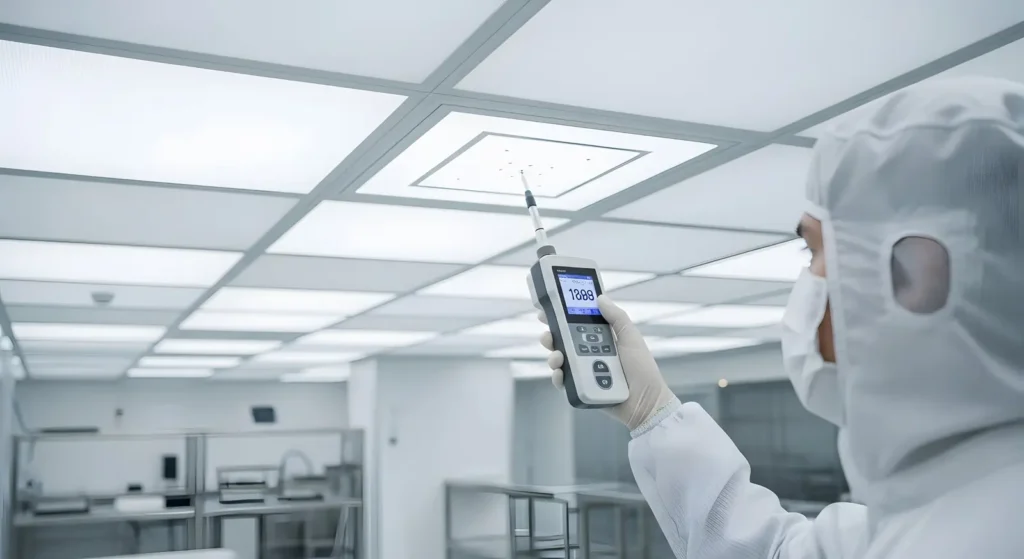
Air samples show whether asbestos fibres are present and at what concentration. Required for Type 3 work under O. Reg. 278/05.
Learn more
Asbestos Bulk Testing
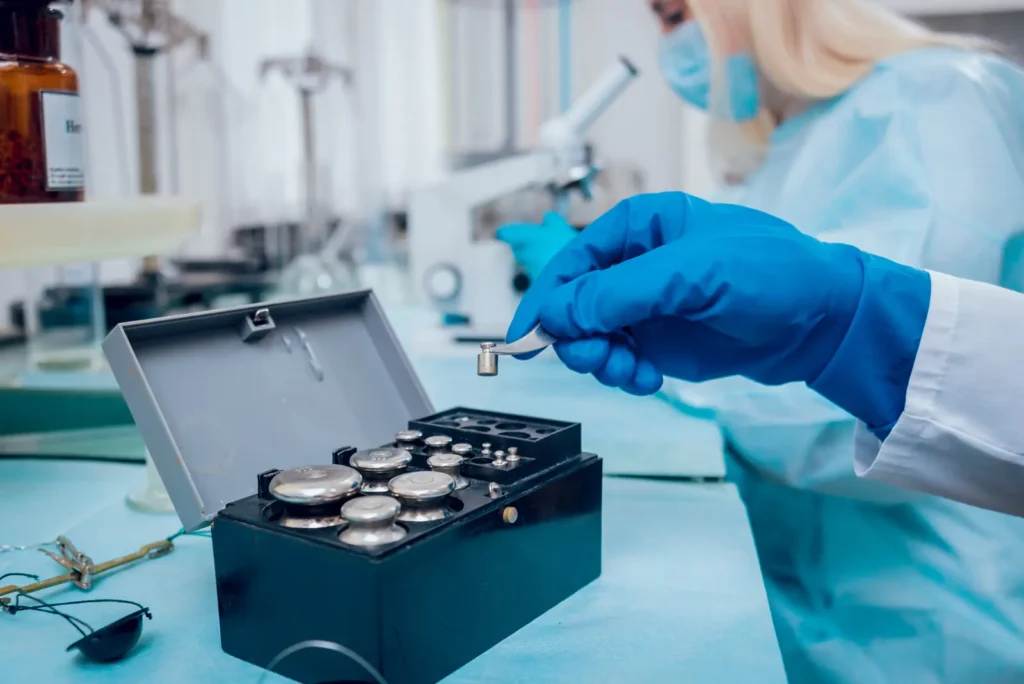
Samples of drywall compound, insulation, flooring, ceiling tiles, plaster and more, before renovation or demolition.
Learn more

Asbestos Summary Reports
All asbestos findings, both air and bulk, compiled into one easy-to-read document.
Learn more
Mould testing
Mould Air Quality Testing
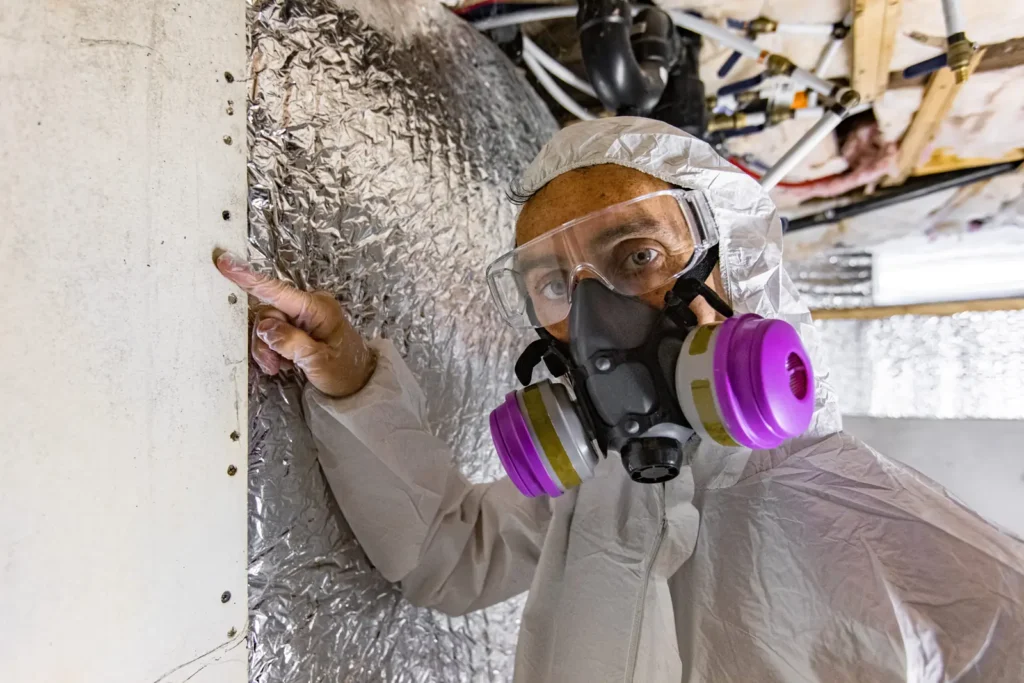
Indoor mould spore readings compared to outdoor baseline levels. A good background if mould is suspected.
Learn more
Mould Assessments
Visual inspection, moisture readings, air and/or surface sampling, source identification and recommendations.
Learn more
Surveys, removal and demolition
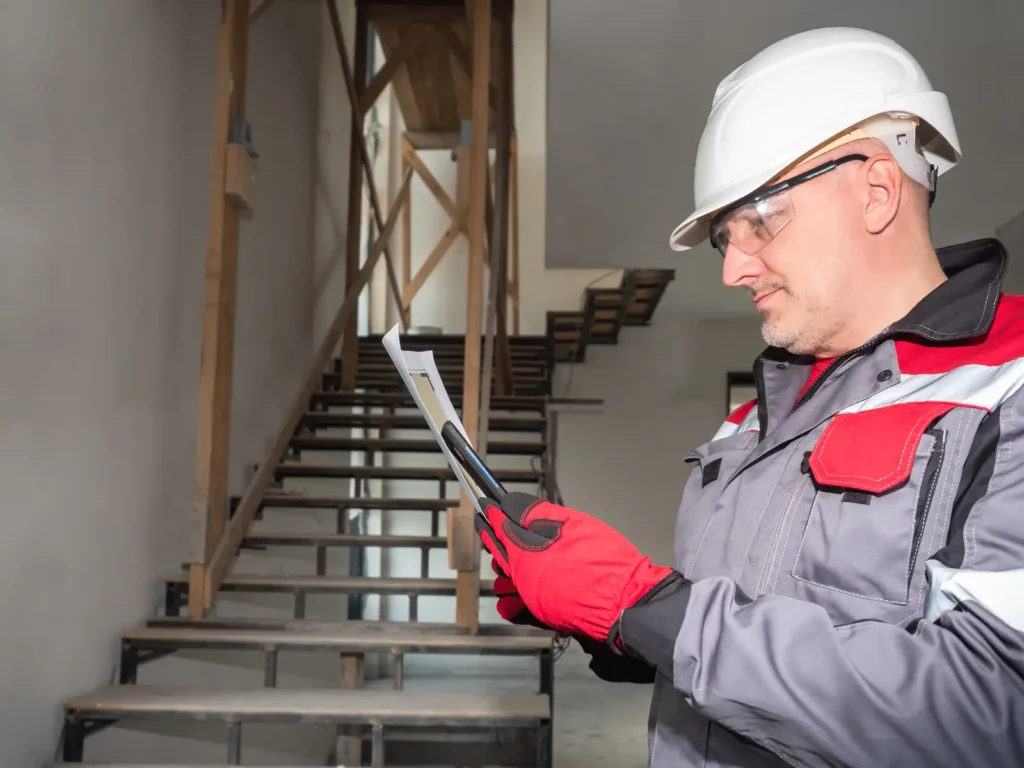
Designated Substance Survey
In Ontario, a DSS report is required before construction, demolition or renovation work.
Learn more
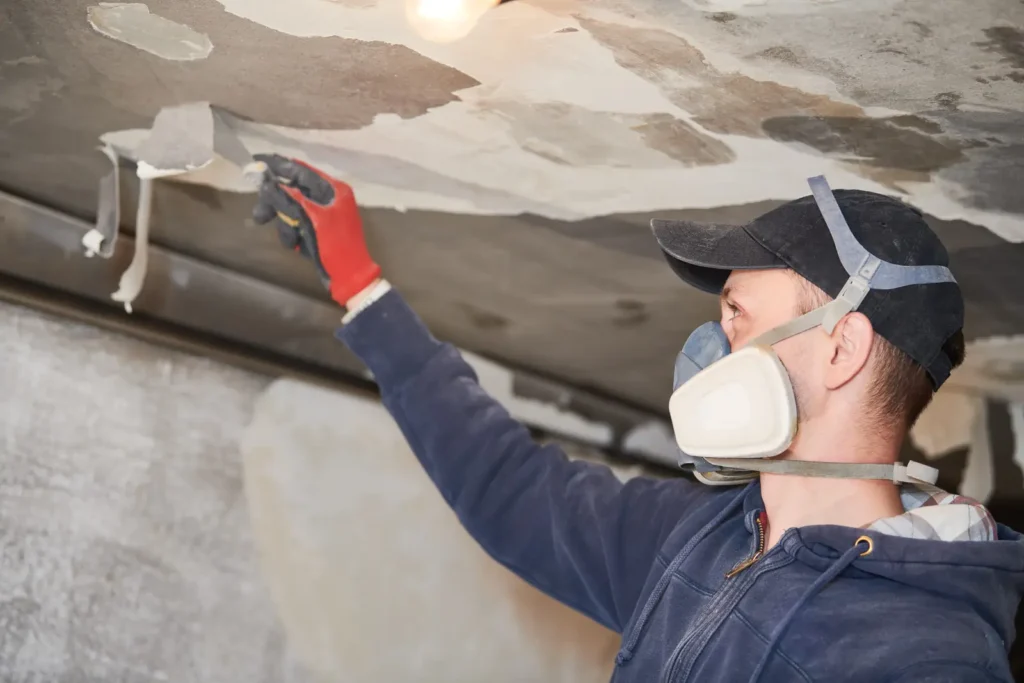
Abatement
Asbestos removal as a Type 1, 2 or 3 procedure: we can help with a contractor referral and estimate.
Learn more
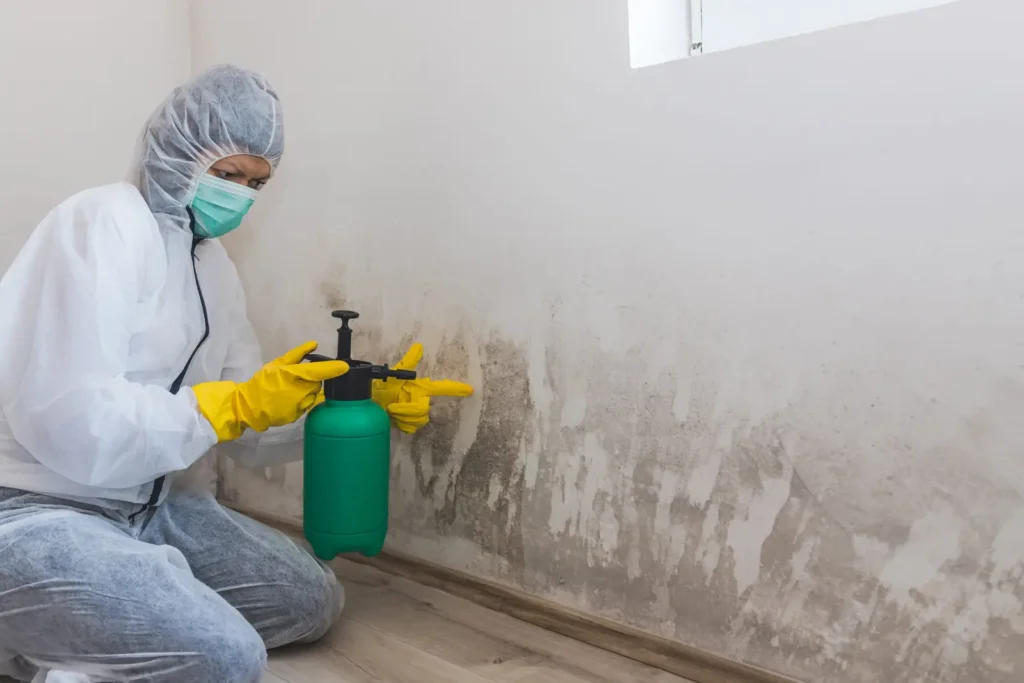
Remediation
Removal of mould-impacted materials as a Level 1, 2 or 3 procedure: contractor referral and estimate.
Learn more
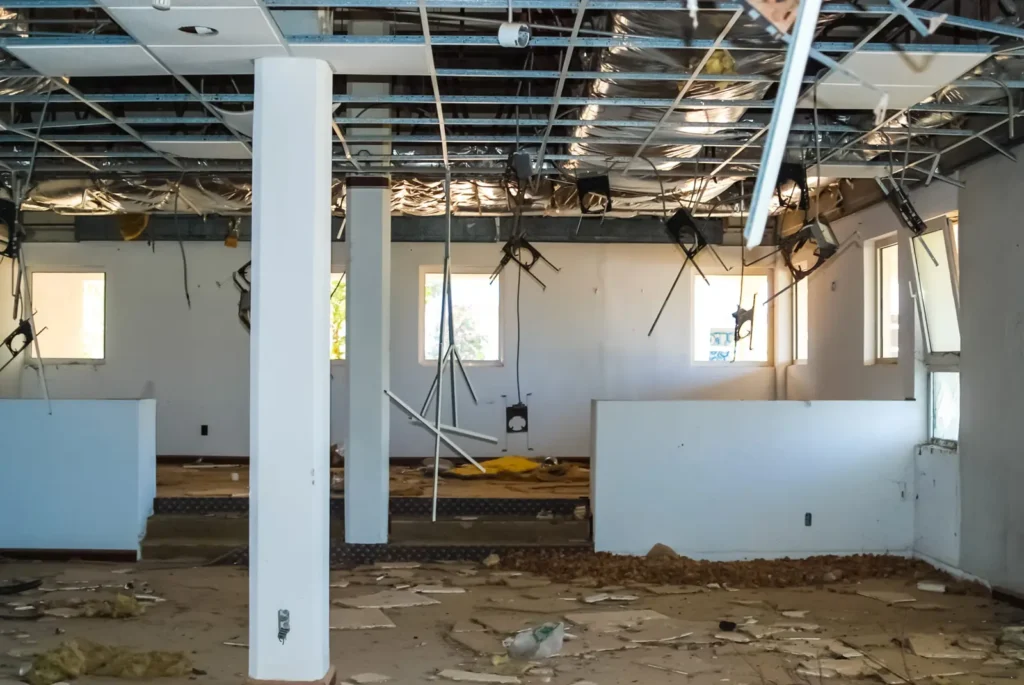
Demolition
Structural or interior demolition: we guide you through the process, with a contractor referral and estimate.
Learn more