
Asbestos & mould testing · Burlington & GTA
Protecting your health and property with expert environmental services.
Based in Burlington, Ontario, EnviroGuard Consulting and Testing is your trusted partner in ensuring a safe, healthy living and working environment. We specialize in professional asbestos and mould testing, providing accurate lab results and expert interpretations to help you make informed decisions for remediation.
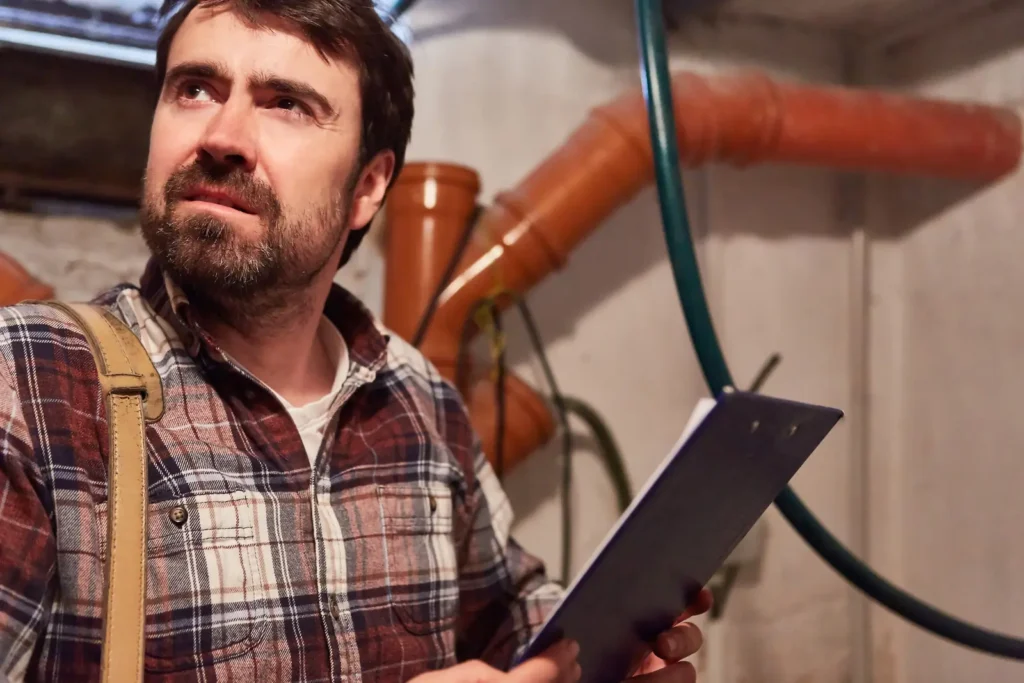
Mold Inspection Near Me Burlington
Mold inspection near me in Burlington begins with understanding what certified testing involves and how to connect with a qualified inspector who can assess your property accurately.
Burlington homeowners face unique challenges in the Greater Toronto Area's humid climate and older housing stock, both of which create conditions where mould thrives. If you suspect mould in your home-whether from visible growth, musty odours, water damage, or unexplained respiratory symptoms among family members-a professional inspection delivers the certainty you need to act. This guide walks you through the process of arranging testing, preparing your property, understanding the methodology, and interpreting results so you can make informed decisions about remediation.
Step 1: Identify Visible Signs and Document Problem Areas
Before contacting an inspector, walk through your home and note any visible evidence of mould. Look in bathrooms, basements, crawl spaces, attics, and around windows where condensation accumulates. Mould appears as black, green, or white patches, often with a fuzzy or slimy texture. Take photographs of suspected areas and note their location, size, and any water damage or dampness nearby. Document whether the area has a musty smell-a damp, earthy odour that often signals mould presence even before visible growth appears.
Pay particular attention to areas where moisture collects: under sinks, around HVAC ducts, in basement corners, and where roof or window leaks have occurred. If you have experienced a recent water event-burst pipe, foundation seepage, roof leak, or flooding-prioritize inspection of affected zones. This documentation helps the inspector understand the scope of the problem and directs sampling to the most likely problem areas. Do not attempt to clean visible mould before inspection; doing so may remove evidence that helps identify the contamination source.
Step 2: Understand What Certified Mold Testing Involves
Professional mold testing combines visual inspection with air sampling and bulk material testing to detect both visible and hidden contamination. A certified inspector like those at EnviroGuard Consulting and Testing will visually assess your home's condition, identify moisture sources, and determine whether air sampling or material sampling is warranted. Air sampling measures mould spore concentrations using specialized equipment, while bulk sampling involves collecting small pieces of suspect material-drywall, insulation, or wood-for laboratory analysis.
The methodology is standardized: air samples are drawn using calibrated pumps that pull a known volume of air through a collection device over a set period, typically 10 to 30 minutes. These samples are then sent to an accredited laboratory where spores are cultured and counted under a microscope. Bulk samples are examined to identify mould species present and assess contamination level. Results are compared against baseline outdoor air or industry standards to determine whether indoor mould levels are elevated. This technical approach provides objective data rather than relying on visual assessment alone, which can miss contamination hidden behind walls or in HVAC systems.
Step 3: Contact EnviroGuard Consulting and Testing to Schedule Inspection
Reach out to EnviroGuard Consulting and Testing to arrange your mold inspection in Burlington. When you call, describe the areas of concern, any water damage history, and symptoms household members have experienced. Provide the age of your home and whether you know of any previous mould issues. The more detail you share, the better the inspector can plan the scope of testing and any specific problem areas to prioritize.
Ask about scheduling flexibility so the inspection fits your calendar. Most properties require 2 to 4 hours for a thorough visual assessment and sampling. Request confirmation of whether laboratory fees are included in the inspection cost, how long results typically take, and whether the report will include remediation recommendations. Understanding these details upfront removes uncertainty and helps you budget for any follow-up actions.
Step 4: Prepare Your Home for Inspection Day
On the day of inspection, ensure the inspector has full access to all areas of the home where mould might be present. This includes basements, attics, crawl spaces, under sinks, inside closets, and around HVAC equipment. Clear clutter from these areas so the inspector can move freely and examine walls, ceilings, and floors without obstruction. If you have a basement, ensure it is accessible and that the HVAC system can be inspected.
Do not open windows or run fans immediately before the inspection, as this can alter air quality readings and produce inaccurate results. Keep the home in its normal lived-in state-if you typically have doors closed or certain rooms sealed off, leave them as they are. Make a note of any unusual smells, temperature variations, or humidity issues you have observed; these details help the inspector understand environmental conditions that may contribute to mould growth. If household members have experienced respiratory symptoms like coughing, wheezing, or sinus congestion that worsens indoors, mention this when the inspector arrives.
Step 5: Answer the Inspector's Questions Thoroughly
When the certified inspector from EnviroGuard Consulting and Testing arrives, they will ask detailed questions about your home's history, maintenance, and any water events. Be prepared to discuss when and where you noticed mould or odours, whether there has been any flooding or leaking, how you manage humidity, and whether anyone in the household has health symptoms that might relate to indoor air quality. Explain your heating and cooling system-whether you use air conditioning, humidifiers, or dehumidifiers, and how often you change HVAC filters.
Provide access to mechanical spaces, including the furnace room, water heater area, and crawl spaces or attics. If your home has had prior water damage that was professionally remediated, share documentation of that work. If you have noticed any changes in your home's odour or condition in recent months-such as increased dampness, new stains, or persistent musty smells-describe them in detail. This conversation guides the inspector's sampling strategy and ensures they test the areas most relevant to your concerns.
Step 6: Review the Inspection Report and Laboratory Results
Once laboratory analysis is complete, EnviroGuard Consulting and Testing will provide you with a detailed report. The report includes photographs from the inspection, visual findings, laboratory results with mould species identified, spore counts, and a professional interpretation comparing your indoor air quality to baseline standards. Take time to read the entire report, not just the summary. Understanding the technical details helps you recognize whether contamination is localized or widespread, and whether identified mould species present particular health concerns for your household.
The report should clearly distinguish between mould that is present in normal outdoor levels (which is expected and not a concern) and mould that is elevated indoors (which indicates a problem source and typically requires remediation). If you do not understand any part of the findings, ask the inspector for clarification. A reputable testing firm like EnviroGuard Consulting and Testing will explain results in plain language and answer your questions about what the data means for your home's safety.
Step 7: Develop a Remediation Plan Based on Findings
If the inspection confirms elevated mould, the next step is remediation. The report should include recommendations for addressing the contamination, such as fixing leaks, improving ventilation, reducing humidity, removing affected materials, or engaging a certified mould remediation contractor. Prioritize recommendations based on severity: if testing shows dangerous mould levels or contamination in HVAC systems, remediation is urgent. If mould is confined to a small, accessible area and the source is clear, you may be able to address it yourself if the contaminated area is small enough.
For contamination larger than a few square feet, or if mould has penetrated building materials, porous insulation, or HVAC ducts, hire a licensed remediation company. After remediation is complete, many property owners choose to arrange follow-up air testing to confirm that mould levels have returned to normal. This verification gives confidence that the remediation was thorough and that your indoor air quality has been restored.
If the inspection shows no elevated mould but you have concerns about humidity or moisture control, implement preventive measures: fix any active leaks, improve bathroom and kitchen ventilation, maintain indoor humidity between 30 and 50 percent, and ensure crawl spaces and basements have adequate drainage and ventilation. Regular maintenance prevents mould problems from developing and protects your home's long-term value and your family's health.
EnviroGuard Consulting and Testing is ready to guide you through this entire process. If you are concerned about mould in your Burlington home, reach out to discuss your situation and schedule a certified inspection. A professional assessment will give you the clarity you need and the roadmap to a healthier home.
Frequently Asked Questions
How do I know if I need mold testing in Burlington?
You should consider testing if you notice visible mould growth, persistent musty odours, recent water damage or leaks, condensation on windows, or if household members experience unexplained respiratory symptoms that worsen indoors. Testing is also wise after flooding or if you are buying a home in Burlington and want assurance about indoor air quality. A certified inspector can assess whether your specific situation warrants air sampling or bulk material testing.
What is the cost of mold inspection near me in Burlington?
Mold inspection costs in Burlington vary based on home size, number of samples required, and whether air sampling or bulk sampling is needed. A typical residential inspection ranges from several hundred dollars to over a thousand, depending on scope. Contact EnviroGuard Consulting and Testing directly for a quote based on your home's size and the areas requiring testing.
How long does mold testing take and when will I get results?
A visual inspection and on-site sampling typically takes 2 to 4 hours depending on the home's size and complexity. Laboratory analysis of samples usually takes 5 to 7 business days. You will receive a detailed written report with photographs, laboratory findings, and professional recommendations for any contamination discovered.
Can I clean mould myself before inspection?
No, you should not clean visible mould before a certified inspection. Cleaning removes evidence that helps the inspector identify the contamination source and determine remediation needs. Let the inspector assess the mould in its current state, then follow their recommendations for safe remediation.
What happens if mold is found in my Burlington home?
If elevated mould is confirmed, the inspection report will recommend remediation steps. These may include fixing moisture sources, improving ventilation, removing contaminated materials, or hiring a licensed remediation contractor for large areas. The inspector will explain the severity and urgency of each recommendation so you can make informed decisions about next steps.
Is mold testing necessary if I do not see visible mould?
Yes. Mould often grows in hidden spaces like wall cavities, crawl spaces, or ductwork where you cannot see it. Air sampling detects spore levels even when contamination is not visible. If you have had water damage, persistent moisture issues, or unexplained health symptoms, testing is valuable to identify hidden contamination that visual inspection alone might miss.
Why EnviroGuard
Experience, integrity and regulatory conformity
Regulations
- O. Reg. 278/05 Asbestos on construction projects and in buildings and repair operationsOccupational Health and Safety Act
- O. Reg. 490/09 Designated substancesOccupational Health and Safety Act
- O. Reg. 347/90 General waste management, including asbestos wasteEnvironmental Protection Act
Under the Occupational Health and Safety Act (OHSA), the ministry is responsible for regulating occupational health and safety in workplaces, which includes schools, hospitals, and any place where people work.
Experience
With over 30 years of experience in solid waste management across Ontario and 20 years in environmental science, EnviroGuard Consulting and Testing provides expert asbestos, mould, and environmental testing services.
Hands-on knowledge of hazardous material assessment and indoor air quality ensures every project is handled safely, efficiently, and in full compliance with Ontario’s environmental and occupational health regulations.
Integrity
Built on high integrity and regulatory conformity, EnviroGuard delivers precise testing, reliable reporting, and practical abatement and remediation recommendations.
Clients can trust EnviroGuard to protect their buildings, occupants, and projects while maintaining the highest standards of safety and compliance.
Our services
Environmental testing and consulting
At EnviroGuard, we offer a comprehensive range of environmental testing and consulting services for homes and businesses.
Asbestos testing
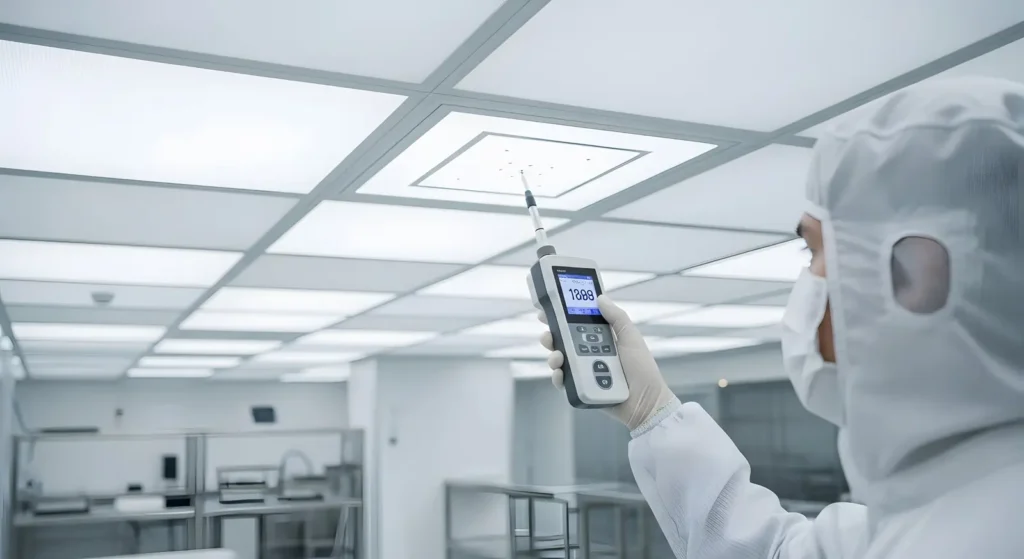
Asbestos Air Quality Testing
Air samples show whether asbestos fibres are present and at what concentration. Required for Type 3 work under O. Reg. 278/05.
Learn more

Asbestos Bulk Testing
Samples of drywall compound, insulation, flooring, ceiling tiles, plaster and more, before renovation or demolition.
Learn more

Asbestos Summary Reports
All asbestos findings, both air and bulk, compiled into one easy-to-read document.
Learn more
Mould testing
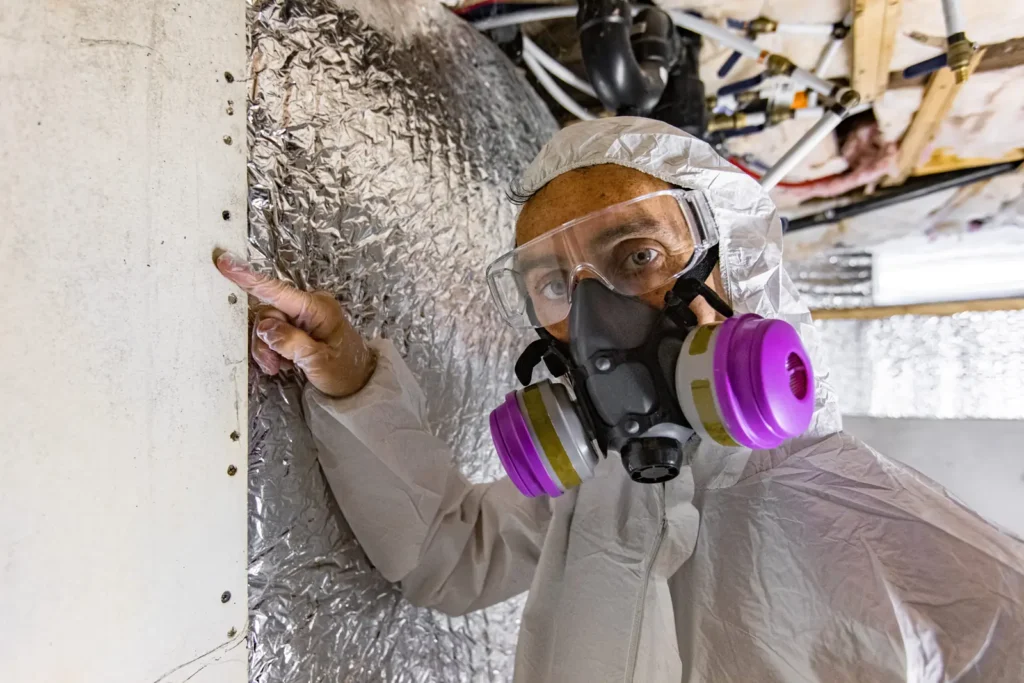
Mould Air Quality Testing
Indoor mould spore readings compared to outdoor baseline levels. A good background if mould is suspected.
Learn more
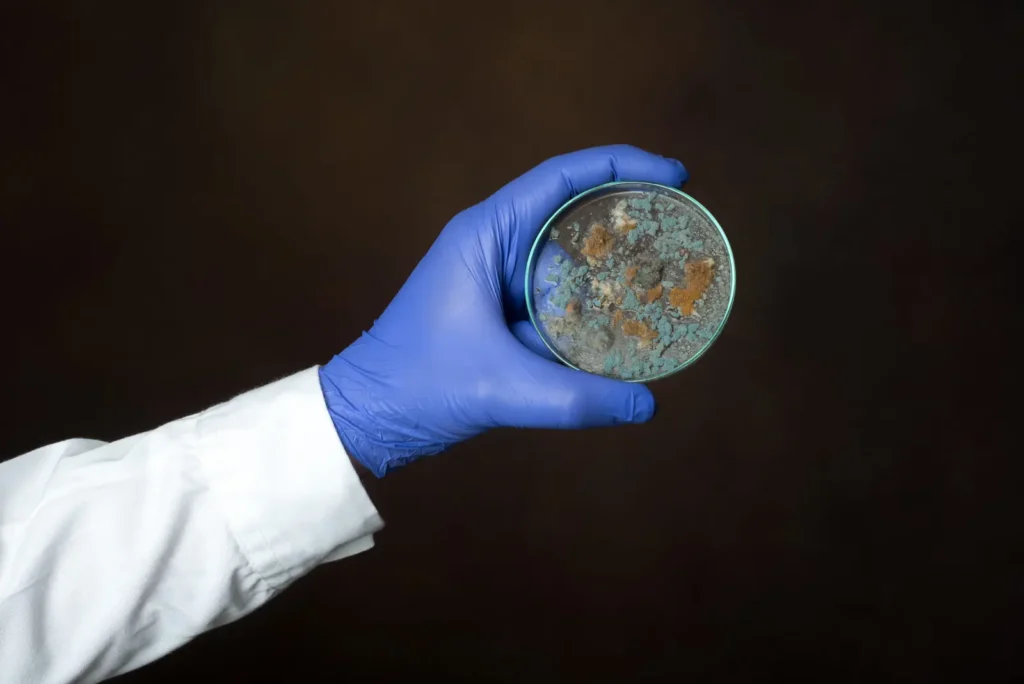
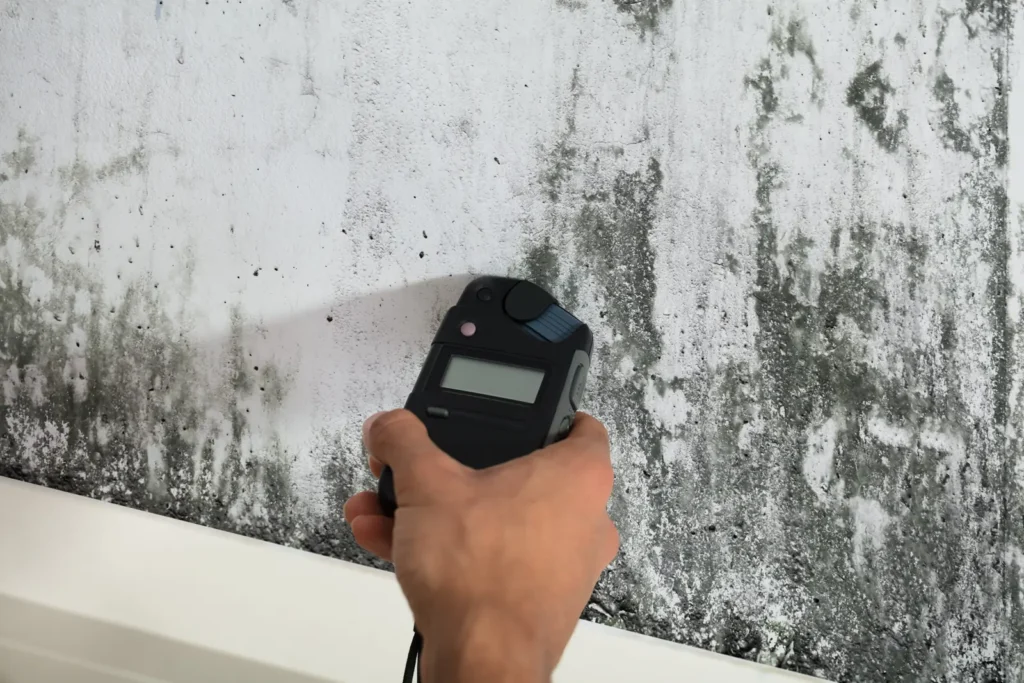
Mould Assessments
Visual inspection, moisture readings, air and/or surface sampling, source identification and recommendations.
Learn more
Surveys, removal and demolition
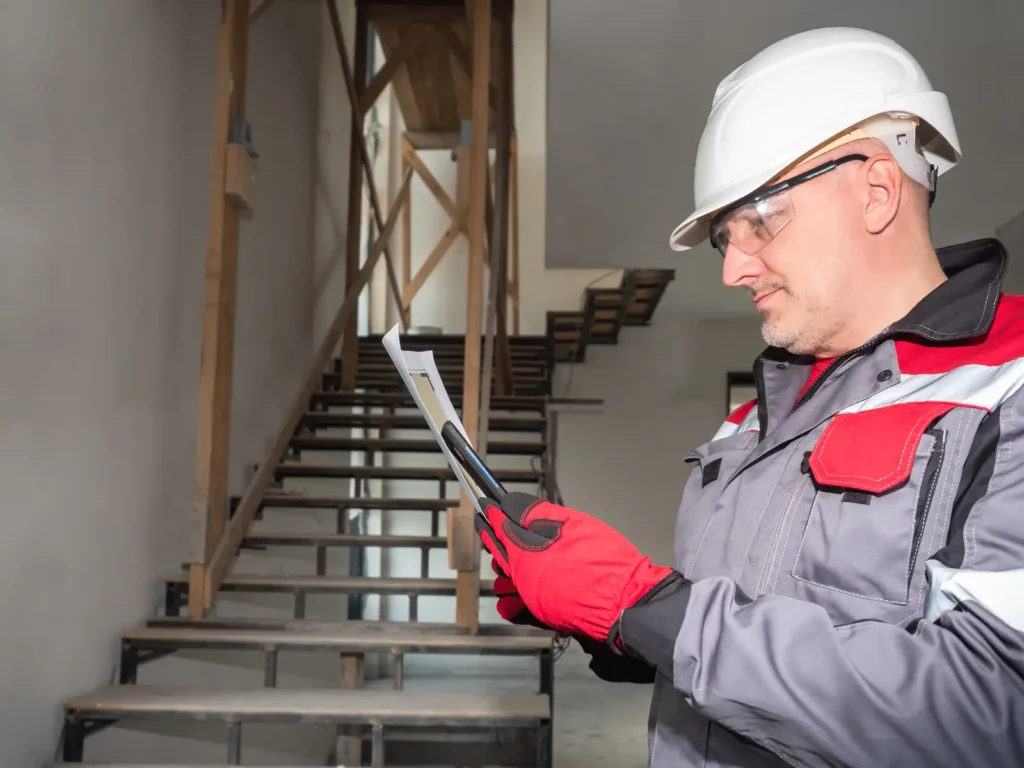
Designated Substance Survey
In Ontario, a DSS report is required before construction, demolition or renovation work.
Learn more
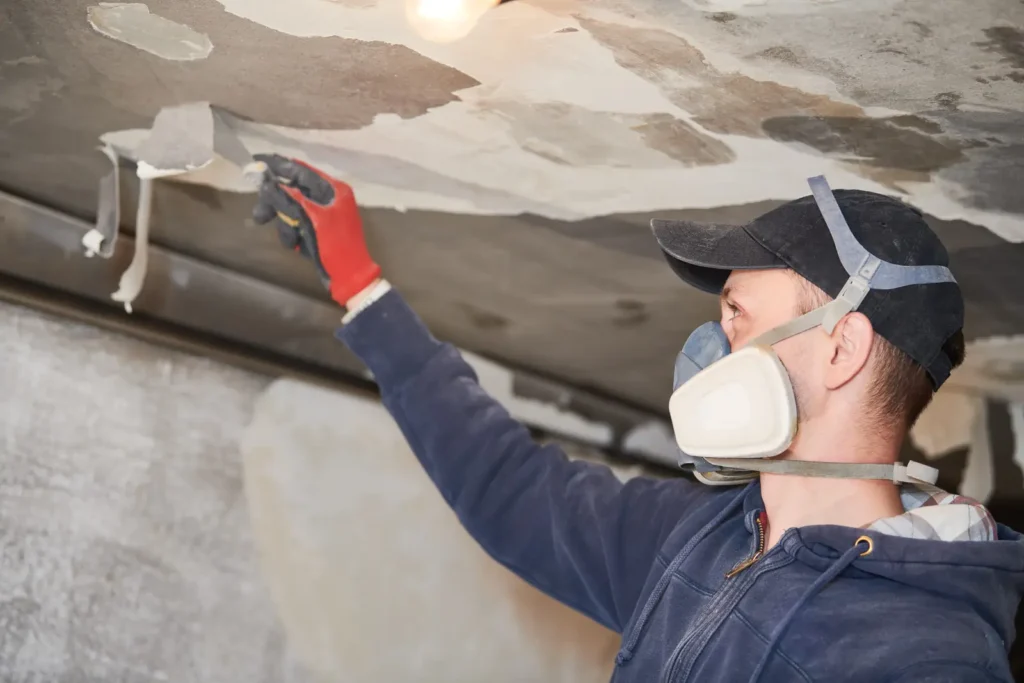
Abatement
Asbestos removal as a Type 1, 2 or 3 procedure: we can help with a contractor referral and estimate.
Learn more
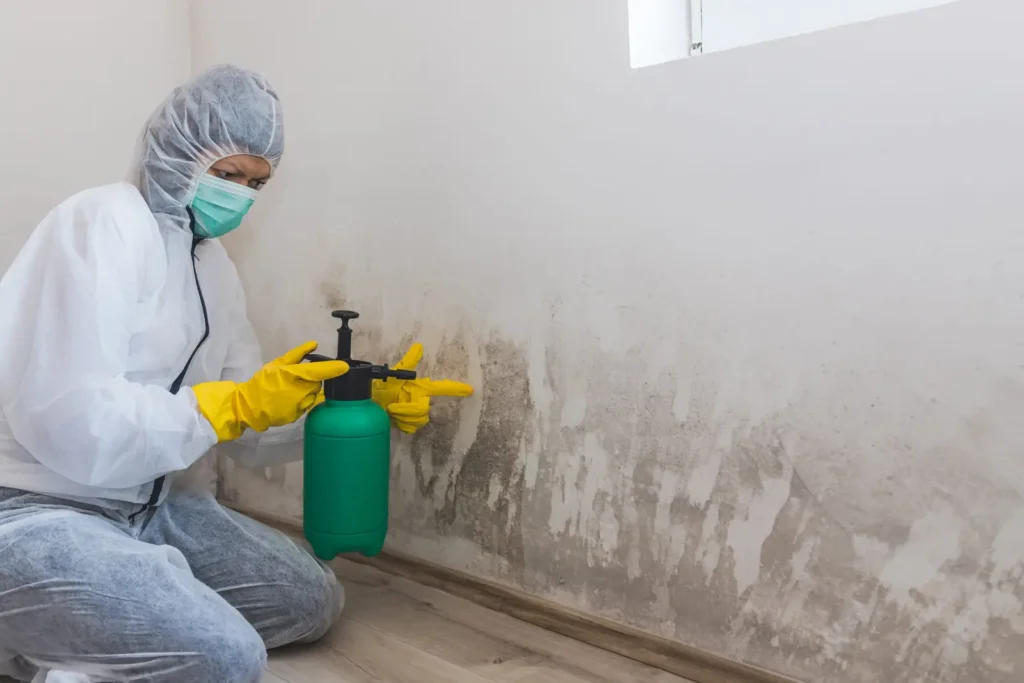
Remediation
Removal of mould-impacted materials as a Level 1, 2 or 3 procedure: contractor referral and estimate.
Learn more
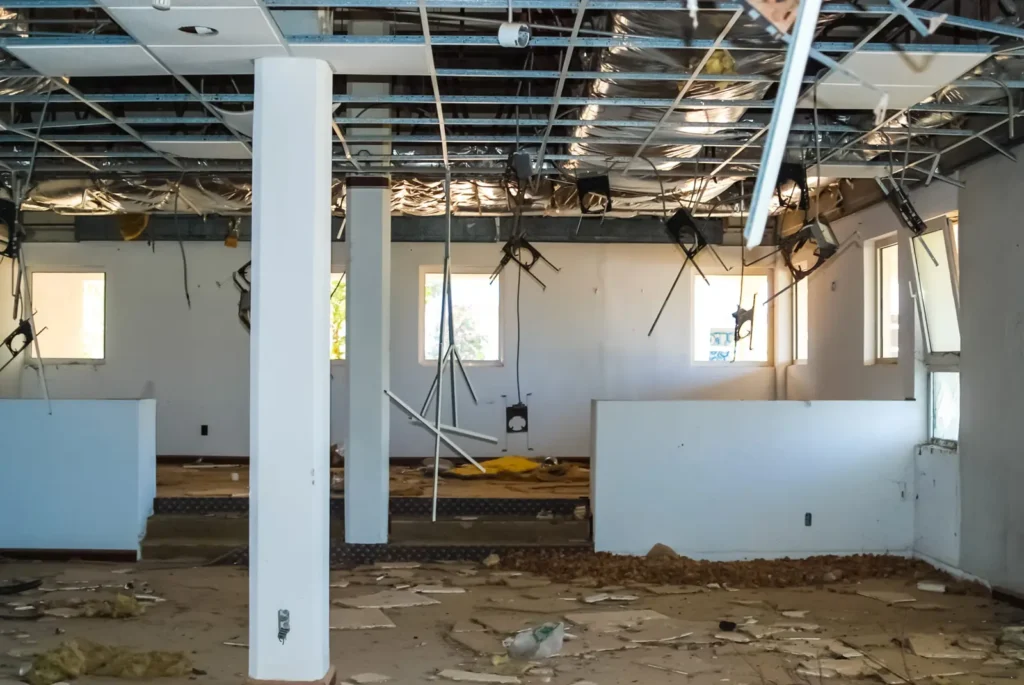
Demolition
Structural or interior demolition: we guide you through the process, with a contractor referral and estimate.
Learn more