
Asbestos & mould testing · Burlington & GTA
Protecting your health and property with expert environmental services.
Based in Burlington, Ontario, EnviroGuard Consulting and Testing is your trusted partner in ensuring a safe, healthy living and working environment. We specialize in professional asbestos and mould testing, providing accurate lab results and expert interpretations to help you make informed decisions for remediation.
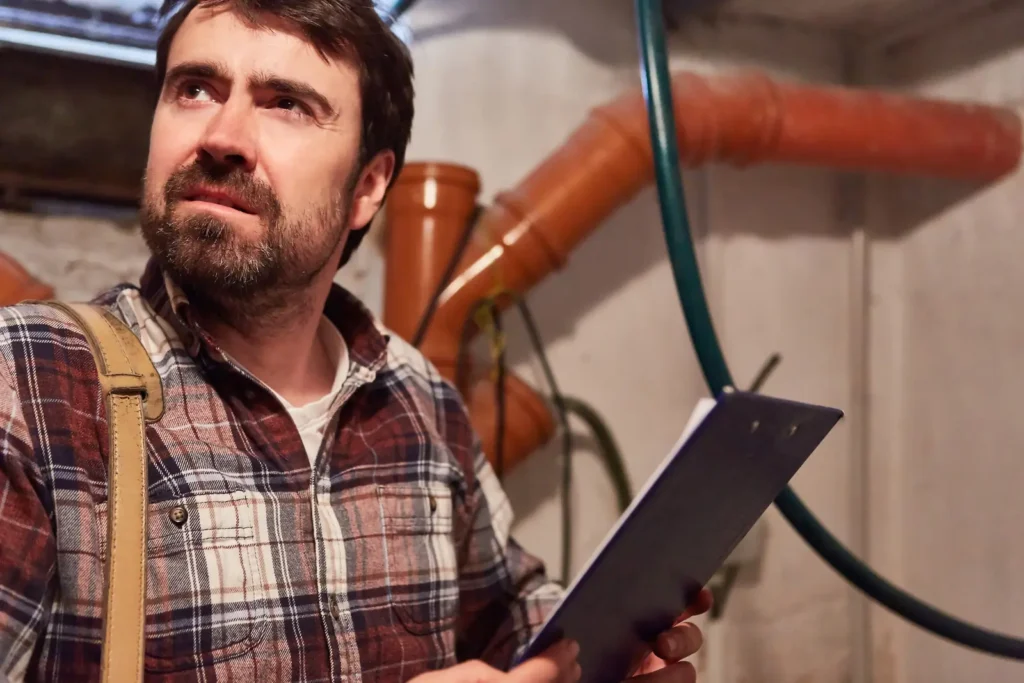
Mold Testing Dundas
Mold testing in Dundas is the process of collecting air and surface samples from your home or business to identify whether mold is present, what species it is, and what concentration poses a risk to your health.
You notice a soft, dark stain in the corner of your basement. It smells musty, especially after humid weather. Your child has been coughing more lately. You wonder: is this mold? Is it dangerous? What do you do next? If you live in Dundas or the surrounding communities in the greater Toronto area, these are the exact questions homeowners and business owners ask every week. The uncertainty is the hardest part. Professional mold testing removes that guesswork and gives you facts.
This guide walks you through the complete process of having mold testing done in Dundas, from recognizing the need for testing through receiving your results and understanding what comes next. By the end, you will know exactly what to expect and how to move forward with confidence.
Step 1: Assess Whether You Need Testing in Dundas
Before you contact a testing provider, identify whether mold testing makes sense for your situation. You do not need testing every time you see moisture. You do need it when visible mold is present, when you smell a persistent musty odor indoors, when you or family members are experiencing unexplained respiratory symptoms, or when you are buying or selling a property and want environmental clarity.
Dundas is a community with older housing stock, tree-lined neighborhoods, and proximity to the Dundas Peak escarpment. The humid summers and spring snowmelt create conditions where moisture problems can develop in basements, crawl spaces, and poorly ventilated bathrooms. If you have noticed any of these signs in your Dundas home or rental property, mold testing is a reasonable next step. EnviroGuard Consulting and Testing specializes in identifying these problems early, before they become costly structural or health issues.
Step 2: Gather Information About Your Property
Before scheduling testing, gather basic information about your property and the areas of concern. Note where you have seen discoloration, smelled odors, or observed water damage. Photograph these areas. Write down when the problems started or became worse. Record any health symptoms family members have experienced, including when they occur and whether they improve when away from the property.
Also document the age of your home or building, any previous water damage, basement or crawl space conditions, and your current HVAC system. If your property in Dundas has had roof leaks, foundation cracks, plumbing issues, or poor ventilation, mention these to the testing professional. This context helps EnviroGuard Consulting and Testing design a testing plan that targets the most likely problem areas and gives you the most useful results.
Step 3: Choose Between Visual Inspection and Air Sampling
Mold testing comes in two main forms, and understanding the difference helps you choose the right approach. Visual inspection involves a certified professional examining your property for visible mold and water damage, documenting findings, and recommending next steps. Air sampling collects particles from indoor air, which are analyzed in a laboratory to measure mold spore counts and identify species present.
Many situations call for both. If you see visible mold but want to know how far the contamination extends or whether spores have spread beyond the visible area, air sampling provides that answer. If you smell mold but cannot locate it, air sampling pinpoints whether mold is actually present and at what levels. If you are buying property in Dundas and conducting due diligence, a combination of visual inspection and air testing gives you the most complete picture. EnviroGuard Consulting and Testing will recommend the appropriate testing method based on what you describe during your initial conversation.
Professional mold testing removes guesswork and gives you facts you can act on. Laboratory results are far more reliable than visual guessing or over-the-counter test kits.
Step 4: Schedule Your Testing Appointment
Contact EnviroGuard Consulting and Testing to arrange your appointment. Be ready to describe what you have observed: the location of staining or odors, any recent water damage, whether anyone in your home has health concerns, and the general condition of your property. This information helps the certified inspector prepare and allocate enough time for thorough work.
Scheduling is straightforward. The company serves Dundas and the greater Hamilton and Halton region, including Burlington and Oakville. You can expect to be seen within a reasonable timeframe. On the day of your appointment, make sure the property is accessible, including any areas where mold is suspected or where air samples will be collected. If air sampling is being done, the property should be in normal living conditions, not locked tight or freshly cleaned, as this affects the accuracy of results.
Step 5: Understand What Happens During Testing
When the certified inspector arrives at your Dundas property, they will begin by discussing your concerns and reviewing the areas you have flagged. For visual inspection, they examine these spaces carefully, documenting any signs of mold, water damage, or moisture problems. They look in baseboards, around windows, in HVAC systems, and in less obvious places like behind appliances and inside crawl spaces.
If air sampling is part of your testing, the inspector collects samples using specialized equipment that pulls air through collection media. These samples are sealed and labeled with identifying information, chain-of-custody documentation, and your property details. The samples are then sent to a certified laboratory for analysis. This process typically takes 24 to 48 hours, though you will receive preliminary results within a few days. The inspector may also collect surface samples using tape or swabs if visible mold is present. Throughout the process, your certified professional from EnviroGuard Consulting and Testing explains what they are doing and answers your questions.
Step 6: Receive and Interpret Your Results
Laboratory results arrive as a detailed report showing what mold species were identified, in what quantities, and from which locations. If air samples were taken, the report will compare indoor mold spore levels to outdoor baseline levels. This comparison is crucial: naturally occurring outdoor mold spores enter every building, so the question is not whether mold is present, but whether indoor levels are elevated enough to indicate a problem inside your home.
Results are interpreted by your certified inspector. They will explain what the numbers mean for your specific situation. An air sample showing mold spores below outdoor levels suggests no indoor mold problem. Elevated indoor levels point to an active mold source that needs investigation. The report also includes recommendations for remediation if needed. Do not try to interpret laboratory results on your own. EnviroGuard Consulting and Testing ensures you understand exactly what your results mean and what action, if any, you should take next.
Step 7: Plan Your Next Steps Based on Results
If testing confirms mold is present, you now have several options. A certified mold remediation contractor can address the contamination, but the key first step is identifying and fixing the moisture source. Mold does not grow without water. Whether the source is a roof leak, foundation crack, poor ventilation, or plumbing issue, fixing it prevents the problem from returning.
Your inspector provides actionable recommendations tailored to what was found in your Dundas property. For minor contamination in accessible areas, cleaning may be sufficient. For extensive mold or contamination in HVAC systems, professional remediation is necessary. If you are managing a commercial property or rental units in Dundas, testing also ensures you are meeting your health and safety obligations to tenants or employees. EnviroGuard Consulting and Testing can walk you through these recommendations and connect you with next steps, whether that is further assessment or remediation planning.
If you are concerned about mold in your Dundas home or business, or if you want the peace of mind that comes with professional environmental testing, reach out to EnviroGuard Consulting and Testing. The certified team is ready to listen to your concerns, explain your options, and deliver the accurate, honest results you need to protect your property and the people in it.
Frequently Asked Questions
How long does mold testing take in Dundas?
The on-site inspection typically takes 1 to 2 hours, depending on the size of your property and the number of areas being tested. Laboratory analysis of air and surface samples takes 24 to 48 hours, with a detailed written report delivered within a few days of the test date.
What is the difference between mold testing in Dundas and a home inspector's assessment?
A general home inspector looks for visible water damage and mold as part of a broader property evaluation. Mold testing uses laboratory analysis and certified expertise to identify specific mold species, measure spore concentrations, and determine whether indoor levels pose a health risk. EnviroGuard's certified testing is more specialized and produces defensible results for health, insurance, or legal purposes.
Do I need mold testing if I can see mold in my Dundas basement?
Yes. Visible mold indicates a moisture problem, but laboratory testing tells you what species is present, how far it has spread, and whether spores have contaminated air throughout your home. This information is essential for safe and effective remediation.
Why EnviroGuard
Experience, integrity and regulatory conformity
Regulations
- O. Reg. 278/05 Asbestos on construction projects and in buildings and repair operationsOccupational Health and Safety Act
- O. Reg. 490/09 Designated substancesOccupational Health and Safety Act
- O. Reg. 347/90 General waste management, including asbestos wasteEnvironmental Protection Act
Under the Occupational Health and Safety Act (OHSA), the ministry is responsible for regulating occupational health and safety in workplaces, which includes schools, hospitals, and any place where people work.
Experience
With over 30 years of experience in solid waste management across Ontario and 20 years in environmental science, EnviroGuard Consulting and Testing provides expert asbestos, mould, and environmental testing services.
Hands-on knowledge of hazardous material assessment and indoor air quality ensures every project is handled safely, efficiently, and in full compliance with Ontario’s environmental and occupational health regulations.
Integrity
Built on high integrity and regulatory conformity, EnviroGuard delivers precise testing, reliable reporting, and practical abatement and remediation recommendations.
Clients can trust EnviroGuard to protect their buildings, occupants, and projects while maintaining the highest standards of safety and compliance.
Our services
Environmental testing and consulting
At EnviroGuard, we offer a comprehensive range of environmental testing and consulting services for homes and businesses.
Asbestos testing
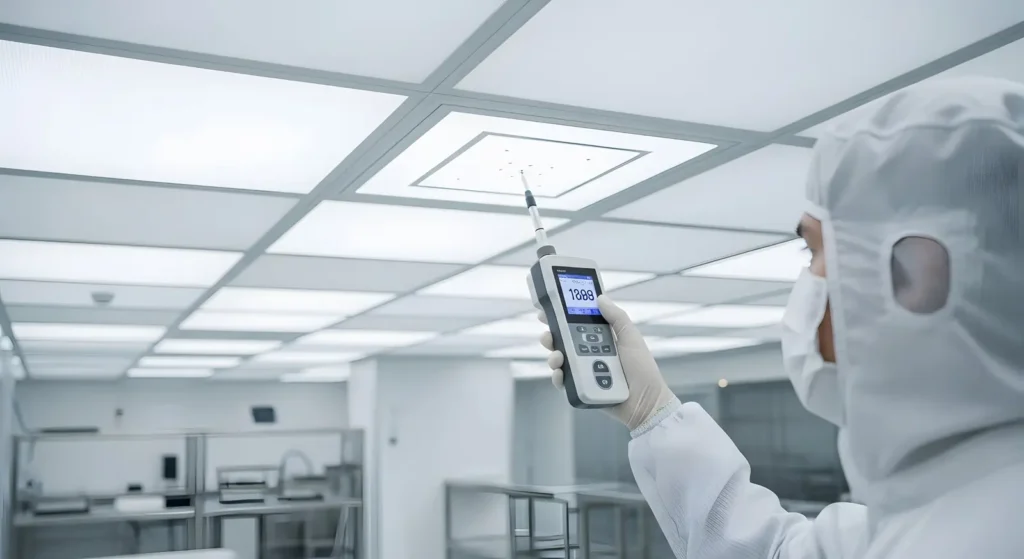
Asbestos Air Quality Testing
Air samples show whether asbestos fibres are present and at what concentration. Required for Type 3 work under O. Reg. 278/05.
Learn more

Asbestos Bulk Testing
Samples of drywall compound, insulation, flooring, ceiling tiles, plaster and more, before renovation or demolition.
Learn more

Asbestos Summary Reports
All asbestos findings, both air and bulk, compiled into one easy-to-read document.
Learn more
Mould testing
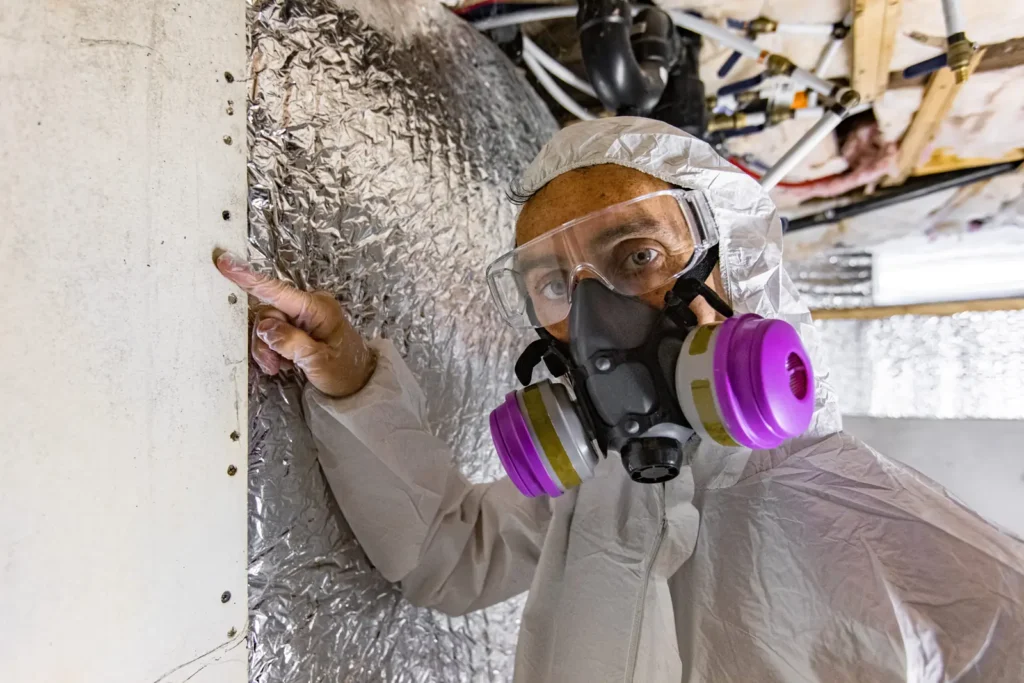
Mould Air Quality Testing
Indoor mould spore readings compared to outdoor baseline levels. A good background if mould is suspected.
Learn more
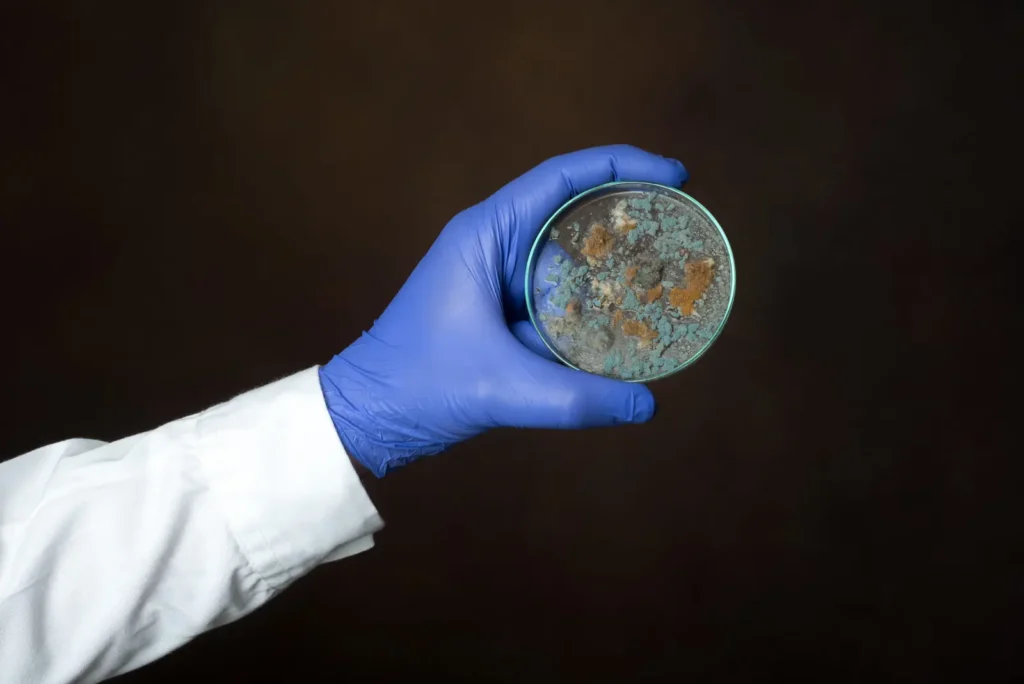
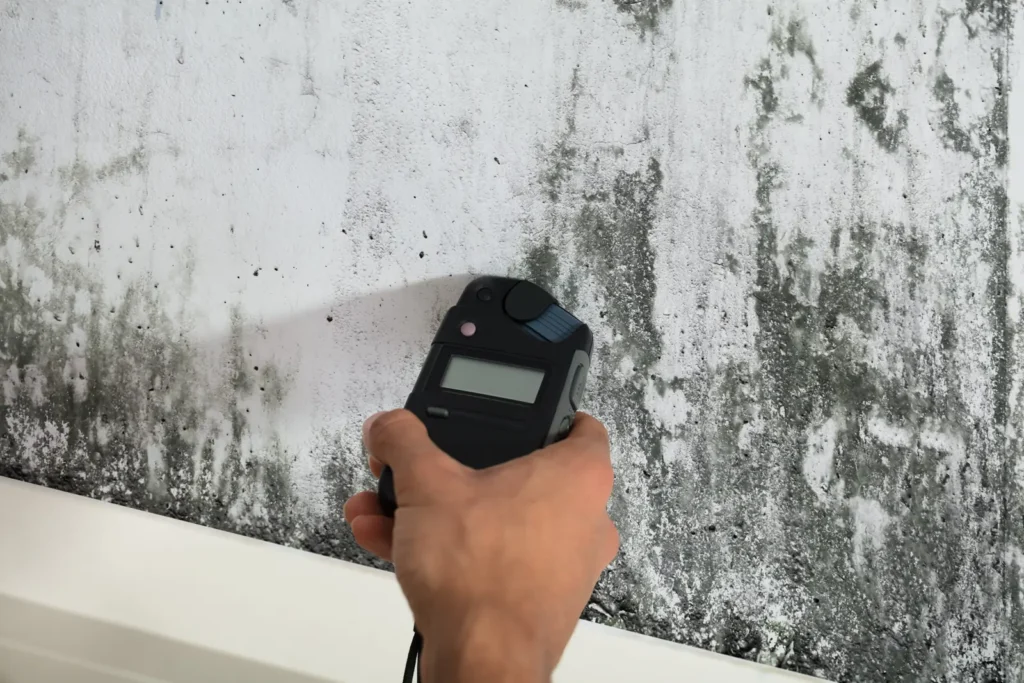
Mould Assessments
Visual inspection, moisture readings, air and/or surface sampling, source identification and recommendations.
Learn more
Surveys, removal and demolition
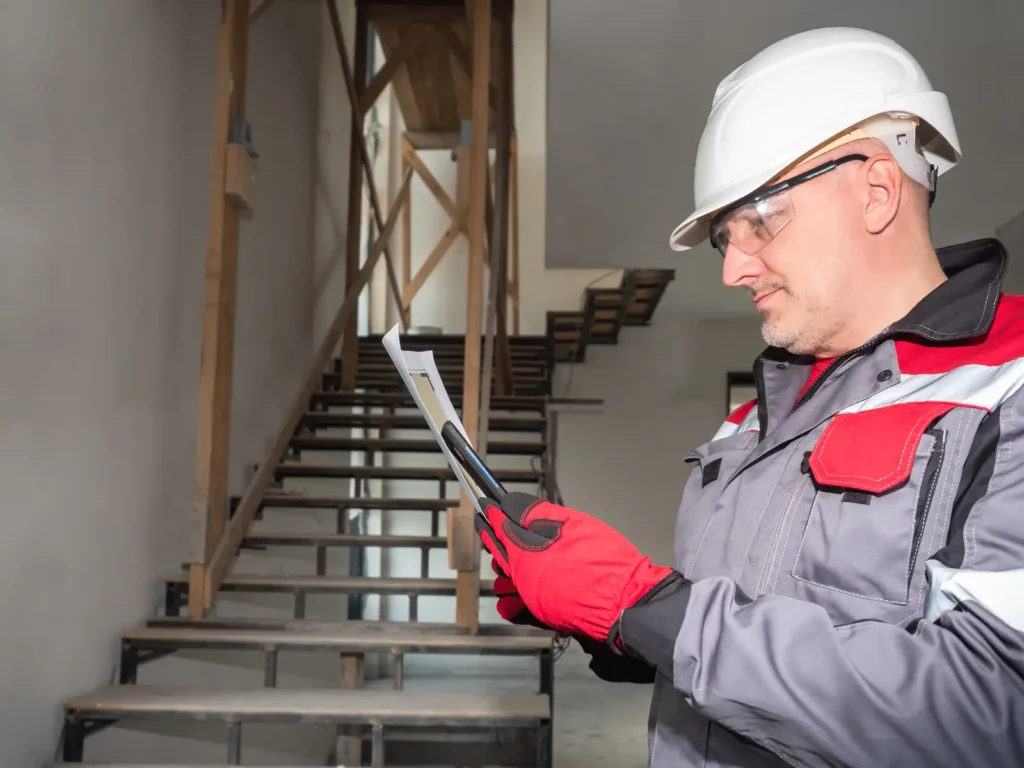
Designated Substance Survey
In Ontario, a DSS report is required before construction, demolition or renovation work.
Learn more
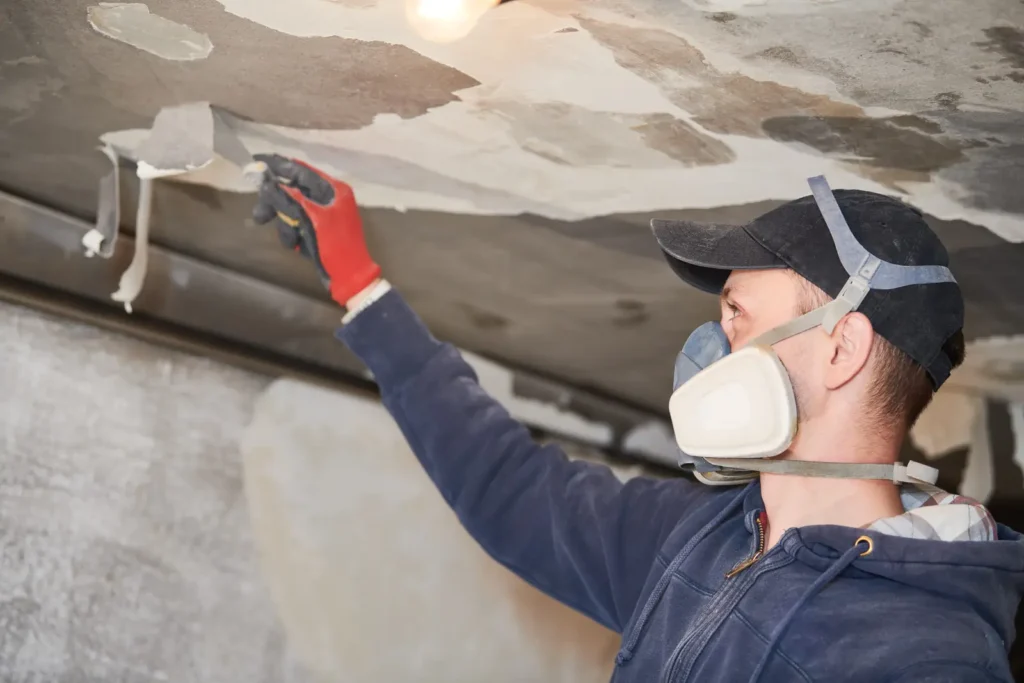
Abatement
Asbestos removal as a Type 1, 2 or 3 procedure: we can help with a contractor referral and estimate.
Learn more
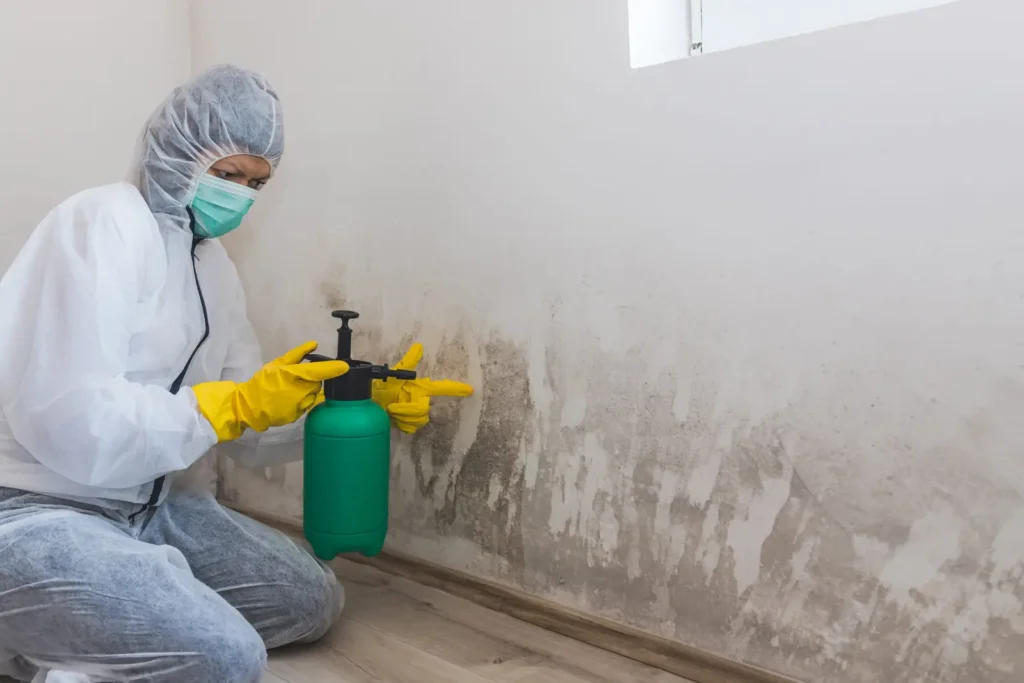
Remediation
Removal of mould-impacted materials as a Level 1, 2 or 3 procedure: contractor referral and estimate.
Learn more
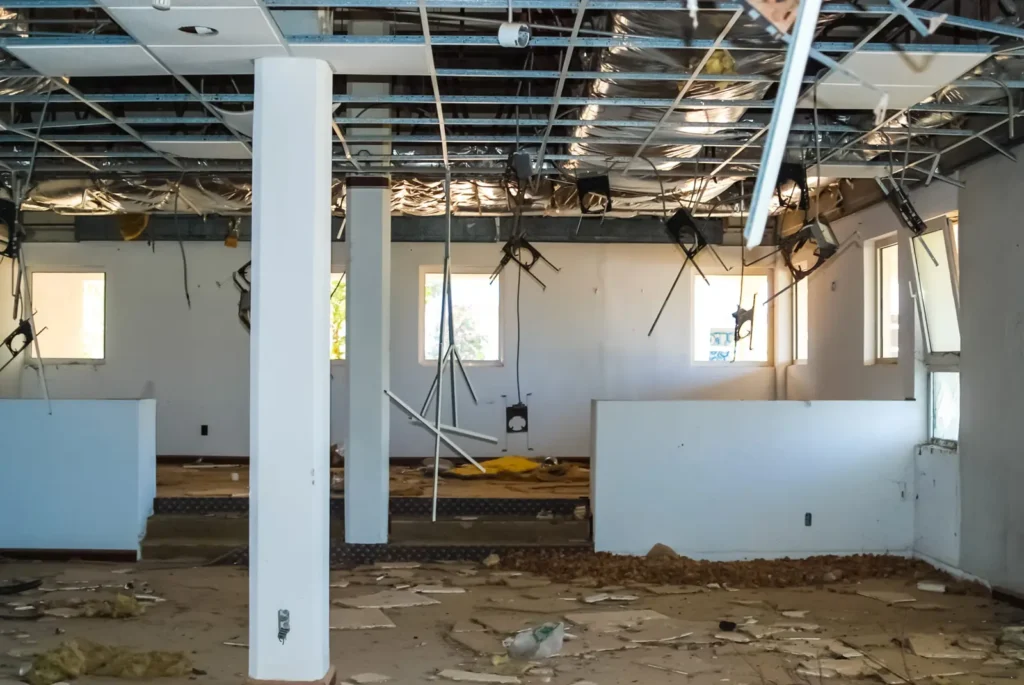
Demolition
Structural or interior demolition: we guide you through the process, with a contractor referral and estimate.
Learn more