
Asbestos & mould testing · Burlington & GTA
Protecting your health and property with expert environmental services.
Based in Burlington, Ontario, EnviroGuard Consulting and Testing is your trusted partner in ensuring a safe, healthy living and working environment. We specialize in professional asbestos and mould testing, providing accurate lab results and expert interpretations to help you make informed decisions for remediation.
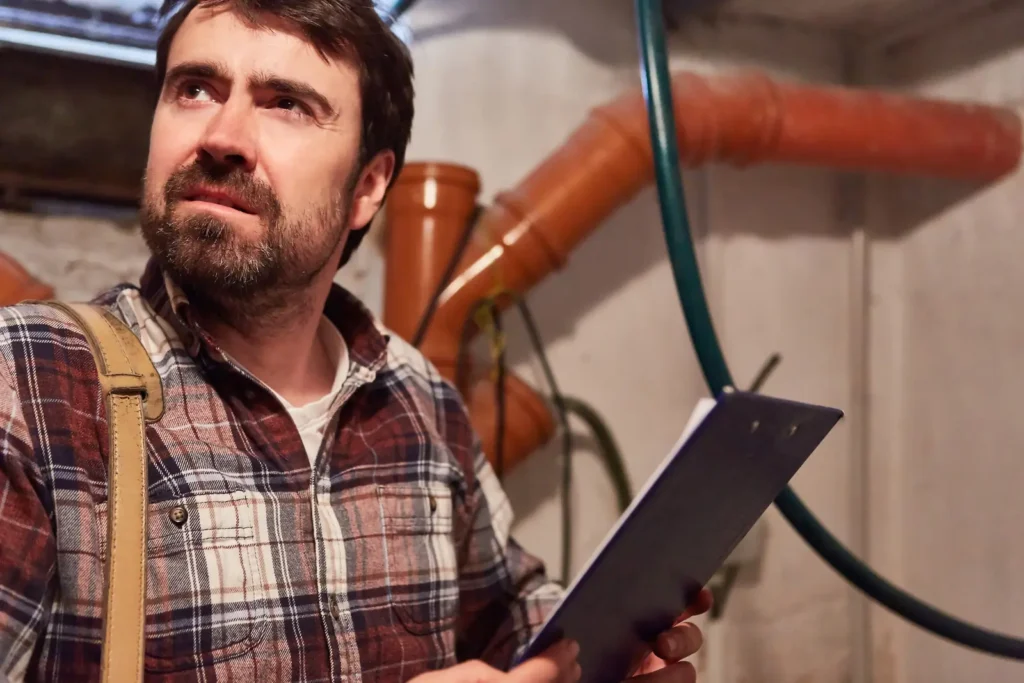
Mould Consultation Hamilton
Mould consultation in Hamilton begins with recognizing when your property needs professional assessment and knowing how to connect with a certified inspector who can identify mould, test air quality, and recommend remediation steps.
This guide walks you through the process of arranging and preparing for a mould inspection in Hamilton, what to expect during the assessment, and how to use the results to make informed decisions about your property. By the end, you will understand exactly how to move forward with professional testing and interpretation.
Step 1: Identify Signs That You Need Testing in Hamilton
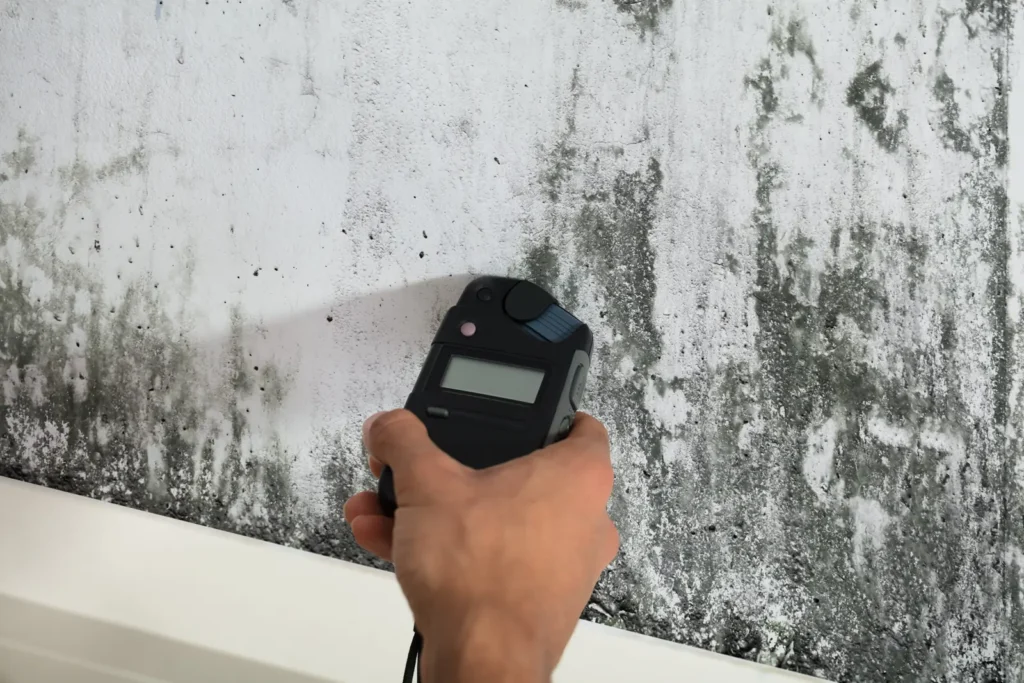
Before contacting an environmental consultant, recognize the visible and health-related indicators that suggest mould may be present in your Hamilton home or commercial building. Look for discoloration on walls, ceilings, or around windows; a musty odor in enclosed spaces; water damage or staining; or condensation buildup on surfaces. These are physical cues that warrant professional investigation.
Health signals matter equally. If occupants experience persistent respiratory symptoms, allergic reactions, or asthma flare-ups that worsen indoors or improve when away from the building, indoor air quality testing may be necessary. Families with young children, elderly members, or anyone with compromised immunity should take these signs seriously. Hamilton's climate, with its proximity to Lake Ontario and seasonal humidity variations, creates conditions where mould can develop quickly if moisture control is inadequate. Document when symptoms appear and whether they correlate with specific rooms or times of year.
Step 2: Contact a Certified Environmental Inspector in Hamilton
Reach out to EnviroGuard Consulting and Testing to schedule your initial consultation. Provide details about your concerns: whether you have seen visible mould, experienced water damage, or noticed air quality changes. Mention the location and size of your property, the age of the building, and any health concerns affecting your household or workplace. This information helps the certified inspector, Henry Kwasniak, prepare for the assessment and determine what testing methods are most appropriate.
Certification matters. EnviroGuard Consulting and Testing operates as a certified environmental services provider, meaning the inspector has met professional standards for mould identification, air sampling, and laboratory analysis. When you contact them, confirm that testing will be followed by laboratory analysis and a written interpretation of results, not just a visual walkthrough. This professional standard protects you by ensuring findings are defensible and actionable.
Step 3: Prepare Your Property for the Assessment
In the days before your appointment in Hamilton, take these preparation steps to ensure accurate testing. Avoid cleaning or disturbing any suspected mould areas, as this can release spores and affect air samples. Do not use air purifiers, fans, or open windows immediately before testing, since these actions alter indoor air composition and can skew results. Make a list of problem areas you have noticed and any areas where water has entered the building, even if problems seem resolved.
Prepare access to all areas of the building: basements, attics, crawl spaces, and mechanical rooms. If occupants or staff will be present during testing, brief them on the process so they understand that the inspector needs to move freely and may ask questions about moisture history, ventilation, and past flooding or leaks. Clear any clutter that might block inspection of walls, flooring, or HVAC systems. The more thorough the inspection, the more reliable the results.
Step 4: Understand the Testing and Sampling Process
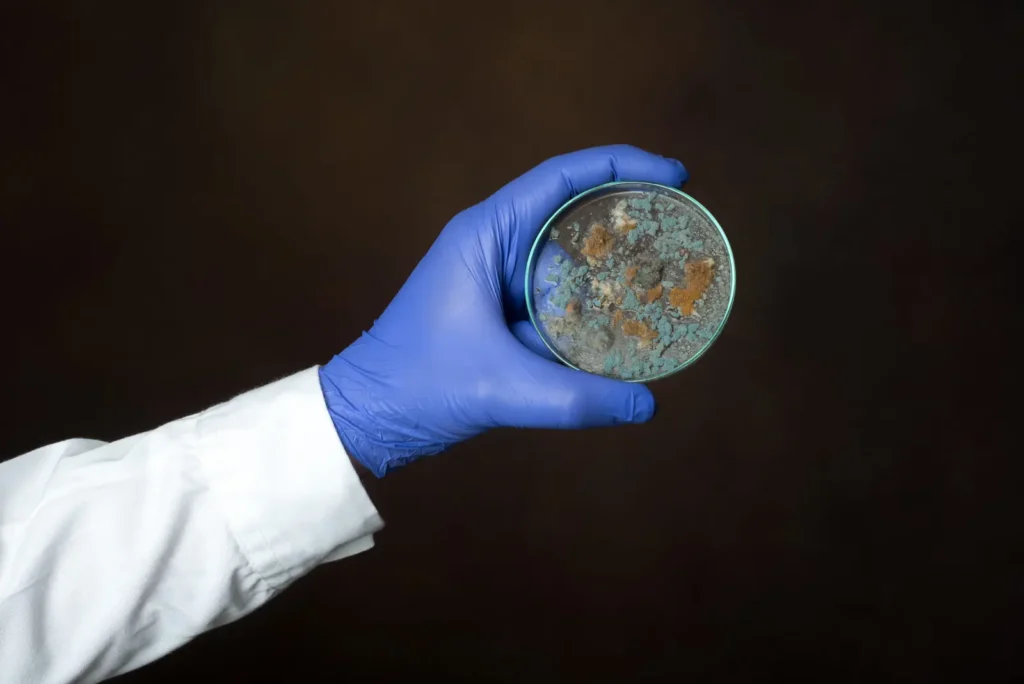
When the certified inspector arrives in Hamilton, they will perform a visual inspection and take air samples or surface samples depending on your situation. Mould testing typically involves three approaches: visual examination to spot growth and water damage, air sampling to measure spore levels and composition, and lab analysis to identify mould species and concentration. EnviroGuard Consulting and Testing uses laboratory-verified methods, meaning samples go to an accredited lab rather than being evaluated on site.
The inspector will explain what they are doing as they work. They may ask about the building's history, previous water damage, HVAC maintenance, and ventilation patterns. They may take photographs or measurements. Air samples are collected using specialized equipment that draws indoor air through a cassette or impactor, capturing spores for later identification. This process usually takes one to three hours depending on property size and complexity. You do not need to leave during testing, though the inspector may need quiet conditions for accurate air sampling.
Step 5: Receive and Interpret Your Laboratory Results
After samples are analyzed in the laboratory, EnviroGuard Consulting and Testing provides you with a detailed report. This report includes laboratory findings, mould species identified, spore counts, and an expert interpretation of what the numbers mean for your specific property. A certified inspector translates raw laboratory data into plain language: whether mould levels are normal, elevated, or indicate active growth; whether the species found pose particular health risks; and which areas show the highest concentration.
The report is your foundation for decision-making. It answers the critical question: do I need remediation, and if so, where and how urgently? Laboratory results remove guesswork and give you credible information to share with contractors, your family, tenants, or insurance providers. Results also inform whether you need asbestos testing or indoor air quality assessment in other areas of your Hamilton property.
Step 6: Develop and Execute a Remediation Plan
Based on the report and recommendations, you now decide on next steps. Mould remediation in Hamilton varies by severity and location. Minor surface mould in a basement corner may be cleaned by you or a general contractor following EPA guidelines. Extensive mould in HVAC systems, wall cavities, or attics requires specialized remediation contractors who can contain spores, remove contaminated materials, and restore air quality safely.
EnviroGuard Consulting and Testing provides actionable recommendations in the report, which you can use to get quotes from licensed remediation firms or guide your own cleanup efforts. The inspector may also recommend moisture control measures: improving ventilation, fixing roof or plumbing leaks, installing dehumidifiers, or upgrading insulation to prevent condensation. Addressing the moisture source prevents mould from returning after cleanup. Many property owners in Hamilton find that combining targeted remediation with long-term moisture management delivers lasting results.
Step 7: Schedule Follow-Up Testing If Needed
After remediation is complete, you may choose to arrange post-remediation testing to confirm that air quality has returned to normal and that mould levels are no longer elevated. This verification step is particularly valuable for commercial properties, properties with prior health issues, or situations where mould was extensive. A follow-up test uses the same laboratory methods as the initial assessment, allowing direct comparison of before-and-after results.
Some property owners also request periodic air quality checks, especially after construction work, water damage, or seasonal changes. In Hamilton, where humidity and moisture-related issues are common, having a certified inspector you trust makes it easy to address concerns as they arise rather than waiting for problems to escalate.
If you recognize signs of mould in your Hamilton property or have concerns about indoor air quality, contact EnviroGuard Consulting and Testing to arrange an assessment. The company offers certified testing, professional laboratory analysis, and expert interpretation designed to give you clear answers and actionable steps forward. Reach out today to discuss your situation and schedule an inspection.
Frequently Asked Questions
How long does a mould consultation in Hamilton typically take?
A mould inspection and air sampling usually takes one to three hours depending on property size and the complexity of the assessment. Visual inspection, air sampling, and lab analysis combined may take one to two weeks for final results. EnviroGuard Consulting and Testing coordinates timing to fit your schedule.
What should I do if mould is found during my consultation in Hamilton?
Your certified inspector provides a detailed report with laboratory results and remediation recommendations. For minor mould, cleaning and moisture control may be sufficient. For extensive mould, you may need to hire a licensed remediation contractor. The report guides your decision and gives contractors clear scope for work.
Do I need to leave my home during a mould test in Hamilton?
You do not need to leave, though the inspector may request quiet conditions for accurate air sampling. If you prefer to stay, the process is non-invasive and does not require access to private areas you wish to keep closed. Discuss your preference when scheduling.
Can mould consultation in Hamilton help with asbestos concerns as well?
Yes. EnviroGuard Consulting and Testing specializes in both mould testing and asbestos identification. If your property is older or you have concerns about building materials, the inspector can assess both hazards during a single visit, giving you a complete picture of indoor environmental quality.
Why EnviroGuard
Experience, integrity and regulatory conformity
Regulations
- O. Reg. 278/05 Asbestos on construction projects and in buildings and repair operationsOccupational Health and Safety Act
- O. Reg. 490/09 Designated substancesOccupational Health and Safety Act
- O. Reg. 347/90 General waste management, including asbestos wasteEnvironmental Protection Act
Under the Occupational Health and Safety Act (OHSA), the ministry is responsible for regulating occupational health and safety in workplaces, which includes schools, hospitals, and any place where people work.
Experience
With over 30 years of experience in solid waste management across Ontario and 20 years in environmental science, EnviroGuard Consulting and Testing provides expert asbestos, mould, and environmental testing services.
Hands-on knowledge of hazardous material assessment and indoor air quality ensures every project is handled safely, efficiently, and in full compliance with Ontario’s environmental and occupational health regulations.
Integrity
Built on high integrity and regulatory conformity, EnviroGuard delivers precise testing, reliable reporting, and practical abatement and remediation recommendations.
Clients can trust EnviroGuard to protect their buildings, occupants, and projects while maintaining the highest standards of safety and compliance.
Our services
Environmental testing and consulting
At EnviroGuard, we offer a comprehensive range of environmental testing and consulting services for homes and businesses.
Asbestos testing
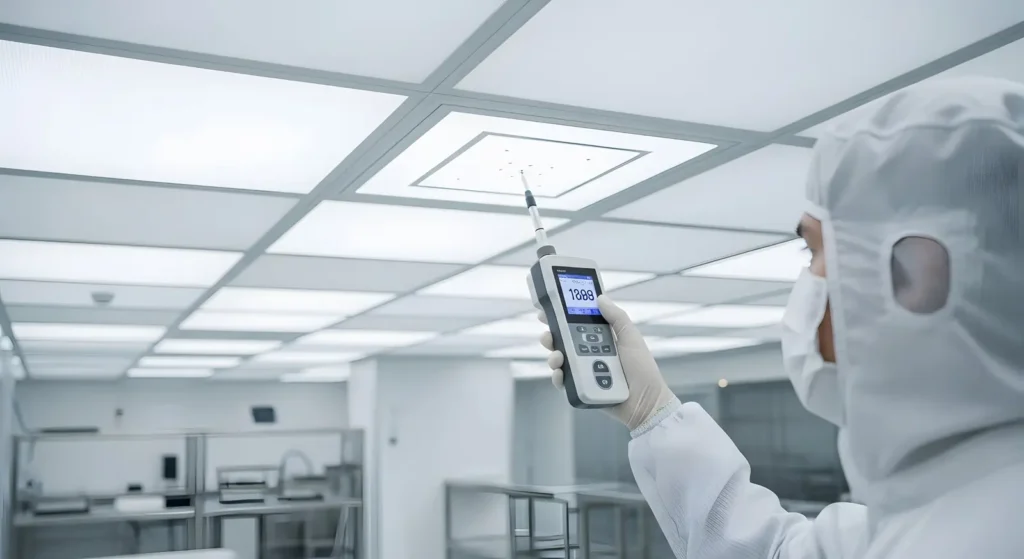
Asbestos Air Quality Testing
Air samples show whether asbestos fibres are present and at what concentration. Required for Type 3 work under O. Reg. 278/05.
Learn more
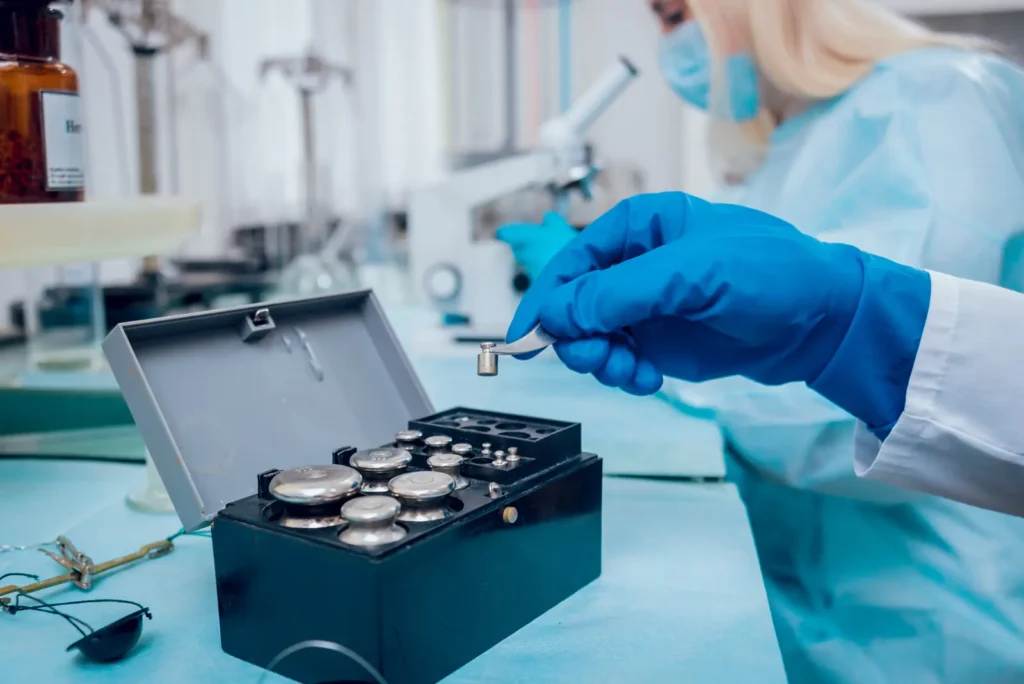
Asbestos Bulk Testing
Samples of drywall compound, insulation, flooring, ceiling tiles, plaster and more, before renovation or demolition.
Learn more

Asbestos Summary Reports
All asbestos findings, both air and bulk, compiled into one easy-to-read document.
Learn more
Mould testing
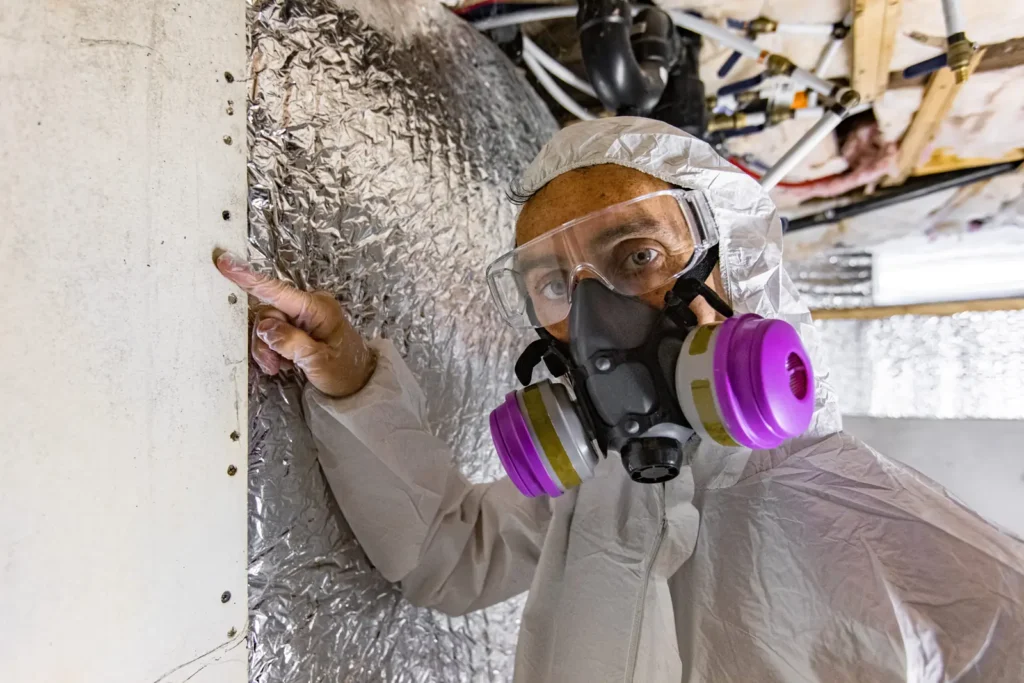
Mould Air Quality Testing
Indoor mould spore readings compared to outdoor baseline levels. A good background if mould is suspected.
Learn more
Mould Assessments
Visual inspection, moisture readings, air and/or surface sampling, source identification and recommendations.
Learn more
Surveys, removal and demolition
Designated Substance Survey
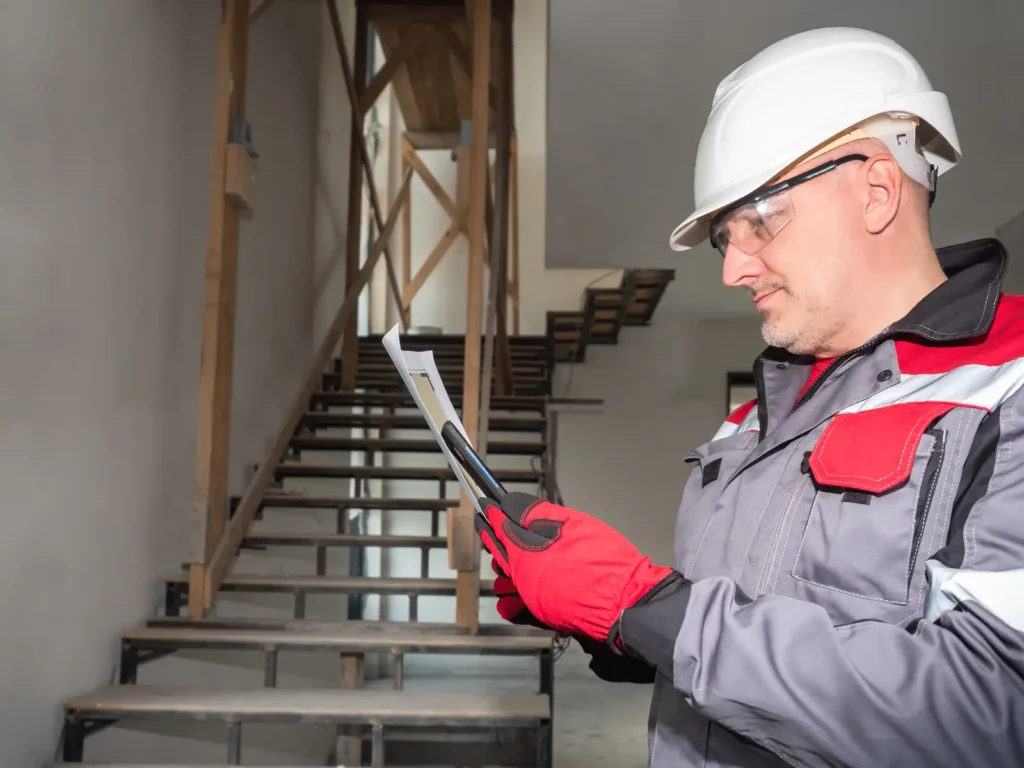
In Ontario, a DSS report is required before construction, demolition or renovation work.
Learn more
Abatement
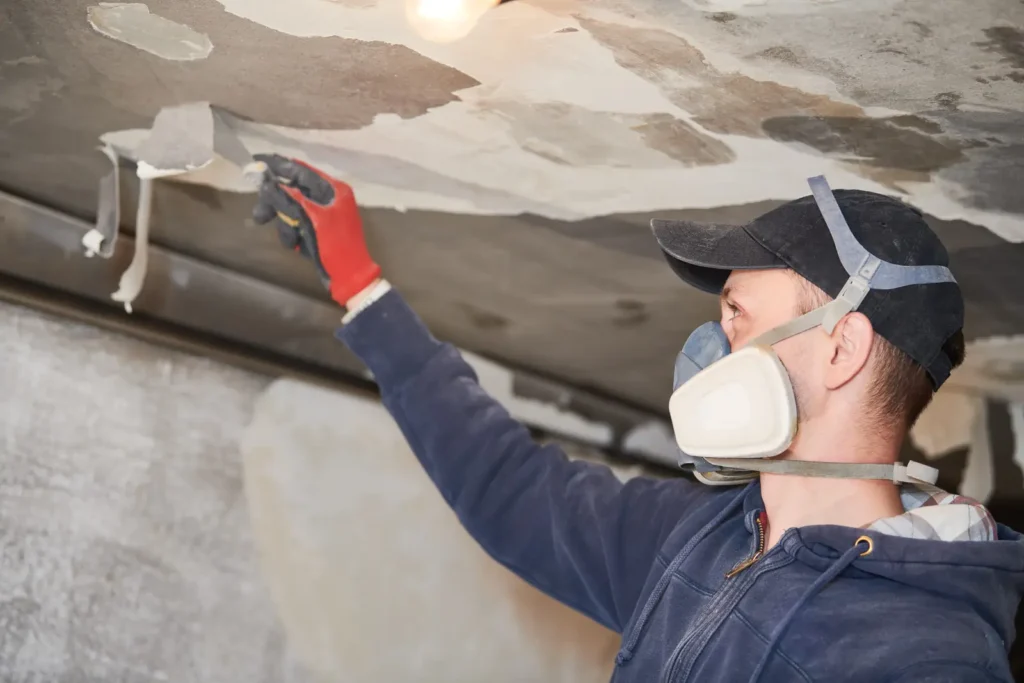
Asbestos removal as a Type 1, 2 or 3 procedure: we can help with a contractor referral and estimate.
Learn more
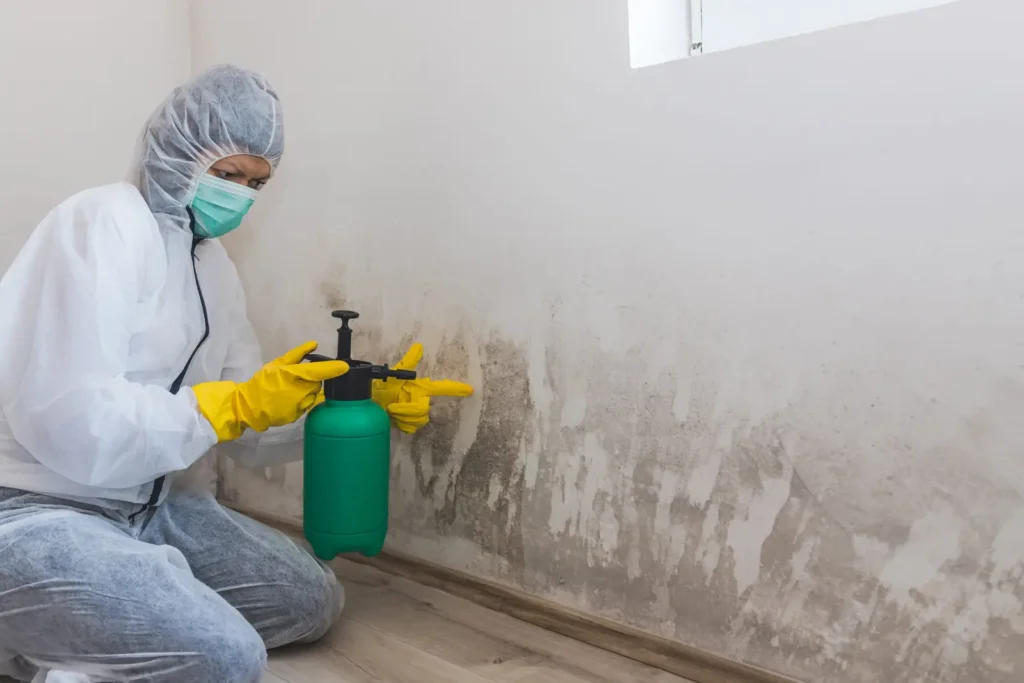
Remediation
Removal of mould-impacted materials as a Level 1, 2 or 3 procedure: contractor referral and estimate.
Learn more
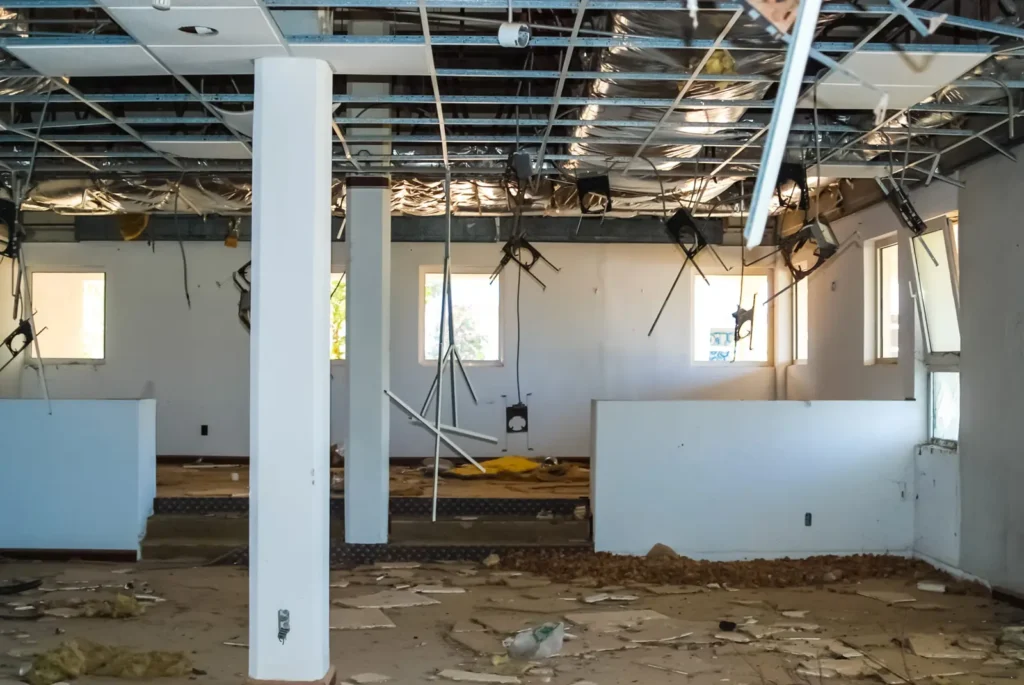
Demolition
Structural or interior demolition: we guide you through the process, with a contractor referral and estimate.
Learn more