
Asbestos & mould testing · Burlington & GTA
Protecting your health and property with expert environmental services.
Based in Burlington, Ontario, EnviroGuard Consulting and Testing is your trusted partner in ensuring a safe, healthy living and working environment. We specialize in professional asbestos and mould testing, providing accurate lab results and expert interpretations to help you make informed decisions for remediation.
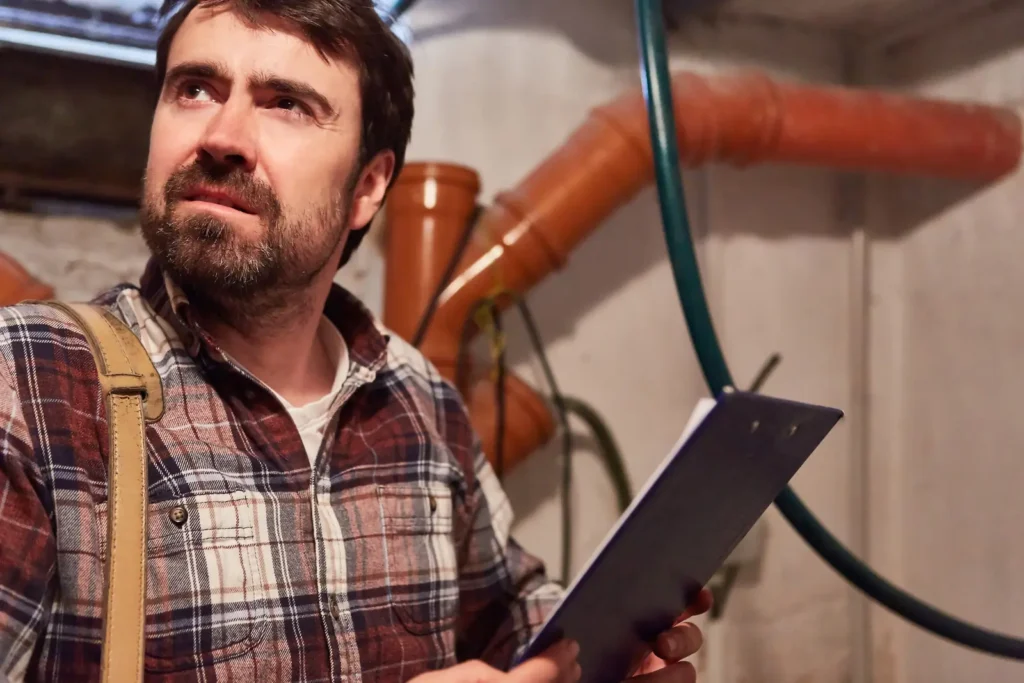
Mould Inspection After Ice Dam Leak Burlington
When ice dams form along roof lines during winter, water backs up under shingles and seeps into attics, walls, and crawl spaces. Mould inspection after ice dam leak Burlington identifies fungal contamination before it becomes a structural or health hazard. EnviroGuard Consulting and Testing provides certified mould testing and detailed assessment to help Burlington homeowners understand the full scope of water damage and remediation needs.
Burlington experiences significant temperature fluctuations between seasons, creating conditions where ice dams are common. Water intrusion from ice dam failure often goes unnoticed for weeks or months because damage occurs in concealed spaces. By the time visible signs appear-discolouration, musty odours, or respiratory symptoms-mould colonisation may already be extensive. A certified inspection catches early-stage growth and prevents costly restoration.
Why Mould Grows After Ice Dam Water Intrusion
Mould requires three conditions: moisture, organic material, and warm temperatures. Ice dam leaks deliver all three. Water seeps into wood framing, drywall, and insulation-all cellulose-based substrates that mould consumes as food. Attic and wall cavities provide darkness and stagnant air that inhibit natural drying, keeping relative humidity elevated for extended periods. Because these spaces remain hidden, homeowners often do not realise growth has begun until inspection reveals it.
The timeline matters. Mould spores can germinate and establish visible colonies within 24 to 48 hours of water exposure under optimal conditions. In poorly ventilated attics typical of Burlington homes, saturation persists far longer than surface dampness, allowing aggressive species like Stachybotrys or Aspergillus to develop. Early mould inspection after ice dam leak damage is not optional-it is the difference between containment and full remediation.
How EnviroGuard Conducts Post-Leak Mould Assessment
EnviroGuard Consulting and Testing begins with a detailed visual inspection of moisture-exposed areas. The certified inspector examines attic framing, underlayment, insulation, and wall cavities using moisture metres and thermal imaging to locate water penetration patterns that may be invisible to the eye. This methodology identifies where mould is most likely to flourish and where hidden pockets of dampness persist.
Air and surface sampling follows visual assessment. Mould inspection in Burlington properties typically includes:
- Bulk samples from contaminated materials (drywall, insulation, wood) sent to an accredited laboratory for species identification and spore count
- Air quality samples to measure indoor mould spore concentration and identify whether airborne spores have dispersed beyond the initial leak site
- Moisture mapping using calibrated metres to quantify humidity levels and predict where growth will occur if drying does not proceed
Laboratory results provide a precise profile of what is growing, in what quantities, and how urgently remediation is needed. This data becomes the foundation for your contractor's removal plan and for insurance claims, ensuring no guesswork delays your recovery.
Post-Inspection Steps and Remediation Planning
Once inspection results return, EnviroGuard Consulting and Testing interprets findings and recommends next steps. Not all mould requires demolition. Early-stage surface contamination on non-porous materials may be cleaned and dried. Extensive colonisation of porous substrates (drywall, insulation) usually requires removal and replacement to prevent spore re-emergence after remediation.
Your report will address:
- Species and toxicity profile-some moulds trigger stronger immune responses than others
- Extent of contamination-whether it is confined to the leak site or has spread systemically
- Root cause of persistence-inadequate ventilation, blocked gutters, or structural gaps that allowed water entry
- Drying strategy-mechanical dehumidification, ventilation improvements, or both
Prevention matters as much as remediation. Ice dam formation in Burlington typically results from poor attic ventilation and heat loss through the roof. Once mould is confirmed, addressing these factors prevents recurrence. EnviroGuard's recommendations guide your contractor and ensure the root problem does not regenerate the same damage next winter.
If your Burlington home has experienced ice dam leaks or you suspect hidden mould growth in attic or wall spaces, contact EnviroGuard Consulting and Testing to arrange a certified inspection. The sooner you understand what is there, the sooner you can protect your family and your property.
Frequently Asked Questions
How quickly can mould grow after an ice dam leak?
Mould can begin germinating within 24 to 48 hours of water exposure, especially in warm, poorly ventilated attics. By one to two weeks, visible colonies may be established. Early inspection after ice dam damage prevents exponential growth and reduces remediation costs significantly.
Is mould inspection after ice dam leak necessary in Burlington if I do not see any signs?
Yes. Mould often colonises hidden spaces like attics and wall cavities long before visible symptoms appear. Because Burlington homes frequently experience ice dam formation, a certified inspection is the only reliable way to confirm whether water penetration has triggered fungal growth where you cannot see it.
What does mould testing after an ice dam leak cost in Burlington?
Pricing varies based on the size of the property and the number of samples required. Contact EnviroGuard Consulting and Testing directly for a quote tailored to your situation. Investment in testing is minimal compared to the cost of undetected mould remediation.
Can mould from an ice dam leak spread to other parts of my home?
Yes. Airborne mould spores can disperse beyond the initial leak site through air currents and HVAC systems, contaminating living spaces and making mould air quality testing necessary. Prompt inspection and containment prevent this spread and protect indoor air quality throughout your home.
Why EnviroGuard
Experience, integrity and regulatory conformity
Regulations
- O. Reg. 278/05 Asbestos on construction projects and in buildings and repair operationsOccupational Health and Safety Act
- O. Reg. 490/09 Designated substancesOccupational Health and Safety Act
- O. Reg. 347/90 General waste management, including asbestos wasteEnvironmental Protection Act
Under the Occupational Health and Safety Act (OHSA), the ministry is responsible for regulating occupational health and safety in workplaces, which includes schools, hospitals, and any place where people work.
Experience
With over 30 years of experience in solid waste management across Ontario and 20 years in environmental science, EnviroGuard Consulting and Testing provides expert asbestos, mould, and environmental testing services.
Hands-on knowledge of hazardous material assessment and indoor air quality ensures every project is handled safely, efficiently, and in full compliance with Ontario’s environmental and occupational health regulations.
Integrity
Built on high integrity and regulatory conformity, EnviroGuard delivers precise testing, reliable reporting, and practical abatement and remediation recommendations.
Clients can trust EnviroGuard to protect their buildings, occupants, and projects while maintaining the highest standards of safety and compliance.
Our services
Environmental testing and consulting
At EnviroGuard, we offer a comprehensive range of environmental testing and consulting services for homes and businesses.
Asbestos testing
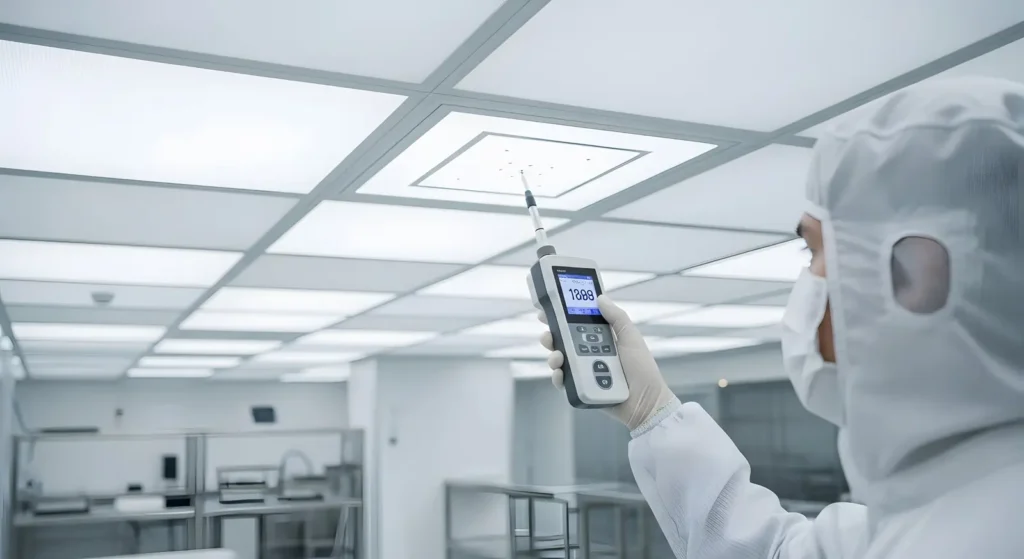
Asbestos Air Quality Testing
Air samples show whether asbestos fibres are present and at what concentration. Required for Type 3 work under O. Reg. 278/05.
Learn more

Asbestos Bulk Testing
Samples of drywall compound, insulation, flooring, ceiling tiles, plaster and more, before renovation or demolition.
Learn more

Asbestos Summary Reports
All asbestos findings, both air and bulk, compiled into one easy-to-read document.
Learn more
Mould testing
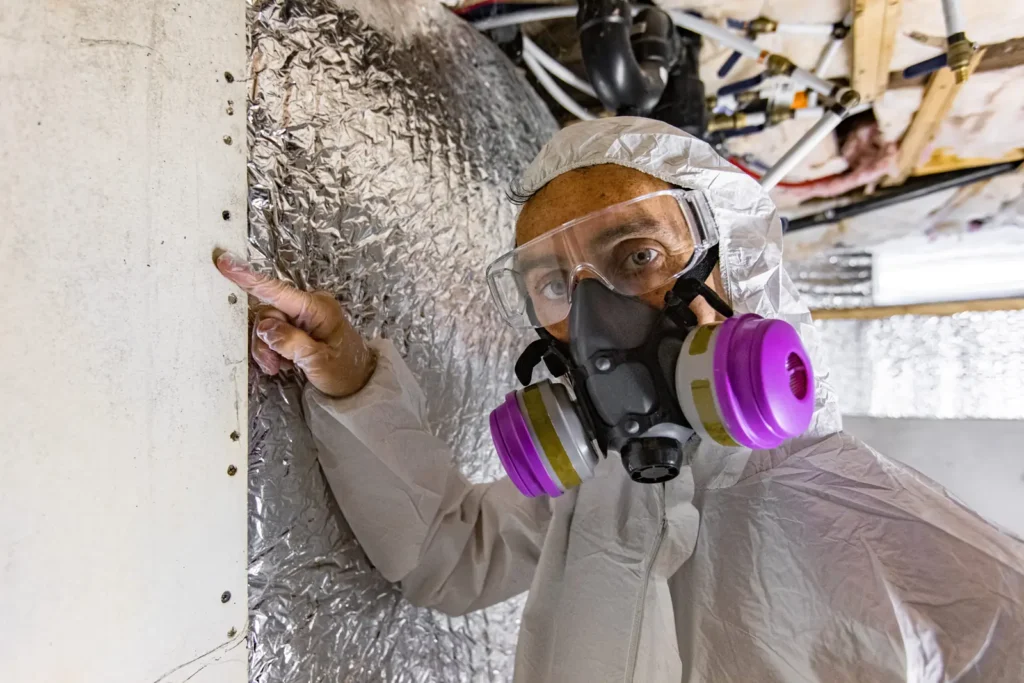
Mould Air Quality Testing
Indoor mould spore readings compared to outdoor baseline levels. A good background if mould is suspected.
Learn more
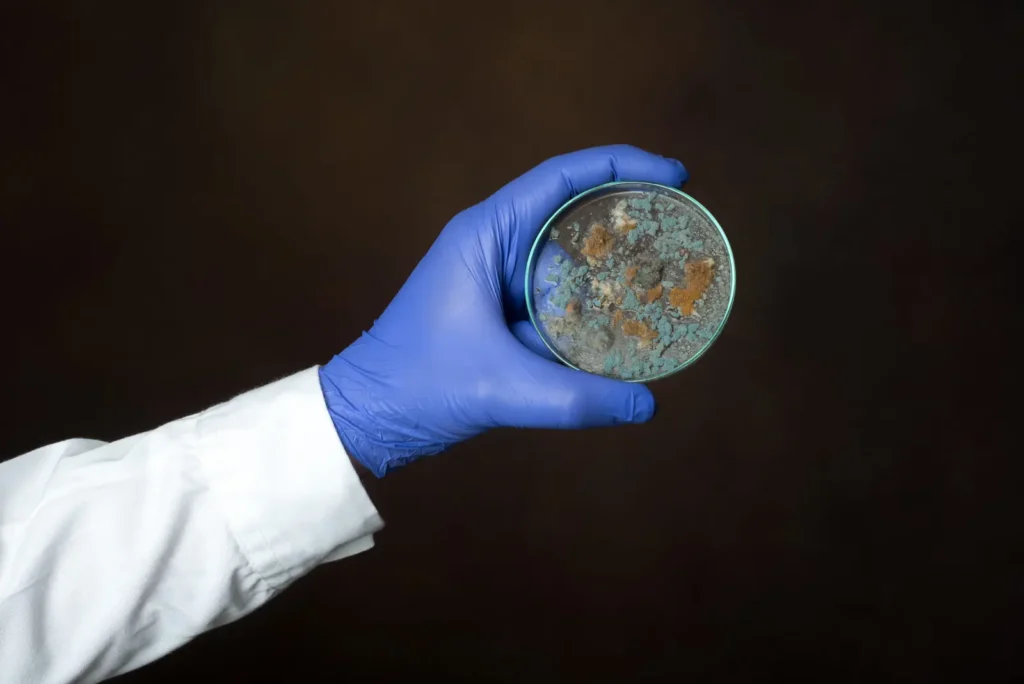
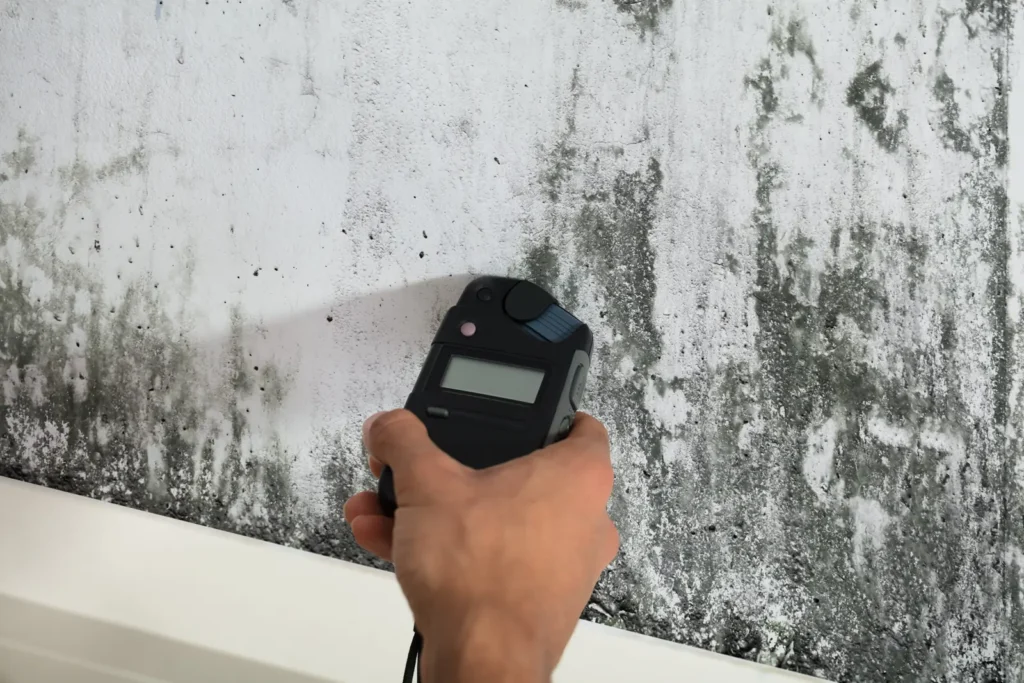
Mould Assessments
Visual inspection, moisture readings, air and/or surface sampling, source identification and recommendations.
Learn more
Surveys, removal and demolition
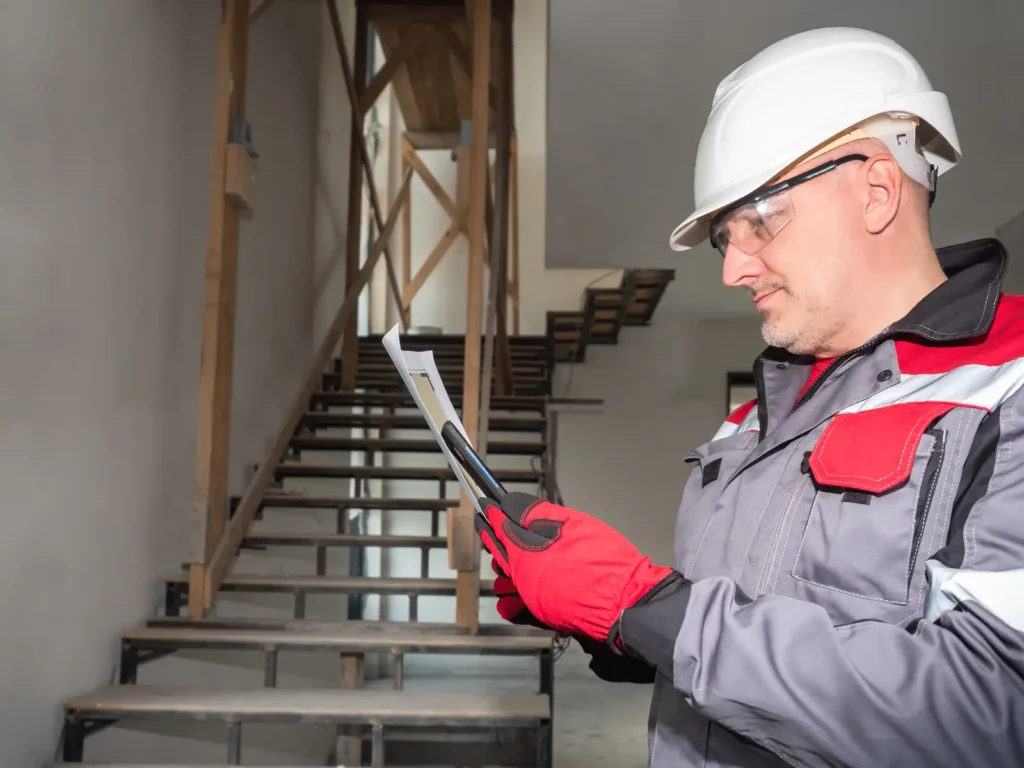
Designated Substance Survey
In Ontario, a DSS report is required before construction, demolition or renovation work.
Learn more
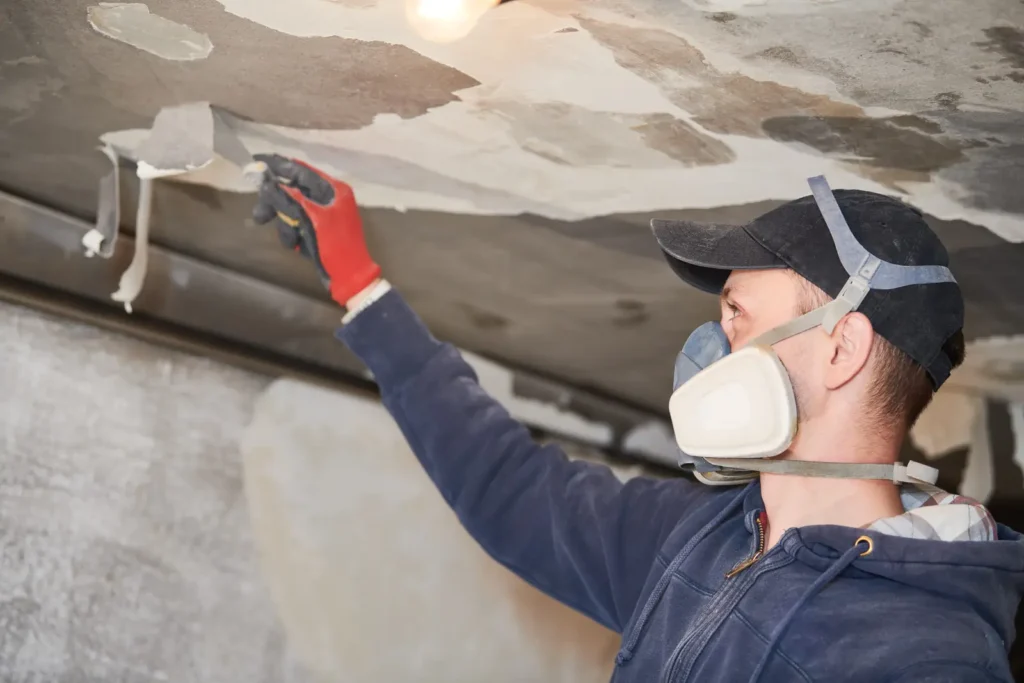
Abatement
Asbestos removal as a Type 1, 2 or 3 procedure: we can help with a contractor referral and estimate.
Learn more
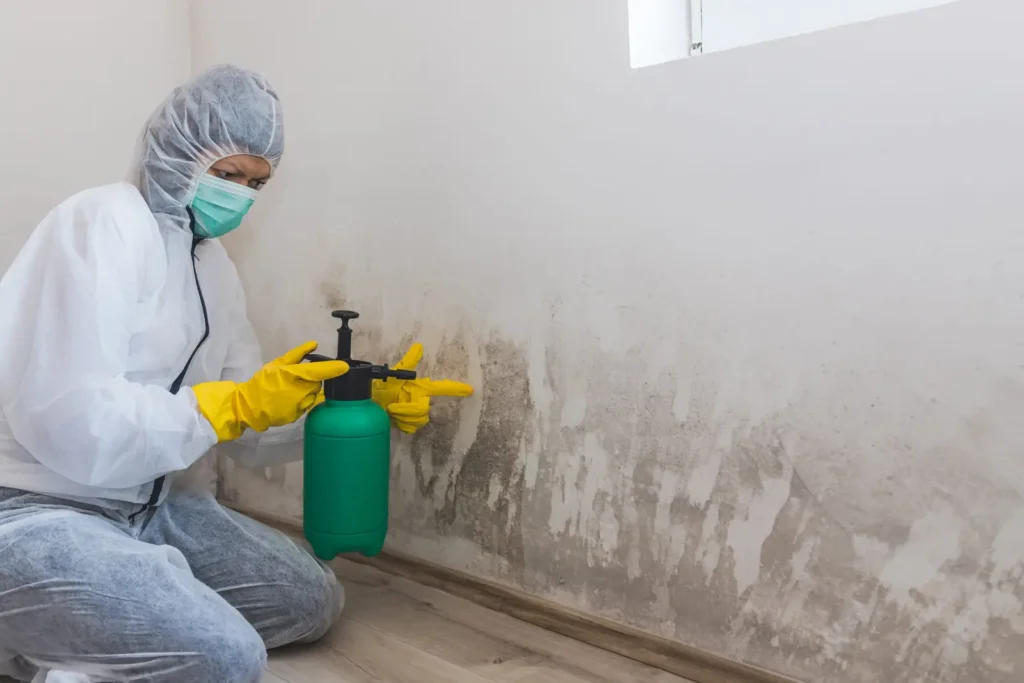
Remediation
Removal of mould-impacted materials as a Level 1, 2 or 3 procedure: contractor referral and estimate.
Learn more
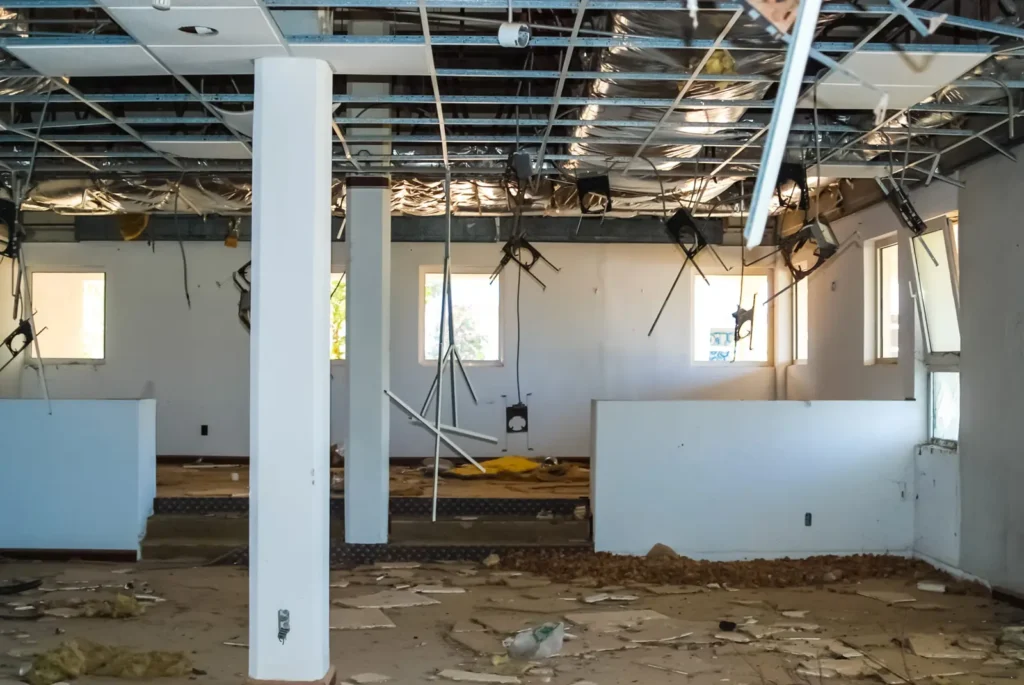
Demolition
Structural or interior demolition: we guide you through the process, with a contractor referral and estimate.
Learn more