
Asbestos & mould testing · Burlington & GTA
Protecting your health and property with expert environmental services.
Based in Burlington, Ontario, EnviroGuard Consulting and Testing is your trusted partner in ensuring a safe, healthy living and working environment. We specialize in professional asbestos and mould testing, providing accurate lab results and expert interpretations to help you make informed decisions for remediation.
Mould Inspection After Renovation Burlington
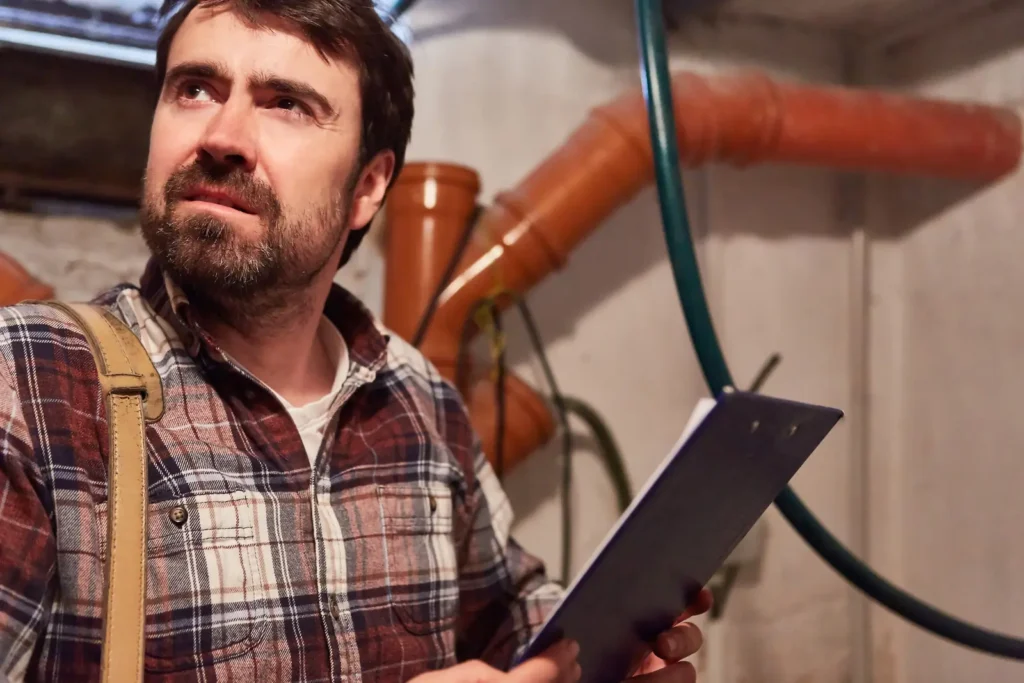
Mould inspection after renovation in Burlington protects your property and health by identifying fungal growth and moisture problems that may have developed during or after construction work. EnviroGuard Consulting and Testing provides certified mould testing and inspection services specifically designed to assess indoor environments following renovation projects across Burlington and the surrounding Greater Toronto Area.
Why Post-Renovation Mould Testing Matters in Burlington
Renovation work disrupts building envelopes, exposes building materials, and creates temporary conditions where moisture can accumulate. Drywall, insulation, and framing are left exposed to humidity during construction. Even with proper site management, water intrusion during rain, condensation from temperature fluctuations, or delayed drying can introduce moisture into cavities and concealed spaces. Once walls are sealed and finished, these hidden moisture pockets become breeding grounds for mould growth.
Burlington's climate-with its humid summers and significant seasonal moisture variation-amplifies this risk. Homeowners and commercial property owners in the area cannot assume that post-renovation spaces are automatically safe. Visual inspection alone is insufficient because active mould and moisture problems often exist behind finished surfaces, in HVAC systems, or in spaces inaccessible to the naked eye. EnviroGuard's certified approach includes air quality testing, surface sampling, and moisture assessment to detect problems that standard walkthroughs miss.
Mould Inspection After Renovation Burlington: Testing Methods Compared
| Testing Method | What It Detects | Best For | Limitations |
|---|---|---|---|
| Air Quality Testing (Spore Count) | Mould spore concentration in indoor air versus outdoor baseline | Identifying active mould release; comparing before/after remediation | Does not pinpoint mould location; requires outdoor comparison sample |
| Surface Sampling (Tape Lift / Swab) | Mould species and concentration on accessible surfaces | Confirming visible growth; identifying specific fungal types | Only samples tested areas; misses hidden infestations |
| Moisture Mapping | Moisture content in building materials; identifies wet areas | Finding hidden moisture in walls, cavities, and HVAC ducts post-renovation | Requires access; some areas cannot be tested without opening walls |
| Visual Inspection + Lab Analysis | Comprehensive assessment combining observation with testing data | Post-renovation verification; insurance documentation; health safety assurance | Most thorough but requires time and multiple sampling points |
EnviroGuard combines these methods rather than relying on visual inspection alone. Because renovation work often introduces moisture in places you cannot see, air and surface testing provides objective data about whether mould is actively growing or if moisture remains trapped in building materials. This multi-method approach is especially valuable in Burlington properties where post-renovation assessments are required before occupancy or sale.
What to Expect During a Post-Renovation Assessment
EnviroGuard's certified inspector will conduct a thorough walkthrough of all renovated spaces, identify potential moisture risk areas, and collect air samples, surface samples, or both depending on the renovation scope and any visible signs of concern. The inspector documents moisture readings in drywall, insulation, and framing using calibrated equipment. In Burlington homes and commercial spaces, this typically includes checking:
- Interior humidity levels and temperature patterns across renovated rooms
- HVAC system components, ductwork, and air handler condensation
- Basement or below-grade spaces where hydrostatic pressure increases moisture risk
- Areas where water damage or staining is visible or suspected
- Spaces with restricted airflow or poor ventilation post-renovation
Samples are sent to an accredited laboratory for analysis. Results include mould species identification, spore counts, and comparison to baseline outdoor levels. EnviroGuard provides a detailed written report with interpretation of findings and, if mould or excessive moisture is detected, specific remediation recommendations. This documentation protects you legally and serves as proof of due diligence for insurance, resale, or tenant safety purposes.
When to Schedule Inspection in Burlington
The ideal timing for mould inspection after renovation depends on the scope of work. For major renovations involving structural work, new drywall, plumbing, or HVAC installation, EnviroGuard recommends testing within two to four weeks after construction completion and before final drywall finishing or sealing. Early detection allows remediation before walls are closed. For kitchen or bathroom renovations where moisture exposure is highest, testing should occur as soon as the space is functional and drying has stabilized.
If you are purchasing a property in Burlington that has undergone recent renovation, having an independent mould inspection before closing is prudent. Seller-arranged inspections may lack rigor; a certified assessment by EnviroGuard protects your investment and gives you factual data about the property's indoor air quality.
Laboratory Analysis and Your Report
Results are reported as colony-forming units (CFU) per cubic meter of air and quantified by fungal species. The report compares indoor spore levels to outdoor baseline samples collected on the same day, because mould spores are naturally present outdoors. If indoor levels significantly exceed outdoor counts or if pathogenic species are identified, this indicates active indoor mould growth or a moisture problem requiring intervention. EnviroGuard interprets these results in plain language and relates them to health risk factors relevant to your household or workplace.
Documentation includes photographs, moisture readings, sampling locations, and laboratory certificates. This professional record is essential for insurance claims, contractor accountability, and real estate transactions in Burlington and across the Greater Toronto Area.
If you have completed a renovation or are concerned about post-construction indoor air quality, contact EnviroGuard Consulting and Testing to arrange a certified mould inspection. Our goal is to give you confidence that your renovated space is safe and free of hidden moisture and mould problems.
Frequently Asked Questions
How long after renovation should I have mould testing done in Burlington?
Mould inspection should be scheduled two to four weeks after renovation completion, once drying has stabilized but before walls are fully sealed. For properties with water exposure (kitchens, bathrooms, basements), earlier testing is recommended to detect moisture before it penetrates hidden cavities.
Can mould grow during a renovation if contractors manage moisture properly?
Yes, mould can still develop even with good site management because temporary humidity exposure, condensation, and delayed drying create conditions favourable to fungal growth. Burlington's climate increases this risk, making post-renovation testing a prudent safety measure.
What is the difference between air quality testing and surface sampling for mould?
Air quality testing measures mould spores circulating in the indoor environment and is useful for detecting active growth or assessing overall contamination. Surface sampling identifies specific mould species and confirms visible growth. Both methods are often used together for comprehensive assessment after renovation.
Is mould inspection required for home resale in Burlington?
Mould inspection is not legally mandated in Ontario, but buyers increasingly request air quality testing as part of due diligence. Having a certified mould inspection completed after renovation strengthens your position as a seller and provides documentation of property safety.
Why EnviroGuard
Experience, integrity and regulatory conformity
Regulations
- O. Reg. 278/05 Asbestos on construction projects and in buildings and repair operationsOccupational Health and Safety Act
- O. Reg. 490/09 Designated substancesOccupational Health and Safety Act
- O. Reg. 347/90 General waste management, including asbestos wasteEnvironmental Protection Act
Under the Occupational Health and Safety Act (OHSA), the ministry is responsible for regulating occupational health and safety in workplaces, which includes schools, hospitals, and any place where people work.
Experience
With over 30 years of experience in solid waste management across Ontario and 20 years in environmental science, EnviroGuard Consulting and Testing provides expert asbestos, mould, and environmental testing services.
Hands-on knowledge of hazardous material assessment and indoor air quality ensures every project is handled safely, efficiently, and in full compliance with Ontario’s environmental and occupational health regulations.
Integrity
Built on high integrity and regulatory conformity, EnviroGuard delivers precise testing, reliable reporting, and practical abatement and remediation recommendations.
Clients can trust EnviroGuard to protect their buildings, occupants, and projects while maintaining the highest standards of safety and compliance.
Our services
Environmental testing and consulting
At EnviroGuard, we offer a comprehensive range of environmental testing and consulting services for homes and businesses.
Asbestos testing
Asbestos Air Quality Testing
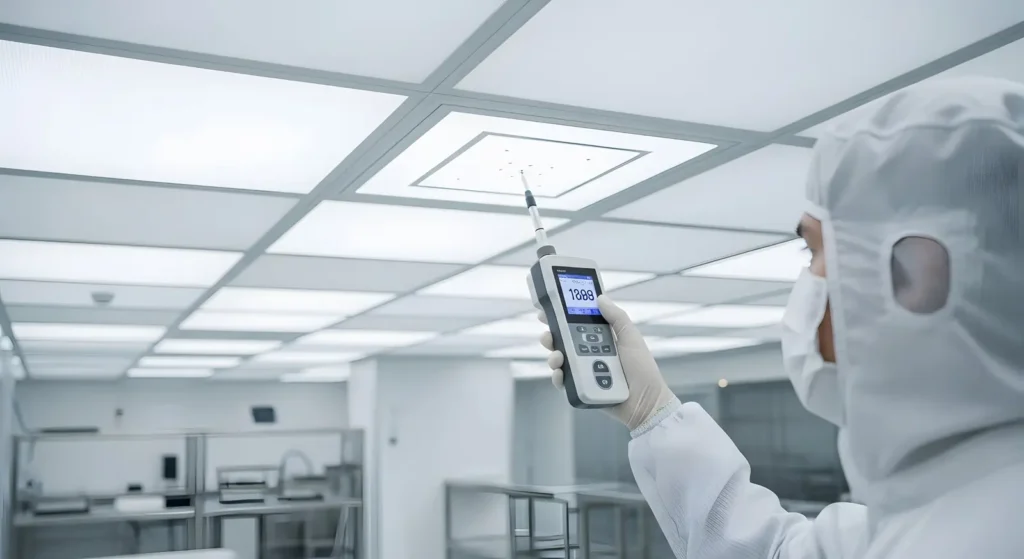
Air samples show whether asbestos fibres are present and at what concentration. Required for Type 3 work under O. Reg. 278/05.
Learn more

Asbestos Bulk Testing
Samples of drywall compound, insulation, flooring, ceiling tiles, plaster and more, before renovation or demolition.
Learn more

Asbestos Summary Reports
All asbestos findings, both air and bulk, compiled into one easy-to-read document.
Learn more
Mould testing
Mould Air Quality Testing
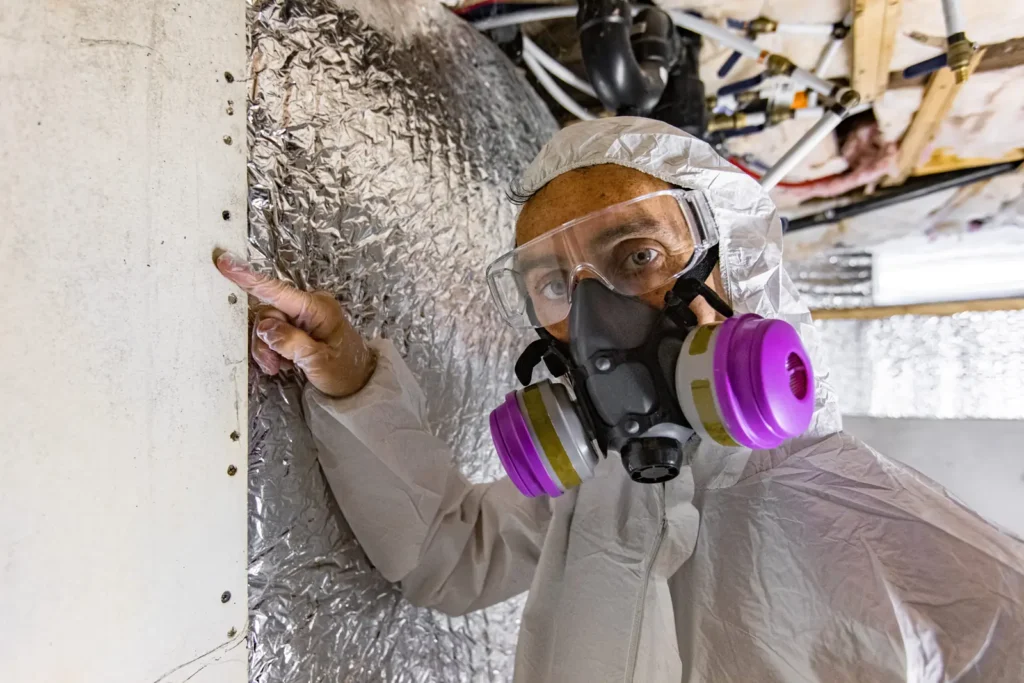
Indoor mould spore readings compared to outdoor baseline levels. A good background if mould is suspected.
Learn more
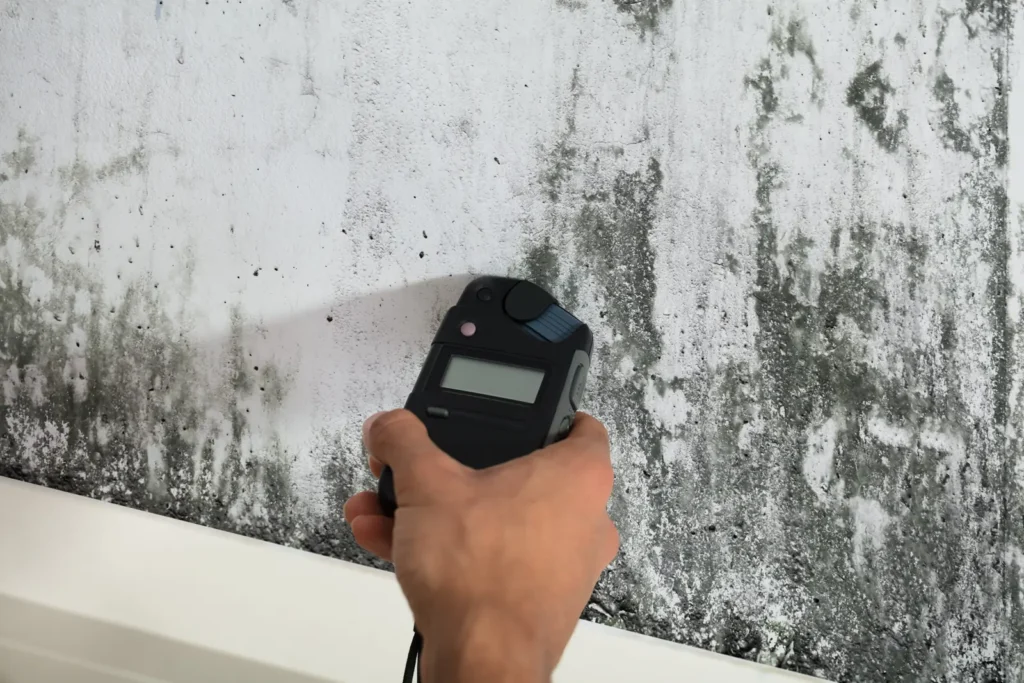
Mould Assessments
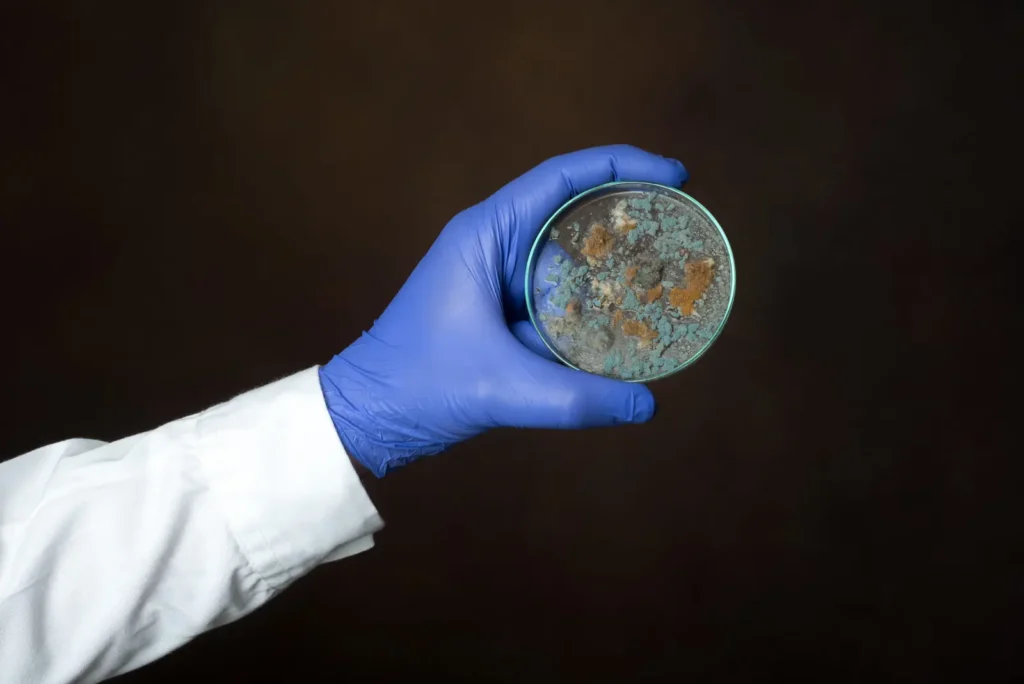
Visual inspection, moisture readings, air and/or surface sampling, source identification and recommendations.
Learn more
Surveys, removal and demolition
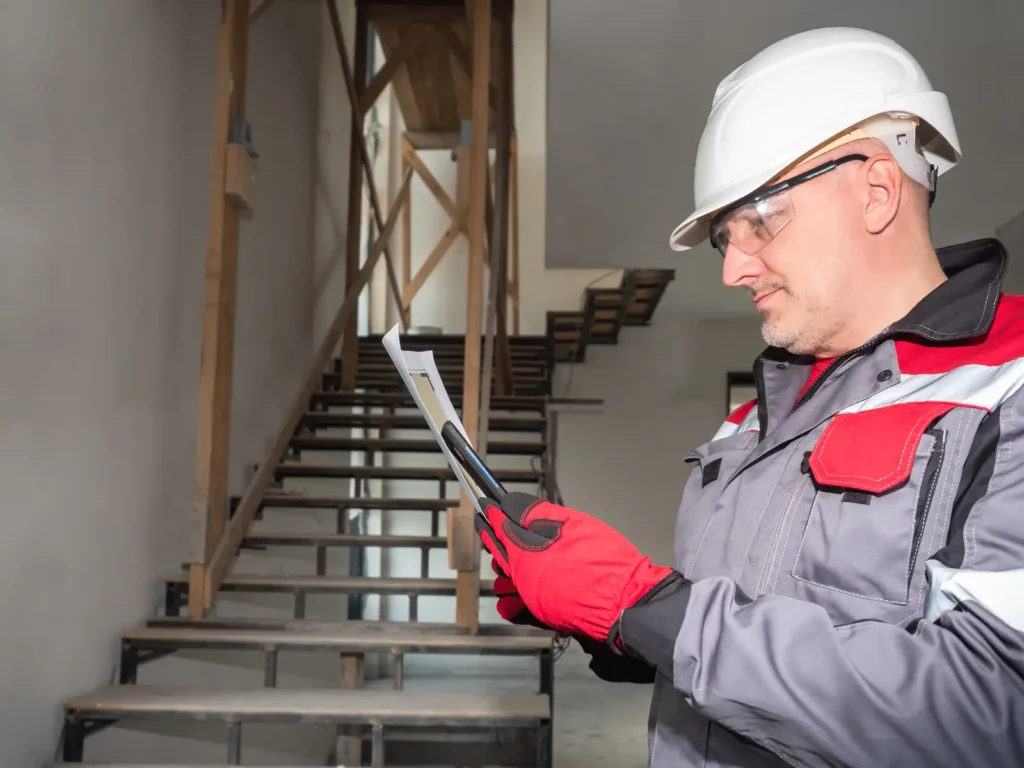
Designated Substance Survey
In Ontario, a DSS report is required before construction, demolition or renovation work.
Learn more
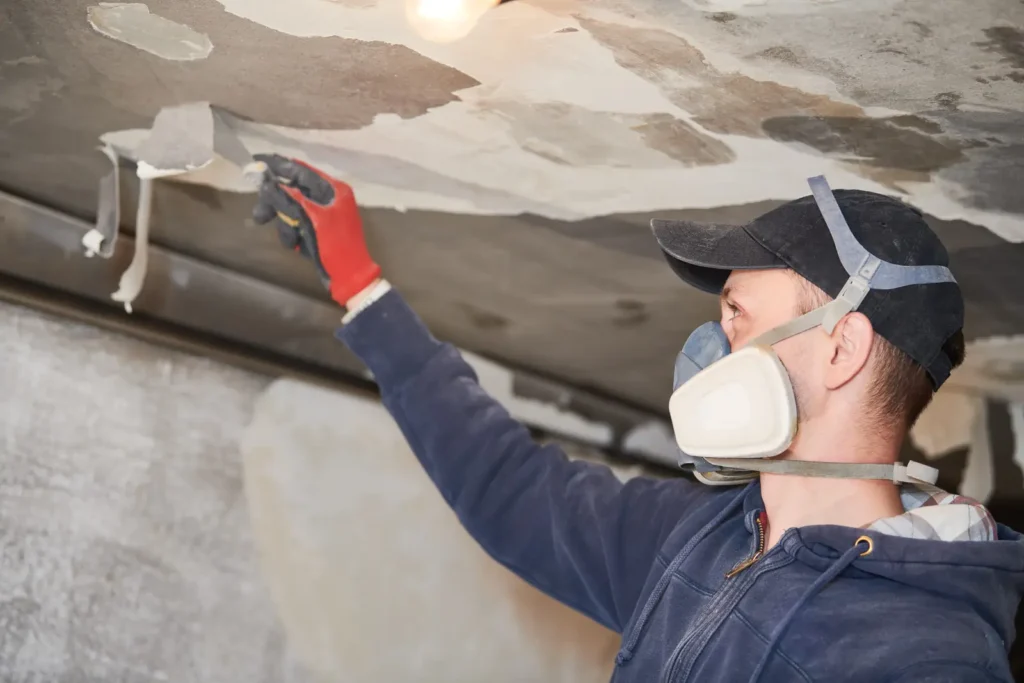
Abatement
Asbestos removal as a Type 1, 2 or 3 procedure: we can help with a contractor referral and estimate.
Learn more
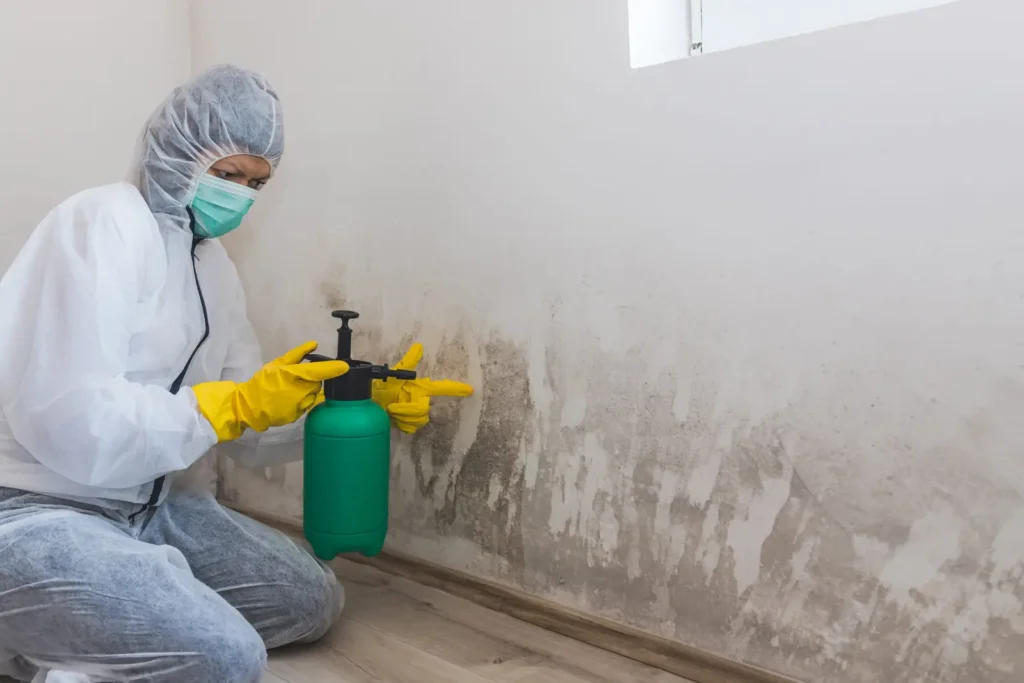
Remediation
Removal of mould-impacted materials as a Level 1, 2 or 3 procedure: contractor referral and estimate.
Learn more
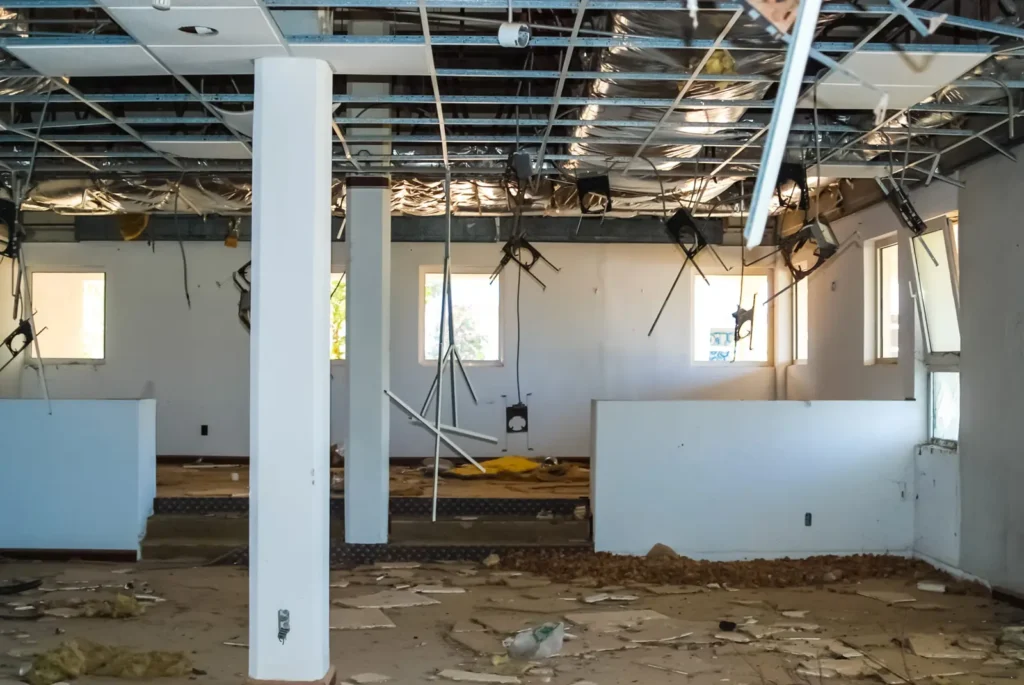
Demolition
Structural or interior demolition: we guide you through the process, with a contractor referral and estimate.
Learn more