
Asbestos & mould testing · Burlington & GTA
Protecting your health and property with expert environmental services.
Based in Burlington, Ontario, EnviroGuard Consulting and Testing is your trusted partner in ensuring a safe, healthy living and working environment. We specialize in professional asbestos and mould testing, providing accurate lab results and expert interpretations to help you make informed decisions for remediation.
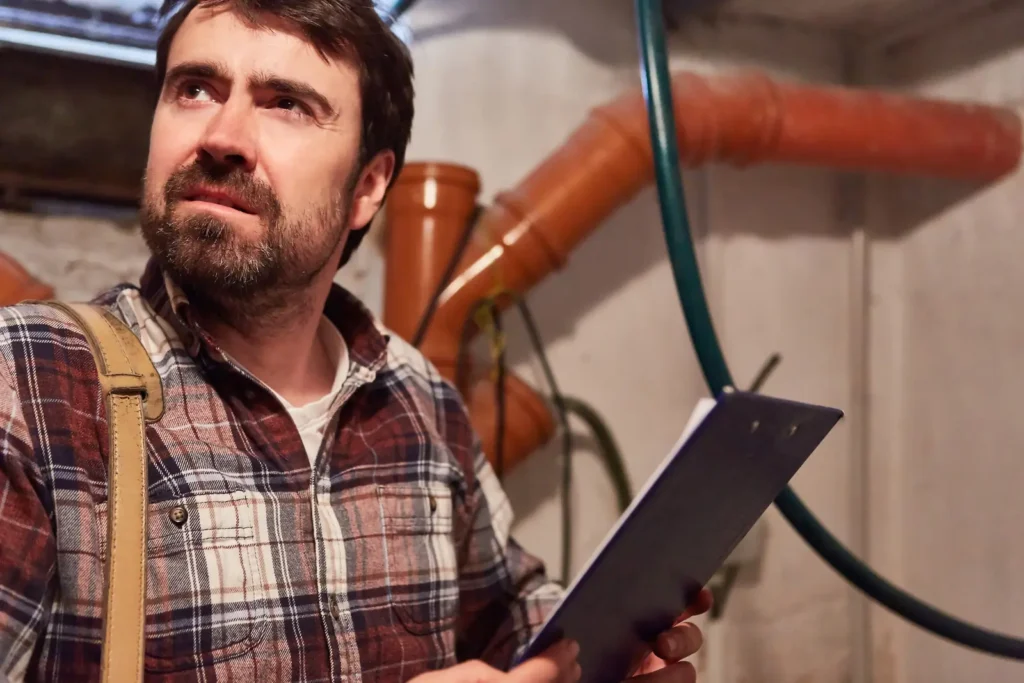
Mould Inspection After Sewer Backup Burlington
Mould inspection after sewer backup in Burlington is the process of identifying and assessing fungal growth that develops when sewage backs up into your home or building. Sewer backups create conditions that mould thrives in: standing water, organic material, and darkness. Because sewage introduces harmful bacteria and multiple mould species simultaneously, professional assessment is not optional-it is essential for protecting your family and property.
Burlington homeowners and property managers face particular risk. The town's aging infrastructure in some neighborhoods means sewer backups happen more often than many residents expect. Even a small backup can seed mould growth within 24 to 48 hours. This guide walks you through the inspection process step by step, so you understand what happens, what to look for, and when to call in certified help from EnviroGuard Consulting and Testing.
Step 1: Document the Backup and Stop the Source
The moment you discover a sewer backup, stop using water in your home immediately. Do not flush toilets, run showers, or drain sinks. Document the backup with photographs and notes: what areas are affected, water depth, color, and odor. Open windows to ventilate, but stay out of the affected space as much as possible. Sewage carries pathogens that pose immediate health risk.
Call your municipal water authority in Burlington to report the backup. They will send a crew to assess whether the problem originates in your private line (your responsibility) or the municipal line (theirs). This step determines who pays for remediation and tells you what happened. Once the backup itself is addressed by a plumber, the real work begins: finding and assessing the mould that has already started growing.
Step 2: Assess Visible Mould Growth and Affected Materials
Within 48 hours of the backup, walk through the affected area carefully. Look for visible mould on surfaces: walls, flooring, drywall, baseboards, and personal items. Mould from sewer backup often appears dark or black, but can also be green, white, or orange depending on the species. Because sewer backup introduces multiple mould types at once, do not assume all growth is the same species.
Make a list of everything that contacted sewage water. Porous materials absorb moisture and mould spores deeply-carpet, insulation, drywall, and wood will likely need removal. Hard surfaces like tile or concrete can often be cleaned, but only after professional testing confirms safe remediation methods. This inventory is critical. It tells EnviroGuard Consulting and Testing exactly what needs inspection and helps you understand the scope of work ahead.
Step 3: Hire Certified mould inspection After Sewer Backup in Burlington
Do not rely on visual inspection alone. Professional mould testing identifies species, spore counts, and hidden contamination you cannot see. EnviroGuard Consulting and Testing provides certified mould inspection and air quality assessment designed specifically for post-backup situations. The inspector will collect bulk samples from visibly contaminated materials and air samples from affected rooms and unaffected control areas in your home.
Air sampling is particularly important after sewer backup, because mould spores become airborne as materials dry. Even if you clean visible growth, if spore counts remain elevated, the problem is not solved. EnviroGuard's laboratory analysis identifies each mould type present, spore concentration levels, and whether indoor air quality has been restored. This data guides your remediation contractor on what must be removed versus what can be cleaned, and when re-testing should occur to confirm success.
Step 4: Follow the Remediation Plan and Re-test
Once you have EnviroGuard's report and recommendations, your remediation contractor uses it as a blueprint. They will remove contaminated porous materials, deep-clean hard surfaces with appropriate antimicrobial methods, dry everything thoroughly, and address the moisture source. Do not skip this step: mould returns if moisture remains.
After remediation is complete, EnviroGuard conducts a final mould inspection to verify that spore counts have returned to normal and that air quality is safe. Re-testing is the only way to confirm the job was done right. Many Burlington property owners think cleaning is the end-it is not. Final air testing closes the loop and gives you proof that your home is genuinely restored. This documentation is also valuable if you plan to sell or refinance; it shows buyers or lenders that the property has been properly remediated.
Sewer backups are stressful, but they are manageable with professional guidance. EnviroGuard Consulting and Testing has helped Burlington families and businesses navigate this exact scenario. If your home has experienced a sewer backup, reach out to discuss your situation. We will explain what testing reveals, what your options are, and what comes next.
Frequently Asked Questions
How quickly does mould grow after a sewer backup?
Mould can begin growing within 24 to 48 hours of a sewer backup. Sewage-contaminated water provides both moisture and organic food sources that mould spores need to germinate. This is why professional assessment should happen soon after the backup is cleaned up-waiting weeks allows mould colonies to become established and spread further into walls and materials.
Is mould from sewer backup more dangerous than other mould?
Yes. Mould from sewer backup grows in an environment rich with fecal bacteria and pathogens. The mould itself is toxic, and it lives alongside harmful microorganisms. This combination makes post-backup contamination a serious health threat, especially for children, elderly people, and anyone with respiratory sensitivities. Professional testing is essential to ensure thorough remediation.
Can I clean sewer backup mould myself?
You should not attempt to clean sewage-contaminated areas yourself. Exposure to raw sewage and the mould it carries poses serious health risks. A licensed remediation contractor should handle all cleanup. Before they begin, professional mould testing from EnviroGuard tells them exactly what they are dealing with and guides their method. After cleanup, re-testing confirms the job is complete.
How much does mould inspection after sewer backup cost in Burlington?
Cost varies based on home size, the extent of contamination, and the number of samples needed. EnviroGuard Consulting and Testing will provide a quote after speaking with you about your specific situation. Contact us to discuss your property, and we will give you a clear estimate for testing and what to expect next.
What is the difference between bulk sampling and air sampling for mould?
Bulk sampling collects material directly from visible mould-drywall, carpet, wood-to identify the mould species. Air sampling draws air through a collector to measure floating mould spores in the room. After sewer backup, both are needed: bulk samples tell you what is there, and air samples confirm whether spores are still being released into the air you breathe. Together, they show what has been cleaned and what remains.
When can I move back into my home after sewer backup mould remediation?
You can return safely only after remediation is complete and final mould re-testing confirms that spore levels are normal. EnviroGuard's post-remediation air quality assessment provides that confirmation. Without this test, you have no proof that mould is truly gone or that the air is safe. Final clearance typically comes 1 to 2 weeks after cleanup, depending on how quickly drying and testing can be scheduled.
Why EnviroGuard
Experience, integrity and regulatory conformity
Regulations
- O. Reg. 278/05 Asbestos on construction projects and in buildings and repair operationsOccupational Health and Safety Act
- O. Reg. 490/09 Designated substancesOccupational Health and Safety Act
- O. Reg. 347/90 General waste management, including asbestos wasteEnvironmental Protection Act
Under the Occupational Health and Safety Act (OHSA), the ministry is responsible for regulating occupational health and safety in workplaces, which includes schools, hospitals, and any place where people work.
Experience
With over 30 years of experience in solid waste management across Ontario and 20 years in environmental science, EnviroGuard Consulting and Testing provides expert asbestos, mould, and environmental testing services.
Hands-on knowledge of hazardous material assessment and indoor air quality ensures every project is handled safely, efficiently, and in full compliance with Ontario’s environmental and occupational health regulations.
Integrity
Built on high integrity and regulatory conformity, EnviroGuard delivers precise testing, reliable reporting, and practical abatement and remediation recommendations.
Clients can trust EnviroGuard to protect their buildings, occupants, and projects while maintaining the highest standards of safety and compliance.
Our services
Environmental testing and consulting
At EnviroGuard, we offer a comprehensive range of environmental testing and consulting services for homes and businesses.
Asbestos testing
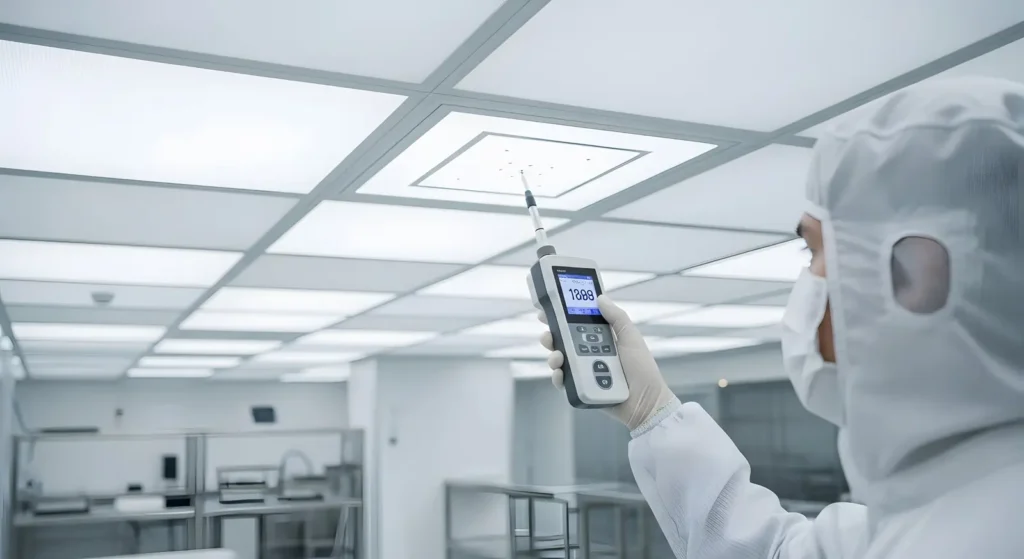
Asbestos Air Quality Testing
Air samples show whether asbestos fibres are present and at what concentration. Required for Type 3 work under O. Reg. 278/05.
Learn more
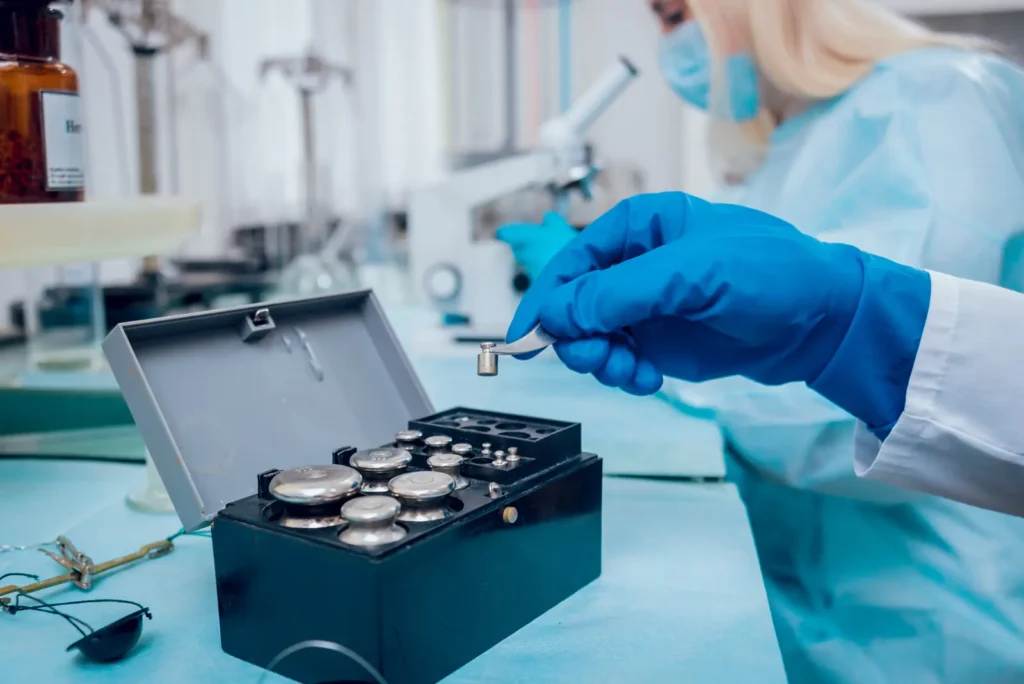
Asbestos Bulk Testing
Samples of drywall compound, insulation, flooring, ceiling tiles, plaster and more, before renovation or demolition.
Learn more
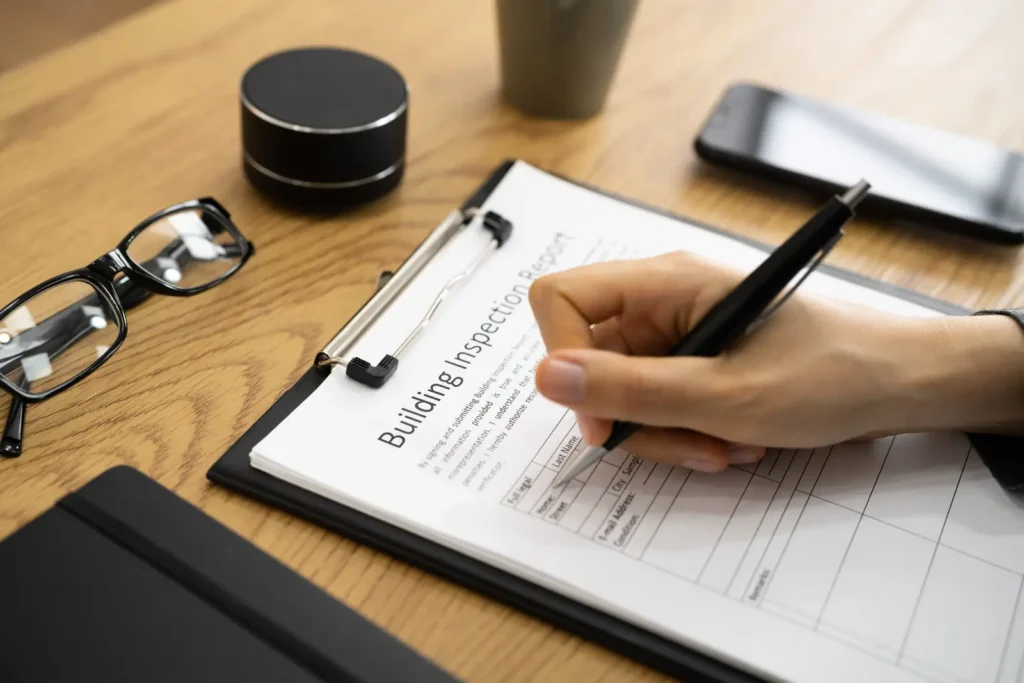
Asbestos Summary Reports
All asbestos findings, both air and bulk, compiled into one easy-to-read document.
Learn more
Mould testing
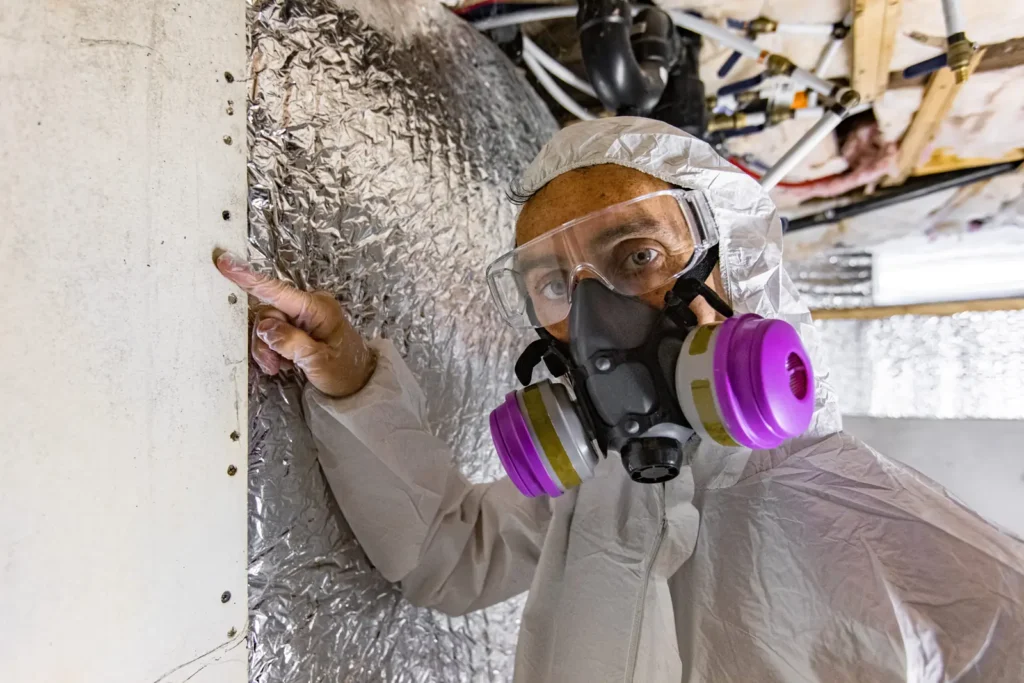
Mould Air Quality Testing
Indoor mould spore readings compared to outdoor baseline levels. A good background if mould is suspected.
Learn more
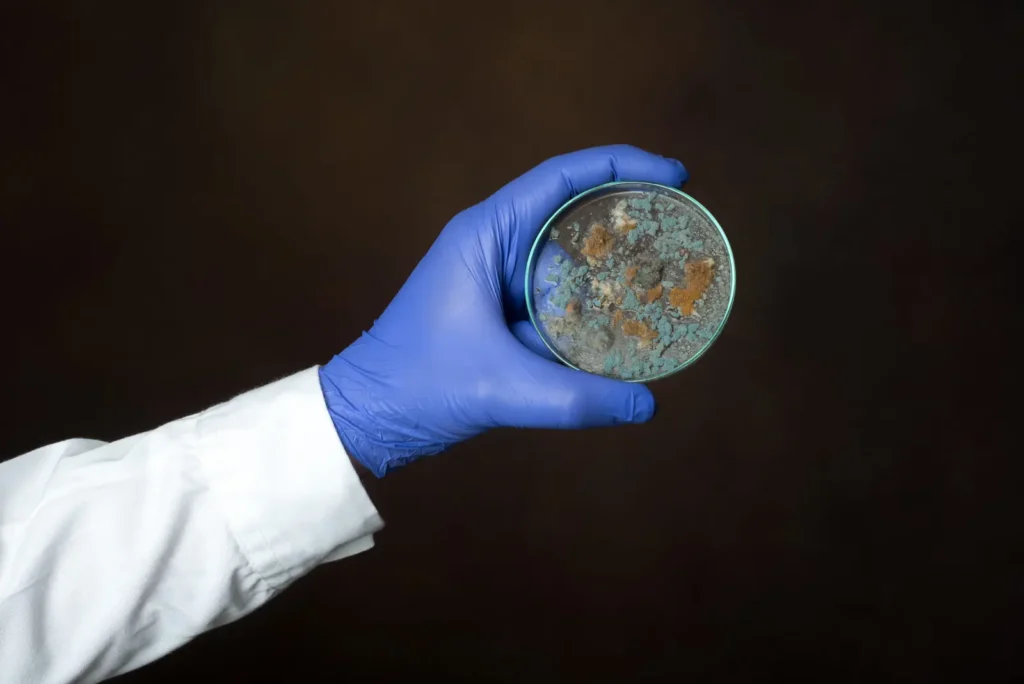
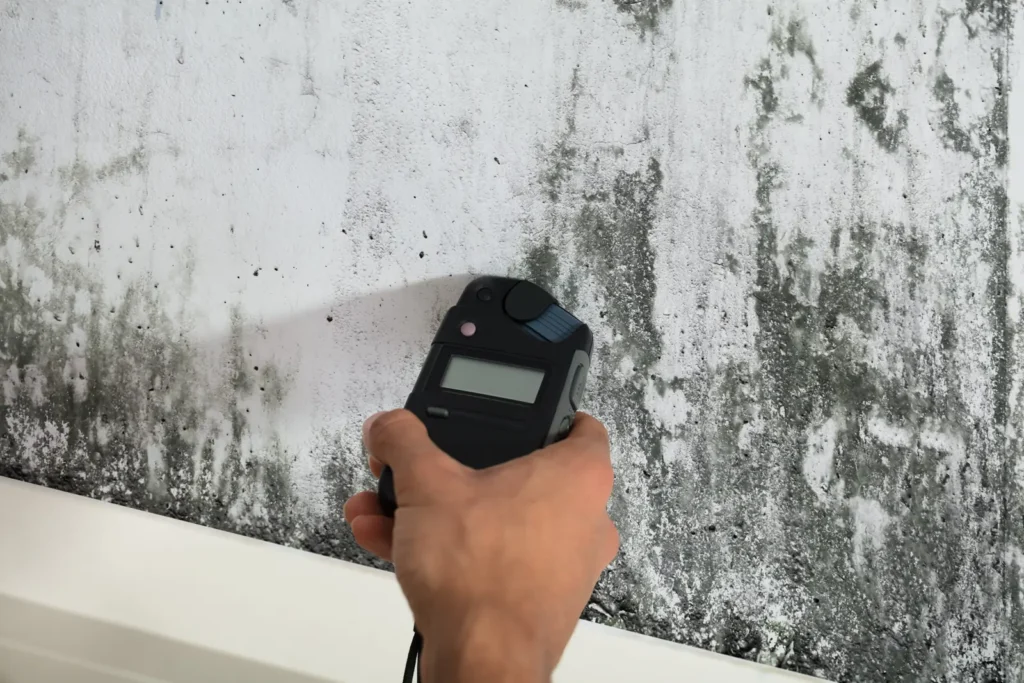
Mould Assessments
Visual inspection, moisture readings, air and/or surface sampling, source identification and recommendations.
Learn more
Surveys, removal and demolition
Designated Substance Survey
In Ontario, a DSS report is required before construction, demolition or renovation work.
Learn more
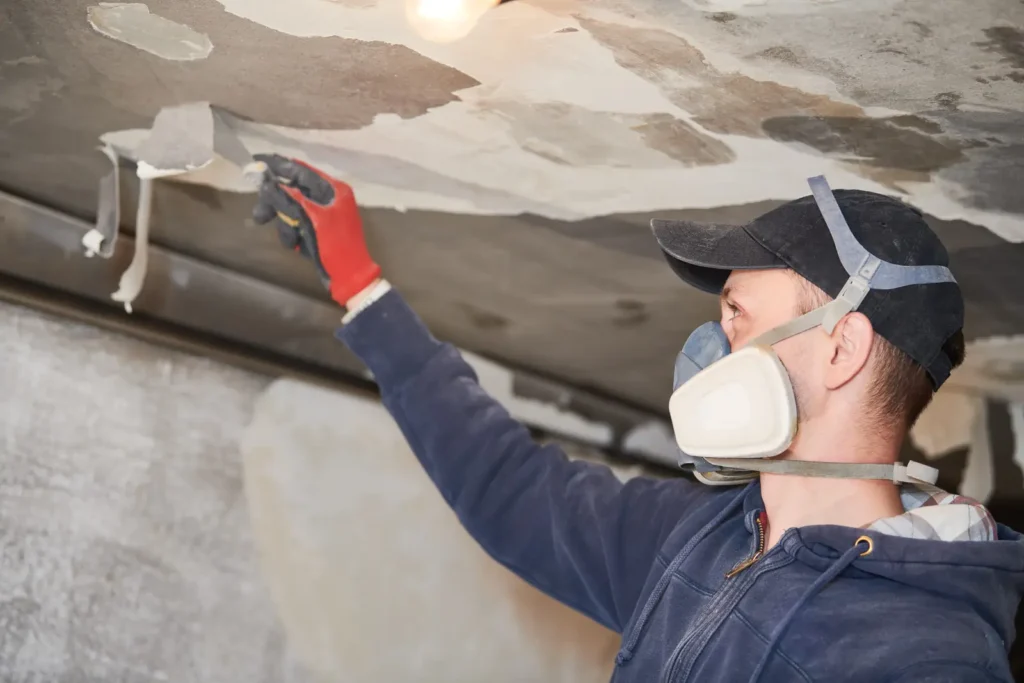
Abatement
Asbestos removal as a Type 1, 2 or 3 procedure: we can help with a contractor referral and estimate.
Learn more
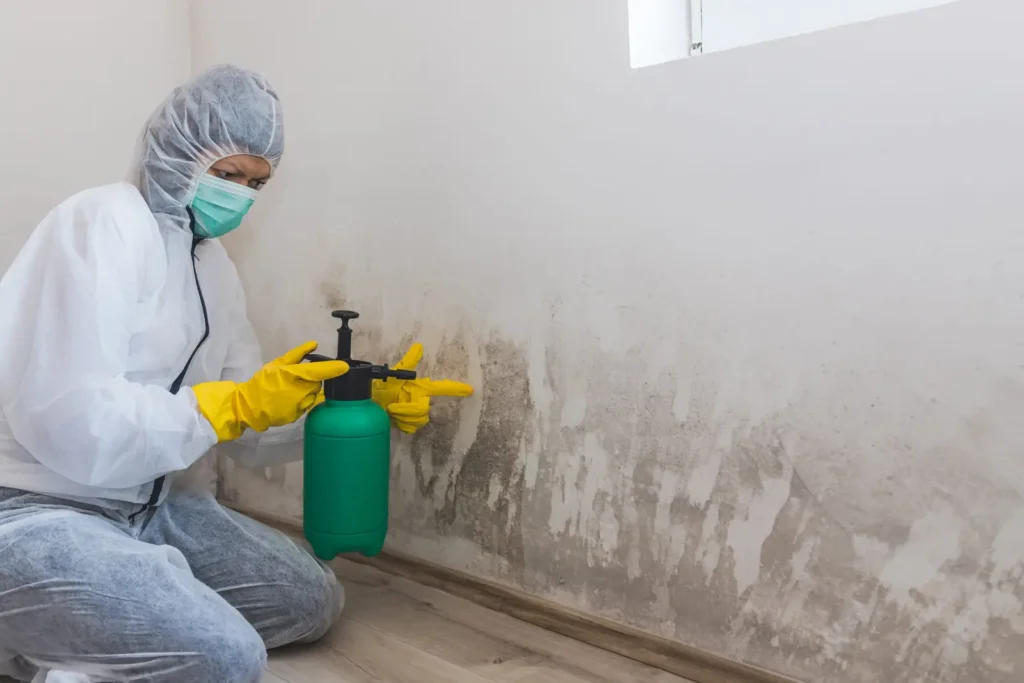
Remediation
Removal of mould-impacted materials as a Level 1, 2 or 3 procedure: contractor referral and estimate.
Learn more
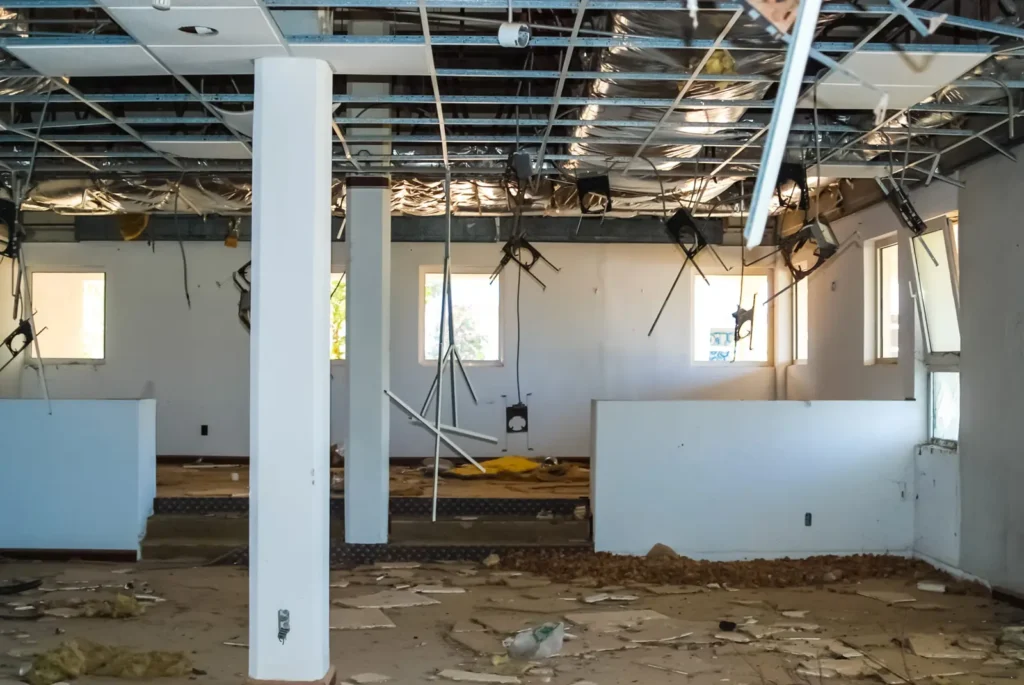
Demolition
Structural or interior demolition: we guide you through the process, with a contractor referral and estimate.
Learn more