
Asbestos & mould testing · Burlington & GTA
Protecting your health and property with expert environmental services.
Based in Burlington, Ontario, EnviroGuard Consulting and Testing is your trusted partner in ensuring a safe, healthy living and working environment. We specialize in professional asbestos and mould testing, providing accurate lab results and expert interpretations to help you make informed decisions for remediation.
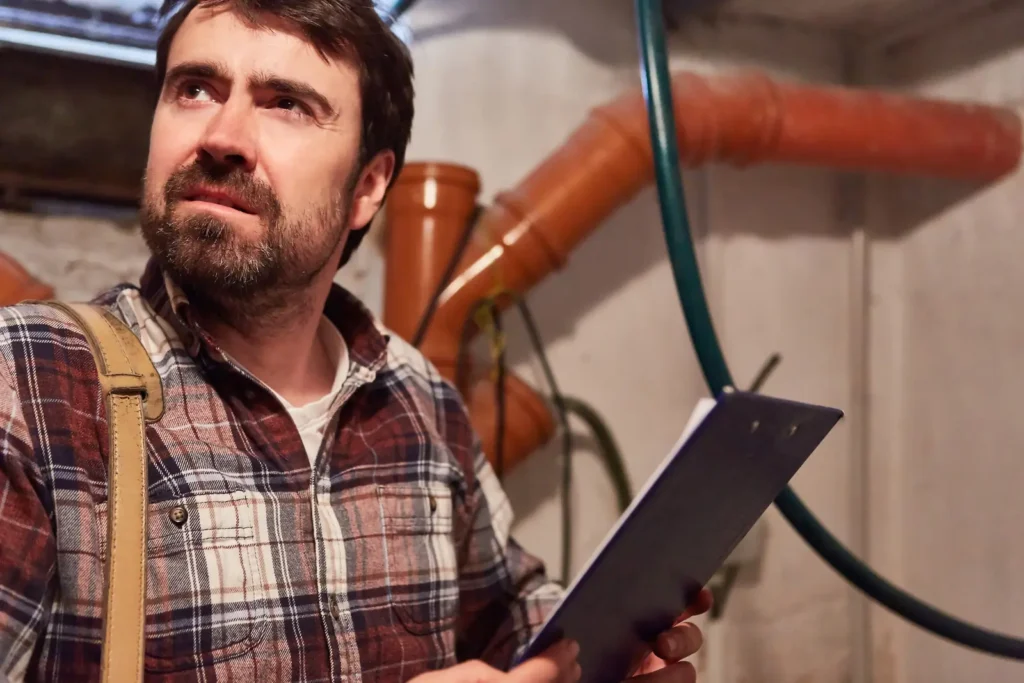
Mould Inspection After Water Damage Burlington
Mould inspection after water damage in Burlington is the process of identifying and assessing fungal growth that develops following water intrusion into a residential or commercial property. Water damage creates the exact conditions mould needs to thrive: moisture, organic material, and time. Because mould can spread rapidly and pose genuine health risks, testing your property after any significant water event is not optional-it is a practical necessity that protects your investment and the people who occupy the space.
Burlington homeowners and property managers face particular vulnerability to mould growth due to the region's climate and aging building stock. Water damage can occur suddenly through burst pipes, roof leaks, basement flooding, or gradual seepage through foundation walls. The longer moisture remains unaddressed, the faster mould establishes itself. EnviroGuard Consulting and Testing helps Burlington property owners determine whether mould is present, how extensive it is, and what remediation steps are needed to restore the property to safe condition.
Why Timing Matters in Water Damage Assessment
Mould begins colonizing damp surfaces within 24 to 48 hours of water exposure. This narrow window means that waiting to assess a water-damaged property significantly increases the risk of hidden contamination. By the time visible mould appears, the problem has often spread into wall cavities, insulation, and substructure where it cannot be seen. Testing performed promptly after water damage reveals the true extent of fungal growth before remediation decisions are made.
EnviroGuard's certified inspection process in Burlington includes visual assessment of affected areas combined with air quality testing and bulk sampling when needed. This multi-layered approach identifies both visible and hidden mould, ensuring nothing is missed. The laboratory results provide objective data that guides remediation contractors and confirms when work is complete. For insurance claims, lenders, or real estate transactions, this documentation is essential.
Common Water Damage Sources in Burlington Properties
Understanding how water enters your property helps you prevent future damage and respond faster when it occurs. The following sources account for the majority of water intrusion cases that lead to mould contamination:
- Plumbing failures: burst pipes, corroded water lines, and appliance leaks
- Roof and gutter defects: missing shingles, clogged gutters, and ice damming
- Foundation cracks and poor drainage: groundwater seeping through basement walls
- Window and door seal failure: rain penetration during storms
- HVAC condensation and improper grading around the foundation perimeter
Each source creates different moisture patterns and affected areas. A plumbing leak may saturate a single room, while foundation seepage affects the entire basement. EnviroGuard's certified inspectors evaluate the water source during the inspection process, which helps property owners understand what caused the damage and what corrections are needed to prevent recurrence.
The Testing and Reporting Process
Mould inspection in Burlington follows a standardized protocol designed to deliver reliable, actionable results. The process begins with a visual walkthrough of the affected area and adjacent spaces where moisture may have migrated. The certified inspector documents moisture levels using specialized equipment and identifies all areas of visible growth or discoloration.
Air quality testing is performed by collecting samples from the affected area and a control sample from an unaffected space. This comparison establishes whether airborne mould spore levels are elevated-an indicator of active contamination. Bulk sampling of suspect materials provides laboratory identification of mould species present. All samples are analyzed by an accredited laboratory, and results are returned with a detailed written report that explains findings in plain language and recommends next steps.
The report from EnviroGuard becomes the foundation for remediation planning. Contractors use the data to scope work accurately. Insurance adjusters rely on it to approve claims. Real estate lawyers review it to ensure disclosure compliance. Without this testing, decisions about water damage are made on guesswork rather than evidence, often leading to incomplete repairs or unnecessary expense.
Practical Steps After Water Damage in Burlington
If your Burlington property has experienced water damage, following these steps minimizes mould risk and ensures proper response:
- Stop the water source immediately and remove standing water using pumps or extraction equipment
- Open windows and doors to increase air circulation and begin drying the space
- Document all damage with photographs for insurance purposes before cleanup begins
- Contact a certified environmental inspector to assess the scope before remediation contractors are hired
- Do not assume the problem is visible-mould often grows in cavities and hidden areas
- Request a post-remediation air quality test to confirm that conditions are safe
Acting within the first 48 hours after water damage is critical. The sooner moisture is removed and testing is performed, the less opportunity mould has to establish itself. EnviroGuard Consulting and Testing is available to inspect properties in Burlington, Oakville, Hamilton, and throughout the Halton Region to provide the certified assessment you need to move forward with confidence.
If your property has experienced water damage, contact EnviroGuard Consulting and Testing to discuss your situation and schedule an inspection. Our certified approach provides the clarity and documentation needed to protect your property and the health of those who live or work in it.
Frequently Asked Questions
How quickly should I get mould testing after water damage in Burlington?
Mould testing should be performed within 24 to 48 hours of water exposure, before fungal growth spreads into hidden areas. Waiting longer increases the risk of extensive contamination that is difficult and expensive to remediate. Early testing also provides the documentation needed for insurance claims and contractor agreements.
Can I see all mould, or does some hide inside walls?
Most active mould growth occurs in areas you cannot see-inside wall cavities, under flooring, and within insulation. Visible mould on surfaces represents only the contamination you can detect. Air quality and bulk sampling tests reveal hidden growth, which is why laboratory analysis is essential after water damage.
What is the cost of mould inspection after water damage in Burlington?
Testing costs depend on the property size, number of samples needed, and whether air quality or bulk sampling is required. Contact EnviroGuard Consulting and Testing directly with details about your water damage situation to receive a specific estimate for your property.
Do I need a mould inspection if the water damage was minor?
Yes. Even minor water events can lead to mould growth if moisture is not completely removed. Because mould colonizes damp surfaces within 48 hours, any water intrusion warrants testing to confirm no growth is occurring. This is especially important in basements and crawl spaces where moisture lingers.
Will my insurance cover mould testing after water damage?
Many insurance policies cover testing if the water damage itself is a covered claim. A certified inspection report documents the damage and is required by most adjusters to process claims. Check your policy or contact your insurer before scheduling testing to understand your coverage.
Why EnviroGuard
Experience, integrity and regulatory conformity
Regulations
- O. Reg. 278/05 Asbestos on construction projects and in buildings and repair operationsOccupational Health and Safety Act
- O. Reg. 490/09 Designated substancesOccupational Health and Safety Act
- O. Reg. 347/90 General waste management, including asbestos wasteEnvironmental Protection Act
Under the Occupational Health and Safety Act (OHSA), the ministry is responsible for regulating occupational health and safety in workplaces, which includes schools, hospitals, and any place where people work.
Experience
With over 30 years of experience in solid waste management across Ontario and 20 years in environmental science, EnviroGuard Consulting and Testing provides expert asbestos, mould, and environmental testing services.
Hands-on knowledge of hazardous material assessment and indoor air quality ensures every project is handled safely, efficiently, and in full compliance with Ontario’s environmental and occupational health regulations.
Integrity
Built on high integrity and regulatory conformity, EnviroGuard delivers precise testing, reliable reporting, and practical abatement and remediation recommendations.
Clients can trust EnviroGuard to protect their buildings, occupants, and projects while maintaining the highest standards of safety and compliance.
Our services
Environmental testing and consulting
At EnviroGuard, we offer a comprehensive range of environmental testing and consulting services for homes and businesses.
Asbestos testing
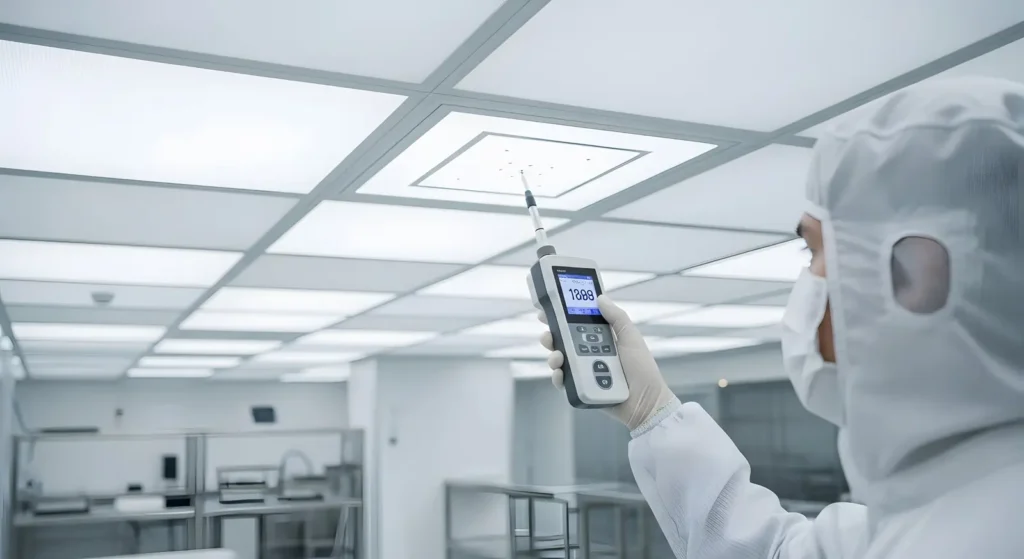
Asbestos Air Quality Testing
Air samples show whether asbestos fibres are present and at what concentration. Required for Type 3 work under O. Reg. 278/05.
Learn more
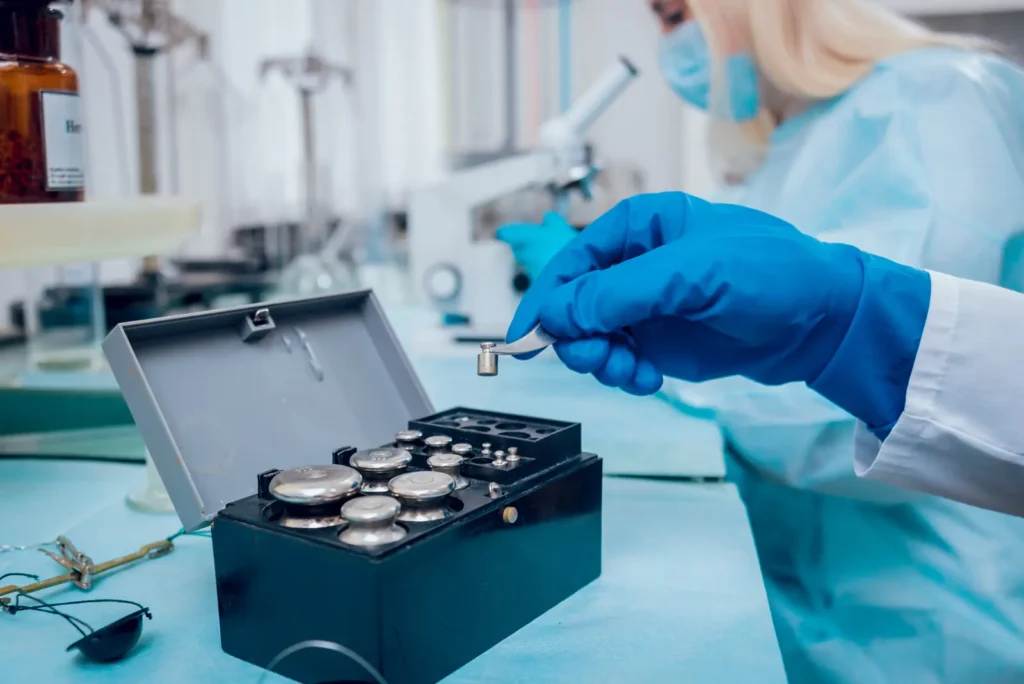
Asbestos Bulk Testing
Samples of drywall compound, insulation, flooring, ceiling tiles, plaster and more, before renovation or demolition.
Learn more

Asbestos Summary Reports
All asbestos findings, both air and bulk, compiled into one easy-to-read document.
Learn more
Mould testing
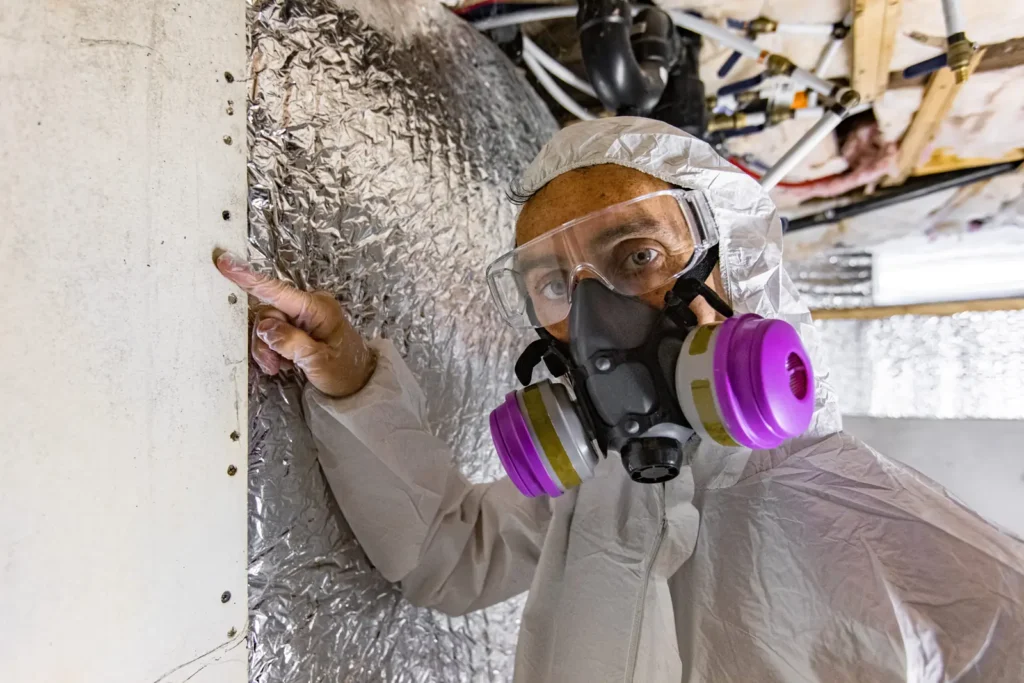
Mould Air Quality Testing
Indoor mould spore readings compared to outdoor baseline levels. A good background if mould is suspected.
Learn more
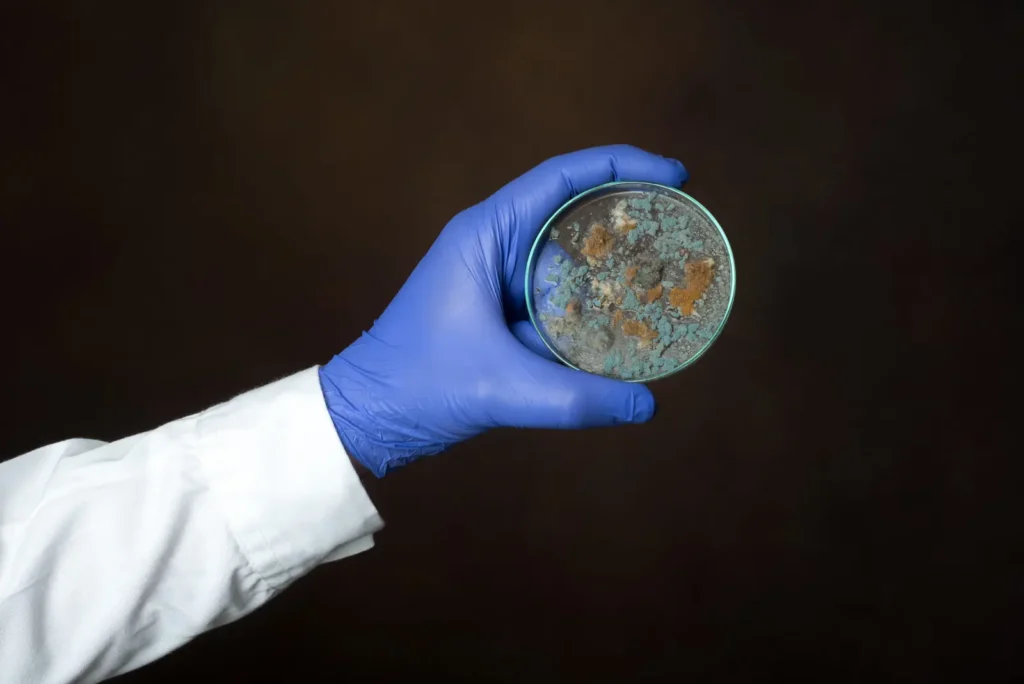
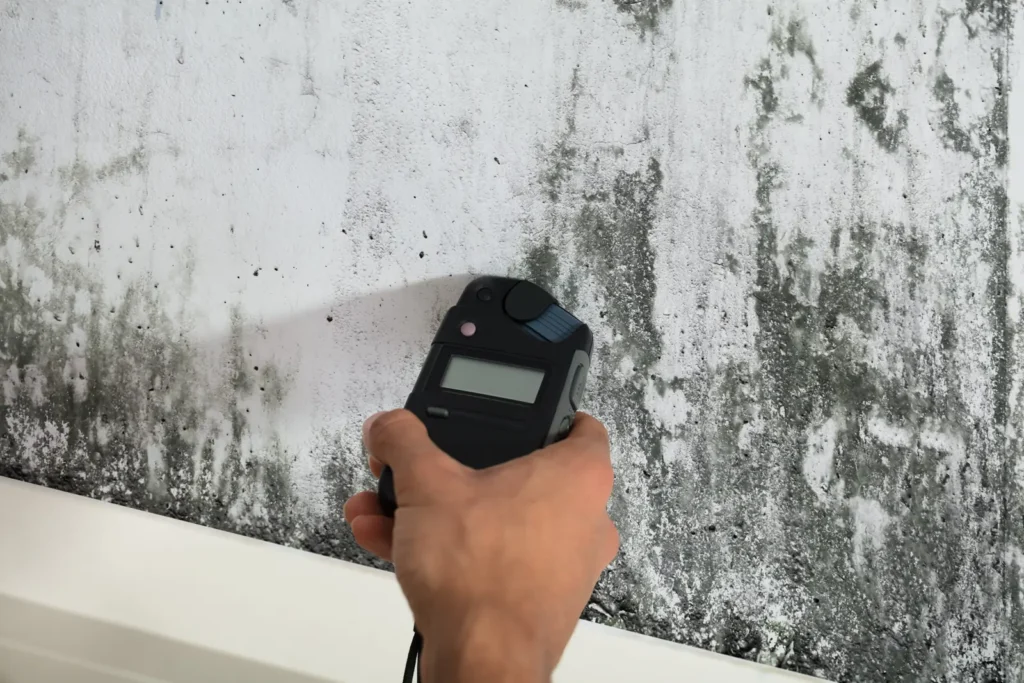
Mould Assessments
Visual inspection, moisture readings, air and/or surface sampling, source identification and recommendations.
Learn more
Surveys, removal and demolition
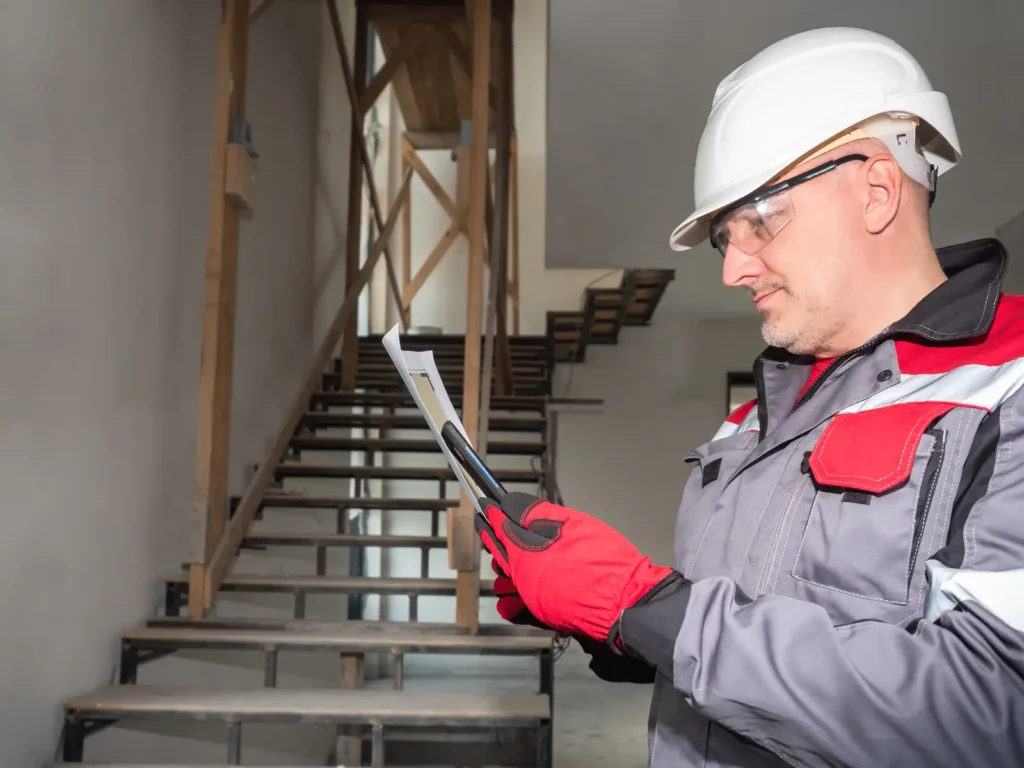
Designated Substance Survey
In Ontario, a DSS report is required before construction, demolition or renovation work.
Learn more
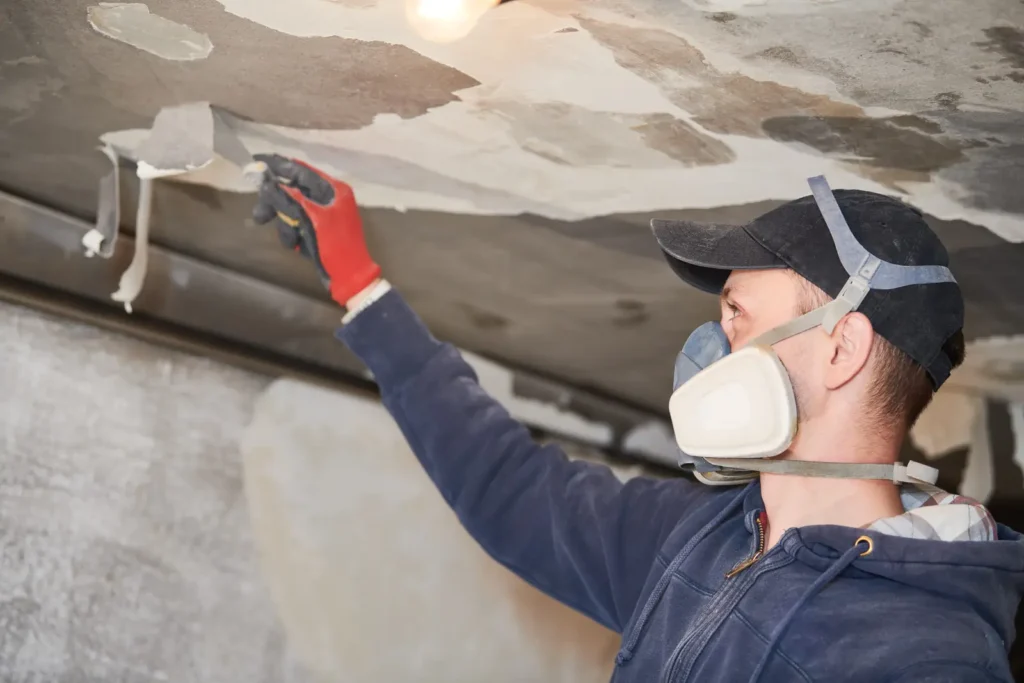
Abatement
Asbestos removal as a Type 1, 2 or 3 procedure: we can help with a contractor referral and estimate.
Learn more
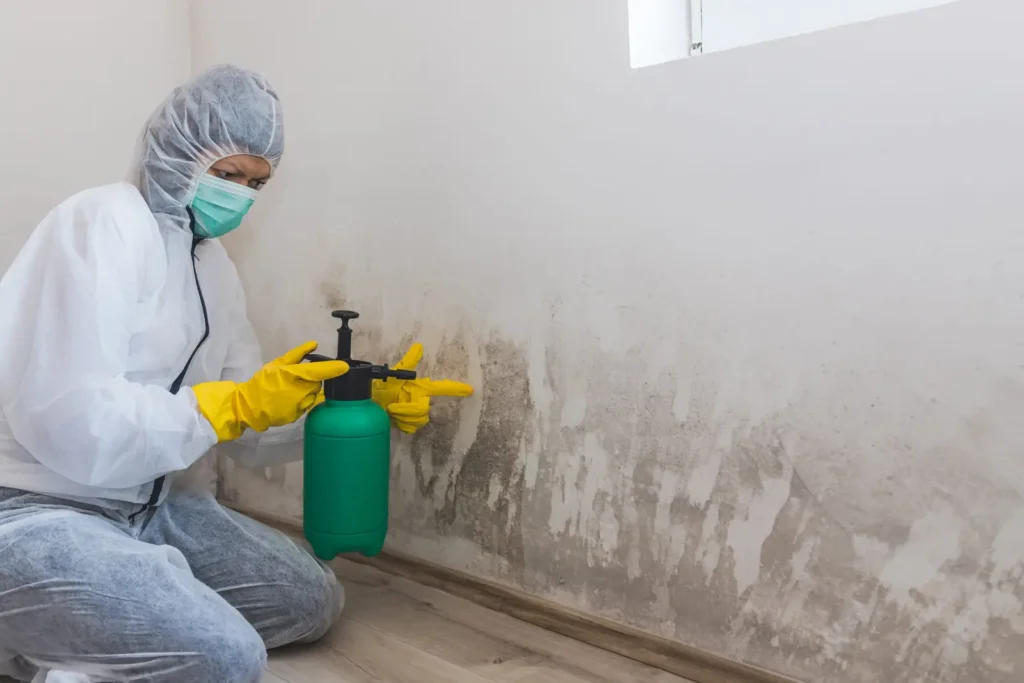
Remediation
Removal of mould-impacted materials as a Level 1, 2 or 3 procedure: contractor referral and estimate.
Learn more
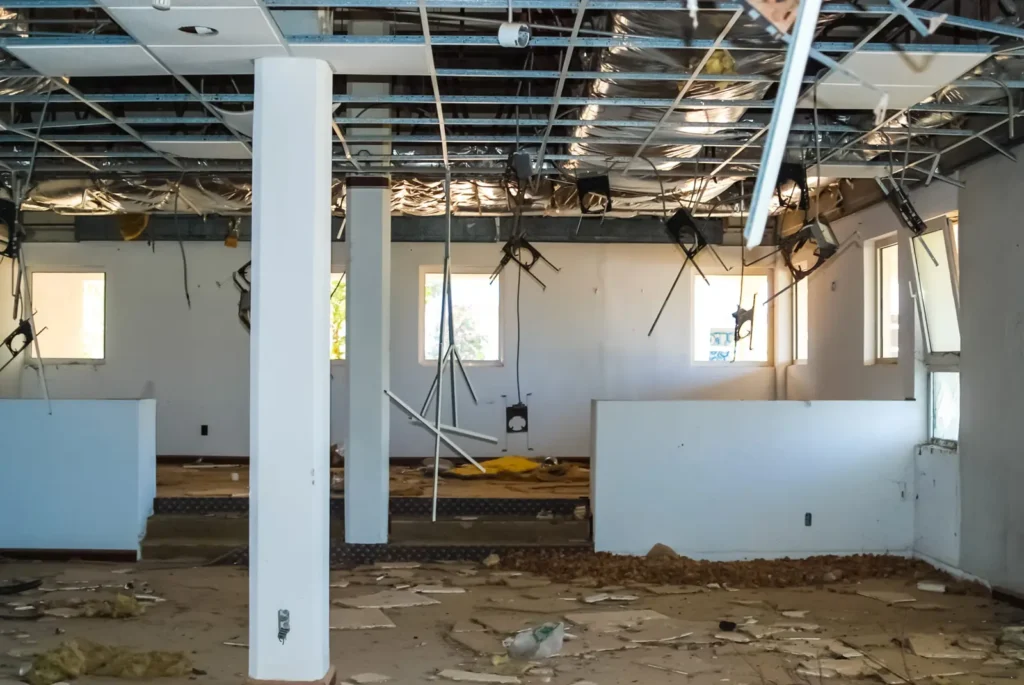
Demolition
Structural or interior demolition: we guide you through the process, with a contractor referral and estimate.
Learn more