
Asbestos & mould testing · Burlington & GTA
Protecting your health and property with expert environmental services.
Based in Burlington, Ontario, EnviroGuard Consulting and Testing is your trusted partner in ensuring a safe, healthy living and working environment. We specialize in professional asbestos and mould testing, providing accurate lab results and expert interpretations to help you make informed decisions for remediation.
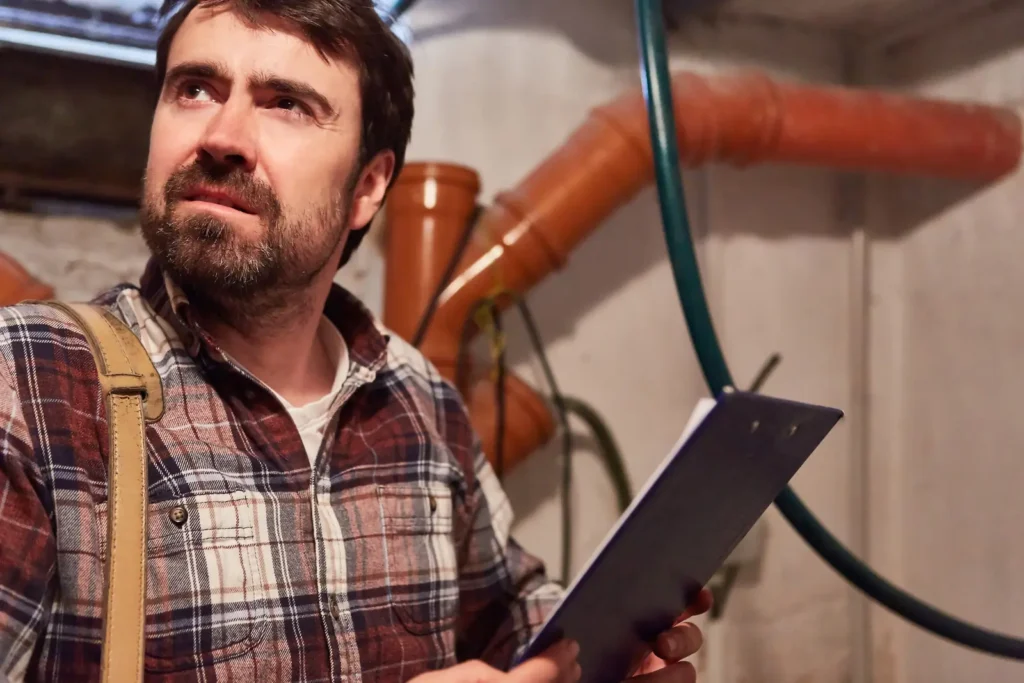
Mould Inspection After Window Leak Burlington
When a window leaks in your Burlington home, the damage does not stop at water stains on the sill. Within days, moisture trapped behind walls and in insulation creates ideal conditions for mould to grow unseen. A mould inspection after window leak in Burlington is the certified assessment that identifies hidden contamination before it becomes a health hazard or structural problem.
Burlington sits on the Niagara Escarpment with a humid climate that makes window leaks particularly problematic. The town's mix of older homes with original windows and newer construction with modern frames all face the same risk: moisture intrusion leads to mould, and mould thrives in the damp environment typical of the Greater Toronto Area. EnviroGuard Consulting and Testing has helped dozens of Burlington homeowners uncover and address mould growth triggered by window failures.
Why Window Leaks in Burlington Lead to Mould Problems
Window frames fail in Burlington homes for common reasons: age, poor sealing, thermal stress from seasonal temperature swings, or impact damage. Once water enters, it travels along the frame, into the wall cavity, and onto insulation where it sits. The cavity stays moist and warm for weeks or months, especially in homes with limited air circulation. Mould spores, which are always present in indoor air, germinate rapidly in these conditions. By the time a homeowner notices discoloration or a musty odour, the growth is often extensive.
Mould in wall cavities can spread across 10 to 15 square feet or more before it becomes visible on interior surfaces. Early detection through professional inspection prevents both health risks and costly remediation.
The problem is worse in Burlington because many properties have older windows installed decades ago. Wooden frames absorb and retain moisture. Even newer vinyl or composite frames can fail if caulking degrades or if the installation itself was not sealed properly. Temperature changes and freeze-thaw cycles common to southwestern Ontario accelerate this degradation.
EnviroGuard's Approach to Mould Inspection After Window Leak Burlington
EnviroGuard Consulting and Testing begins with a visual inspection of the window frame, both inside and outside. Henry Kwasniak, the certified inspector who leads the company, identifies visible water damage, discoloration, and soft spots in frames or adjacent wall material. This gives context but is only the starting point.
The next phase involves non-invasive air quality testing. EnviroGuard collects air samples from the room where the leak occurred and compares them to outdoor air or unaffected areas of the home. Elevated mould spore counts in the interior sample indicate active mould growth or recent contamination. This air test for mould in Burlington tells you whether the problem is present even if you cannot see it.
If necessary, EnviroGuard may conduct surface samples or recommend opening a small inspection point in the wall to assess the cavity directly. The decision depends on the leak's location, how long it has been ongoing, and what visual signs suggest. Every inspection generates a laboratory report that identifies the mould species present and its concentration. This data guides remediation decisions and helps your contractor or insurance company understand the scope of work required.
What Homeowners Discover During Testing
Many Burlington homeowners are surprised by the extent of mould hidden behind their windows. A slow leak that seemed minor can colonize a 4-foot section of wall. Mould spores in the air sample often exceed normal background levels, confirming that the growth is actively releasing spores into living spaces.
EnviroGuard's reports provide actionable information: what species of mould is present, whether it poses elevated health risk, which areas require professional remediation, and what steps prevent recurrence. This clarity helps homeowners decide whether DIY cleanup is safe or whether a certified contractor is necessary. For buyers or sellers in Burlington facing a window leak discovery during a real estate transaction, these certified results provide the documentation needed for negotiation or remediation planning.
Another common finding is that the window failure has affected adjacent materials differently than expected. Mould may concentrate in one corner of the wall cavity while other sections remain unaffected, depending on air flow, insulation type, and exposure. professional inspection in Burlington reveals these variations, preventing unnecessary removal of unaffected materials.
After Inspection: Next Steps and Prevention
Once EnviroGuard completes mould inspection after window leak testing in Burlington, the homeowner receives clear guidance. If mould exists but is limited to a small area with no active growth, controlled remediation may be appropriate. If the problem is extensive or affecting fibreglass insulation, removal and replacement is typically recommended.
The final step is addressing the window failure itself. Simply removing mould without fixing the leak means the problem returns within weeks. EnviroGuard's recommendations often include re-caulking, frame replacement, or assessment by a window specialist, depending on the failure cause.
Prevention in Burlington's climate requires maintenance: caulking windows annually, ensuring gutters drain away from the foundation, maintaining indoor humidity below 50 percent, and inspecting window frames each spring and fall for early signs of deterioration. These steps, informed by professional inspection results, reduce the risk that future leaks become mould problems.
If you have noticed water around a window in your Burlington home or suspect hidden moisture damage, contact EnviroGuard Consulting and Testing to arrange a certified assessment. The company serves Burlington, Oakville, Hamilton, and throughout the Halton Region, and can provide the clear, laboratory-backed results you need to make informed decisions about your property's health and safety.
Frequently Asked Questions
How long does mould take to grow after a window leak?
Mould can begin germinating within 24 to 48 hours of water exposure in warm, humid conditions. Visible growth or elevated spore counts typically develop within 3 to 7 days if moisture remains trapped. This is why prompt inspection after a window leak is critical in Burlington, where humidity levels favour rapid growth.
Can I see mould if it is growing inside a wall cavity?
No. Mould growing inside wall cavities, insulation, or behind frames is invisible from inside your home. You may notice a musty odour or experience unexplained respiratory symptoms, but the contamination itself stays hidden. This is why air quality testing and, if needed, inspection openings are necessary to confirm the problem.
What does a mould air quality test involve?
A mould air quality test collects air samples using a pump that draws air onto a collection device. The sample is sent to a laboratory, which counts mould spores and identifies species. Results are compared to outdoor air or unaffected areas to determine if interior levels are elevated. This test confirms whether active mould is releasing spores into your breathing space.
How much does mould inspection after a window leak cost in Burlington?
Pricing varies based on the size of the affected area, whether air sampling is needed, and whether inspection openings are recommended. Contact EnviroGuard Consulting and Testing for a quote specific to your situation. The company serves Burlington and the surrounding Halton Region with transparent, certified testing services.
Will my insurance cover mould remediation if it is from a window leak?
Most standard homeowners policies do not cover mould remediation unless the water damage resulted from a covered peril like a sudden storm or burst pipe. If the leak is from poor maintenance or age, coverage is unlikely. A certified inspection report from EnviroGuard provides the documentation insurers need to make coverage decisions.
Is mould from a window leak a health risk?
Some mould species associated with water damage can produce allergens or irritants. Families with asthma, allergies, or respiratory sensitivities are at higher risk. Even non-allergenic mould should be addressed because the underlying moisture problem promotes bacterial growth and structural decay. Professional testing identifies the species and helps you understand the specific risk.
Can I clean up window leak mould myself?
Small, surface-only mould (less than 10 square feet) in good condition material can sometimes be cleaned with detergent and water or dilute bleach. However, if mould is in insulation, drywall, or spread across cavities, professional removal is necessary. EnviroGuard's inspection report clarifies whether the contamination is safe for DIY cleanup or requires certified remediation.
Why EnviroGuard
Experience, integrity and regulatory conformity
Regulations
- O. Reg. 278/05 Asbestos on construction projects and in buildings and repair operationsOccupational Health and Safety Act
- O. Reg. 490/09 Designated substancesOccupational Health and Safety Act
- O. Reg. 347/90 General waste management, including asbestos wasteEnvironmental Protection Act
Under the Occupational Health and Safety Act (OHSA), the ministry is responsible for regulating occupational health and safety in workplaces, which includes schools, hospitals, and any place where people work.
Experience
With over 30 years of experience in solid waste management across Ontario and 20 years in environmental science, EnviroGuard Consulting and Testing provides expert asbestos, mould, and environmental testing services.
Hands-on knowledge of hazardous material assessment and indoor air quality ensures every project is handled safely, efficiently, and in full compliance with Ontario’s environmental and occupational health regulations.
Integrity
Built on high integrity and regulatory conformity, EnviroGuard delivers precise testing, reliable reporting, and practical abatement and remediation recommendations.
Clients can trust EnviroGuard to protect their buildings, occupants, and projects while maintaining the highest standards of safety and compliance.
Our services
Environmental testing and consulting
At EnviroGuard, we offer a comprehensive range of environmental testing and consulting services for homes and businesses.
Asbestos testing
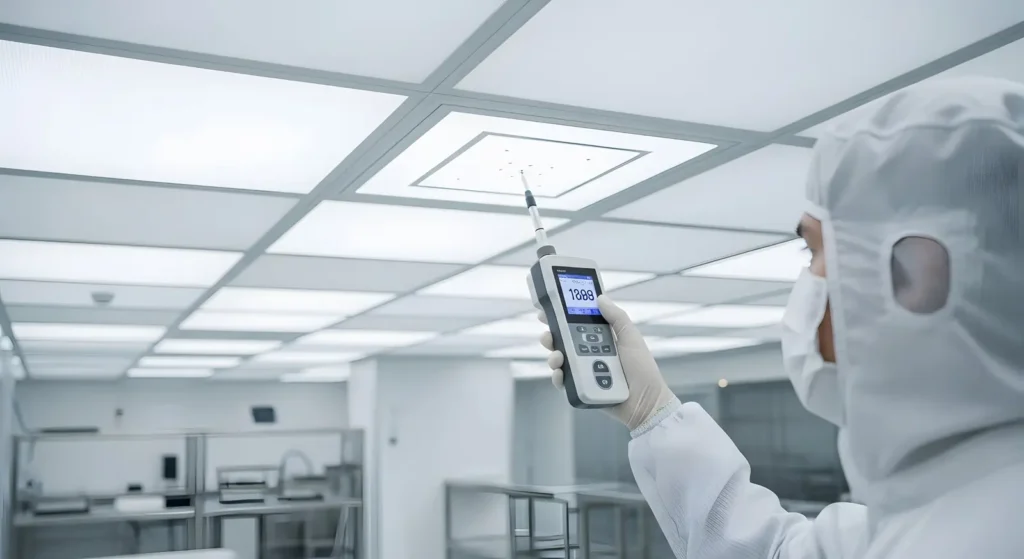
Asbestos Air Quality Testing
Air samples show whether asbestos fibres are present and at what concentration. Required for Type 3 work under O. Reg. 278/05.
Learn more

Asbestos Bulk Testing
Samples of drywall compound, insulation, flooring, ceiling tiles, plaster and more, before renovation or demolition.
Learn more

Asbestos Summary Reports
All asbestos findings, both air and bulk, compiled into one easy-to-read document.
Learn more
Mould testing
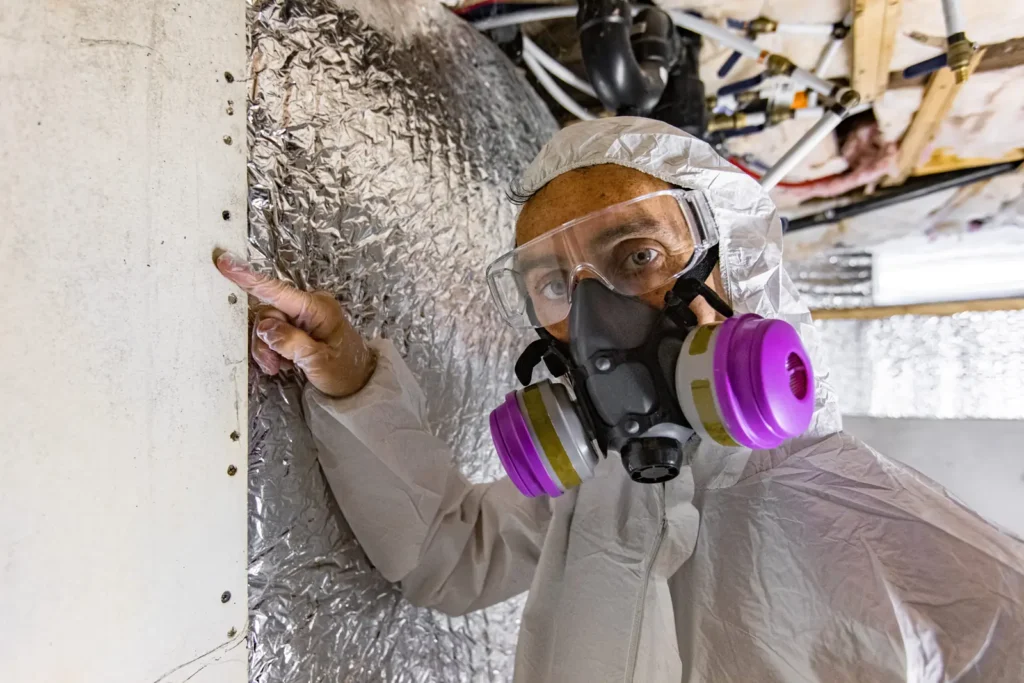
Mould Air Quality Testing
Indoor mould spore readings compared to outdoor baseline levels. A good background if mould is suspected.
Learn more
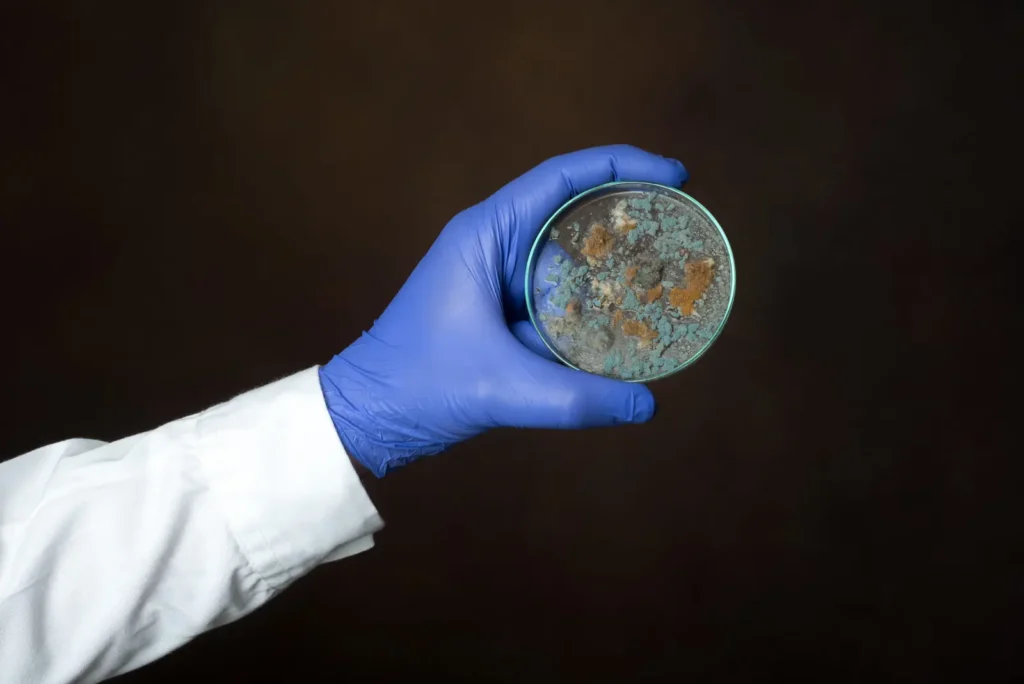
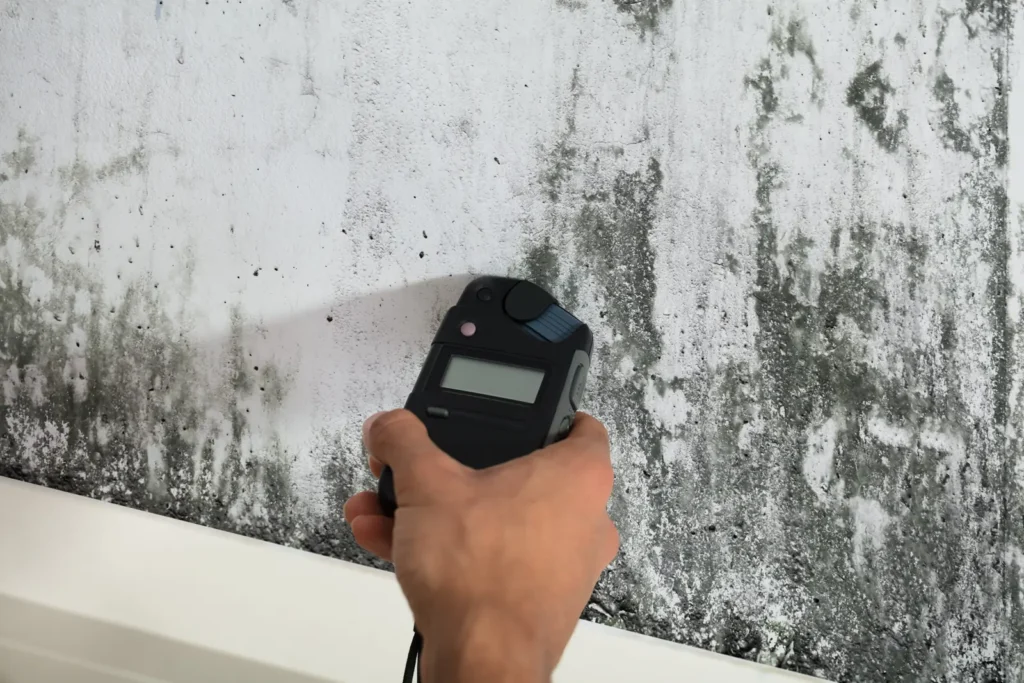
Mould Assessments
Visual inspection, moisture readings, air and/or surface sampling, source identification and recommendations.
Learn more
Surveys, removal and demolition
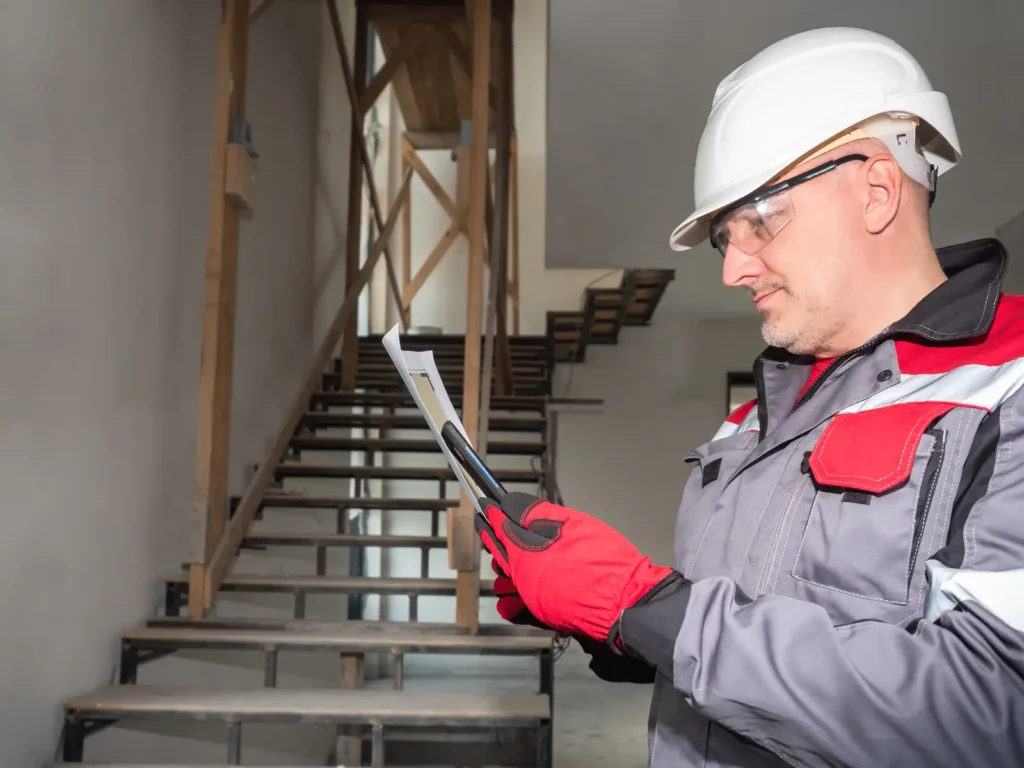
Designated Substance Survey
In Ontario, a DSS report is required before construction, demolition or renovation work.
Learn more
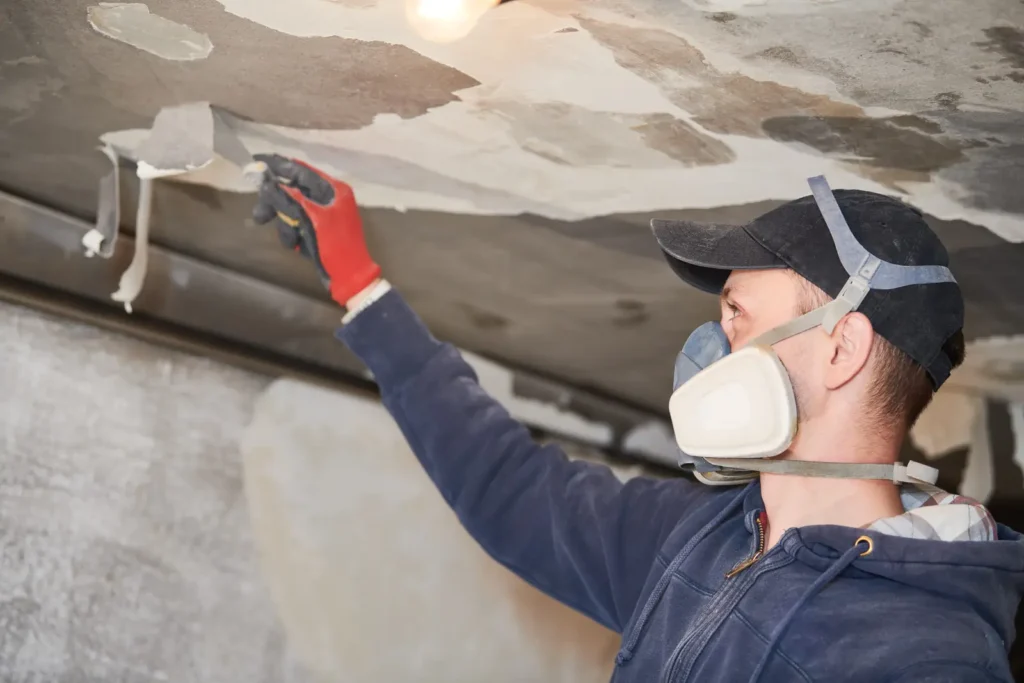
Abatement
Asbestos removal as a Type 1, 2 or 3 procedure: we can help with a contractor referral and estimate.
Learn more
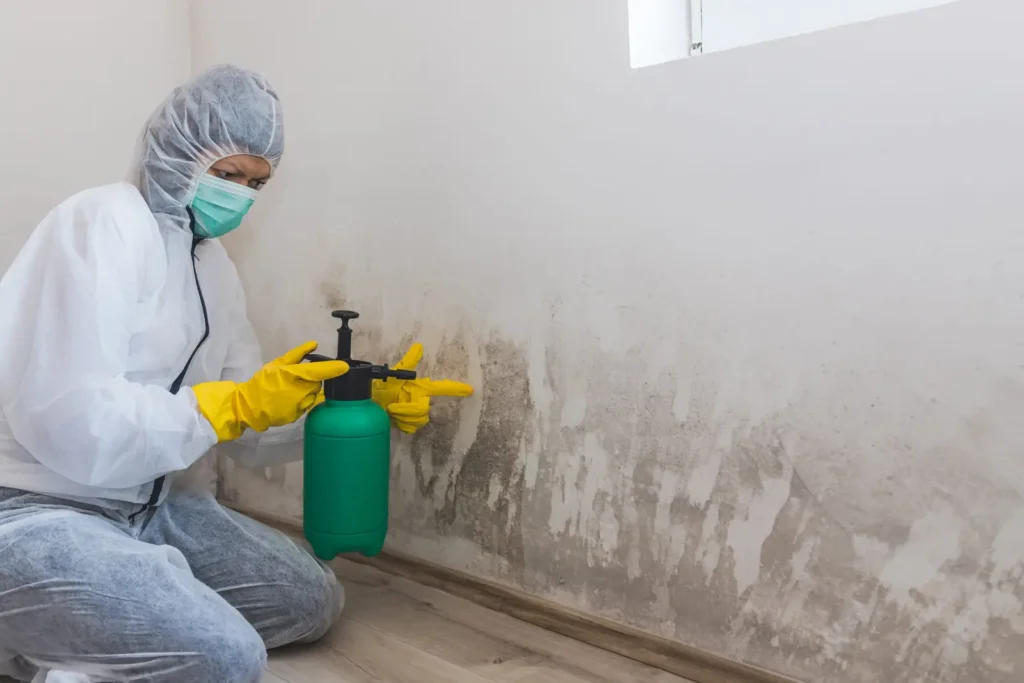
Remediation
Removal of mould-impacted materials as a Level 1, 2 or 3 procedure: contractor referral and estimate.
Learn more
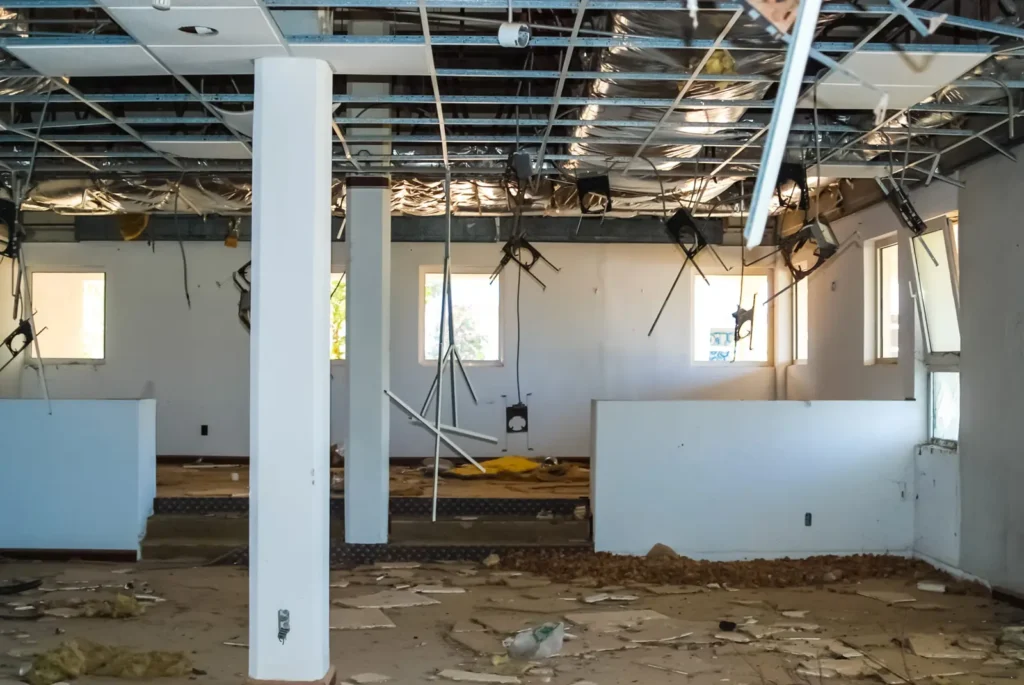
Demolition
Structural or interior demolition: we guide you through the process, with a contractor referral and estimate.
Learn more