
Asbestos & mould testing · Burlington & GTA
Protecting your health and property with expert environmental services.
Based in Burlington, Ontario, EnviroGuard Consulting and Testing is your trusted partner in ensuring a safe, healthy living and working environment. We specialize in professional asbestos and mould testing, providing accurate lab results and expert interpretations to help you make informed decisions for remediation.
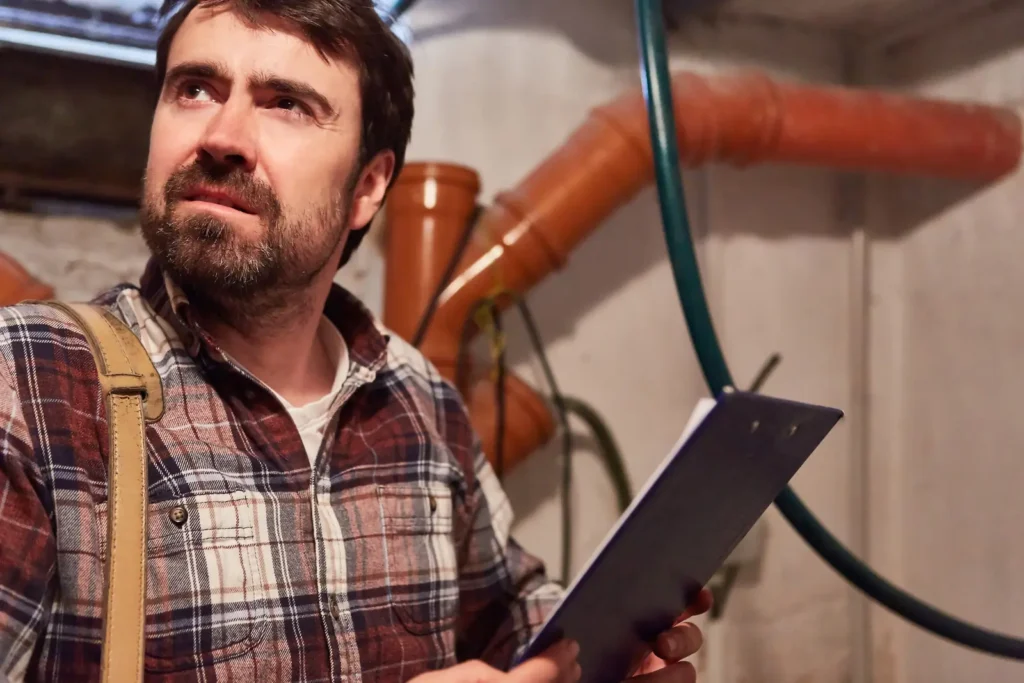
Mould Inspection Hvac Burlington
Mould inspection in HVAC systems is the process of examining heating, ventilation, and air conditioning equipment and ductwork for fungal contamination that poses health risks and reduces air quality. Because HVAC systems circulate air throughout a building, mould colonies growing inside ducts or on cooling coils can spread spores into every room, making this inspection critical for families and property owners in Burlington concerned about indoor air quality.
EnviroGuard Consulting and Testing provides certified mould inspection and air quality assessment across Burlington and the surrounding region, helping homeowners and commercial property managers identify contamination before it affects occupant health. Mould in HVAC systems is a common but often overlooked source of indoor air pollution, particularly in older homes or buildings where moisture control has been compromised.
Why Mould in HVAC Systems Matters in Burlington Homes
HVAC systems create the ideal environment for mould growth: consistent warmth, darkness, and access to moisture. When water condenses on cooling coils during air conditioning operation, or when humidity levels remain elevated, fungal colonies can establish themselves in ducts, on insulation, or within the system cabinet itself. The problem amplifies because the system then distributes mould spores throughout the house with every cycle.
Residents of Burlington, where humidity levels fluctuate seasonally and older housing stock is common, face particular risk. Basements and crawl spaces that feed into HVAC returns are especially vulnerable to moisture intrusion during heavy rain or spring thaw. If you notice a musty odour coming from vents, increased respiratory symptoms after the system runs, or visible discoloration inside ductwork, these are signs that professional inspection is warranted.
EnviroGuard's certified inspectors use visual examination combined with air sampling to determine whether mould contamination is present and at what concentration. This distinction matters: finding a few spores is normal; finding elevated levels indicates active growth requiring remediation. The inspection also identifies the moisture source, because removing mould without addressing water intrusion means the problem will return.
Mould Inspection HVAC Burlington: Testing Methods and What to Expect
A thorough mould inspection of HVAC systems involves multiple steps that go beyond a visual walk-through. EnviroGuard Consulting and Testing uses industry-standard methodology to assess both the ductwork and the quality of air the system is delivering.
The process begins with a visual inspection of accessible ductwork, registers, and the main unit itself. The inspector looks for visible mould growth, water staining, rust, or deteriorated insulation-all indicators of moisture problems. In Burlington properties, this inspection often includes the basement or utility area where main returns originate, as these areas are prone to humidity.
Air sampling is the second critical component. Using specialized air collection equipment, samples are drawn from the ductwork or from air being discharged into occupied spaces. These samples are sent to a certified laboratory for analysis, which identifies mould species, spore counts, and concentration levels. Laboratory results provide an objective measure against baseline outdoor air quality, allowing the inspector to determine whether indoor levels are elevated and pose a health concern.
Surface sampling may also be performed if visible mould is suspected. A small sample is collected directly from suspected contamination and analyzed to confirm mould presence and identify the species involved. This precision helps distinguish between harmless dust accumulation and genuine fungal colonies.
The entire assessment typically takes several hours, and EnviroGuard provides a detailed written report documenting findings, laboratory results, and recommendations. If remediation is needed, the report outlines the scope of work and identifies whether professional duct cleaning, seal repairs, or dehumidification is required.
Moisture Control and Prevention After Mould Inspection in Burlington
Even after mould is removed from an HVAC system, the risk of recurrence remains if moisture sources are not addressed. This is why EnviroGuard's inspection process includes identification of the underlying water intrusion or humidity problem causing growth.
Common moisture sources in Burlington properties include inadequate basement drainage, missing or damaged sump pump seals, poor grading around the foundation, and insufficient ventilation in crawl spaces. Older homes may have undersized or non-functional dehumidification systems, or HVAC returns located in damp basements where they draw in humid air before it enters the system.
Preventing mould re-growth involves three strategies. First, control the source of moisture through foundation repairs, proper drainage, or sump pump maintenance. Second, ensure HVAC components are properly sealed and insulated to prevent condensation on ducts or coils. Third, maintain indoor humidity between 30 and 50 percent using a dehumidifier during humid months or when the air conditioning system is not running regularly enough to remove moisture naturally.
For Burlington residents with HVAC systems that have already had mould issues, annual or bi-annual air quality testing can confirm that conditions remain safe and that growth has not returned. This proactive approach is especially valuable for families with children, elderly members, or anyone with asthma, allergies, or immunocompromise, where mould spore exposure poses genuine health risk.
If you suspect mould in your HVAC system or want to confirm that your home's air quality meets safe standards, EnviroGuard Consulting and Testing is ready to conduct a thorough inspection and testing. The company serves Burlington and surrounding areas of the Greater Toronto Area with certified expertise and detailed reporting. Reach out to discuss your concerns and arrange an assessment.
Frequently Asked Questions
How do I know if there is mould in my HVAC system?
Signs include a persistent musty odour coming from vents, visible discoloration or darkening inside ductwork or on the furnace, increased allergy symptoms after the system runs, or moisture staining near ductwork. A professional inspection using visual examination and air sampling is the only definitive way to confirm contamination and measure spore levels.
Can mould in HVAC systems make you sick?
Yes. Mould spores circulated through the home can trigger asthma attacks, allergic reactions, respiratory irritation, and other health effects, especially in people with sensitivities. Prolonged exposure at elevated concentrations poses cumulative risk, which is why identifying and removing contamination promptly is important.
What does a mould inspection in Burlington typically cost?
Pricing varies based on the size of the system, extent of ductwork, and whether laboratory testing is included. Contact EnviroGuard Consulting and Testing directly to discuss your property and receive a specific quote for inspection and air sampling.
How long does mould inspection and testing take?
A comprehensive inspection and air sampling process typically requires 2-4 hours depending on system complexity and property size. Laboratory analysis of samples takes an additional 5-10 business days, after which you receive a detailed report with findings and recommendations.
Is mould inspection covered by home insurance in Burlington?
Most standard home insurance policies do not cover mould inspection or remediation unless the mould resulted from a covered peril like water damage from a burst pipe. Contact your insurer to confirm your coverage, and ask whether an inspection report is required for a claim.
What should I do after mould is found in my HVAC system?
First, identify and address the moisture source causing growth. Second, have ducts professionally cleaned and treated to remove contamination. Third, consider upgrading humidification controls and ensuring adequate sealing of ductwork. EnviroGuard can provide recommendations tailored to your system and home.
Can I clean mould out of my HVAC ducts myself?
Professional duct cleaning equipment and expertise are required to safely remove mould and prevent spore dispersal throughout the home. Improper handling can increase contamination. EnviroGuard can recommend qualified remediation contractors after your inspection is complete.
Why EnviroGuard
Experience, integrity and regulatory conformity
Regulations
- O. Reg. 278/05 Asbestos on construction projects and in buildings and repair operationsOccupational Health and Safety Act
- O. Reg. 490/09 Designated substancesOccupational Health and Safety Act
- O. Reg. 347/90 General waste management, including asbestos wasteEnvironmental Protection Act
Under the Occupational Health and Safety Act (OHSA), the ministry is responsible for regulating occupational health and safety in workplaces, which includes schools, hospitals, and any place where people work.
Experience
With over 30 years of experience in solid waste management across Ontario and 20 years in environmental science, EnviroGuard Consulting and Testing provides expert asbestos, mould, and environmental testing services.
Hands-on knowledge of hazardous material assessment and indoor air quality ensures every project is handled safely, efficiently, and in full compliance with Ontario’s environmental and occupational health regulations.
Integrity
Built on high integrity and regulatory conformity, EnviroGuard delivers precise testing, reliable reporting, and practical abatement and remediation recommendations.
Clients can trust EnviroGuard to protect their buildings, occupants, and projects while maintaining the highest standards of safety and compliance.
Our services
Environmental testing and consulting
At EnviroGuard, we offer a comprehensive range of environmental testing and consulting services for homes and businesses.
Asbestos testing
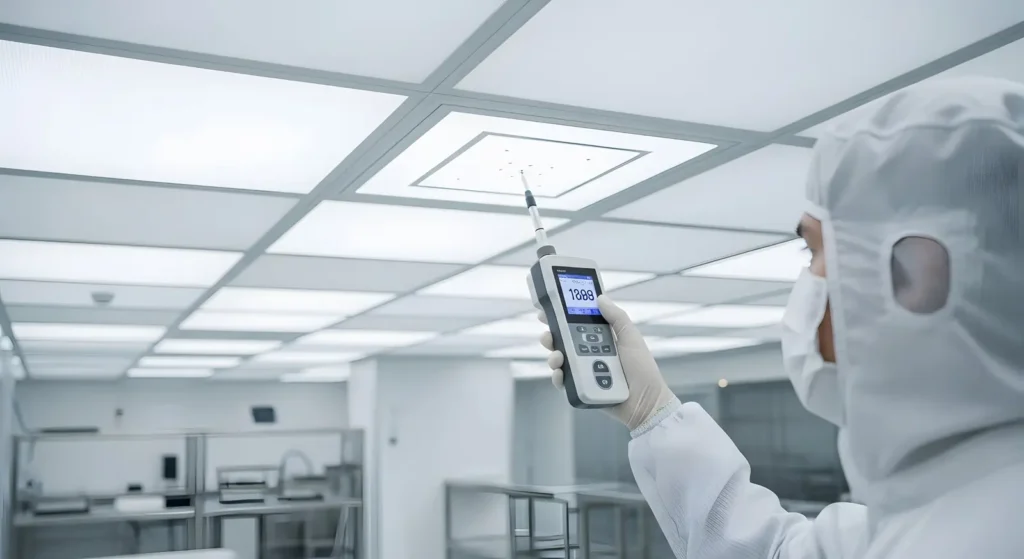
Asbestos Air Quality Testing
Air samples show whether asbestos fibres are present and at what concentration. Required for Type 3 work under O. Reg. 278/05.
Learn more

Asbestos Bulk Testing
Samples of drywall compound, insulation, flooring, ceiling tiles, plaster and more, before renovation or demolition.
Learn more

Asbestos Summary Reports
All asbestos findings, both air and bulk, compiled into one easy-to-read document.
Learn more
Mould testing
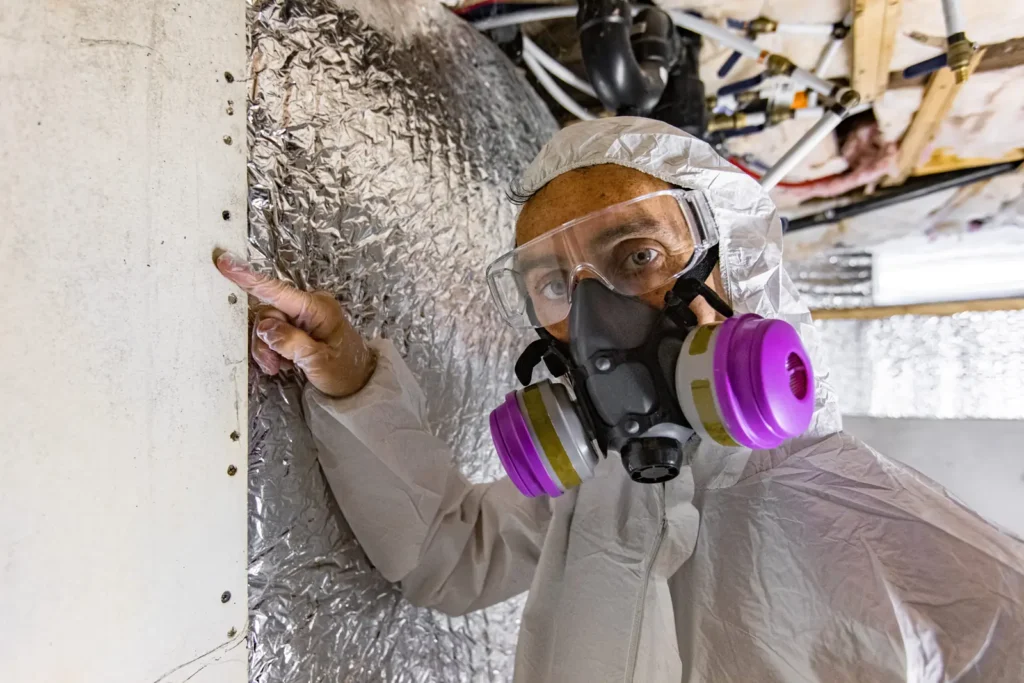
Mould Air Quality Testing
Indoor mould spore readings compared to outdoor baseline levels. A good background if mould is suspected.
Learn more
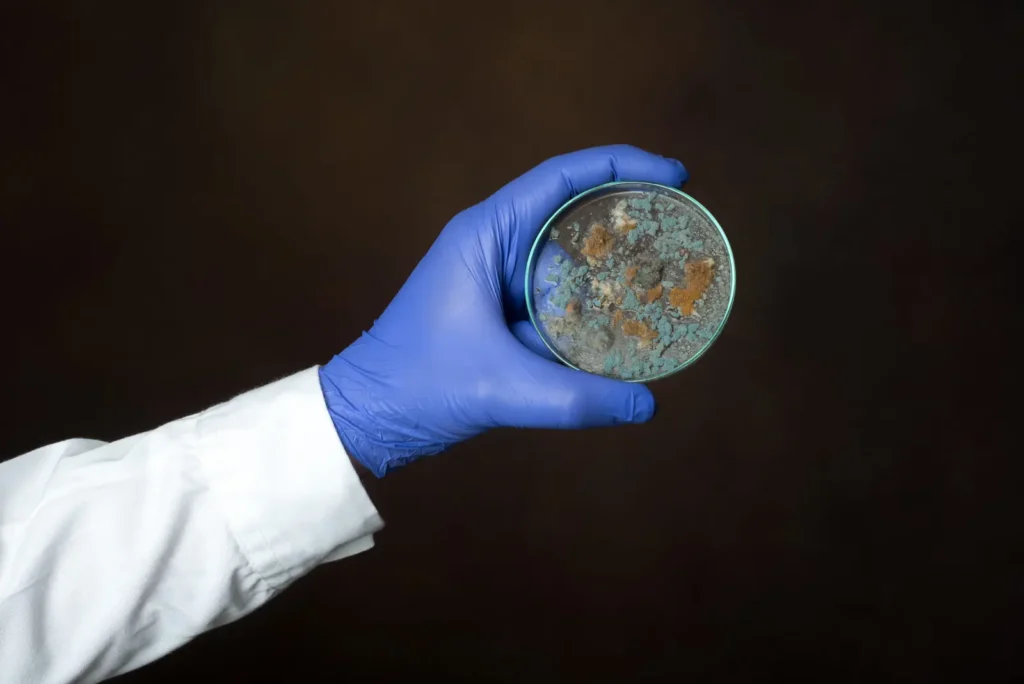
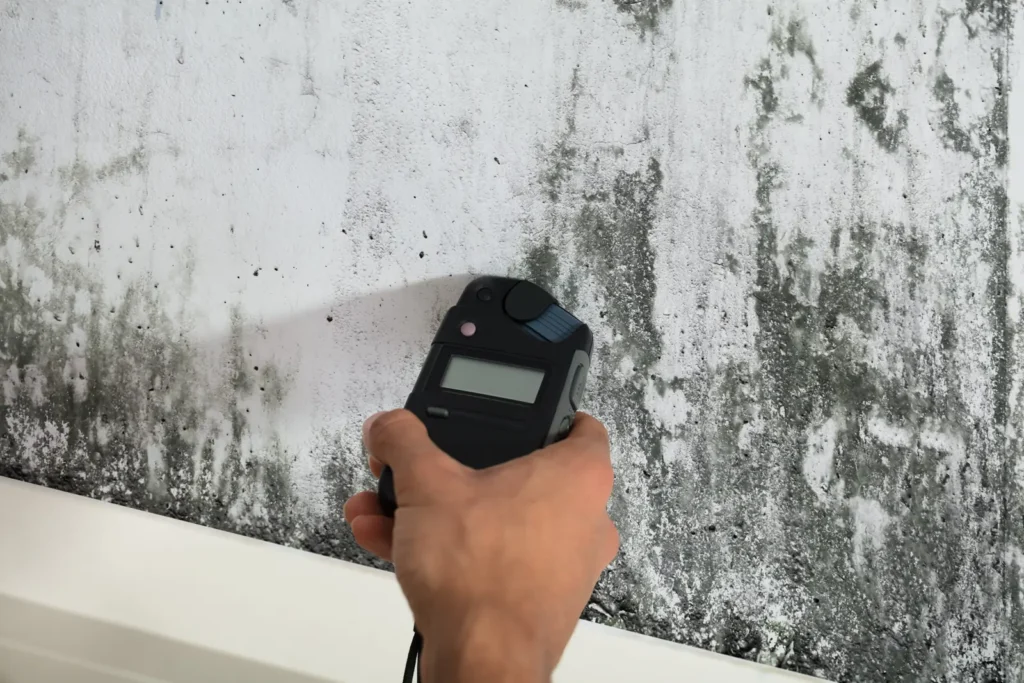
Mould Assessments
Visual inspection, moisture readings, air and/or surface sampling, source identification and recommendations.
Learn more
Surveys, removal and demolition
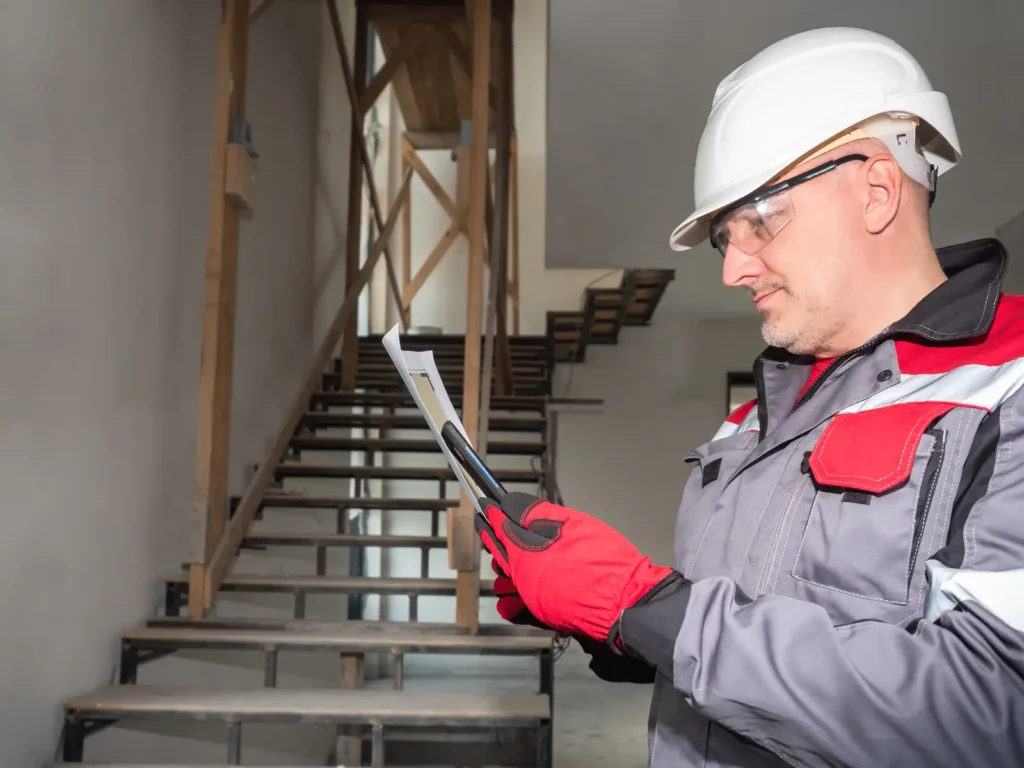
Designated Substance Survey
In Ontario, a DSS report is required before construction, demolition or renovation work.
Learn more
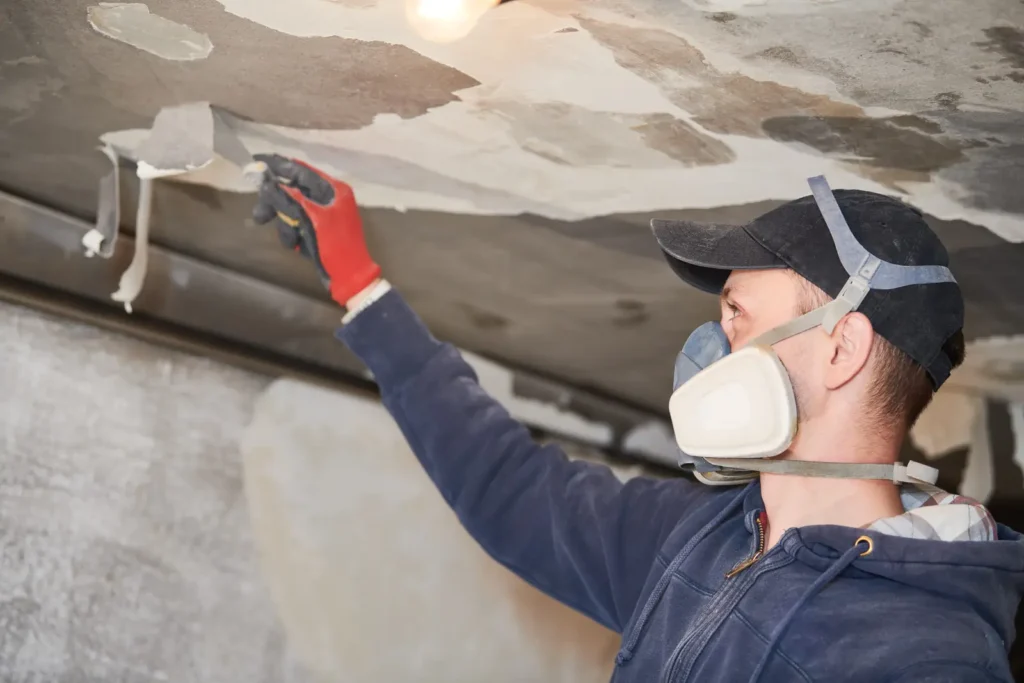
Abatement
Asbestos removal as a Type 1, 2 or 3 procedure: we can help with a contractor referral and estimate.
Learn more
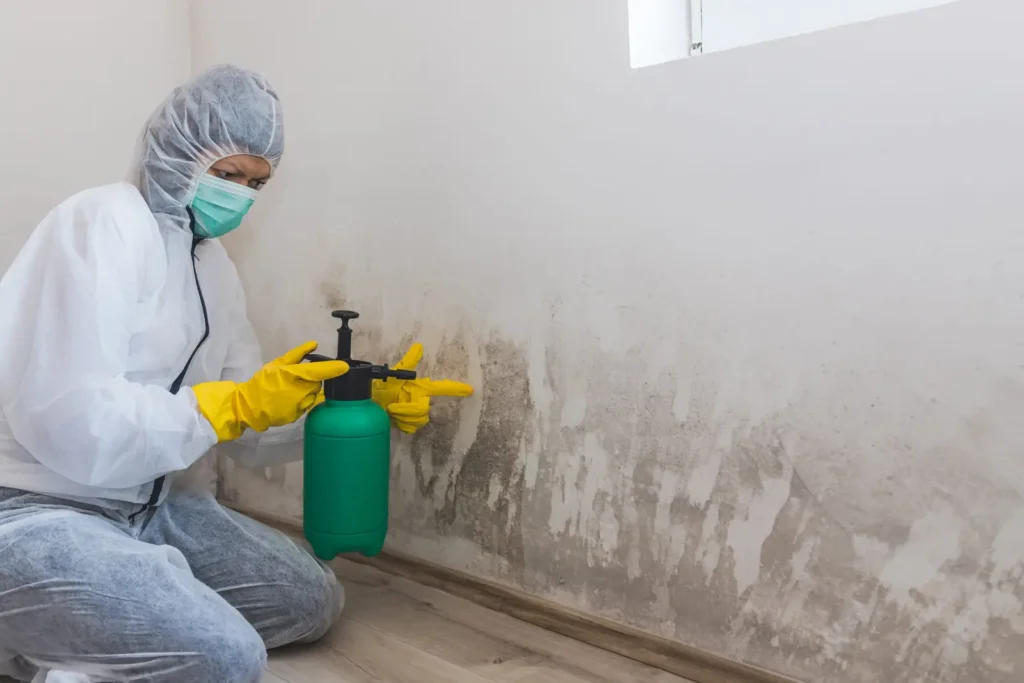
Remediation
Removal of mould-impacted materials as a Level 1, 2 or 3 procedure: contractor referral and estimate.
Learn more
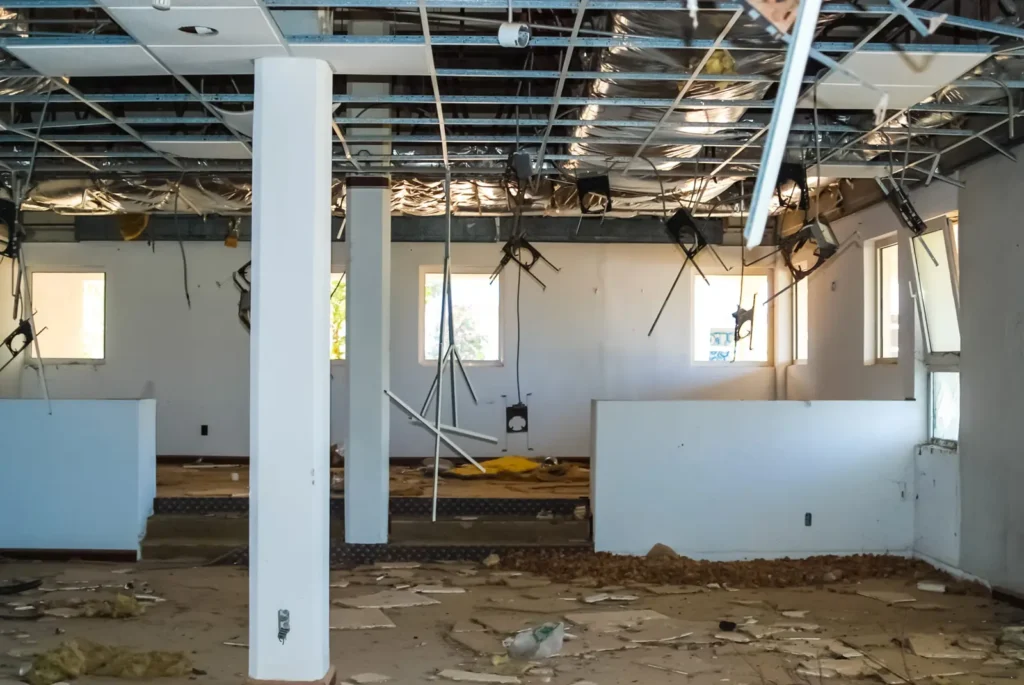
Demolition
Structural or interior demolition: we guide you through the process, with a contractor referral and estimate.
Learn more