
Asbestos & mould testing · Burlington & GTA
Protecting your health and property with expert environmental services.
Based in Burlington, Ontario, EnviroGuard Consulting and Testing is your trusted partner in ensuring a safe, healthy living and working environment. We specialize in professional asbestos and mould testing, providing accurate lab results and expert interpretations to help you make informed decisions for remediation.
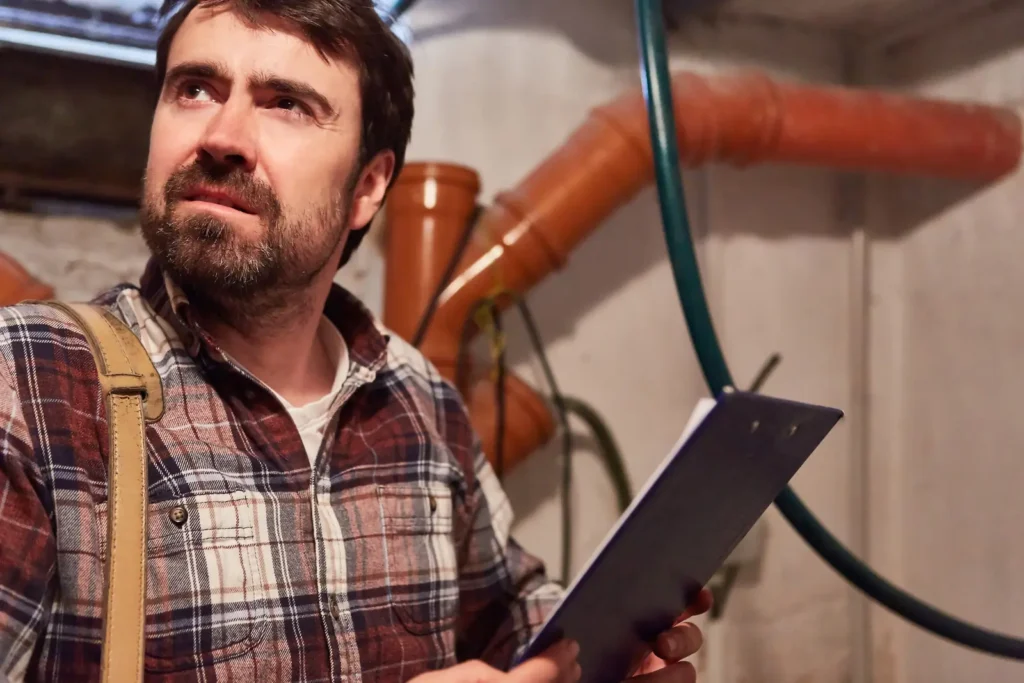
Mould Inspection Inside Walls Burlington
Mould inspection inside walls in Burlington requires detecting and assessing fungal growth hidden behind drywall, insulation, and framing-areas invisible to the naked eye but critical to the health and structural integrity of your home or commercial property. EnviroGuard Consulting and Testing provides certified mould inspection services across Burlington and the surrounding Greater Toronto Area, using professional-grade equipment and laboratory analysis to identify contamination that standard visual inspections miss.
If you suspect mould in your walls, understand what the inspection process entails, why it matters, and what findings mean for your property. The following seven points explain the essentials.
1. Hidden Mould Often Grows Where Moisture Accumulates Over Time
Mould inside walls develops in cavities where water intrusion, condensation, or high humidity persists unnoticed. Common sources include roof leaks, plumbing failures, poor ventilation around bathrooms and kitchens, and foundation seepage. Because walls trap moisture against wood framing and insulation materials, conditions favour fungal colonization far longer than on exposed surfaces.
In Burlington's climate, seasonal temperature swings and humid summer conditions create ideal environments for mould to establish itself within wall cavities. Without active moisture removal, mould colonies can grow for months or years before symptoms-like musty odours, discoloration, or respiratory complaints-alert occupants to the problem.
2. Visual Inspection Alone Cannot Detect Mould Inside Walls
You cannot see mould that is contained entirely within wall cavities. Surface inspection may reveal water stains, soft drywall, or discoloration around trim, but the full extent of contamination requires access. EnviroGuard Consulting and Testing uses moisture meters, thermal imaging, and air sampling to locate suspect areas and confirm whether mould is present and active.
Moisture mapping identifies zones where relative humidity and temperature favour mould growth. These data-driven findings guide the inspection team to precise locations for sampling, reducing guesswork and ensuring the assessment reflects the actual indoor environment.
3. Air Sampling and Spore Analysis Confirm Active Mould Contamination
Certified mould inspection in Burlington typically includes air sampling-drawing air samples from suspect areas and sending them to an accredited laboratory for spore count analysis. The lab measures the concentration and species of mould spores present. Elevated spore counts, or the presence of species associated with water damage such as Stachybotrys or Fusarium, indicate active or recent mould growth.
Air sampling provides objective, laboratory-backed evidence of mould presence and concentration-data that visual inspection cannot supply and that is essential for informed remediation decisions.
Comparison of indoor spore counts to outdoor baseline levels reveals whether indoor mould burden is abnormally elevated. This context helps distinguish between normal background spores and genuine contamination requiring intervention.
4. Structural Materials in Walls Provide Ideal Nutrition for Mould
Cellulose-based building materials-wood framing, drywall paper, cardboard, and some insulation products-are primary food sources for mould. When these materials remain wet or damp, fungal colonization proceeds rapidly. Mould metabolizes the organic material, weakening structural strength and releasing volatile organic compounds that affect indoor air quality.
In Burlington homes and commercial buildings, older construction often uses materials with higher cellulose content and may lack modern vapour barriers. This increases susceptibility to mould growth inside walls. Assessment identifies not only whether mould is present but which materials are affected, informing scope and cost of remediation.
5. Professional Testing Differentiates Between Mould Species and Severity
Not all mould poses equal health risk. Some species are common environmental contaminants; others are associated with toxin production or heightened allergenic potential. Laboratory analysis identifies the specific genus and species present, allowing EnviroGuard Consulting and Testing to contextualize findings and recommend appropriate response.
Severity assessment considers spore concentration, extent of material colonization, and the presence of water-damaged materials. A small, isolated mould colony in a sealed wall cavity may require only monitoring, while widespread contamination affecting multiple cavities demands immediate remediation. Certified professional interpretation ensures the response matches the actual risk.
6. Burlington Properties Face Unique Moisture Challenges Linked to Proximity to Water
Burlington's location on the western shore of Lake Ontario, combined with seasonal humidity and groundwater levels typical of the Greater Toronto Area, creates persistent moisture pressure on building envelopes. Waterfront and near-waterfront properties experience higher relative humidity year-round. Even inland properties in Burlington face spring snowmelt, summer thunderstorms, and freeze-thaw cycles that stress foundations and wall systems.
Mould inspection in Burlington must account for these regional factors. EnviroGuard Consulting and Testing understands local building codes, common failure points in regional construction, and the climatic drivers of moisture intrusion. This expertise ensures inspections target the vulnerabilities most likely to affect Burlington homes and businesses.
7. Certified Inspection Reports Provide Documentation for Insurance, Real Estate, and Remediation Planning
A certified mould inspection report from EnviroGuard Consulting and Testing documents findings, laboratory results, moisture source assessment, and recommended next steps. For homeowners in Burlington selling property, this report protects buyer confidence and supports disclosure obligations. For real estate purchasers conducting due diligence, professional testing provides objective evidence of indoor air quality before closing.
Insurance claims, contractor quotes, and remediation contracts all depend on accurate, certified documentation. A report that identifies the source of moisture, quantifies mould burden, and specifies affected materials enables contractors to plan targeted remediation and insurers to evaluate claims fairly.
If you have noticed water damage, persistent odours, or health concerns that may relate to mould in your Burlington property, professional inspection is the first step toward clarity and action. Contact EnviroGuard Consulting and Testing to discuss your situation and arrange a certified assessment tailored to your home or commercial space.
Frequently Asked Questions
How do I know if mould is growing inside my walls in Burlington?
Signs include persistent musty odours, visible water stains or discoloration on walls or ceilings, soft or warped drywall, and respiratory or allergy symptoms that worsen indoors. Because mould inside walls is hidden, these indirect indicators often precede confirmed contamination. Certified inspection with air sampling is the only reliable way to confirm active mould and assess its extent.
What equipment does professional mould inspection use?
Certified inspectors use moisture meters to detect elevated humidity in wall cavities, thermal imaging cameras to identify temperature anomalies associated with moisture, and air sampling pumps to collect samples for laboratory analysis. Samples are sent to accredited labs for spore identification and counting, providing objective data on mould species and concentration.
How long does mould inspection inside walls Burlington take?
A thorough residential inspection typically requires two to four hours, depending on property size, suspected problem areas, and number of samples collected. Commercial properties may require longer assessment. The inspector documents findings, collects samples, and explains findings on-site. Laboratory analysis takes five to seven business days after sample submission.
Can mould inside walls spread to other areas of my home?
Yes. Mould spores travel through air currents and can colonize new locations if moisture and suitable materials are present. Wall cavities connected via unsealed framing, HVAC systems, or gaps around pipes create pathways for spore dispersal. Early detection and remediation prevent spread and minimize health exposure and material damage.
What should I do if inspection confirms mould inside my walls?
EnviroGuard Consulting and Testing provides interpretation of results and recommendations for remediation. Most situations require identifying and stopping the moisture source, removing contaminated materials, and applying antimicrobial treatment. The inspection report guides contractor selection and scope of work, and may be required for insurance or real estate purposes.
Is air testing for mould necessary if I can see mould on walls in Burlington?
Air testing provides critical additional information. Visible surface mould is only part of the picture; air sampling reveals whether spore concentration is elevated throughout the home, indicating mould in hidden areas like wall cavities. This data guides remediation scope and helps assess whether the problem extends beyond visible contamination.
Why EnviroGuard
Experience, integrity and regulatory conformity
Regulations
- O. Reg. 278/05 Asbestos on construction projects and in buildings and repair operationsOccupational Health and Safety Act
- O. Reg. 490/09 Designated substancesOccupational Health and Safety Act
- O. Reg. 347/90 General waste management, including asbestos wasteEnvironmental Protection Act
Under the Occupational Health and Safety Act (OHSA), the ministry is responsible for regulating occupational health and safety in workplaces, which includes schools, hospitals, and any place where people work.
Experience
With over 30 years of experience in solid waste management across Ontario and 20 years in environmental science, EnviroGuard Consulting and Testing provides expert asbestos, mould, and environmental testing services.
Hands-on knowledge of hazardous material assessment and indoor air quality ensures every project is handled safely, efficiently, and in full compliance with Ontario’s environmental and occupational health regulations.
Integrity
Built on high integrity and regulatory conformity, EnviroGuard delivers precise testing, reliable reporting, and practical abatement and remediation recommendations.
Clients can trust EnviroGuard to protect their buildings, occupants, and projects while maintaining the highest standards of safety and compliance.
Our services
Environmental testing and consulting
At EnviroGuard, we offer a comprehensive range of environmental testing and consulting services for homes and businesses.
Asbestos testing
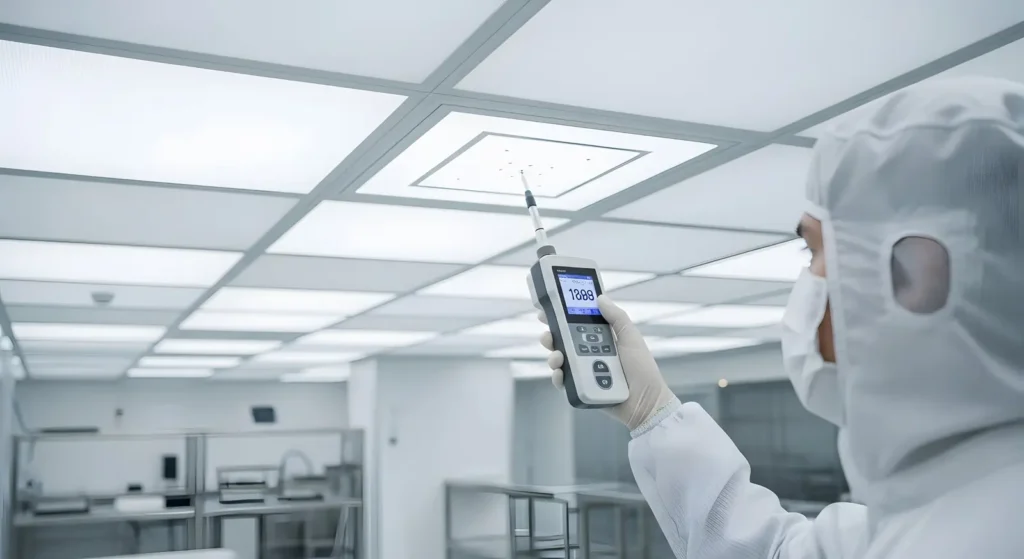
Asbestos Air Quality Testing
Air samples show whether asbestos fibres are present and at what concentration. Required for Type 3 work under O. Reg. 278/05.
Learn more

Asbestos Bulk Testing
Samples of drywall compound, insulation, flooring, ceiling tiles, plaster and more, before renovation or demolition.
Learn more

Asbestos Summary Reports
All asbestos findings, both air and bulk, compiled into one easy-to-read document.
Learn more
Mould testing
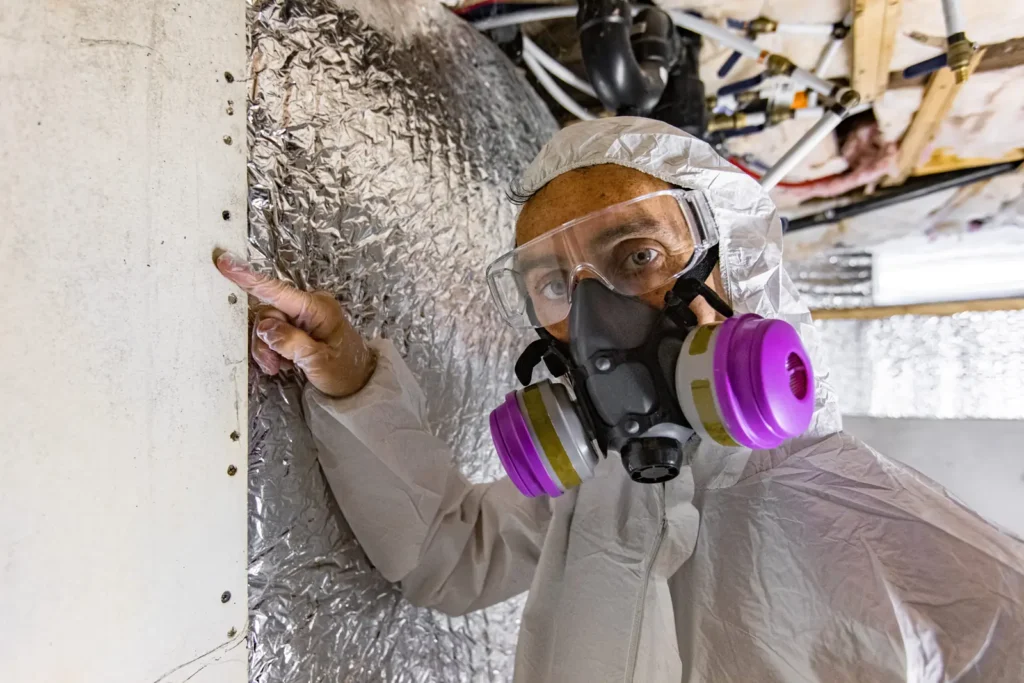
Mould Air Quality Testing
Indoor mould spore readings compared to outdoor baseline levels. A good background if mould is suspected.
Learn more
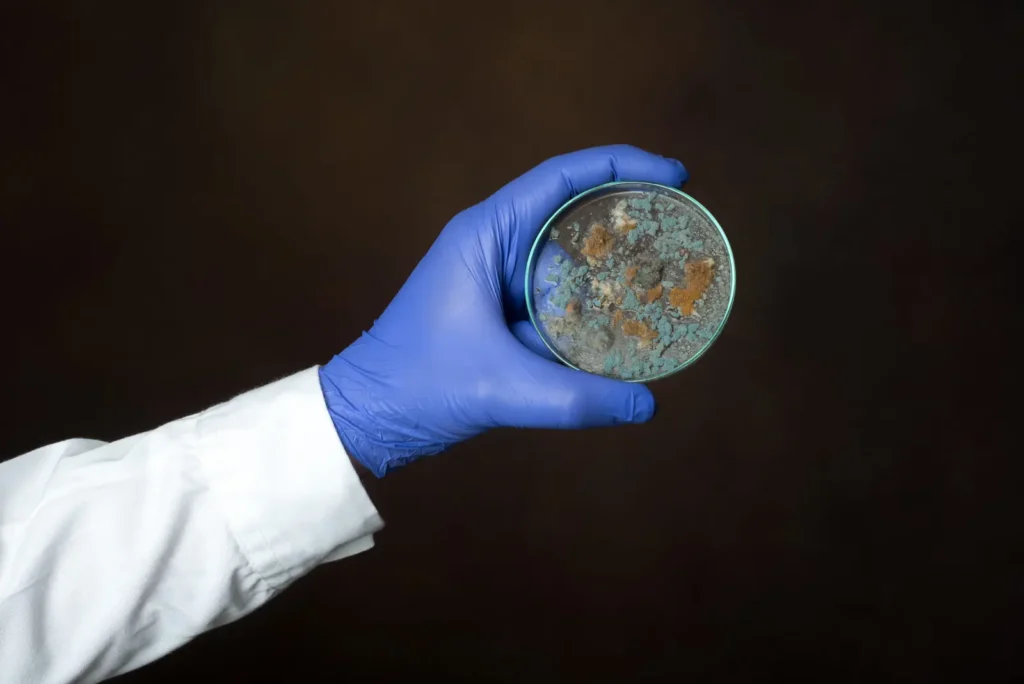
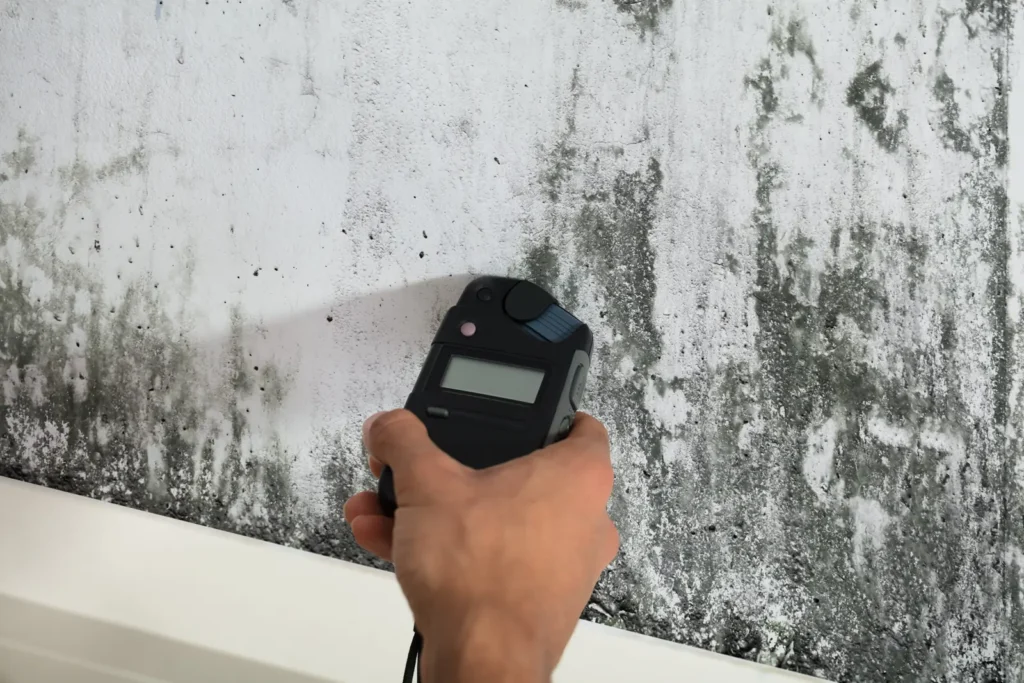
Mould Assessments
Visual inspection, moisture readings, air and/or surface sampling, source identification and recommendations.
Learn more
Surveys, removal and demolition
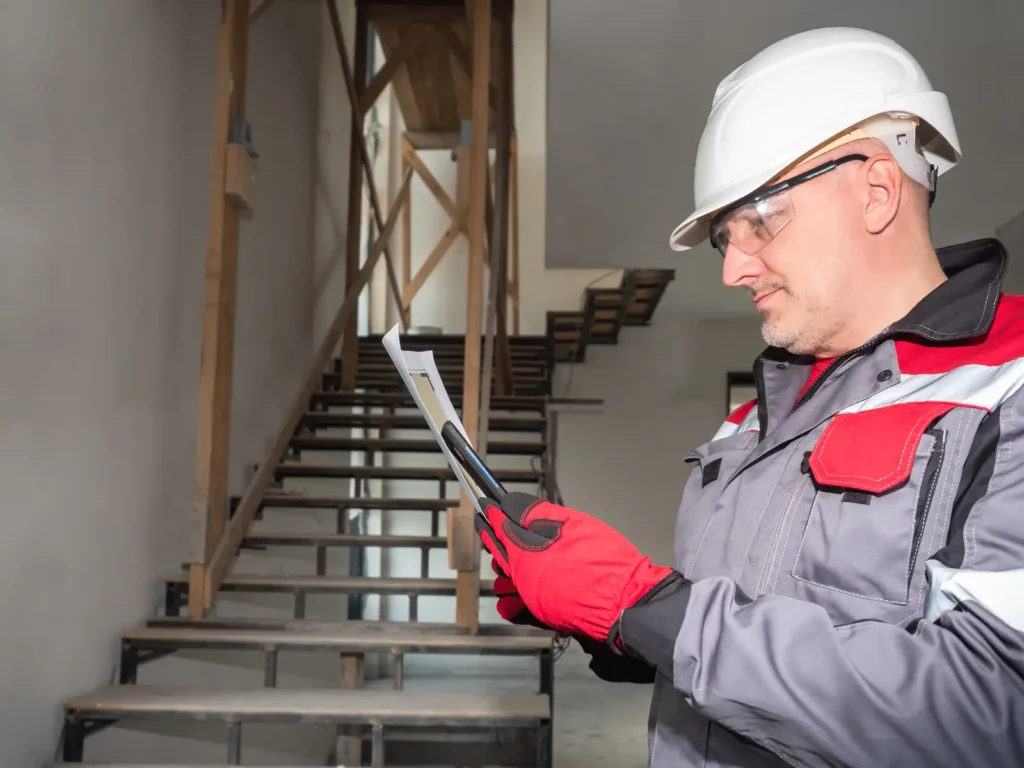
Designated Substance Survey
In Ontario, a DSS report is required before construction, demolition or renovation work.
Learn more
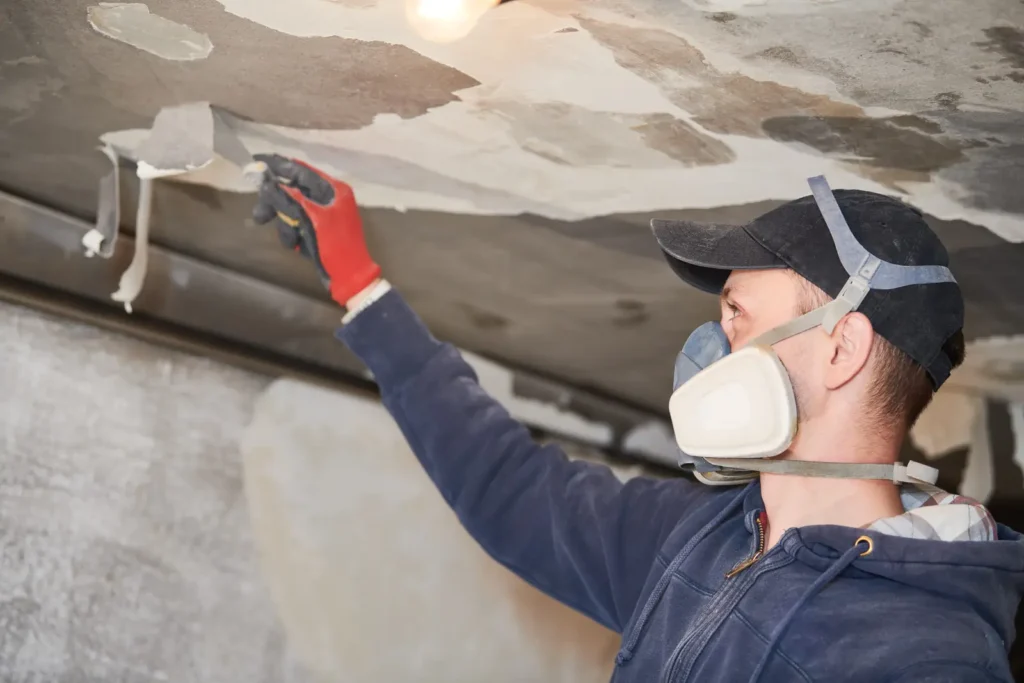
Abatement
Asbestos removal as a Type 1, 2 or 3 procedure: we can help with a contractor referral and estimate.
Learn more
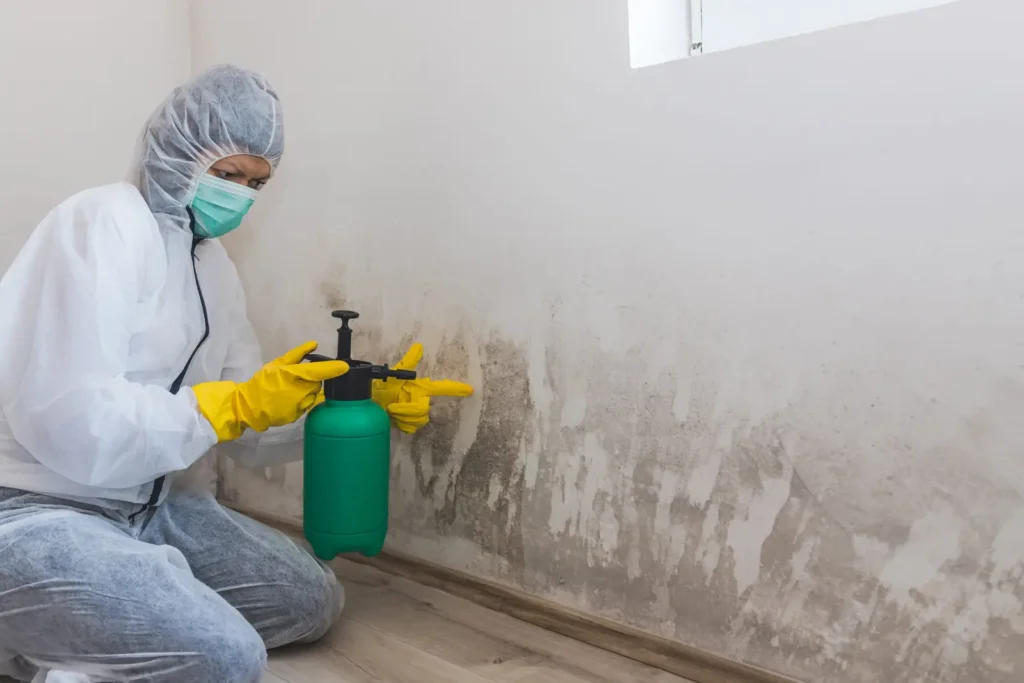
Remediation
Removal of mould-impacted materials as a Level 1, 2 or 3 procedure: contractor referral and estimate.
Learn more
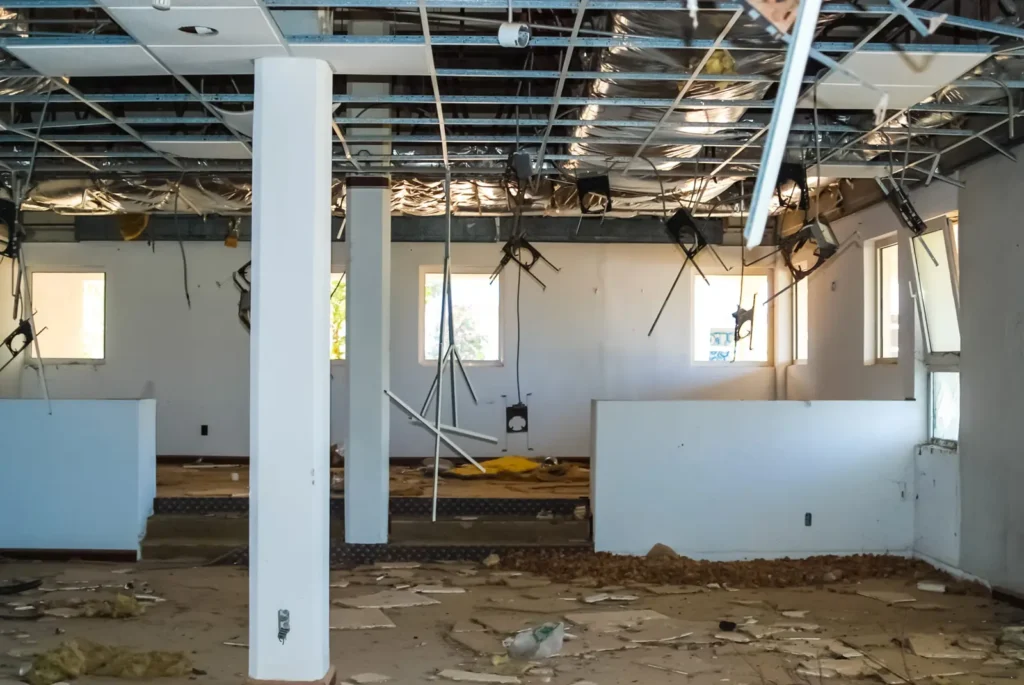
Demolition
Structural or interior demolition: we guide you through the process, with a contractor referral and estimate.
Learn more