
Asbestos & mould testing · Burlington & GTA
Protecting your health and property with expert environmental services.
Based in Burlington, Ontario, EnviroGuard Consulting and Testing is your trusted partner in ensuring a safe, healthy living and working environment. We specialize in professional asbestos and mould testing, providing accurate lab results and expert interpretations to help you make informed decisions for remediation.
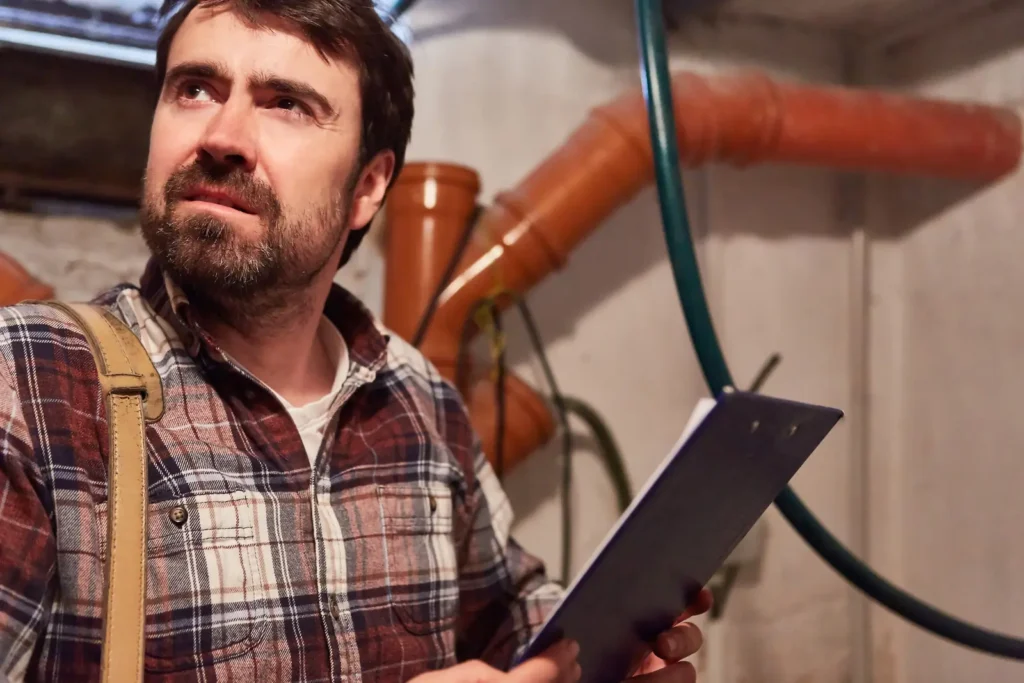
Mould Surface Sampling Burlington
Surface sampling for mould detection collects material directly from visible or suspected problem areas on walls, ceilings, HVAC components, and other surfaces to identify the type and concentration of mould present. EnviroGuard Consulting and Testing offers certified surface sampling across Burlington and the surrounding region, helping homeowners and commercial property managers understand whether mould growth poses a genuine health risk and what remediation steps are necessary.
If you suspect mould in your Burlington home or commercial property, you face a practical question: should you test surfaces where you see or smell mould, or test the air itself? Both approaches yield different information, carry different costs, and serve different purposes. Understanding the distinction helps you make the right choice for your situation.
Surface Sampling vs. air testing: What Each One Finds
Surface sampling collects physical mould material from a specific location. A trained inspector swabs, tape-lifts, or scrapes a suspect area and sends the sample to a laboratory. The lab identifies the mould species and estimates colony-forming units (CFU) per square centimeter. You learn exactly what is growing where.
Air testing, by contrast, measures mould spores floating in the indoor environment over a set period. An air sampler draws room air through a collection medium and sends it to the lab to count spore types and concentrations. Air testing tells you about the overall mould burden in a space, not the location of the source.
The critical difference: surface sampling answers "What is this?", while air testing answers "How much mould is in the air right now?" A homeowner who sees black growth in a basement corner needs surface identification. A family reporting respiratory symptoms with no visible mould might need air testing to assess exposure. EnviroGuard Consulting and Testing recommends the appropriate method based on your specific concern.
Mould Surface Sampling Burlington: Pros and Limitations
Surface sampling offers several real advantages. It pinpoints problem areas, identifies the exact mould species (important because some are more concerning than others), and guides targeted remediation. Once a surface is treated, you can re-sample to confirm the problem is solved. For visible mould, surface sampling is cost-effective: you test the area of concern, not the entire home.
The limitations are equally important to understand. Surface sampling tells you only what exists at the moment of collection on that specific spot. It does not measure spore levels in the air you breathe. If mould is hidden inside walls, under flooring, or in HVAC ductwork, surface swabs cannot find it. Surface sampling also requires visible or suspected growth to be useful; random sampling of clean-looking walls rarely adds value. A mould-related moisture problem may have settled, but spores may still linger in the air.
In Burlington, many basements and crawl spaces develop moisture issues without obvious visible mould at first inspection. Surface sampling works best once mould is already evident or suspected in a particular location.
When Surface Sampling Makes Sense
Choose surface sampling if you have identified a suspected problem area. This includes visible black, green, or white growth; a musty smell concentrated in one room; water stains on drywall or ceiling tiles; or discoloration on bathroom grout or window frames. Surface sampling confirms what you suspect and identifies the organism.
Real estate transactions in Burlington often use surface sampling to verify conditions before closing. If a home inspection notes potential mould, a certified surface sample provides objective evidence of whether mould is actually present and what type it is. Property managers dealing with a tenant complaint about a water leak in a specific location typically request surface sampling of that area.
Contractors hired to remediate mould often request a pre-remediation surface sample to document the problem, then a post-remediation sample to confirm success. EnviroGuard Consulting and Testing provides both, giving you documented proof that the issue was resolved.
Cost is often lower for surface sampling than air testing when you know where the problem is. You sample one or a few specific locations rather than running multiple air samples across the entire property.
Choosing the Right Approach for Your Burlington Property
| Scenario | Surface Sampling | Air Testing |
|---|---|---|
| Visible mould growth in one area | Recommended | Not needed |
| No visible mould, but respiratory symptoms | Not useful | Consider |
| Water damage with suspected hidden mould | Sampling visible areas only | Better for overall assessment |
| Real estate due diligence | Recommended for flagged areas | Optional baseline |
| Post-remediation verification | Recommended | Optional |
Most properties benefit from surface sampling first. If visible or suspected mould is identified, a certified inspector from EnviroGuard Consulting and Testing will collect samples and send them to an accredited laboratory. Results typically return within a few business days with species identification and concentration data.
If no visible mould exists but occupants report health concerns, air testing becomes more valuable. Some Burlington homes have moisture or HVAC issues that support mould growth in hidden spaces; air testing can detect the spore load even if the source is not visible.
The verdict: surface sampling is the practical starting point for most mould concerns in Burlington homes and commercial buildings. It is faster, more affordable, and directly actionable when you have a specific area of concern. Air testing serves a different purpose and works best alongside surface sampling when hidden sources or widespread air contamination are suspected.
EnviroGuard Consulting and Testing evaluates your situation during an initial inspection and recommends the testing approach that will give you the clearest answer and the best foundation for remediation decisions. If you have noticed mould growth, water damage, or unexplained odours in your Burlington property, contact EnviroGuard to discuss which testing method is right for you and schedule a site visit.
Frequently Asked Questions
What is the difference between surface mould sampling and air testing in Burlington?
Surface sampling collects physical mould material from a specific location and identifies the species and concentration at that spot. Air testing measures mould spores floating in the indoor air. Surface sampling answers 'what is growing here', while air testing answers 'how much mould is in the air'. Choose surface sampling when you have visible or suspected mould in a specific area; choose air testing when symptoms exist but no visible source is apparent.
How much does mould surface sampling cost in Burlington?
Cost depends on the number of samples, location accessibility, and laboratory fees, but surface sampling is generally less expensive than comprehensive air testing when you have identified a specific problem area. EnviroGuard Consulting and Testing can provide a cost estimate after discussing your situation. Contact them directly for pricing based on your property's needs.
Can I do surface mould sampling myself, or do I need a certified inspector in Burlington?
You can collect a sample yourself, but results are far more reliable and defensible when collected by a certified inspector following proper protocol. Improper sampling technique, cross-contamination, and inconsistent collection methods can invalidate results. For real estate transactions, insurance claims, or remediation verification, certified sampling from EnviroGuard Consulting and Testing is strongly recommended.
How long does it take to get results from mould surface sampling in Burlington?
Most laboratory results return within 3 to 5 business days after the sample is received. EnviroGuard Consulting and Testing will collect the sample and arrange laboratory analysis, then provide you with a detailed report identifying the mould species and concentration levels, along with recommendations for remediation if needed.
Why EnviroGuard
Experience, integrity and regulatory conformity
Regulations
- O. Reg. 278/05 Asbestos on construction projects and in buildings and repair operationsOccupational Health and Safety Act
- O. Reg. 490/09 Designated substancesOccupational Health and Safety Act
- O. Reg. 347/90 General waste management, including asbestos wasteEnvironmental Protection Act
Under the Occupational Health and Safety Act (OHSA), the ministry is responsible for regulating occupational health and safety in workplaces, which includes schools, hospitals, and any place where people work.
Experience
With over 30 years of experience in solid waste management across Ontario and 20 years in environmental science, EnviroGuard Consulting and Testing provides expert asbestos, mould, and environmental testing services.
Hands-on knowledge of hazardous material assessment and indoor air quality ensures every project is handled safely, efficiently, and in full compliance with Ontario’s environmental and occupational health regulations.
Integrity
Built on high integrity and regulatory conformity, EnviroGuard delivers precise testing, reliable reporting, and practical abatement and remediation recommendations.
Clients can trust EnviroGuard to protect their buildings, occupants, and projects while maintaining the highest standards of safety and compliance.
Our services
Environmental testing and consulting
At EnviroGuard, we offer a comprehensive range of environmental testing and consulting services for homes and businesses.
Asbestos testing
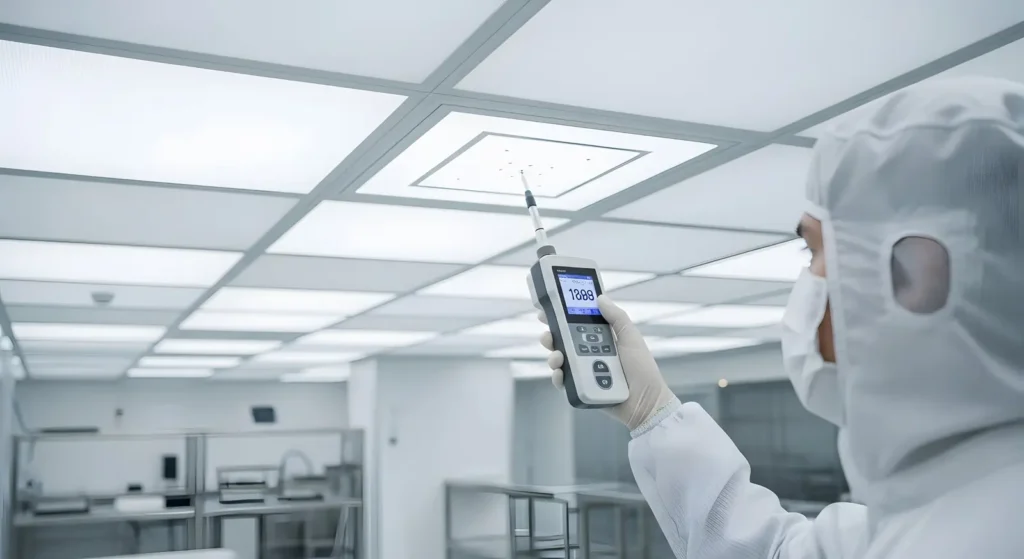
Asbestos Air Quality Testing
Air samples show whether asbestos fibres are present and at what concentration. Required for Type 3 work under O. Reg. 278/05.
Learn more
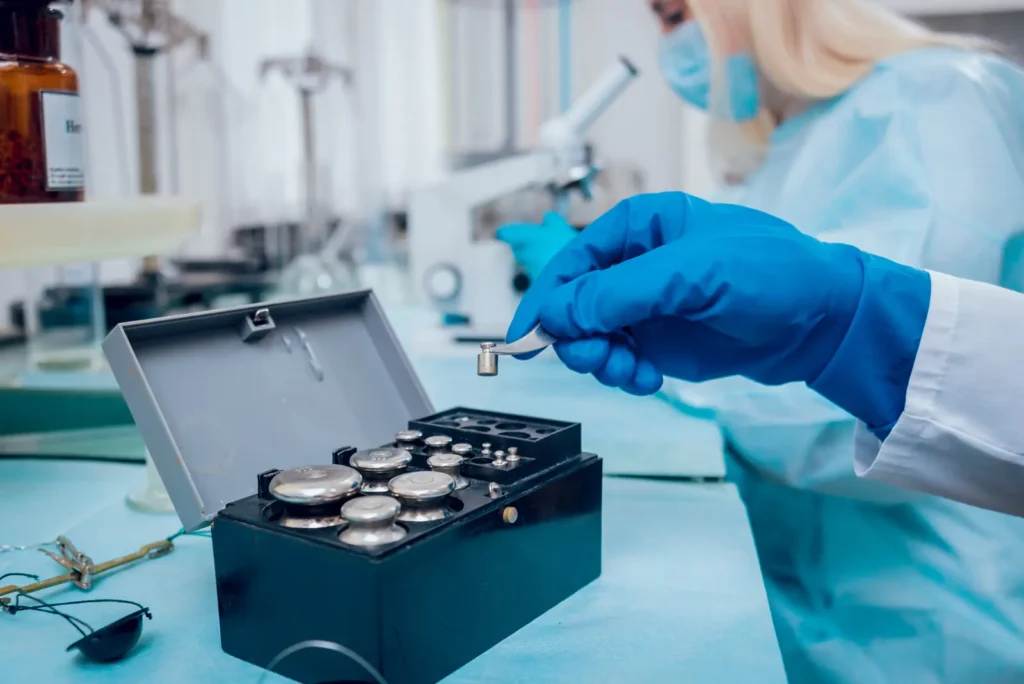
Asbestos Bulk Testing
Samples of drywall compound, insulation, flooring, ceiling tiles, plaster and more, before renovation or demolition.
Learn more

Asbestos Summary Reports
All asbestos findings, both air and bulk, compiled into one easy-to-read document.
Learn more
Mould testing
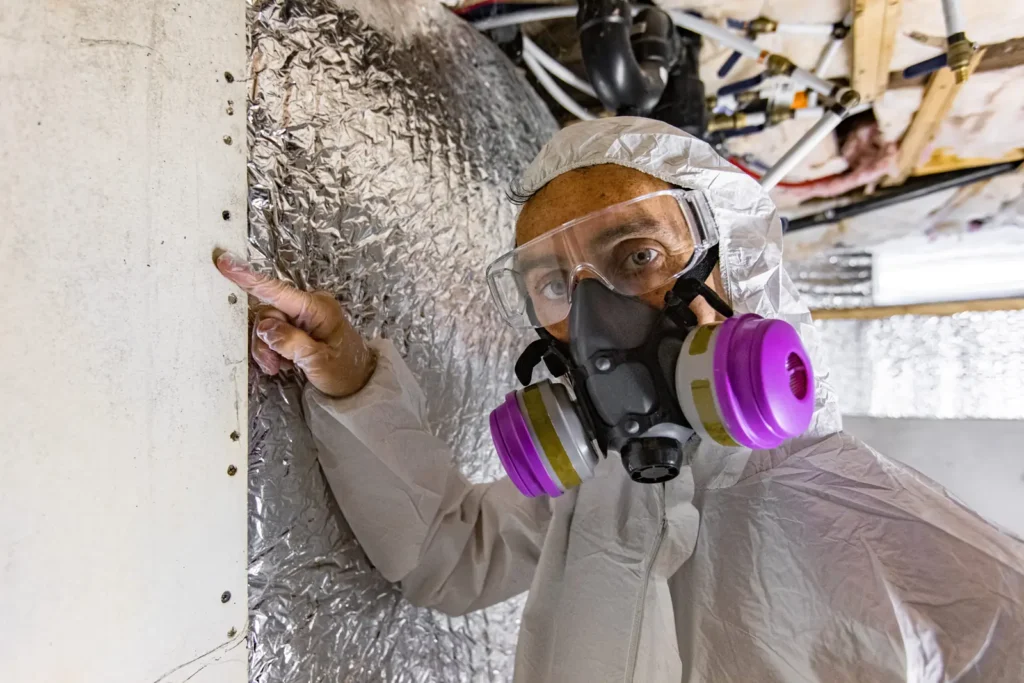
Mould Air Quality Testing
Indoor mould spore readings compared to outdoor baseline levels. A good background if mould is suspected.
Learn more
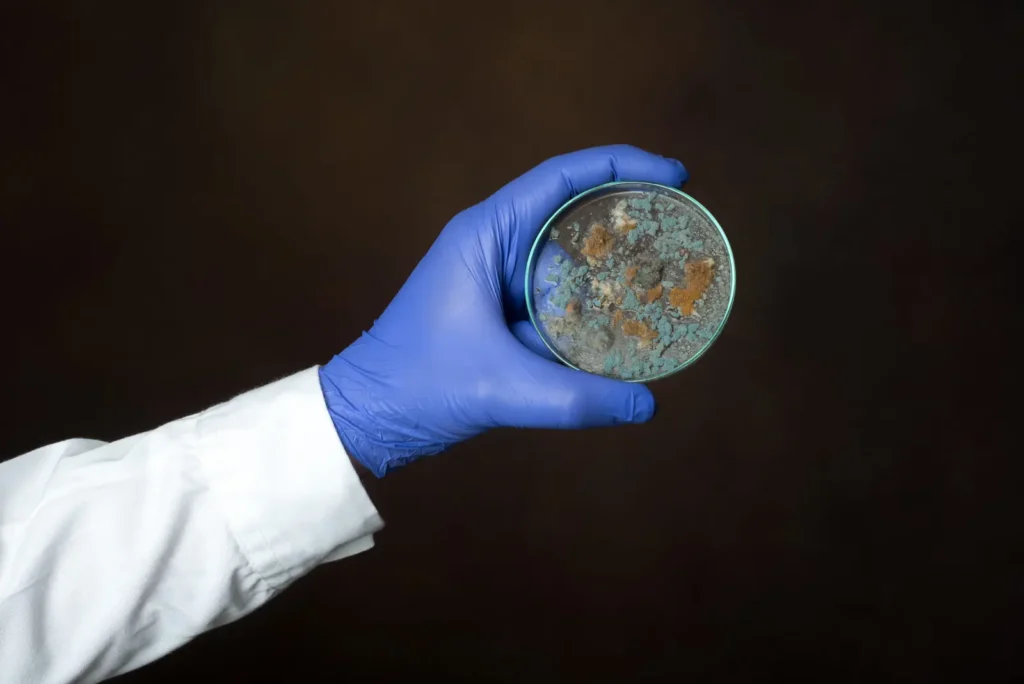
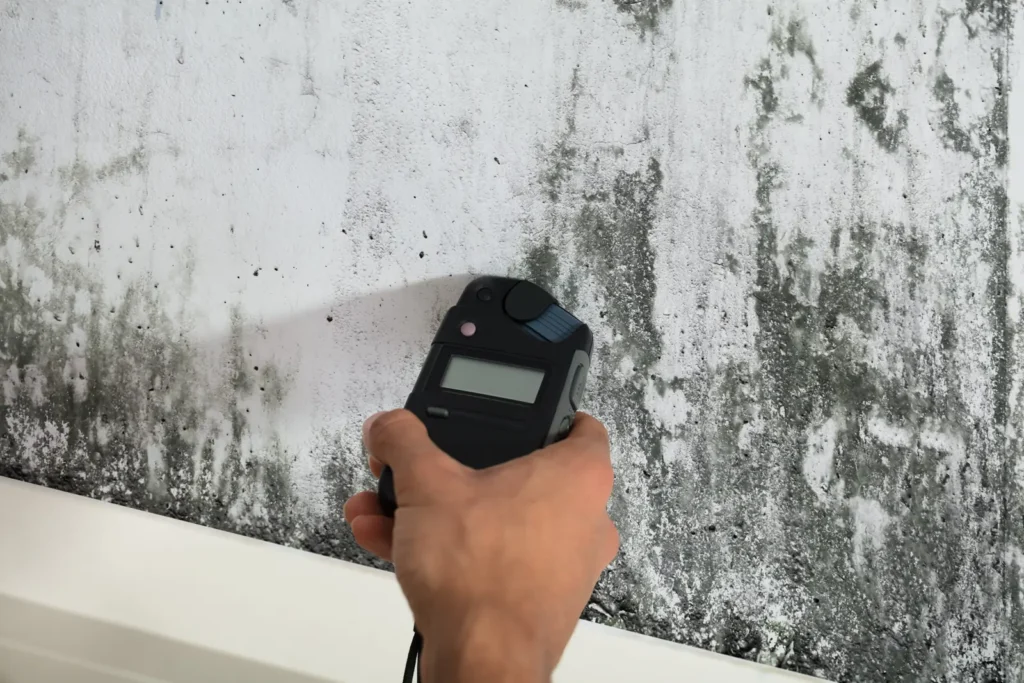
Mould Assessments
Visual inspection, moisture readings, air and/or surface sampling, source identification and recommendations.
Learn more
Surveys, removal and demolition
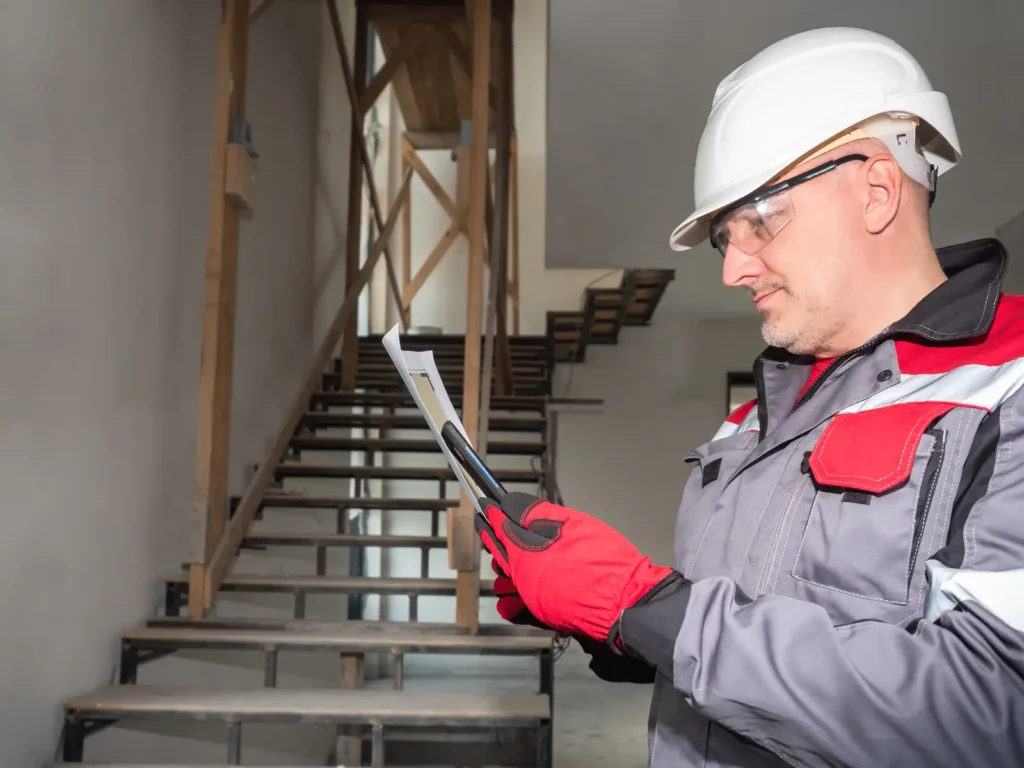
Designated Substance Survey
In Ontario, a DSS report is required before construction, demolition or renovation work.
Learn more
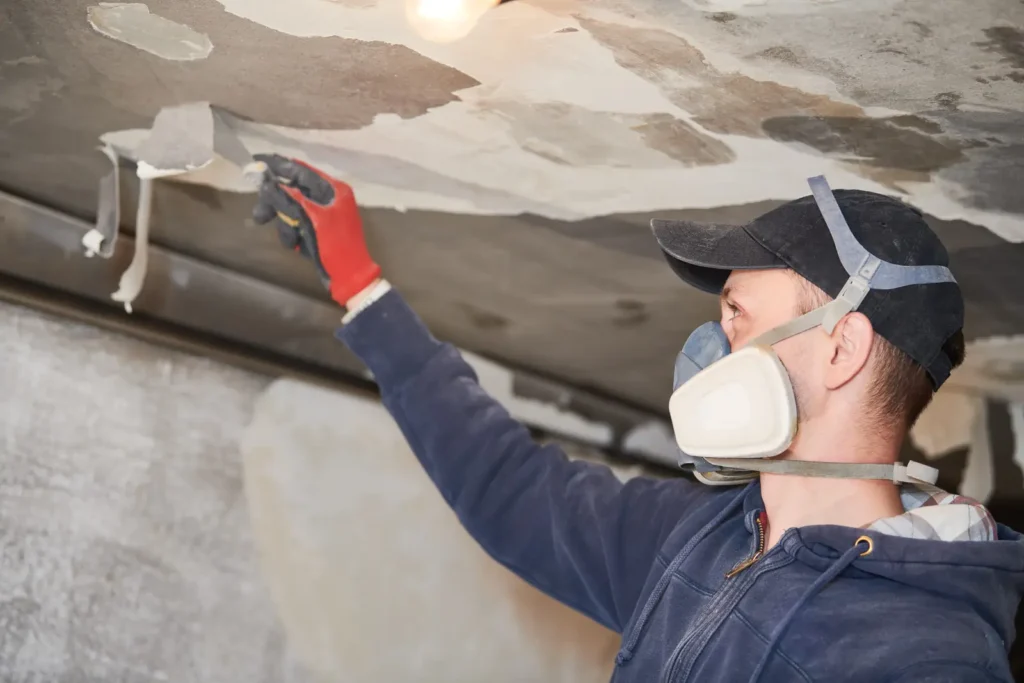
Abatement
Asbestos removal as a Type 1, 2 or 3 procedure: we can help with a contractor referral and estimate.
Learn more
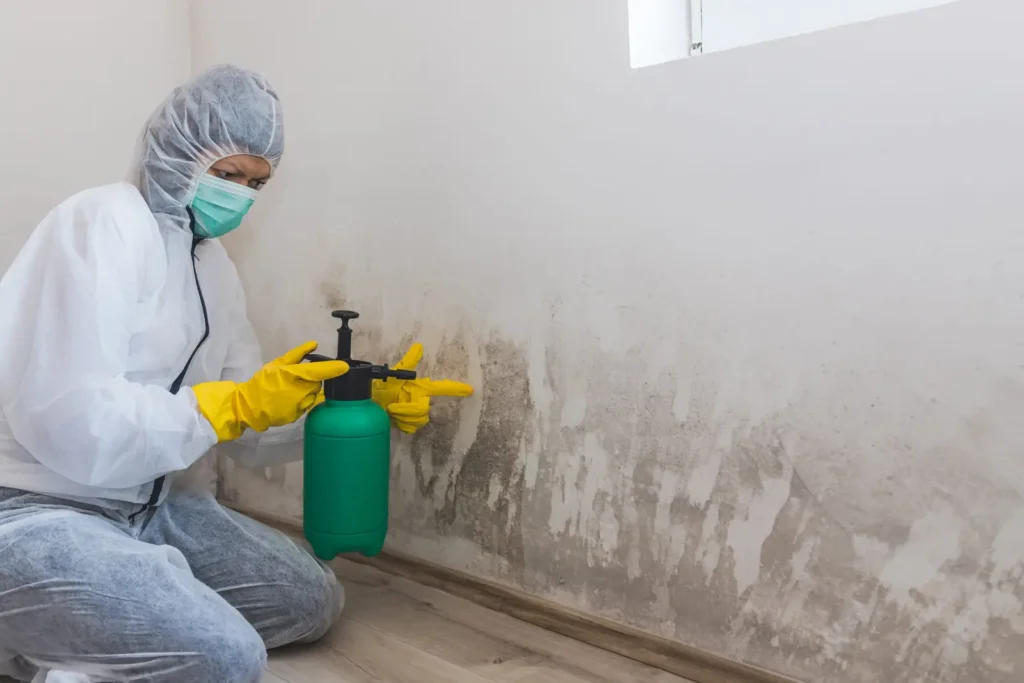
Remediation
Removal of mould-impacted materials as a Level 1, 2 or 3 procedure: contractor referral and estimate.
Learn more
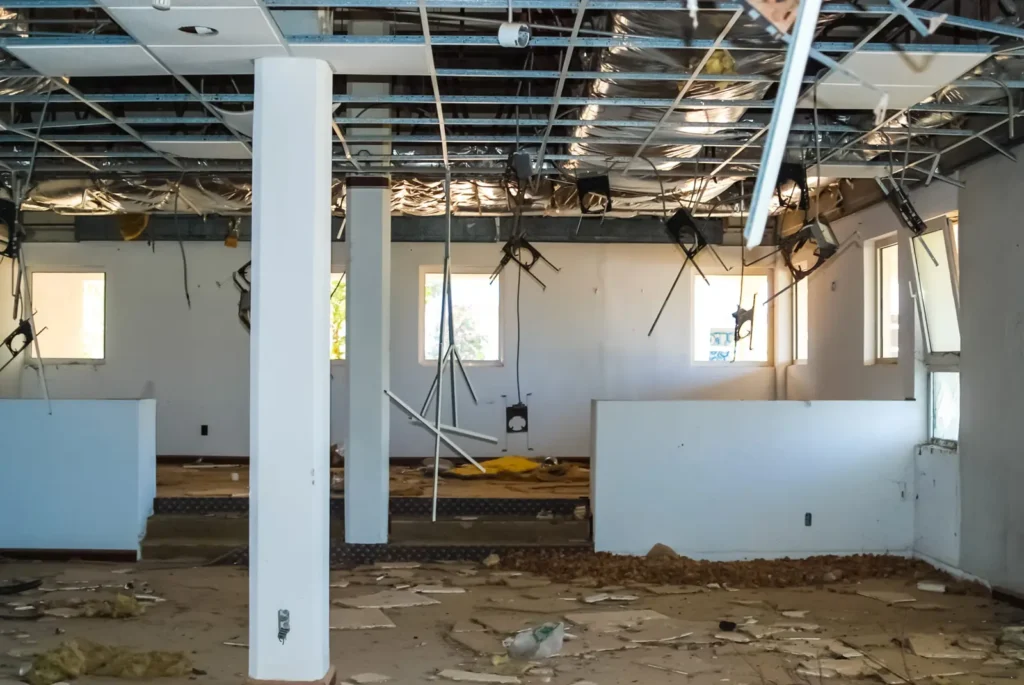
Demolition
Structural or interior demolition: we guide you through the process, with a contractor referral and estimate.
Learn more