
Asbestos & mould testing · Burlington & GTA
Protecting your health and property with expert environmental services.
Based in Burlington, Ontario, EnviroGuard Consulting and Testing is your trusted partner in ensuring a safe, healthy living and working environment. We specialize in professional asbestos and mould testing, providing accurate lab results and expert interpretations to help you make informed decisions for remediation.
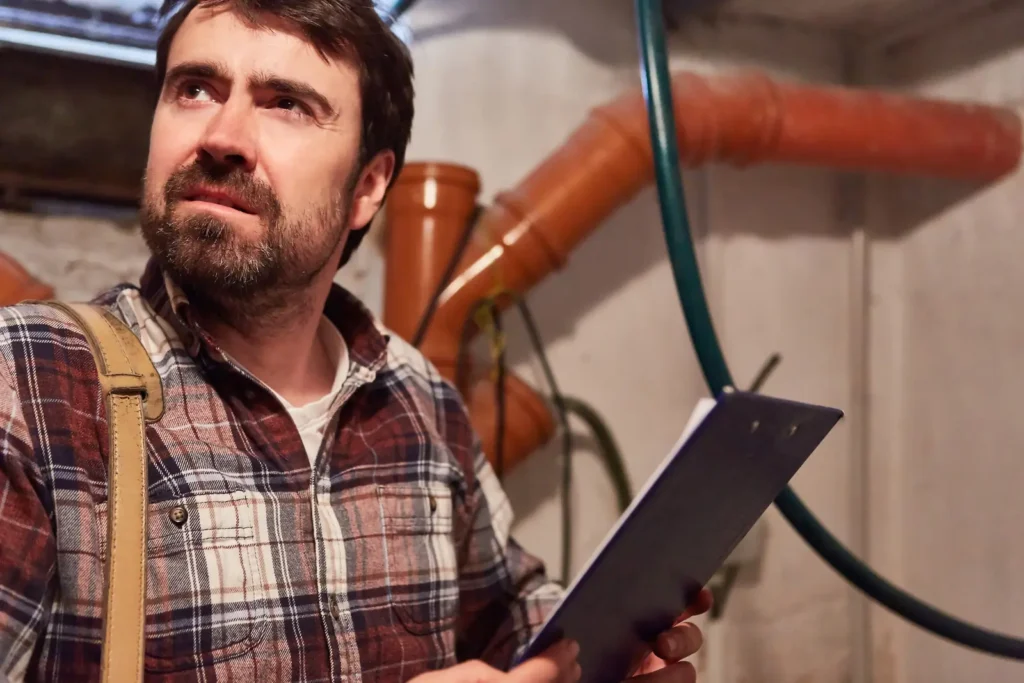
Mould Test After Foundation Leak Burlington
Testing for mould after a foundation leak in Burlington protects your family's health and prevents structural damage before hidden growth spreads. Water intrusion creates the exact conditions mould needs to thrive, and what you cannot see can pose serious respiratory risks. This guide walks you through the process of identifying whether mould is present, getting it tested professionally, and understanding what comes next.
EnviroGuard Consulting and Testing specializes in certified mould assessment for homeowners across Burlington and the surrounding Halton Region. We help you move from uncertainty to clear, actionable results so you can protect your home and make informed repair decisions.
Step 1: Inspect the Affected Area and Document What You See
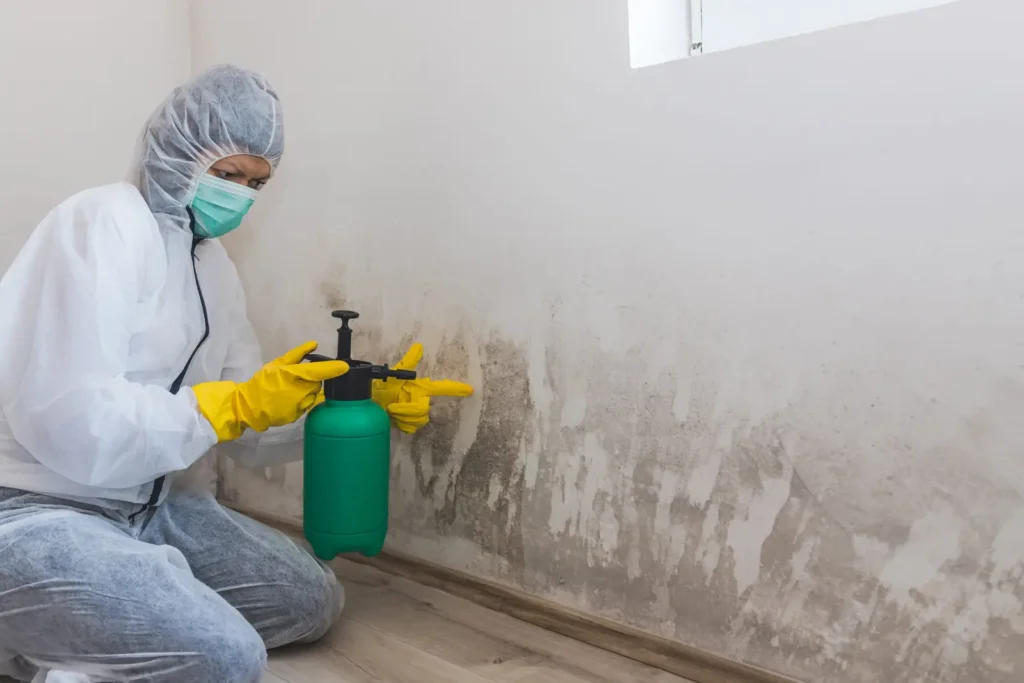
Begin by examining the area where water entered your home. Look for visible signs of mould growth-dark spots, fuzzy patches, or discoloration on drywall, wood, insulation, or concrete. Mould often appears black, green, white, or orange depending on the species. Take photographs of any suspicious areas, including the general condition of the room, moisture levels, and any water stains. This documentation helps a certified inspector understand the full picture when they arrive.
Pay attention to musty odours, which often indicate mould even when it is not visible to the eye. Check not only obvious wet spots but also adjacent areas where moisture may have traveled through walls or along framing. Open closets, check under baseboards, and look inside cabinets near the leak. Mould can hide in spaces you cannot easily see, which is exactly why professional testing becomes essential.
Step 2: Contact a Certified Mould Testing Professional in Burlington
Do not attempt to test mould yourself with home kits or by sending samples to an unlicensed lab. A certified inspector brings expertise, proper sampling equipment, and access to accredited laboratories that deliver results you can trust. In Burlington, EnviroGuard Consulting and Testing provides certified mould testing and inspection that follows industry standards and local environmental guidelines. When you call, describe the foundation leak, when it occurred, and what you have already noticed. This helps the inspector prepare and prioritize the areas that need the most attention.
A professional assessment includes a visual inspection of the affected zone, measurement of moisture levels in materials, and air quality sampling if needed. The inspector will determine whether testing is necessary and, if so, what type-surface samples, bulk samples, or air testing-best answers your specific situation. Because mould can develop over days or weeks after water exposure, testing soon after a foundation leak gives you the clearest picture of whether active growth is present.
Step 3: Prepare Your Home for Testing
Close windows and doors for at least 24 hours before testing to ensure indoor air conditions are stable and representative of normal living. If you have been running fans or dehumidifiers, turn them off during this period unless they run continuously as part of your usual routine. The goal is to let the air settle so samples reflect what your family actually breathes day to day. Inform the inspector if anyone in your household has respiratory sensitivities, allergies, or immune compromise-this context shapes how urgent remediation becomes.
Clear access to the affected area so the inspector can work safely and thoroughly. Move furniture, boxes, or clutter away from walls, under sinks, and around the foundation area. Ensure the inspector can reach the basement, crawl space, or upper floor where water entered. If the area is dark, have flashlights available. The easier you make access, the more thorough and accurate the inspection will be.
Step 4: Understand Your Test Results and Recommendations
Once EnviroGuard completes the testing, you will receive a detailed report that explains what was found, where, and what it means. The laboratory results will identify mould species present and, if air testing was done, the spore counts compared to outdoor baselines. A qualified inspector interprets these results in plain language-not just raw data, but what matters for your home and health. If mould is present, the report includes specific recommendations for remediation, including whether you need professional removal or can handle cleaning yourself depending on the extent and type.
Results typically arrive within 5 to 10 business days. The inspector may recommend further investigation if moisture is still active, additional testing in adjacent spaces, or a follow-up inspection after repairs are made. Keep your report and test results for insurance purposes and any future property transactions. This documentation proves you acted responsibly to identify and address an environmental concern.
Step 5: Take Action on Remediation and Prevention
If mould is confirmed, the next step is stopping the water source and removing or cleaning affected materials. Small surface mould (less than one square meter) can often be cleaned with proper precautions and detergent; larger infestations typically require professional remediation contractors. Your EnviroGuard report will clarify the scope so you know whether this is a DIY project or a job for specialists. Once remediation is complete, EnviroGuard can conduct follow-up testing to confirm the mould is gone and air quality has returned to safe levels.
Prevent future leaks by ensuring your foundation drainage is working, gutters are clear, and grading slopes away from the house. If the foundation crack or leak is still active, have it sealed before mould has a chance to return. Many homeowners find that addressing the water problem immediately after testing saves money and stress in the long run.
If you have noticed water damage or suspect mould growth in your Burlington home following a foundation leak, EnviroGuard Consulting and Testing is ready to help. We provide certified testing, clear results, and expert guidance so you can move forward with confidence. Reach out to learn more about how we serve homeowners across Burlington and the Halton Region.
Frequently Asked Questions
How quickly can mould grow after a foundation leak in Burlington?
Mould can begin growing within 24 to 48 hours of water exposure if conditions remain moist. This is why testing soon after a foundation leak is critical-the sooner you know whether mould is present, the sooner you can stop it. EnviroGuard recommends contacting a certified inspector as soon as you notice water damage.
Do I need both air testing and surface mould testing?
Not always. Air testing measures mould spores floating in the air, while surface testing identifies growth on materials. Your situation determines which is appropriate. A certified inspector examines your foundation leak and recommends the right testing approach to answer your specific concern-usually one method is sufficient.
How much does a mould test cost after a foundation leak in Burlington?
Testing costs vary based on the size of the affected area and the type of testing needed. Contact EnviroGuard Consulting and Testing directly for a quote tailored to your home and situation. The investment is small compared to the cost of unaddressed mould damage or health problems later.
What if the mould test comes back negative?
A negative result means no mould was detected at the time of testing, which is good news. However, ensure the water source is fixed so mould cannot develop later. If moisture persists, consider retesting after repairs are complete to confirm the environment is now dry and safe.
Can I clean mould myself or do I need professional remediation?
Small surface mould (under one square meter) can sometimes be cleaned by the homeowner using detergent and proper safety precautions. Larger infestations, mould in HVAC systems, or growth in insulation usually requires professional removal to ensure complete remediation and prevent spore spread. Your EnviroGuard report will specify what is safe for you to handle.
Is mould from a foundation leak dangerous to my family?
Some mould species produce allergens or irritants that trigger respiratory symptoms, particularly in children, elderly people, or those with existing asthma or immune issues. Not all mould is equally hazardous, and the risk depends on the species and spore levels. Testing identifies exactly what you are dealing with so you can make an informed decision about remediation urgency.
Why EnviroGuard
Experience, integrity and regulatory conformity
Regulations
- O. Reg. 278/05 Asbestos on construction projects and in buildings and repair operationsOccupational Health and Safety Act
- O. Reg. 490/09 Designated substancesOccupational Health and Safety Act
- O. Reg. 347/90 General waste management, including asbestos wasteEnvironmental Protection Act
Under the Occupational Health and Safety Act (OHSA), the ministry is responsible for regulating occupational health and safety in workplaces, which includes schools, hospitals, and any place where people work.
Experience
With over 30 years of experience in solid waste management across Ontario and 20 years in environmental science, EnviroGuard Consulting and Testing provides expert asbestos, mould, and environmental testing services.
Hands-on knowledge of hazardous material assessment and indoor air quality ensures every project is handled safely, efficiently, and in full compliance with Ontario’s environmental and occupational health regulations.
Integrity
Built on high integrity and regulatory conformity, EnviroGuard delivers precise testing, reliable reporting, and practical abatement and remediation recommendations.
Clients can trust EnviroGuard to protect their buildings, occupants, and projects while maintaining the highest standards of safety and compliance.
Our services
Environmental testing and consulting
At EnviroGuard, we offer a comprehensive range of environmental testing and consulting services for homes and businesses.
Asbestos testing
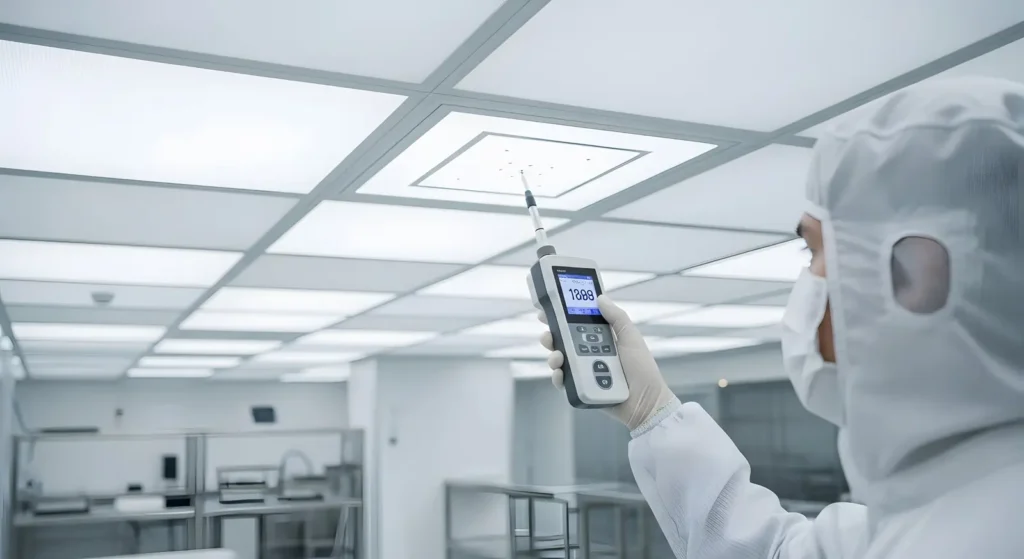
Asbestos Air Quality Testing
Air samples show whether asbestos fibres are present and at what concentration. Required for Type 3 work under O. Reg. 278/05.
Learn more
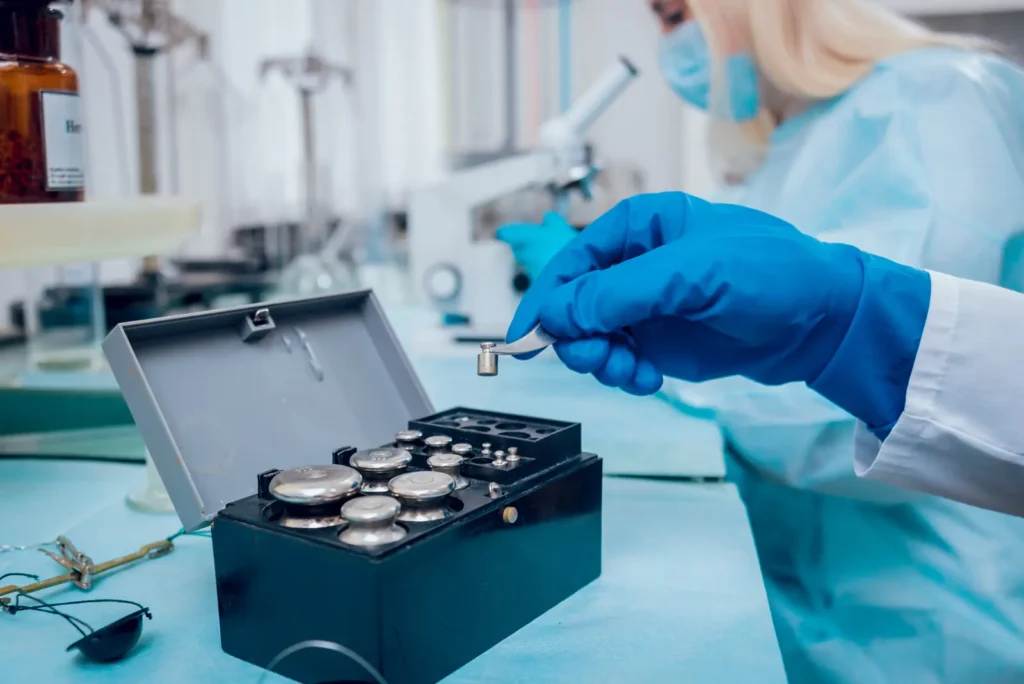
Asbestos Bulk Testing
Samples of drywall compound, insulation, flooring, ceiling tiles, plaster and more, before renovation or demolition.
Learn more

Asbestos Summary Reports
All asbestos findings, both air and bulk, compiled into one easy-to-read document.
Learn more
Mould testing
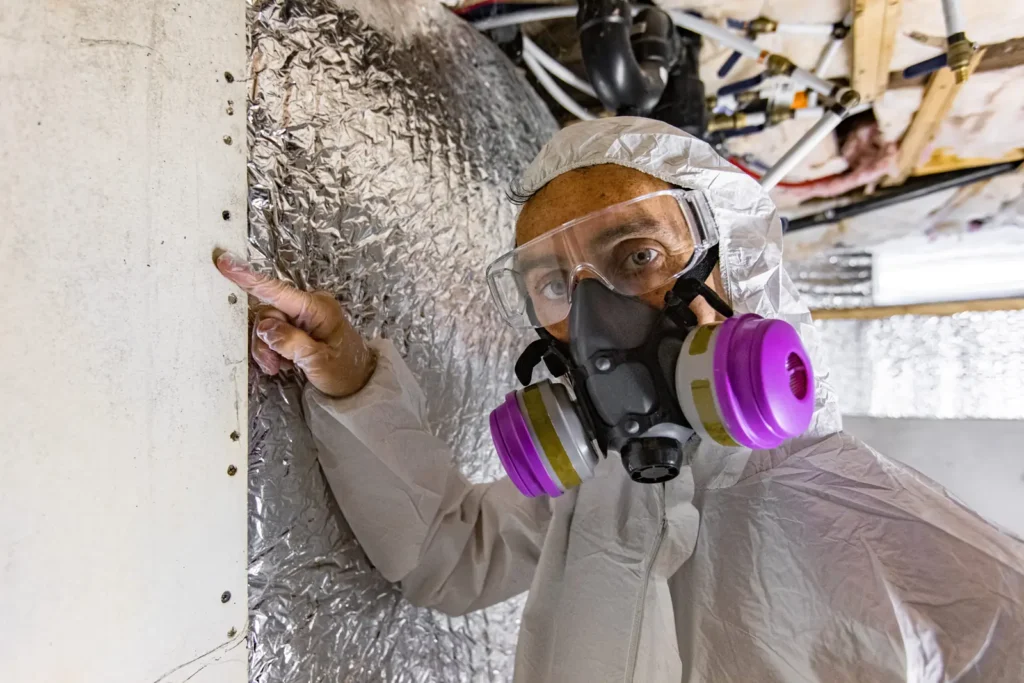
Mould Air Quality Testing
Indoor mould spore readings compared to outdoor baseline levels. A good background if mould is suspected.
Learn more
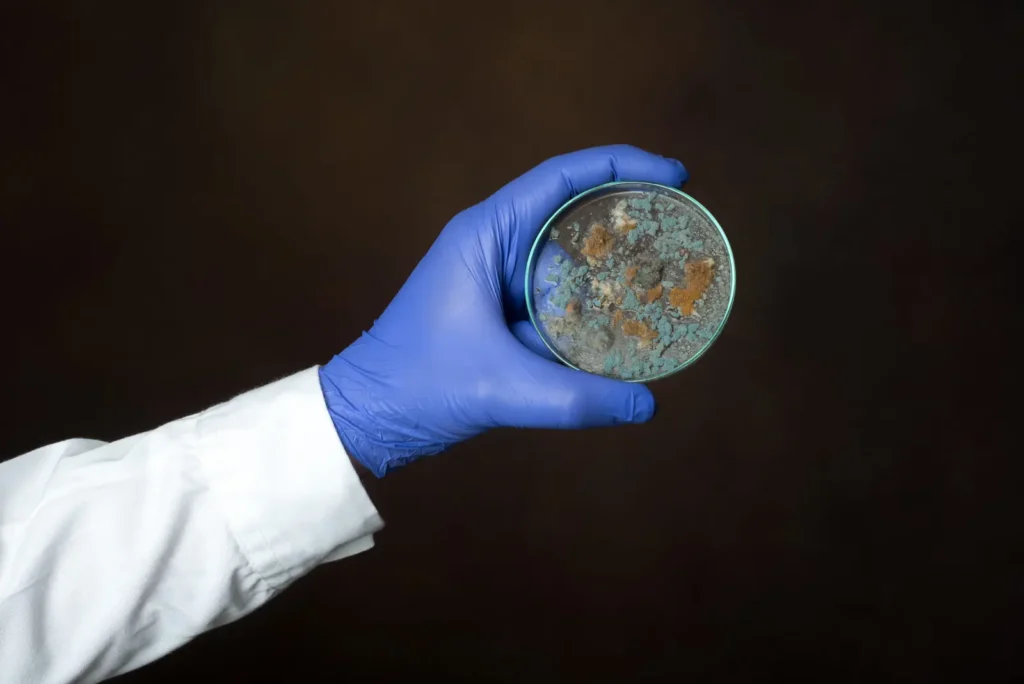
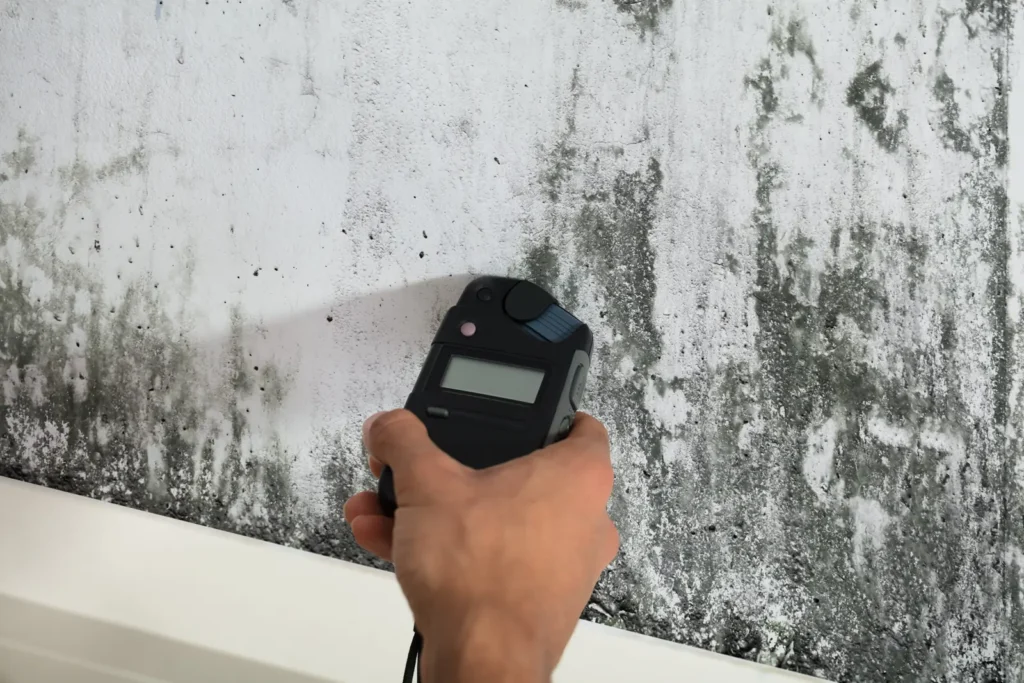
Mould Assessments
Visual inspection, moisture readings, air and/or surface sampling, source identification and recommendations.
Learn more
Surveys, removal and demolition
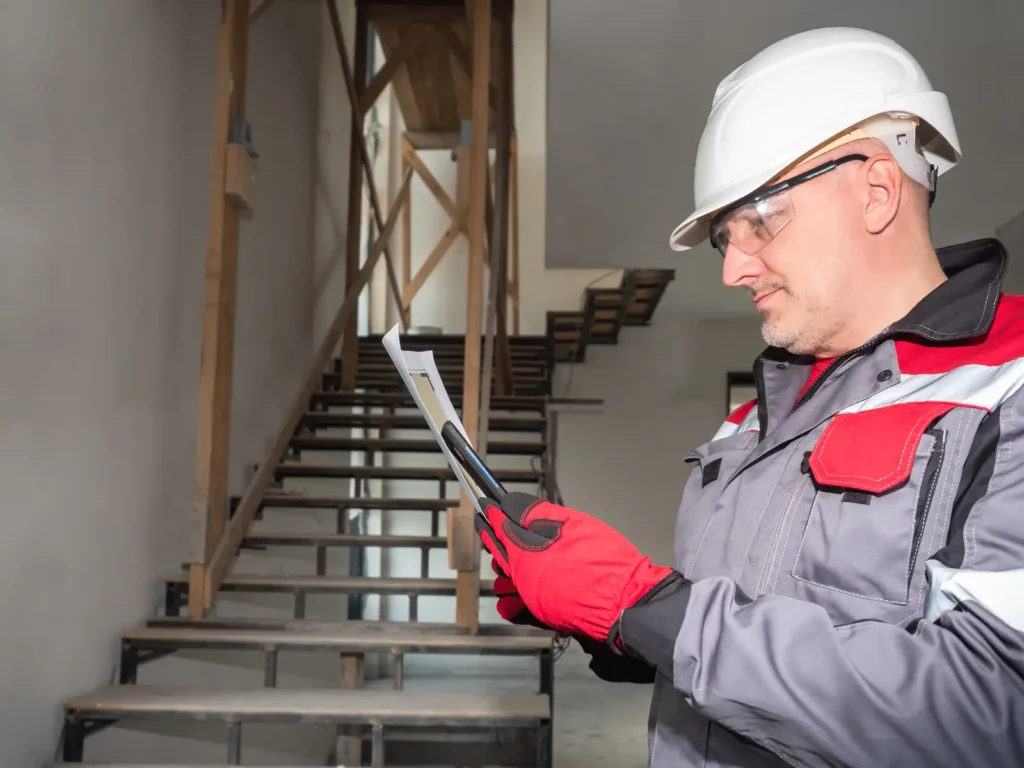
Designated Substance Survey
In Ontario, a DSS report is required before construction, demolition or renovation work.
Learn more
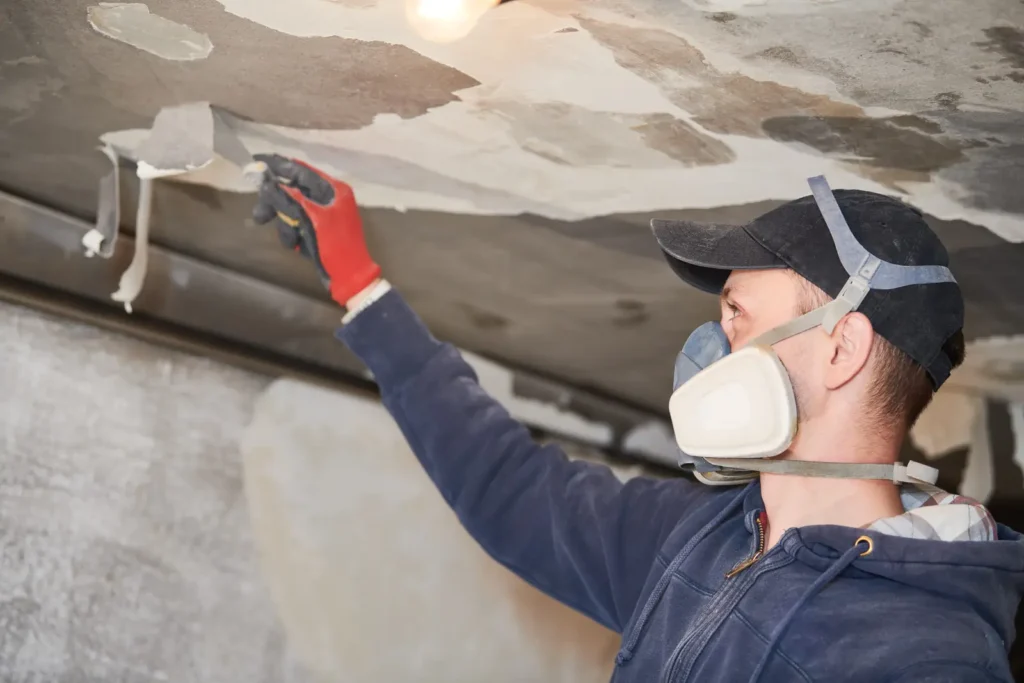
Abatement
Asbestos removal as a Type 1, 2 or 3 procedure: we can help with a contractor referral and estimate.
Learn more
Remediation
Removal of mould-impacted materials as a Level 1, 2 or 3 procedure: contractor referral and estimate.
Learn more
Demolition
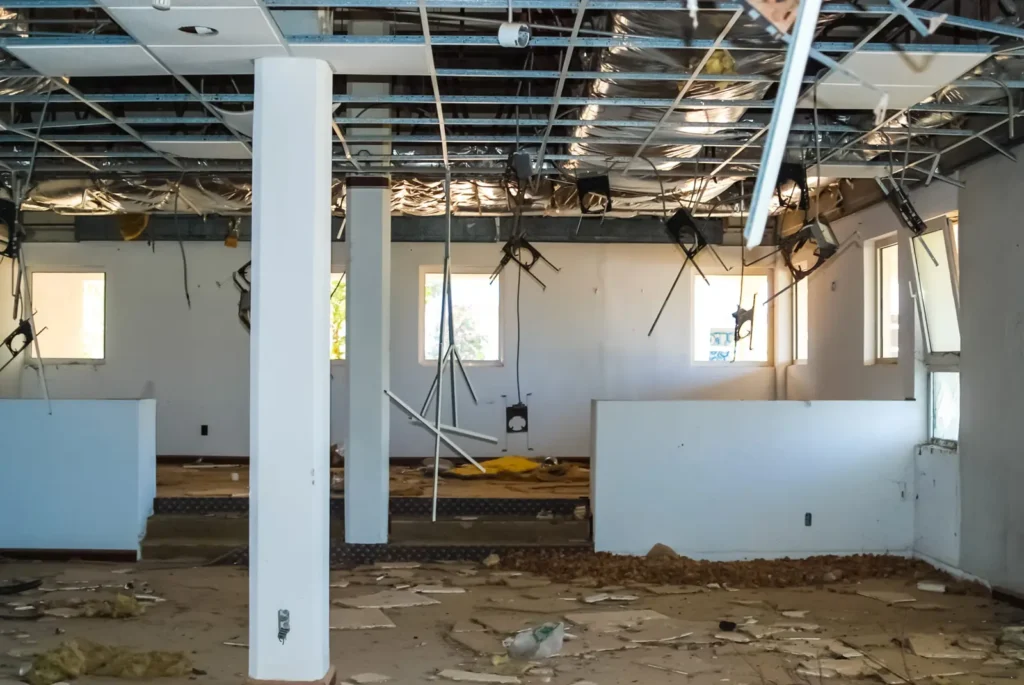
Structural or interior demolition: we guide you through the process, with a contractor referral and estimate.
Learn more