
Asbestos & mould testing · Burlington & GTA
Protecting your health and property with expert environmental services.
Based in Burlington, Ontario, EnviroGuard Consulting and Testing is your trusted partner in ensuring a safe, healthy living and working environment. We specialize in professional asbestos and mould testing, providing accurate lab results and expert interpretations to help you make informed decisions for remediation.
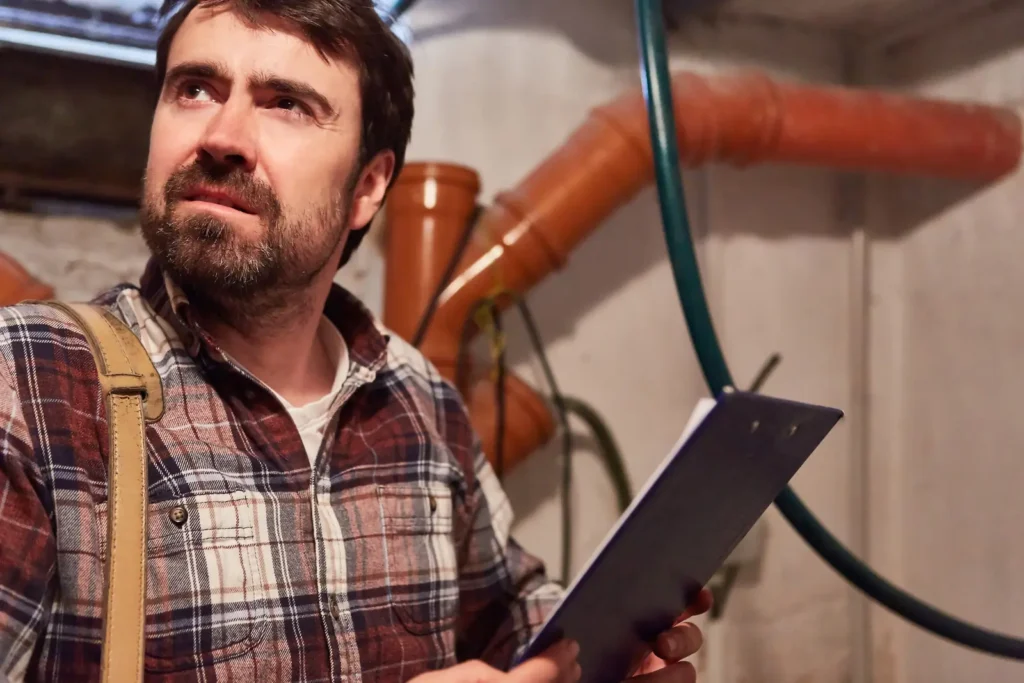
Mould Test After Storm Flooding Burlington
Testing for mould after storm flooding in Burlington is essential when water damage occurs in your home or commercial property. After heavy rain, basement flooding, or water intrusion, mould can develop rapidly-sometimes within 24 to 48 hours-making prompt assessment critical for protecting occupant health and preventing structural damage.
Burlington residents and business owners face real flooding risks due to the region's proximity to water systems and variable weather patterns. When storm water enters a building, the combination of moisture, organic materials, and indoor temperatures creates ideal conditions for mould colonization. Many property owners delay testing, hoping the problem will resolve on its own, but this approach often leads to hidden mould growth behind walls, under flooring, and in HVAC systems-areas where visual inspection alone cannot detect contamination.
EnviroGuard Consulting and Testing provides certified mould testing and inspection specifically designed for post-flooding assessment. Our approach combines visual inspection with professional air sampling and surface testing, allowing us to identify mould presence, species identification, and contamination levels. This information guides your remediation strategy and helps determine whether professional mould remediation is necessary or whether controlled drying and monitoring will resolve the issue.
DIY Visual Inspection Versus Professional Mould Testing After Storm Flooding in Burlington
The temptation to assess mould damage yourself after a flood is understandable, but visual inspection alone is insufficient for several reasons. Mould grows in concealed spaces-inside wall cavities, beneath insulation, within ductwork-where you cannot see it. A space may appear dry on the surface while moisture persists deeper in materials, allowing mould to establish itself undetected. Additionally, not all mould is equally concerning; some species are common environmental moulds, while others pose greater health risks, particularly for children, elderly individuals, and those with respiratory sensitivities.
| Approach | What It Detects | Best For | Limitations |
|---|---|---|---|
| Visual inspection only | Visible discolouration and surface growth | Obvious contamination on accessible surfaces | Misses hidden growth, cannot identify species, no quantification |
| Professional air sampling | Airborne mould spores and indoor air quality | Understanding what occupants are breathing, comparing indoor to outdoor levels | Does not pinpoint exact source locations |
| Surface sampling and lab analysis | Mould species, concentration, and contamination extent | Identifying specific problem areas and guiding remediation | Requires strategic sampling locations |
| Combination testing (visual + air + surface) | Complete picture of mould presence, type, and distribution | Post-flood assessment, health concerns, legal/insurance documentation | Most comprehensive but involves appropriate investment |
EnviroGuard Consulting and Testing conducts certified mould inspection that combines all these elements. We document findings with professional photography, provide detailed laboratory reports identifying mould species and spore counts, and deliver clear recommendations. This documentation is invaluable if insurance claims are involved, if you need guidance on remediation contractors, or if health concerns require proof of indoor air conditions.
Timing and Moisture Assessment After Flooding in Burlington Properties
The critical window for intervention after storm flooding is narrow. Mould requires moisture, food source, and time-typically 24 to 72 hours of dampness is sufficient for colonization to begin. In Burlington's climate, humidity levels and seasonal moisture patterns affect how quickly mould develops. A property flooded in spring or summer, when temperatures are warm, will see faster mould growth than winter flooding, but neither scenario is safe to ignore.
Professional moisture assessment determines whether your property is drying appropriately or whether hidden moisture persists. EnviroGuard Consulting and Testing uses moisture meters and thermal imaging during inspection to evaluate whether materials retain moisture below safe thresholds. If moisture remains elevated after appropriate drying time, this strongly indicates that mould testing is warranted and that further intervention-such as professional drying equipment or material removal-may be necessary.
Insurance companies and property managers increasingly require certified testing after significant water events. This creates a documented baseline for property condition and protects all parties if health or structural issues arise later. For Burlington homeowners and commercial property owners, having a certified professional conduct this assessment removes ambiguity and provides actionable next steps backed by laboratory evidence.
If your Burlington property has experienced storm flooding or water damage, contact EnviroGuard Consulting and Testing to arrange a professional assessment. We will evaluate your property's condition, conduct appropriate testing if needed, provide clear findings, and recommend next steps to protect your property and the people who live or work there.
Frequently Asked Questions
How soon should I test for mould after flooding in Burlington?
Testing should ideally occur within 24 to 72 hours of water intrusion or once initial drying has begun. Early testing establishes baseline conditions and helps determine whether the property is drying appropriately. If moisture remains elevated after adequate drying time, testing becomes even more critical to detect early-stage mould colonization before it spreads.
What is the difference between air quality testing and surface sampling for mould?
Air quality testing measures airborne mould spores and tells you what occupants are breathing; it does not identify the source. Surface sampling targets visible or suspected contamination and provides species identification and concentration levels. After flooding, both types are often necessary to understand both the source and the air quality impact.
Can mould grow in walls after a flood even if the surface looks dry?
Yes. Mould thrives in concealed spaces where moisture persists beneath the surface. Insulation, drywall, wood framing, and cavity spaces can retain moisture for weeks even when surfaces appear dry. This is why professional moisture assessment and air testing are essential after flooding; they detect contamination that visual inspection alone cannot identify.
Will my insurance company require a professional mould test after storm flooding in Burlington?
Many insurance policies require or encourage professional documentation of water damage and mould conditions, particularly for significant claims. A certified inspection report provides the documentation insurers need and protects you by establishing professional findings independent of insurance company assessment.
What does EnviroGuard recommend if mould is found after a flood?
EnviroGuard provides detailed findings and actionable recommendations based on mould type, concentration, and location. These may range from enhanced drying and monitoring to professional remediation, depending on severity and health considerations. All recommendations are documented in the testing report to guide your decisions.
How much does professional mould testing cost after flooding in Burlington?
Testing costs vary based on property size, number of samples required, and type of assessment. EnviroGuard provides transparent pricing during the initial consultation. Contact us with details about your property and the flood damage to receive an accurate estimate.
Why EnviroGuard
Experience, integrity and regulatory conformity
Regulations
- O. Reg. 278/05 Asbestos on construction projects and in buildings and repair operationsOccupational Health and Safety Act
- O. Reg. 490/09 Designated substancesOccupational Health and Safety Act
- O. Reg. 347/90 General waste management, including asbestos wasteEnvironmental Protection Act
Under the Occupational Health and Safety Act (OHSA), the ministry is responsible for regulating occupational health and safety in workplaces, which includes schools, hospitals, and any place where people work.
Experience
With over 30 years of experience in solid waste management across Ontario and 20 years in environmental science, EnviroGuard Consulting and Testing provides expert asbestos, mould, and environmental testing services.
Hands-on knowledge of hazardous material assessment and indoor air quality ensures every project is handled safely, efficiently, and in full compliance with Ontario’s environmental and occupational health regulations.
Integrity
Built on high integrity and regulatory conformity, EnviroGuard delivers precise testing, reliable reporting, and practical abatement and remediation recommendations.
Clients can trust EnviroGuard to protect their buildings, occupants, and projects while maintaining the highest standards of safety and compliance.
Our services
Environmental testing and consulting
At EnviroGuard, we offer a comprehensive range of environmental testing and consulting services for homes and businesses.
Asbestos testing
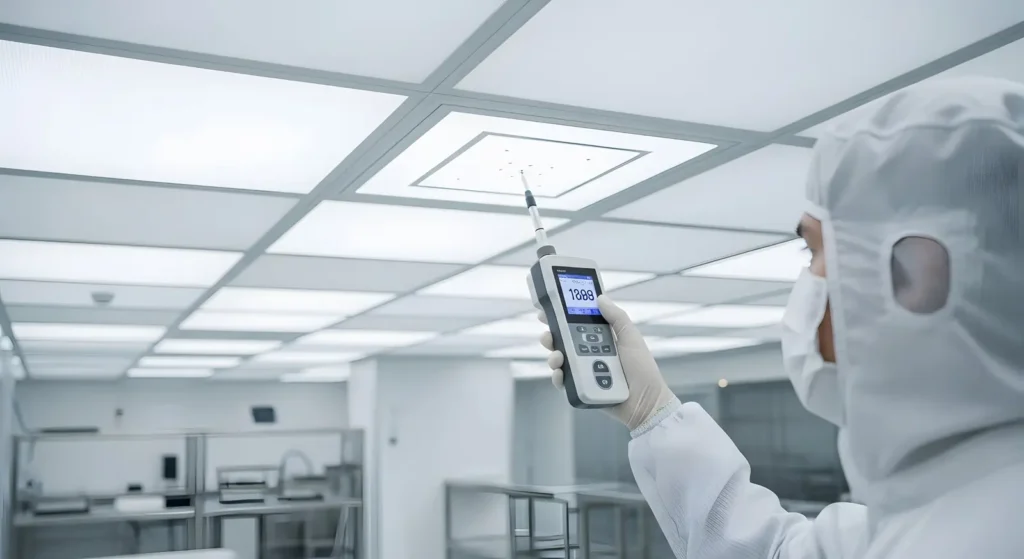
Asbestos Air Quality Testing
Air samples show whether asbestos fibres are present and at what concentration. Required for Type 3 work under O. Reg. 278/05.
Learn more

Asbestos Bulk Testing
Samples of drywall compound, insulation, flooring, ceiling tiles, plaster and more, before renovation or demolition.
Learn more

Asbestos Summary Reports
All asbestos findings, both air and bulk, compiled into one easy-to-read document.
Learn more
Mould testing
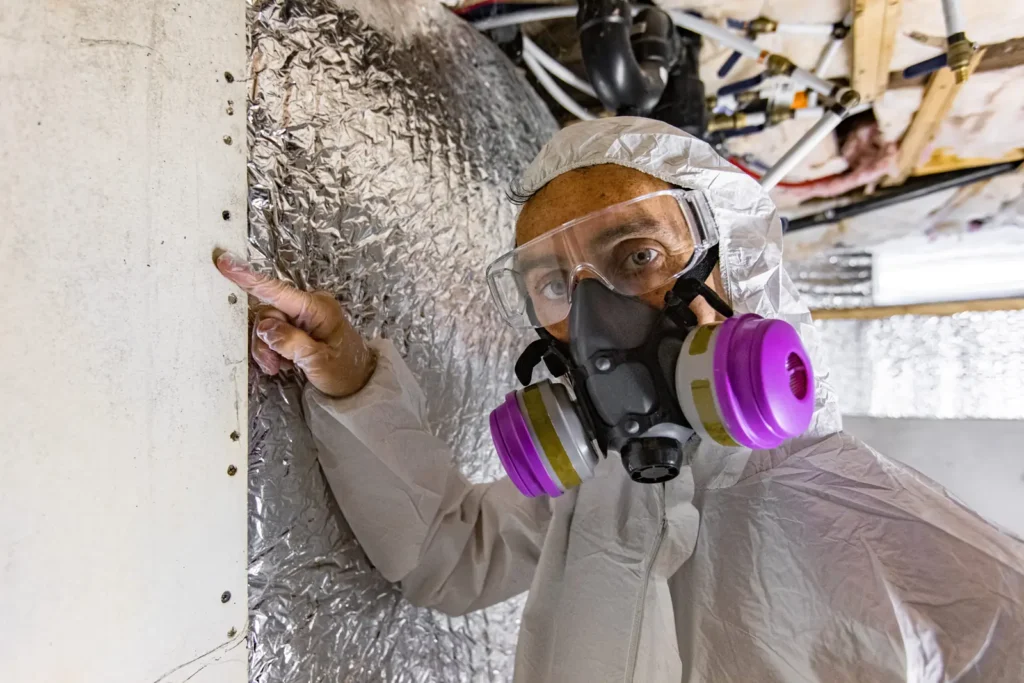
Mould Air Quality Testing
Indoor mould spore readings compared to outdoor baseline levels. A good background if mould is suspected.
Learn more
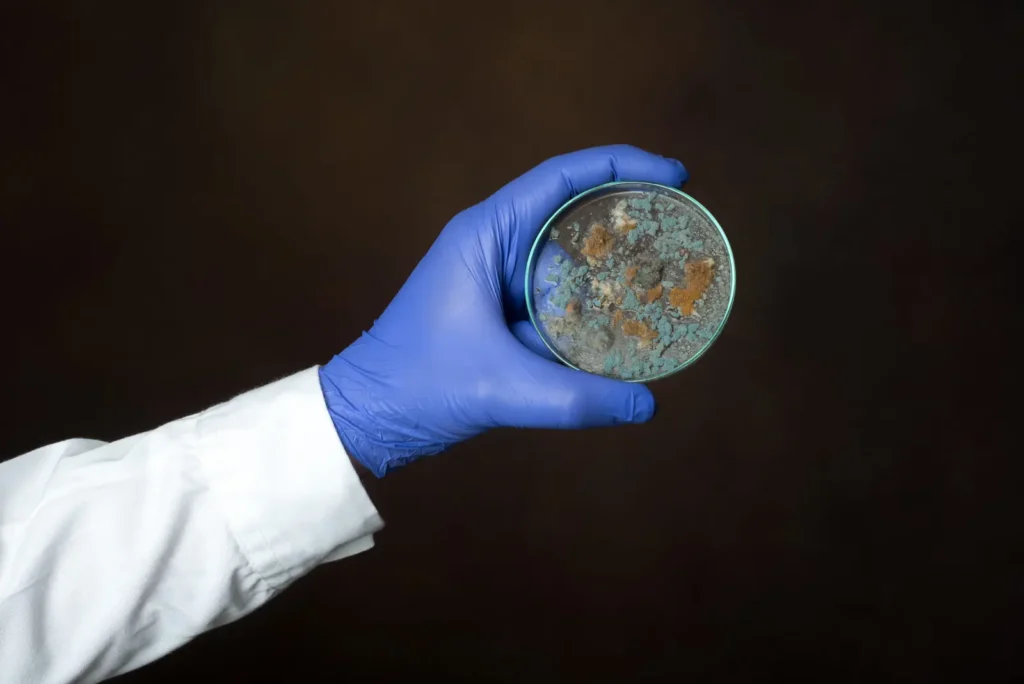
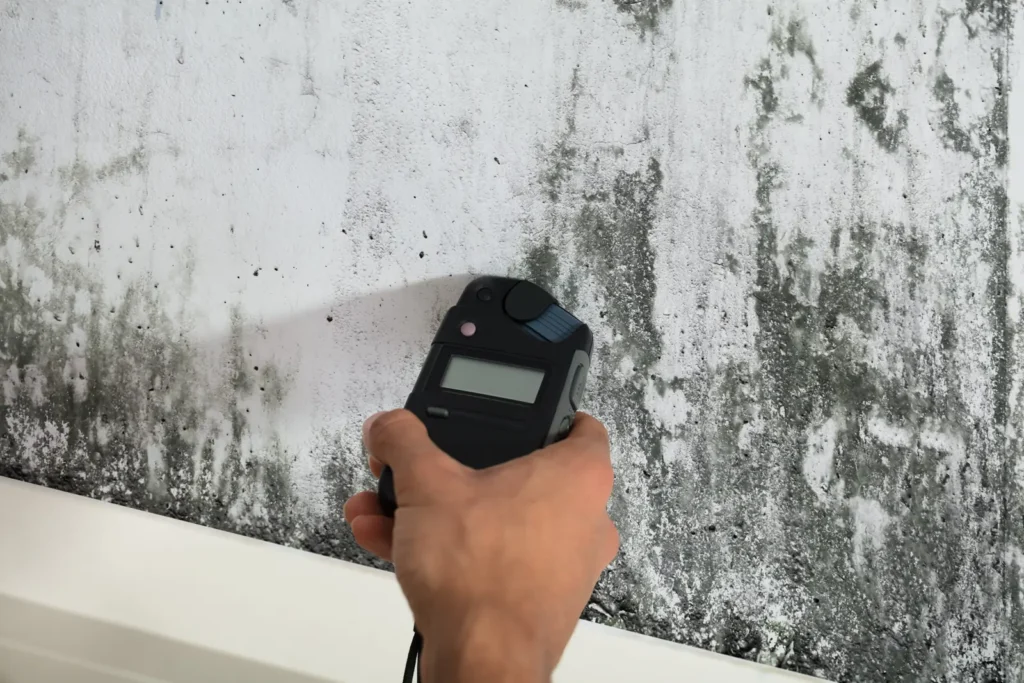
Mould Assessments
Visual inspection, moisture readings, air and/or surface sampling, source identification and recommendations.
Learn more
Surveys, removal and demolition
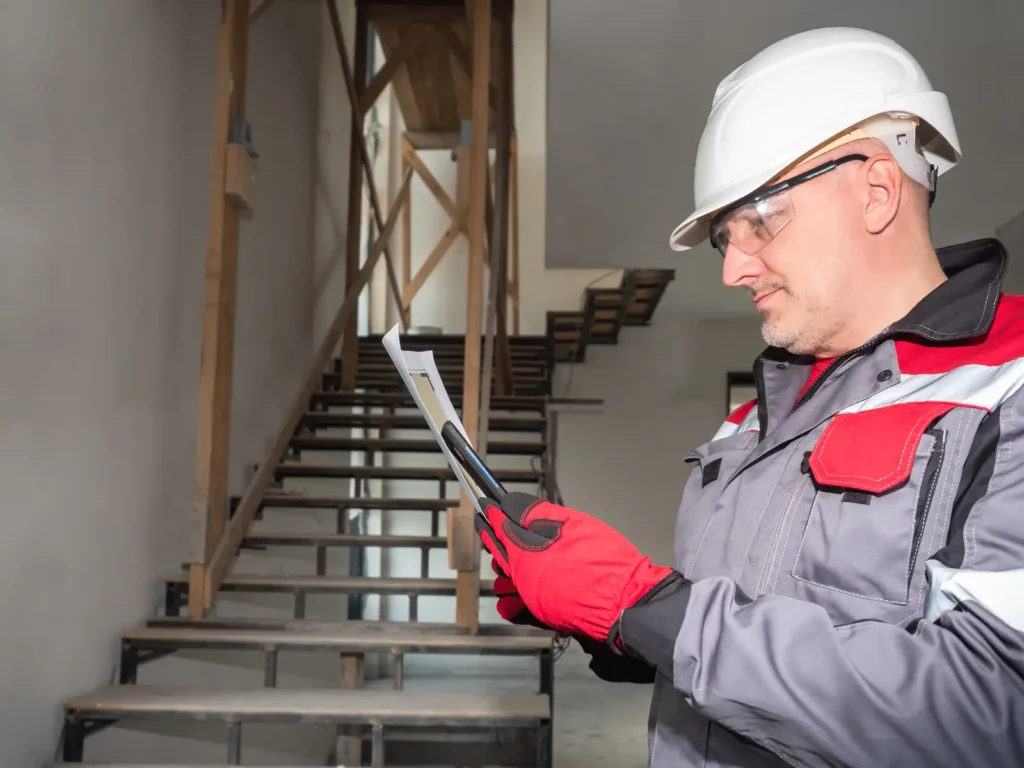
Designated Substance Survey
In Ontario, a DSS report is required before construction, demolition or renovation work.
Learn more
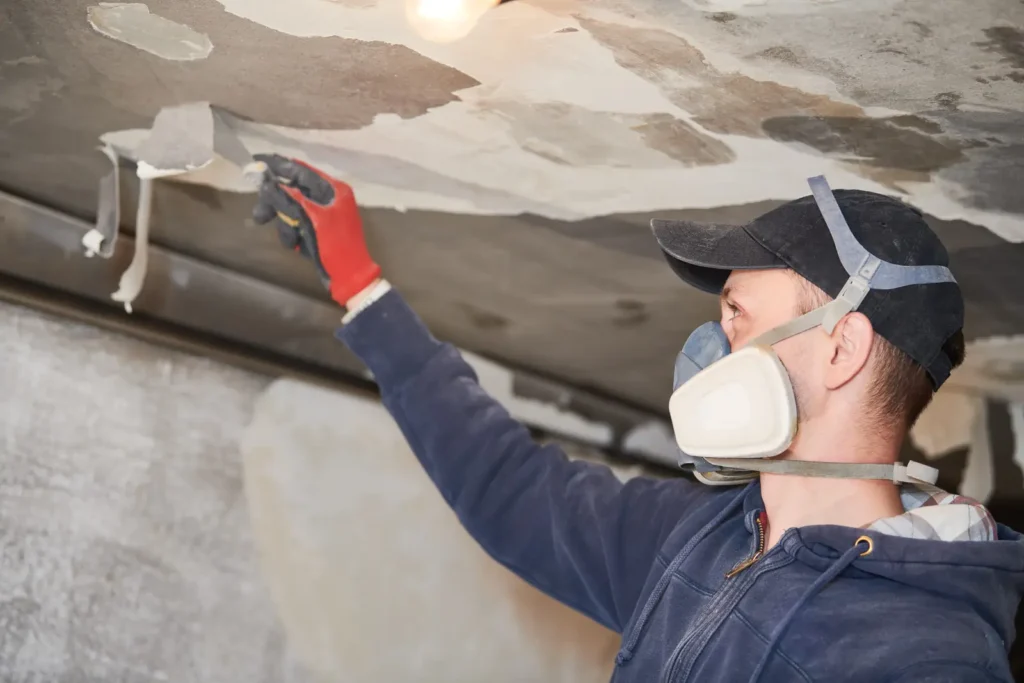
Abatement
Asbestos removal as a Type 1, 2 or 3 procedure: we can help with a contractor referral and estimate.
Learn more
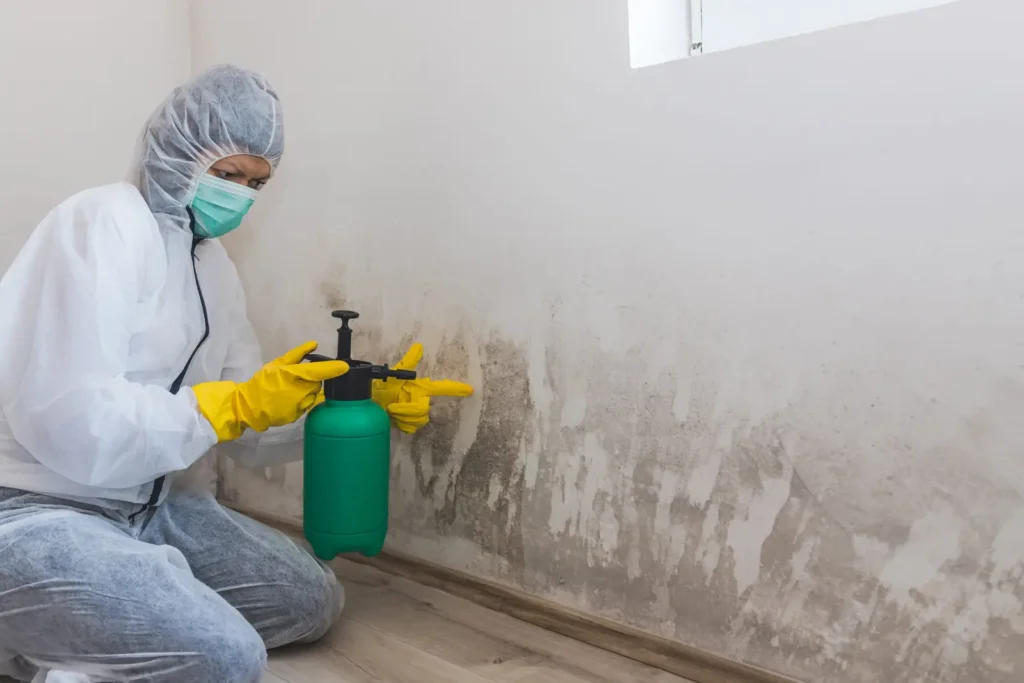
Remediation
Removal of mould-impacted materials as a Level 1, 2 or 3 procedure: contractor referral and estimate.
Learn more
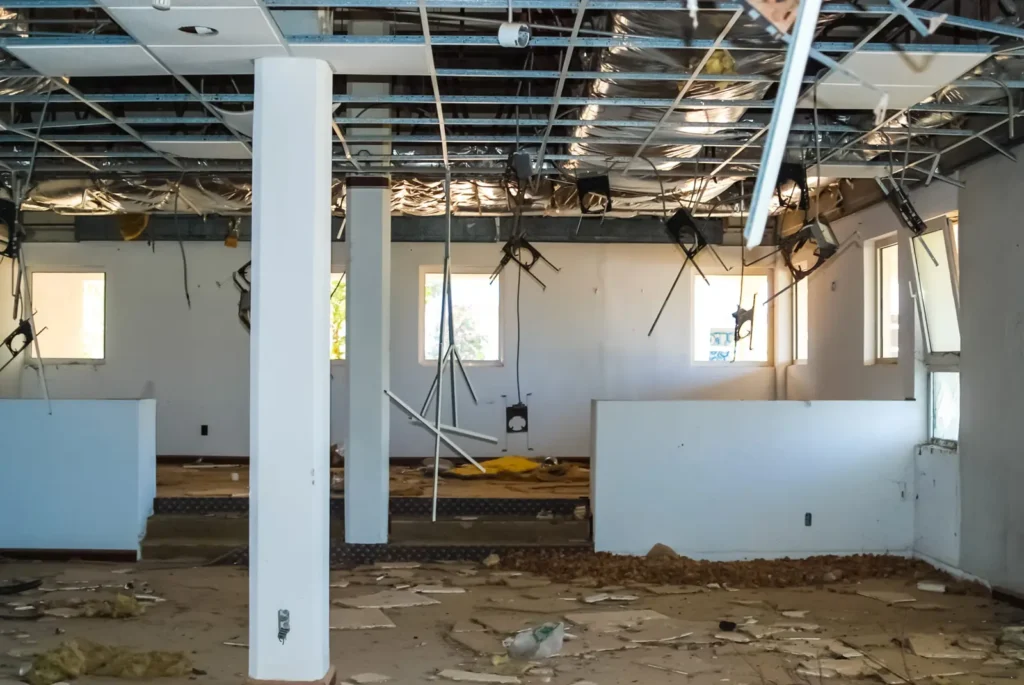
Demolition
Structural or interior demolition: we guide you through the process, with a contractor referral and estimate.
Learn more