
Asbestos & mould testing · Burlington & GTA
Protecting your health and property with expert environmental services.
Based in Burlington, Ontario, EnviroGuard Consulting and Testing is your trusted partner in ensuring a safe, healthy living and working environment. We specialize in professional asbestos and mould testing, providing accurate lab results and expert interpretations to help you make informed decisions for remediation.
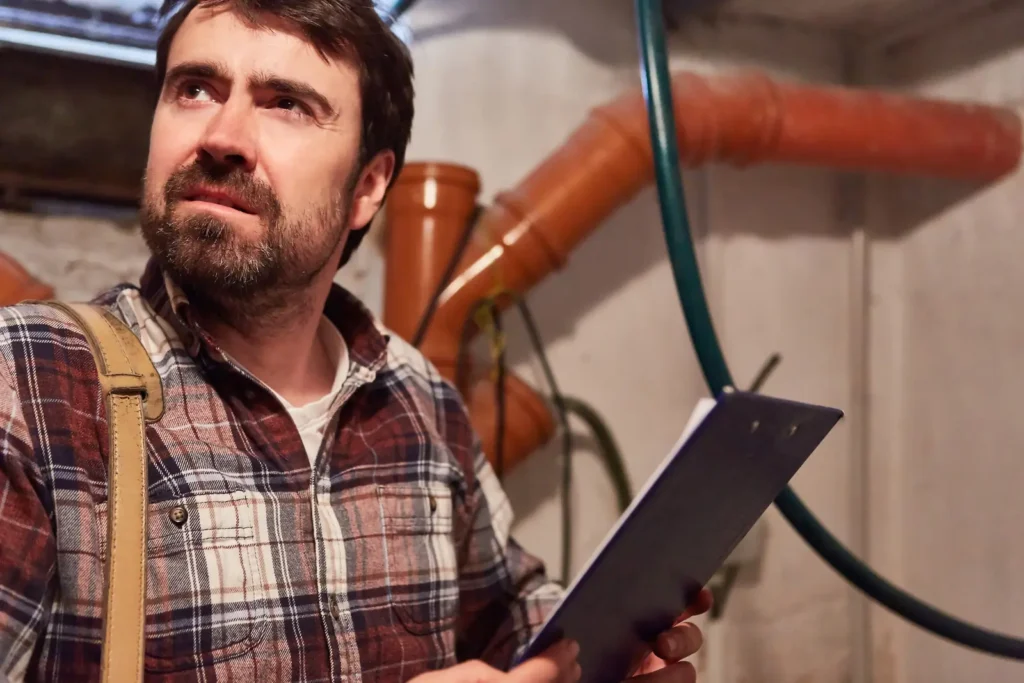
Mould Testing After Kitchen Leak Burlington
When a kitchen leak occurs, the visible water damage is often the least of your concerns. mould testing after kitchen leak situations is essential because moisture can seep into walls, cabinets, and subflooring where you cannot see it, creating an environment where mould colonies thrive within days. EnviroGuard Consulting and Testing provides certified mould testing and inspection throughout the Greater Toronto Area, helping Burlington homeowners understand what is growing behind their walls and what must be done about it.
Burlington residents face particular challenges with kitchen moisture. Kitchens are high-humidity spaces by nature, and when a leak goes unaddressed, that moisture accumulates in the exact materials mould loves: drywall, wood framing, and insulation. The problem is that mould does not always announce itself with a visible black spot. It often grows silently in cavities between walls, under flooring, or within cabinet bases where no one looks until damage is advanced.
Why Kitchen Leaks Lead to Hidden Mould Growth
A kitchen leak creates the three conditions mould needs: moisture, organic material (wood, drywall, paper), and darkness. Once these exist together, mould spores-which float in the air all around us-land on the wet surface and begin to multiply. This process can begin within 24 to 48 hours of the leak starting.
The hidden nature of kitchen leaks makes them dangerous. A slow drip under a sink or a crack in a pipe may go unnoticed for weeks or months. By the time you smell something wrong or see discoloration, mould is often already established deep in the building structure. This is why EnviroGuard recommends testing any kitchen area that has experienced water damage, even if the leak seems small or has been cleaned up.
Think of it this way: if you can see water damage, mould has likely already begun growing in the places you cannot see. Testing confirms whether mould is present and identifies its location and extent, which is essential information for safe remediation.
Mould Testing After Kitchen Leak Burlington: Your Options
When you suspect mould after a kitchen leak in Burlington, you have different approaches to choosing how and where to test. Understanding these options helps you make the right decision for your situation.
| Testing Approach | How It Works | Best For | Outcome |
|---|---|---|---|
| Visual Inspection + Air Testing | Certified inspector examines visible areas and takes air samples to measure mould spore levels | Confirming mould presence and checking if spores have spread to other rooms | Clear picture of visible and airborne contamination |
| Surface Sampling | Swabs or tape samples taken from suspected mould spots and sent to a laboratory | Identifying exactly what type of mould is present | Genus and species identification to guide remediation approach |
| Air Quality Assessment Only | Air samples collected and analyzed for mould spore count and type | Determining if mould spores have spread throughout the home | Baseline data showing indoor air quality impact |
EnviroGuard Consulting and Testing typically combines visual inspection with laboratory analysis because this dual approach gives you complete information. You learn where mould is visible, whether it extends into hidden spaces, and what type of mould you are dealing with. This information is necessary for contractors to remediate safely and for your insurance claim, if applicable.
What Certified Testing Reveals That You Cannot See
A certified mould inspection goes beyond what homeowners can detect on their own. The inspector has training to recognize conditions that favor mould growth, understands how water moves through building materials, and knows where to look in a kitchen that has experienced a leak.
Laboratory testing of samples provides three critical pieces of information:
- Mould type and genus (some species are more dangerous than others)
- Spore count in the air (helps determine remediation urgency)
- Confirmation of whether the mould found is actively growing or dormant
This matters because not all mould is equally hazardous, and not all situations require the same remediation approach. A small isolated patch of common mould in a well-ventilated space may be treated differently than a large active colony in a confined area near living spaces. EnviroGuard provides a written report with laboratory results and expert interpretation so you and your contractor understand exactly what you are dealing with.
When to Test After a Kitchen Leak
Timing affects what testing will show you. If you test immediately after discovering a leak, you may find moisture but no visible mould yet. Testing again after 5 to 7 days can reveal whether mould has begun to colonize. If you wait longer, the mould may be more extensive but also easier to locate visually.
For insurance and remediation purposes, the best time to test is after the area has been dried but before any cleanup or repairs are attempted. This preserves evidence of mould growth and gives contractors a clear baseline for their work. In Burlington, where humidity is relatively high, mould can establish quickly, so waiting more than a week after discovering a leak is generally not advisable.
If you already attempted cleanup yourself, testing is still important because mould may be growing in areas you cannot see. EnviroGuard can determine whether cleanup was effective or whether professional remediation is needed.
What Happens After Testing Results Are In
EnviroGuard provides more than a laboratory report. The company offers expert interpretation and actionable remediation recommendations based on the test results. This means you receive guidance on whether the mould can be cleaned by the homeowner, whether professional remediation is necessary, and what steps will prevent it from returning.
Armed with certified test results and professional recommendations, you can confidently move forward with repairs and remediation. You will know exactly what caused the mould, where it is located, and what must be done. This clarity protects your health, your home's value, and your peace of mind.
If you have experienced a kitchen leak in Burlington and are concerned about mould growth, EnviroGuard Consulting and Testing is ready to assess your situation. Contact the company to discuss your leak, arrange an inspection, and get certified laboratory results with expert guidance on next steps. Whether you need testing, interpretation, or remediation recommendations, EnviroGuard brings certified expertise to protect your home and family.
Frequently Asked Questions
How long does mould take to grow after a kitchen leak?
Mould can begin growing within 24 to 48 hours of a leak starting, provided the area remains moist and warm. This is why prompt detection and drying are critical. Testing should occur within 5 to 7 days of discovery to capture active growth before it spreads further into hidden spaces.
Is mould testing expensive after a kitchen leak in Burlington?
Testing costs vary based on the scope of inspection and whether samples are sent to the laboratory. EnviroGuard provides certified testing with laboratory analysis and expert interpretation. Contact the company directly to discuss your specific situation and receive a clear estimate for the testing services you need.
Can I clean kitchen mould myself after a leak, or do I need professional remediation?
Small visible patches in accessible areas may be cleaned with appropriate precautions, but mould in hidden spaces, extensive growth, or certain mould types requires professional remediation. Certified testing from EnviroGuard determines the extent and type of mould, giving you clear guidance on whether DIY cleanup or professional remediation is necessary.
Why EnviroGuard
Experience, integrity and regulatory conformity
Regulations
- O. Reg. 278/05 Asbestos on construction projects and in buildings and repair operationsOccupational Health and Safety Act
- O. Reg. 490/09 Designated substancesOccupational Health and Safety Act
- O. Reg. 347/90 General waste management, including asbestos wasteEnvironmental Protection Act
Under the Occupational Health and Safety Act (OHSA), the ministry is responsible for regulating occupational health and safety in workplaces, which includes schools, hospitals, and any place where people work.
Experience
With over 30 years of experience in solid waste management across Ontario and 20 years in environmental science, EnviroGuard Consulting and Testing provides expert asbestos, mould, and environmental testing services.
Hands-on knowledge of hazardous material assessment and indoor air quality ensures every project is handled safely, efficiently, and in full compliance with Ontario’s environmental and occupational health regulations.
Integrity
Built on high integrity and regulatory conformity, EnviroGuard delivers precise testing, reliable reporting, and practical abatement and remediation recommendations.
Clients can trust EnviroGuard to protect their buildings, occupants, and projects while maintaining the highest standards of safety and compliance.
Our services
Environmental testing and consulting
At EnviroGuard, we offer a comprehensive range of environmental testing and consulting services for homes and businesses.
Asbestos testing
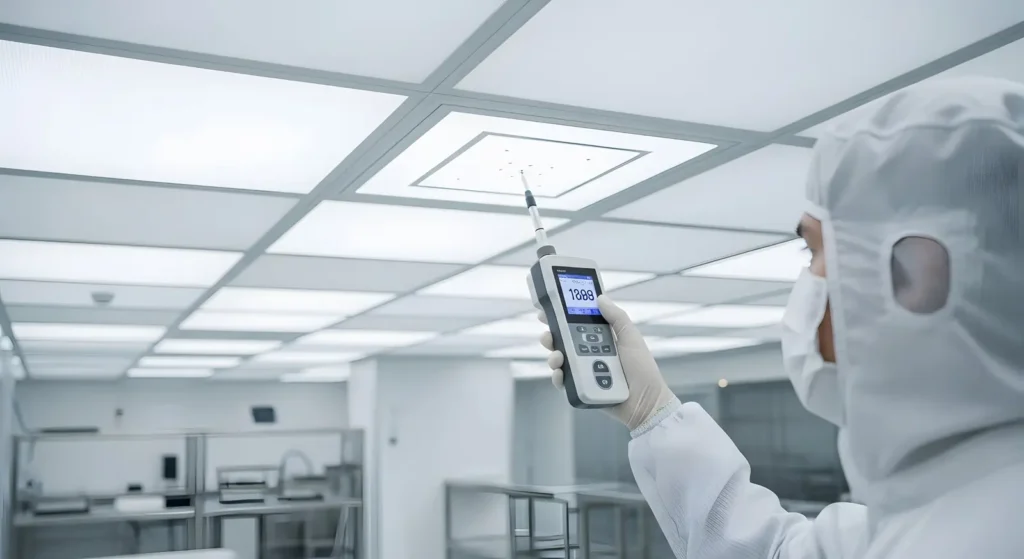
Asbestos Air Quality Testing
Air samples show whether asbestos fibres are present and at what concentration. Required for Type 3 work under O. Reg. 278/05.
Learn more

Asbestos Bulk Testing
Samples of drywall compound, insulation, flooring, ceiling tiles, plaster and more, before renovation or demolition.
Learn more

Asbestos Summary Reports
All asbestos findings, both air and bulk, compiled into one easy-to-read document.
Learn more
Mould testing
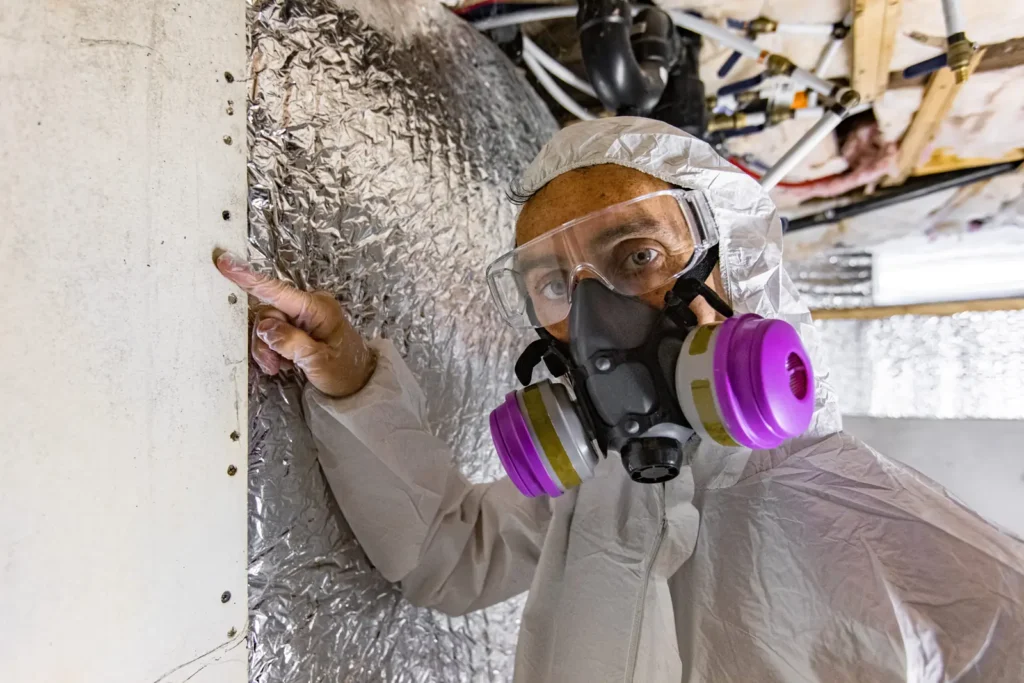
Mould Air Quality Testing
Indoor mould spore readings compared to outdoor baseline levels. A good background if mould is suspected.
Learn more
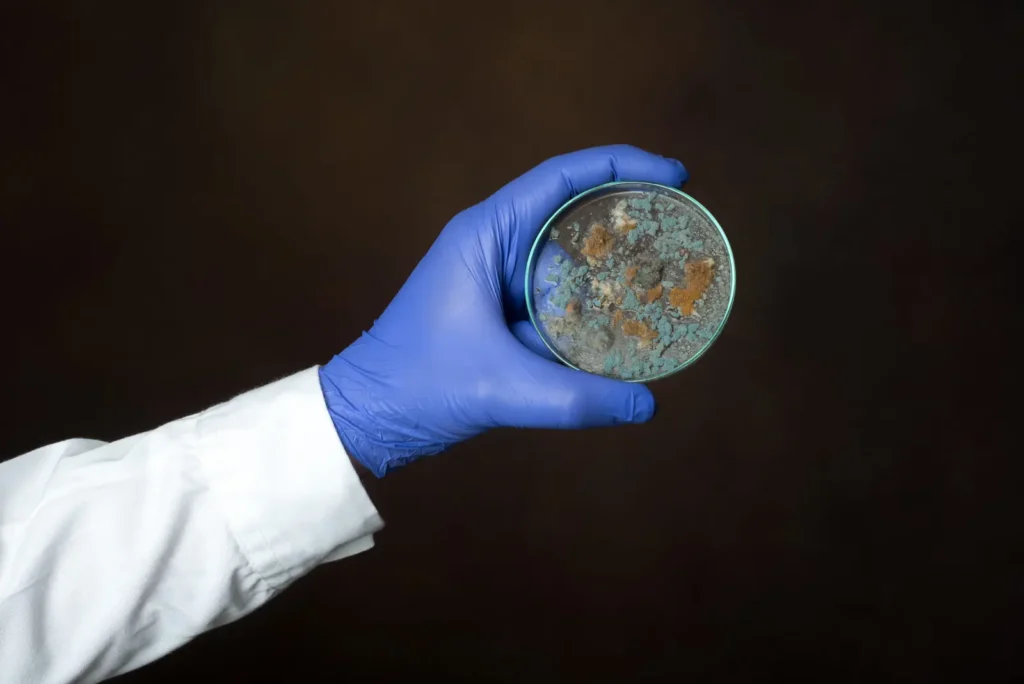
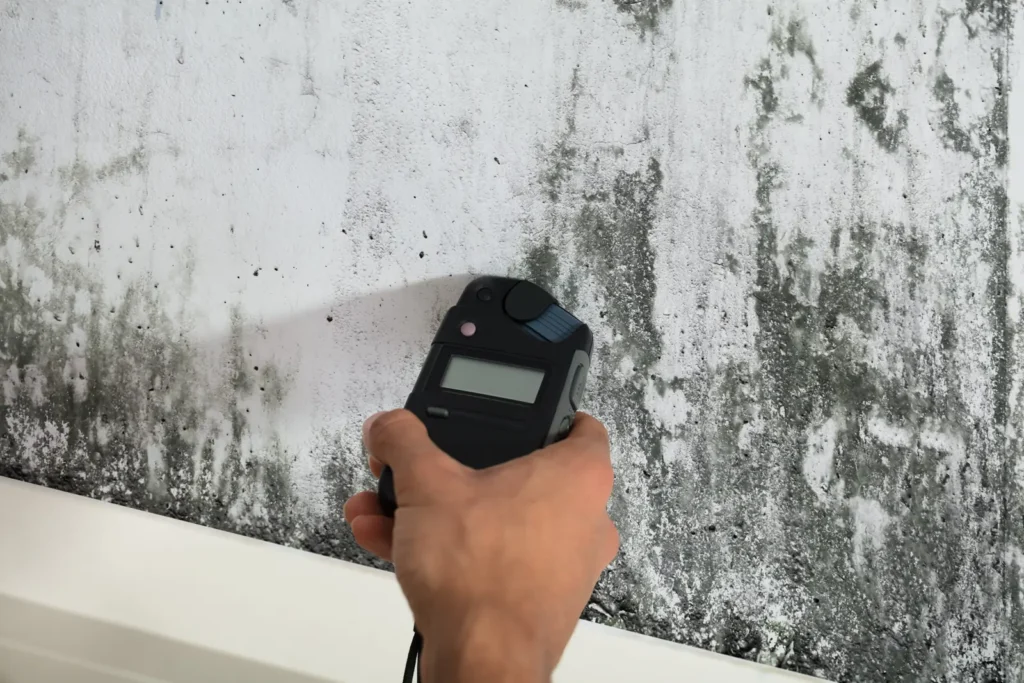
Mould Assessments
Visual inspection, moisture readings, air and/or surface sampling, source identification and recommendations.
Learn more
Surveys, removal and demolition
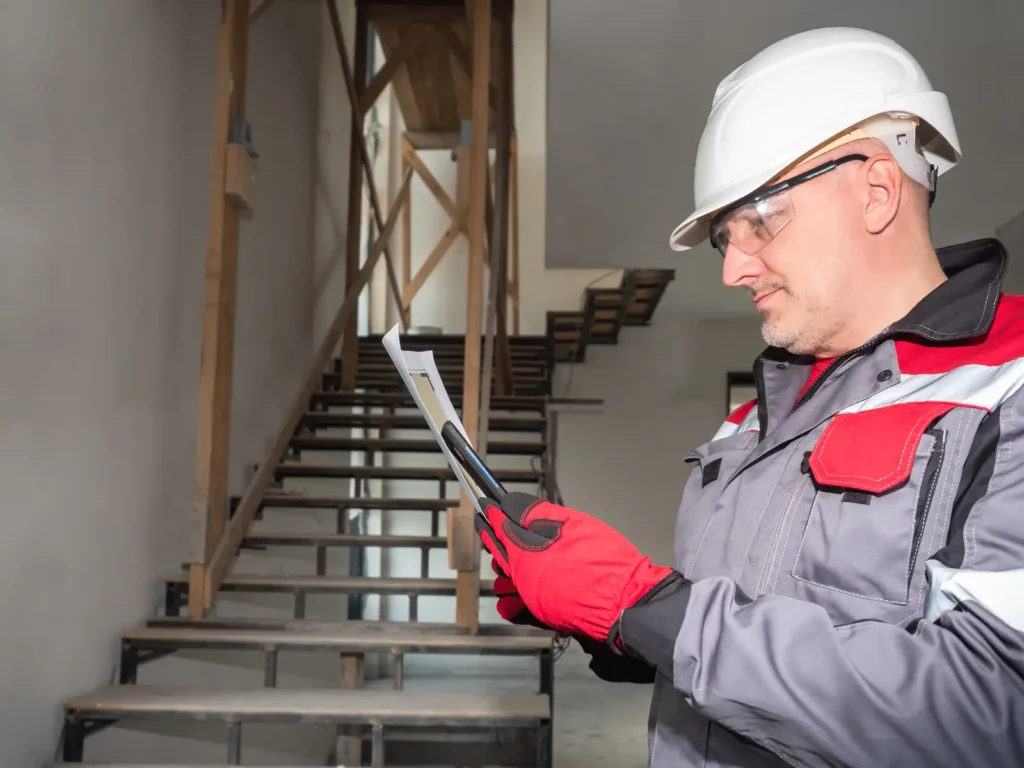
Designated Substance Survey
In Ontario, a DSS report is required before construction, demolition or renovation work.
Learn more
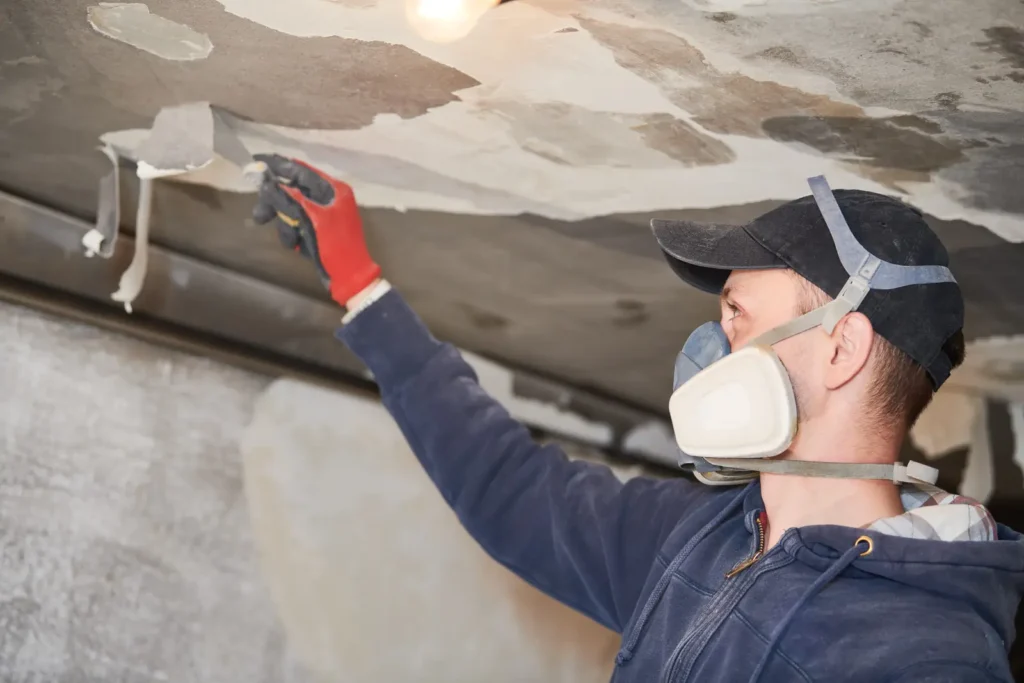
Abatement
Asbestos removal as a Type 1, 2 or 3 procedure: we can help with a contractor referral and estimate.
Learn more
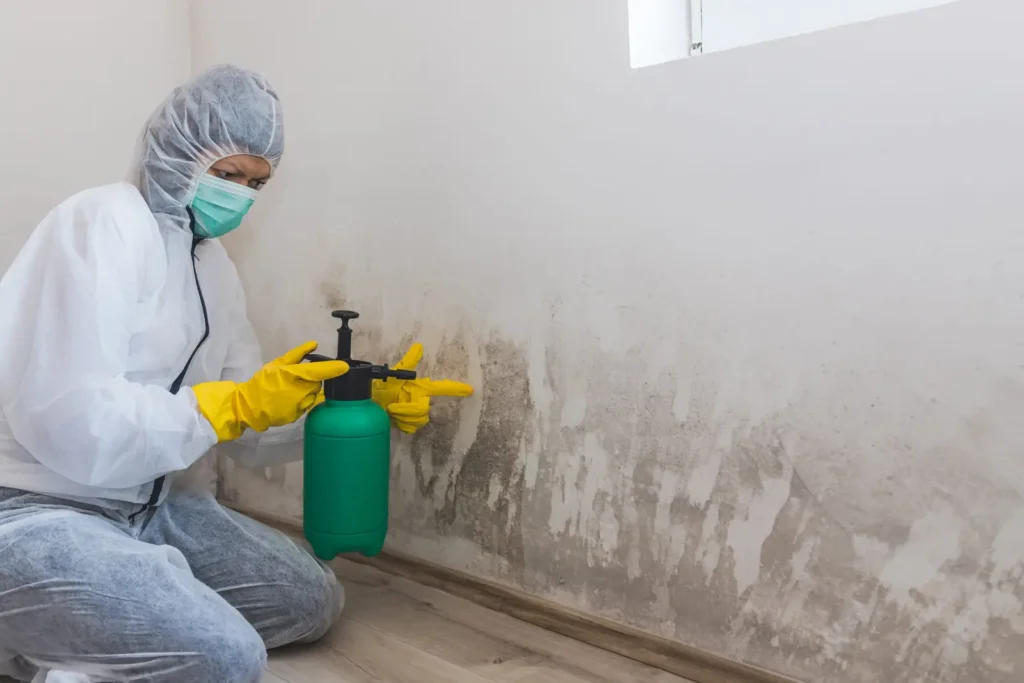
Remediation
Removal of mould-impacted materials as a Level 1, 2 or 3 procedure: contractor referral and estimate.
Learn more
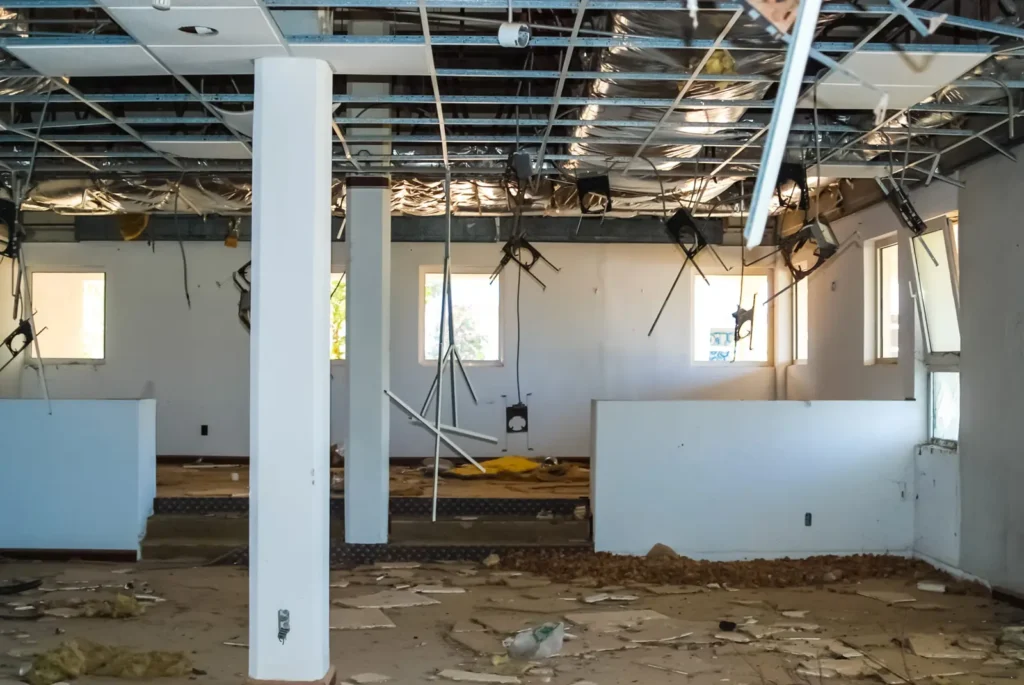
Demolition
Structural or interior demolition: we guide you through the process, with a contractor referral and estimate.
Learn more