
Asbestos & mould testing · Burlington & GTA
Protecting your health and property with expert environmental services.
Based in Burlington, Ontario, EnviroGuard Consulting and Testing is your trusted partner in ensuring a safe, healthy living and working environment. We specialize in professional asbestos and mould testing, providing accurate lab results and expert interpretations to help you make informed decisions for remediation.
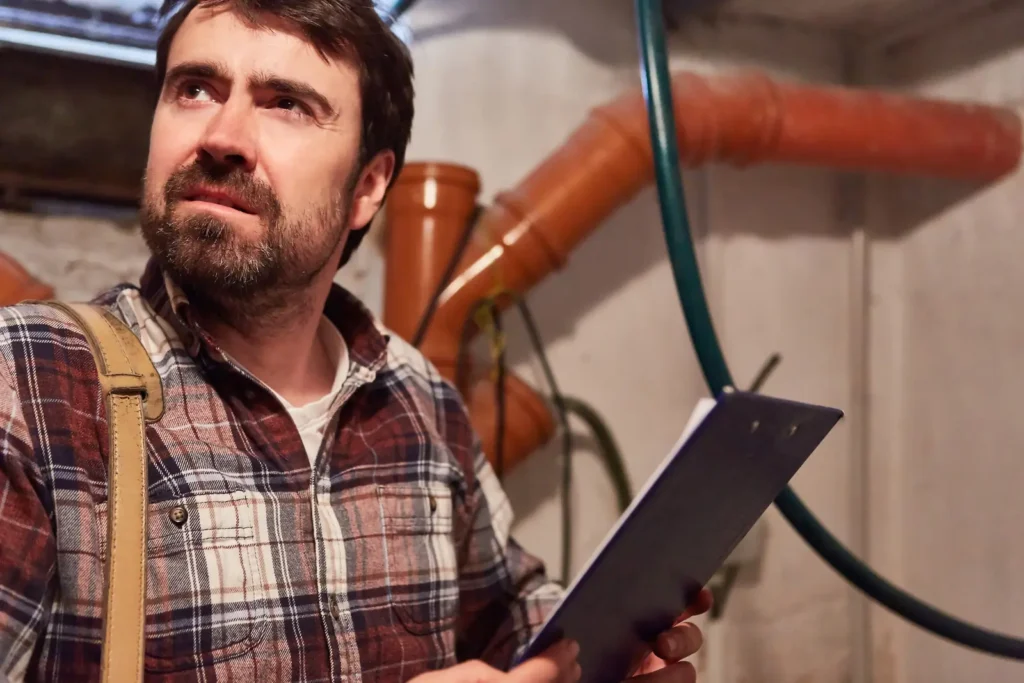
Mould Testing After Water Damage Burlington
Mould testing after water damage in Burlington is the process of identifying and measuring mould growth in a property following a water event, using laboratory analysis to determine the type and concentration of spores present. Water damage creates conditions that mould needs to thrive, and waiting to test can allow colonies to spread undetected. EnviroGuard Consulting and Testing provides certified mould inspection and air quality assessment to homeowners and property managers in Burlington and the surrounding Halton Region who have experienced flooding, burst pipes, roof leaks, or other water intrusion incidents.
Why mould testing After Water Damage in Burlington Matters
Mould begins to grow within 24 to 48 hours of water exposure. Many property owners assume they can see all the mould present, but growth occurs in wall cavities, under flooring, and behind insulation where it remains invisible until it has already caused structural damage and air quality problems. Because mould spores spread through indoor air, testing reveals whether the water event has created a health concern that remediation alone cannot address without verification.
Burlington residents-many of whom occupy older homes and properties near the shoreline-face particular risk. The town's proximity to Lake Ontario and its aging housing stock mean that freeze-thaw cycles, foundation seepage, and storm events are common triggers. A certified inspection with laboratory results gives you the evidence needed to file insurance claims, make informed repair decisions, and protect your family's health.
Three Approaches to Testing After Water Damage
Not all mould testing is the same. The method you choose depends on the extent of visible damage, your budget, and whether you need air quality data to support remediation decisions.
| Approach | What It Includes | Best For | Strengths | Limitations |
|---|---|---|---|---|
| Visual Inspection Only | Certified inspector examines accessible areas for visible mould | Obvious surface growth; budget-conscious preliminary assessment | Fast, low cost, identifies visible colonies | Misses hidden growth; no quantification for insurance or health decisions |
| Surface Sampling (Tape or Swab) | Samples collected from visible mould, analyzed in laboratory | Identifying mould type when visible growth is present | Confirms species; useful for targeted remediation | Does not measure air quality; only tests sampled surfaces |
| Air Quality Testing | Spore traps or air sampling devices measure mould spores in indoor air; compared to outdoor baseline | Determining whether hidden mould is affecting air quality; post-remediation verification | Detects spores even when visible mould is not present; most reliable health indicator | Higher cost; requires multiple samples and comparison data |
EnviroGuard Consulting and Testing recommends air quality assessment for properties where water damage was extensive, where occupants report respiratory symptoms, or where remediation has already begun and you need independent verification that the air is safe. Surface sampling alone may miss the problem entirely if mould is growing inside wall cavities.
What Happens During Certified Testing
EnviroGuard's certified inspector arrives with equipment to measure moisture levels, assess visible damage, and collect samples according to recognized protocols. Air samples are sent to an accredited laboratory where technicians count and identify mould spores, then report results as colony-forming units (CFU) per cubic meter of air. You receive a written report that interprets results, identifies problem areas, and recommends next steps-whether that is targeted cleanup, remediation by a contractor, or further investigation.
The inspector also documents the water damage itself: the source (roof, foundation, plumbing), the materials affected (drywall, insulation, flooring), and the extent of saturation. This documentation is essential for insurance claims and helps your remediation contractor understand the full scope of the problem.
Cost and Timeline Comparison
In Burlington, mould testing costs vary based on property size, the number of rooms sampled, and whether air quality testing is included. A visual inspection with one or two surface samples may cost less than a full air quality assessment with multiple sampling points and baseline outdoor comparison. However, choosing the cheapest option often means missing hidden mould and facing larger repair bills later. Because water damage can hide mould for weeks or months before symptoms appear, testing within the first week after a water event is most cost-effective.
Timeline also matters: if you plan to file an insurance claim, testing should happen before remediation begins. Insurance adjusters will not accept post-cleanup testing as proof of loss. If you wait, you lose the opportunity to document the extent of mould growth and may be denied coverage for remediation costs.
When to Call EnviroGuard for Testing
Contact EnviroGuard Consulting and Testing if you have experienced any water event-visible flooding, a ceiling stain, a musty odour, or condensation problems-within your home or commercial property in Burlington, Oakville, Hamilton, or the Halton Region. Early testing protects your property value, supports insurance claims, and prevents health risks. EnviroGuard's certified inspector, Henry Kwasniak, will assess your situation, explain your testing options, and deliver results with actionable recommendations you can trust.
Reach out to EnviroGuard to arrange a consultation. We are here to help you understand what happened and what happens next.
Frequently Asked Questions
How quickly should I arrange mould testing after water damage in Burlington?
Testing should begin within the first week after water exposure to document mould growth before it spreads further. Because mould colonies develop rapidly in moist conditions, early testing provides the strongest evidence for insurance claims and helps your remediation contractor plan the most effective cleanup strategy.
Do I need air quality testing or just surface sampling?
Air quality testing is recommended if water damage was extensive, if occupants report symptoms like coughing or difficulty breathing, or if you need to verify that remediation was successful. Surface sampling alone may miss hidden mould inside walls or under flooring. EnviroGuard can recommend the right approach based on your specific situation.
Will testing results help with my insurance claim in Burlington?
Yes, laboratory test results showing mould type and concentration provide the documentation insurance companies need to assess your claim. Testing must be completed before remediation begins; adjusters will not accept post-cleanup testing as proof of loss. EnviroGuard provides reports formatted for insurance submission.
What is the difference between mould visible on surfaces and mould in the air?
Visible mould on walls or ceilings confirms a problem, but mould spores in the air indicate the colony is actively releasing particles that occupants are breathing. Air quality testing measures spore concentration and compares it to outdoor levels, showing whether hidden mould is affecting your indoor environment even when you cannot see it.
Can I test for mould myself after water damage?
Consumer-grade kits are available but do not provide the accuracy or credibility of certified laboratory testing. EnviroGuard's certified inspector uses validated sampling methods and accredited laboratory analysis, ensuring results are accurate, admissible for insurance, and reliable enough to guide remediation decisions.
Why EnviroGuard
Experience, integrity and regulatory conformity
Regulations
- O. Reg. 278/05 Asbestos on construction projects and in buildings and repair operationsOccupational Health and Safety Act
- O. Reg. 490/09 Designated substancesOccupational Health and Safety Act
- O. Reg. 347/90 General waste management, including asbestos wasteEnvironmental Protection Act
Under the Occupational Health and Safety Act (OHSA), the ministry is responsible for regulating occupational health and safety in workplaces, which includes schools, hospitals, and any place where people work.
Experience
With over 30 years of experience in solid waste management across Ontario and 20 years in environmental science, EnviroGuard Consulting and Testing provides expert asbestos, mould, and environmental testing services.
Hands-on knowledge of hazardous material assessment and indoor air quality ensures every project is handled safely, efficiently, and in full compliance with Ontario’s environmental and occupational health regulations.
Integrity
Built on high integrity and regulatory conformity, EnviroGuard delivers precise testing, reliable reporting, and practical abatement and remediation recommendations.
Clients can trust EnviroGuard to protect their buildings, occupants, and projects while maintaining the highest standards of safety and compliance.
Our services
Environmental testing and consulting
At EnviroGuard, we offer a comprehensive range of environmental testing and consulting services for homes and businesses.
Asbestos testing
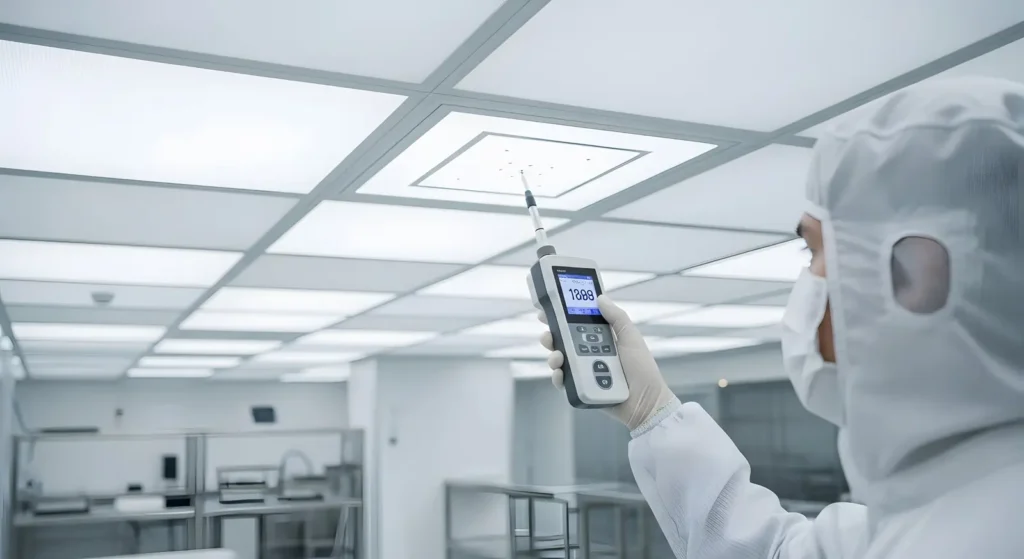
Asbestos Air Quality Testing
Air samples show whether asbestos fibres are present and at what concentration. Required for Type 3 work under O. Reg. 278/05.
Learn more
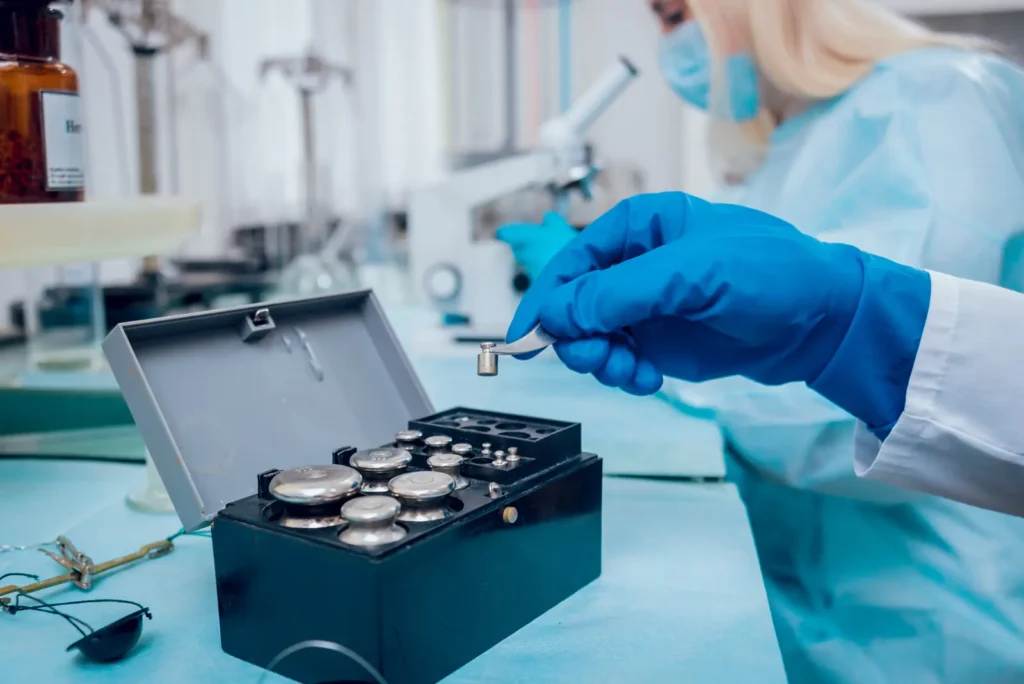
Asbestos Bulk Testing
Samples of drywall compound, insulation, flooring, ceiling tiles, plaster and more, before renovation or demolition.
Learn more

Asbestos Summary Reports
All asbestos findings, both air and bulk, compiled into one easy-to-read document.
Learn more
Mould testing
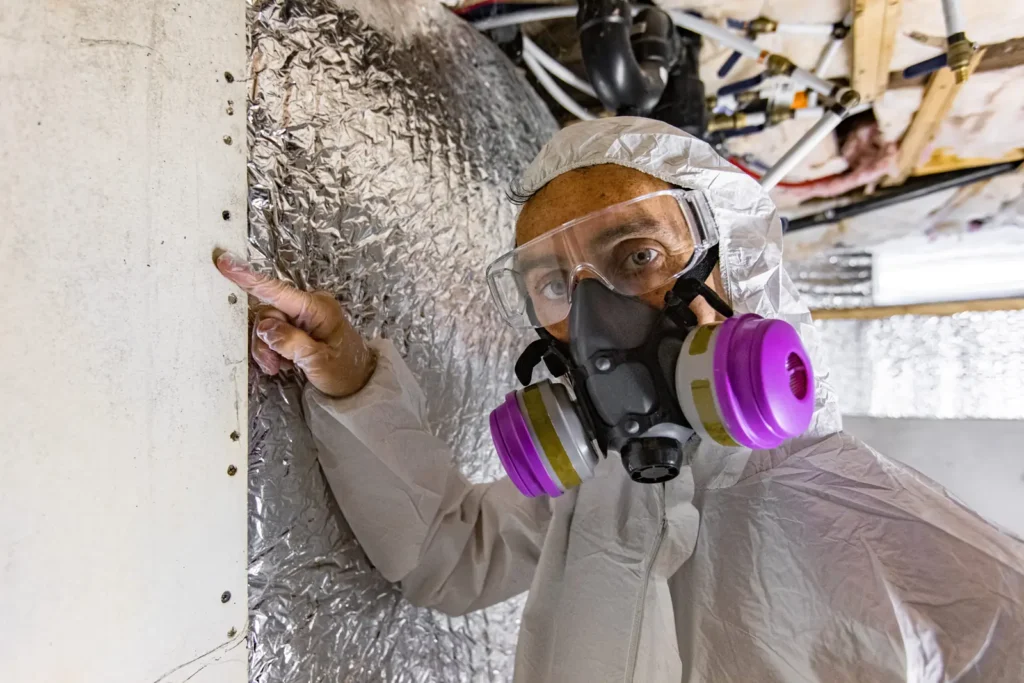
Mould Air Quality Testing
Indoor mould spore readings compared to outdoor baseline levels. A good background if mould is suspected.
Learn more
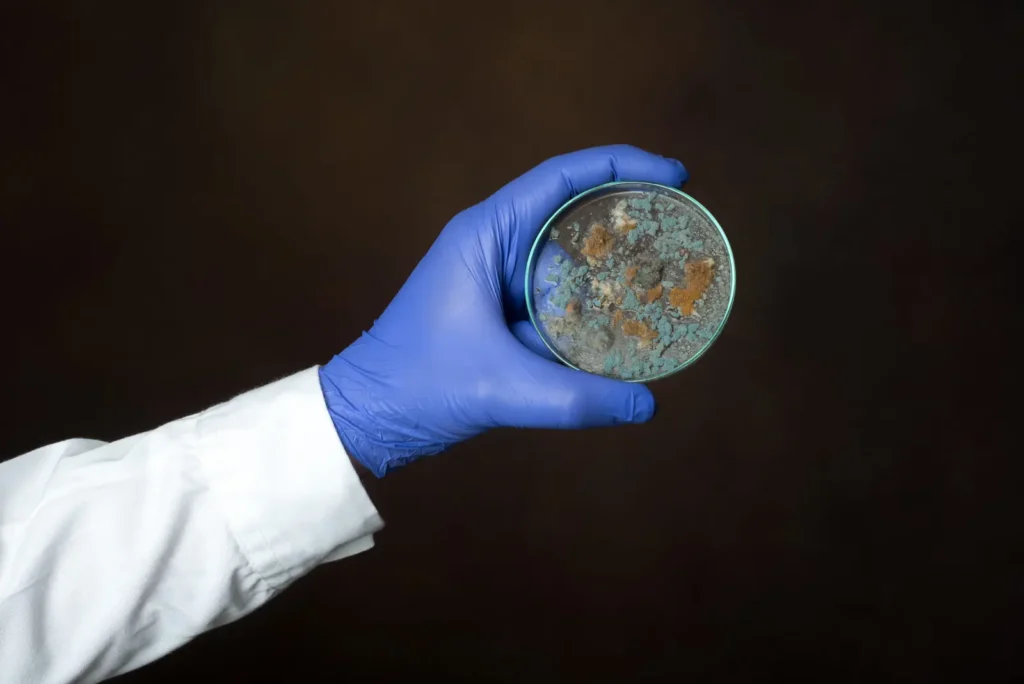
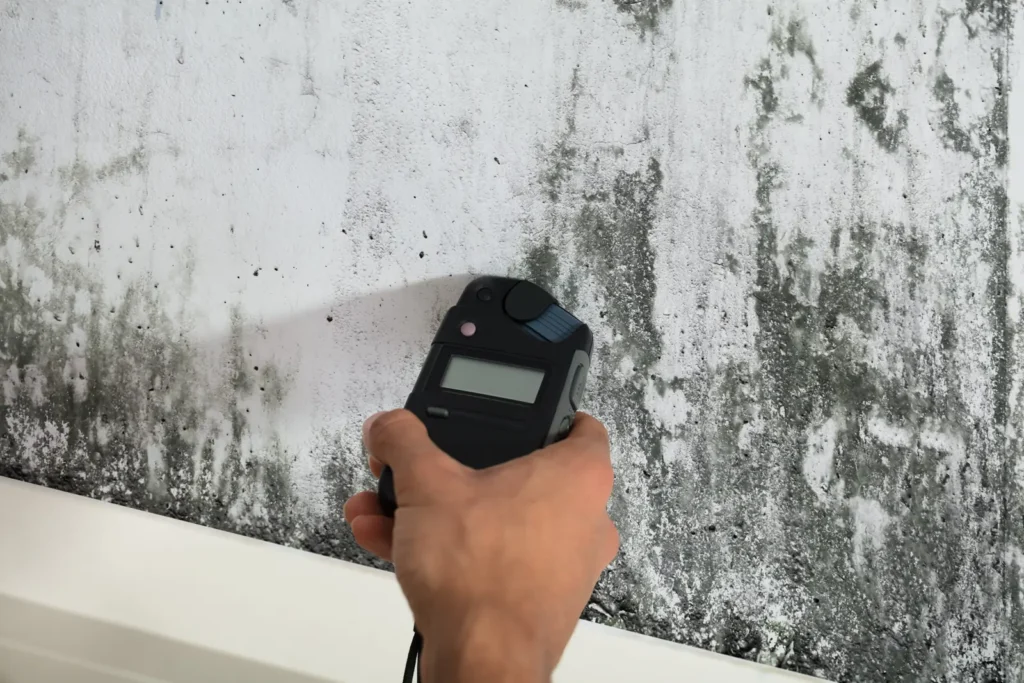
Mould Assessments
Visual inspection, moisture readings, air and/or surface sampling, source identification and recommendations.
Learn more
Surveys, removal and demolition
Designated Substance Survey
In Ontario, a DSS report is required before construction, demolition or renovation work.
Learn more
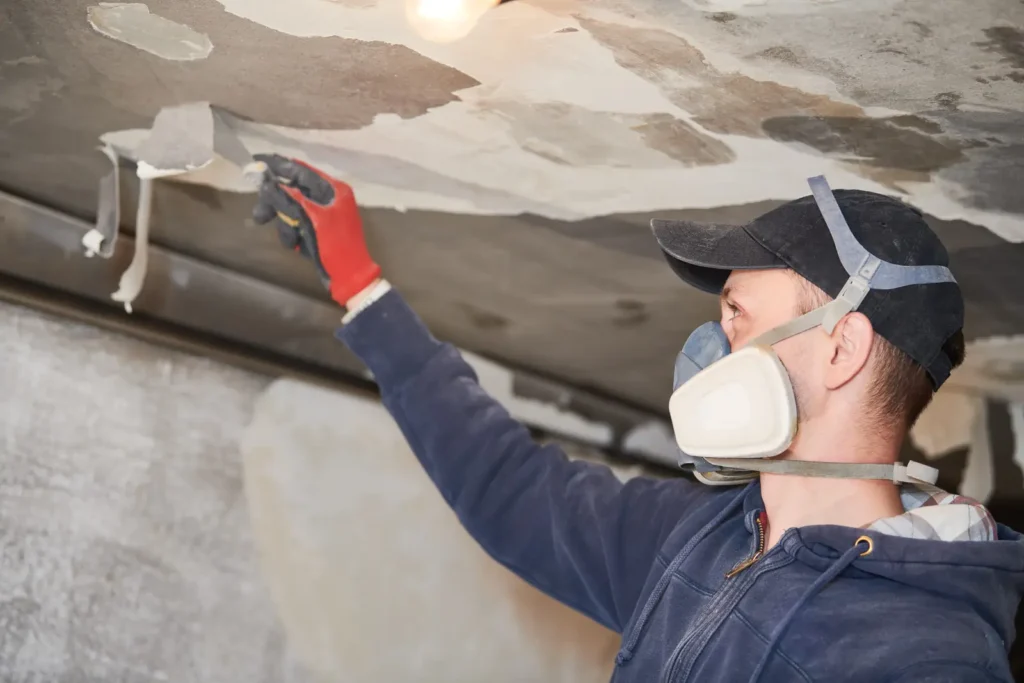
Abatement
Asbestos removal as a Type 1, 2 or 3 procedure: we can help with a contractor referral and estimate.
Learn more
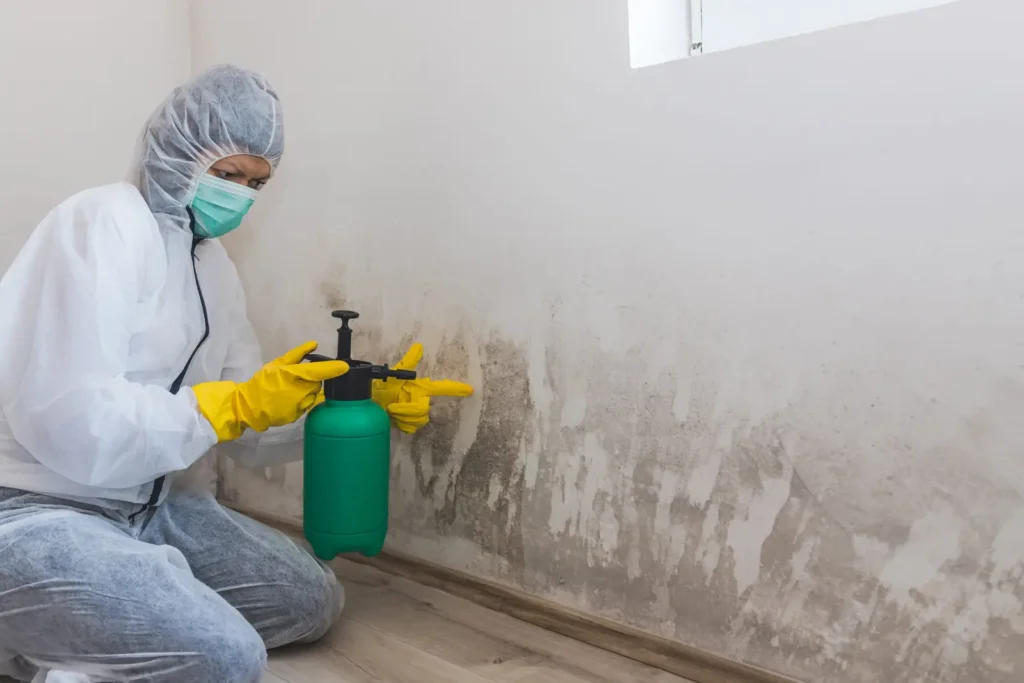
Remediation
Removal of mould-impacted materials as a Level 1, 2 or 3 procedure: contractor referral and estimate.
Learn more
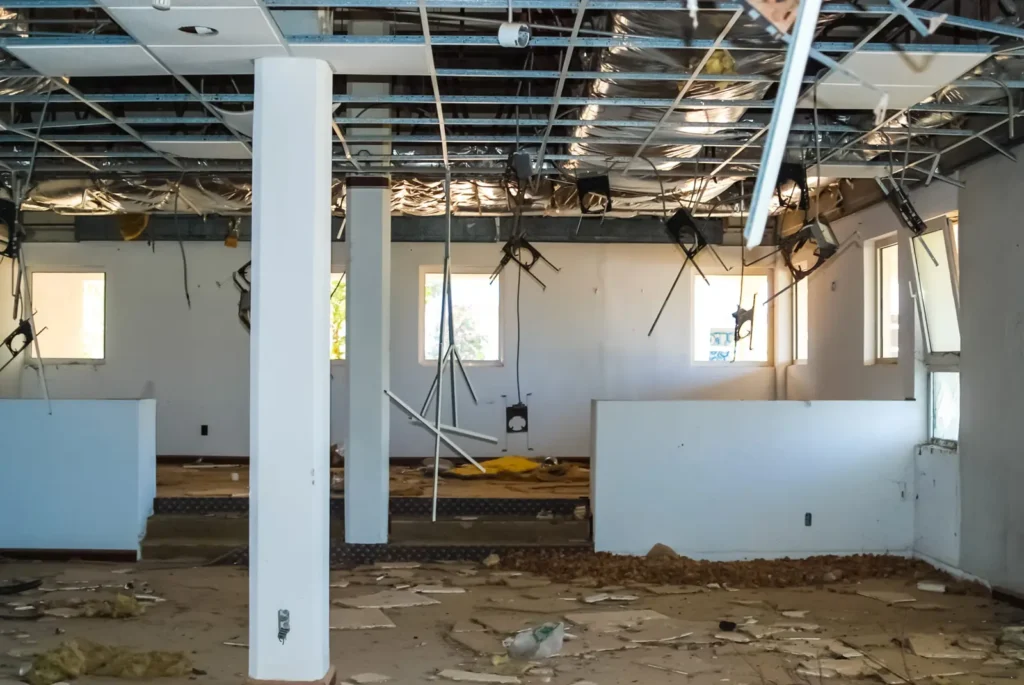
Demolition
Structural or interior demolition: we guide you through the process, with a contractor referral and estimate.
Learn more