
Asbestos & mould testing · Burlington & GTA
Protecting your health and property with expert environmental services.
Based in Burlington, Ontario, EnviroGuard Consulting and Testing is your trusted partner in ensuring a safe, healthy living and working environment. We specialize in professional asbestos and mould testing, providing accurate lab results and expert interpretations to help you make informed decisions for remediation.
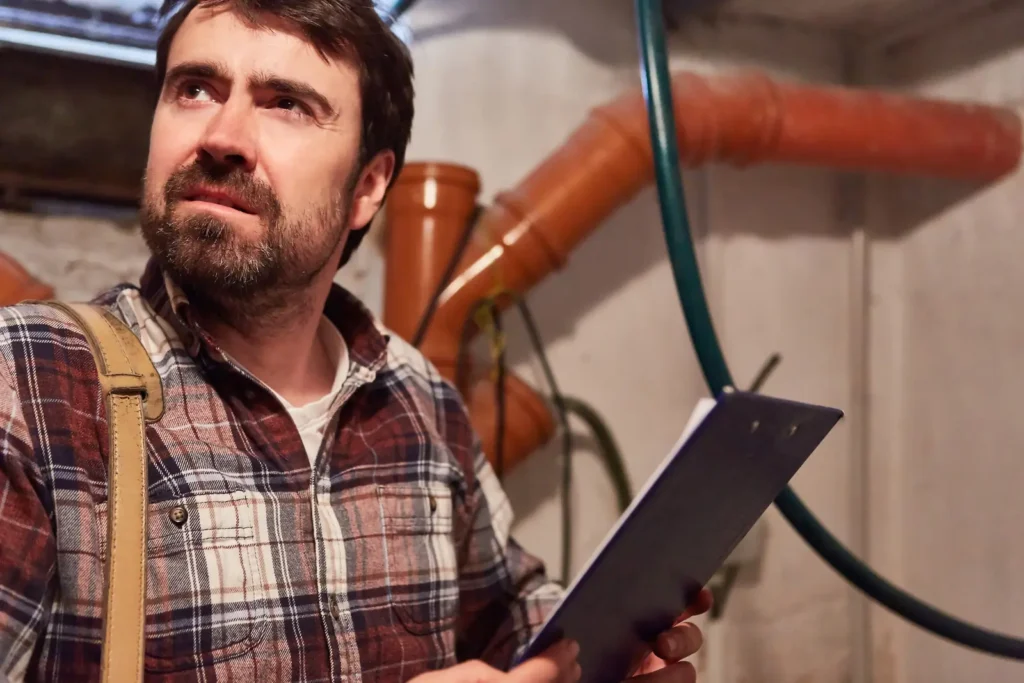
Mould Testing For Baby Nursery Burlington
Testing your baby's nursery for mould is a straightforward process that gives you peace of mind about the air your child breathes every day. EnviroGuard Consulting and Testing helps Burlington families identify potential mould problems before they affect their infant's health and development. This guide walks you through each step, from recognizing when testing is needed through receiving certified results and recommendations.
Parents in Burlington understand that a nursery is more than just a bedroom-it is your child's sanctuary during the most vulnerable years of life. Indoor air quality matters, and mould can grow silently in places you cannot see. Whether you notice visible mould, smell something musty, or simply want assurance that your nursery is safe, EnviroGuard Consulting and Testing provides the certified expertise and laboratory analysis you need to move forward with confidence.
Step 1: Identify Signs That Your Nursery Needs Testing
The first step is recognizing whether your nursery warrants professional testing. Look for obvious signs: visible black or green spots on walls, ceilings, or around windows; a musty or damp smell when you enter the room; water stains or discoloration on surfaces; or condensation that regularly appears on windows or walls. If your baby has developed respiratory symptoms, allergies, or asthma that seem worse in the nursery, that is also a strong reason to investigate.
You may also want testing simply because of conditions in your Burlington home. Has there been recent water damage, flooding, or a roof leak? Does the nursery feel unusually damp or humid? Are you moving into an older home or a property where you are unsure about its history? EnviroGuard Consulting and Testing recommends that any of these circumstances warrant a professional assessment, even if you cannot see or smell a problem yet. Mould often grows where you cannot see it-inside walls, under flooring, or in ventilation ducts-making professional testing the only reliable way to know.
Step 2: Document Visible Conditions and Take Photos
Before you call EnviroGuard Consulting and Testing, do a careful visual inspection of the nursery and document what you find. Take photographs of any spots, stains, or areas that look discolored, damp, or suspicious. Note where you see these areas: on the ceiling, along the baseboards, around the window frame, or near the crib. Write down any odours you notice and when they seem strongest-morning, after rain, or in certain corners of the room.
Check for moisture sources too. Is there condensation on windows? Are there pipes running through the nursery that might leak? Has the room ever had water intrusion from outside or from a bathroom or kitchen above? Document the layout of the room and whether it is naturally ventilated, has an air conditioning unit, or relies on passive airflow. This information helps the certified inspector from EnviroGuard understand the full picture when they arrive to perform mould testing for your baby's nursery in Burlington.
Step 3: Prepare the Nursery for Professional Testing
Once you have scheduled your appointment, prepare the room for the inspector's visit. Close windows and doors at least 12 hours before testing begins; this allows the air in the nursery to reach a stable state and gives you accurate results. Remove clutter from surfaces where the inspector may need to take samples or conduct air quality assessments. You do not need to deep clean, but tidying helps the professional work efficiently and safely.
If possible, keep the nursery at its normal temperature and humidity level-do not run a dehumidifier or open windows the night before. The goal is to test the nursery as it naturally exists, not as an artificially treated space. If you have young children or pets, arrange supervision during the testing so they stay safely out of the way while EnviroGuard Consulting and Testing conducts the assessment.
Step 4: Understand the Testing Methods EnviroGuard Uses
EnviroGuard Consulting and Testing uses multiple proven approaches to detect mould. Air sampling collects spores from the air you and your baby breathe, showing what is present in the nursery environment. Surface sampling takes swabs from visible spots or suspicious areas, and bulk sampling may involve removing small material samples from walls or other surfaces if needed. The certified inspector will explain which methods apply to your situation and why.
The inspector will also assess conditions: humidity levels, temperature, ventilation patterns, and potential moisture sources. They look for the conditions that allow mould to thrive, not just whether mould is already present. This comprehensive approach means you understand not only what was found, but why it happened and what has to change to prevent it from returning. All samples are sent to an accredited laboratory for analysis, and you receive certified results within days.
Step 5: Review Your Test Results and Recommendations
When your results come back, EnviroGuard Consulting and Testing will explain them in plain language. If mould is present, you will learn what species it is, how much is detected, and whether the levels are typical for an indoor nursery or elevated enough to warrant action. If results are negative, you have confirmation that your baby's nursery is safe. Either way, you get answers based on laboratory analysis, not guesswork.
More importantly, you receive actionable recommendations. If testing found mould, the report will guide you on remediation: whether you need professional removal, whether ventilation improvements are necessary, or whether controlling humidity is the priority. EnviroGuard Consulting and Testing helps you understand the scope of the problem and the realistic steps to solve it. You may need to hire a contractor, improve your HVAC system, or address a water leak-the recommendations tell you exactly what to pursue.
Step 6: Take Action on Remediation If Needed
If your mould testing for your baby's nursery in Burlington revealed a problem, act promptly. Remediation might be as simple as increasing ventilation and reducing humidity, or it might require professional mould removal and repair of water damage. Follow the prioritized recommendations from EnviroGuard Consulting and Testing; they will guide you on what must happen first and what can wait. Most importantly, address any moisture sources-a roof leak, plumbing problem, or ventilation issue-because without fixing the cause, mould will return.
During remediation, keep your baby out of the nursery if possible. Once work is complete, you may want to request a follow-up air quality test to confirm that the problem has been resolved and the nursery is safe again. EnviroGuard Consulting and Testing can perform this verification testing, giving you final assurance before your child returns to the room.
Step 7: Implement Prevention Measures for the Long Term
After testing and remediation, prevent future mould growth by managing moisture. Keep nursery humidity between 30 and 50 percent using a dehumidifier if needed, especially during humid months in the Greater Toronto Area. Ensure windows and doors are properly sealed, and that any air vents are clear and functioning. Wipe down condensation on windows promptly, and inspect the room regularly for new signs of dampness or odours.
Good ventilation is your ally. Open windows when weather permits, use exhaust fans if the nursery has them, and avoid blocking air returns or vents. If the nursery is on an exterior wall or in a basement, pay extra attention to moisture barriers and drainage. An annual inspection during spring, when water damage from winter is most likely to appear, helps you catch problems early. Mould testing for your baby's nursery in Burlington is not a one-time event-it is the beginning of ongoing awareness and care.
EnviroGuard Consulting and Testing is here to guide you through every stage of this process. Whether you need an initial assessment, certified testing, interpretation of results, or verification after remediation, the team brings expertise, compassion for your family's health, and a commitment to clarity. Your baby deserves a safe, healthy nursery, and you deserve to know that the air they breathe is clean. Reach out to EnviroGuard Consulting and Testing to schedule a consultation and take the first step toward peace of mind.
Frequently Asked Questions
How long does it take to get results from mould testing for a baby nursery in Burlington?
After EnviroGuard Consulting and Testing collects your samples, they are sent to an accredited laboratory for analysis. Most results are available within 3 to 5 business days. You will receive a detailed report with test findings and recommendations. If your situation is urgent, contact EnviroGuard to discuss timeline options.
What should I do if mould testing finds mould in my baby's nursery?
EnviroGuard Consulting and Testing will provide a detailed remediation plan based on the type and extent of mould found. This may include improving ventilation, reducing humidity, sealing water leaks, or hiring a professional removal contractor. The key is addressing moisture sources so mould does not return. EnviroGuard can also perform follow-up testing after remediation to confirm the problem is resolved.
Is mould testing for a nursery expensive, and what does it typically include in the Burlington area?
EnviroGuard Consulting and Testing offers transparent, professional testing that includes a site assessment, sample collection using multiple methods, laboratory analysis, and a detailed report with expert interpretation and recommendations. Contact EnviroGuard directly to discuss pricing and what is included in your specific situation, as costs depend on the size of the room and the testing scope needed.
Why EnviroGuard
Experience, integrity and regulatory conformity
Regulations
- O. Reg. 278/05 Asbestos on construction projects and in buildings and repair operationsOccupational Health and Safety Act
- O. Reg. 490/09 Designated substancesOccupational Health and Safety Act
- O. Reg. 347/90 General waste management, including asbestos wasteEnvironmental Protection Act
Under the Occupational Health and Safety Act (OHSA), the ministry is responsible for regulating occupational health and safety in workplaces, which includes schools, hospitals, and any place where people work.
Experience
With over 30 years of experience in solid waste management across Ontario and 20 years in environmental science, EnviroGuard Consulting and Testing provides expert asbestos, mould, and environmental testing services.
Hands-on knowledge of hazardous material assessment and indoor air quality ensures every project is handled safely, efficiently, and in full compliance with Ontario’s environmental and occupational health regulations.
Integrity
Built on high integrity and regulatory conformity, EnviroGuard delivers precise testing, reliable reporting, and practical abatement and remediation recommendations.
Clients can trust EnviroGuard to protect their buildings, occupants, and projects while maintaining the highest standards of safety and compliance.
Our services
Environmental testing and consulting
At EnviroGuard, we offer a comprehensive range of environmental testing and consulting services for homes and businesses.
Asbestos testing
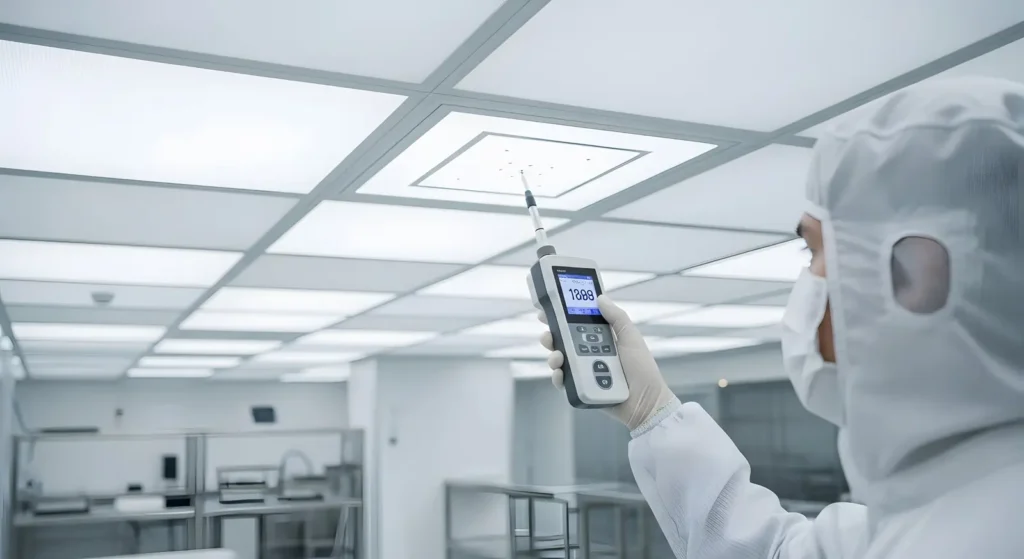
Asbestos Air Quality Testing
Air samples show whether asbestos fibres are present and at what concentration. Required for Type 3 work under O. Reg. 278/05.
Learn more

Asbestos Bulk Testing
Samples of drywall compound, insulation, flooring, ceiling tiles, plaster and more, before renovation or demolition.
Learn more

Asbestos Summary Reports
All asbestos findings, both air and bulk, compiled into one easy-to-read document.
Learn more
Mould testing
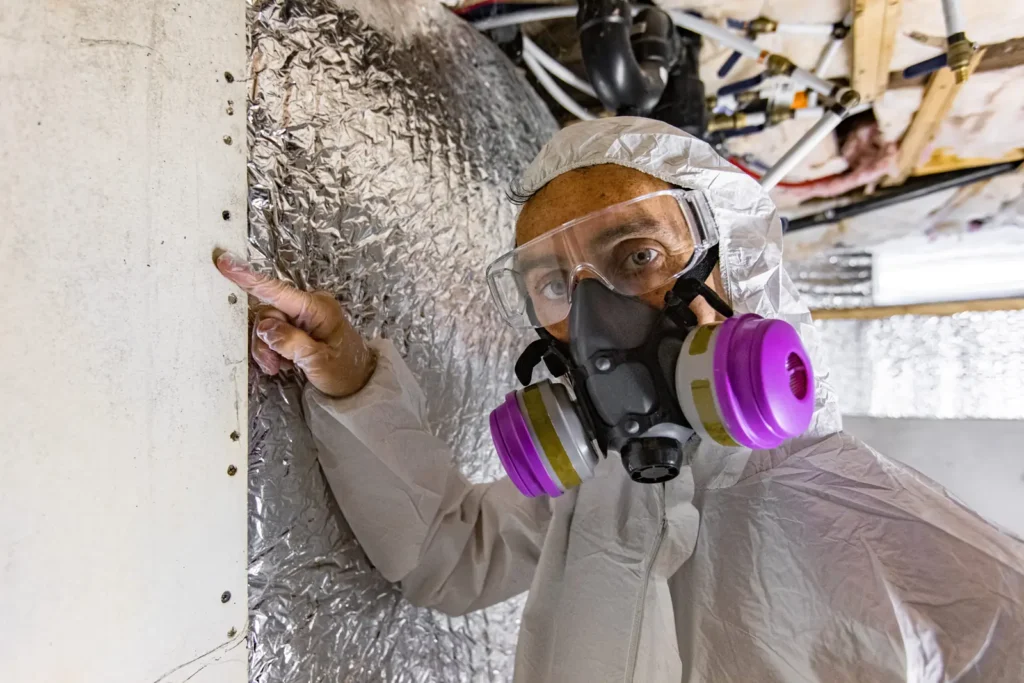
Mould Air Quality Testing
Indoor mould spore readings compared to outdoor baseline levels. A good background if mould is suspected.
Learn more
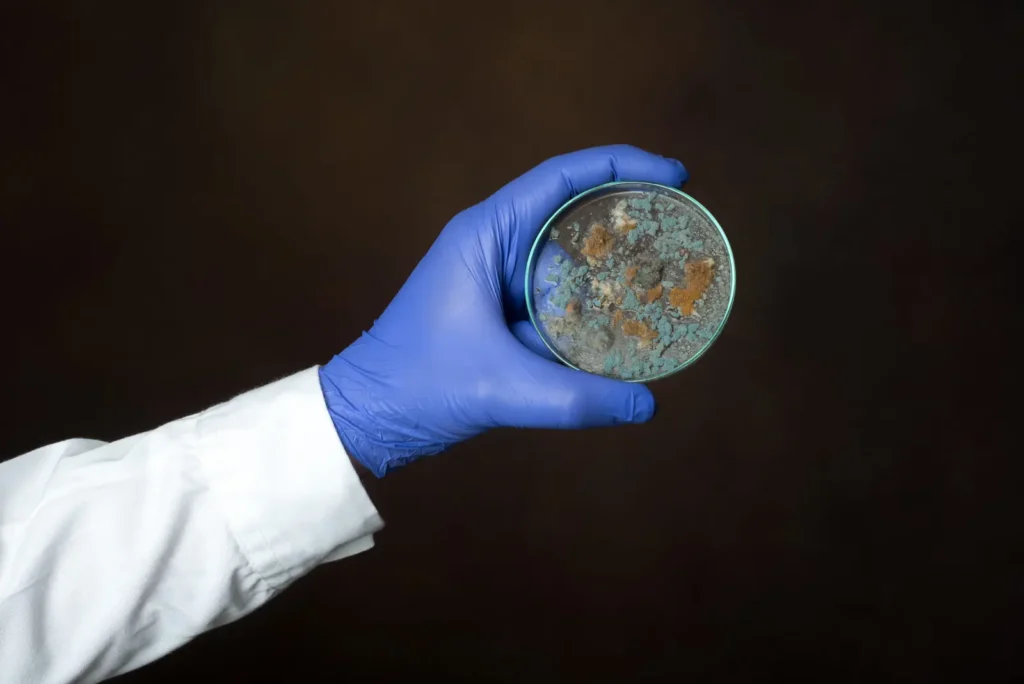
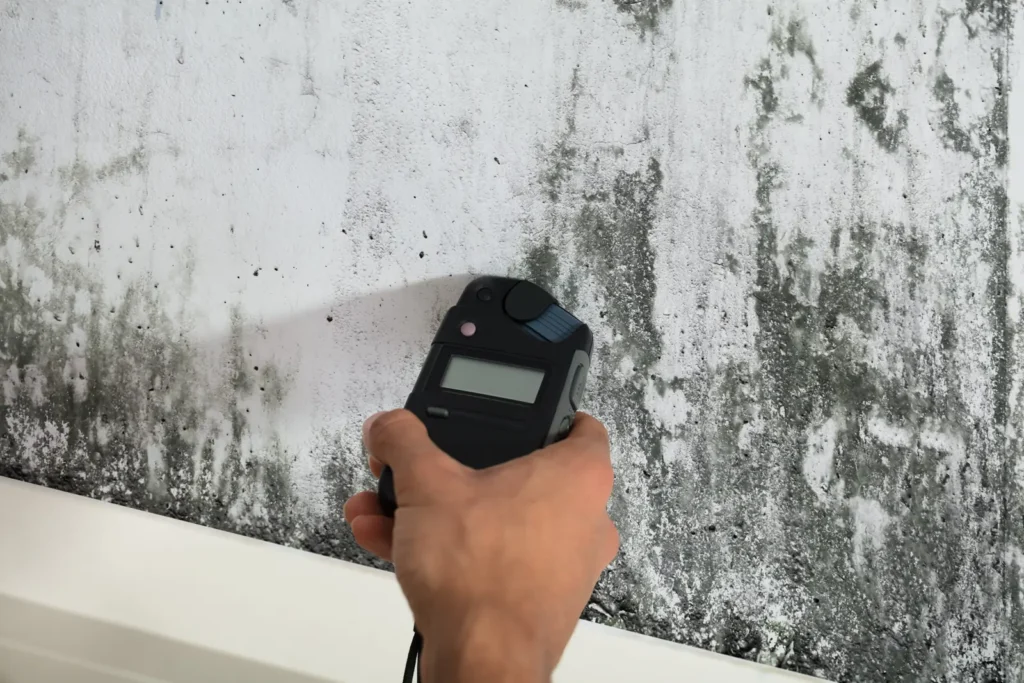
Mould Assessments
Visual inspection, moisture readings, air and/or surface sampling, source identification and recommendations.
Learn more
Surveys, removal and demolition
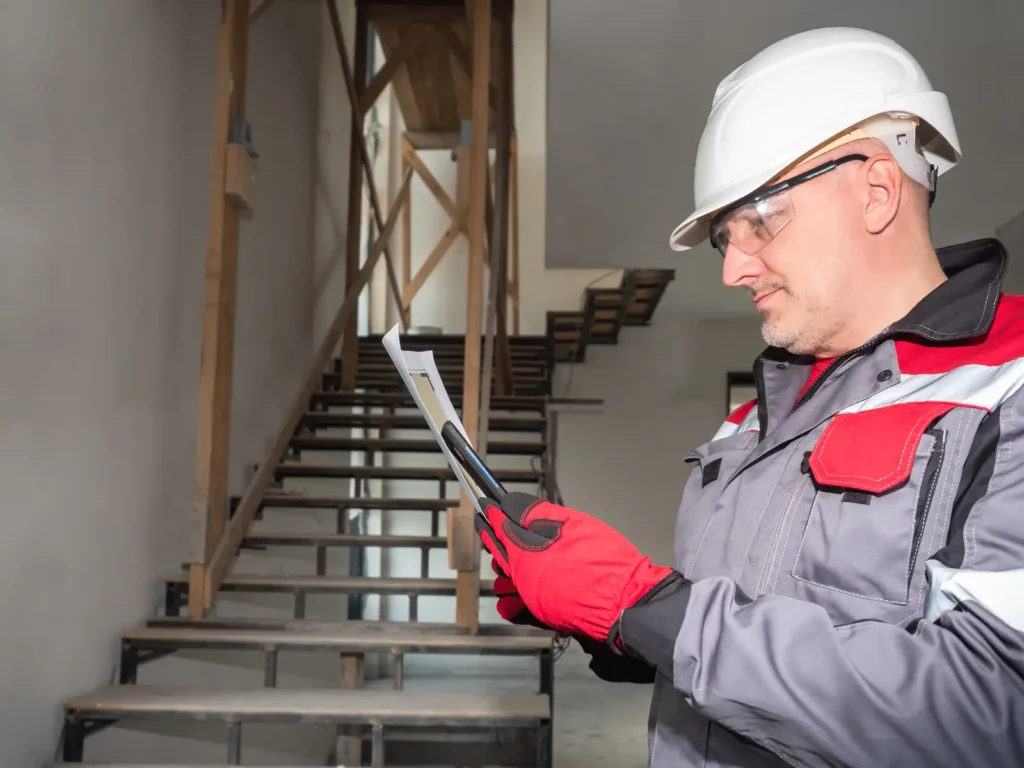
Designated Substance Survey
In Ontario, a DSS report is required before construction, demolition or renovation work.
Learn more
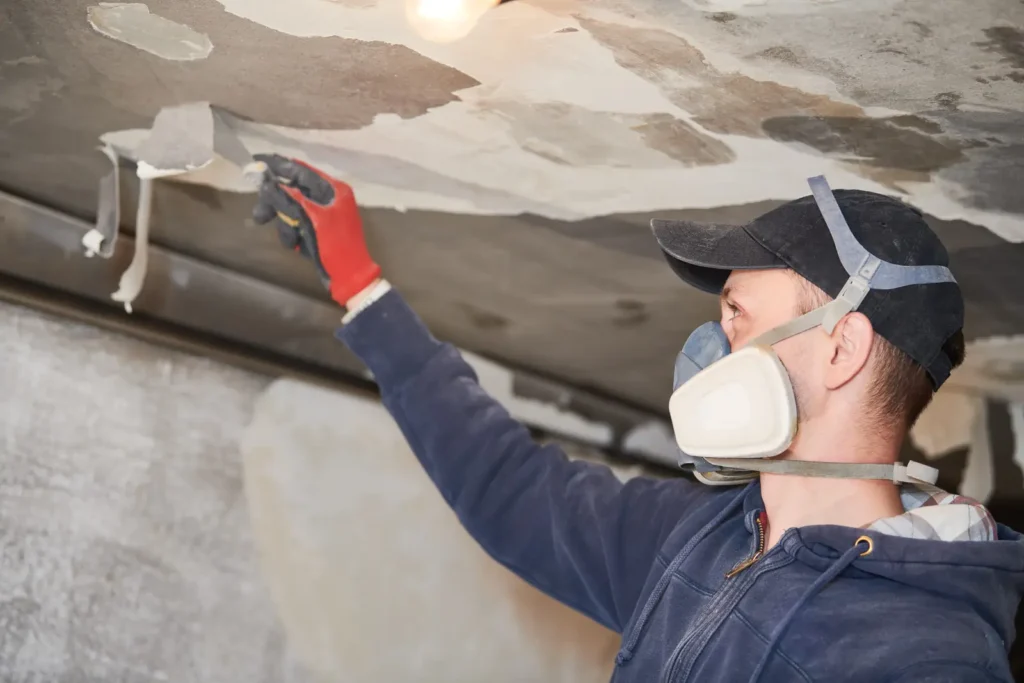
Abatement
Asbestos removal as a Type 1, 2 or 3 procedure: we can help with a contractor referral and estimate.
Learn more
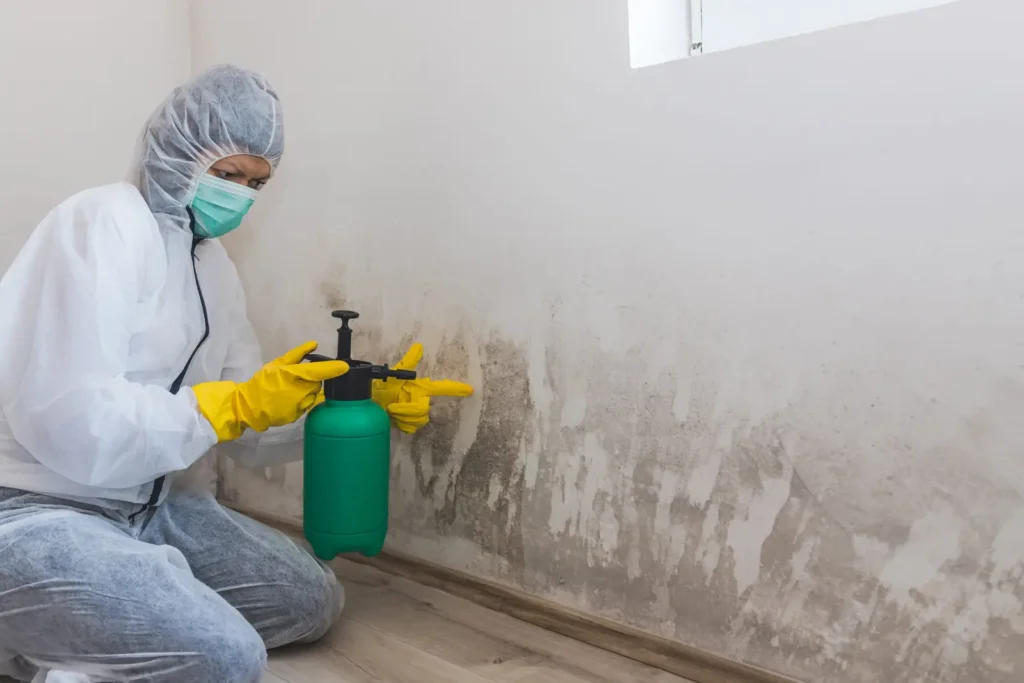
Remediation
Removal of mould-impacted materials as a Level 1, 2 or 3 procedure: contractor referral and estimate.
Learn more
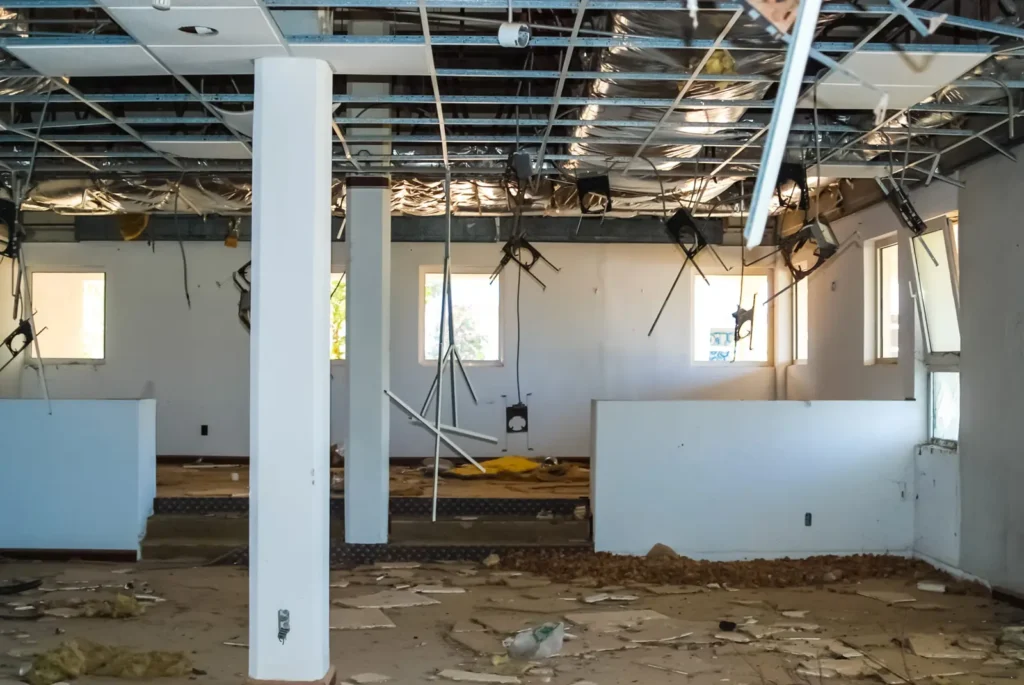
Demolition
Structural or interior demolition: we guide you through the process, with a contractor referral and estimate.
Learn more