
Asbestos & mould testing · Burlington & GTA
Protecting your health and property with expert environmental services.
Based in Burlington, Ontario, EnviroGuard Consulting and Testing is your trusted partner in ensuring a safe, healthy living and working environment. We specialize in professional asbestos and mould testing, providing accurate lab results and expert interpretations to help you make informed decisions for remediation.
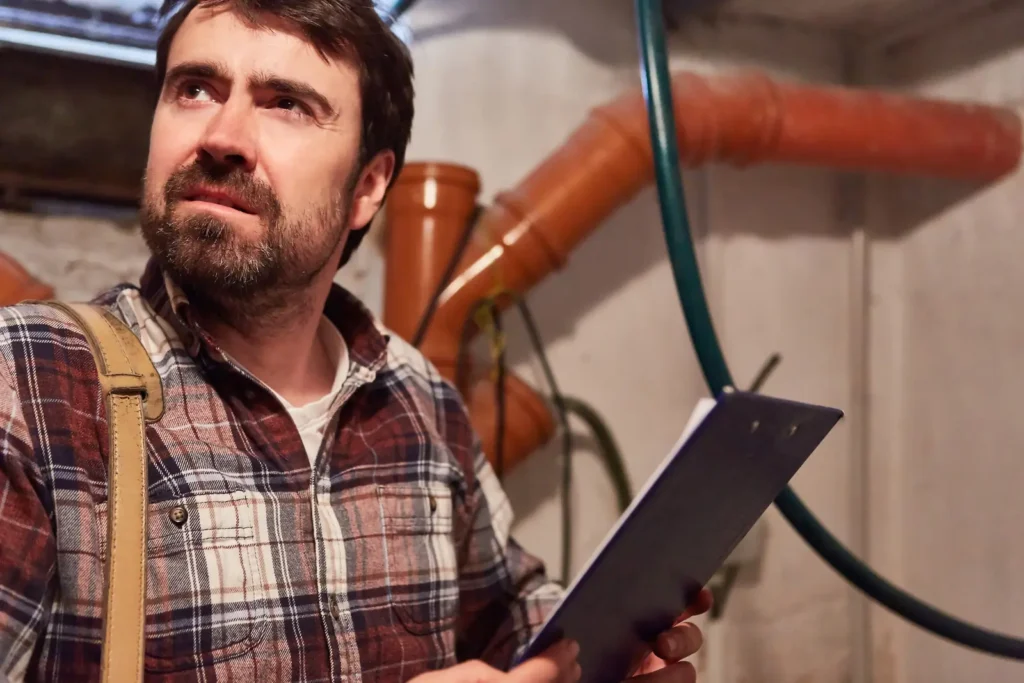
Mould Testing For Contractors Hamilton
Mould testing for contractors in Hamilton requires a methodical approach to identify contamination, document findings, and recommend safe remediation. Whether you are managing a residential renovation, overseeing commercial construction, or responding to water damage, accurate mould assessment protects your team, your clients, and your liability. This guide walks you through the essential steps to conduct professional mould testing in Hamilton and surrounding areas of the Greater Toronto Area.
EnviroGuard Consulting and Testing provides certified mould inspection and testing services that contractors rely on to meet building standards and protect occupant health. The process outlined here reflects industry best practices and the certified methodology that ensures defensible, laboratory-verified results.
Step 1: Assess the Property and Identify Suspect Areas
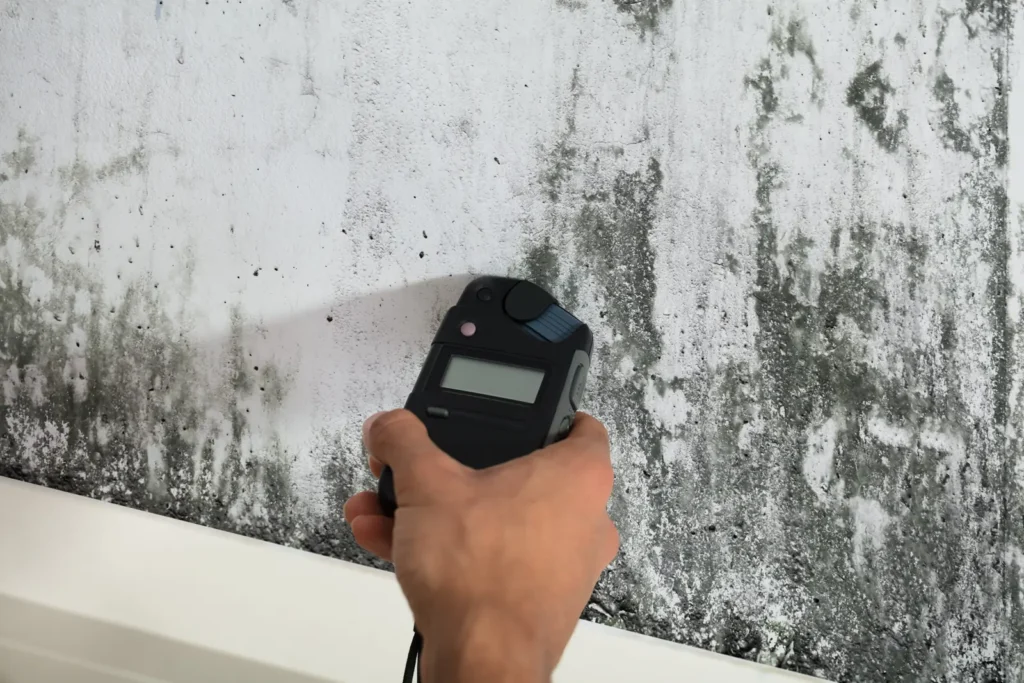
Before any testing begins, conduct a visual inspection of the property to locate areas where mould is likely to grow. Look for water stains, discolouration, musty odours, and visible growth on surfaces. Common problem zones include basements, bathrooms, attics, crawl spaces, around windows and doors, and anywhere water intrusion has occurred. In Hamilton's climate, where humidity and seasonal moisture are common, pay special attention to below-grade spaces and areas with poor ventilation.
Document all suspect areas with photographs and notes. Record the location, extent of visible growth, and any signs of water damage or moisture. This baseline information becomes critical when comparing pre- and post-remediation conditions, and it helps guide where sampling should occur. Do not assume all discolouration is mould-some stains are mineral deposits or dust. Only laboratory analysis can confirm the presence and type of mould.
Step 2: Plan Your Sampling Strategy
Decide whether you need air sampling, surface sampling, or both. Air sampling measures mould spore concentration in indoor environments and is useful for assessing overall air quality and comparing indoor levels to outdoor baselines. Surface sampling-swabs, tape lifts, or bulk samples-identifies mould species and determines whether visible growth or suspect materials contain active contamination. In Hamilton, contractors often use both methods to build a complete picture, especially in properties with a history of water events.
Establish a sampling protocol before you begin:
- Identify 3 to 5 sampling locations per area of concern
- Plan at least one outdoor sample as a baseline for comparison
- Choose sampling times when HVAC systems have been off for 24 hours, so air conditions are stable
- Avoid sampling immediately after cleaning or disturbance, which can artificially elevate spore counts
- Document room temperature, relative humidity, and any visible conditions at each location
Laboratory analysis is the only reliable way to identify mould species and confirm contamination; visual inspection alone cannot determine whether a surface is safe or hazardous.
Step 3: Collect Samples Correctly
Proper sample collection prevents contamination and ensures results are defensible. Wear disposable gloves and change them between samples. Use sterile collection equipment supplied by your laboratory-swabs, tape lifts, or collection containers-and follow the lab's instructions for volume and contact time. For air samples, position the air pump at breathing height (approximately 3 to 5 feet from the floor) in the centre of the room, away from windows and doors. Run the pump for a standardized duration, typically 5 to 10 minutes, at a calibrated flow rate.
For surface samples, swab a defined area (usually 1 square inch) with firm, deliberate strokes, or use a tape lift to collect spores from visible growth. Place each sample in its labelled container immediately after collection, seal it, and record the exact time and location. Mould testing in Hamilton requires samples to reach the laboratory promptly-typically within 24 hours-to maintain integrity and ensure accurate culturing.
Step 4: Submit Samples to a Certified Laboratory
EnviroGuard Consulting and Testing works with accredited laboratories to analyse all samples. When you submit samples, provide complete documentation: property address, sampling locations, collection time, visible conditions, and any relevant history such as water damage or flooding. Labs require this context to interpret results accurately and rule out false positives caused by environmental factors.
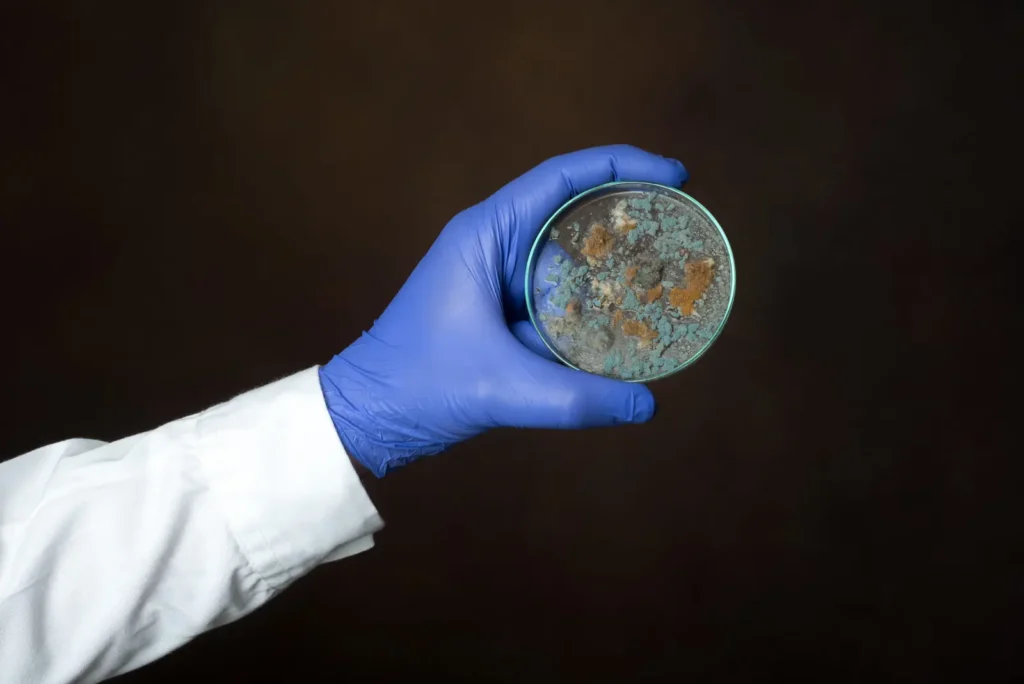
Different lab methods serve different purposes. Culture-based analysis identifies the species and viability of mould; DNA or PCR analysis detects mould presence even when spores are non-viable. Spore counts from air samples are reported as colony-forming units per cubic metre (CFU/m³), which your lab will compare to outdoor baseline levels. Results typically arrive within 5 to 10 business days.
Step 5: Interpret Results and Document Findings
Once laboratory results arrive, interpret them in context. A single high spore count is less meaningful than a comparison between indoor and outdoor levels. If indoor levels are significantly higher than outdoors, active contamination is likely present. If results are within normal ranges, the property is generally safe from airborne mould risk. Surface samples that confirm mould presence on a water-damaged material indicate that remediation is needed; negative results on suspect surfaces suggest the material is safe or the contamination has been addressed.
Create a comprehensive report that includes sampling locations, methodology, laboratory results, and your professional interpretation. This document protects you and your client by creating a clear record of the property's mould status at a specific point in time. For contractors in Hamilton managing renovation projects, this report often becomes part of the project record and is essential if insurance claims or disputes arise later.
Step 6: Develop a Remediation Plan
Based on your test results, work with remediation specialists to design a plan that addresses the contamination source. If mould is present, the plan must include moisture control (repairing leaks, improving drainage, or addressing humidity), removal or encapsulation of affected materials, and post-remediation testing to verify success. In Hamilton's humid climate, moisture management is often the most critical long-term factor-without controlling the source, mould will return.
Document the remediation work with photographs and progress notes. After remediation is complete, conduct post-remediation mould testing to confirm that indoor levels have returned to normal and that visible growth has been eliminated. This follow-up testing provides closure and assurance to your client that the work was effective.
When you need professional guidance on mould testing in Hamilton, EnviroGuard Consulting and Testing is ready to help. Our certified inspector delivers accurate lab results, expert interpretation, and actionable recommendations tailored to your project. Whether you are a contractor managing a single property or overseeing multiple sites across the Greater Toronto Area, contact us to discuss your testing needs and schedule a consultation.
Frequently Asked Questions
What is the cost of mould testing for contractors in Hamilton?
The cost of mould testing varies depending on property size, number of samples, sampling type (air, surface, or both), and laboratory analysis chosen. Contact EnviroGuard Consulting and Testing with details about your project to receive a custom quote that fits your scope and budget.
How long does it take to get mould test results in Hamilton?
Laboratory results typically arrive within 5 to 10 business days after samples are received. Faster turnaround options are sometimes available for urgent projects. EnviroGuard coordinates sample submission to ensure timely delivery and will keep you informed of expected results dates.
Can I conduct mould testing myself, or do I need a certified professional in Hamilton?
While you can observe and document visible conditions, laboratory testing requires proper sample collection, chain of custody, and certified analysis to produce defensible results. Certified professionals like those at EnviroGuard ensure compliance with industry standards and provide expert interpretation that protects your liability as a contractor.
Why EnviroGuard
Experience, integrity and regulatory conformity
Regulations
- O. Reg. 278/05 Asbestos on construction projects and in buildings and repair operationsOccupational Health and Safety Act
- O. Reg. 490/09 Designated substancesOccupational Health and Safety Act
- O. Reg. 347/90 General waste management, including asbestos wasteEnvironmental Protection Act
Under the Occupational Health and Safety Act (OHSA), the ministry is responsible for regulating occupational health and safety in workplaces, which includes schools, hospitals, and any place where people work.
Experience
With over 30 years of experience in solid waste management across Ontario and 20 years in environmental science, EnviroGuard Consulting and Testing provides expert asbestos, mould, and environmental testing services.
Hands-on knowledge of hazardous material assessment and indoor air quality ensures every project is handled safely, efficiently, and in full compliance with Ontario’s environmental and occupational health regulations.
Integrity
Built on high integrity and regulatory conformity, EnviroGuard delivers precise testing, reliable reporting, and practical abatement and remediation recommendations.
Clients can trust EnviroGuard to protect their buildings, occupants, and projects while maintaining the highest standards of safety and compliance.
Our services
Environmental testing and consulting
At EnviroGuard, we offer a comprehensive range of environmental testing and consulting services for homes and businesses.
Asbestos testing
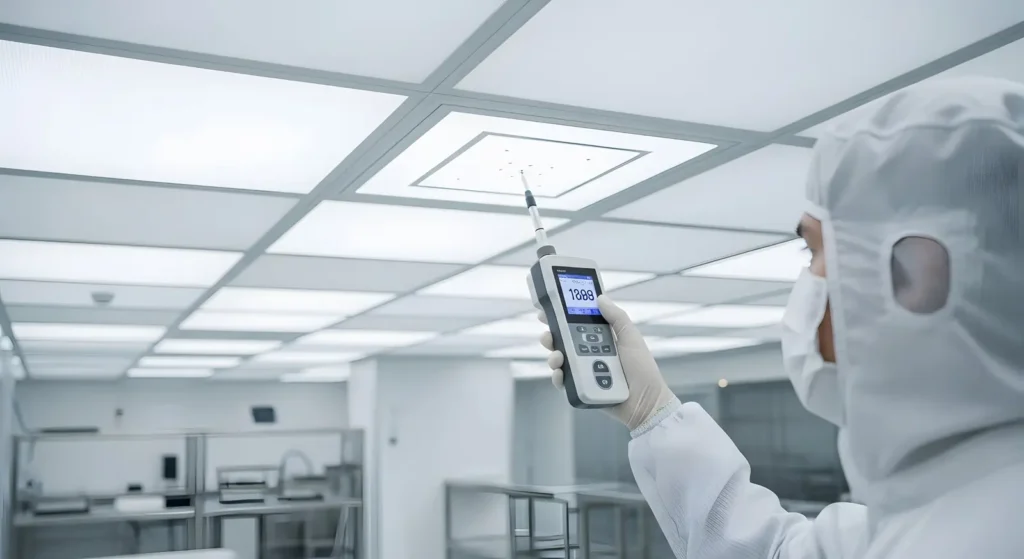
Asbestos Air Quality Testing
Air samples show whether asbestos fibres are present and at what concentration. Required for Type 3 work under O. Reg. 278/05.
Learn more
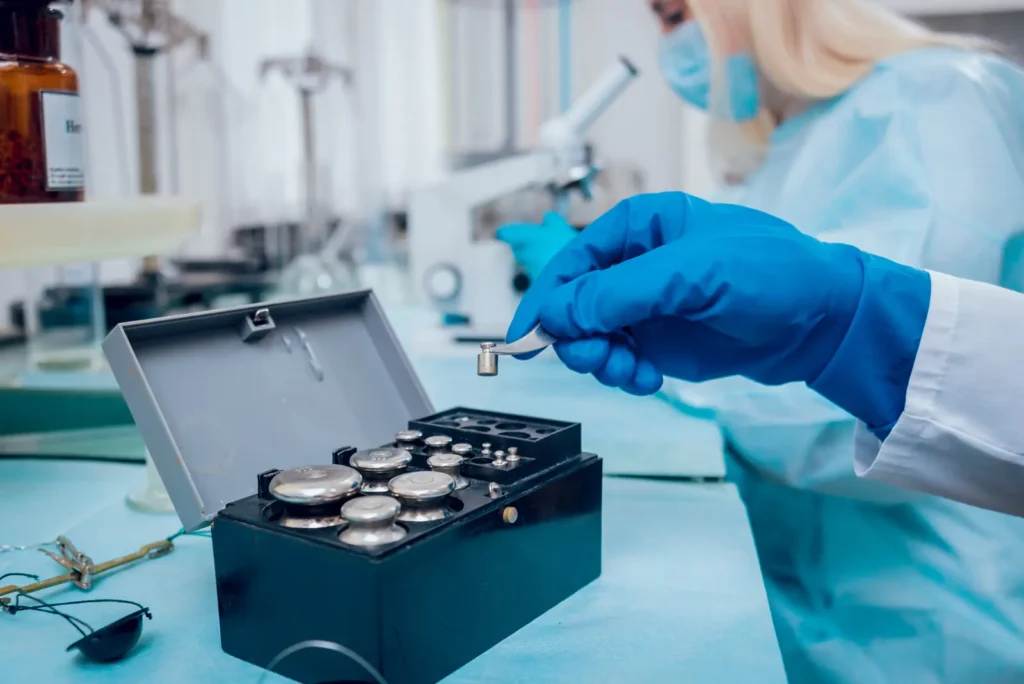
Asbestos Bulk Testing
Samples of drywall compound, insulation, flooring, ceiling tiles, plaster and more, before renovation or demolition.
Learn more

Asbestos Summary Reports
All asbestos findings, both air and bulk, compiled into one easy-to-read document.
Learn more
Mould testing
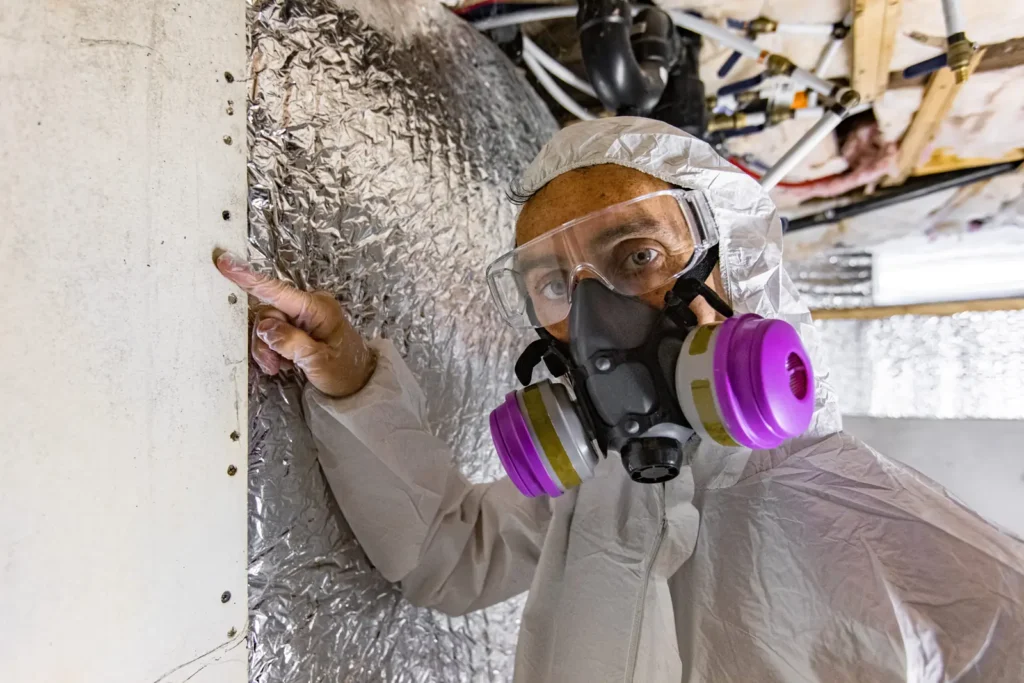
Mould Air Quality Testing
Indoor mould spore readings compared to outdoor baseline levels. A good background if mould is suspected.
Learn more
Mould Assessments
Visual inspection, moisture readings, air and/or surface sampling, source identification and recommendations.
Learn more
Surveys, removal and demolition
Designated Substance Survey
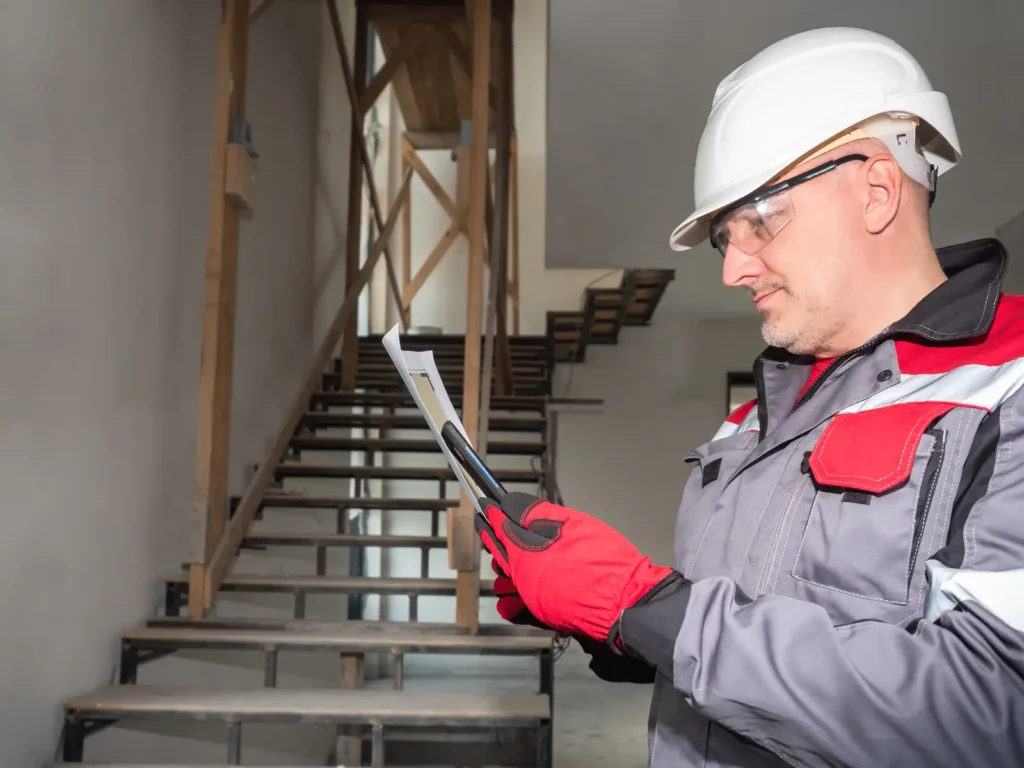
In Ontario, a DSS report is required before construction, demolition or renovation work.
Learn more
Abatement
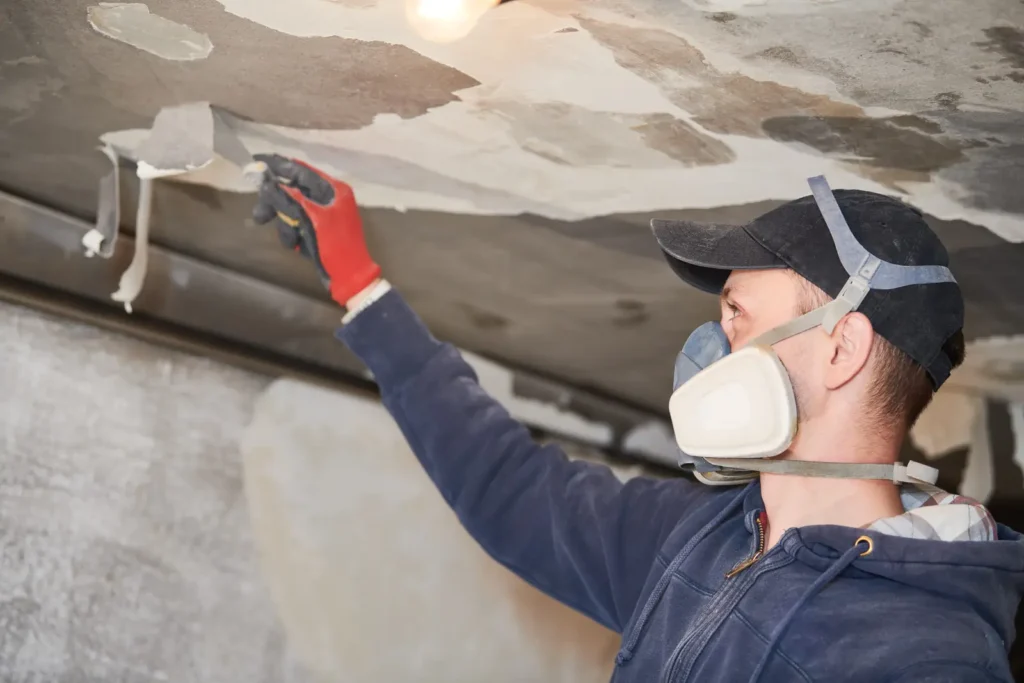
Asbestos removal as a Type 1, 2 or 3 procedure: we can help with a contractor referral and estimate.
Learn more
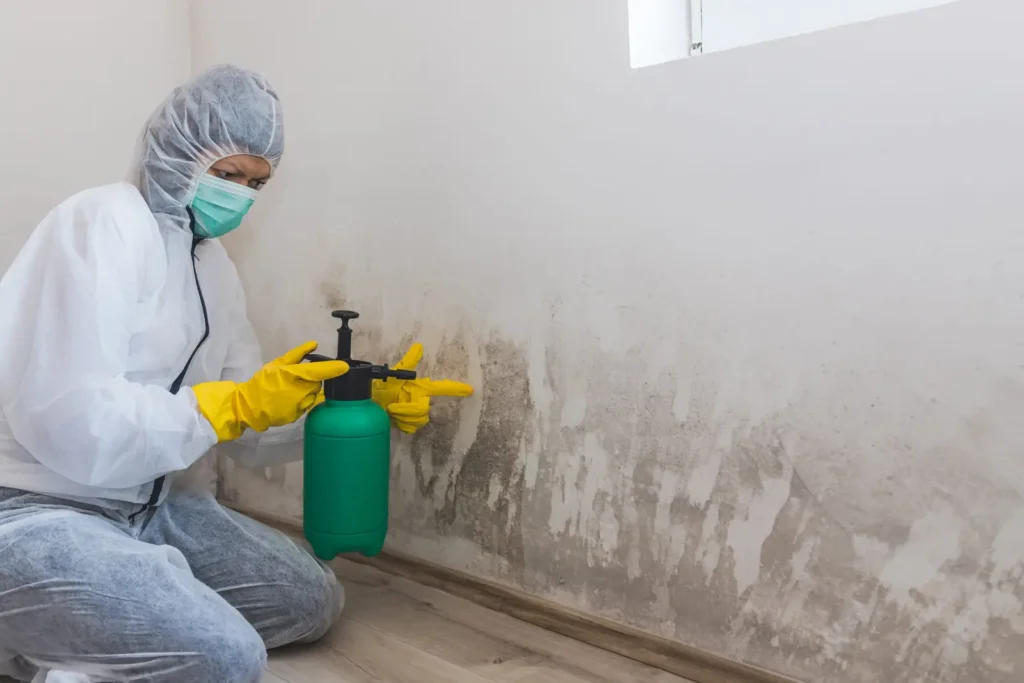
Remediation
Removal of mould-impacted materials as a Level 1, 2 or 3 procedure: contractor referral and estimate.
Learn more
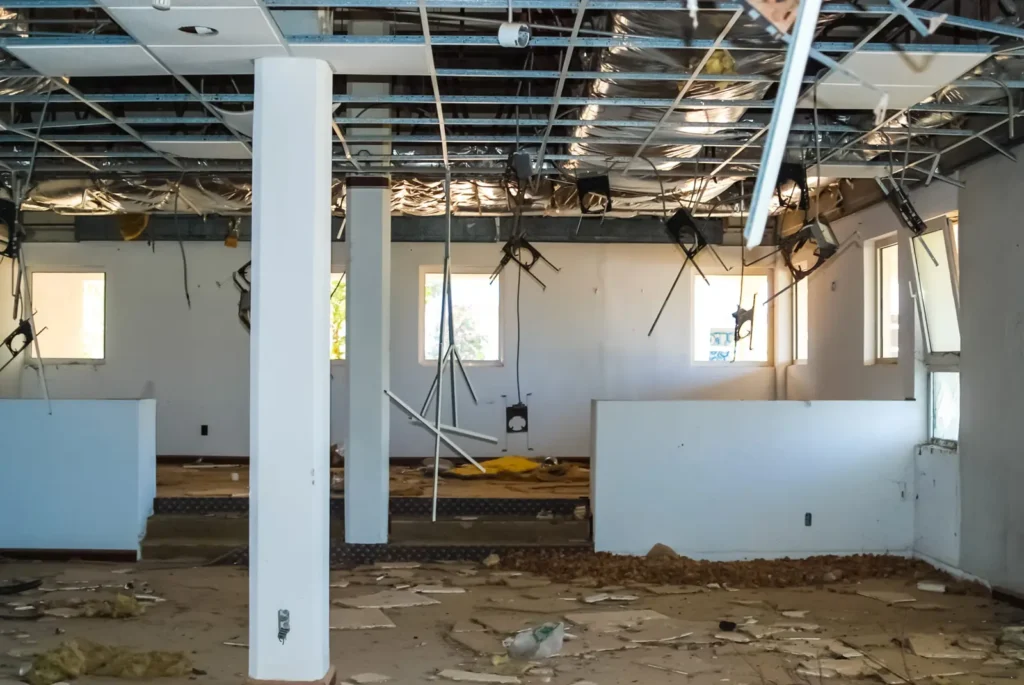
Demolition
Structural or interior demolition: we guide you through the process, with a contractor referral and estimate.
Learn more