
Asbestos & mould testing · Burlington & GTA
Protecting your health and property with expert environmental services.
Based in Burlington, Ontario, EnviroGuard Consulting and Testing is your trusted partner in ensuring a safe, healthy living and working environment. We specialize in professional asbestos and mould testing, providing accurate lab results and expert interpretations to help you make informed decisions for remediation.
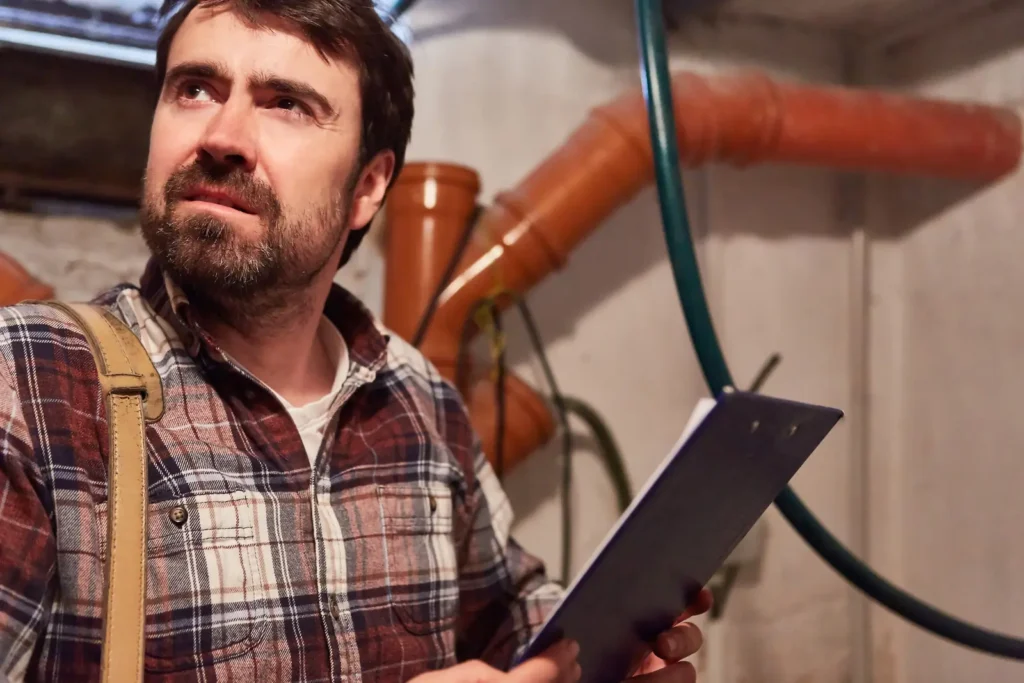
Mould Testing For Musty Smell Burlington
When a musty smell persists in your Burlington home despite cleaning efforts, mould testing for musty smell issues is the most reliable way to identify whether hidden mould is present and where it's concentrated. EnviroGuard Consulting and Testing provides certified mould inspection and air quality assessment to pinpoint the source of odours and determine the extent of contamination-critical information for protecting your family's health and your property.
This guide walks you through the process of arranging and understanding professional mould testing in Burlington, from initial assessment through laboratory analysis and remediation planning. By following these steps, you'll gain clarity on whether mould is responsible for your home's smell and receive actionable guidance for resolution.
Step 1: Identify the Musty Smell Source and Document Observations
Begin by noting where and when the musty odour is strongest. Walk through your Burlington property systematically-basements, crawl spaces, bathrooms, attics, and areas near windows or plumbing-and record which rooms are most affected. Musty smells often intensify in humid conditions or after rain, so note whether the odour worsens during specific seasons or weather patterns. This information helps EnviroGuard Consulting and Testing focus testing efforts on the most likely contamination zones.
Also document any visible signs: water stains, discolouration on walls or ceilings, soft drywall, or areas where paint is peeling. Even if mould is not visibly obvious, these indicators suggest moisture problems that favour mould growth. Take photos if possible. This preliminary observation speeds up the professional assessment and ensures testing targets high-probability areas rather than sampling randomly throughout your home.
Step 2: Schedule a professional mould inspection Before Air Testing
Contact EnviroGuard Consulting and Testing to arrange an initial site inspection. A certified inspector will visit your Burlington home to visually assess conditions, identify moisture sources, and evaluate areas of concern based on the observations you've documented. This visual inspection is foundational-it guides where air samples and surface samples should be collected and rules out other causes of musty odours, such as bacterial growth in HVAC systems or degraded materials unrelated to mould.
During the inspection, the certified professional will also assess indoor humidity levels, ventilation adequacy, and potential entry points for moisture. This comprehensive evaluation ensures that any testing performed will be strategically placed to answer the core question: is mould responsible for the smell in your home, and if so, where is it located and at what concentration?
Step 3: Choose Air Quality Testing or Surface Sampling Based on Your Situation
EnviroGuard Consulting and Testing offers two primary approaches to mould testing: air sampling and surface testing. Air sampling draws air from suspect areas through a calibrated pump into a collection device, which is then analysed in the laboratory for mould spore concentration and species. This method is ideal when you suspect mould is present but cannot locate it visually, or when you need to assess the overall air quality impact throughout your home. Air testing provides a spore count measured in colony-forming units per cubic metre (CFU/m3), which is compared against baseline outdoor levels to determine if indoor mould levels are elevated.
Surface sampling involves collecting material from suspect areas-drywall, insulation, HVAC components-using sterile swabs or tape lifts. This method identifies the specific mould species present and confirms whether contamination exists in a particular location. Many assessments combine both approaches: air testing reveals whether a problem exists, and surface testing pinpoints where remediation is needed. Your inspector will recommend the appropriate strategy based on the initial site assessment and the specific characteristics of the musty smell in your Burlington property.
Step 4: Collect Baseline and Suspect Area Samples
Once testing locations are determined, EnviroGuard Consulting and Testing will collect baseline samples from outside your home to establish normal outdoor mould levels for your area. This baseline is essential: indoor mould concentrations are evaluated against outdoor levels, not against arbitrary thresholds, because mould spores naturally exist outdoors in varying quantities depending on season and local conditions. A meaningful elevation indoors indicates an indoor contamination problem requiring attention.
Simultaneously, samples are collected from the suspect areas identified during the visual inspection-basement corners, bathroom exhaust areas, around window frames, crawl spaces, or anywhere moisture and musty odours are concentrated. Each sample is labelled, logged, and preserved according to laboratory protocol to prevent contamination during transport. The samples are then sent to a certified laboratory for microscopic and/or culturing analysis to identify mould species and measure spore concentrations.
Step 5: Review Laboratory Results and Interpretation
Laboratory analysis typically takes 3-5 business days. Results will detail the mould species identified, spore counts, and a comparison to baseline outdoor levels. This is where technical precision matters: a result showing Aspergillus or Penicillium species at elevated indoor levels compared to the baseline outdoor sample indicates an indoor mould source. The laboratory report also provides context about each species' characteristics-some are common environmental moulds with lower health concern, while others like Stachybotrys or Fusarium indicate conditions favouring aggressive mould growth and warrant faster remediation.
EnviroGuard Consulting and Testing interprets these results for you in plain language, explaining what the numbers mean for your home and your family. If mould is confirmed as the source of the musty smell in your Burlington property, the report identifies which species are present and at what concentrations, directly informing the scope and priority of remediation work.
Step 6: Develop a Remediation Plan Based on Findings
Armed with testing results, EnviroGuard Consulting and Testing provides actionable remediation recommendations tailored to your situation. If mould is confirmed, the plan specifies what must be removed or treated, identifies the moisture source that permitted growth, and outlines steps to prevent recurrence. For minor surface contamination, this might involve cleaning with appropriate antifungal products and repairing the moisture source. For extensive contamination in insulation or structural materials, professional mould remediation by qualified contractors becomes necessary.
The remediation plan also addresses the underlying cause-whether that's poor ventilation, water intrusion, condensation, or drainage problems around your Burlington home's foundation. Addressing moisture sources is as important as removing visible mould; without moisture control, mould will return, and the musty smell will persist. Your inspector will outline which issues require professional contractors and which can be managed through improved maintenance and ventilation practices.
Step 7: Conduct Post-Remediation Testing to Confirm Resolution
Once remediation is complete, follow-up air or surface testing confirms that mould levels have returned to baseline or acceptable ranges. This step verifies that remediation work was effective and that the musty smell is genuinely resolved rather than temporarily masked. Post-remediation testing is particularly important for larger contamination events or structural repairs-it provides documented evidence that your home's indoor air quality is restored and that health risks have been eliminated.
Schedule post-remediation testing with EnviroGuard Consulting and Testing using the same methodology as the initial assessment, so results are directly comparable. Once confirmation testing shows mould levels at or below outdoor baseline levels, your home is considered remediated, and ongoing monitoring focuses on maintaining moisture control to prevent future problems.
If you notice a persistent musty smell in your Burlington home and suspect mould, EnviroGuard Consulting and Testing is ready to help you identify the problem and move forward with confidence. Contact the team to schedule your professional inspection and mould testing assessment-the first step toward understanding your home's air quality and protecting your family's health.
Frequently Asked Questions
What causes a musty smell in Burlington homes, and is it always mould?
Musty odours typically indicate mould growth, but can also result from bacterial contamination, degraded materials, or stagnant water in HVAC systems or crawl spaces. Professional mould testing and inspection by EnviroGuard Consulting and Testing distinguishes between these causes, ensuring you address the actual problem rather than treating a symptom.
How long does mould testing take, and when will I have results?
A visual inspection and sample collection typically takes 1-2 hours at your Burlington property. Laboratory analysis requires 3-5 business days after samples are submitted. You'll receive a detailed report with interpretation and remediation recommendations once analysis is complete.
Is air quality testing for mould spores better than surface testing?
Neither is universally better-they answer different questions. Air testing measures overall indoor spore concentration and detects suspended mould; surface testing identifies specific contamination sites and species. EnviroGuard Consulting and Testing often recommends both to locate the source (surface testing) and assess air quality impact (air testing).
What mould spore test results are considered safe for a Burlington home?
Indoor mould spore counts should not significantly exceed outdoor baseline levels. Laboratory reports compare your indoor samples to the outdoor baseline collected during your assessment; results below or equal to outdoor levels indicate acceptable conditions. Elevated indoor counts point to an indoor contamination source requiring remediation.
Do I need professional mould testing if I can see mould in my Burlington basement?
Even visible mould should be confirmed by testing to identify the species, extent, and air quality impact. Some visible mould may be surface-level and removable, while other species or locations may indicate deeper contamination. Testing guides the scope and urgency of remediation work.
How much does mould testing cost in Burlington?
Testing costs vary based on the number of samples, whether air or surface testing is used, and the size of your property. Contact EnviroGuard Consulting and Testing directly for a quote tailored to your specific situation and assessment needs.
Can I do mould testing myself, or should I hire a professional in Burlington?
DIY mould test kits are available but lack the calibration, chain-of-custody protocols, and expert interpretation that certified laboratory analysis provides. Professional testing by EnviroGuard Consulting and Testing ensures accurate results, proper sampling methodology, and actionable remediation guidance based on valid data.
Why EnviroGuard
Experience, integrity and regulatory conformity
Regulations
- O. Reg. 278/05 Asbestos on construction projects and in buildings and repair operationsOccupational Health and Safety Act
- O. Reg. 490/09 Designated substancesOccupational Health and Safety Act
- O. Reg. 347/90 General waste management, including asbestos wasteEnvironmental Protection Act
Under the Occupational Health and Safety Act (OHSA), the ministry is responsible for regulating occupational health and safety in workplaces, which includes schools, hospitals, and any place where people work.
Experience
With over 30 years of experience in solid waste management across Ontario and 20 years in environmental science, EnviroGuard Consulting and Testing provides expert asbestos, mould, and environmental testing services.
Hands-on knowledge of hazardous material assessment and indoor air quality ensures every project is handled safely, efficiently, and in full compliance with Ontario’s environmental and occupational health regulations.
Integrity
Built on high integrity and regulatory conformity, EnviroGuard delivers precise testing, reliable reporting, and practical abatement and remediation recommendations.
Clients can trust EnviroGuard to protect their buildings, occupants, and projects while maintaining the highest standards of safety and compliance.
Our services
Environmental testing and consulting
At EnviroGuard, we offer a comprehensive range of environmental testing and consulting services for homes and businesses.
Asbestos testing
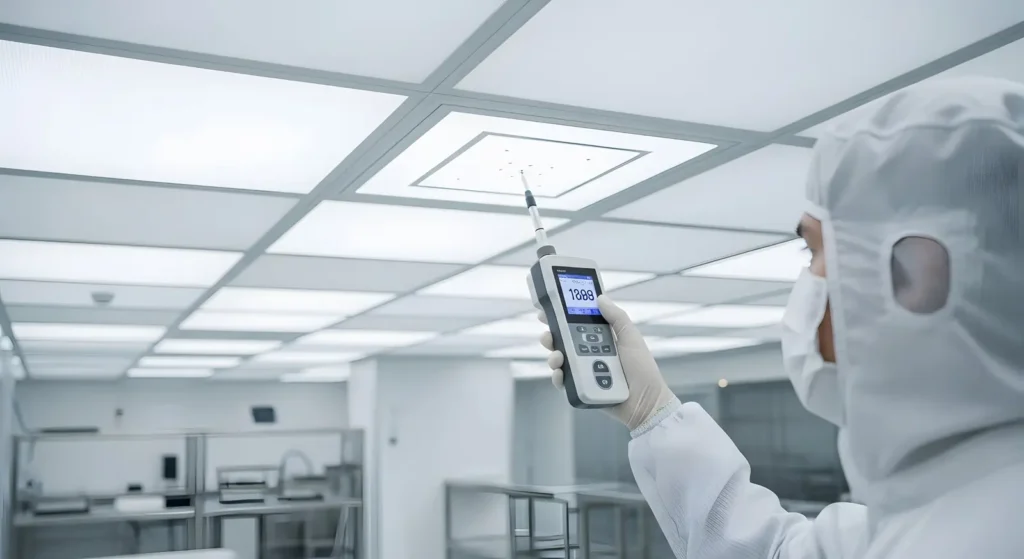
Asbestos Air Quality Testing
Air samples show whether asbestos fibres are present and at what concentration. Required for Type 3 work under O. Reg. 278/05.
Learn more

Asbestos Bulk Testing
Samples of drywall compound, insulation, flooring, ceiling tiles, plaster and more, before renovation or demolition.
Learn more

Asbestos Summary Reports
All asbestos findings, both air and bulk, compiled into one easy-to-read document.
Learn more
Mould testing
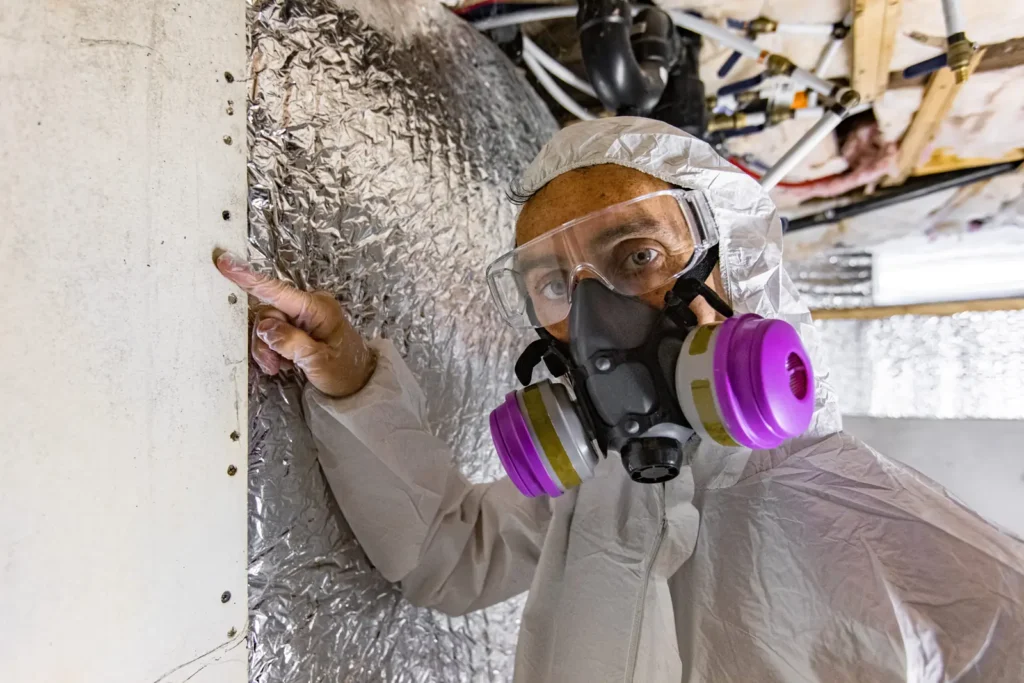
Mould Air Quality Testing
Indoor mould spore readings compared to outdoor baseline levels. A good background if mould is suspected.
Learn more
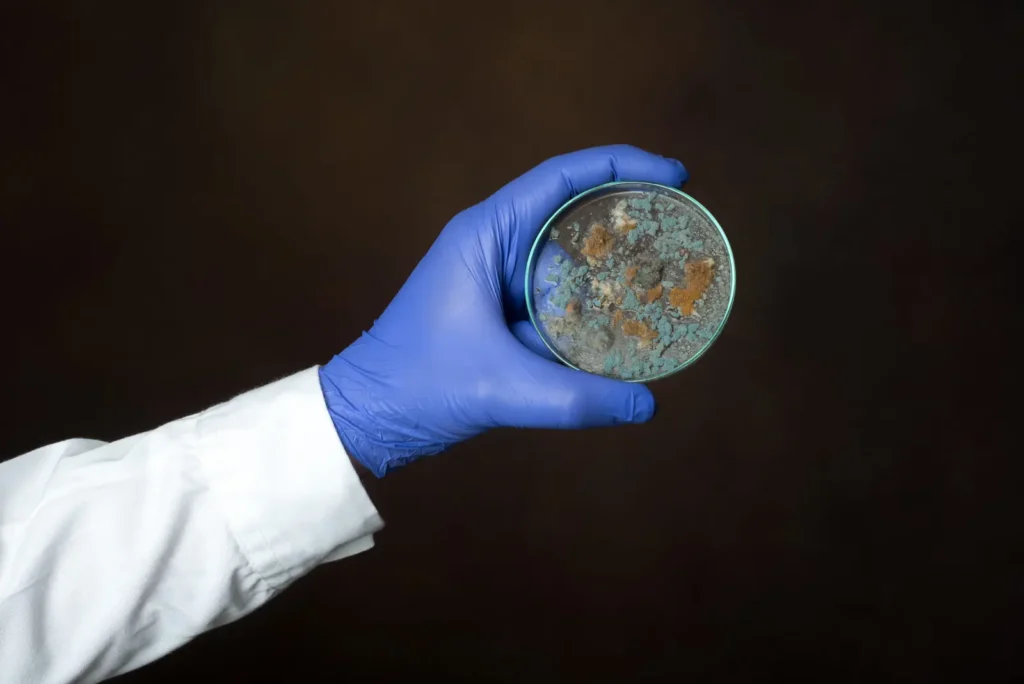
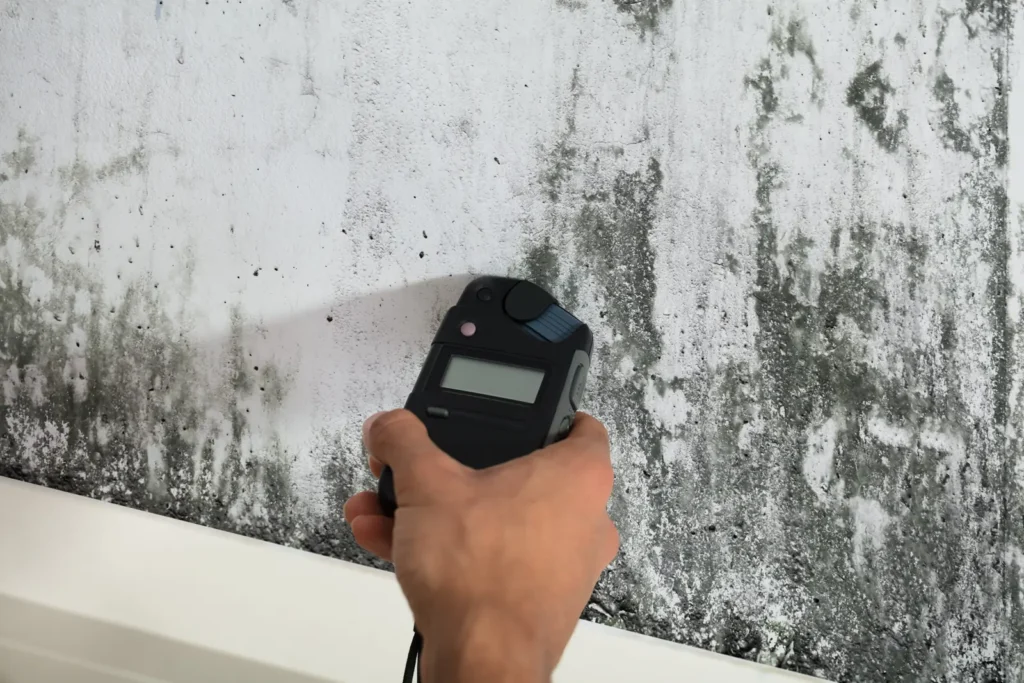
Mould Assessments
Visual inspection, moisture readings, air and/or surface sampling, source identification and recommendations.
Learn more
Surveys, removal and demolition
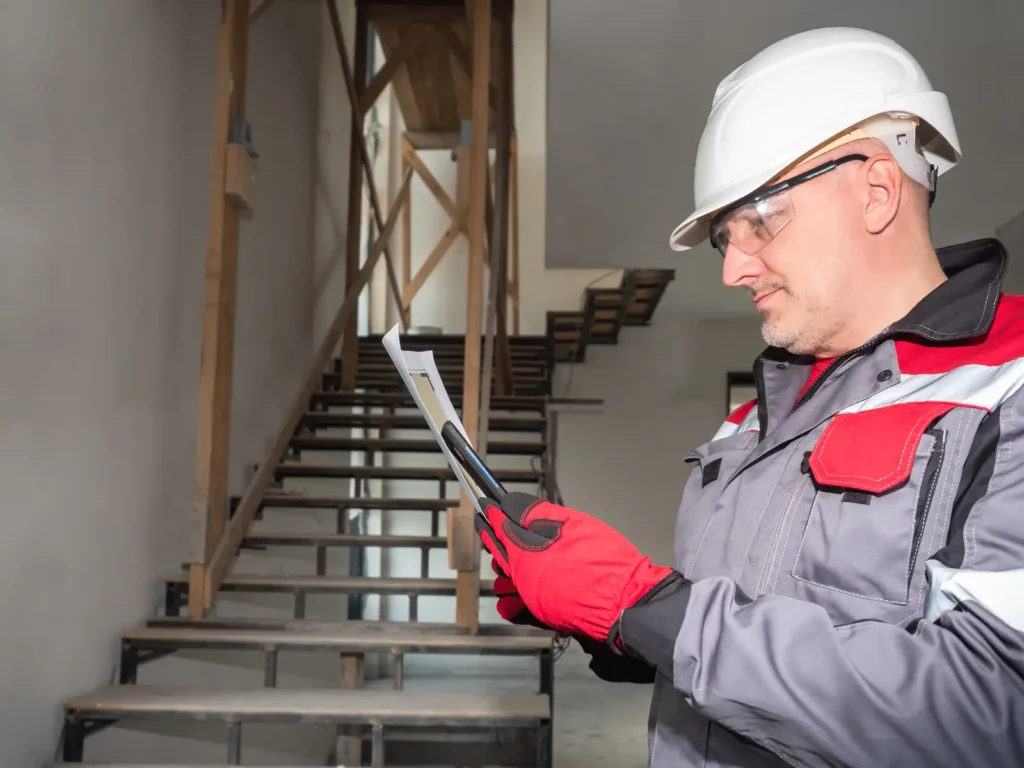
Designated Substance Survey
In Ontario, a DSS report is required before construction, demolition or renovation work.
Learn more
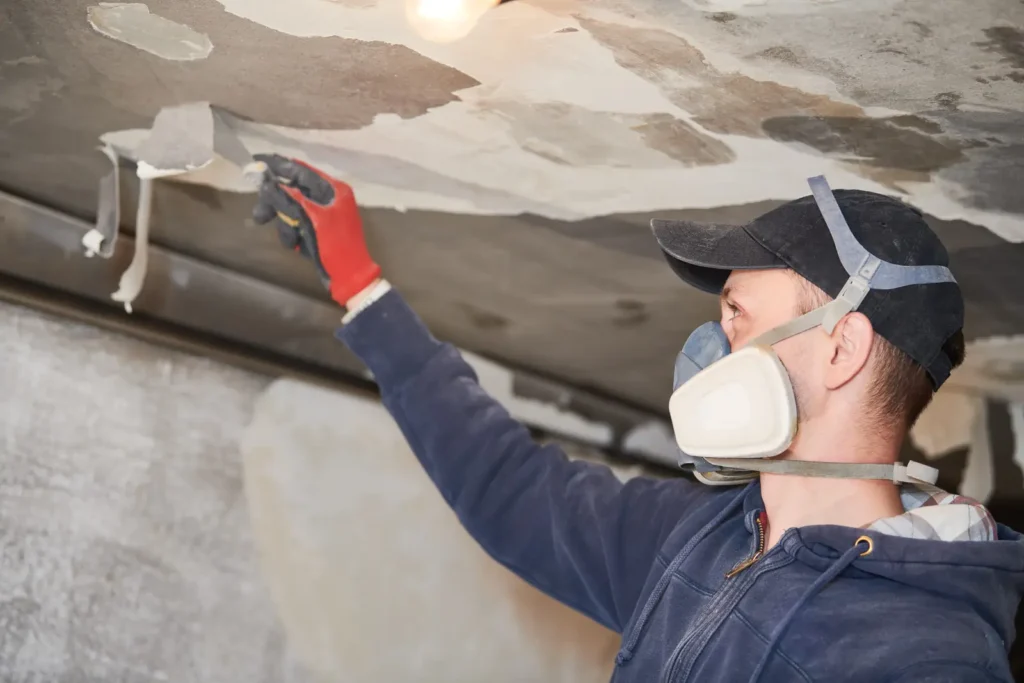
Abatement
Asbestos removal as a Type 1, 2 or 3 procedure: we can help with a contractor referral and estimate.
Learn more
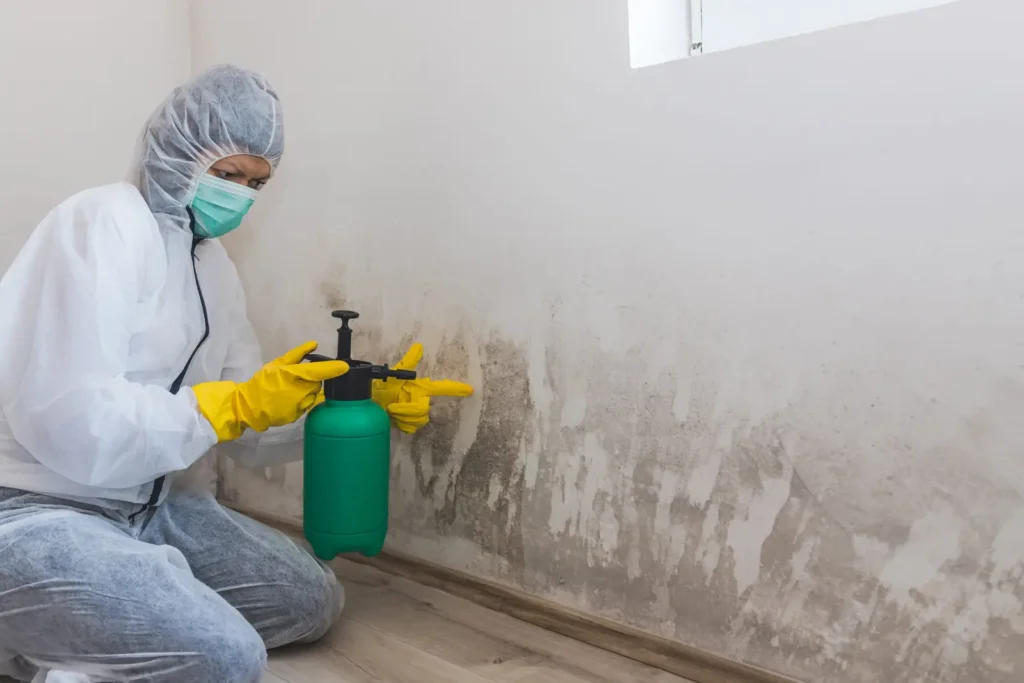
Remediation
Removal of mould-impacted materials as a Level 1, 2 or 3 procedure: contractor referral and estimate.
Learn more
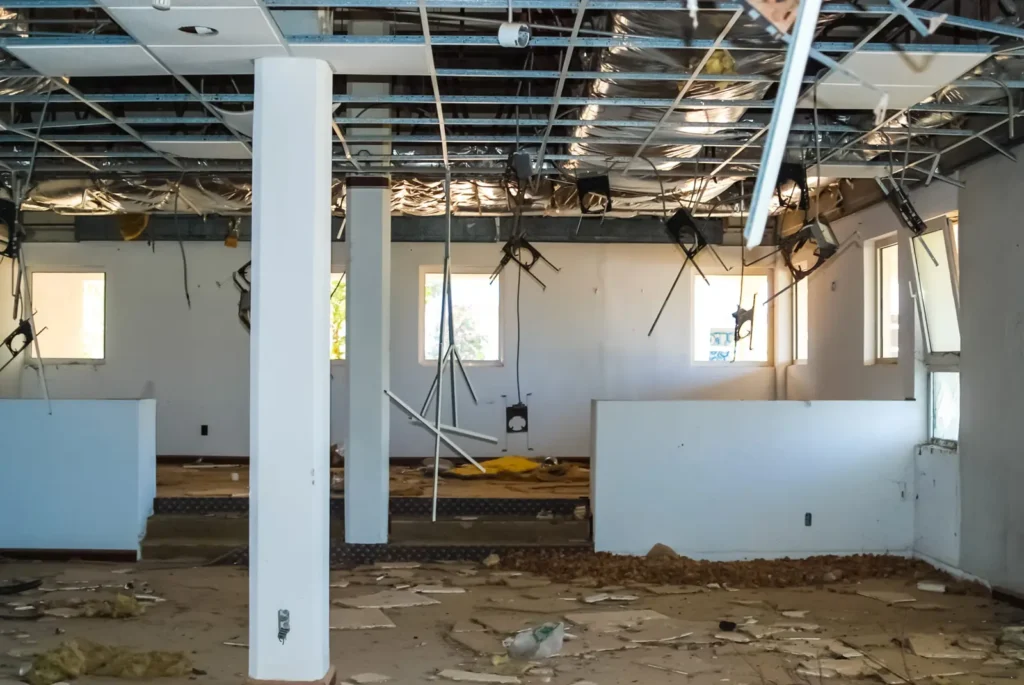
Demolition
Structural or interior demolition: we guide you through the process, with a contractor referral and estimate.
Learn more