
Asbestos & mould testing · Burlington & GTA
Protecting your health and property with expert environmental services.
Based in Burlington, Ontario, EnviroGuard Consulting and Testing is your trusted partner in ensuring a safe, healthy living and working environment. We specialize in professional asbestos and mould testing, providing accurate lab results and expert interpretations to help you make informed decisions for remediation.
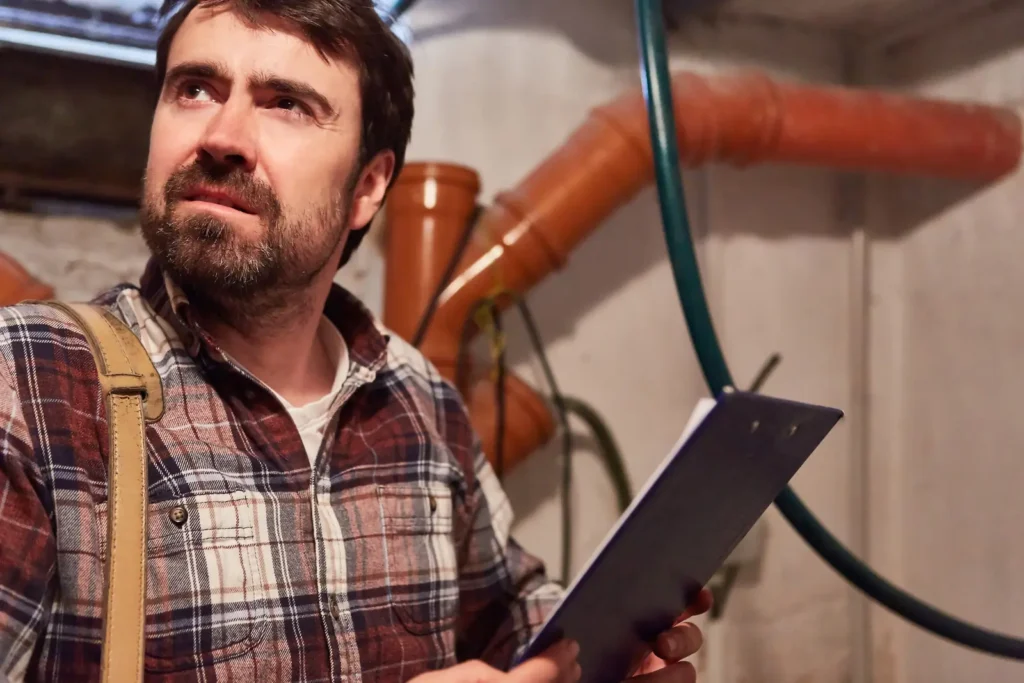
Mould Testing Hvac Burlington
Mould testing in HVAC systems is the process of collecting air samples and surface samples from your heating, ventilation, and air conditioning equipment to identify mould contamination before it spreads through your home or commercial property.
Burlington homeowners and property managers face a specific challenge: the region's humid climate and proximity to Lake Ontario create ideal conditions for mould growth, especially in HVAC systems where moisture accumulates. When mould takes hold in your ducts, coils, or filter housing, it circulates spores throughout your indoor spaces with every cycle. Many property owners don't realize contamination has begun until they notice musty odours, respiratory symptoms, or visible growth around vents. By that point, the problem has often progressed significantly.
EnviroGuard Consulting and Testing addresses this issue with a systematic, certified approach. Founded and operated by certified inspector Henry Kwasniak, the company specializes in indoor air quality assessment and mould identification for residential and commercial properties across the Greater Toronto Area, including Burlington, Oakville, Hamilton, and the surrounding Halton Region.
The Problem: Silent Contamination in Your HVAC System
HVAC systems create the perfect environment for mould: they are dark, warm, and retain moisture. When your air conditioning runs during humid months or when condensation forms on cooling coils, water pools in drain pans and ductwork. Without proper maintenance and drainage, this moisture becomes a breeding ground for mould colonies. Unlike surface mould you can see on walls or ceilings, HVAC mould remains hidden until it has grown substantially.
The risk is amplified in Burlington and surrounding areas due to seasonal humidity and temperature swings. Winter condensation, spring thaw moisture, and summer air conditioning use all contribute to ideal growing conditions. Property managers overseeing multiple units face even greater risk, as contamination in one tenant's system can spread to shared ducting or ventilation.
A typical warning sign appears when occupants report persistent coughing, allergic reactions, or unexplained respiratory discomfort despite no visible mould in living spaces. Others detect a musty, earthy smell when the system runs. Some discover staining or discoloration around vent openings. By the time these symptoms surface, mould has usually been actively growing for weeks or months.
Our Approach to Mould Testing HVAC Burlington
EnviroGuard Consulting and Testing uses a two-part methodology to determine whether mould is present in your HVAC system and, if so, the species and concentration level.
Air sampling involves placing collection devices near supply and return vents to capture airborne spores. These samples are sent to an accredited laboratory for analysis. The results show what mould species are present and in what concentration compared to outdoor baseline levels. If indoor counts significantly exceed outdoor counts, your HVAC system is likely a source.
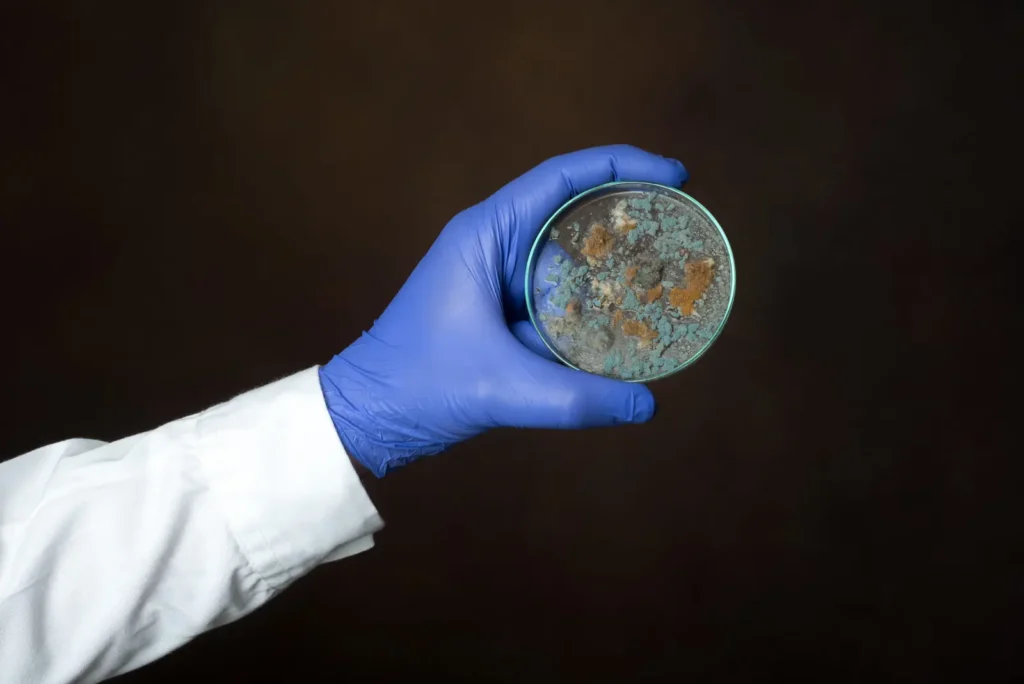
Surface sampling targets the physical components: coils, drain pans, filter housings, and accessible ductwork. Swab or tape samples are collected directly from suspected contaminated areas. This approach identifies whether mould colonies are actually growing within the system rather than merely passing through it.
Henry Kwasniak conducts a visual inspection of the entire HVAC assembly before sampling, looking for visible growth, water staining, condensation patterns, and maintenance issues that may have contributed to the problem. This expert interpretation is critical because laboratory results alone do not explain what caused the contamination or where remediation should focus.
The certified inspection process also rules out other sources of indoor mould-such as foundation leaks, roof penetrations, or bathroom ventilation failures-so you understand whether your HVAC system is the primary culprit or one of several contributing factors.
Real Results: A Burlington Commercial Property Case
A property management company in Burlington overseeing a multi-unit commercial building received complaints from three tenants about musty odours and occupant coughing fits during summer months. Management suspected the central HVAC system but had no confirmation. They contacted EnviroGuard Consulting and Testing to investigate.
Initial air sampling revealed mould spore counts three times higher indoors than the outdoor baseline. Surface samples from the cooling coils and condensate drain pan tested positive for Aspergillus and Penicillium species-common HVAC colonizers. Visual inspection showed the drain pan was improperly sloped, causing standing water to accumulate.
Armed with the certified laboratory results and expert interpretation, the property manager was able to:
- Authorize professional HVAC remediation with confidence, knowing exactly what they were treating
- Present documented evidence to tenants explaining the source and the solution
- Correct the underlying drainage problem to prevent recurrence
- Conduct follow-up mould testing after remediation to verify the system was clean
Post-remediation air samples returned to normal outdoor baseline levels. Tenant complaints resolved, and the property manager implemented quarterly HVAC maintenance to prevent future contamination. The entire process-from initial diagnosis to documented proof of remediation-was supported by certified testing and professional interpretation.
Why Professional Testing Matters in Burlington
Do-it-yourself mould kits or visual inspection alone cannot reliably detect HVAC contamination. A system may appear clean to the eye but still harbour active mould colonies inside coils or ducts. Conversely, musty smells may originate from basement moisture rather than the HVAC system, and treating the wrong source wastes time and money.
Laboratory analysis paired with expert interpretation transforms guesswork into actionable insight. You learn the specific mould species present, the severity of contamination, whether the system is the source, and what remediation steps will actually solve the problem. This approach protects both your health and your investment.
Homeowners with respiratory sensitivities, allergies, or asthma benefit most from professional testing because their symptoms often appear before visible damage is apparent. Parents concerned about their children's indoor air quality, and commercial property owners required to maintain safe environments for tenants and staff, rely on certified results to make informed decisions.
EnviroGuard Consulting and Testing serves Burlington, Oakville, Hamilton, and the entire Halton Region with the same rigorous methodology: certified inspection, laboratory-grade sampling, accurate results, and expert interpretation you can trust.
If you suspect mould in your HVAC system or have noticed unexplained odours or health symptoms linked to your heating and cooling equipment, reach out to EnviroGuard Consulting and Testing. We offer a straightforward consultation to discuss your concerns, explain the testing process, and help you understand your next steps. Contact us today to learn more about protecting your indoor air quality.
Frequently Asked Questions
How do I know if there is mould in my HVAC system in Burlington?
Common signs include musty odours when the system runs, visible mould growth around vents or in ductwork, water stains on supply registers, and unexplained respiratory symptoms or allergic reactions indoors. Professional air and surface sampling is the only reliable way to confirm contamination and identify the mould species present.
Can I test for HVAC mould myself?
Basic mould kits available at hardware stores are not designed to identify HVAC contamination accurately. Professional testing uses laboratory-grade collection methods and accredited analysis to determine whether mould is actually present in your system and at what concentration. Expert interpretation of results is equally important because it rules out other sources and guides remediation.
What does mould testing HVAC cost in Burlington?
The cost depends on the scope of testing-whether you need air samples only, surface samples, or both-and the size of your property. EnviroGuard Consulting and Testing provides a consultation to assess your needs and discuss pricing. Reach out directly for a customized quote based on your specific situation.
How long does it take to get results from mould testing?
After samples are collected, the accredited laboratory typically returns preliminary results within 3-5 business days. EnviroGuard Consulting and Testing will review the findings and provide a detailed report with expert interpretation and remediation recommendations shortly after. Turnaround times may vary depending on laboratory workload.
Why EnviroGuard
Experience, integrity and regulatory conformity
Regulations
- O. Reg. 278/05 Asbestos on construction projects and in buildings and repair operationsOccupational Health and Safety Act
- O. Reg. 490/09 Designated substancesOccupational Health and Safety Act
- O. Reg. 347/90 General waste management, including asbestos wasteEnvironmental Protection Act
Under the Occupational Health and Safety Act (OHSA), the ministry is responsible for regulating occupational health and safety in workplaces, which includes schools, hospitals, and any place where people work.
Experience
With over 30 years of experience in solid waste management across Ontario and 20 years in environmental science, EnviroGuard Consulting and Testing provides expert asbestos, mould, and environmental testing services.
Hands-on knowledge of hazardous material assessment and indoor air quality ensures every project is handled safely, efficiently, and in full compliance with Ontario’s environmental and occupational health regulations.
Integrity
Built on high integrity and regulatory conformity, EnviroGuard delivers precise testing, reliable reporting, and practical abatement and remediation recommendations.
Clients can trust EnviroGuard to protect their buildings, occupants, and projects while maintaining the highest standards of safety and compliance.
Our services
Environmental testing and consulting
At EnviroGuard, we offer a comprehensive range of environmental testing and consulting services for homes and businesses.
Asbestos testing
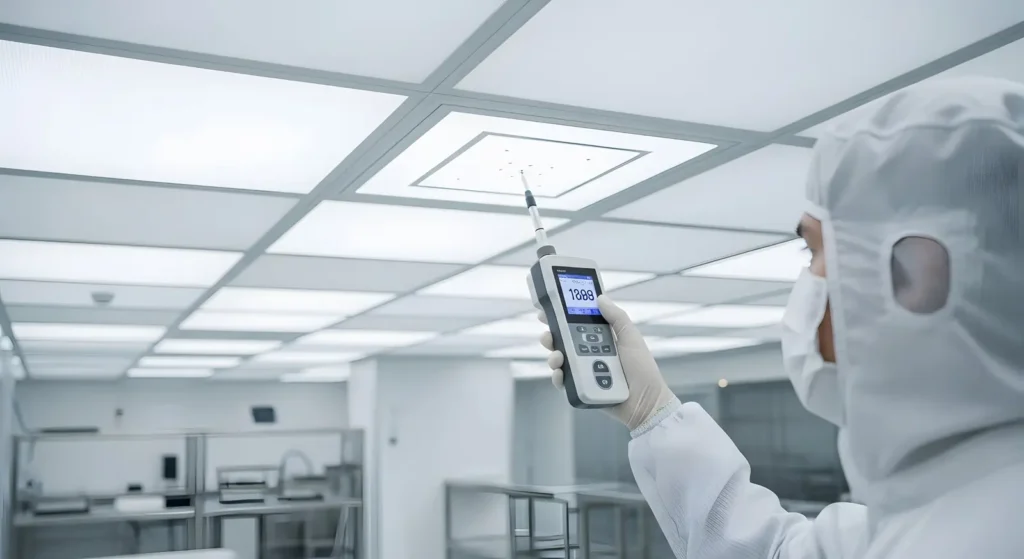
Asbestos Air Quality Testing
Air samples show whether asbestos fibres are present and at what concentration. Required for Type 3 work under O. Reg. 278/05.
Learn more
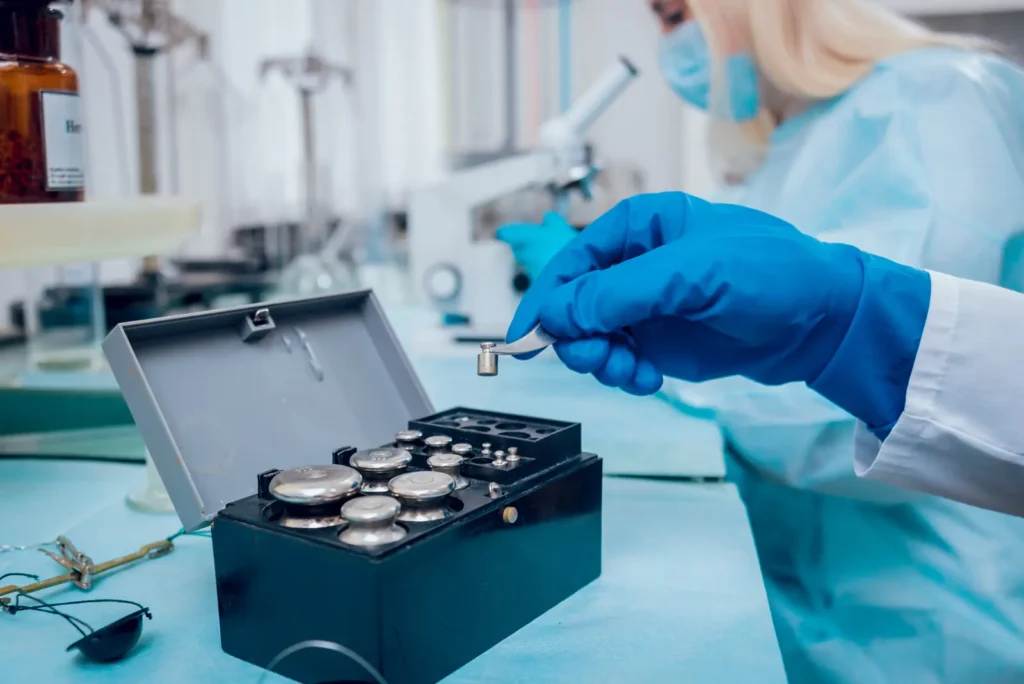
Asbestos Bulk Testing
Samples of drywall compound, insulation, flooring, ceiling tiles, plaster and more, before renovation or demolition.
Learn more

Asbestos Summary Reports
All asbestos findings, both air and bulk, compiled into one easy-to-read document.
Learn more
Mould testing
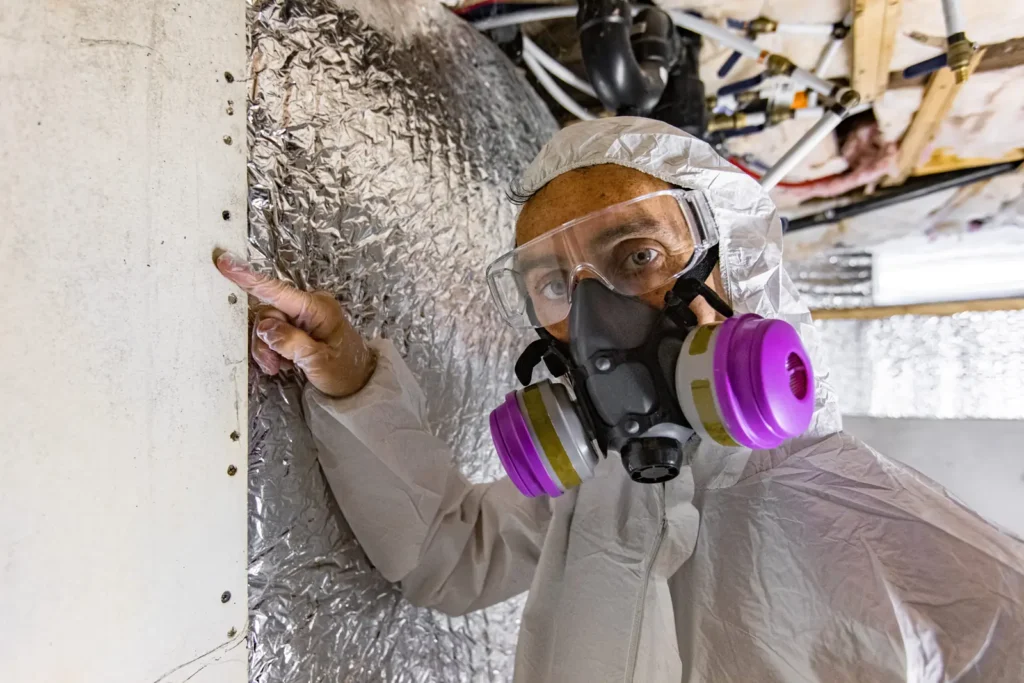
Mould Air Quality Testing
Indoor mould spore readings compared to outdoor baseline levels. A good background if mould is suspected.
Learn more
Mould Assessments
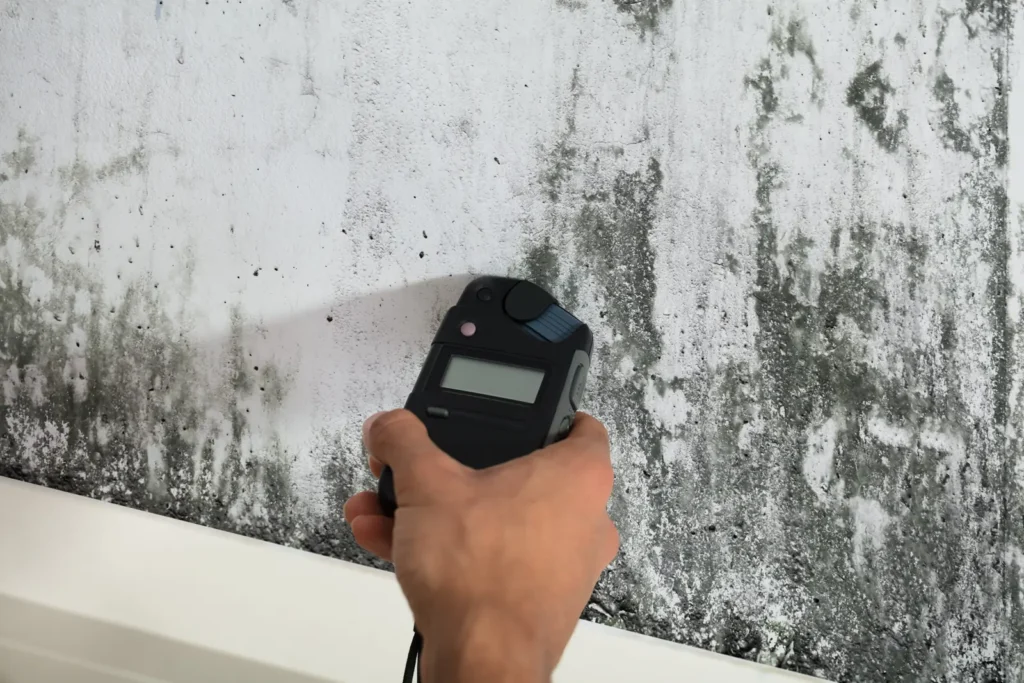
Visual inspection, moisture readings, air and/or surface sampling, source identification and recommendations.
Learn more
Surveys, removal and demolition
Designated Substance Survey
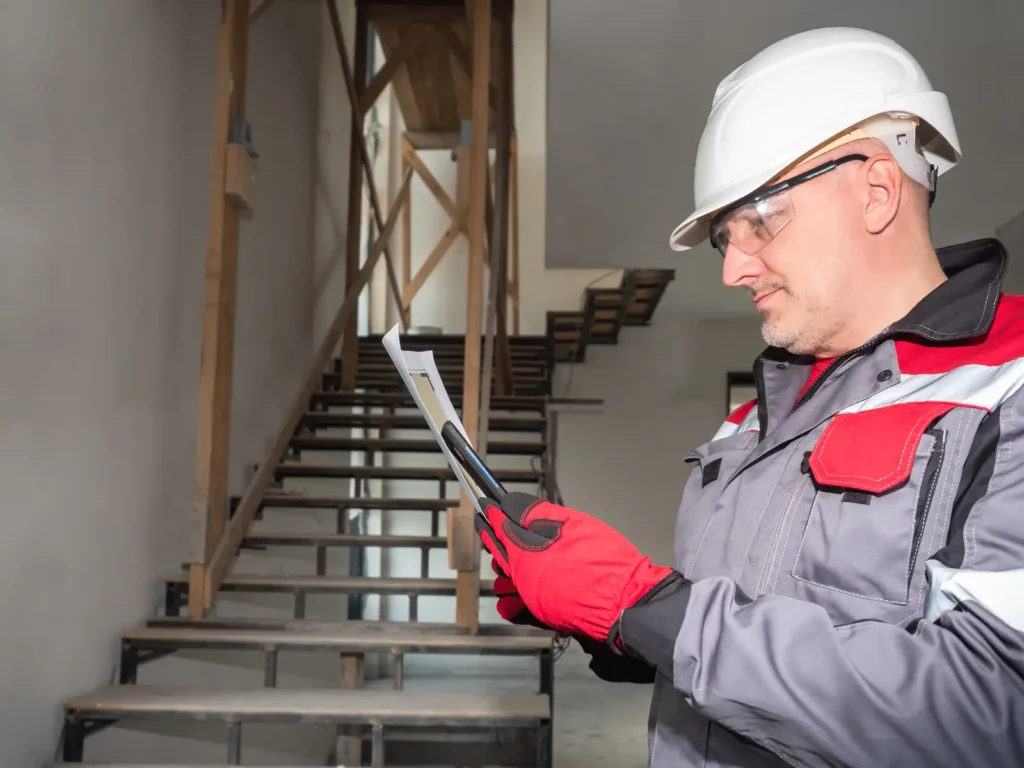
In Ontario, a DSS report is required before construction, demolition or renovation work.
Learn more
Abatement
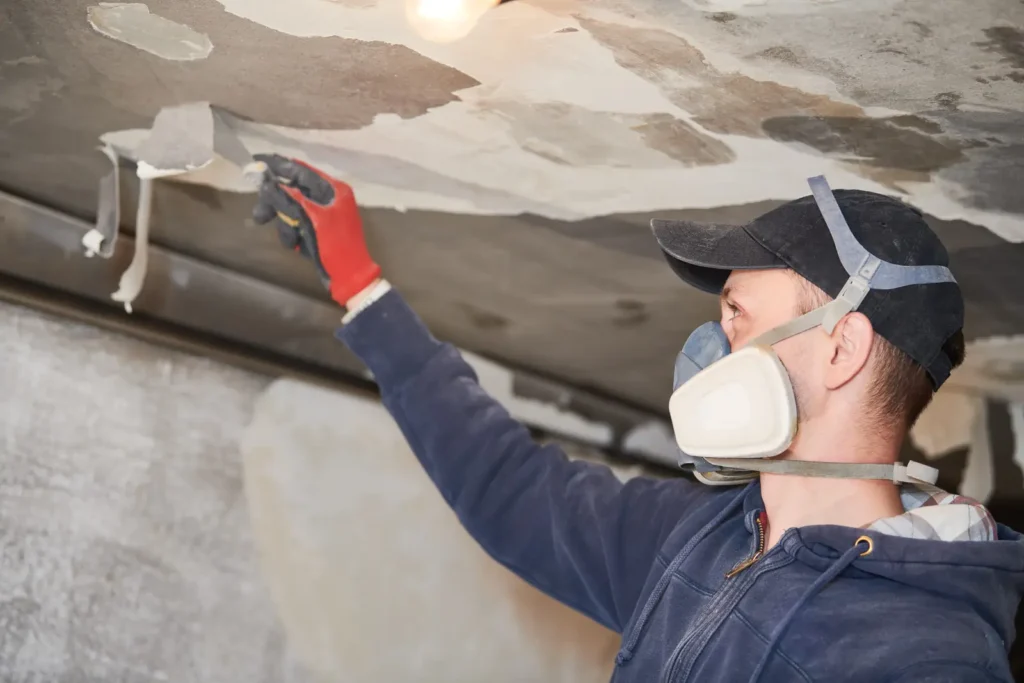
Asbestos removal as a Type 1, 2 or 3 procedure: we can help with a contractor referral and estimate.
Learn more
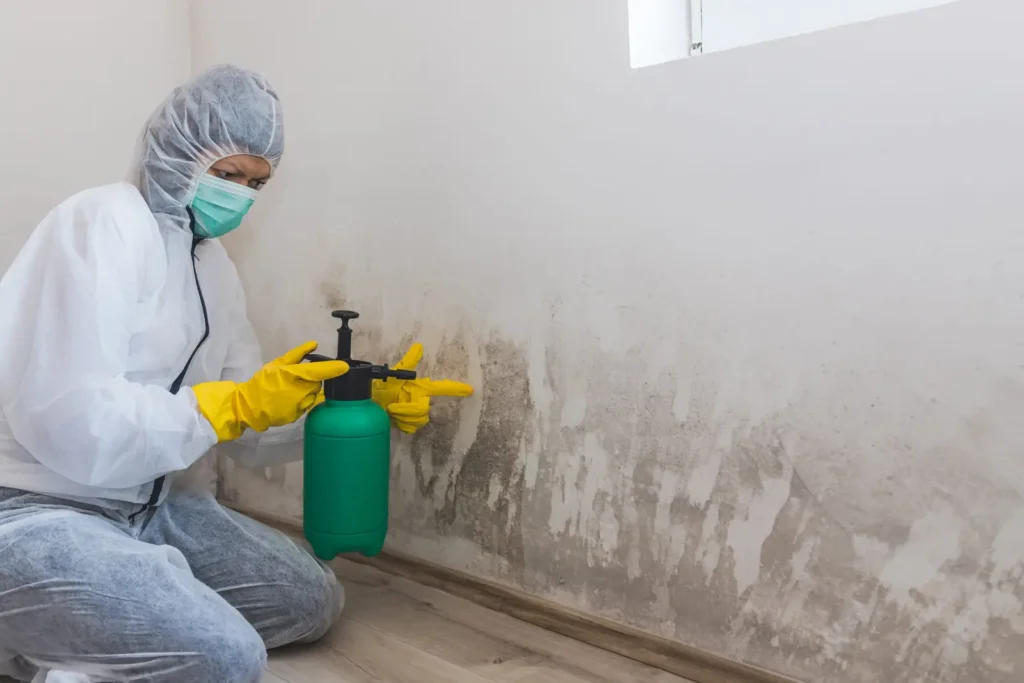
Remediation
Removal of mould-impacted materials as a Level 1, 2 or 3 procedure: contractor referral and estimate.
Learn more
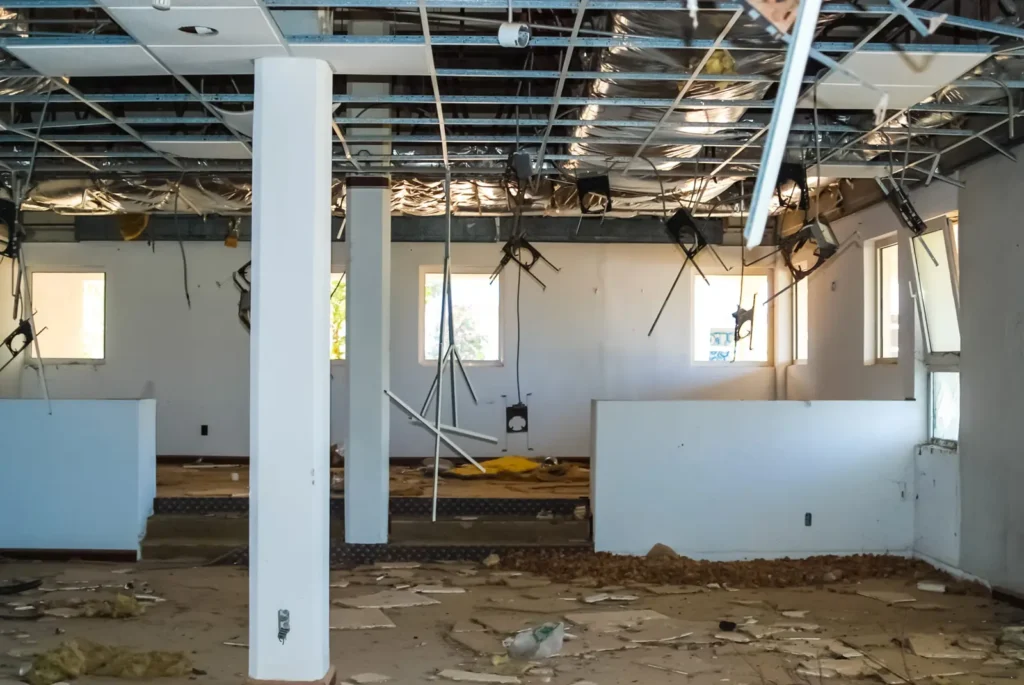
Demolition
Structural or interior demolition: we guide you through the process, with a contractor referral and estimate.
Learn more