
Asbestos & mould testing · Burlington & GTA
Protecting your health and property with expert environmental services.
Based in Burlington, Ontario, EnviroGuard Consulting and Testing is your trusted partner in ensuring a safe, healthy living and working environment. We specialize in professional asbestos and mould testing, providing accurate lab results and expert interpretations to help you make informed decisions for remediation.
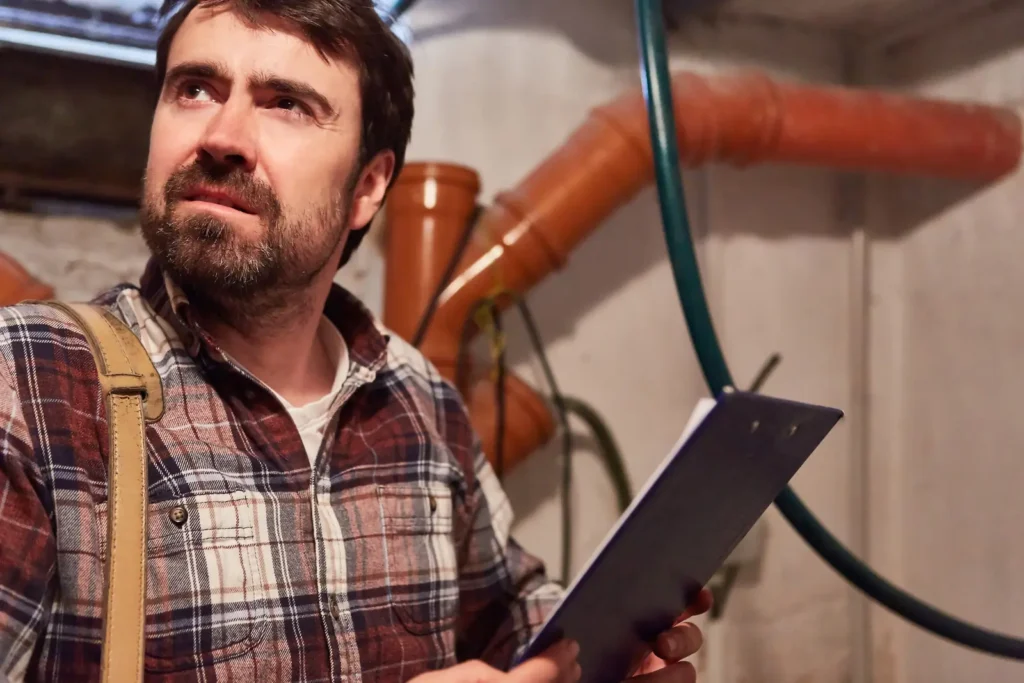
Mould Testing Inside Walls Burlington
Testing for mould inside walls in Burlington requires systematic sampling, professional laboratory analysis, and expert interpretation of results. This guide walks you through the process EnviroGuard Consulting and Testing uses to identify hidden mould contamination in residential and commercial properties across the Greater Toronto Area.
Most mould growth occurs within wall cavities where moisture accumulates behind drywall, insulation, or exterior cladding. Unlike surface mould you can see and clean, mould testing inside walls Burlington involves extracting samples from inaccessible spaces and analyzing them to confirm the presence, type, and concentration of mould spores. By following this step-by-step approach, you'll understand exactly what happens during a professional inspection and what data you'll receive to make informed decisions about your property.
Step 1: Identify Signs of Hidden Mould and Determine if Testing is Necessary
Begin by observing your property for common indicators of internal wall moisture or mould growth. Look for water stains on drywall, discoloration near baseboards or around windows and doors, soft or spongy drywall, persistent musty odours that don't match visible mould, or recurring condensation on cold surfaces. In Burlington's climate, basements and crawl spaces are particularly vulnerable because of seasonal groundwater pressure and freeze-thaw cycles. Pay attention to any history of plumbing leaks, roof damage, or flooding, even if repairs were completed-mould can develop silently over weeks or months after water damage.
If family members experience unexplained respiratory symptoms, allergic reactions, or asthma flare-ups indoors, this is grounds for testing. Similarly, if you're purchasing a property in Burlington and want environmental due diligence, or if you're a property manager responsible for commercial space, professional assessment eliminates guesswork. EnviroGuard Consulting and Testing can help you evaluate whether testing is warranted based on your specific observations and concerns.
Step 2: Document Your Property's History and Current Conditions
Gather records of any water damage, roof or plumbing repairs, flooding, or humidity issues your property has experienced. Note the age of the building, type of construction (wood frame, masonry, etc.), and any recent renovations. Walk through the property and photograph areas of concern-water marks, discoloration, soft spots, or visible mould. Record the current indoor humidity level using a simple digital hygrometer; indoor humidity above 60 percent creates ideal conditions for mould growth within walls.
Document the property's location and exposure. Burlington properties near the lakefront or in flood-prone areas may have higher baseline moisture risk. Note any ventilation issues-kitchens and bathrooms should exhaust to the exterior, not into attics or wall cavities. This information helps certified inspectors like those at EnviroGuard interpret findings and identify the root cause of contamination, not just its presence.
Step 3: Select Sampling Locations and Access Points
Work with your certified inspector to determine where to extract samples. Sampling locations should target areas with the highest probability of mould based on moisture history and building science. Typical locations include the cavity above kitchen soffits, around exterior walls in basements, near plumbing penetrations, under windows with condensation history, and around HVAC returns. In Burlington homes, north-facing walls that receive minimal sun and walls adjacent to unheated attached garages are common problem areas.
Access typically requires small, controlled openings in drywall, no larger than 1 inch diameter. Professional inspectors use non-invasive techniques first-thermal imaging and moisture meters assess wall conditions without breach. If sampling is necessary, the opening can be patched and restored. EnviroGuard Consulting and Testing determines the minimum number of samples required for reliable results; typically, residential properties need 2 to 5 samples, while commercial assessment may require more depending on building size and complexity.
Step 4: Collect Air and Surface Samples Using Certified Methodology
Certified inspectors use standardized sampling equipment and sterile containers to collect mould samples. Air samples are taken using a calibrated air sampling pump that draws a known volume of air (typically 75 to 1,200 liters) through a collection medium such as a cassette or agar plate. This captures mould spores present in the air within and around wall cavities. Surface samples are obtained by swabbing, tape-lifting, or bulk collection from suspect materials within walls or cavities.
All samples must be properly labeled with the location, date, time, and sampler identification. Chain of custody documentation ensures integrity from collection to laboratory analysis. EnviroGuard maintains strict adherence to industry protocols-samples are sealed, refrigerated if necessary, and delivered to accredited laboratories within the specified timeframe. Proper technique prevents contamination and ensures results reflect actual conditions rather than sampling errors.
Step 5: Submit Samples to an Accredited Laboratory for Analysis
Samples are analyzed by accredited environmental laboratories using recognized methodologies. Air samples are typically cultured on mould growth media and incubated to identify and count viable mould species. spore trap samples are analyzed by direct microscopic examination to determine spore concentration and types present. Surface samples may undergo culture analysis, tape-lift microscopy, or bulk material identification depending on what was collected.
Laboratory analysis produces quantitative data-the number of spores per cubic meter of air (for air samples) or colony-forming units per sample area. Results also identify the mould species present, which is critical because certain species like Stachybotrys or Aspergillus pose greater health concerns than common environmental moulds. The turnaround time is typically 5 to 10 business days, though expedited analysis is available if needed.
Step 6: Review Laboratory Results and Interpretive Report
Your certified inspector analyzes raw laboratory data in context. A single mould count is meaningless without comparison to baseline outdoor air, assessment of whether spore concentrations are elevated, and evaluation of species present. Inspectors compare indoor to outdoor ratios; if indoor spore levels are not significantly higher than outdoor air, the situation may not warrant remediation. Conversely, elevated indoor concentrations or presence of species not found outdoors indicates active indoor growth requiring investigation.
EnviroGuard Consulting and Testing provides a detailed interpretive report that explains what the numbers mean for your specific property. The report identifies likely moisture sources, recommends corrective actions, and clarifies whether you need remediation or monitoring. It distinguishes between colonization (mould growth) and exposure (spore concentration), helping you understand actual risk rather than simply responding to laboratory numbers.
Step 7: Develop a Moisture Control and Remediation Plan
If testing confirms mould contamination inside walls, the next phase is addressing the moisture source. Remediation strategies depend on the extent and location of growth. Small, isolated areas may be accessible for cleaning and removal. Extensive contamination within inaccessible wall cavities typically requires professional remediation involving controlled removal of affected materials, moisture barrier installation, and replacement of damaged components.
Equally important is moisture control. This may involve improving drainage around the foundation, installing or repairing sump pump systems, sealing exterior cracks, improving bathroom and kitchen ventilation, reducing indoor humidity through proper HVAC operation, and installing vapor barriers. In Burlington's climate, addressing foundation moisture and ensuring proper grading are particularly critical. Your remediation plan should specify the scope of work, contractor qualifications, and post-remediation verification testing to confirm mould elimination.
Step 8: Schedule Post-Remediation Verification Testing
After remediation work is complete, verification testing confirms that mould levels have returned to normal. This involves repeating air sampling at the same locations where elevated levels were detected, comparing new results to baseline and pre-remediation data. Post-remediation testing typically occurs after all work is finished and the property has been sealed and conditioned for 24 hours to reach stable humidity levels.
Successful remediation should show indoor spore concentrations at or below outdoor levels and absence of species associated with active growth. EnviroGuard Consulting and Testing provides clearance documentation when results confirm effective remediation, giving you confidence that the hazard has been addressed. This documentation is valuable for insurance, real estate transactions, and ongoing property management in Burlington.
Testing for mould inside walls is a structured process that moves from observation and preparation through sampling, laboratory analysis, expert interpretation, and remediation verification. If you've noticed signs of hidden moisture, experienced unexplained health symptoms, or want environmental confirmation before purchasing or managing property in Burlington, EnviroGuard Consulting and Testing is ready to guide you through each step with certified expertise and clear answers. Reach out to discuss your property's specific situation and what testing approach makes sense for your circumstances.
Frequently Asked Questions
How much does mould testing inside walls cost in Burlington?
Cost varies based on the number of samples required, property size, and extent of initial assessment. Residential testing typically involves 2 to 5 samples, while commercial properties may require more. Contact EnviroGuard Consulting and Testing directly with details about your property to receive an accurate quote tailored to your needs.
Can I test for mould inside walls myself, or do I need a certified professional?
While moisture meters and visual inspection are helpful, proper mould testing requires certified training, calibrated sampling equipment, and access to accredited laboratories. Professional inspectors interpret results within context and identify root causes. Improper sampling can yield unreliable data. Certified testing through EnviroGuard provides defensible results suitable for health decisions and real estate transactions.
How long does mould testing inside walls in Burlington typically take?
The inspection and sampling visit usually takes 1 to 3 hours depending on property size and number of locations tested. Laboratory analysis takes 5 to 10 business days. Your final interpretive report is delivered once lab results are returned and analyzed by your certified inspector.
What mould species are most common in Burlington homes?
Aspergillus, Penicillium, Cladosporium, and Fusarium are frequently found in Greater Toronto Area homes. Stachybotrys and other toxigenic species occasionally occur in water-damaged properties. Laboratory identification of specific species helps assess health risk and guides remediation. Your inspection report explains which species were found and what they indicate about your property's condition.
Why EnviroGuard
Experience, integrity and regulatory conformity
Regulations
- O. Reg. 278/05 Asbestos on construction projects and in buildings and repair operationsOccupational Health and Safety Act
- O. Reg. 490/09 Designated substancesOccupational Health and Safety Act
- O. Reg. 347/90 General waste management, including asbestos wasteEnvironmental Protection Act
Under the Occupational Health and Safety Act (OHSA), the ministry is responsible for regulating occupational health and safety in workplaces, which includes schools, hospitals, and any place where people work.
Experience
With over 30 years of experience in solid waste management across Ontario and 20 years in environmental science, EnviroGuard Consulting and Testing provides expert asbestos, mould, and environmental testing services.
Hands-on knowledge of hazardous material assessment and indoor air quality ensures every project is handled safely, efficiently, and in full compliance with Ontario’s environmental and occupational health regulations.
Integrity
Built on high integrity and regulatory conformity, EnviroGuard delivers precise testing, reliable reporting, and practical abatement and remediation recommendations.
Clients can trust EnviroGuard to protect their buildings, occupants, and projects while maintaining the highest standards of safety and compliance.
Our services
Environmental testing and consulting
At EnviroGuard, we offer a comprehensive range of environmental testing and consulting services for homes and businesses.
Asbestos testing
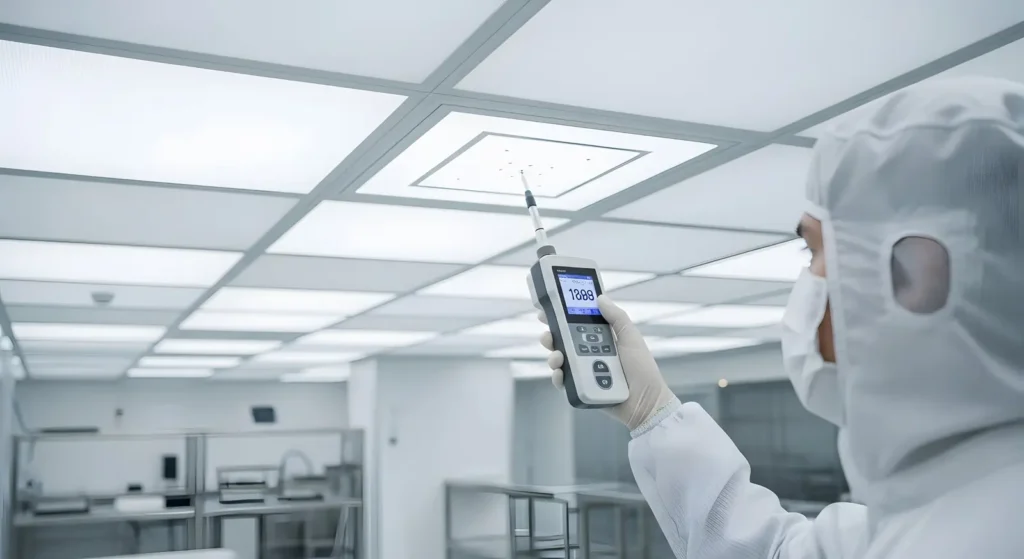
Asbestos Air Quality Testing
Air samples show whether asbestos fibres are present and at what concentration. Required for Type 3 work under O. Reg. 278/05.
Learn more
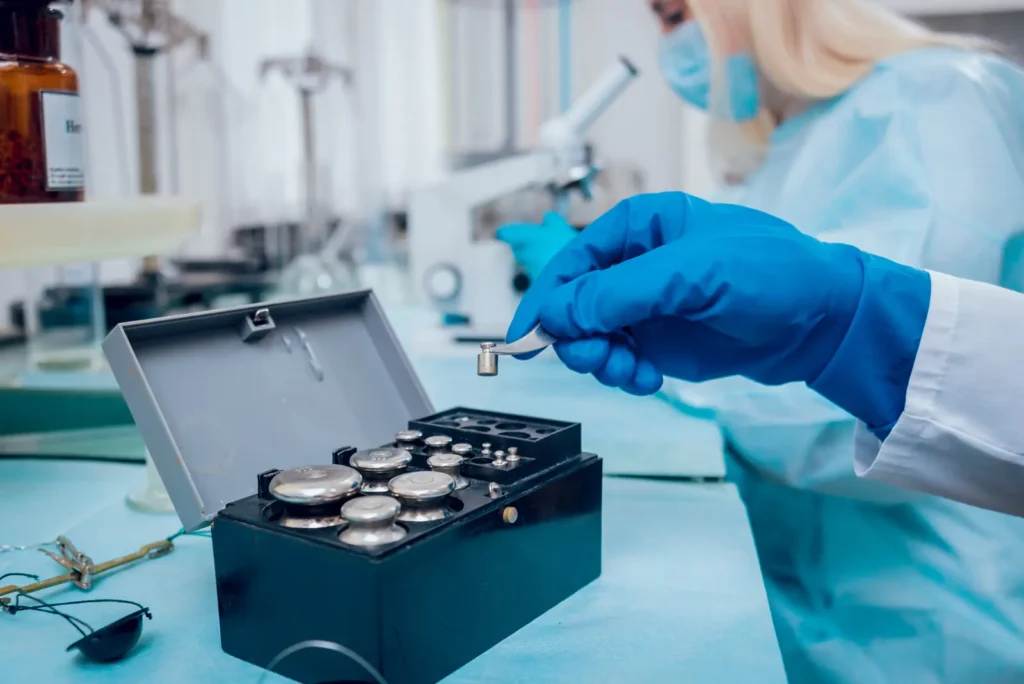
Asbestos Bulk Testing
Samples of drywall compound, insulation, flooring, ceiling tiles, plaster and more, before renovation or demolition.
Learn more

Asbestos Summary Reports
All asbestos findings, both air and bulk, compiled into one easy-to-read document.
Learn more
Mould testing
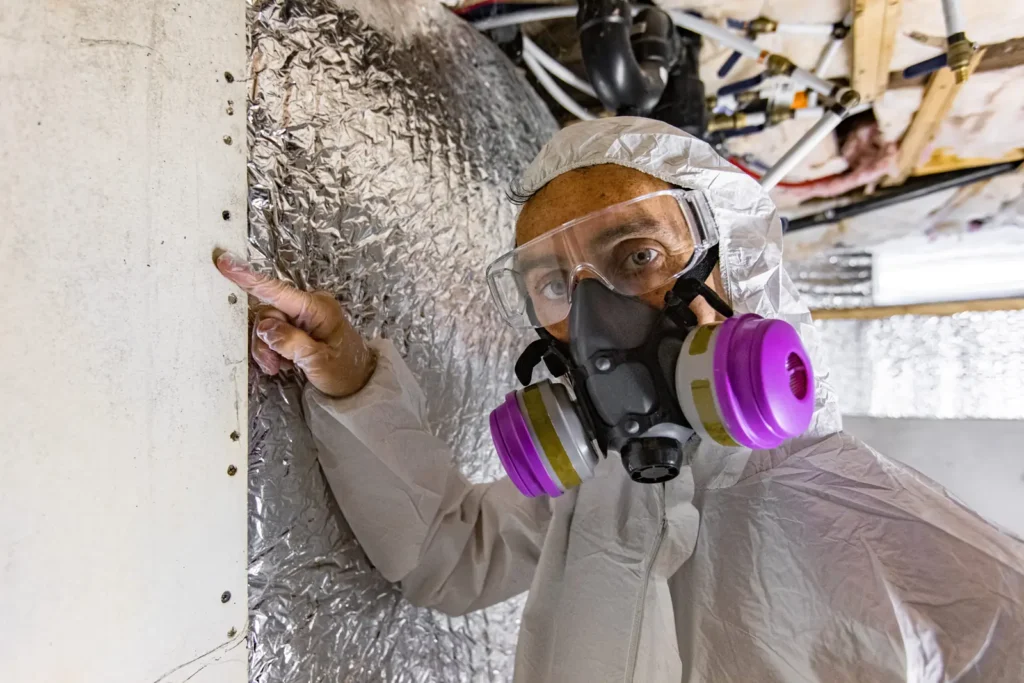
Mould Air Quality Testing
Indoor mould spore readings compared to outdoor baseline levels. A good background if mould is suspected.
Learn more
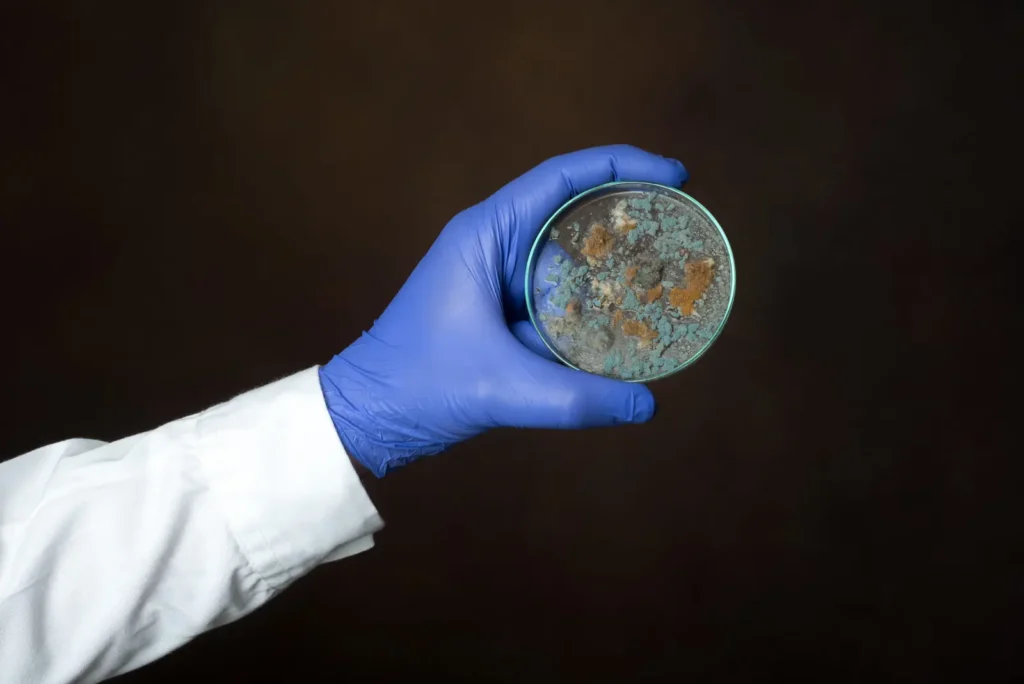
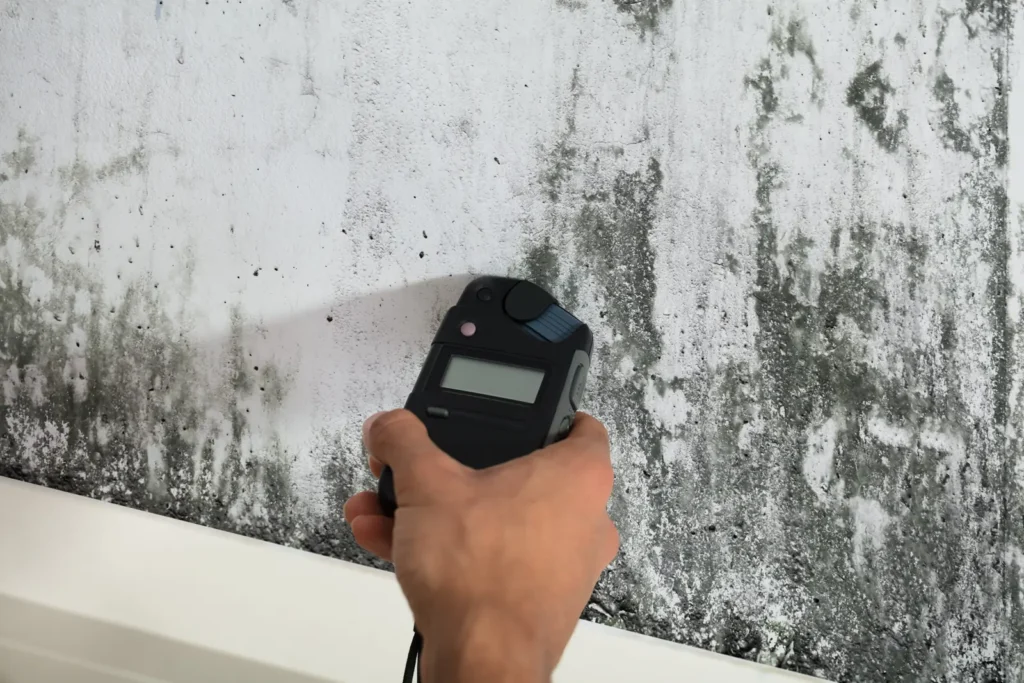
Mould Assessments
Visual inspection, moisture readings, air and/or surface sampling, source identification and recommendations.
Learn more
Surveys, removal and demolition
Designated Substance Survey
In Ontario, a DSS report is required before construction, demolition or renovation work.
Learn more
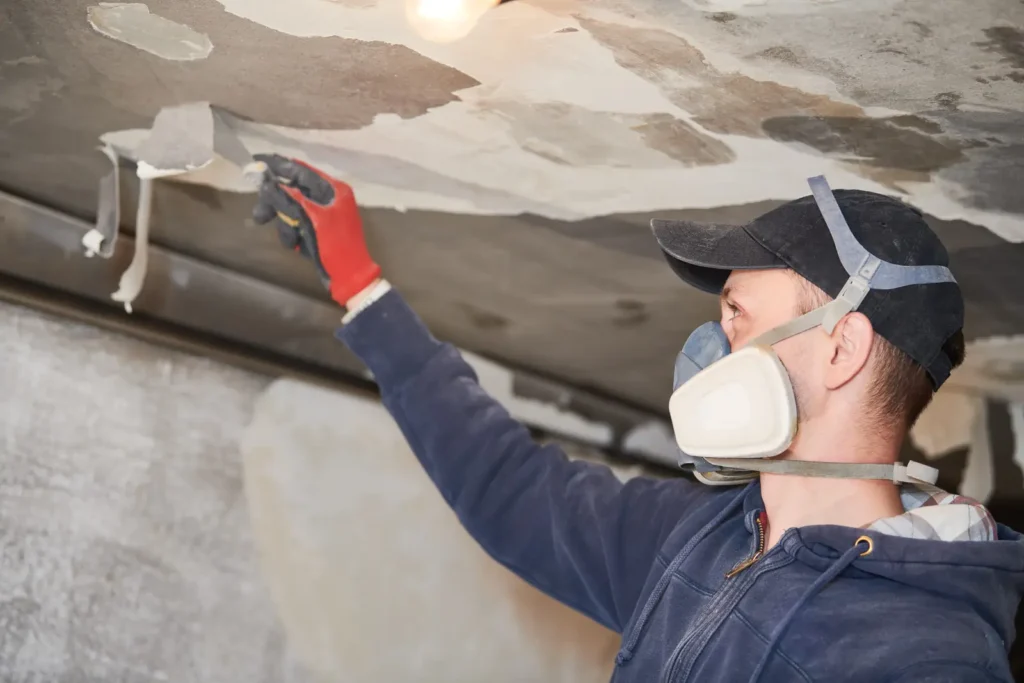
Abatement
Asbestos removal as a Type 1, 2 or 3 procedure: we can help with a contractor referral and estimate.
Learn more
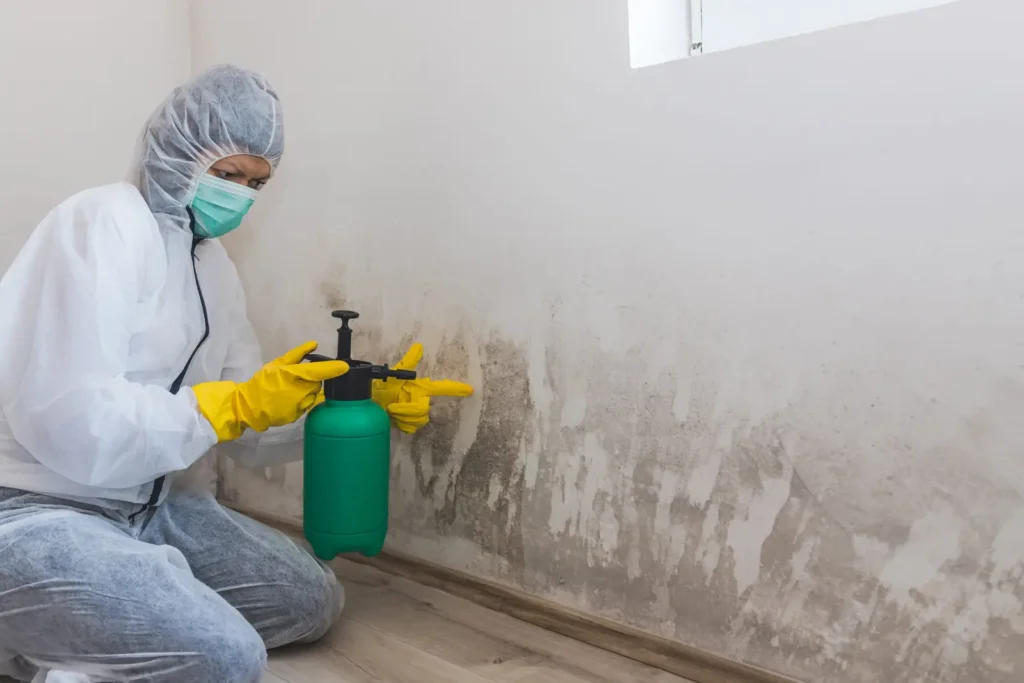
Remediation
Removal of mould-impacted materials as a Level 1, 2 or 3 procedure: contractor referral and estimate.
Learn more
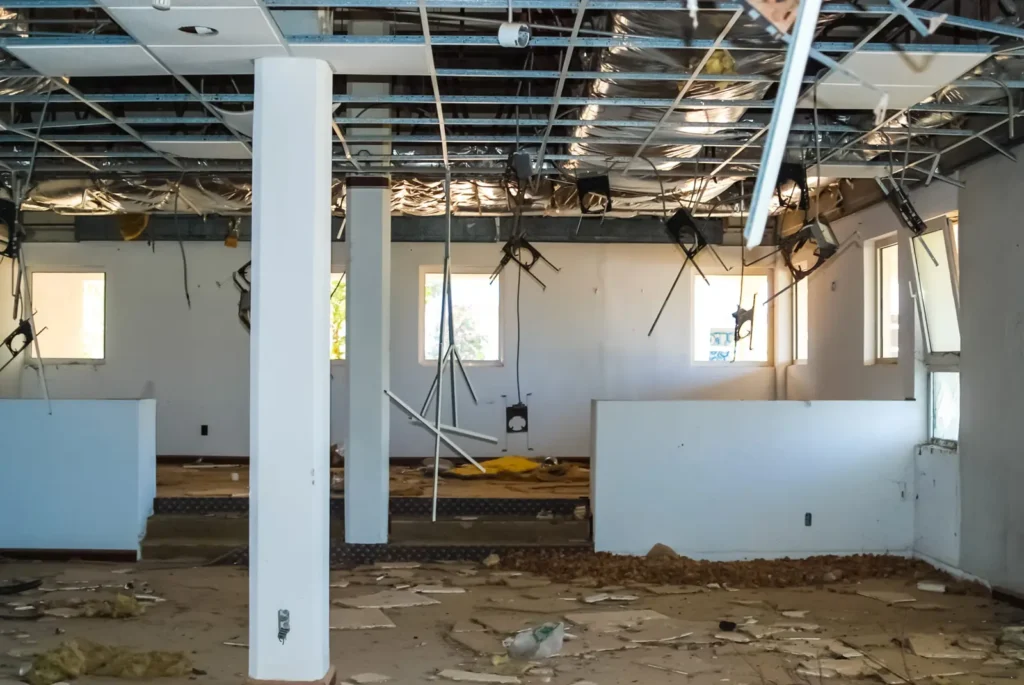
Demolition
Structural or interior demolition: we guide you through the process, with a contractor referral and estimate.
Learn more