
Asbestos & mould testing · Burlington & GTA
Protecting your health and property with expert environmental services.
Based in Burlington, Ontario, EnviroGuard Consulting and Testing is your trusted partner in ensuring a safe, healthy living and working environment. We specialize in professional asbestos and mould testing, providing accurate lab results and expert interpretations to help you make informed decisions for remediation.
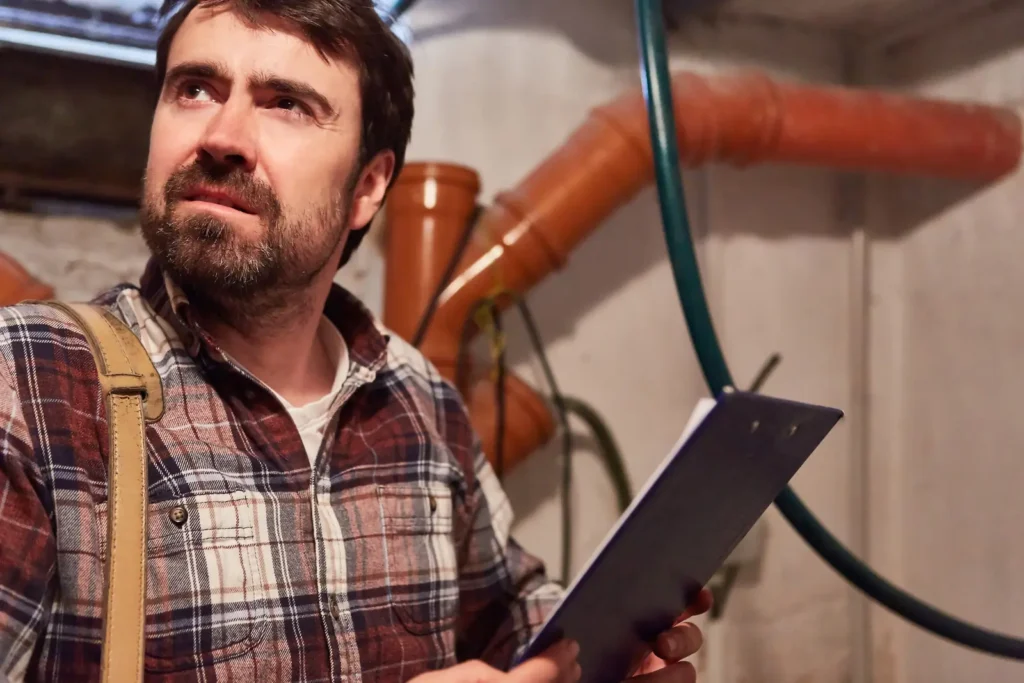
Mould Testing Semi Detached Burlington
Mould testing in semi-detached Burlington homes identifies whether visible or hidden mould growth poses a health risk to your family and determines the scope of remediation needed. If you own a semi-detached property in Burlington, you share walls with neighbours, which creates unique moisture and air circulation challenges that can trap dampness and encourage mould growth in ways detached homes rarely experience.
Semi-detached homes throughout Burlington and the surrounding Halton Region are built densely, often with shared foundation walls, common attic spaces, or adjacent HVAC systems. This proximity means moisture problems in one unit can migrate to another, and condensation that builds up in one home's cavities may never fully escape. Many Burlington homeowners discover mould only after noticing persistent odours, water stains on basement walls, or family members developing respiratory irritation. EnviroGuard Consulting and Testing helps property owners in Burlington understand whether they are dealing with surface mould or a deeper moisture intrusion that demands professional intervention.
1. Semi-Detached Homes in Burlington Face Unique Mould Risk Factors
The architectural design of semi-detached housing creates moisture traps that single-family homes do not face. Shared interior walls, common mechanical systems, and proximity to a neighbour's activities mean that condensation, plumbing leaks, or roof failures in one unit directly affect air quality and structural integrity in the adjoining property. In Burlington's climate, where humidity levels fluctuate seasonally and basements are common, moisture can accumulate in the cavities between exterior and interior walls, invisible until mould colonies establish themselves.
Because semi-detached homes share more surface area with the outside environment and with neighbours, they experience greater temperature differentials across walls and ceilings. This creates condensation zones where warm interior air meets cooler exterior surfaces-exactly the conditions mould needs to thrive. EnviroGuard Consulting and Testing evaluates these risk zones specifically, identifying where moisture is most likely to accumulate in semi-detached layouts and recommending targeted testing to catch mould before it becomes a structural or health concern.
2. Professional Mould Testing Semi Detached Burlington Involves Multiple Assessment Methods
Certified mould inspection combines visual assessment, moisture measurement, and air sampling to give you a complete picture of your home's indoor air quality. A visual inspection identifies obvious signs-water stains, discoloration, or soft spots on drywall-but in semi-detached homes, the problem often hides inside walls or in shared mechanical spaces. That is why air quality testing is critical: it measures spore levels in your home and compares them to outdoor baseline levels to determine whether mould is actively growing indoors.
EnviroGuard Consulting and Testing uses laboratory analysis to identify the type and concentration of mould present. Moisture mapping with specialized equipment locates the source of dampness so remediation targets the actual problem, not just the visible symptoms. For semi-detached properties in Burlington, this thoroughness matters because moisture can travel between units through shared walls or foundation cracks, and addressing only the surface mould leaves the root cause untouched.
3. Timing Matters: When to Schedule Mould Testing in Your Burlington Home
The best time to test for mould in a Burlington semi-detached home is after a water event-a burst pipe, roof leak, or basement flooding-or when occupants report new respiratory symptoms, musty odours, or visible discoloration. However, preventive testing also makes sense if your home is older, has a history of dampness, or if you are buying a semi-detached property and want baseline air quality data before closing.
Seasonal humidity swings in the Greater Toronto Area mean mould risk peaks in spring when snow melts and autumn when condensation builds as temperatures drop. If you notice any sign of moisture trouble during these seasons, EnviroGuard Consulting and Testing can schedule testing promptly so laboratory results arrive while the problem is active and visible. Early detection in semi-detached homes also protects your neighbour's property and maintains good relations-a neighbour's mould problem can legally become yours if moisture is migrating through a shared wall.
4. Results from Mould Testing Inform Your Remediation Strategy
A mould testing report tells you three essential things: whether mould is present, what type it is, and whether levels are elevated compared to outdoor air. Some mould species pose greater health risks than others, and some indicate specific moisture sources. A report showing high levels of outdoor-type spores suggests ventilation or air leakage issues, while indoor-type species point to active moisture problems inside the home structure itself.
In semi-detached homes throughout Burlington, understanding your test results is especially important because remediation decisions affect shared spaces. If mould is found in a common wall cavity or shared attic section, you may need to coordinate with your neighbour or notify your property manager and insurance company. EnviroGuard Consulting and Testing provides expert interpretation of laboratory findings and actionable recommendations-not just raw data-so you understand what the results mean and what professional remediation steps are necessary.
5. indoor air quality assessment Extends Beyond Visual Mould
Even if no visible mould exists, indoor air quality testing can reveal mould spores, elevated humidity, or poor ventilation in your semi-detached Burlington home. This matters for families with asthma, allergies, or immunocompromised members, as well as for real estate transactions where buyers want assurance of safe air quality. Air tests provide objective data that health concerns are or are not connected to your home environment.
Semi-detached homes often have less ventilation flexibility than detached houses because exterior walls are limited and mechanical systems may be compact. An air quality assessment identifies whether your home's ventilation is adequate, whether humidity is being controlled, and whether any mould or other indoor contaminants are present. This comprehensive view helps you decide whether to improve ventilation, install a dehumidifier, or proceed with mould remediation-and it gives you evidence if you need to file an insurance claim or address a property condition before sale.
6. Laboratory Analysis Confirms Mould Identity and Concentration
Samples collected during a mould inspection are analysed in an accredited laboratory to identify the exact species present and measure spore concentrations in colony-forming units per cubic metre (CFU/m3). This scientific data is essential for understanding health risk and determining whether remediation has been successful. Some mould species, such as Stachybotrys, are of greater concern to health authorities than common species like Aspergillus or Penicillium.
In a semi-detached home, laboratory results also serve as legal documentation if mould was present when you purchased the property or if a neighbour's mould is migrating to your unit. EnviroGuard Consulting and Testing delivers certified laboratory reports that are admissible for insurance claims, real estate disputes, or remediation verification. These reports protect you by creating an objective record of what was found, when, and at what concentration-invaluable if questions arise later about the condition of your home.
7. Asbestos and Mould Testing Often Go Hand-in-Hand for Older Burlington Properties
Many semi-detached homes in Burlington were built between the 1960s and 1980s, when both asbestos-containing materials and moisture-prone construction methods were common. If your home is being tested for mould due to water damage or renovation, it makes sense to test for asbestos at the same time. Old insulation, floor tiles, pipe wrapping, and joint compound may all contain asbestos, and water damage or renovation can disturb these materials and release fibres.
EnviroGuard Consulting and Testing offers both mould and asbestos identification so you get a complete environmental health picture. Testing for both simultaneously is more cost-effective than scheduling separate visits and gives you confidence that your semi-detached home in Burlington is safe from multiple indoor air hazards. If remediation is needed, you can plan accordingly and ensure contractors are equipped to handle both concerns safely.
If you are concerned about mould, air quality, or asbestos in your semi-detached Burlington home, EnviroGuard Consulting and Testing is ready to help. Reach out to discuss your specific situation and arrange a certified inspection tailored to your property's layout and history.
Frequently Asked Questions
How much does mould testing cost in Burlington?
Mould testing costs depend on the scope of inspection, number of samples needed, and whether air quality assessment is included. EnviroGuard Consulting and Testing will provide a transparent estimate based on your home's size, condition, and specific concerns. Contact them directly for a quote tailored to your semi-detached property.
Is there a certified mould inspector available in Burlington?
Yes. EnviroGuard Consulting and Testing is a certified environmental services provider serving Burlington and the Greater Toronto Area. Founder and operator Henry Kwasniak is a certified inspector who specializes in residential mould testing, inspection, and air quality assessment.
How long does it take to get mould testing results?
After samples are collected, laboratory analysis typically takes 5 to 10 business days. EnviroGuard Consulting and Testing will provide you with a timeline when scheduling your inspection. Results include identification of mould type, spore concentration, and expert interpretation of what the findings mean for your home.
Can mould in my neighbour's semi-detached unit affect my home?
Yes. Shared interior walls, common foundation areas, and adjacent mechanical systems in semi-detached homes allow moisture and mould spores to migrate between units. If you notice signs of mould or your neighbour reports a moisture problem, air quality testing can reveal whether mould is present in your space and whether it originates from the adjoining property.
What should I do if mould testing shows elevated spore levels?
Elevated spore levels indicate active mould growth or a moisture problem requiring remediation. EnviroGuard Consulting and Testing provides actionable recommendations in their report. The next step is typically to identify and fix the moisture source, then engage a certified remediation contractor. Your testing results guide the scope and priority of remediation work.
Do I need both mould and asbestos testing for my older Burlington semi-detached home?
If your home was built before the 1990s and you are undertaking renovations or investigating water damage, testing for both is prudent. Asbestos-containing materials and moisture-prone construction methods were common in older semi-detached homes. A single certified inspection can assess both hazards, giving you complete peace of mind about indoor environmental quality.
Why EnviroGuard
Experience, integrity and regulatory conformity
Regulations
- O. Reg. 278/05 Asbestos on construction projects and in buildings and repair operationsOccupational Health and Safety Act
- O. Reg. 490/09 Designated substancesOccupational Health and Safety Act
- O. Reg. 347/90 General waste management, including asbestos wasteEnvironmental Protection Act
Under the Occupational Health and Safety Act (OHSA), the ministry is responsible for regulating occupational health and safety in workplaces, which includes schools, hospitals, and any place where people work.
Experience
With over 30 years of experience in solid waste management across Ontario and 20 years in environmental science, EnviroGuard Consulting and Testing provides expert asbestos, mould, and environmental testing services.
Hands-on knowledge of hazardous material assessment and indoor air quality ensures every project is handled safely, efficiently, and in full compliance with Ontario’s environmental and occupational health regulations.
Integrity
Built on high integrity and regulatory conformity, EnviroGuard delivers precise testing, reliable reporting, and practical abatement and remediation recommendations.
Clients can trust EnviroGuard to protect their buildings, occupants, and projects while maintaining the highest standards of safety and compliance.
Our services
Environmental testing and consulting
At EnviroGuard, we offer a comprehensive range of environmental testing and consulting services for homes and businesses.
Asbestos testing
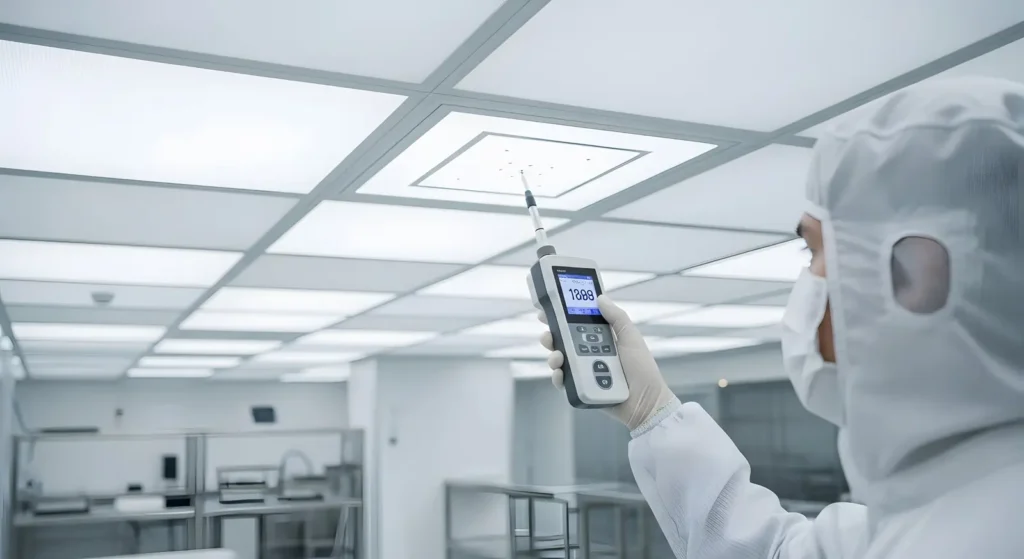
Asbestos Air Quality Testing
Air samples show whether asbestos fibres are present and at what concentration. Required for Type 3 work under O. Reg. 278/05.
Learn more

Asbestos Bulk Testing
Samples of drywall compound, insulation, flooring, ceiling tiles, plaster and more, before renovation or demolition.
Learn more

Asbestos Summary Reports
All asbestos findings, both air and bulk, compiled into one easy-to-read document.
Learn more
Mould testing
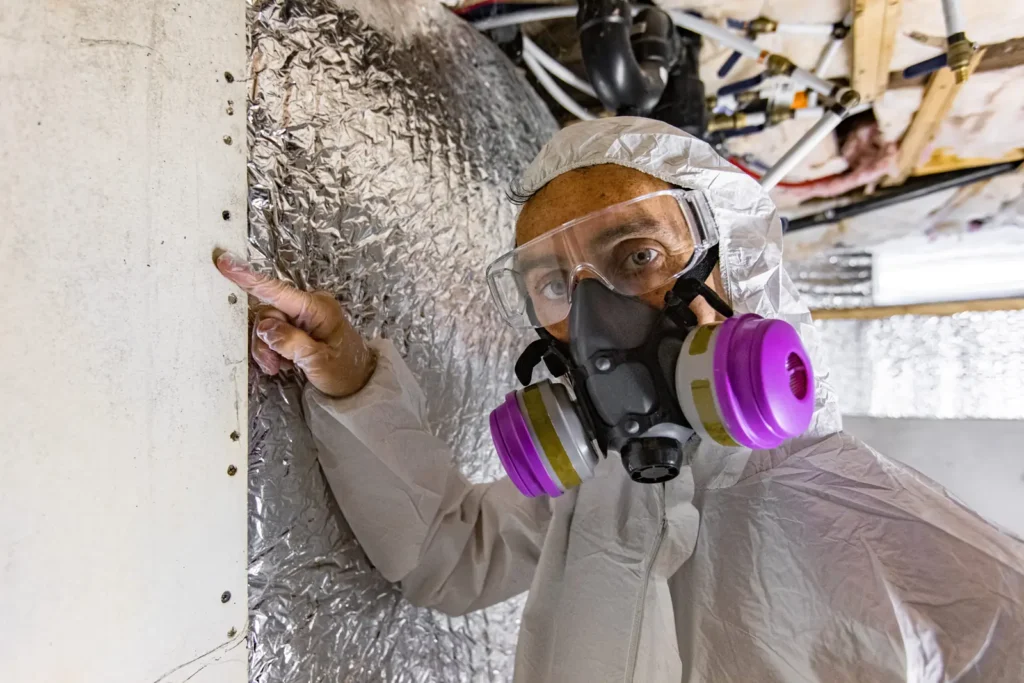
Mould Air Quality Testing
Indoor mould spore readings compared to outdoor baseline levels. A good background if mould is suspected.
Learn more
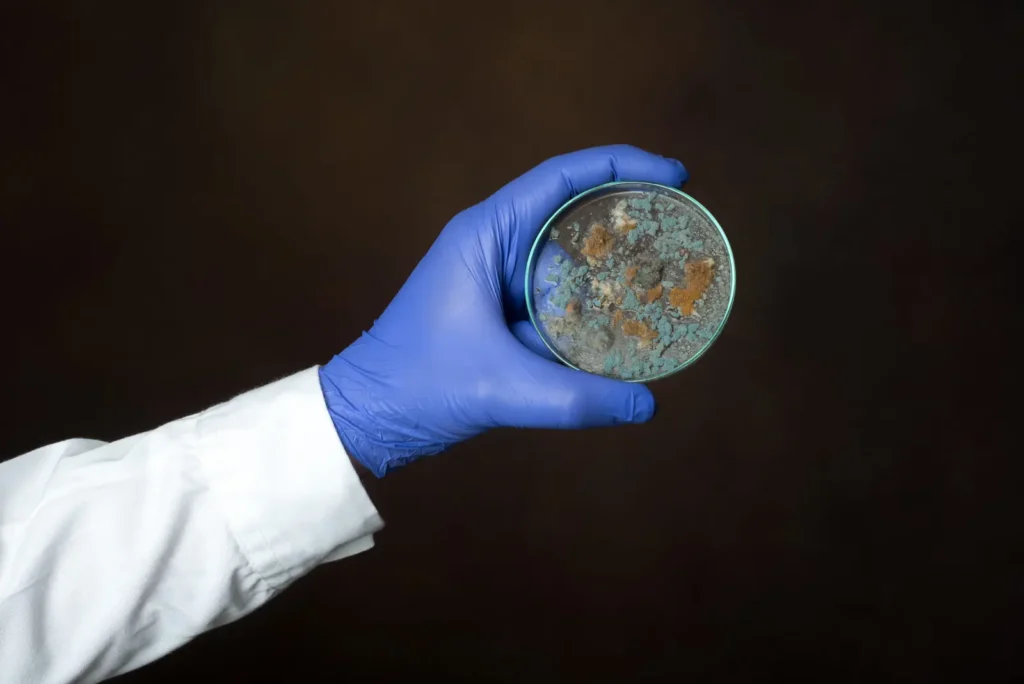
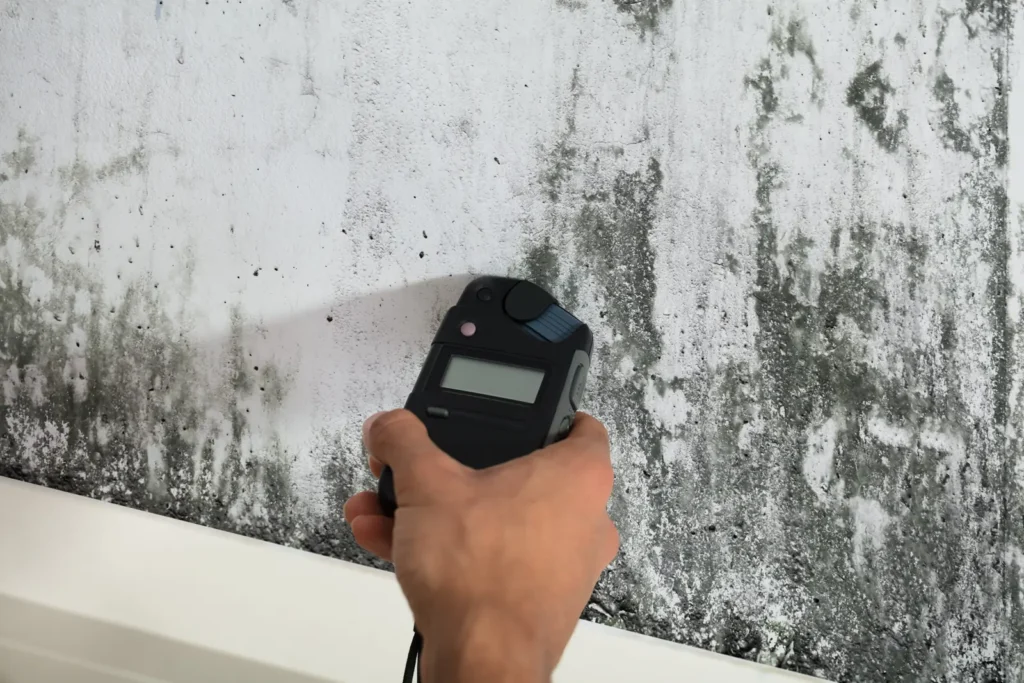
Mould Assessments
Visual inspection, moisture readings, air and/or surface sampling, source identification and recommendations.
Learn more
Surveys, removal and demolition
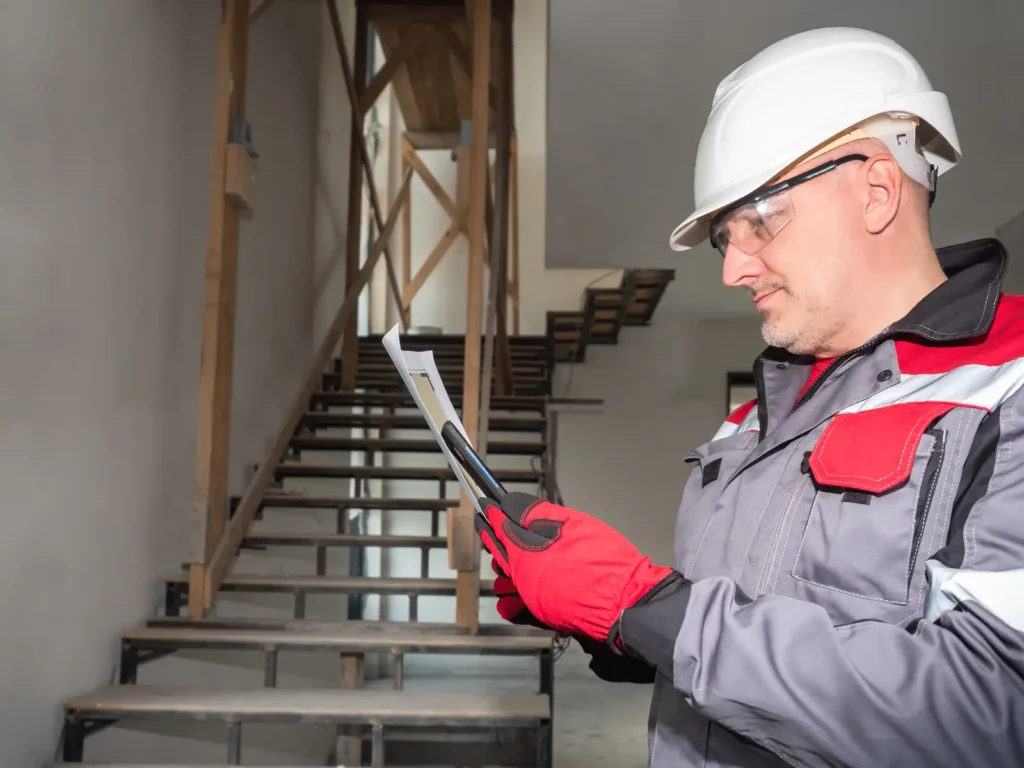
Designated Substance Survey
In Ontario, a DSS report is required before construction, demolition or renovation work.
Learn more
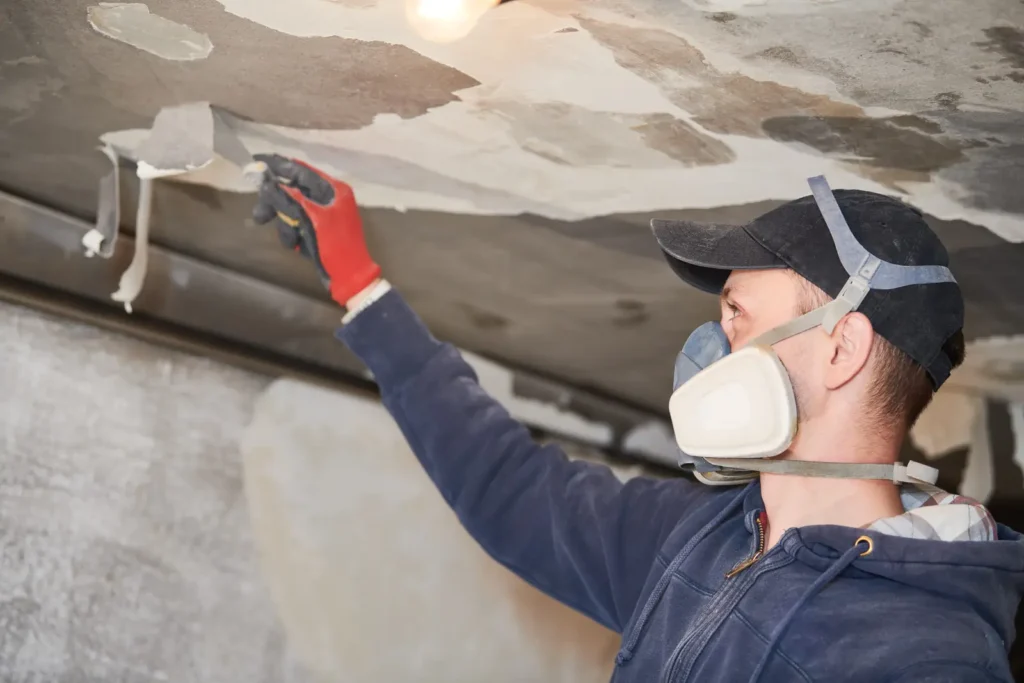
Abatement
Asbestos removal as a Type 1, 2 or 3 procedure: we can help with a contractor referral and estimate.
Learn more
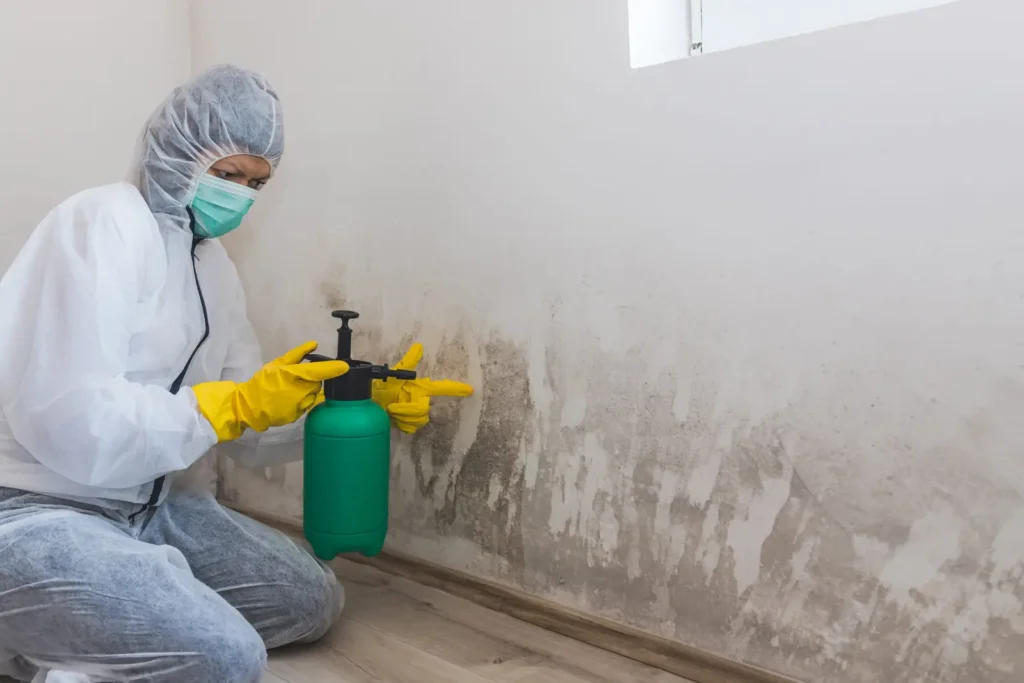
Remediation
Removal of mould-impacted materials as a Level 1, 2 or 3 procedure: contractor referral and estimate.
Learn more
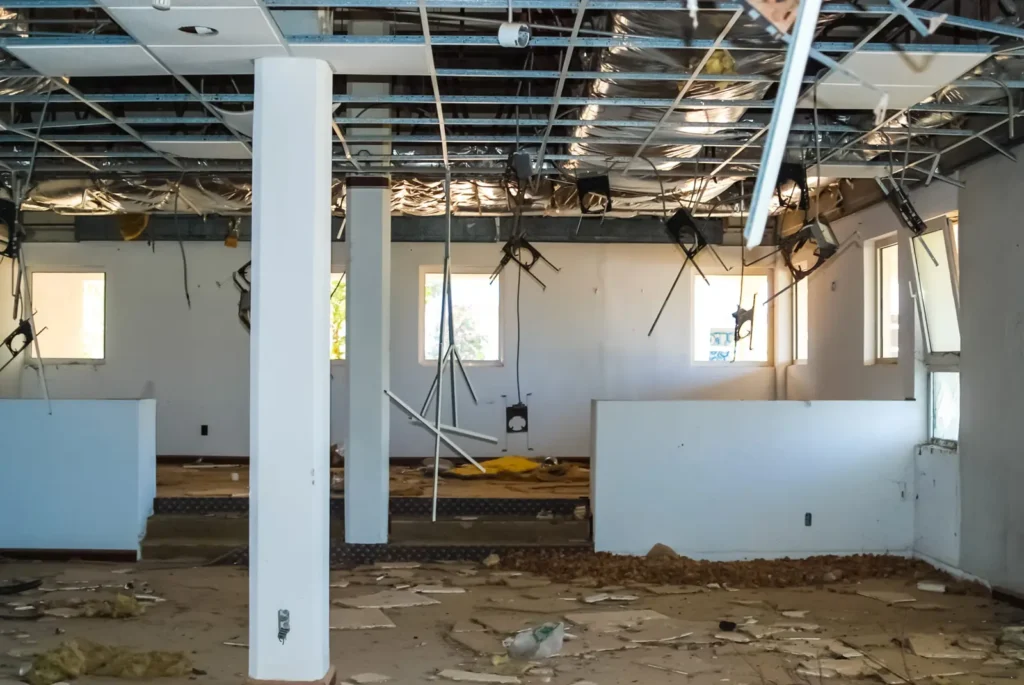
Demolition
Structural or interior demolition: we guide you through the process, with a contractor referral and estimate.
Learn more