
Asbestos & mould testing · Burlington & GTA
Protecting your health and property with expert environmental services.
Based in Burlington, Ontario, EnviroGuard Consulting and Testing is your trusted partner in ensuring a safe, healthy living and working environment. We specialize in professional asbestos and mould testing, providing accurate lab results and expert interpretations to help you make informed decisions for remediation.
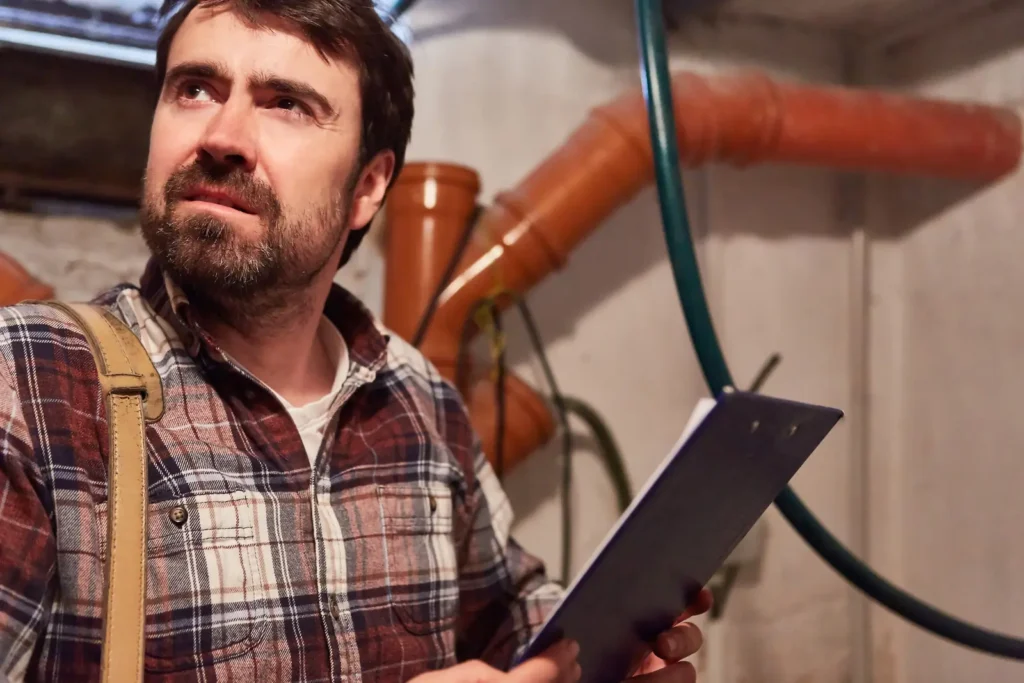
Mould Verification Testing Burlington
Mould verification testing in Burlington is the process of collecting air and surface samples from a property, analyzing them in an accredited laboratory, and providing certified documentation of mould species, spore counts, and location-specific findings.
EnviroGuard Consulting and Testing delivers this service to homeowners, property managers, and commercial operators across Burlington and the Greater Toronto Area. Whether you are buying a home, responding to visible growth, managing a rental property, or addressing tenant health complaints, verification testing establishes a factual baseline and informs your next steps with confidence.
Burlington residents face particular moisture challenges. The proximity to Lake Ontario, seasonal humidity swings, and aging residential stock with older HVAC systems create conditions where mould colonization occurs silently within walls and crawlspaces. A single visual inspection cannot tell you whether active growth poses a genuine indoor air quality risk or whether remediation has been successful. That is where verification testing becomes essential.
Why Mould Verification Testing Burlington Requires Laboratory Analysis
Visual inspection alone cannot determine whether mould is present in concentrations that affect occupant health or whether remediation was effective. Species identification requires microscopy and culturing. Air sampling quantifies spore levels. Surface sampling pinpoints active growth zones.
EnviroGuard Consulting and Testing collects samples according to standardized protocols-typically involving air sampling pumps calibrated to known flow rates, sterile swabs for surface material, and chain-of-custody documentation. Samples are sent to an accredited laboratory for analysis. Results return with species identification, spore counts expressed in colony-forming units per cubic metre (CFU/m³), and expert interpretation specific to your property's configuration and usage.
The laboratory report becomes your reference point. It answers whether levels are consistent with outdoor ambient air (suggesting no active indoor problem), elevated but below health guideline thresholds, or at levels requiring immediate remediation. Because interpretation varies by space type-a basement tolerance differs from a bedroom-EnviroGuard's certified inspector translates the numbers into actionable context for your situation.
Verification Testing Approaches: Proactive, Reactive, and Post-Remediation
Three distinct testing scenarios serve different property owner needs:
| Testing Context | Trigger | Primary Goal | Sample Type |
|---|---|---|---|
| Proactive due diligence | Pre-purchase inspection, routine property audit | Establish baseline; detect hidden growth before occupancy | Air sampling plus targeted surface samples in high-risk zones |
| Reactive investigation | Visible growth, odour, occupant respiratory symptoms, water damage history | Confirm presence, identify species, assess remediation scope | Surface swabs from visible material; air sampling in affected and control rooms |
| Post-remediation clearance | After professional remediation work completed | Verify that remediation met standards and growth does not recur | Air and surface samples from treated areas using same methodology as baseline |
Each approach uses the same laboratory methods but frames the interpretation differently. Proactive testing in Burlington often uncovers issues in basements or crawlspaces where moisture accumulates silently. Reactive testing clarifies whether visible discolouration is active mould or benign staining. Post-remediation testing confirms contractor work met industry standards before occupancy resumes.
Comparing Air Sampling Versus Surface Sampling
Air and surface sampling answer different questions and are often used together.
Air sampling draws a known volume of air through a collector over a set time period. The pump operates at a standardized flow rate, typically drawing between 100 and 300 litres per minute for 5 to 10 minutes. This captures spores and particles suspended in the breathing zone. Results are reported as colony-forming units per cubic metre. Air sampling is essential for assessing inhaled exposure risk and is the primary method for post-remediation verification.
Surface sampling involves sterile swabs applied to visible material or bulk samples of suspect material (drywall, insulation, wood). Surface samples identify the species present and detect viable growth on materials even when spore concentrations in air remain low. A surface with active growth may not generate high airborne spore counts if the colony is dense and not actively releasing spores into air.
EnviroGuard's certified inspector determines the most appropriate combination based on your property's conditions. A Burlington home with basement dampness but no visible growth typically receives air sampling in the basement and living areas to detect hidden reservoirs. A property with visible black discolouration receives surface swabs to confirm species before remediation quotes are obtained.
What Mould Test Results Mean for Your Burlington Property
Laboratory results arrive with species names, spore counts, and reference values. Understanding how to read them prevents both unnecessary alarm and missed problems.
A typical air sample result might show Aspergillus fumigatus at 250 CFU/m³. Health Canada and most provincial guidelines recognize outdoor ambient levels of 500-1,000 CFU/m³ as normal. Indoor levels substantially lower than outdoors suggest no active indoor growth. Levels matching or exceeding outdoor air indicate either a source indoors or contamination from outside. Levels significantly elevated above outdoor air (especially in winter when outdoor spore counts are low) signal active indoor colonization requiring remediation.
Species matters. Aspergillus fumigatus and Stachybotrys chartarum carry greater health significance for vulnerable populations than ubiquitous species like Penicillium. Surface samples showing viable growth of Stachybotrys justify immediate remediation even if air counts remain moderate.
EnviroGuard Consulting and Testing provides written interpretation with each report. The certified inspector contextualizes results against your property type, occupant demographics (children, elderly, immunocompromised individuals), and remediation budget. A result that triggers urgent action in a daycare carries different weight in an unoccupied storage space.
If you are a Burlington property owner noticing signs of mould-musty odours, discoloured patches, humidity that persists despite ventilation-or if you are purchasing a home and want independent verification before closing, EnviroGuard Consulting and Testing is ready to conduct a thorough inspection and testing program tailored to your property and concerns. Contact them to discuss your situation and arrange a site visit.
Frequently Asked Questions
How long does mould testing take in Burlington?
On-site sampling typically takes 1 to 2 hours depending on property size and number of samples required. Laboratory analysis takes 5 to 10 business days. You receive a full report with findings and interpretation within approximately two weeks of sample collection.
What should I do if mould verification testing finds elevated spore levels?
EnviroGuard Consulting and Testing provides remediation recommendations specific to your findings. Minor issues may require improved ventilation or moisture control. Active growth typically requires professional remediation by a certified contractor. A follow-up post-remediation test confirms that work was effective.
Is mould testing necessary when buying a home in Burlington?
For homes in older neighbourhoods or those with known water damage history, testing provides confidence before purchase. Because mould can colonize hidden spaces like wall cavities and crawlspaces, testing detects problems that visual inspection alone may miss, protecting your investment.
How much does mould testing cost in Burlington?
Pricing depends on property size, number of rooms sampled, and sample types required. EnviroGuard Consulting and Testing provides a detailed quote after an initial phone consultation. Contact them directly to discuss your property and receive an estimate.
What is the difference between mould inspection and mould verification testing?
Inspection is a visual and sensory assessment-identifying discolouration, odours, and moisture sources. Verification testing collects physical samples for laboratory analysis, confirming mould species and spore concentrations. Many situations require both to establish facts and guide remediation.
Can I test for mould myself, or do I need a certified professional?
DIY air quality test kits exist but lack standardization and laboratory accreditation. Results are often unreliable. Certified professionals like EnviroGuard use calibrated equipment, follow protocol standards, and provide reports backed by accredited laboratory analysis-giving you results you can trust and present to contractors or insurers.
Why EnviroGuard
Experience, integrity and regulatory conformity
Regulations
- O. Reg. 278/05 Asbestos on construction projects and in buildings and repair operationsOccupational Health and Safety Act
- O. Reg. 490/09 Designated substancesOccupational Health and Safety Act
- O. Reg. 347/90 General waste management, including asbestos wasteEnvironmental Protection Act
Under the Occupational Health and Safety Act (OHSA), the ministry is responsible for regulating occupational health and safety in workplaces, which includes schools, hospitals, and any place where people work.
Experience
With over 30 years of experience in solid waste management across Ontario and 20 years in environmental science, EnviroGuard Consulting and Testing provides expert asbestos, mould, and environmental testing services.
Hands-on knowledge of hazardous material assessment and indoor air quality ensures every project is handled safely, efficiently, and in full compliance with Ontario’s environmental and occupational health regulations.
Integrity
Built on high integrity and regulatory conformity, EnviroGuard delivers precise testing, reliable reporting, and practical abatement and remediation recommendations.
Clients can trust EnviroGuard to protect their buildings, occupants, and projects while maintaining the highest standards of safety and compliance.
Our services
Environmental testing and consulting
At EnviroGuard, we offer a comprehensive range of environmental testing and consulting services for homes and businesses.
Asbestos testing
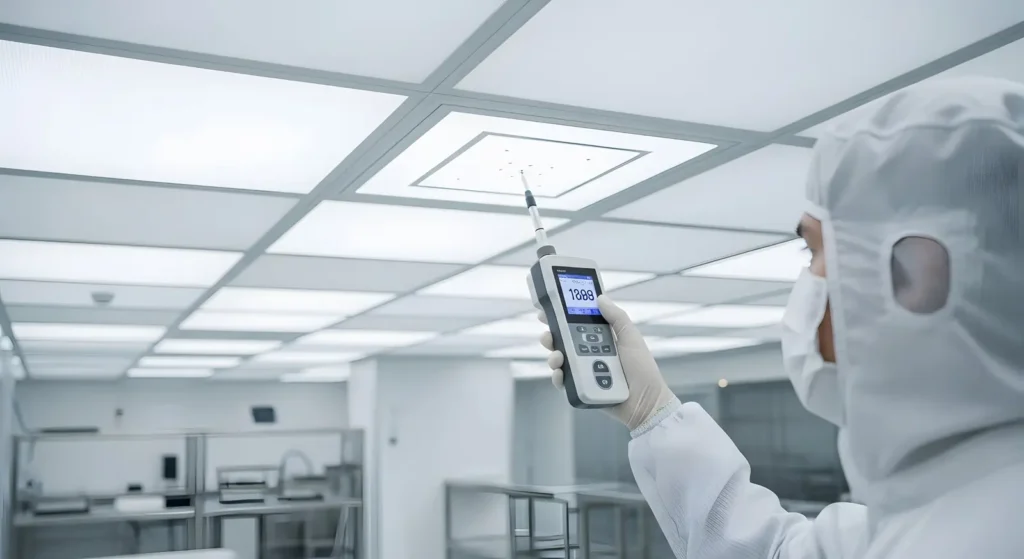
Asbestos Air Quality Testing
Air samples show whether asbestos fibres are present and at what concentration. Required for Type 3 work under O. Reg. 278/05.
Learn more

Asbestos Bulk Testing
Samples of drywall compound, insulation, flooring, ceiling tiles, plaster and more, before renovation or demolition.
Learn more

Asbestos Summary Reports
All asbestos findings, both air and bulk, compiled into one easy-to-read document.
Learn more
Mould testing
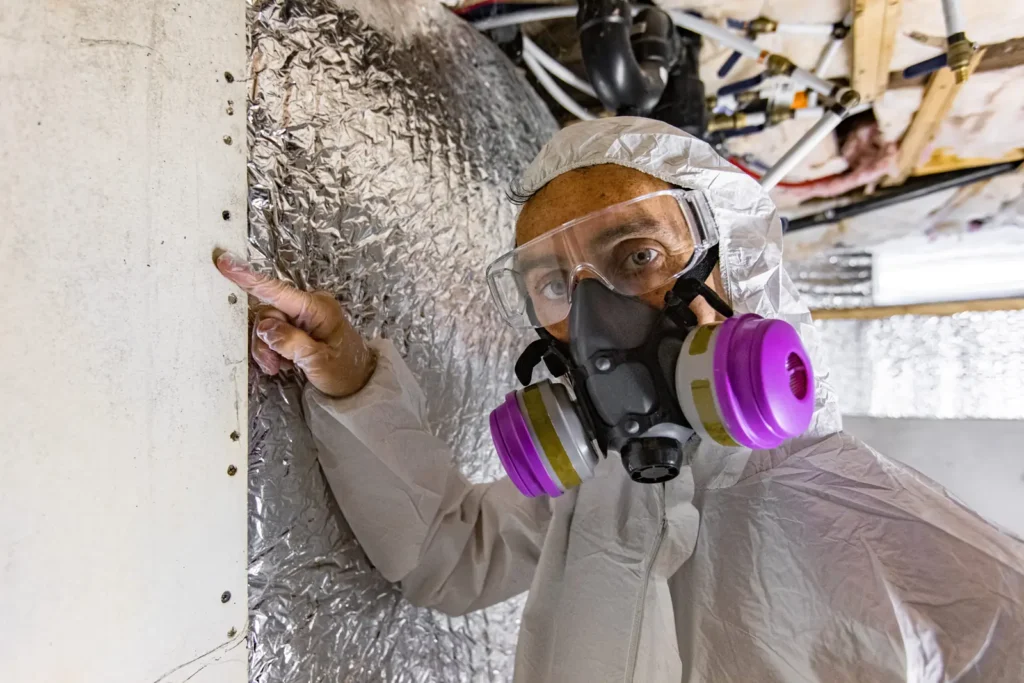
Mould Air Quality Testing
Indoor mould spore readings compared to outdoor baseline levels. A good background if mould is suspected.
Learn more
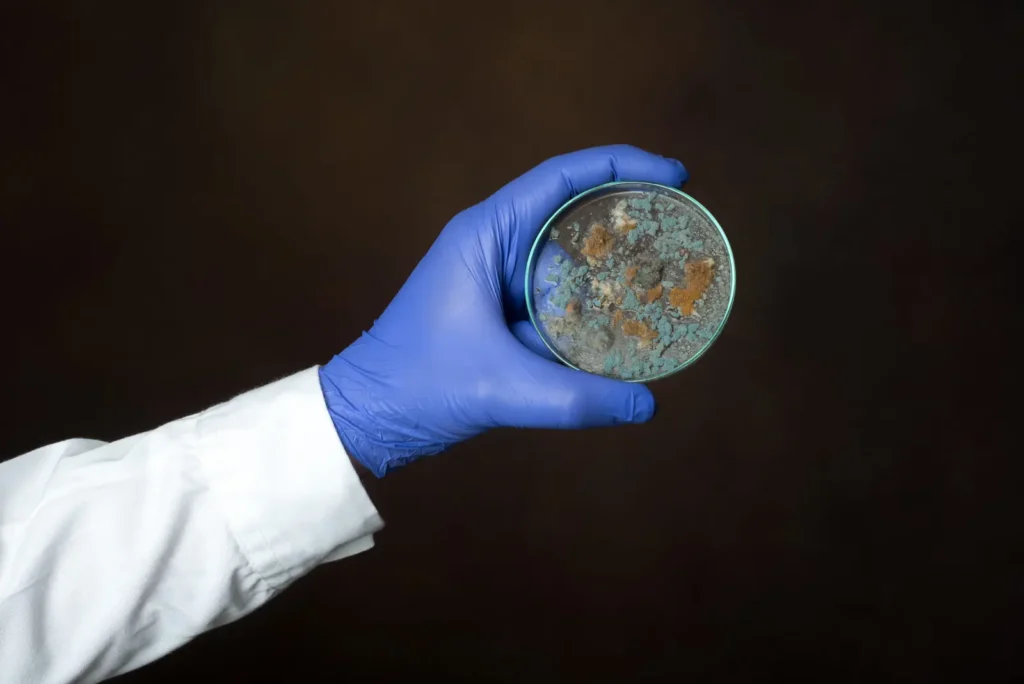
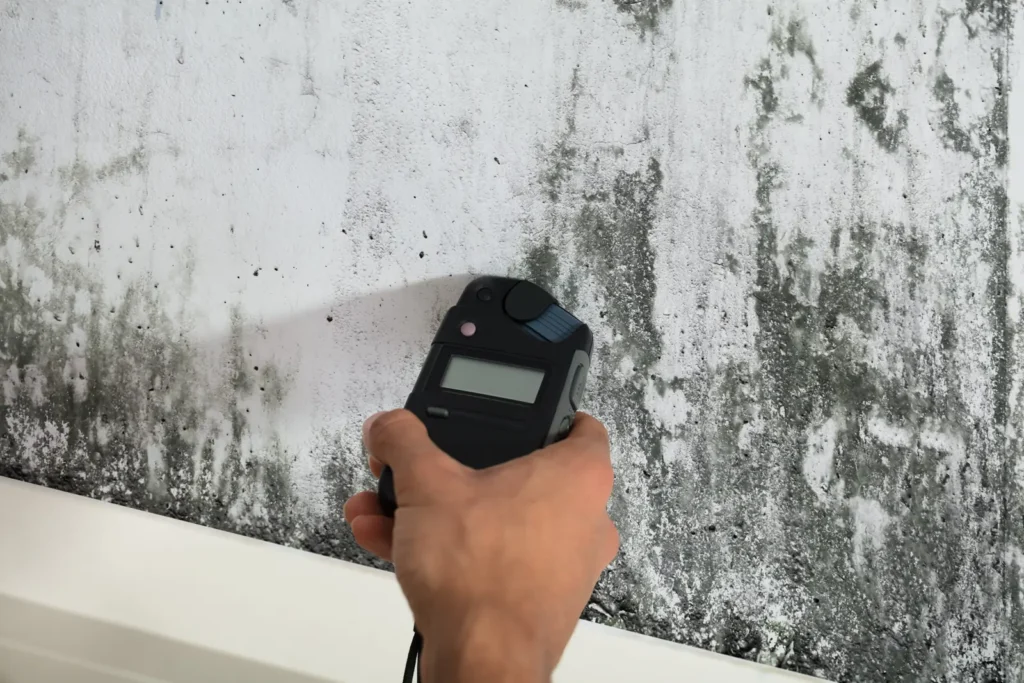
Mould Assessments
Visual inspection, moisture readings, air and/or surface sampling, source identification and recommendations.
Learn more
Surveys, removal and demolition
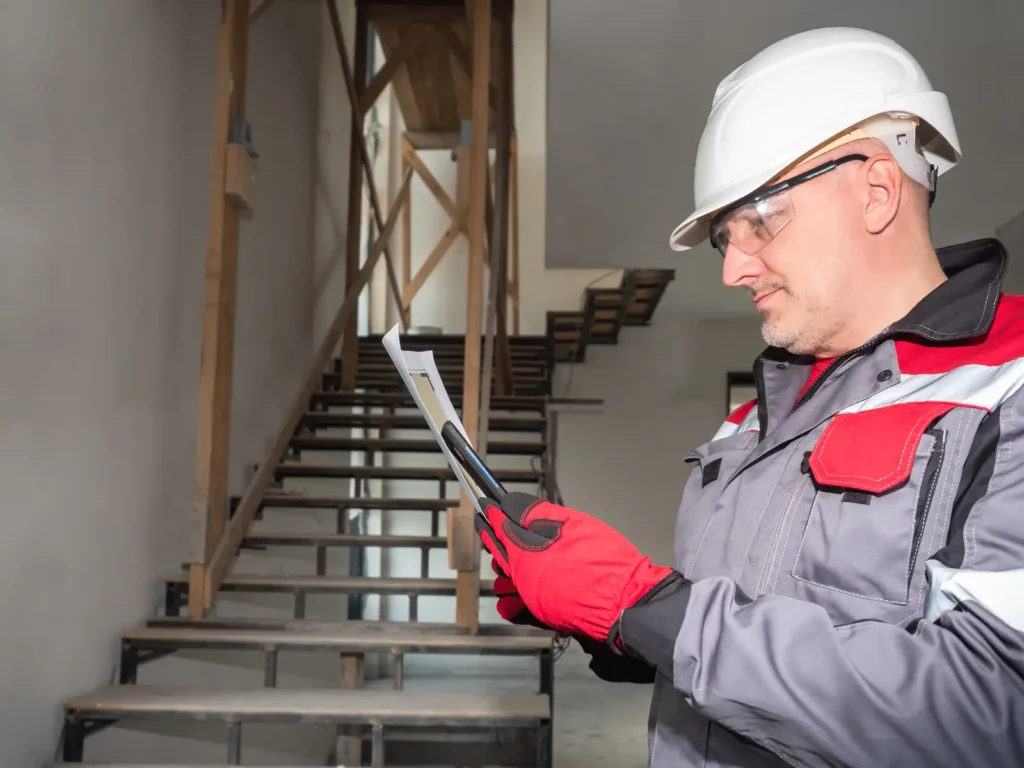
Designated Substance Survey
In Ontario, a DSS report is required before construction, demolition or renovation work.
Learn more
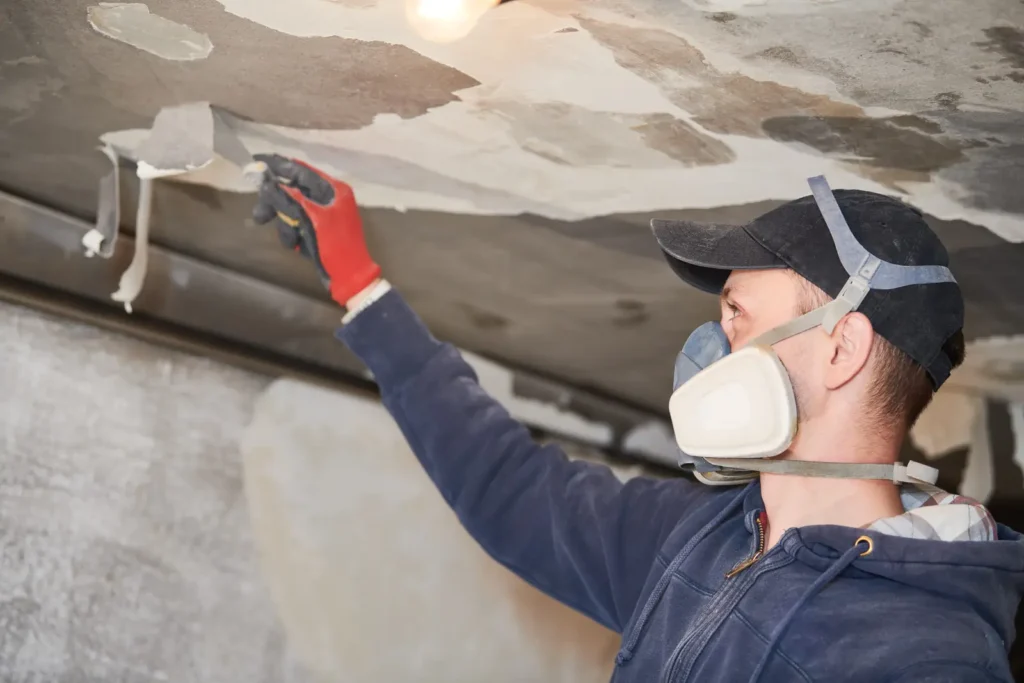
Abatement
Asbestos removal as a Type 1, 2 or 3 procedure: we can help with a contractor referral and estimate.
Learn more
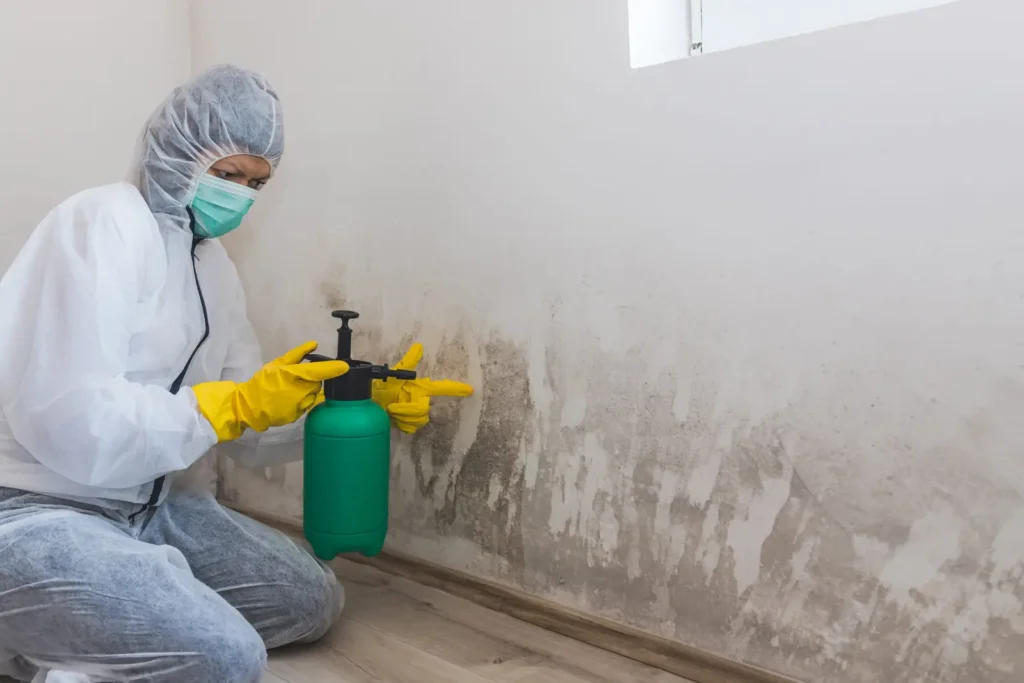
Remediation
Removal of mould-impacted materials as a Level 1, 2 or 3 procedure: contractor referral and estimate.
Learn more
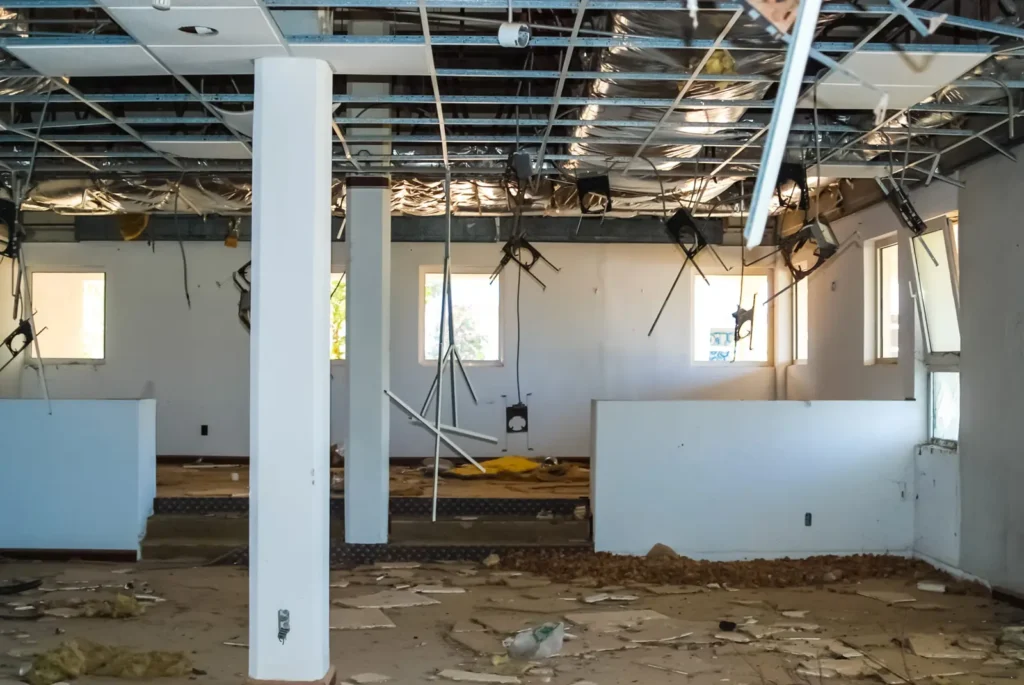
Demolition
Structural or interior demolition: we guide you through the process, with a contractor referral and estimate.
Learn more