
Asbestos & mould testing · Burlington & GTA
Protecting your health and property with expert environmental services.
Based in Burlington, Ontario, EnviroGuard Consulting and Testing is your trusted partner in ensuring a safe, healthy living and working environment. We specialize in professional asbestos and mould testing, providing accurate lab results and expert interpretations to help you make informed decisions for remediation.
Odour Investigation Burlington
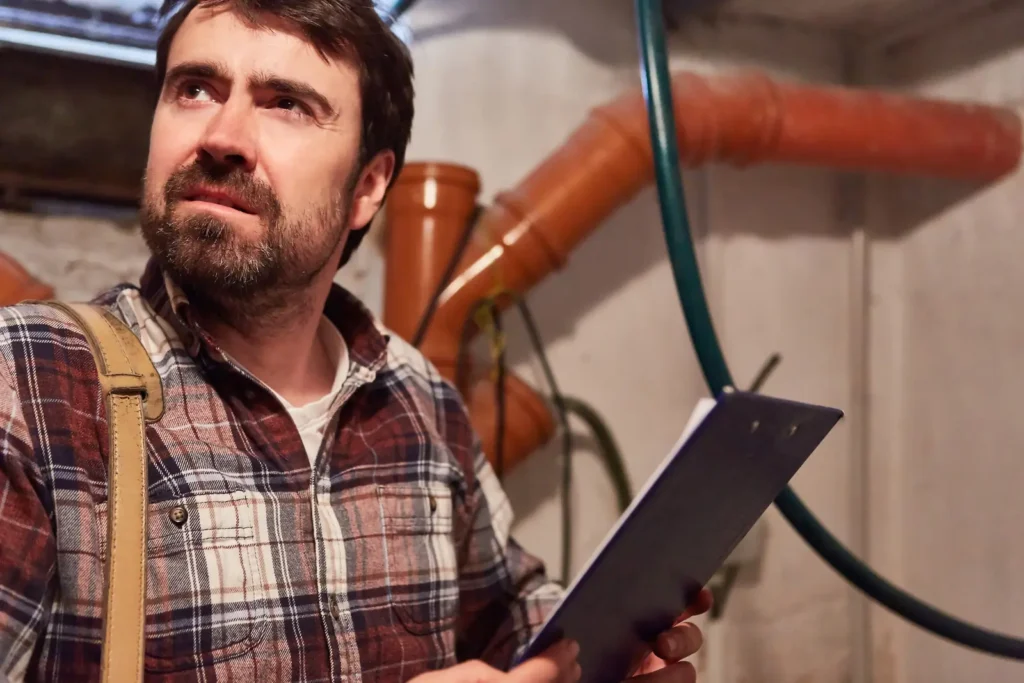
Odour investigation in Burlington identifies hidden sources of persistent indoor smells that affect comfort, health, and property value. EnviroGuard Consulting and Testing provides certified environmental investigation and air quality assessment to pinpoint odour sources and recommend remediation strategies for residential and commercial properties across the Greater Toronto Area.
Burlington homeowners and property managers often face unpleasant or mysterious odours that cleaning cannot resolve. These smells may signal underlying environmental issues-mould growth, water damage, inadequate ventilation, or construction materials off-gassing-that require systematic investigation rather than surface-level masking. The problem intensifies when odours persist despite efforts to eliminate them, raising concerns about indoor air quality and potential health implications for occupants with respiratory sensitivities.
Unidentified odours create stress and uncertainty. Property owners in Burlington worry about liability, tenant complaints, resale impacts, and whether the smell indicates a serious environmental condition. A single investigation that narrows the cause from speculation to evidence restores confidence and enables targeted action.
How EnviroGuard Approaches Odour Investigation in Burlington
EnviroGuard Consulting and Testing uses systematic environmental assessment to isolate odour sources rather than guess at their origin. Henry Kwasniak, the company's certified inspector, begins with a detailed site walkthrough that documents the odour's location, intensity, pattern, and temporal variation (whether it appears constantly, seasonally, or in specific weather conditions).
The investigation process includes the following steps:
- Visual inspection of potential source areas including crawlspaces, attics, mechanical systems, and structural cavities where moisture, microbial growth, or material degradation commonly occur
- Assessment of ventilation pathways and air movement patterns that may concentrate or disperse odour
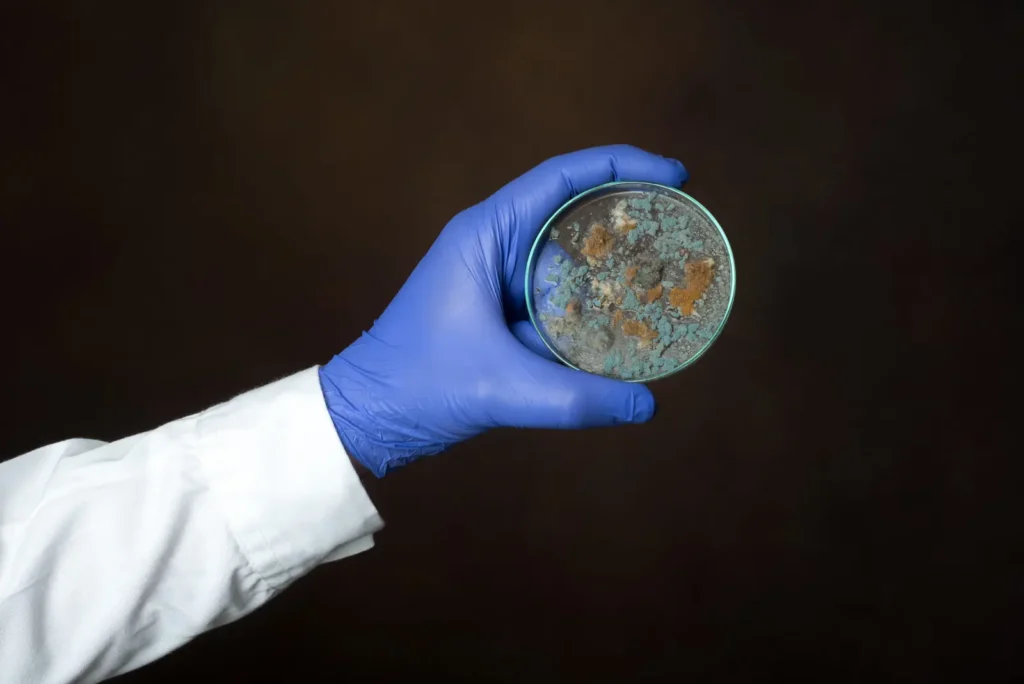
- Environmental sampling if mould or biological contamination is suspected-air testing and surface swabbing can confirm the presence of fungal spores or bacterial growth
- Laboratory analysis of samples under controlled conditions to identify microorganism species and concentration levels
- Correlation of visual findings with sampling data to establish the most likely source or sources
- Written interpretation of results and actionable remediation recommendations tailored to the property's condition and the property owner's circumstances
Because odours often originate from multiple sources, or from conditions not immediately visible, this layered approach distinguishes professional investigation from casual troubleshooting. Air quality assessment during the investigation also captures baseline data about humidity, particulate levels, and volatile organic compounds-information that clarifies whether odour is the only concern or one symptom of broader air quality degradation.
EnviroGuard's laboratory testing provides objective confirmation. A smell might suggest mould, but laboratory analysis distinguishes between mould spores, bacterial byproducts, musty compounds from wet building materials, and chemical off-gassing from finishes or insulation. This precision allows property owners to prioritize remediation where it will have the greatest effect.
Results: From Mystery to Clarity and Action
A recent case illustrates the practical value of this approach. A commercial property in Burlington experienced a persistent earthy, musty odour in one wing despite thorough cleaning and air freshener use. Tenant complaints escalated, and the property manager worried the smell signalled hidden mould that could damage reputation and leasing potential.
EnviroGuard's investigation revealed the source: a section of the building's crawlspace had experienced slow seepage over several months, creating conditions where soil-dwelling microorganisms thrived in the damp insulation and subflooring. The odour was geosmin and other volatile compounds produced by actinomycetes and fungi responding to moisture. Visual inspection alone would have missed this because the affected area was not obviously wet-the dampness was chronic but not catastrophic.
Air testing confirmed elevated fungal spore concentrations compared to outdoor baseline levels. Laboratory identification of the dominant spore types confirmed environmental moisture as the root cause rather than an active mould colony requiring immediate remediation.
With the source identified, the property manager implemented targeted solutions: improved drainage, crawlspace ventilation upgrades, and controlled dehumidification. Remediation was proportionate because it addressed the actual problem. The odour resolved within two weeks of these interventions, and follow-up air testing confirmed spore levels returned to acceptable ranges. The property owner avoided unnecessary renovation costs and retained tenant confidence.
Another Burlington residential case involved a homeowner with respiratory sensitivity who perceived strong chemical odours after interior renovation work. Concern about adhesives, sealants, and paint off-gassing drove the investigation. EnviroGuard's air quality assessment measured volatile organic compound concentrations in the home and compared them to indoor air quality guidelines. Results showed VOC levels elevated above baseline but within ranges typical of new construction, declining over time as materials cured. The homeowner received clear guidance on ventilation timing and realistic expectations for off-gassing duration rather than alarm about toxicity.
These outcomes-one requiring structural remediation, one requiring education and reassurance-would have been impossible without investigation. In both cases, the property owner moved from anxiety and guesswork to informed decision-making grounded in environmental data.
Why Professional Investigation Matters for Burlington Property Owners
DIY odour elimination typically targets symptoms. Opening windows, applying odour neutralizers, or replacing HVAC filters may temporarily mask the smell, but if the source remains, the odour returns. Professional investigation saves time and money by preventing wasted effort on ineffective measures.
For real estate transactions in Burlington, certified environmental testing provides due diligence that protects buyers. A persistent odour during showings raises questions; a clear investigation report either confirms no environmental concern or identifies a condition that can be factored into negotiation or remediation planning before closing.
Property managers and commercial landlords benefit from documented investigation because it demonstrates duty of care if tenant disputes arise. When a complaint is logged, a professional assessment creates a record of the investigation and the basis for remediation decisions.
Families with members who have asthma, mould sensitivity, or other respiratory conditions gain particular value from air quality assessment integrated into odour investigation. Understanding whether an odour signals a genuine air quality issue affecting health, or is primarily a comfort and aesthetic concern, shapes how urgently remediation should proceed.
EnviroGuard Consulting and Testing brings certified expertise and laboratory capability to odour investigation in Burlington. Rather than rely on assumptions or trial-and-error remediation, property owners gain the environmental evidence needed to act confidently and efficiently.
If an odour in your Burlington home or commercial property persists despite your efforts to eliminate it, or if you want professional confirmation of indoor air quality before making a real estate or renovation decision, EnviroGuard is ready to investigate. Contact EnviroGuard Consulting and Testing to discuss your specific situation and learn how a thorough environmental assessment can resolve the uncertainty and guide your next steps.
Frequently Asked Questions
What causes persistent odours in homes and commercial buildings?
Persistent odours typically stem from moisture, mould, bacterial growth, material degradation, inadequate ventilation, or off-gassing from building materials and furnishings. Water damage in crawlspaces, attics, or walls creates conditions for microbial activity that produces musty or earthy smells. Chemical odours may result from new finishes curing over time. Professional investigation identifies the specific source so remediation targets the actual cause rather than masking the symptom.
How does professional odour investigation differ from trying to fix the smell myself?
Professional investigation uses systematic assessment, environmental sampling, and laboratory analysis to identify odour sources with certainty. DIY approaches typically address symptoms through cleaning or air fresheners, which mask the smell without eliminating the cause. Because odour often signals underlying environmental conditions, professional testing reveals whether the issue is a comfort concern or a sign of moisture, mould, or air quality degradation requiring targeted remediation.
Can air quality testing identify what is causing an odour?
Yes. Air quality testing measures fungal spores, bacterial byproducts, volatile organic compounds, and other airborne constituents that correlate with odour sources. Laboratory analysis of air samples identifies the presence and concentration of specific microorganisms or chemicals, which combined with visual inspection and building assessment helps pinpoint the source. This data-driven approach eliminates guesswork.
How much does odour investigation cost in Burlington?
Investigation costs vary based on property size, complexity, and whether laboratory sampling is required. Contact EnviroGuard Consulting and Testing directly to discuss your property and receive a scope and estimate specific to your situation.
Is odour investigation necessary before buying a home or commercial property in Burlington?
If a persistent odour is noticeable during property viewing, professional investigation provides valuable due diligence. It confirms whether the odour signals an environmental issue affecting value and occupancy, or is a minor concern easily remedied. This information protects buyers and informs negotiation or remediation planning.
Can mould testing in Burlington be part of an odour investigation?
Yes. When odours suggest possible mould growth, mould testing is often integrated into the investigation. Air sampling and surface swabbing identify fungal spore presence and concentration, confirming whether mould is contributing to the odour and guiding remediation decisions.
How long does it take to complete an odour investigation and get results?
Site investigation typically takes two to four hours depending on property size and complexity. If laboratory samples are collected, results return within several business days. EnviroGuard provides a timeline specific to your case during initial discussion.
Why EnviroGuard
Experience, integrity and regulatory conformity
Regulations
- O. Reg. 278/05 Asbestos on construction projects and in buildings and repair operationsOccupational Health and Safety Act
- O. Reg. 490/09 Designated substancesOccupational Health and Safety Act
- O. Reg. 347/90 General waste management, including asbestos wasteEnvironmental Protection Act
Under the Occupational Health and Safety Act (OHSA), the ministry is responsible for regulating occupational health and safety in workplaces, which includes schools, hospitals, and any place where people work.
Experience
With over 30 years of experience in solid waste management across Ontario and 20 years in environmental science, EnviroGuard Consulting and Testing provides expert asbestos, mould, and environmental testing services.
Hands-on knowledge of hazardous material assessment and indoor air quality ensures every project is handled safely, efficiently, and in full compliance with Ontario’s environmental and occupational health regulations.
Integrity
Built on high integrity and regulatory conformity, EnviroGuard delivers precise testing, reliable reporting, and practical abatement and remediation recommendations.
Clients can trust EnviroGuard to protect their buildings, occupants, and projects while maintaining the highest standards of safety and compliance.
Our services
Environmental testing and consulting
At EnviroGuard, we offer a comprehensive range of environmental testing and consulting services for homes and businesses.
Asbestos testing
Asbestos Air Quality Testing
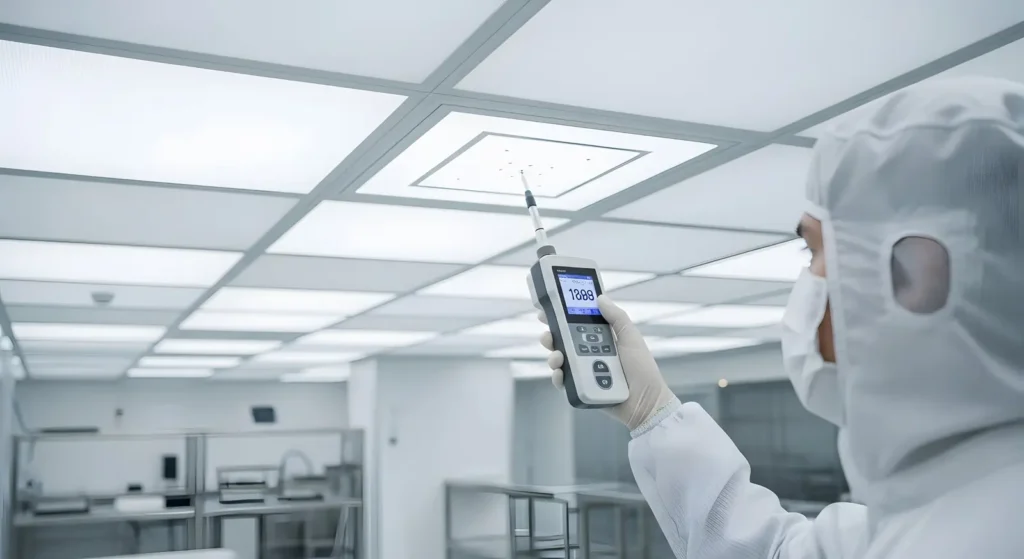
Air samples show whether asbestos fibres are present and at what concentration. Required for Type 3 work under O. Reg. 278/05.
Learn more
Asbestos Bulk Testing
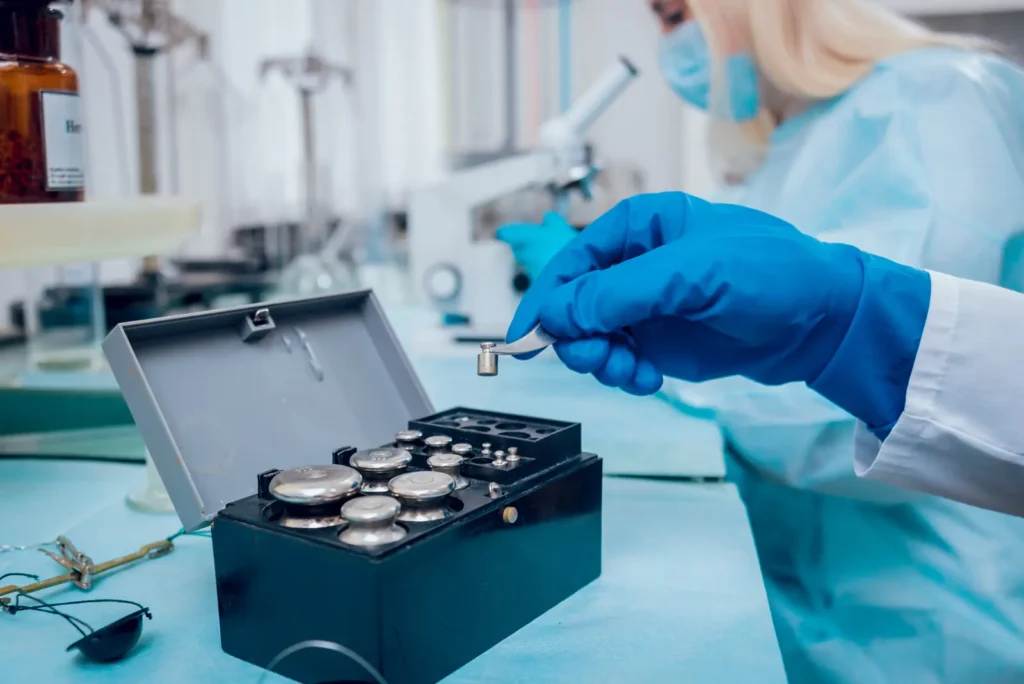
Samples of drywall compound, insulation, flooring, ceiling tiles, plaster and more, before renovation or demolition.
Learn more

Asbestos Summary Reports
All asbestos findings, both air and bulk, compiled into one easy-to-read document.
Learn more
Mould testing
Mould Air Quality Testing
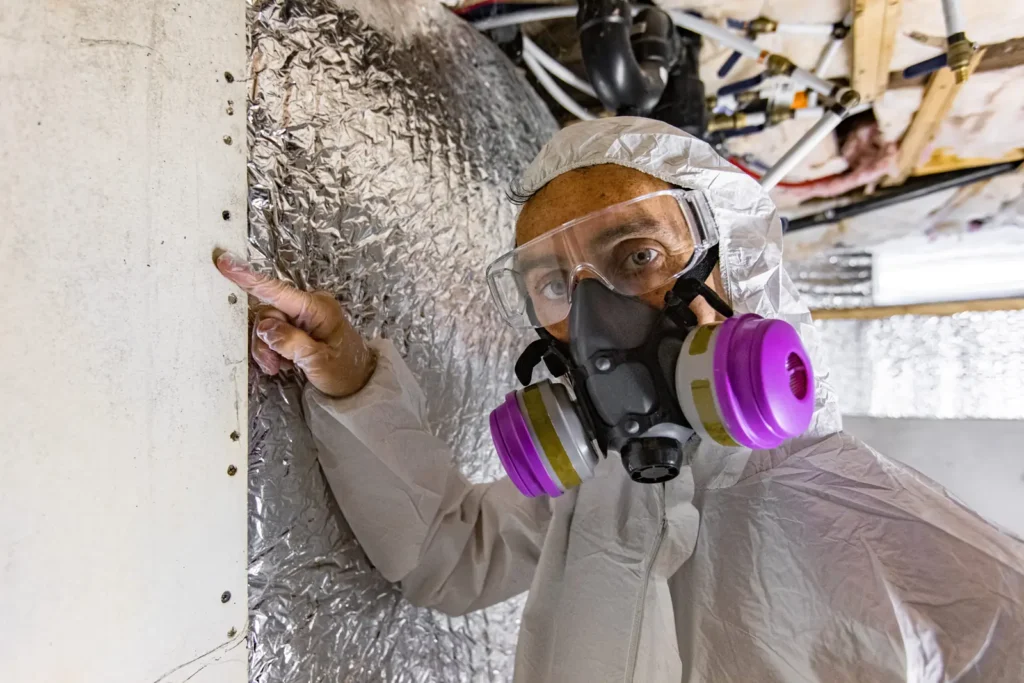
Indoor mould spore readings compared to outdoor baseline levels. A good background if mould is suspected.
Learn more
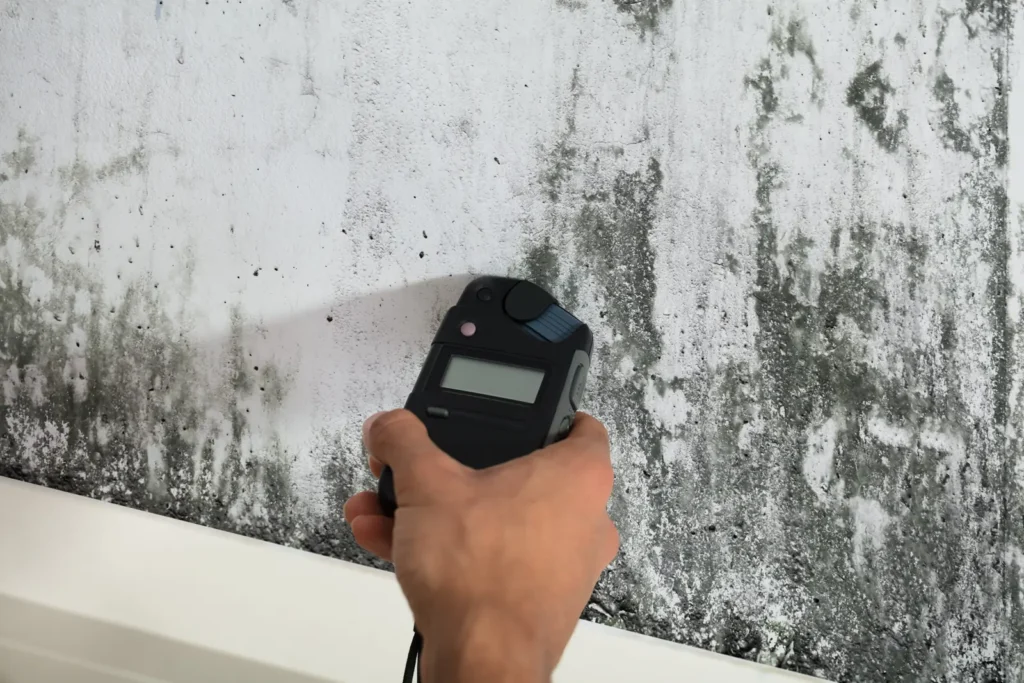
Mould Assessments
Visual inspection, moisture readings, air and/or surface sampling, source identification and recommendations.
Learn more
Surveys, removal and demolition
Designated Substance Survey
In Ontario, a DSS report is required before construction, demolition or renovation work.
Learn more
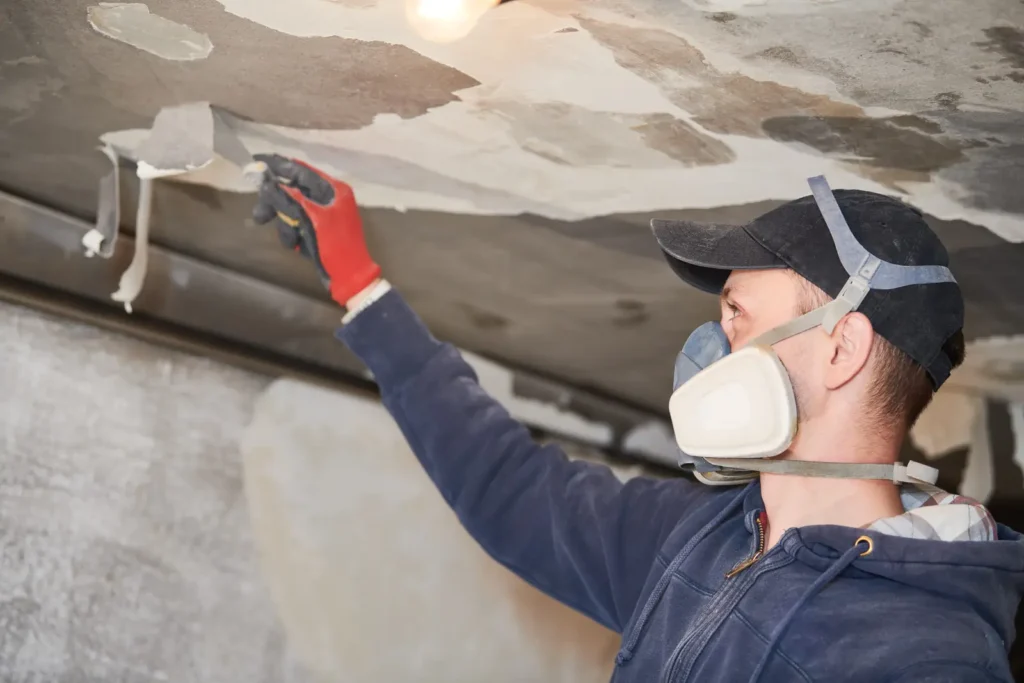
Abatement
Asbestos removal as a Type 1, 2 or 3 procedure: we can help with a contractor referral and estimate.
Learn more
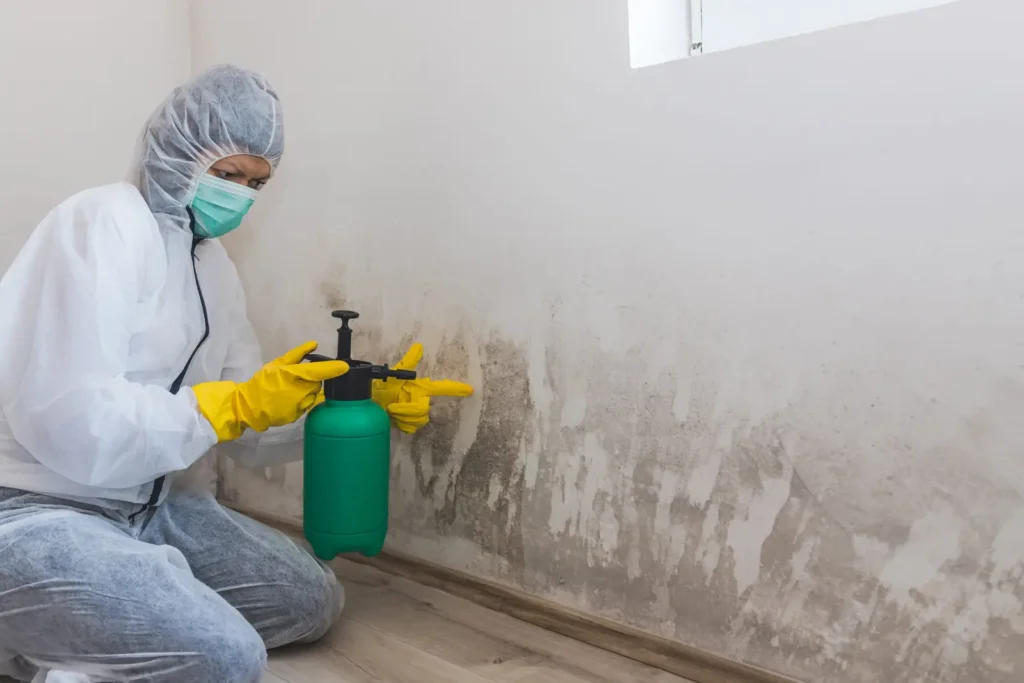
Remediation
Removal of mould-impacted materials as a Level 1, 2 or 3 procedure: contractor referral and estimate.
Learn more
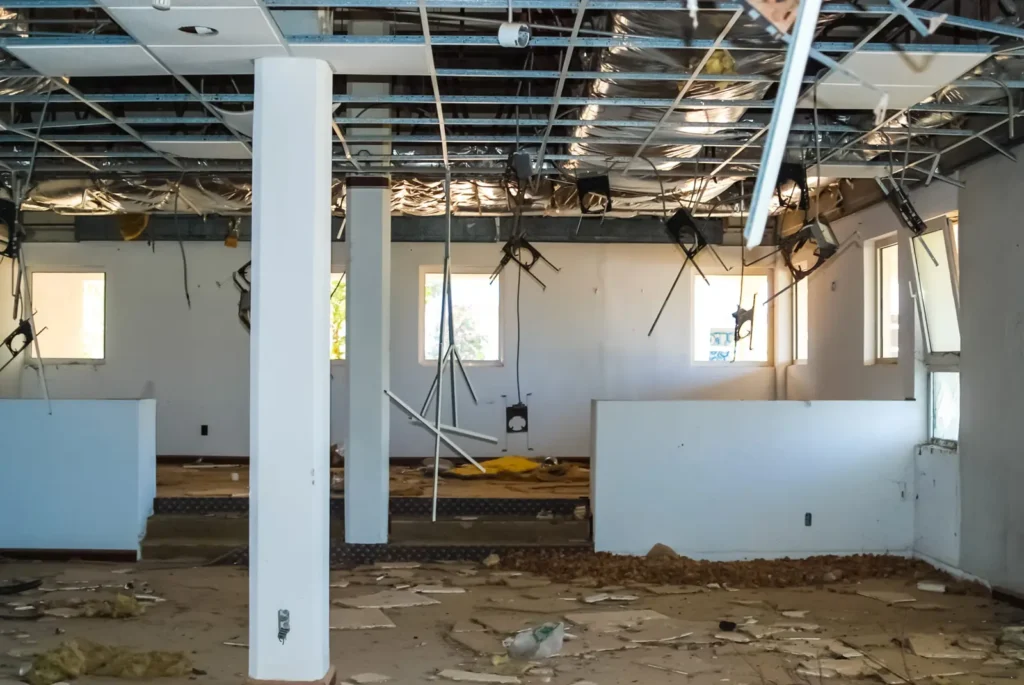
Demolition
Structural or interior demolition: we guide you through the process, with a contractor referral and estimate.
Learn more