
Asbestos & mould testing · Burlington & GTA
Protecting your health and property with expert environmental services.
Based in Burlington, Ontario, EnviroGuard Consulting and Testing is your trusted partner in ensuring a safe, healthy living and working environment. We specialize in professional asbestos and mould testing, providing accurate lab results and expert interpretations to help you make informed decisions for remediation.
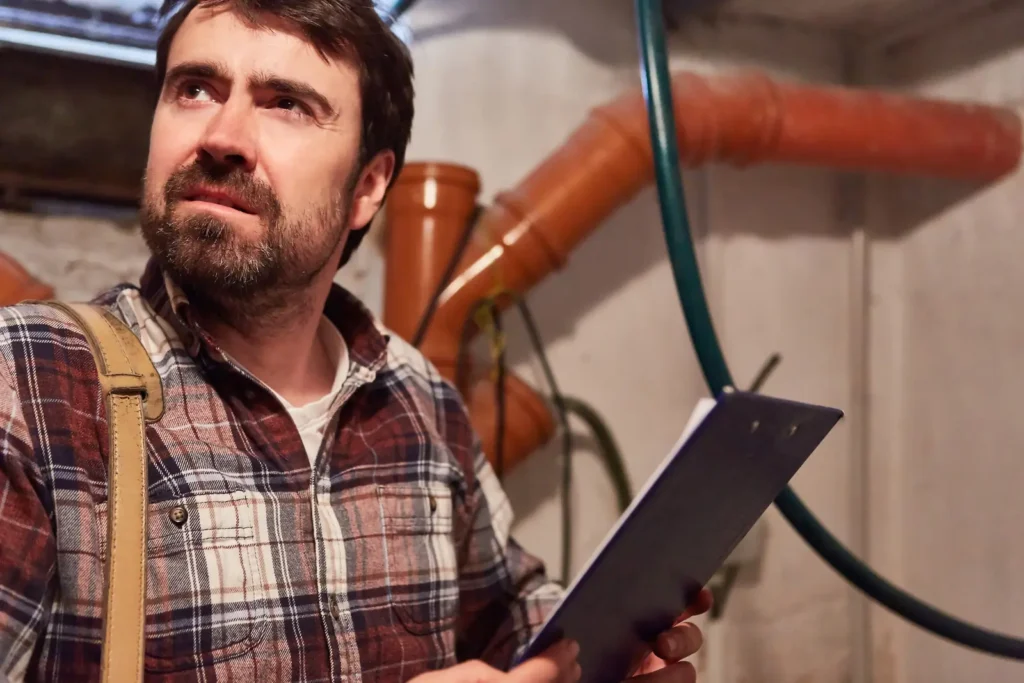
Odour Investigation Hamilton
Odour investigation in Hamilton involves identifying the source, cause, and remediation pathway for persistent or unexplained smells in residential or commercial properties. EnviroGuard Consulting and Testing provides certified odour assessment to distinguish between cosmetic nuisance odours and those arising from environmental hazards like mould, water damage, or building material degradation.
Residents and business owners in Hamilton frequently encounter odours that indicate deeper indoor air quality or structural issues. A lingering smell in a basement, musty odour spreading through a commercial space, or unexplained sourness in a rental unit can signal mould growth, moisture intrusion, asbestos-containing materials undergoing degradation, or HVAC system contamination. Without proper investigation, property owners may spend money on masking agents or air fresheners while the underlying cause worsens and poses health risks to occupants.
EnviroGuard brings certified expertise and laboratory-backed analysis to odour investigation across the Greater Toronto Area, including Hamilton, Oakville, Burlington, and surrounding communities. The process combines field assessment, material sampling, air quality testing, and expert interpretation to provide actionable answers.
Why Odour Investigation Hamilton Requires Professional Approach
Human olfactory perception is subjective and unreliable for hazard assessment. Two occupants may describe the same smell differently, and odour strength does not correlate with contamination level or health risk. A faint musty smell can indicate serious mould colonization in wall cavities; conversely, a strong odour may come from a non-hazardous source like stale HVAC filters or trapped food waste.
Professional odour investigation separates perception from evidence through systematic methodology:
- Visual inspection of affected areas, including hidden spaces like crawlspaces, attics, and wall cavities where mould and moisture commonly develop
- Assessment of HVAC system condition, ductwork integrity, and air circulation patterns that may amplify or distribute odours
- Bulk and air sampling of suspect materials and indoor air to identify mould spores, volatile organic compounds, and microbial activity
- Laboratory analysis with documented chain of custody ensuring results are defensible for insurance, real estate, or remediation planning purposes
- Written interpretation linking findings to probable causes and recommended next steps
EnviroGuard's certified inspectors conduct investigation with the same rigor applied to mould inspection and asbestos identification, because odour often signals the same environmental hazards that warrant formal testing and documentation.
Common Odour Sources and Investigation Outcomes
Odour complaints in Hamilton-area properties most often originate from moisture-driven biological growth, building material off-gassing, or HVAC system biofilm rather than single isolated causes. Investigation typically reveals layered contributing factors.
| Odour Characteristic | Likely Source | Investigation Focus | Health Concern Level |
|---|---|---|---|
| Musty, earthy, basement smell | Mould growth or moisture retention in soil, concrete, or porous materials | Moisture mapping, mould spore air testing, bulk sampling of affected surfaces | Moderate to high if mould colonization is active |
| Sour, vinegar-like odour | Bacterial biofilm in HVAC condensation pans, ductwork, or humidifier systems | HVAC inspection, air sampling downstream of system, microbial culture if needed | Moderate; indicates poor drainage and potential respiratory irritant release |
| Chemical, solvent, or paint-like smell | Off-gassing from new finishes, adhesives, or volatile organic compounds in flooring or insulation | Material identification, air quality sampling for VOC concentration, ventilation assessment | Low to moderate depending on concentration and duration of exposure |
| Stale, stuffy, or "old building" odour | Poor air exchange, trapped moisture, dust biofilm accumulation in HVAC | Air change rate measurement, ductwork inspection, filter condition assessment | Low unless mould or microbial growth is present |
Investigation in Hamilton properties often reveals that exterior moisture intrusion during spring melt or heavy rain initiates odour problems that persist long after the water event has dried. EnviroGuard's approach accounts for seasonal and weather-driven moisture patterns specific to Ontario's climate.
Odour Investigation vs. mould testing: When to Do Each
Odour investigation and mould testing serve different but complementary purposes. Odour investigation answers the question "where is the smell coming from?" Mould testing answers "is mould present, what species, and at what concentration compared to outdoor baseline?"
You may need odour investigation without mould testing if the smell is traced to HVAC biofilm, degrading building materials, or off-gassing from finishes. You may need mould testing without odour investigation if you suspect mould in a property without obvious smell-mould colonization in early or dormant stages may produce no detectable odour. Many properties warrant both services because odour is the initial complaint, investigation narrows the cause, and mould testing quantifies the biological hazard if growth is identified.
Professional odour investigation typically costs less than remediation based on guesswork, and often prevents expensive and unnecessary demolition or replacement of materials that are not actually contaminated.
In Hamilton's residential market, where many homes are older with legacy insulation, HVAC systems, and foundation issues, odour investigation frequently precedes air testing for mould to confirm that investigation findings justify the investment in formal laboratory sampling. EnviroGuard structures assessments to answer the most urgent question first, then recommend further testing only if initial findings warrant it.
What to Expect in a Professional Odour Assessment
A certified odour investigation in Hamilton typically unfolds in these stages:
- Initial consultation: EnviroGuard discusses odour onset, distribution, seasonal variation, occupant health symptoms, and previous remediation attempts. This context shapes investigation strategy.
- Site inspection: Visual walk-through of the property with focus on moisture-prone areas (basements, crawlspaces, bathroom and kitchen perimeters, attic), HVAC equipment condition, and ventilation adequacy. Inspector documents observations and takes photographs.
- Sampling (if indicated): Bulk samples of suspect materials or air samples of indoor and outdoor air are collected in sterile containers and transported to certified laboratory under chain of custody.
- Laboratory analysis: Samples are analyzed using standardized methods (mould culture, spore counts, VOC analysis) depending on suspected cause and investigation goals.
- Interpretation and report: EnviroGuard delivers written findings with photographs, laboratory results, explanation of probable cause, and recommendations for remediation or further investigation.
The timeline typically spans one to two weeks from initial site visit to final report, depending on laboratory turnaround and whether sampling is necessary. Many odour investigations are resolved through inspection alone if the cause is visually apparent-for example, a clogged condensation drain in an HVAC system or standing water in a sump basin.
If you are experiencing unexplained or persistent odours in your Hamilton home or business, professional investigation by EnviroGuard Consulting and Testing provides the clarity needed to take effective action. We encourage you to reach out with a description of the odour, affected areas, and any health concerns. We will discuss whether an assessment makes sense for your situation and explain what you can expect.
Frequently Asked Questions
What does an odour investigation cost in Hamilton?
Odour investigation costs depend on property size, accessibility of suspect areas, and whether sampling is needed. A visual inspection may resolve the issue without laboratory costs; air or material sampling adds to the fee. EnviroGuard provides a specific estimate after discussing your situation.
How do I know if a smell in my house is mould or something else?
Musty, earthy smells most commonly signal mould, but similar odours can come from moisture retention without active growth, bacterial biofilm in HVAC systems, or degrading insulation. Professional investigation distinguishes these causes through inspection and testing.
Is odour investigation in Hamilton covered by home insurance?
Coverage varies by policy and whether the odour stems from a covered peril like water damage. EnviroGuard's certified documentation can support insurance claims when investigation identifies causation; you should review your policy or contact your insurer to confirm coverage.
How long does a professional odour investigation take?
A site inspection typically requires 1 to 2 hours depending on property size and complexity. If sampling is needed, laboratory results take 5 to 10 business days. You usually receive a written report within one to two weeks of the site visit.
Why EnviroGuard
Experience, integrity and regulatory conformity
Regulations
- O. Reg. 278/05 Asbestos on construction projects and in buildings and repair operationsOccupational Health and Safety Act
- O. Reg. 490/09 Designated substancesOccupational Health and Safety Act
- O. Reg. 347/90 General waste management, including asbestos wasteEnvironmental Protection Act
Under the Occupational Health and Safety Act (OHSA), the ministry is responsible for regulating occupational health and safety in workplaces, which includes schools, hospitals, and any place where people work.
Experience
With over 30 years of experience in solid waste management across Ontario and 20 years in environmental science, EnviroGuard Consulting and Testing provides expert asbestos, mould, and environmental testing services.
Hands-on knowledge of hazardous material assessment and indoor air quality ensures every project is handled safely, efficiently, and in full compliance with Ontario’s environmental and occupational health regulations.
Integrity
Built on high integrity and regulatory conformity, EnviroGuard delivers precise testing, reliable reporting, and practical abatement and remediation recommendations.
Clients can trust EnviroGuard to protect their buildings, occupants, and projects while maintaining the highest standards of safety and compliance.
Our services
Environmental testing and consulting
At EnviroGuard, we offer a comprehensive range of environmental testing and consulting services for homes and businesses.
Asbestos testing
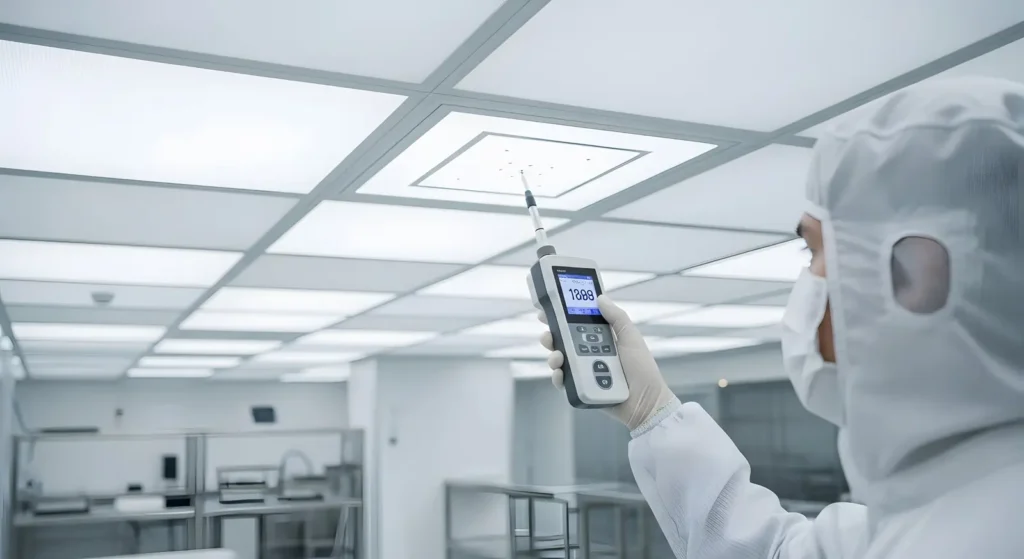
Asbestos Air Quality Testing
Air samples show whether asbestos fibres are present and at what concentration. Required for Type 3 work under O. Reg. 278/05.
Learn more
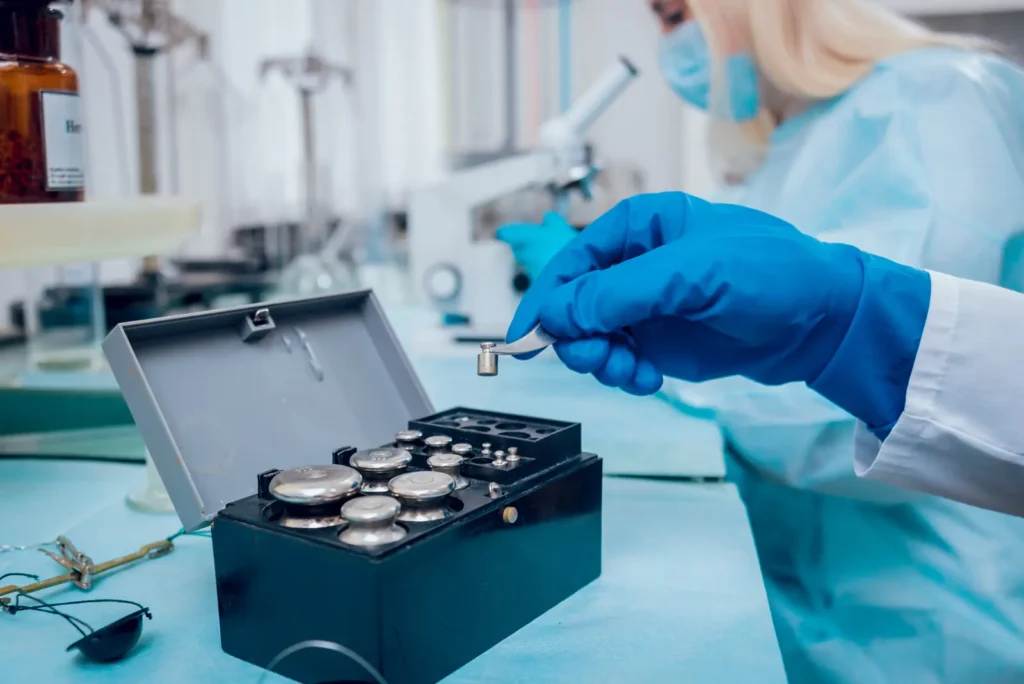
Asbestos Bulk Testing
Samples of drywall compound, insulation, flooring, ceiling tiles, plaster and more, before renovation or demolition.
Learn more

Asbestos Summary Reports
All asbestos findings, both air and bulk, compiled into one easy-to-read document.
Learn more
Mould testing
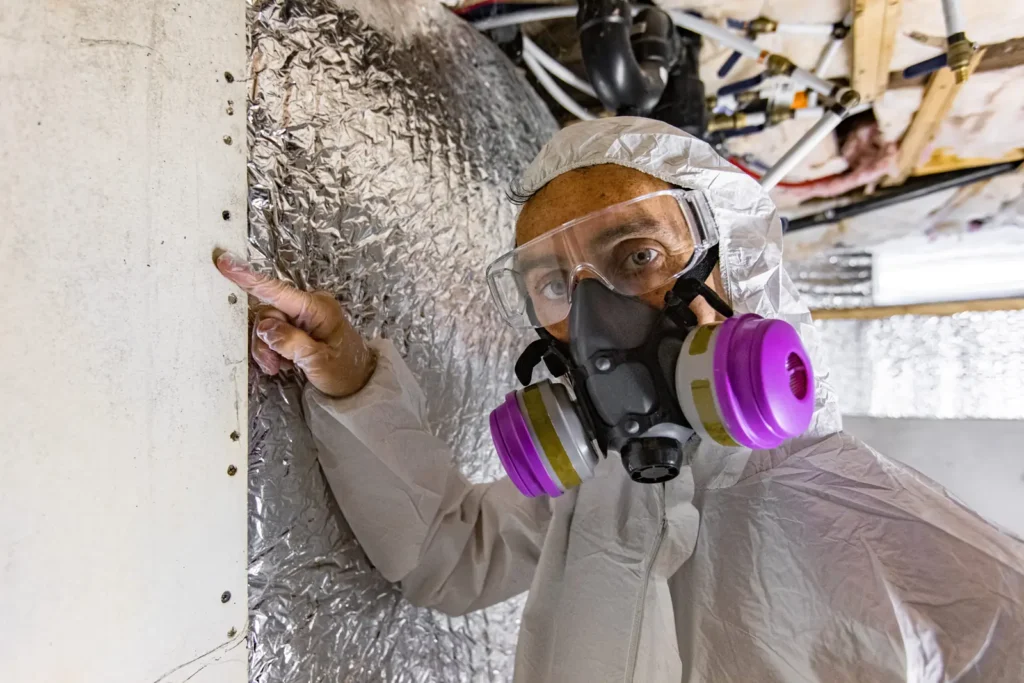
Mould Air Quality Testing
Indoor mould spore readings compared to outdoor baseline levels. A good background if mould is suspected.
Learn more
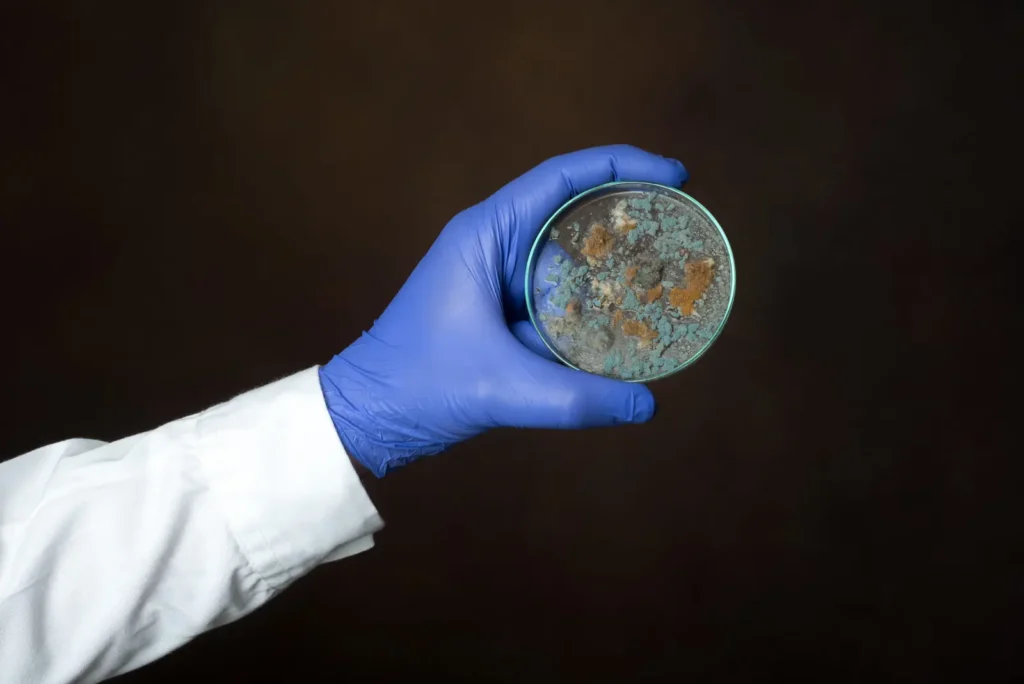
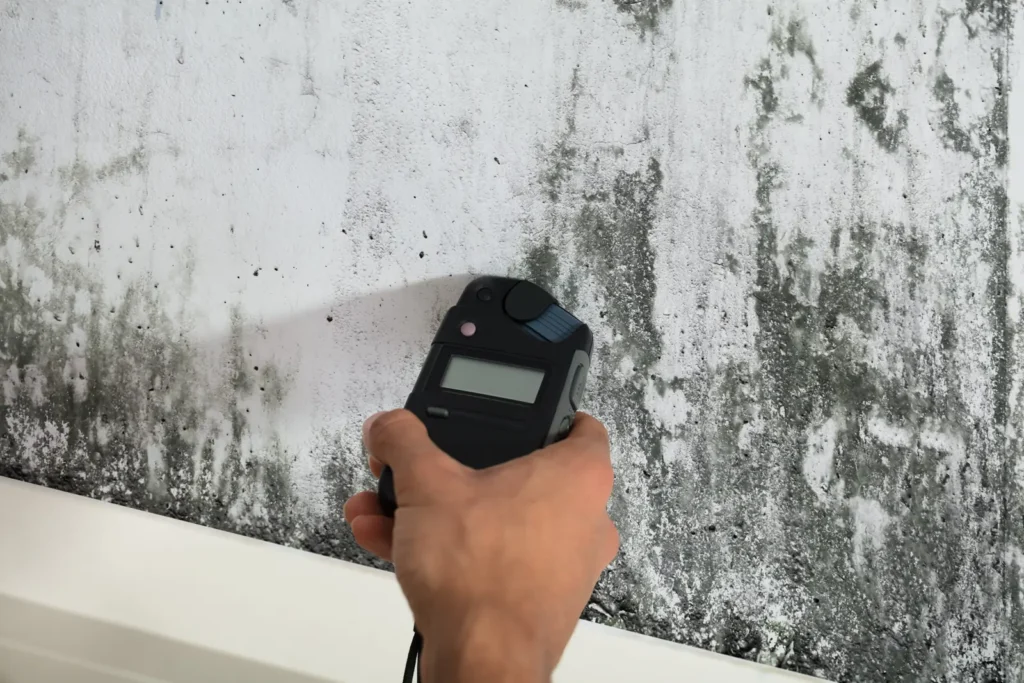
Mould Assessments
Visual inspection, moisture readings, air and/or surface sampling, source identification and recommendations.
Learn more
Surveys, removal and demolition
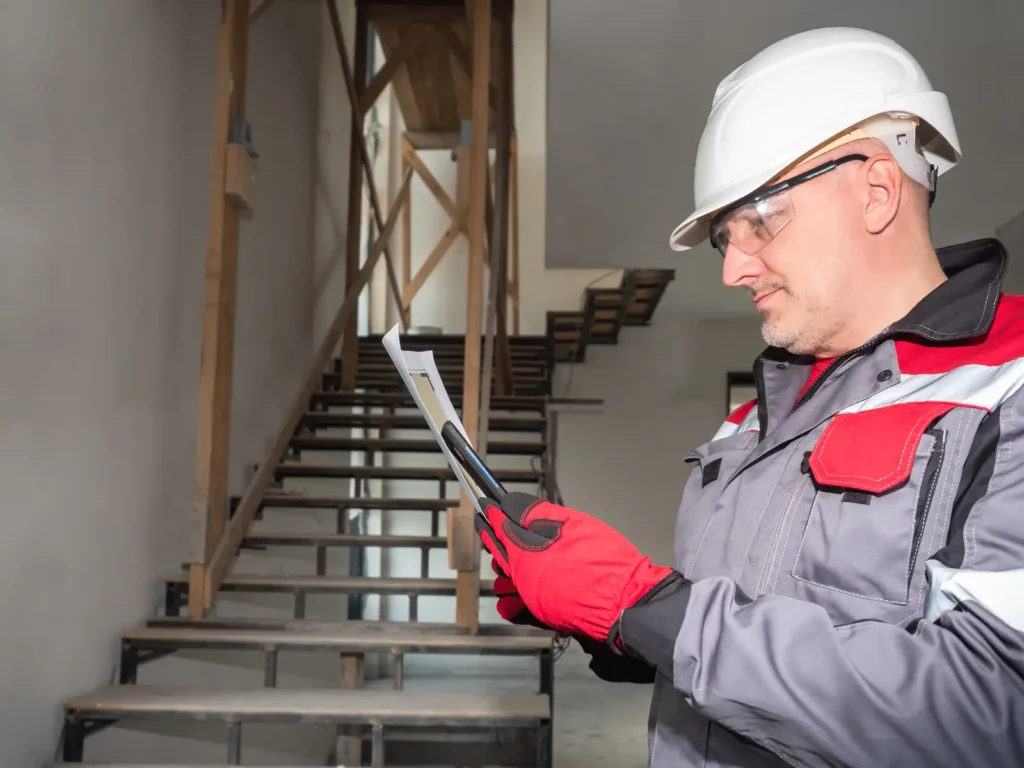
Designated Substance Survey
In Ontario, a DSS report is required before construction, demolition or renovation work.
Learn more
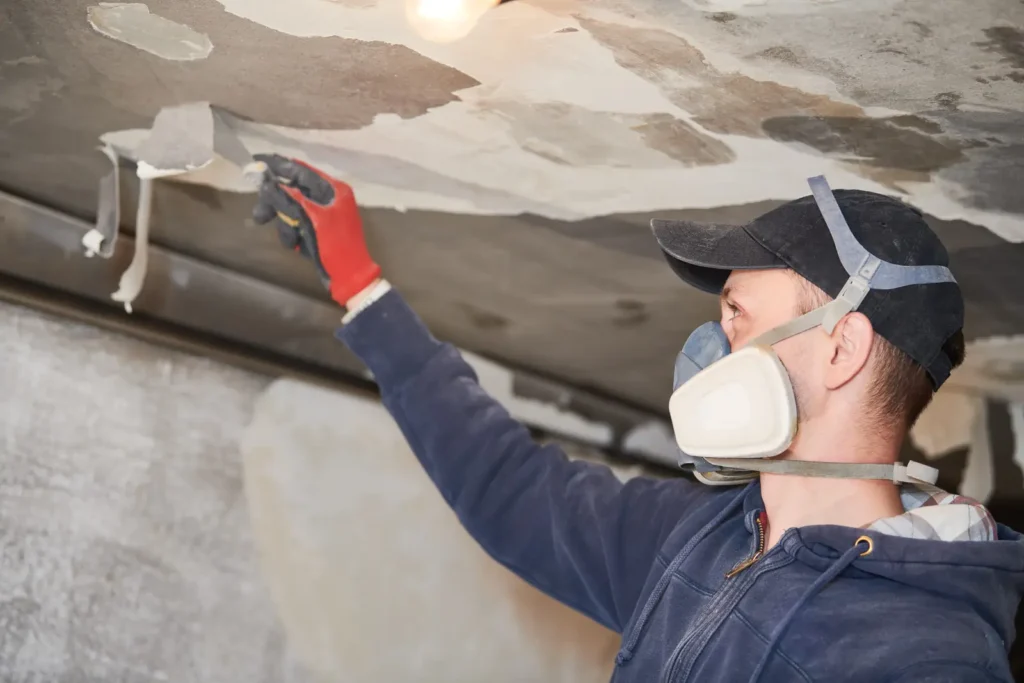
Abatement
Asbestos removal as a Type 1, 2 or 3 procedure: we can help with a contractor referral and estimate.
Learn more
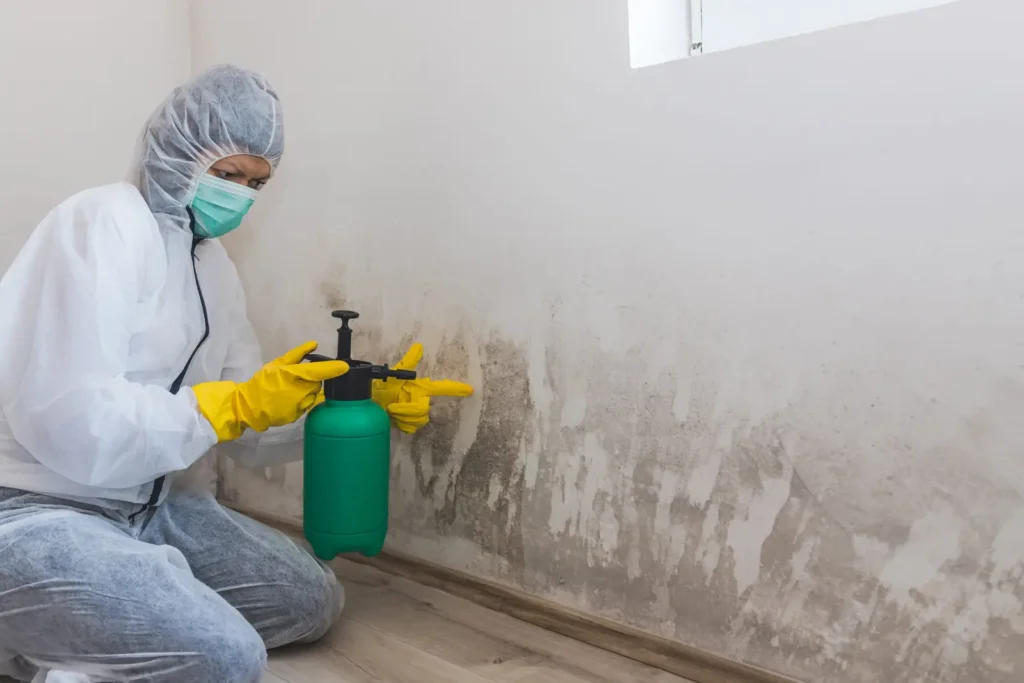
Remediation
Removal of mould-impacted materials as a Level 1, 2 or 3 procedure: contractor referral and estimate.
Learn more
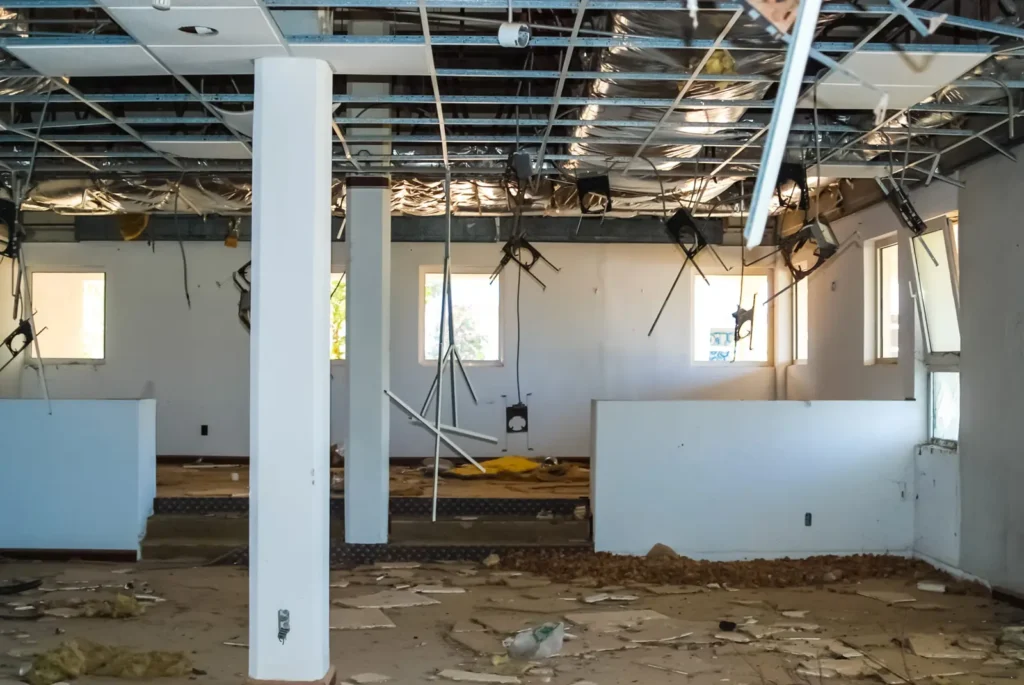
Demolition
Structural or interior demolition: we guide you through the process, with a contractor referral and estimate.
Learn more